
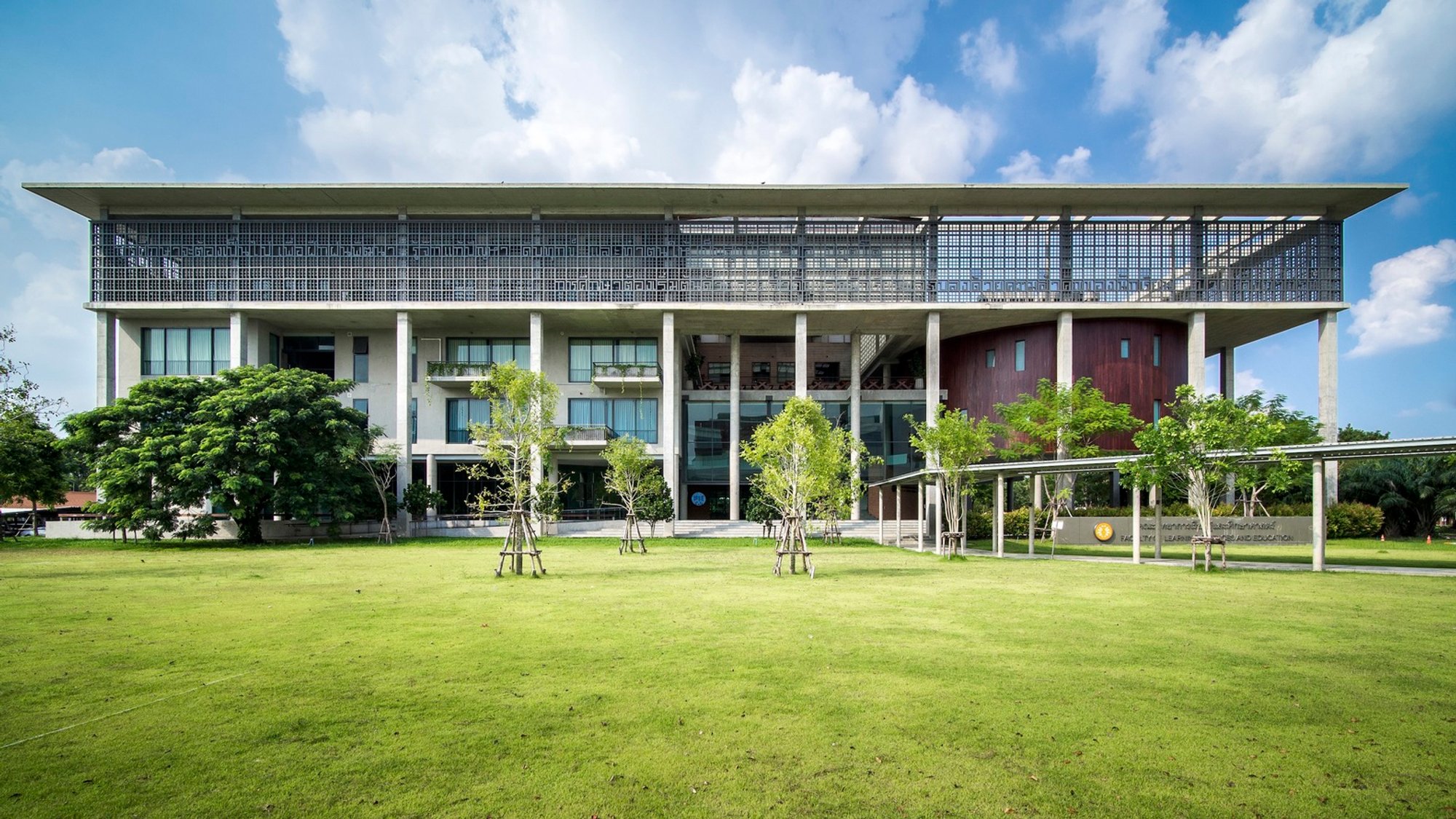
Faculty of Learning Sciences and Education, Thammasat University
A sustainable, open-plan educational hub fostering collaboration, innovation, and community at Thammasat University, designed by Arsomsilp Architects.

Transforming Education through Architecture: The Faculty of Learning Sciences and Education at Thammasat University
Thammasat University, a pioneering institution that has long played a significant role in Thailand's socio-economic and political reform, continues its legacy of educational transformation. The Faculty of Learning Sciences and Education stands as a testament to the university's commitment to shaping the future of education. Designed by Arsomsilp Community and Environmental Architect, this 4-story building is more than just an academic facility – it is a dynamic space built to foster collaboration, social development, and lifelong learning.
A Space for 21st-Century Learning
As the Faculty of Learning Sciences and Education aims to support the reform of Thailand's education system, the building was designed to accommodate the evolving needs of modern pedagogy. It acts as a hub for nurturing teachers who will become catalysts for change within the educational sector. The building itself serves as a model for teaching and learning methodologies while embodying the ideals of innovation, research, and sustainable development.
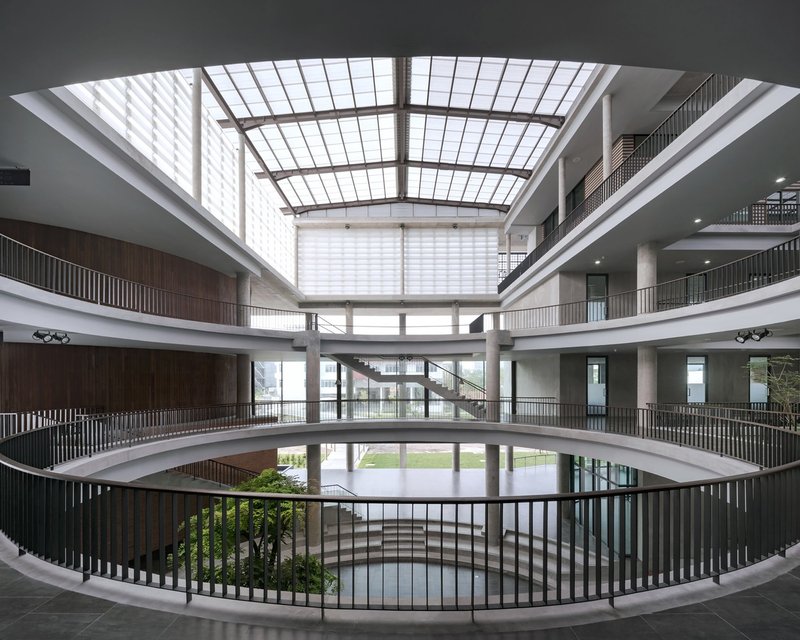
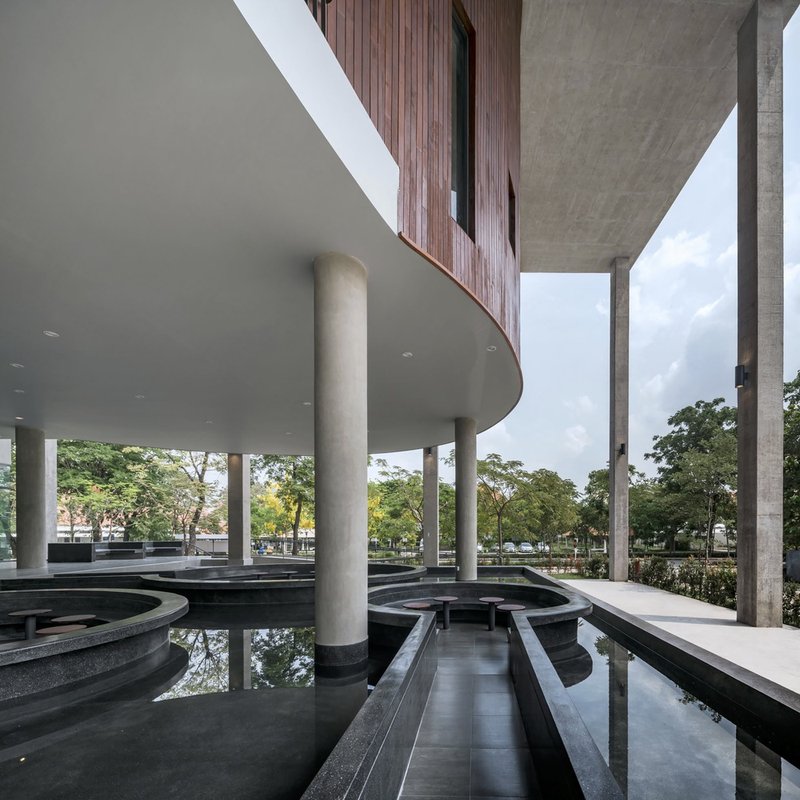
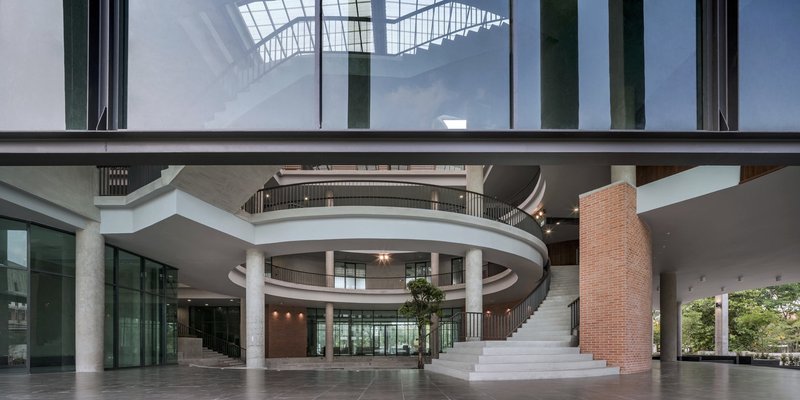
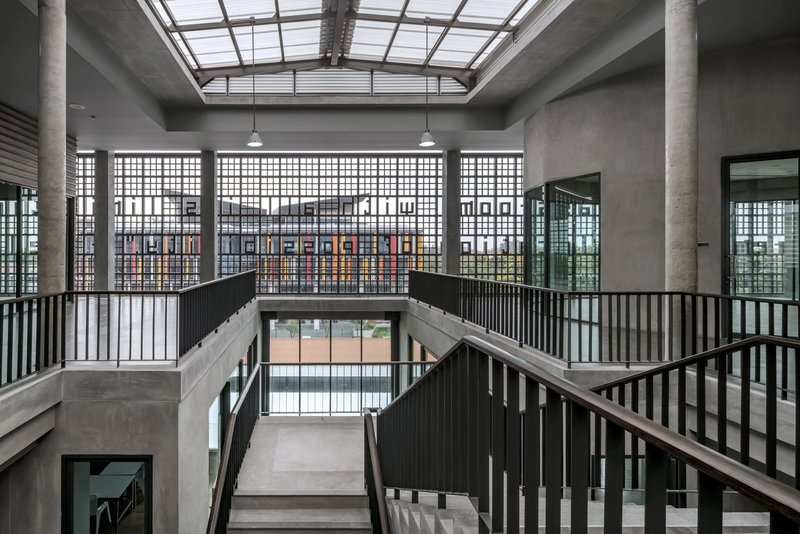
With an open-plan layout, the building promotes accessibility from all sides, offering a seamless flow of movement between spaces. Covered walkways connect the various sections of the building, creating an inclusive, interactive environment for both students and faculty. The design philosophy emphasizes openness – “open for learning, open for all, and open for opportunities.” This approach reflects the university’s mission to cultivate a vibrant community where knowledge exchange and interaction are prioritized.
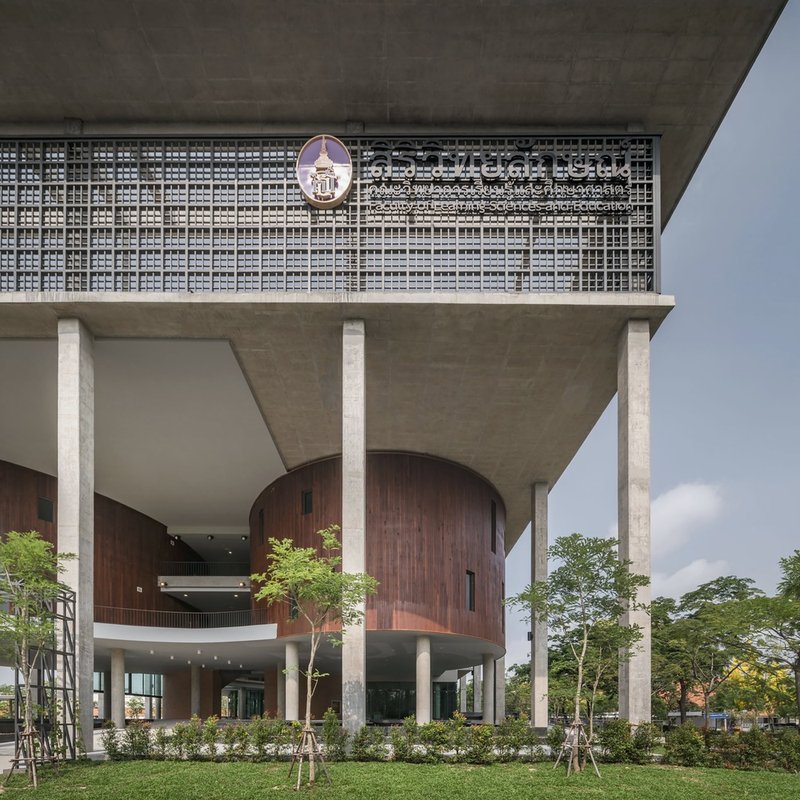
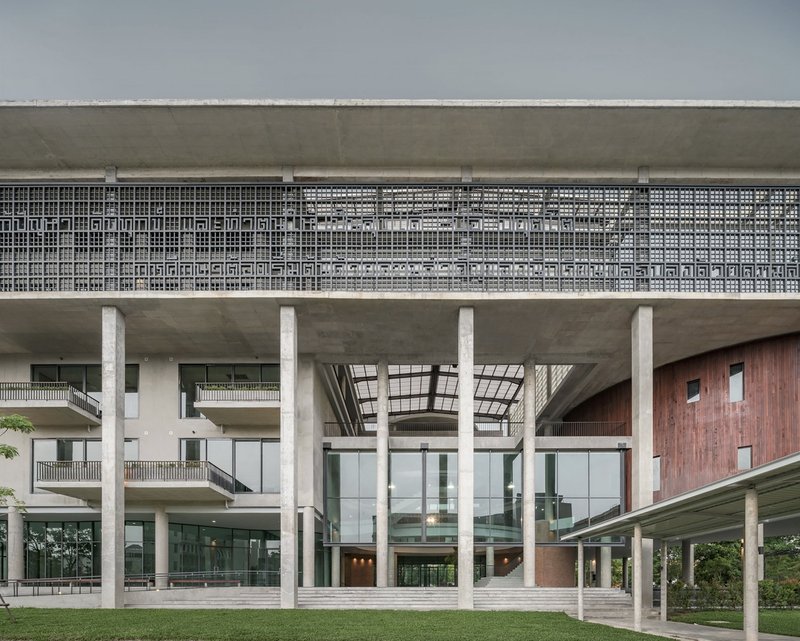
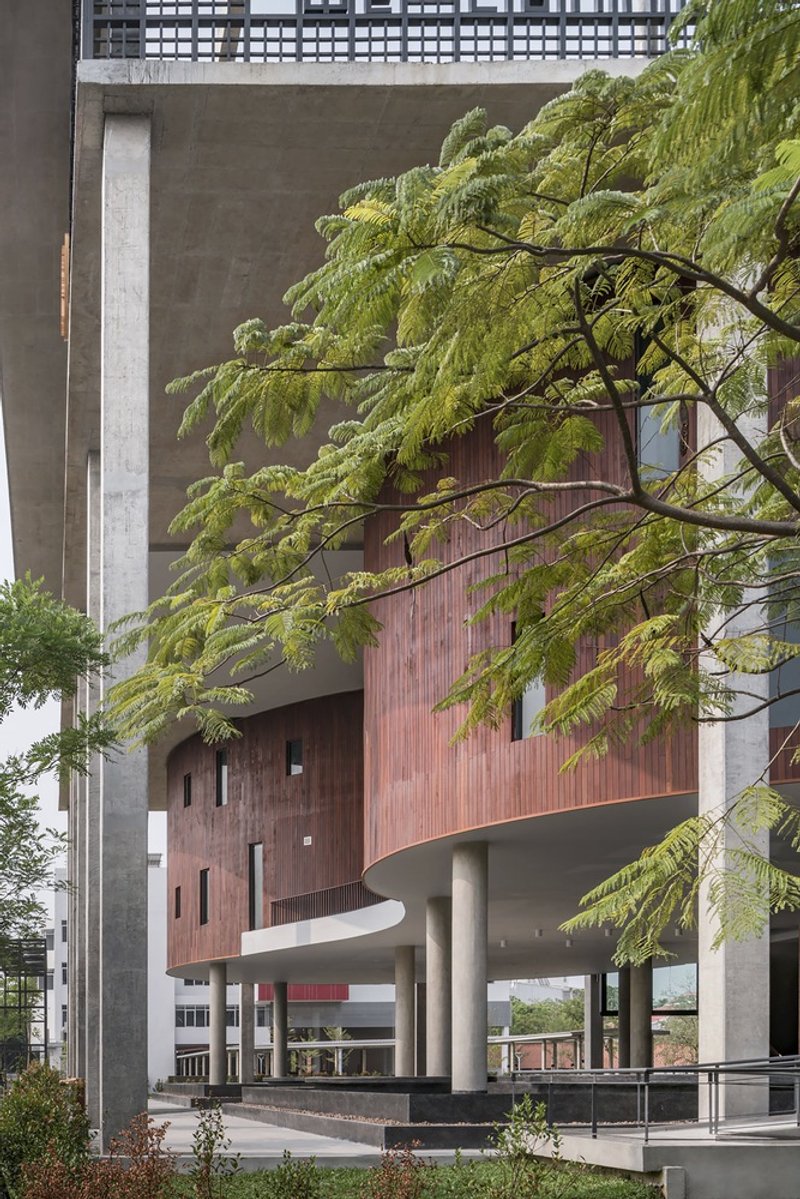
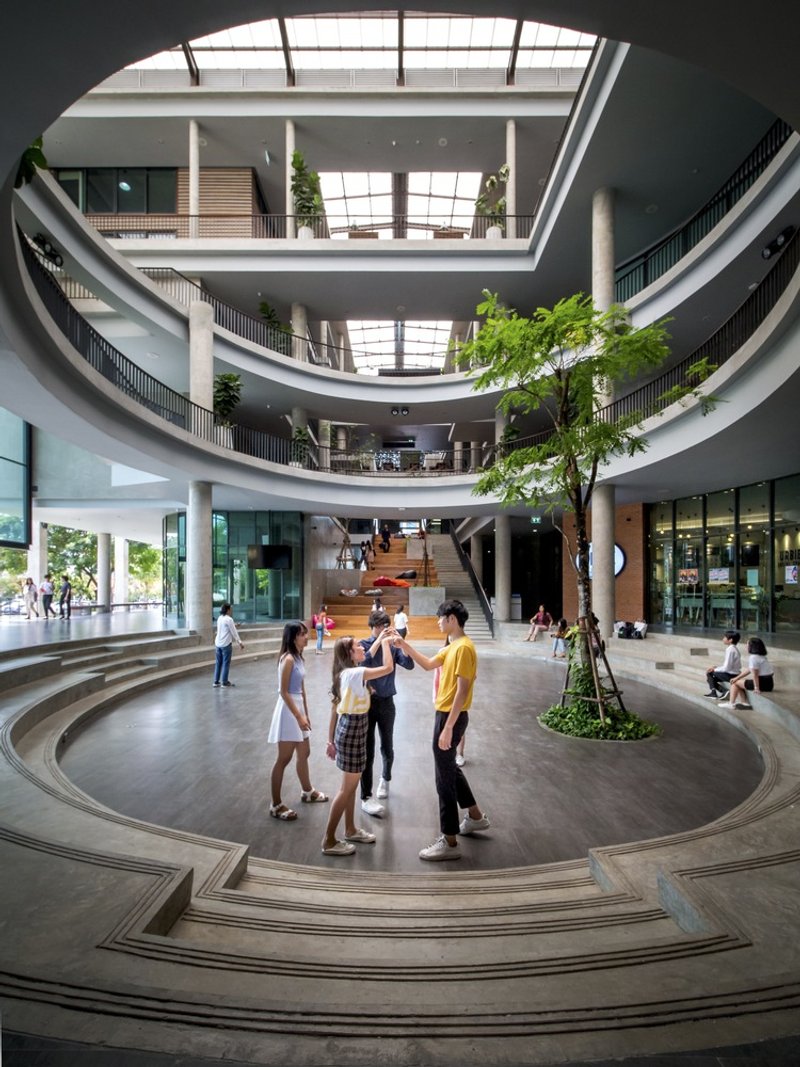
Building a Learning Community The Faculty of Learning Sciences and Education is not merely a place for academic instruction but a space for creating a learning community. The design of the building encourages collaboration and dialogue between students, professors, and visitors. The open spaces and flexible learning areas facilitate spontaneous interactions, essential for the growth of new ideas and fostering a culture of continuous learning.
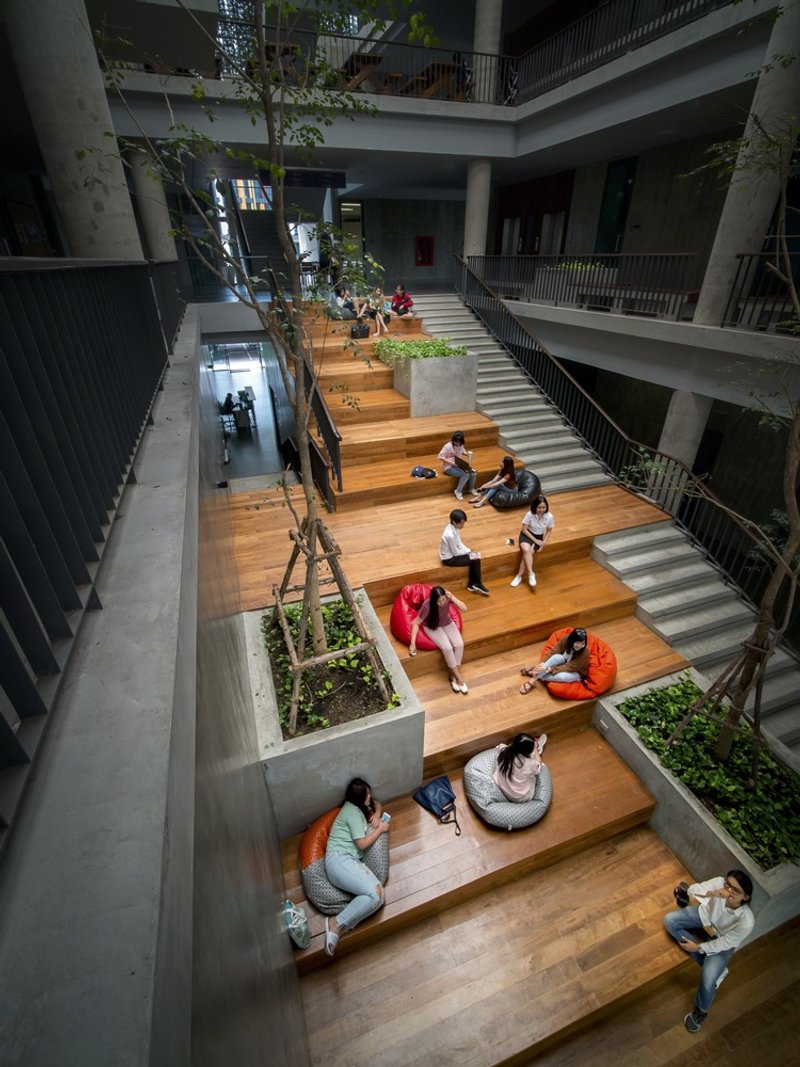
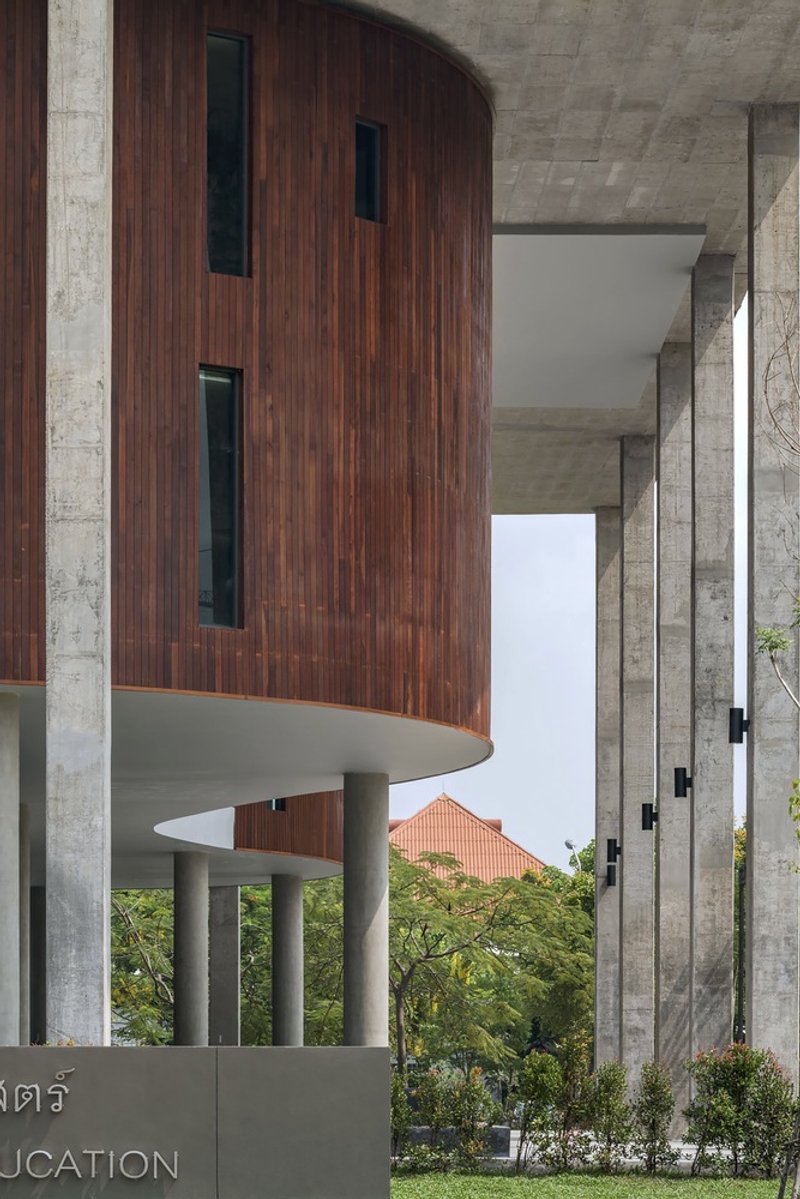
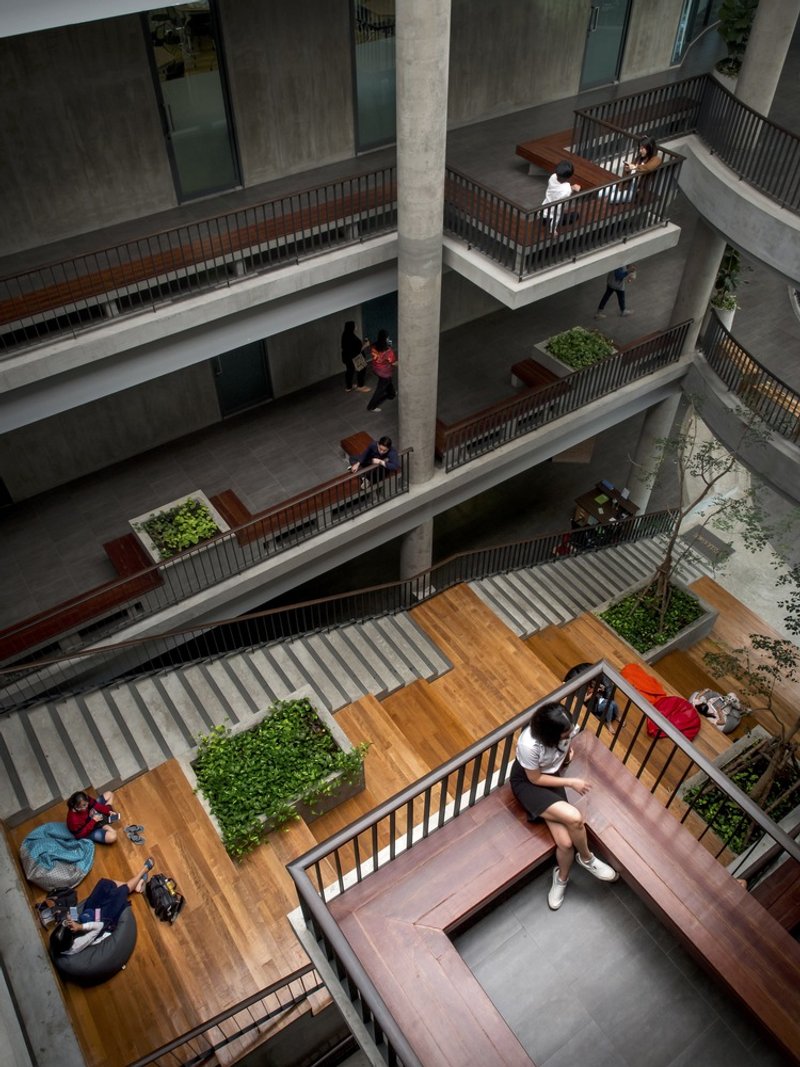
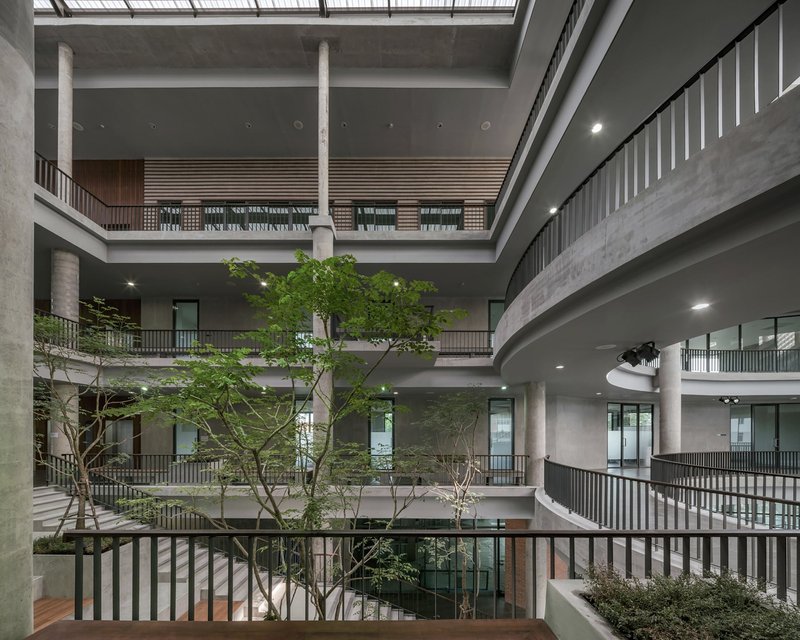
Each area of the building is designed with human interaction in mind. The central feature, an expansive wooden staircase referred to as “the learning steps,” allows students to sit and engage with one another in informal settings, surrounded by integrated trees that enhance the overall environment. The use of wood throughout the building underscores a connection to nature, providing a calming atmosphere that promotes wellness and mental well-being.
Versatile Spaces for Diverse Learning Needs
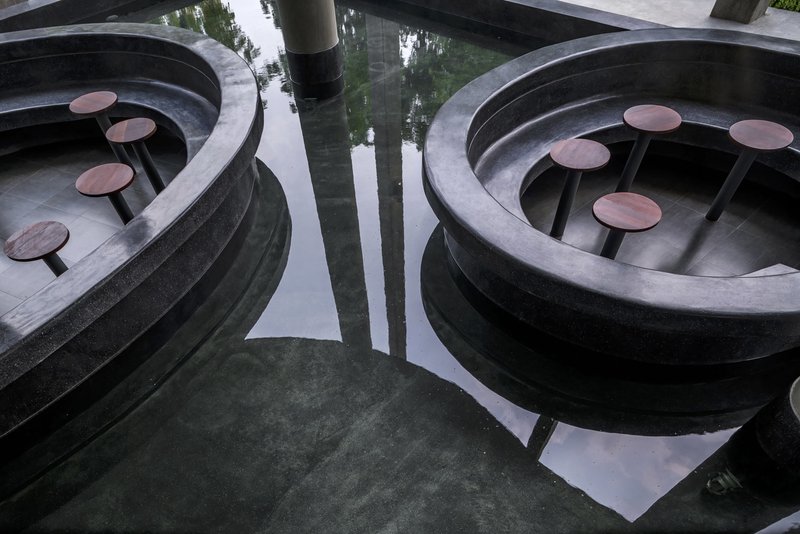
The building's interior is designed to accommodate various learning styles, supporting different types of educational activities. From quiet spaces for individual reflection to open areas for group discussions, the building offers diverse environments conducive to learning. For instance, the "cave space" provides areas for focused self-study or small-group work, while the "watering hole" facilitates social interactions, and the "campfire" encourages communal learning through conversation.
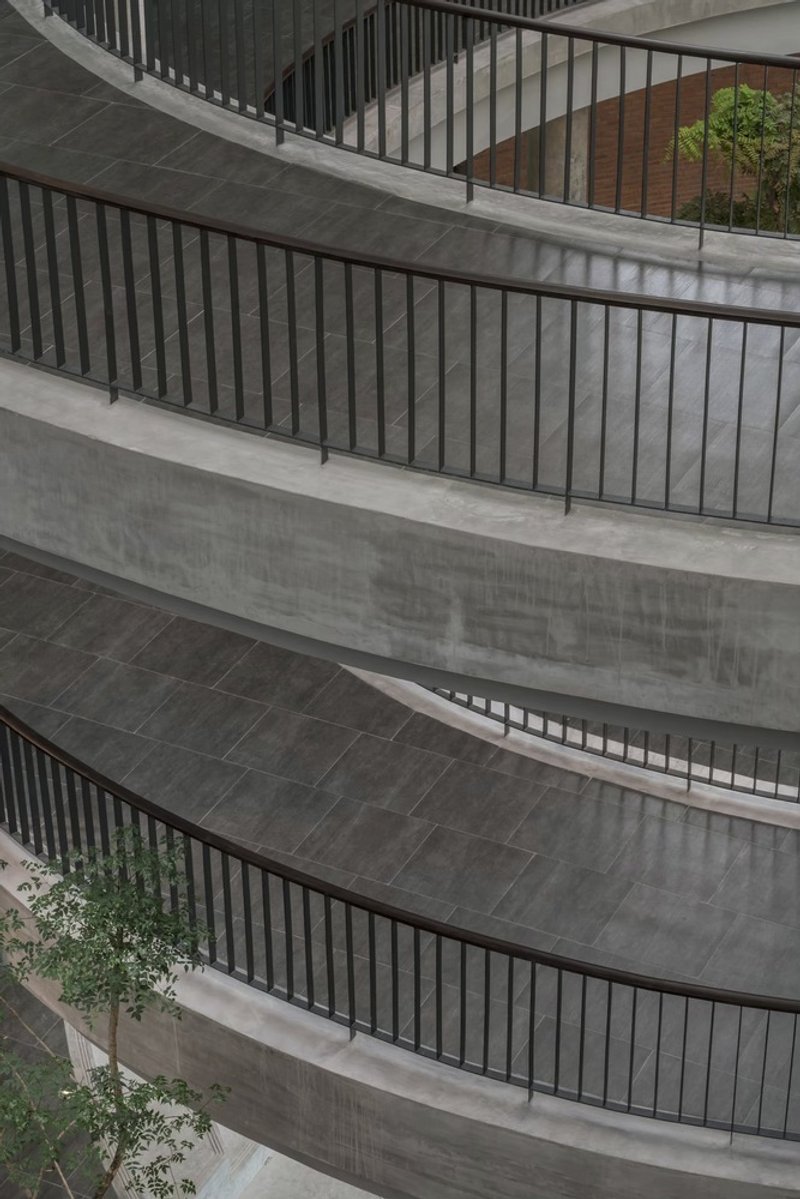
The ground floor of the building is an open, airy space, ideal for hosting large events or community gatherings. It connects seamlessly to the building’s elliptical courtyard, allowing natural ventilation to circulate freely throughout the space. On the first floor, a multi-purpose room and a co-working café provide additional venues for seminars, meetings, and informal collaborations.
The upper floors include lecture rooms and faculty offices, with the top floor dedicated to the teacher’s lounge and the dean's office. The variety of spaces within the building ensures that it meets the diverse needs of students and faculty, offering flexibility for both formal and informal learning activities.
Sustainable and Thoughtful Design
The design of the Faculty of Learning Sciences and Education is guided by principles of sustainability and environmental consciousness. The building is energy-efficient, with an emphasis on reducing its ecological footprint. It harmonizes with the master plan of the campus, integrating seamlessly with the surrounding environment in terms of land use, space, transportation, and public utilities.
Beyond its physical structure, the building serves as a model for developing a learning society. It reflects the university’s commitment to creating an environment that fosters a sense of responsibility and consciousness among students and faculty. By designing spaces that support both individual growth and community engagement, the Faculty of Learning Sciences and Education aims to inspire the next generation of educators to become active contributors to society.
A Vision for the Future of Education The Faculty of Learning Sciences and Education at Thammasat University represents a bold step forward in educational architecture. It is a place that encourages innovation, collaboration, and a strong connection between the academic community and the broader society. With its thoughtful design, sustainable features, and commitment to fostering a learning environment, the building is a powerful symbol of Thammasat University’s dedication to educational reform and social development.
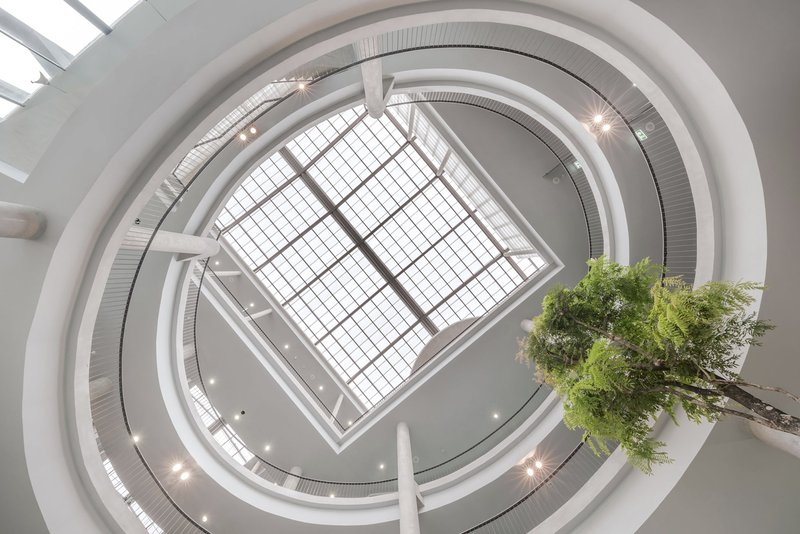
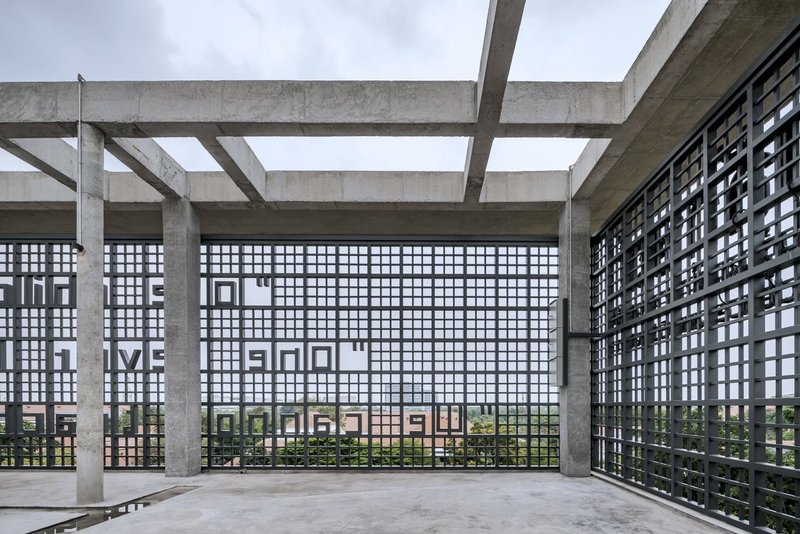
All Photographs are works of Puttikorn Kaityuttachart, W Workspace



Popular Articles
Popular articles from the community


The Ken Roberts Memorial Delineation Competition (Krob)
As the most senior architectural drawing competition currently in operation anywhere in the world, it draws hundreds of entries each year, awarding the very best submissions in a series of medium-based categories.

An Miên Lumière Cafe by xưởng xép, Ho Chi Minh City, Vietnam
An industrial-inspired café where layered steel and warm light create a dynamic, immersive environment shaped by reflection, depth, and perception.
On the Brooks House by Monsoon Collective – A Contemporary Kerala Home Rooted in Tradition
Kerala home blending tradition and modernity with water-inspired design, brick architecture, courtyard planning, and sustainable rainwater harvesting strategies.
Treehouse Apartment: A Warm Timber Interior Blending Craft, Play, and Contemporary Living
Warm timber apartment with integrated treehouse, combining natural materials, craftsmanship, and playful design to create a flexible, family-oriented living environment.


Similar Reads
You might also enjoy these articles
The Ken Roberts Memorial Delineation Competition (Krob)
As the most senior architectural drawing competition currently in operation anywhere in the world, it draws hundreds of entries each year, awarding the very best submissions in a series of medium-based categories.

Waterfront Redevelopment and Urban Revitalization in Mumbai: Forging a New Dawn for Darukhana
A transformative waterfront redevelopment project reimagining Darukhana’s shipbreaking heritage into an inclusive urban future.

OUT-OF-MAP: A Call for Postcards on Feminist Narratives of Public Space
Rhizoma Design and Research Lab invites artists, designers, architects, researchers, and students to reflect on how feminist perspectives can reshape public space. Selected works will be exhibited in Barcelona, October 2026. Submissions open until 15 April 2026.

Documentation Work on Buddhist Wooden Temple
Architectural syncretism and cultural hybridity: A comparative study of the Buddhist temples in Chattogram Hill tracks


Explore Architecture Competitions
Discover active competitions in this discipline




The International Standard for Design Portfolios


The Global Benchmark for Architecture Dissertation Awards


The Global Benchmark for Graduation Excellence


Challenge to design public laboratory
Comments (0)
Please login or sign up to add comments
No comments yet. Be the first to comment!