
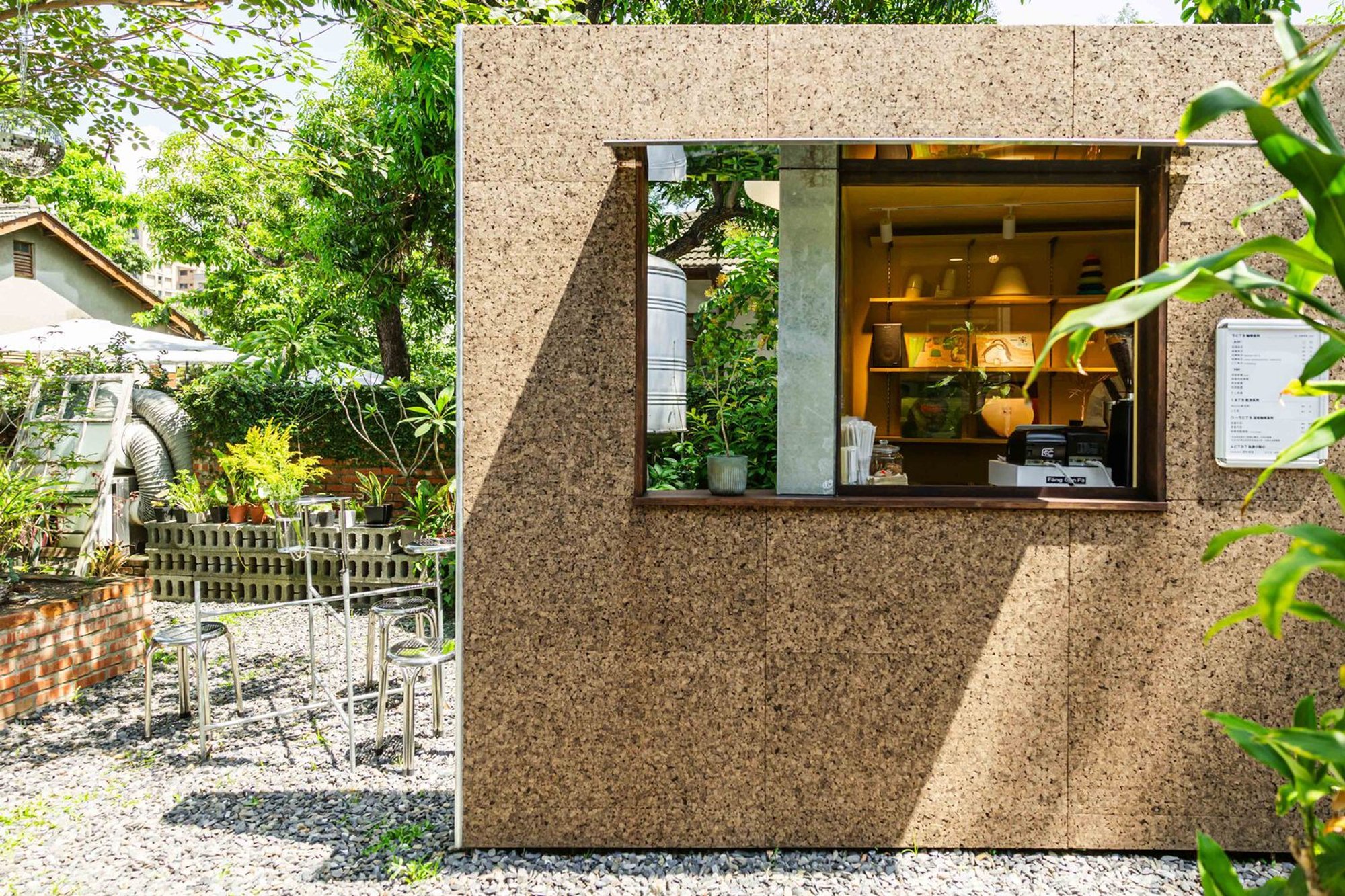
Fang Gen Fa Coffee Bar by Atelier Boter: Reimagining Heritage with Walls and Cork in Pingtung
A compact, sustainable coffee kiosk in Pingtung blending cork, community, and tradition to revive Taiwan’s historic newsstand culture.

A Sustainable Coffee Kiosk Rooted in Military Village History
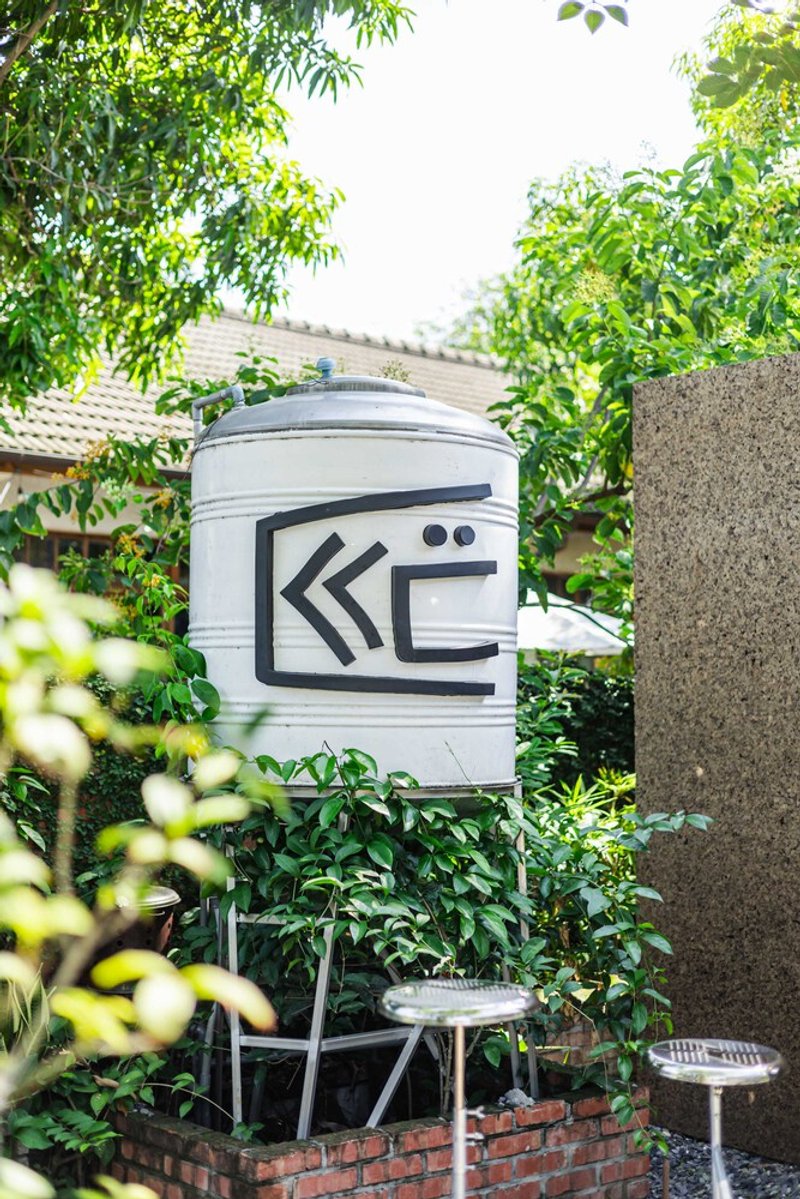
Located in the heart of Pingtung, Taiwan, the Fang Gen Fa Coffee Bar by Atelier Boter is a striking example of how small-scale architecture can engage with memory, sustainability, and social space. Built in 2023, this 8-square-meter coffee kiosk is situated in a century-old Japanese-era military village, transforming a forgotten backyard into a vibrant social node that reinterprets the legacy of a lost newsstand culture.
Resurrecting the Spirit of the Newsstand Through Design
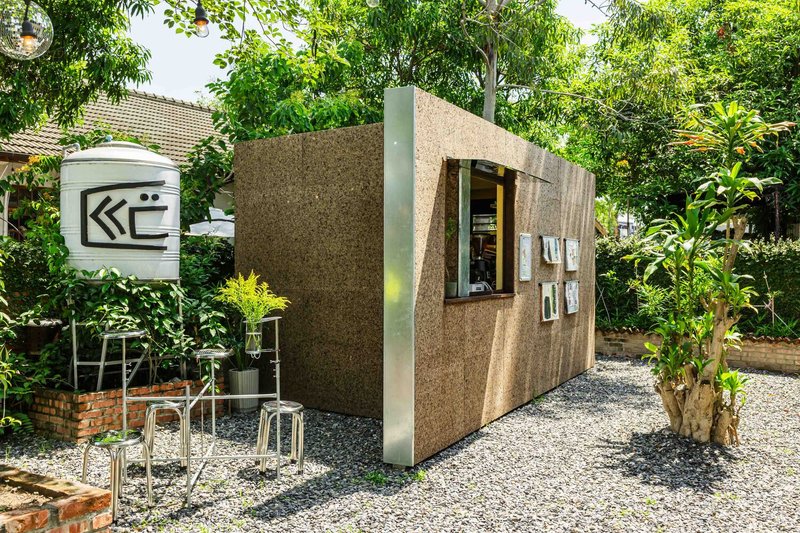
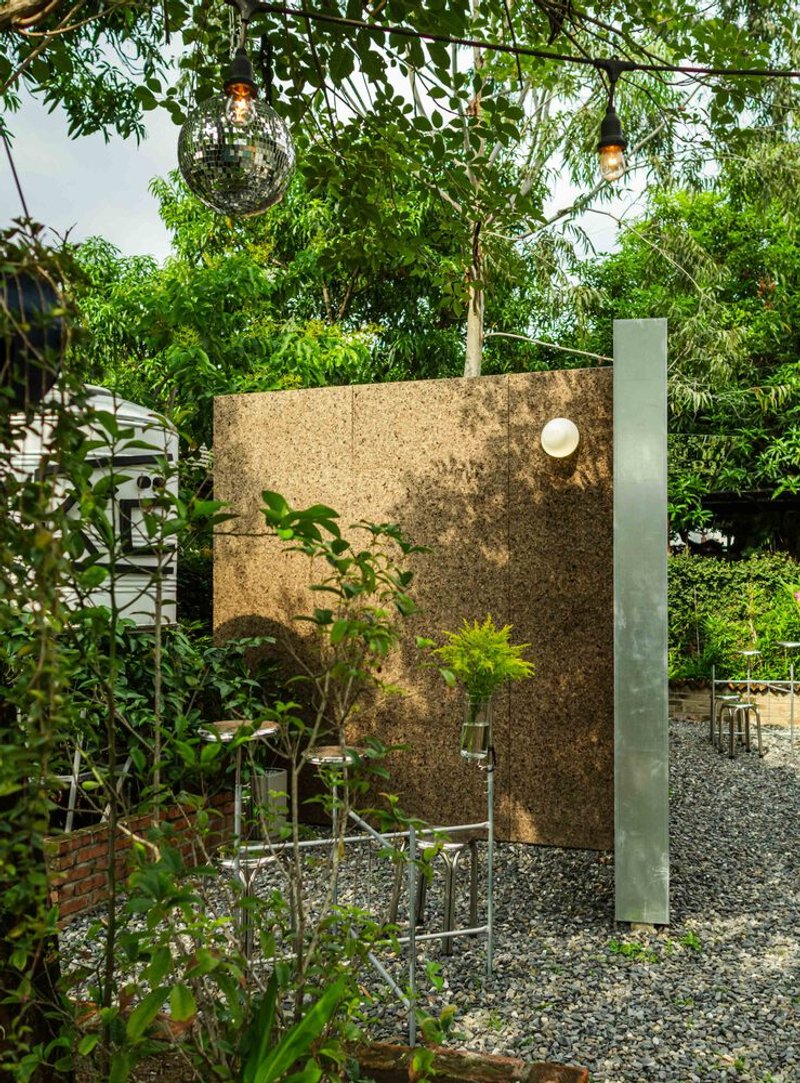
Atelier Boter’s design responds to the fading presence of newsstands in Taiwanese urban life. By combining coffee, community, and newspapers, the team conducted a "wall experiment" to reimagine physical boundaries and human connection in a digital era. The concept revolves around the symbolic and functional role of walls — drawing from the 1.6-meter-high boundary walls historically common in military villages. These walls once preserved privacy while still enabling a visual and social network among neighbors.
In the Fang Gen Fa Coffee Bar, this idea is revived with two intersecting walls forming a slanted T-shaped structure, enclosing the kiosk while opening outward to create a semi-public space that invites interaction. An angled intersection at 80 degrees subtly expands the outdoor area, aligning the kiosk with its role as a modern-day newsstand and café hybrid.
Material Innovation: Cork as Cultural and Climate Strategy
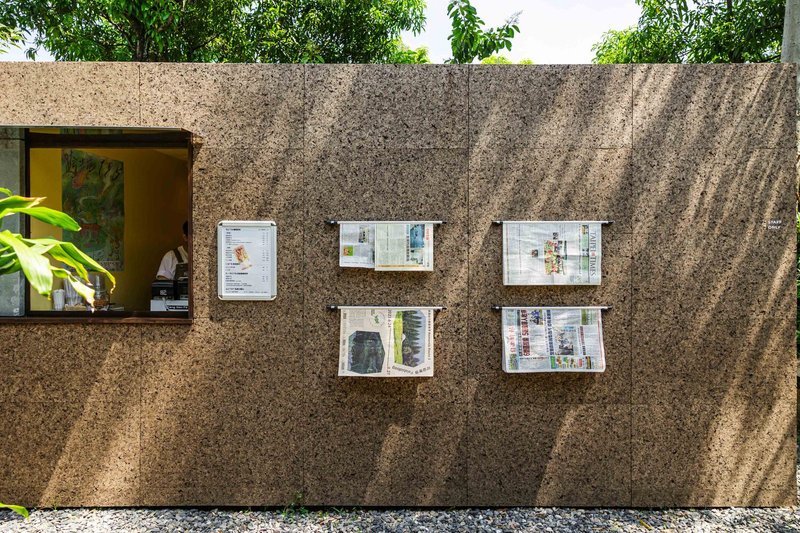
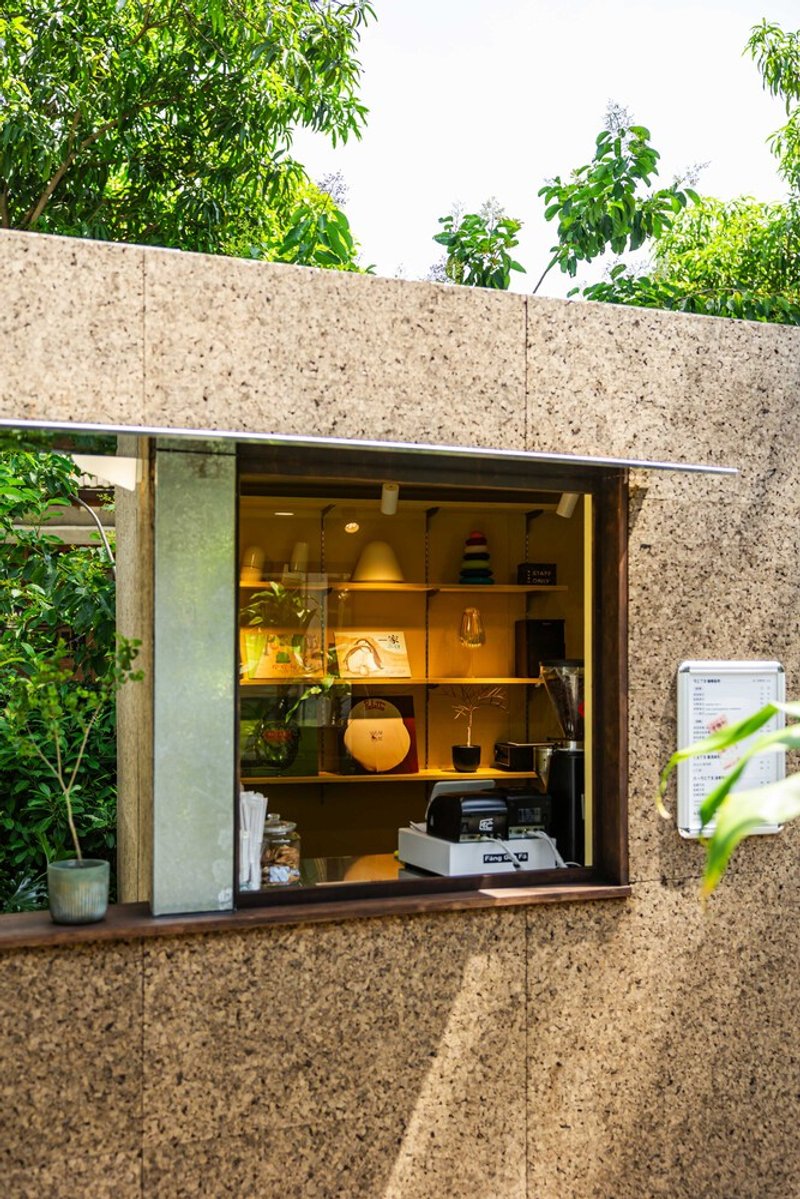
The kiosk's carbonized cork facade is a standout material choice. This 100% recyclable, hydrophobic, and thermally insulating material suits Taiwan’s hot and typhoon-prone climate. Beyond performance, cork blends harmoniously with the surrounding backyard garden, allowing the coffee bar to nestle into its historical environment with minimal intrusion.
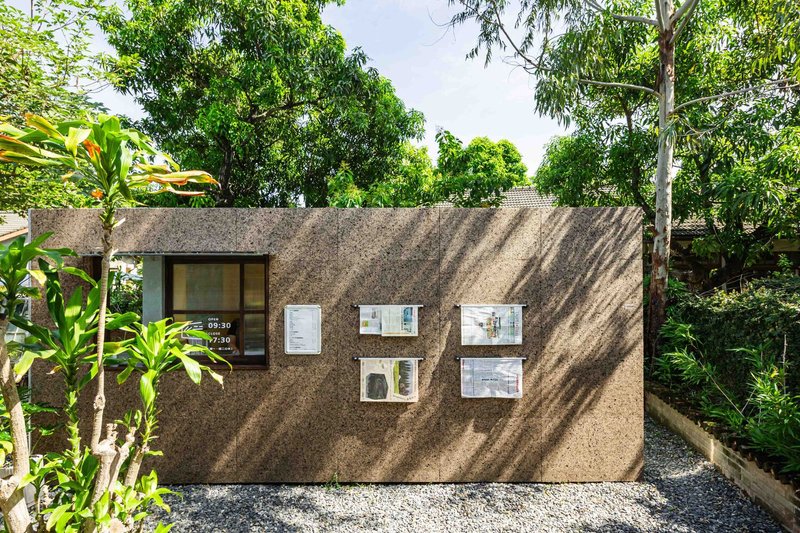
More than a passive cladding, the cork wall actively participates in the spatial narrative — functioning as a display surface for hanging newspapers that offer diverse perspectives from Taiwan and the world. In this way, the cork wall becomes a living interface, merging local context, material sustainability, and media culture.

Adaptive Furniture Inspired by Taiwanese Traditions
The outdoor furnishings further reinforce the project’s ethos of reuse and adaptability. Atelier Boter repurposes traditional scissor legs — commonly used at Taiwanese banquet tables — as bases for modular stainless-steel coffee tables. These height-adjustable tables can easily convert between standing and sitting arrangements, depending on time of day, number of guests, or weather conditions.
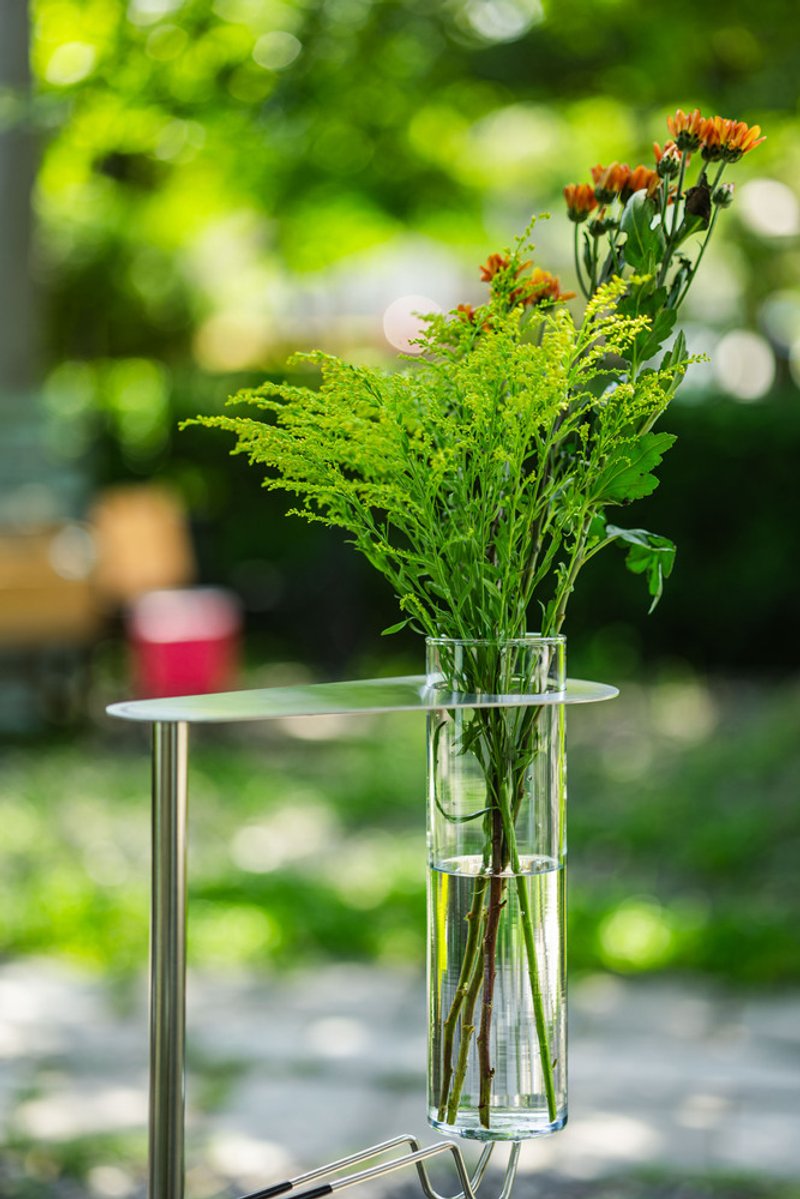
Additionally, stainless-steel accessories serve as vase holders, attached using camping-style pigtails, emphasizing a DIY aesthetic while ensuring durability and flexibility. This design approach transforms everyday utilitarian objects into dynamic pieces of interactive urban furniture, accessible to a new generation.
A Day in the Life: Blending Routine and Ritual
Every detail of the Fang Gen Fa Coffee Bar encourages layered use. Whether it’s a customer buying flowers on their morning commute or someone stopping by for a quick take-out coffee, the kiosk offers both intimacy and openness. On quiet mornings, visitors can sit with a cup and read the news. On busy days, the tables are raised for standing service. This flexibility reflects the casual spontaneity of Taiwanese street life while honoring the quiet endurance of architectural memory.
A Model for Micro-Architecture with Meaning
Fang Gen Fa Coffee Bar by Atelier Boter is more than a small café — it is a micro-architecture project that reinterprets Taiwan’s past while responding to modern social rhythms and environmental concerns. From sustainable cork construction and cultural storytelling to modular public furniture, the project embodies a thoughtful approach to placemaking, offering a new model for how design can revitalize history and community on a compact scale.
Project Details
- Project Name: Fang Gen Fa Coffee Bar
- Architects: Atelier Boter
- Lead Architects: Chung Kai Hsieh, Yu Cheng Lin
- Location: Pingtung, Taiwan
- Area: 8 m²
- Year Completed: 2023
- Photography: James Lin, Yu Cheng Lin
- Facade Material: Carbonized cork boards (by Muratto)



Popular Articles
Popular articles from the community

Fifth NRE Jazz Club – De Bever Architecten: Eindhoven’s Revitalized Cultural Hub
Historic gas factory transformed into Fifth NRE Jazz Club blending modern sustainability, jazz culture, dining, and heritage architecture seamlessly.

Solar Steam: A Climate-Responsive Architecture That Redefines the Monument
A climate-responsive memorial architecture that transforms heat, decay, and time into a living system reflecting humanity’s ecological impact.
Split House: A Compact Urban Home Blending Privacy, Light, and Flexible Living in Japan
Compact Japanese home featuring DOMA space, flexible café potential, passive lighting, privacy zoning, and sustainable urban living design.



Similar Reads
You might also enjoy these articles


The Ken Roberts Memorial Delineation Competition (Krob)
As the most senior architectural drawing competition currently in operation anywhere in the world, it draws hundreds of entries each year, awarding the very best submissions in a series of medium-based categories.


Waterfront Redevelopment and Urban Revitalization in Mumbai: Forging a New Dawn for Darukhana
A transformative waterfront redevelopment project reimagining Darukhana’s shipbreaking heritage into an inclusive urban future.

OUT-OF-MAP: A Call for Postcards on Feminist Narratives of Public Space
Rhizoma Design and Research Lab invites artists, designers, architects, researchers, and students to reflect on how feminist perspectives can reshape public space. Selected works will be exhibited in Barcelona, October 2026. Submissions open until 15 April 2026.

Documentation Work on Buddhist Wooden Temple
Architectural syncretism and cultural hybridity: A comparative study of the Buddhist temples in Chattogram Hill tracks

Explore Architecture Competitions
Discover active competitions in this discipline




The International Standard for Design Portfolios


The Global Benchmark for Architecture Dissertation Awards


The Global Benchmark for Graduation Excellence


Challenge to reimagine the Iron Throne
Comments (0)
Please login or sign up to add comments
No comments yet. Be the first to comment!