
Futuristic Architecture Solutions: Mechanical Cloud - A Blueprint for Post-Apocalyptic Resilience
This article delves into the Mechanical Cloud, an architectural design for sustainable living in a changing climate.

Introduction
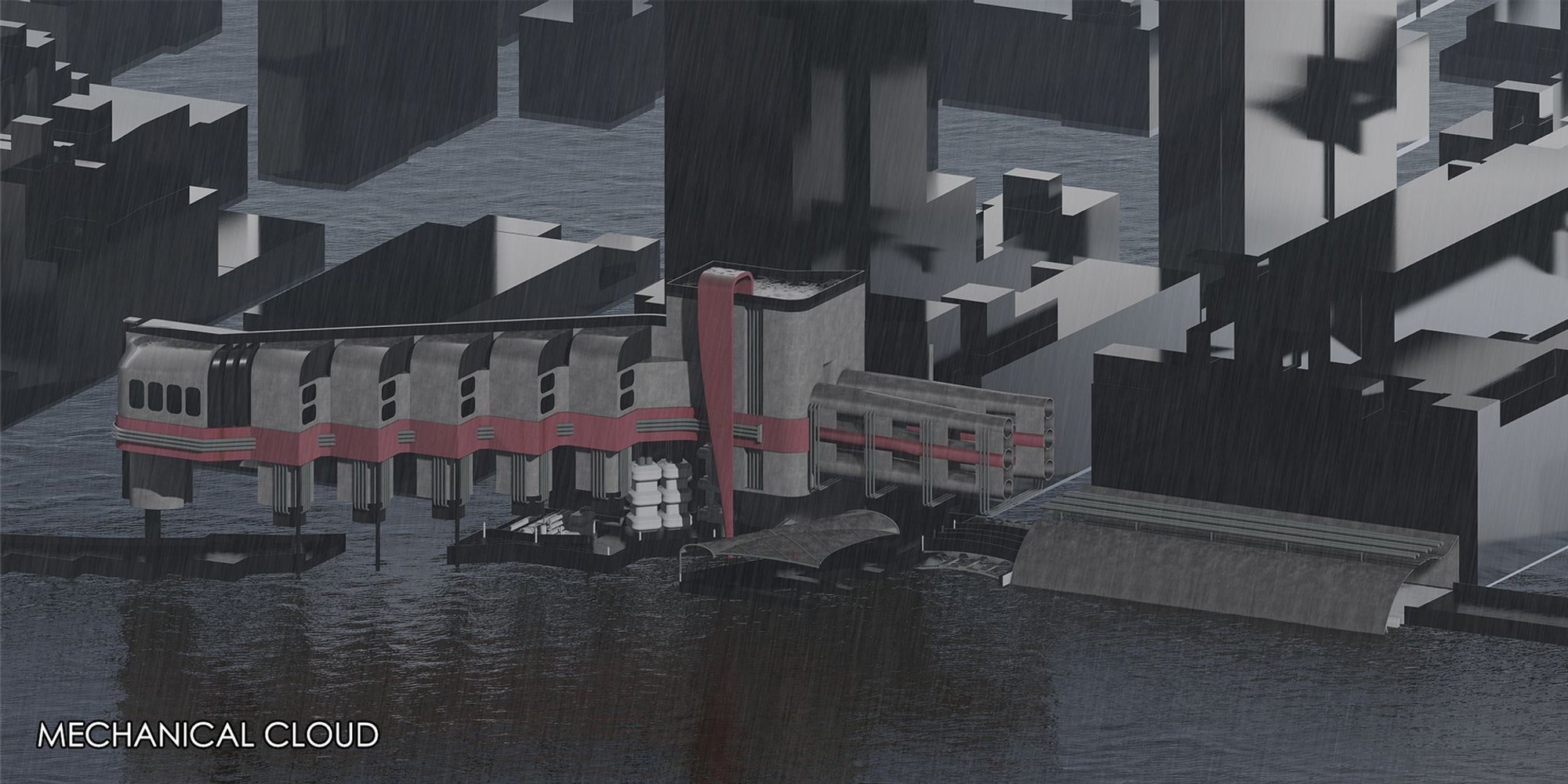
As the specter of climate change looms over our urban landscapes, architects and city planners are propelled to design innovative solutions that not only mitigate environmental impact but also offer sustainable refuge in the event of catastrophic climate events. The project 'Mechanical Cloud,' conceptualized by Cole Griffith and Christian Cortes, stands as a paragon of such futuristic architecture solutions, intertwining necessity and innovation above the High Line in New York.
The Genesis of Mechanical Cloud
A Haven Above the High Waters
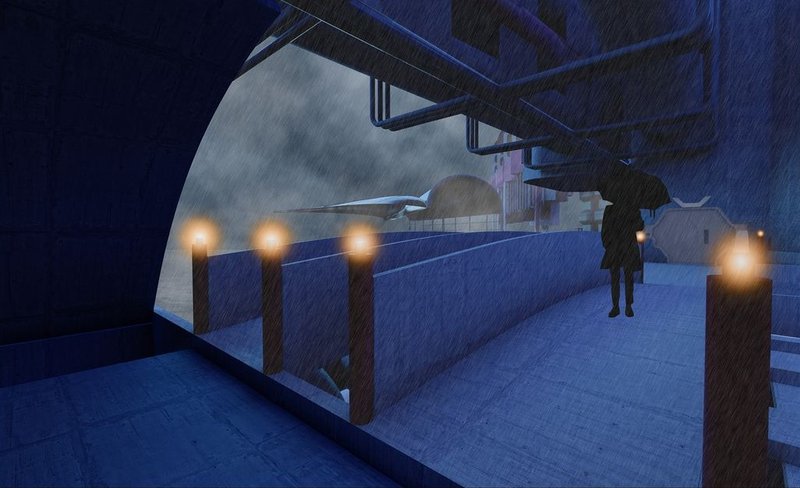
'Mechanical Cloud' emerges as a winner entry in the 'Architecture of the Apocalypse' initiative, reflecting a profound understanding of the climate challenges posed to Manhattan. It represents a fortress of survival and sustainability, constructed upon the historic High Line to serve as an ark against the relentless rise of sea levels.
A Tapestry of Survival
Water Purification and Storage
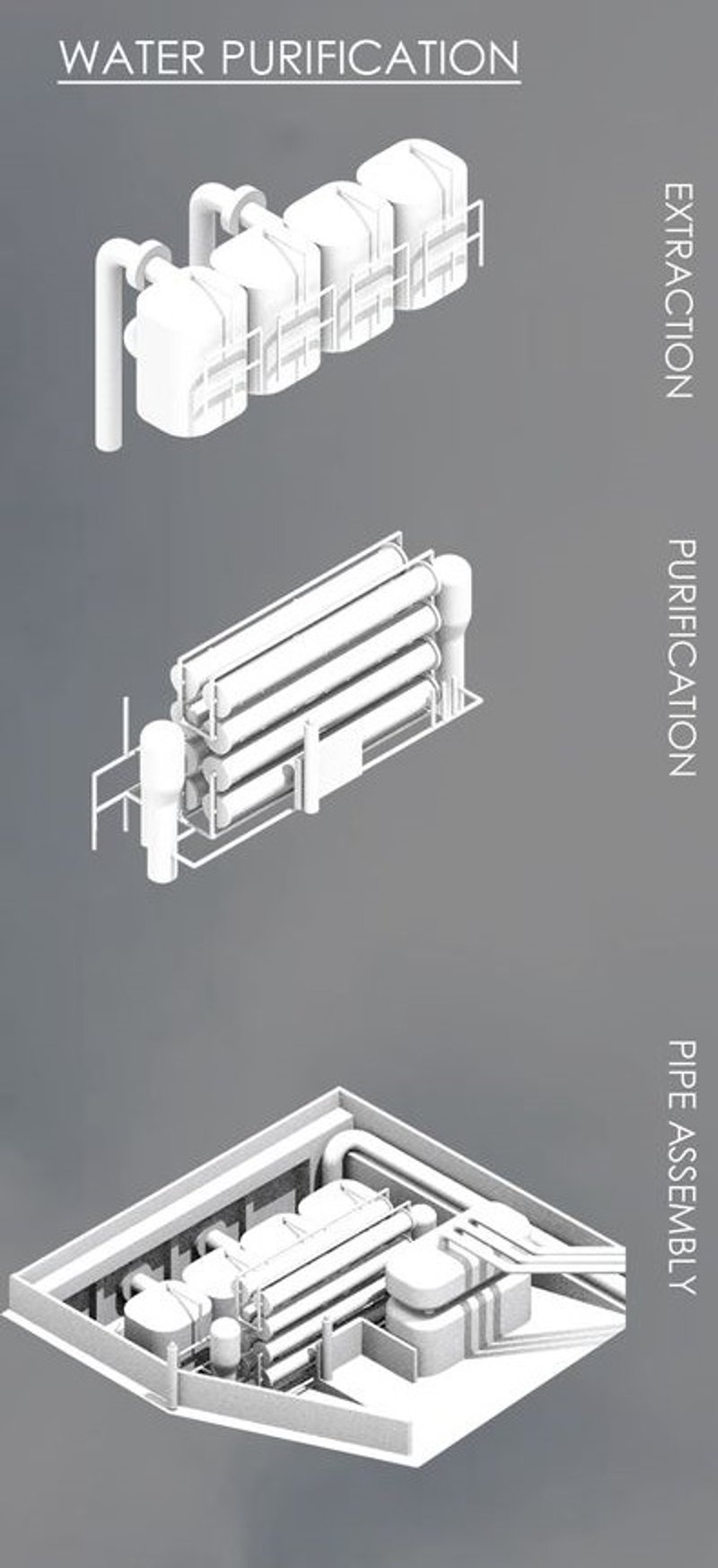
With water being the lifeblood of survival, the project introduces cutting-edge desalination processes and water storage solutions, ensuring an abundant supply of fresh water. These systems are designed to operate autonomously, securing the community against the scarcity that may prevail in a post-apocalyptic world.
Air Quality Management
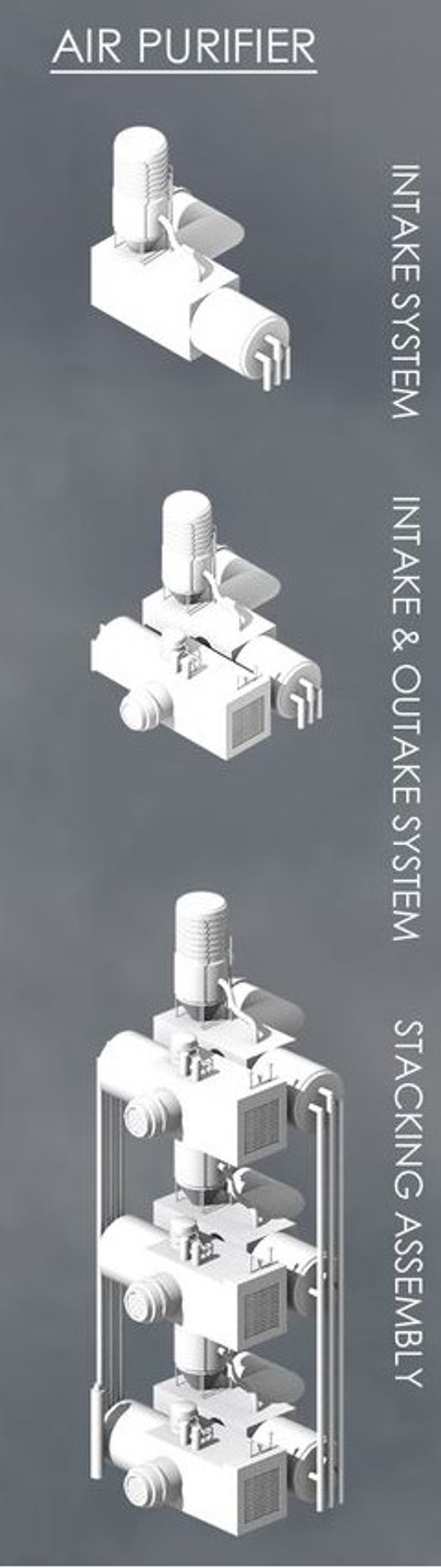
In an environment where clean air could become scarce, the 'Mechanical Cloud' incorporates state-of-the-art air purifiers and humidity control systems. These are critical in preventing respiratory diseases, a concern exacerbated by the increased humidity due to rising sea levels.
Energy Harvesting through Hydroelectric Power
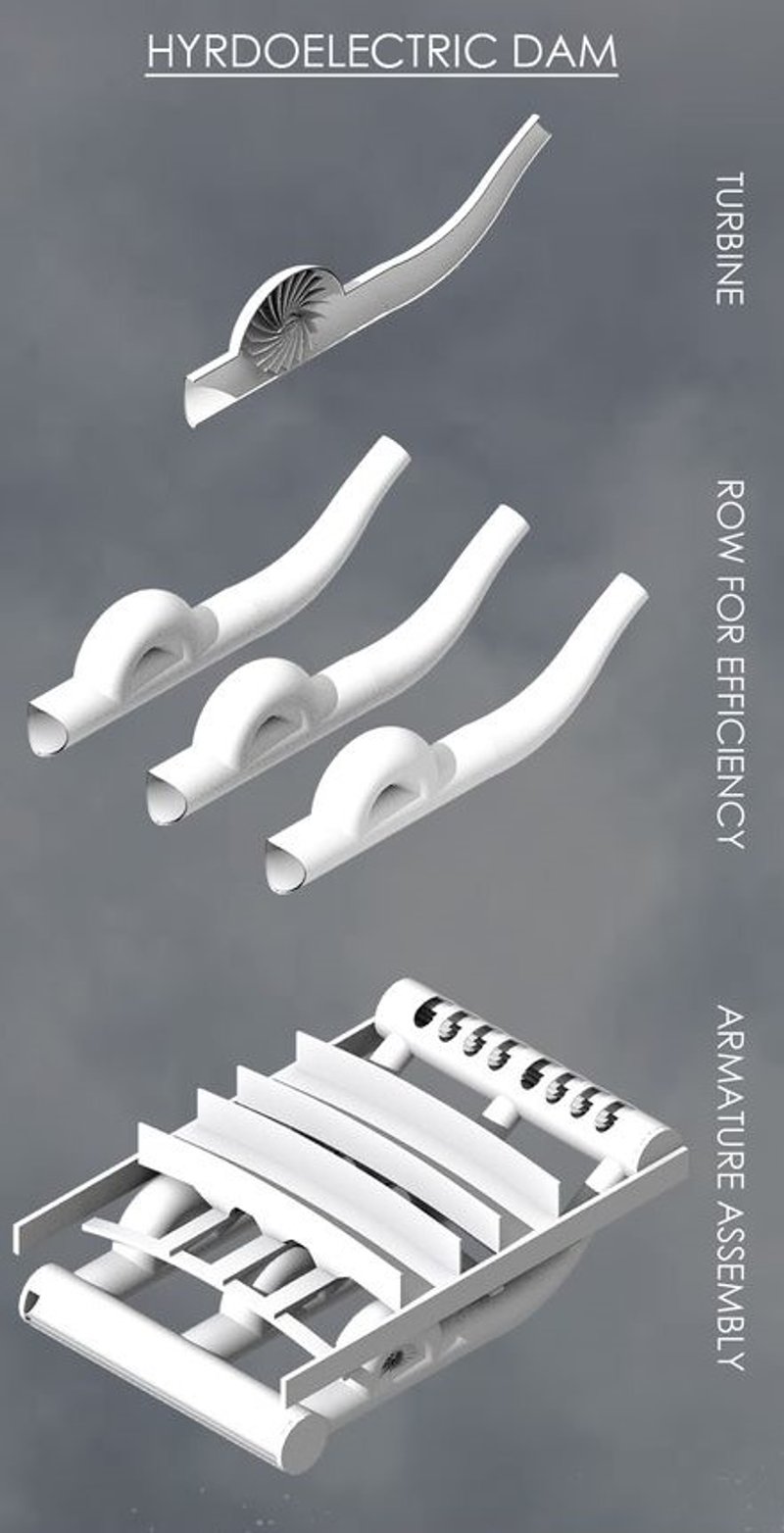
The heart of the Mechanical Cloud's energy solution is a hydroelectric dam. By harnessing the kinetic energy of rushing water between the architectural structures, it provides a renewable source of electricity, essential for the community's survival.
Architectural Design for a New Era
Self-Sustaining Infrastructure
Life Support Systems
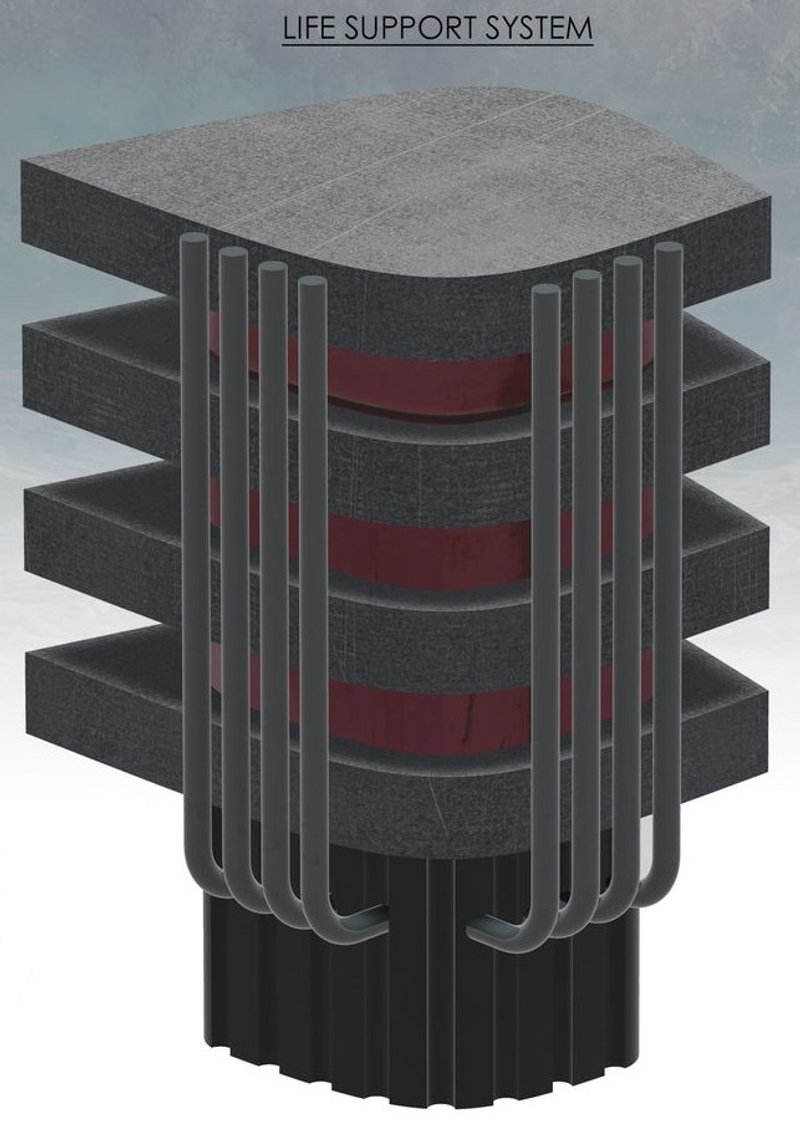
The life support systems encapsulated within the design stand as a testament to the resilience of 'Mechanical Cloud.' These systems not only provide clean air and water but also include backup generators with lifeline batteries to ensure continuity during power failures.
Community Engagement
Nurturing Agriculture and Aquaculture
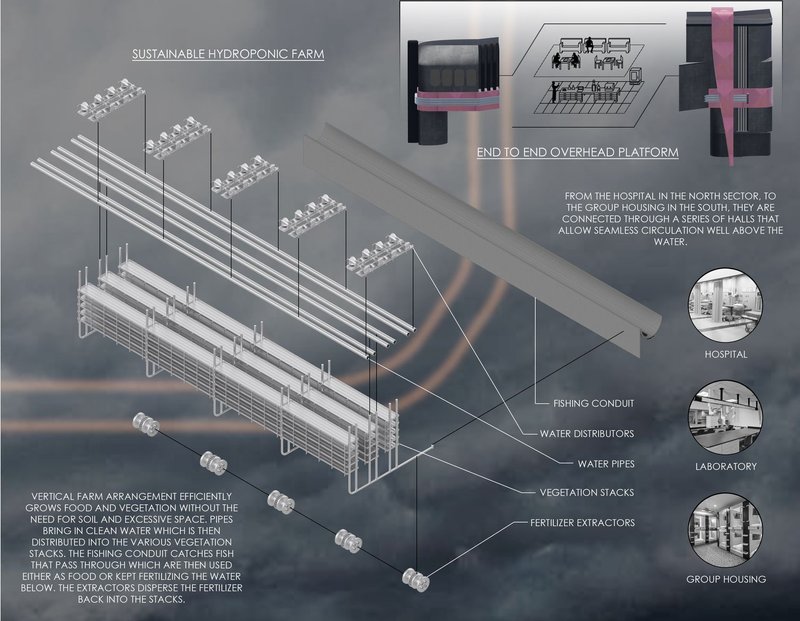
The design fosters community engagement with vertical farming arrangements and fishing conduits, negating the need for soil and excessive space while providing food security.
Dynamic Constructions
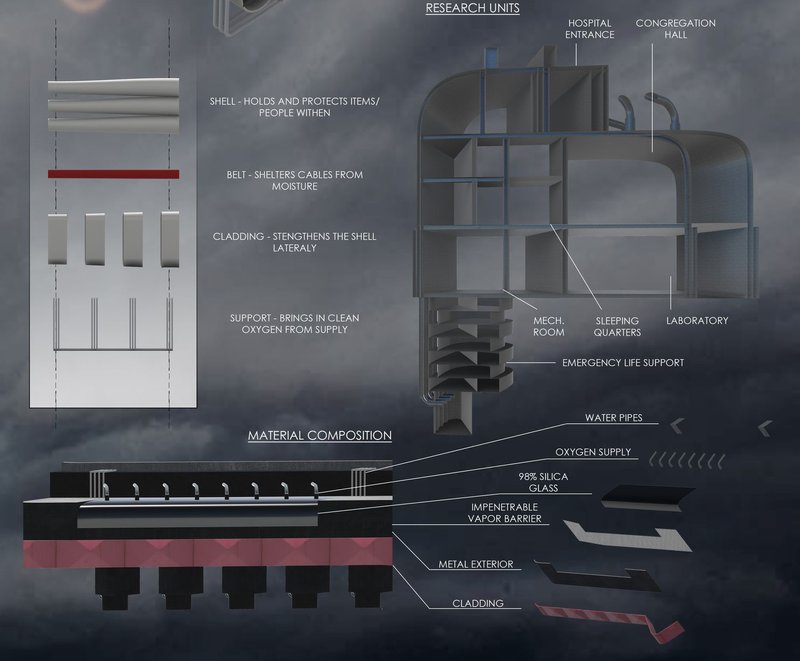
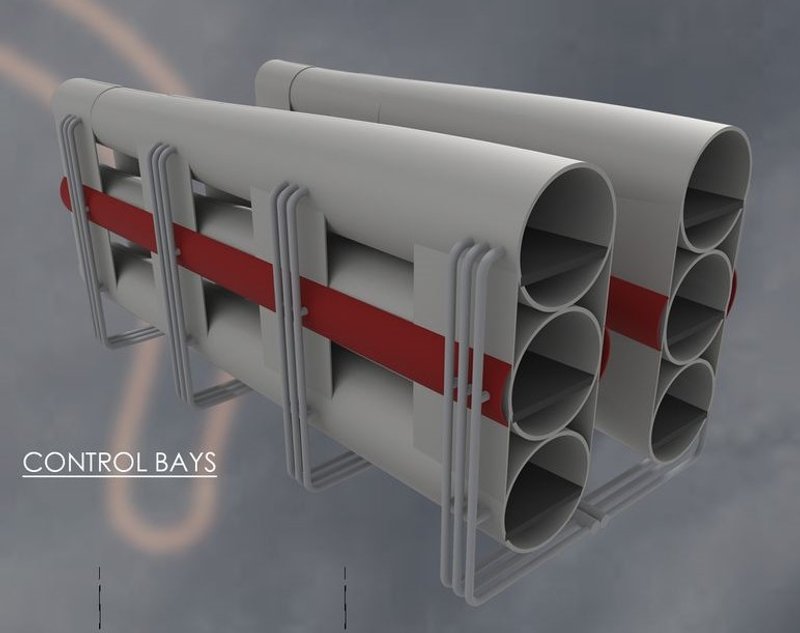
The dynamic constructions within the Mechanical Cloud are multifunctional, housing oxygen, power, and agriculture bays alongside research units and emergency life support systems.
Material Composition
A meticulous choice of materials, such as 98% silica glass and impermeable vapor barriers, ensures the durability and efficiency of the structures within this new architectural frontier.
The Future of Urban Architecture
Beyond Survival
The Mechanical Cloud is not merely a survival mechanism; it's a blueprint for future urban architecture. It embodies a vision where architecture does more than provide shelter—it creates a self-sufficient ecosystem that could enable communities to thrive in a post-apocalyptic scenario.
Scaling Horizons
Looking beyond immediate survival, the design also contemplates expansion, exploring viable lands and supporting the community's growth and exploration.
The 'Mechanical Cloud' is a visionary project that pushes the boundaries of architecture, providing a roadmap for how cities can adapt and evolve in the face of climate change. It stands as a beacon of hope, a testament to human ingenuity, and a pivotal example of futuristic architecture solutions.
Reaching the Pinnacle of Sustainable Design
Projects like the Mechanical Cloud redefine the role of architecture in society, elevating it from a passive participant to an active protector and nurturer of human life. As we step into an uncertain future, such innovative solutions light the way, showing us that with creativity and commitment, architecture can not only withstand the test of time but also the trials of nature.



Popular Articles
Popular articles from the community

Filtering Space: A Gradual Spatial Experience
From urban intensity to spatial calm.

Residence BB 214: Quiet Precision in Ludhiana
Minimalist Architecture & Design Studio composes a residence of white volumes, filtered light, and deliberate restraint in Punjab's urban fabric.
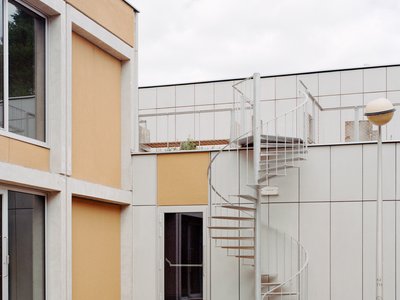
MAKER architecten Rewire a 1972 Brutalist Dormitory on the VUB Campus as a Living Lab
A modular renovation strategy in Belgium breathes new life into Willy Van Der Meeren's modernist student housing without erasing its concrete bones.
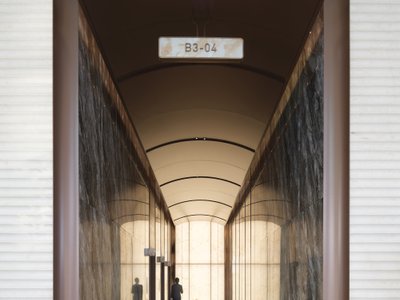
Guangzhou's Twin Towers Interiors Move Like Water
DuShe Architectural Design shapes the lobbies of a massive Guangzhou transit hub with undulating ceilings and deep geological materiality.


Similar Reads
You might also enjoy these articles
Filtering Space: A Gradual Spatial Experience
From urban intensity to spatial calm.

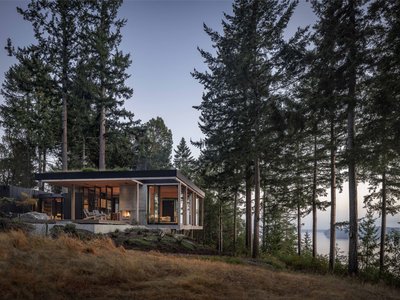
Longbranch Residence: A Forest-Integrated Contemporary Home in Key Center, Washington
Forest-integrated Washington residence blending concrete, cedar, and meadow roof to restore landscape continuity and celebrate sustainable contemporary living.
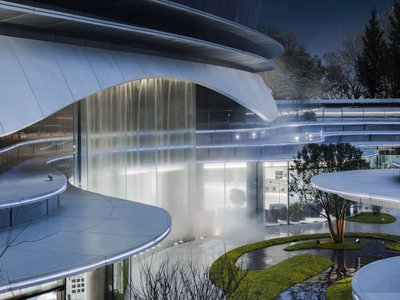
CIFI Sales Center Park Mansion: Harmonizing Architecture with Nature
CIFI Sales Center Park Mansion in Hefei blends water-inspired design, fluid interiors, and immersive experiences, creating vibrant, calming, and sustainable residential showcase architecture.
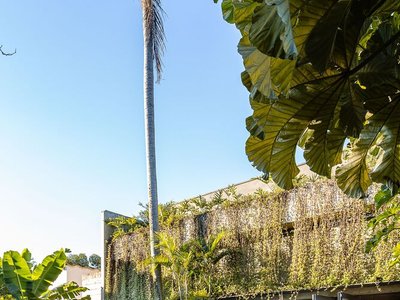
“Ottoni House Renovation: Preserving 1970s Architecture with Contemporary Design in São Paulo”
Ottoni House in São Paulo blends 1970s architectural heritage with contemporary design, integrating sustainable, functional, and visually striking renovated living spaces.
Explore Conceptual Architecture Competitions
Discover active competitions in this discipline





Comments (0)
Please login or sign up to add comments
No comments yet. Be the first to comment!