
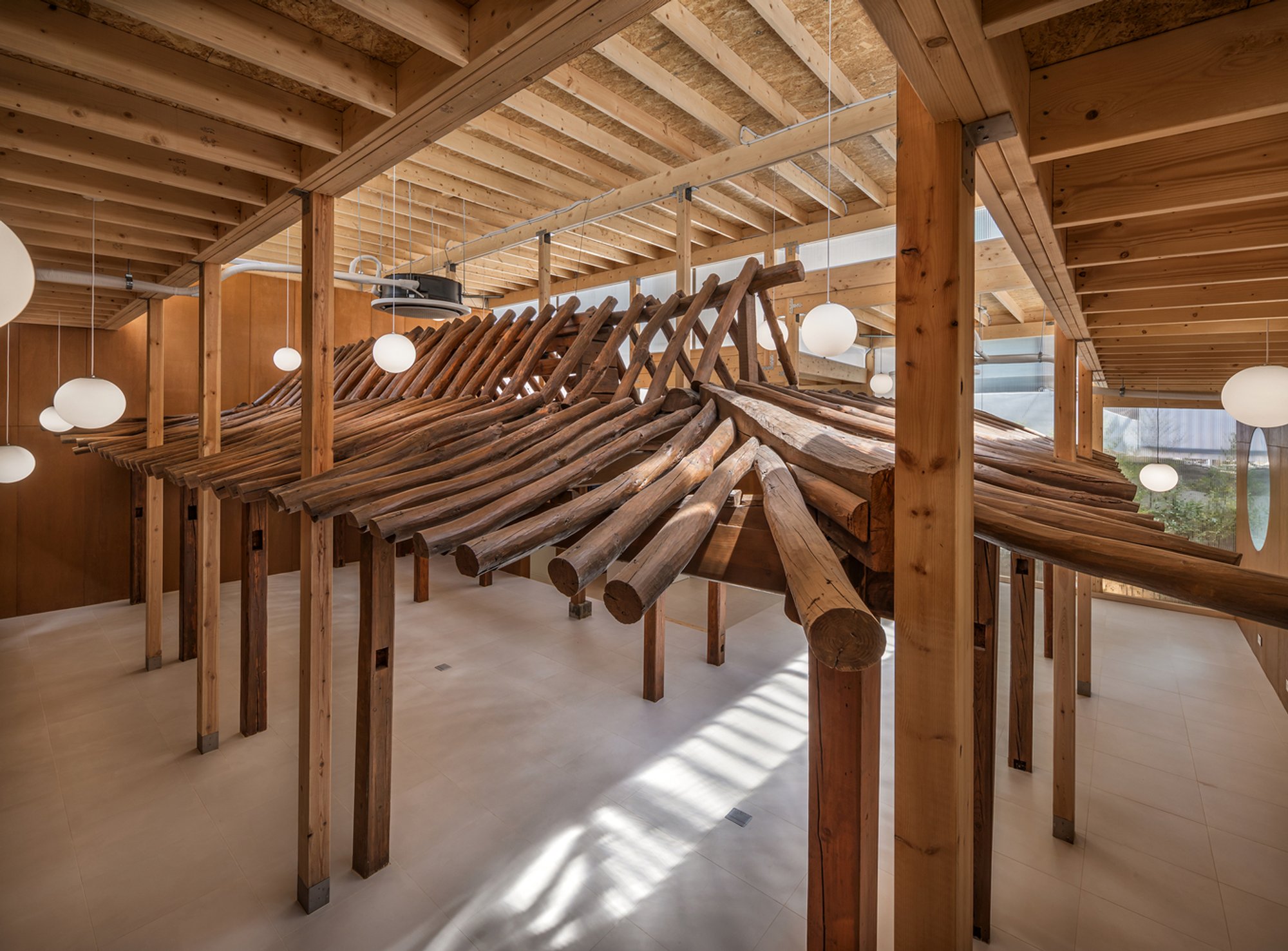
Giwa Building by DRAWING WORKS: A Contemporary Dialogue in Hanok Renovation Architecture
Giwa Building blends hanok renovation architecture with modern reinterpretation, crafting a layered dialogue between memory, material, and time.

Introduction: A Project Rooted in Temporal Layers
In the heart of Seongdong-gu, South Korea, the Giwa Building by DRAWING WORKS exemplifies the rich potential of hanok renovation architecture. This 2024 project reimagines two neighboring buildings from different eras—a traditional 1949 hanok and a 1968 concrete commercial structure—by harmonizing past and present into a layered architectural narrative. Rather than opting for preservation or demolition, the design superimposes new interpretations onto historical foundations, crafting an architectural language that is simultaneously respectful, contemporary, and transformative.
Contrasting Histories: Hanok and Modernism Side by Side
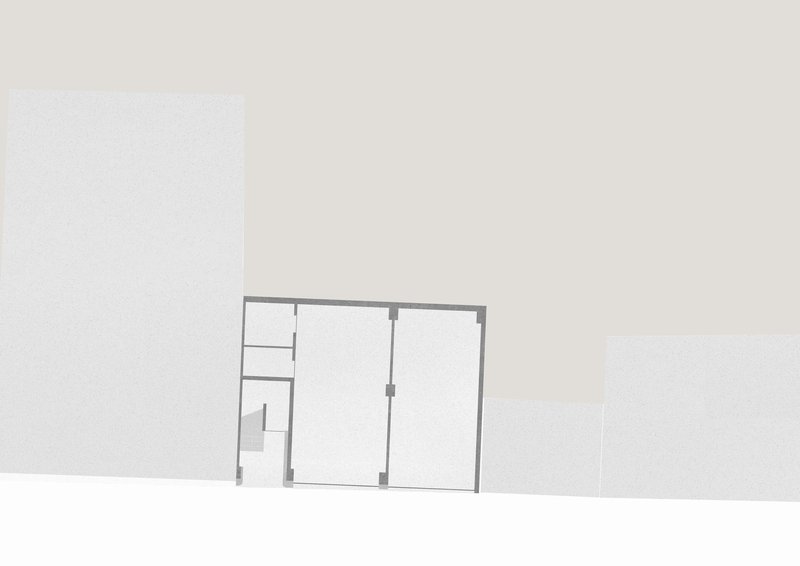
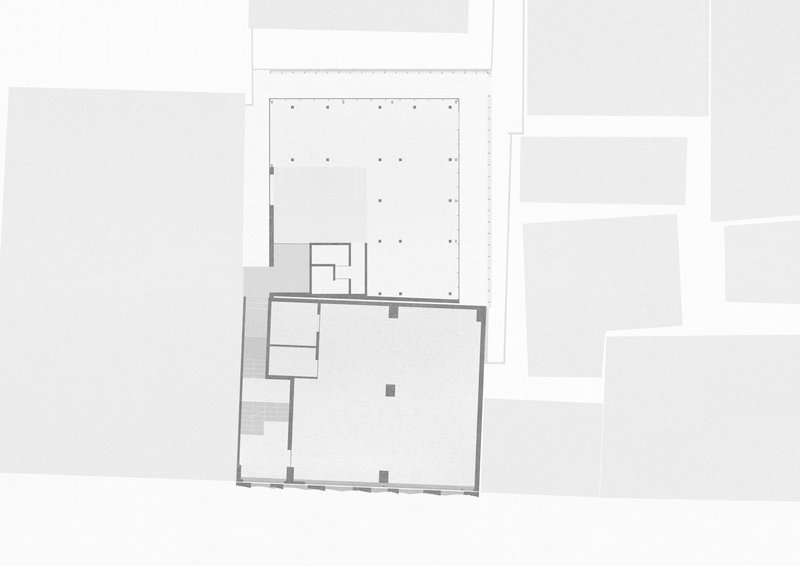
The site comprises two contrasting architectural typologies. Building W2 is a hanok, a traditional Korean wooden house emblematic of post-war craftsmanship. In contrast, Building W1 is a five-story concrete commercial building, extended in the late 1960s to accommodate the demands of a rapidly modernizing city. The duality of these structures—wood versus concrete, residential versus commercial, past versus progress—sets the stage for a dialogue that defines the essence of hanok renovation architecture.
A Stairwell as an Urban Threshold
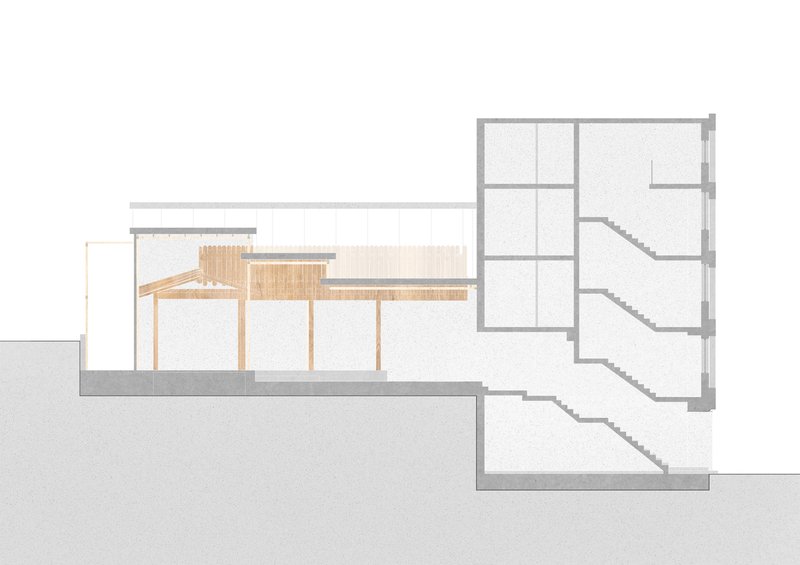
At the intersection of boulevard and alley, DRAWING WORKS inserts a narrow stairwell that bridges the two buildings. This alley-like vertical path acts not just as a connector, but as an architectural metaphor. Like the winding alleys of old Seoul, it becomes a transitional space—an in-between void—that knits together the site’s fragmented temporalities. It is a physical and symbolic gesture, turning the city’s forgotten interstices into active agents of movement and memory.
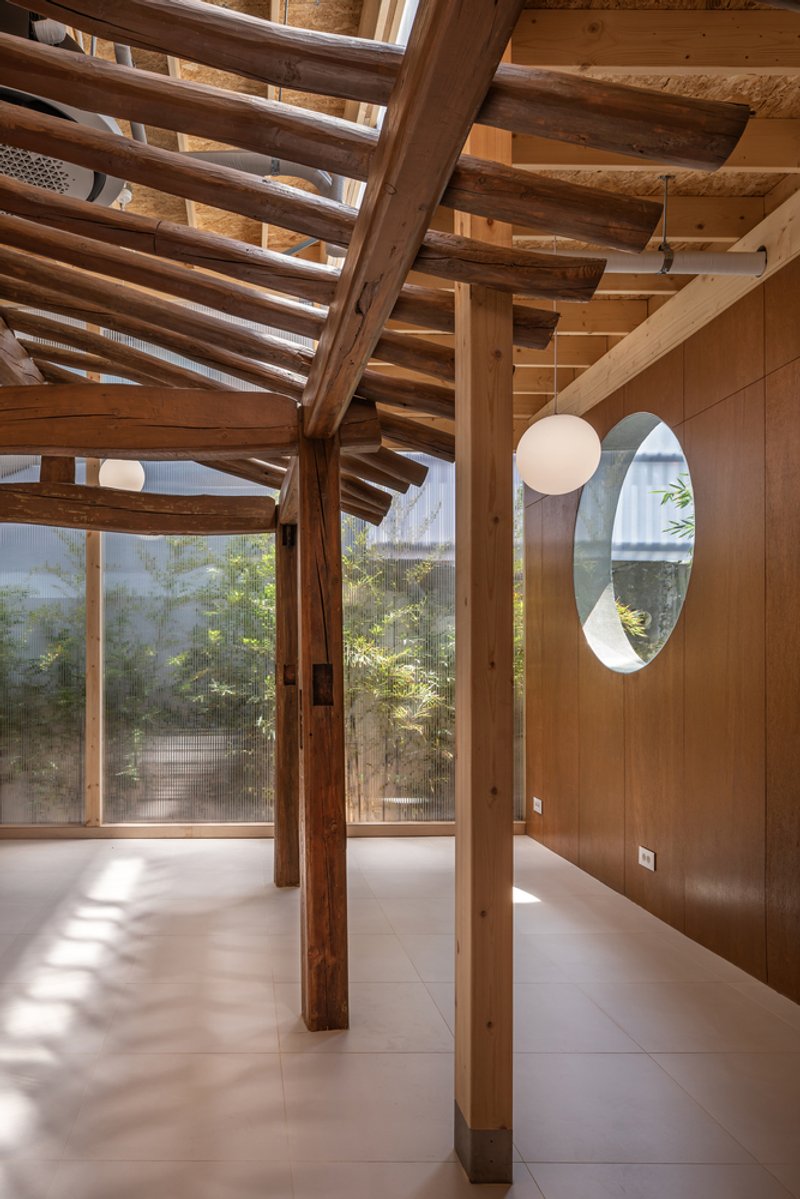
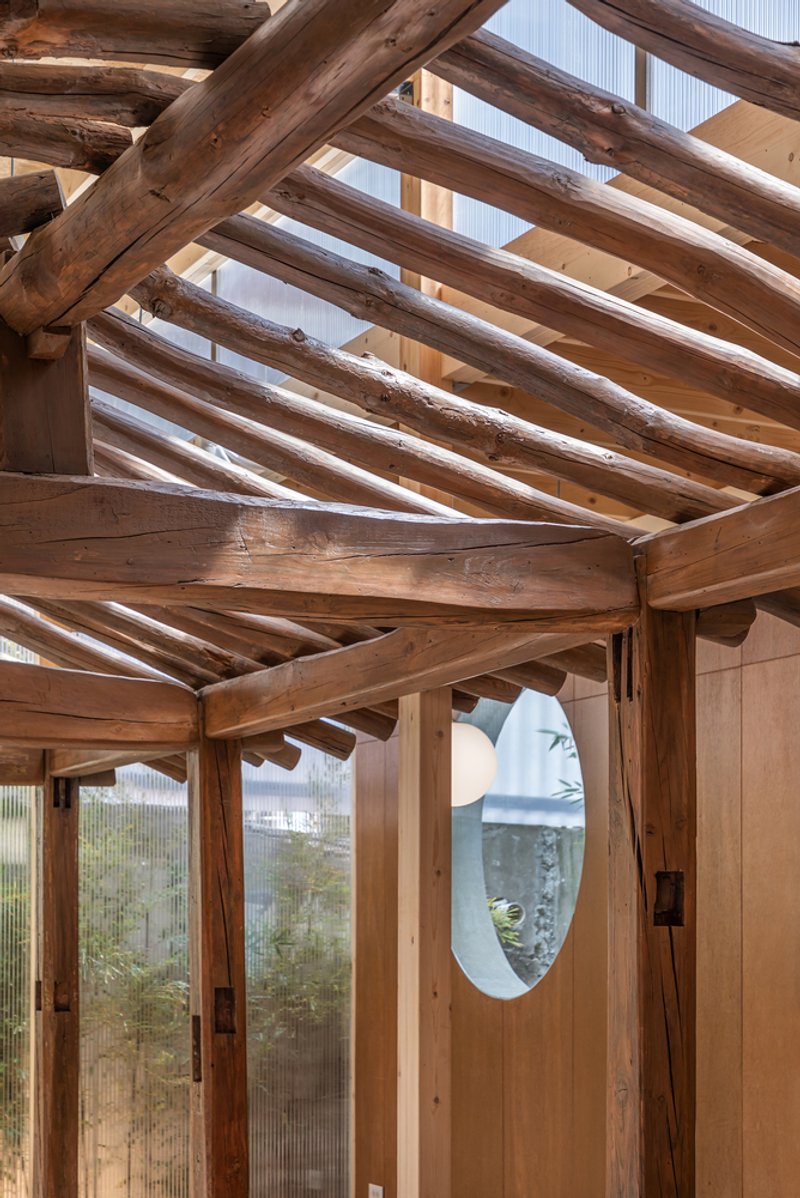
Reinterpreting Tradition: The Hanok’s Architectural Revival
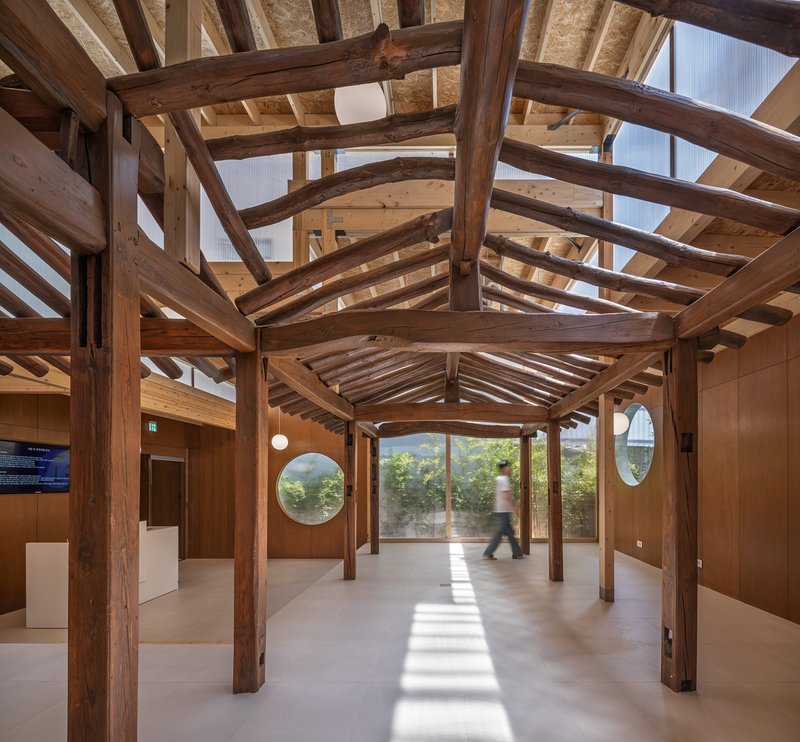
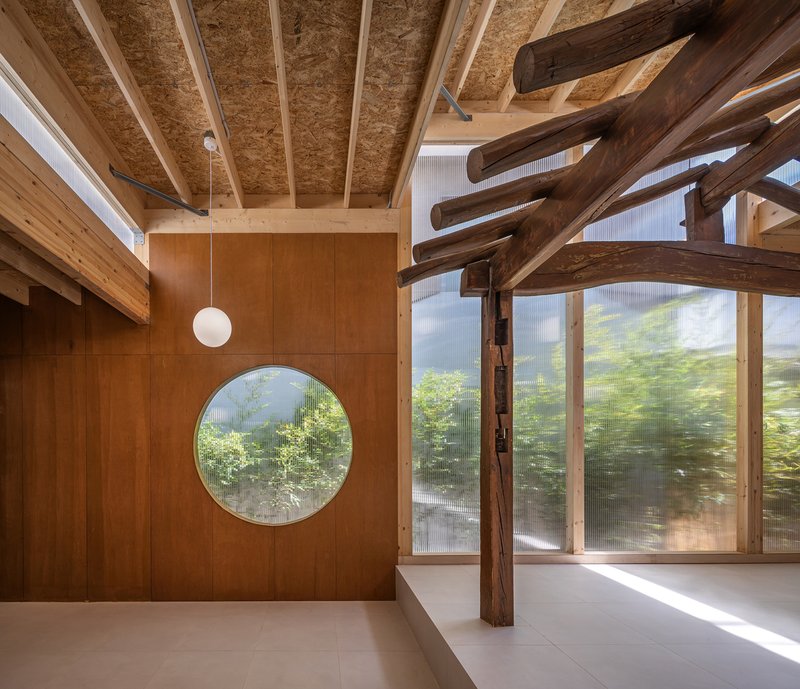
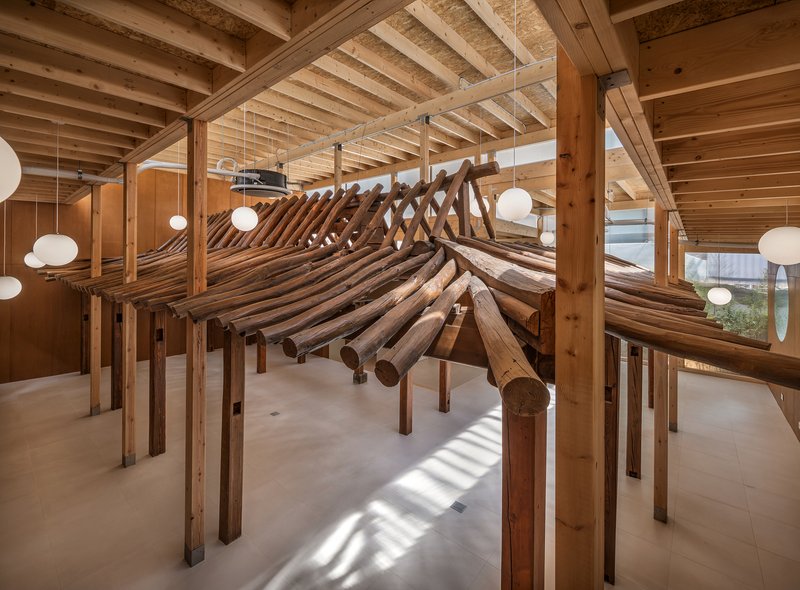
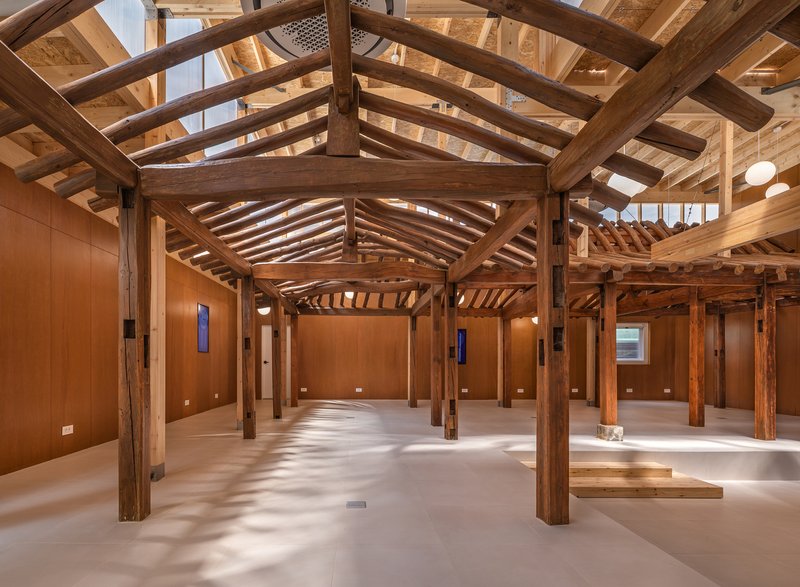
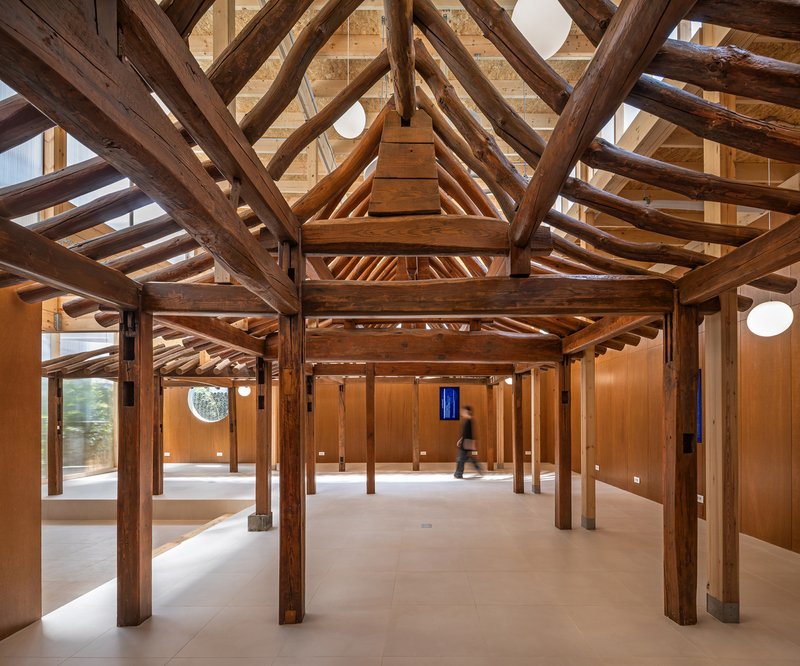
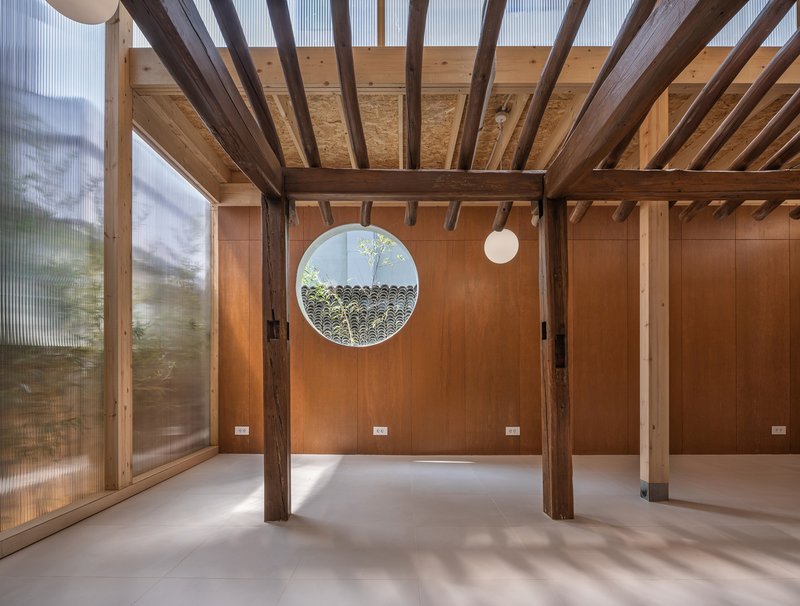
In renovating the hanok W2, DRAWING WORKS preserves its original wooden structure while introducing strategic gaps and voids that allow natural light to animate the space. These interventions do not mimic historical forms but reinterpret them. The layered rooflines create crevices through which light filters—evoking the ambiance of sunlight under traditional eaves. These spatial thresholds function not only as passive elements but as living interfaces that welcome time and light into the architecture.
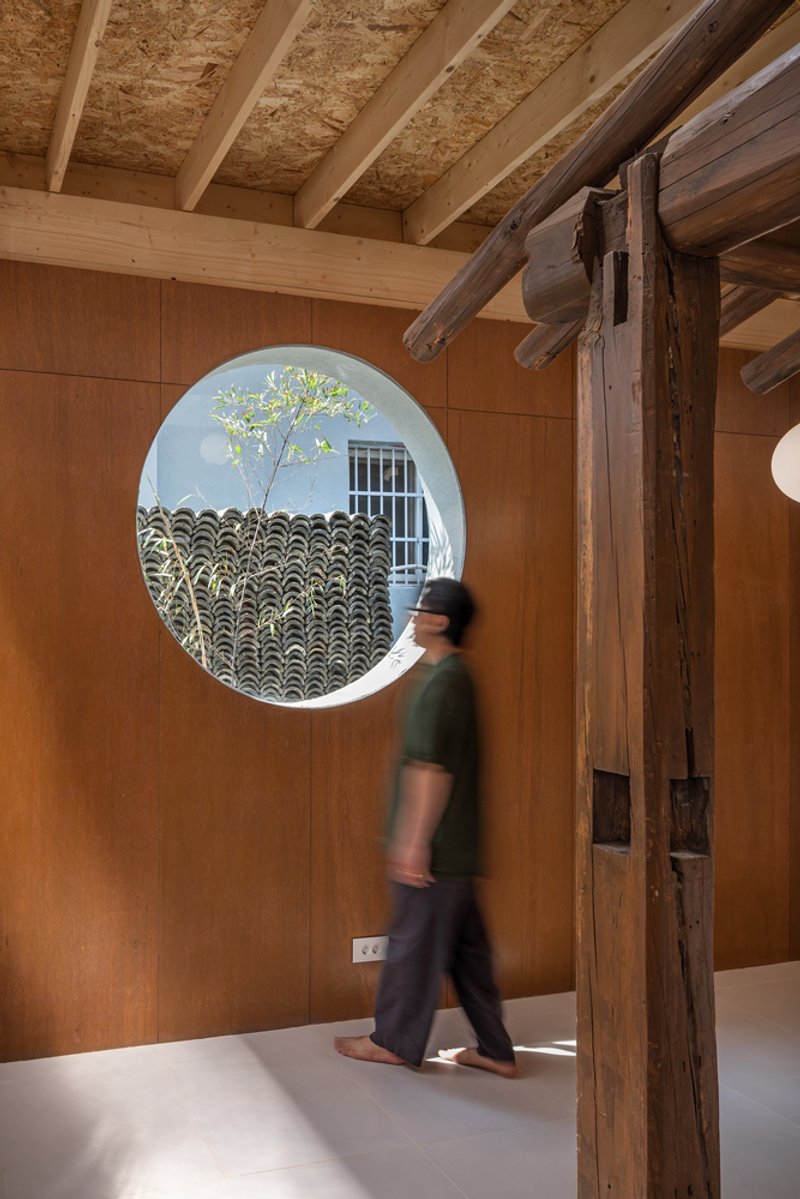
Through this treatment, the hanok transcends its preserved identity. It becomes a vessel where the essence of tradition is filtered through contemporary needs, echoing the principles of hanok renovation architecture at its most refined.
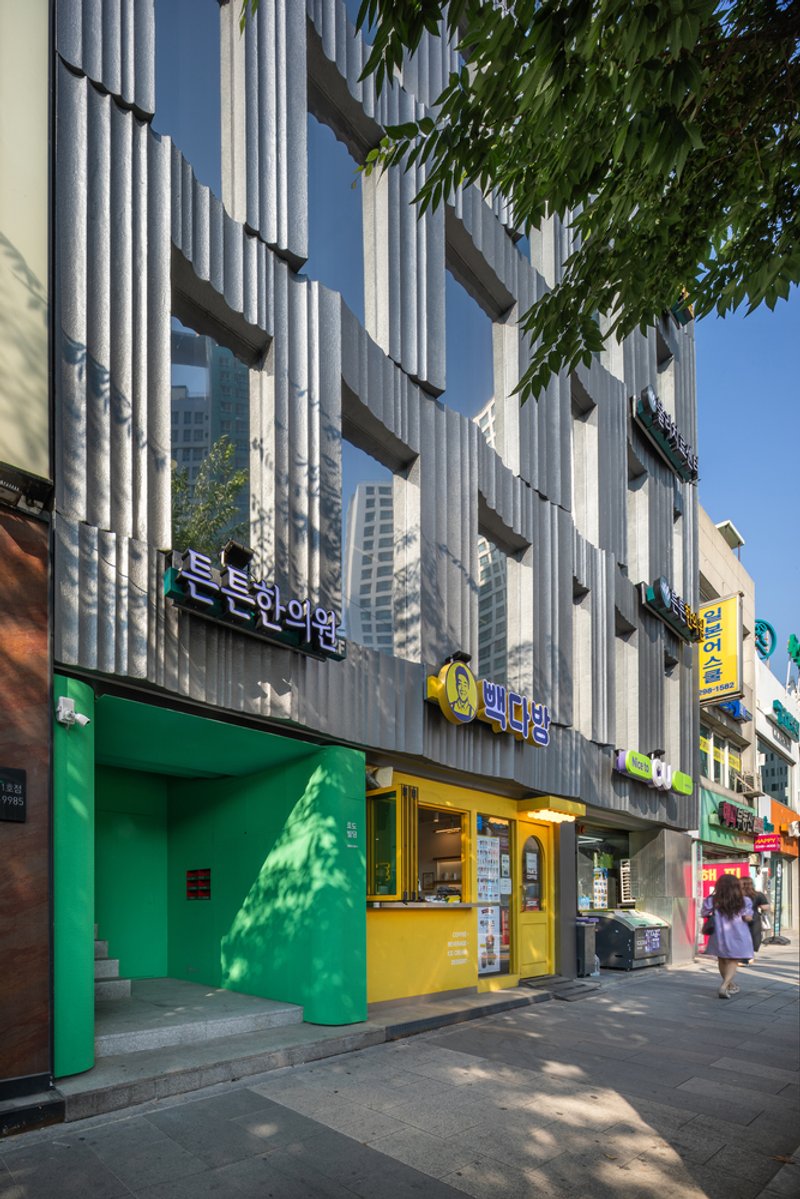
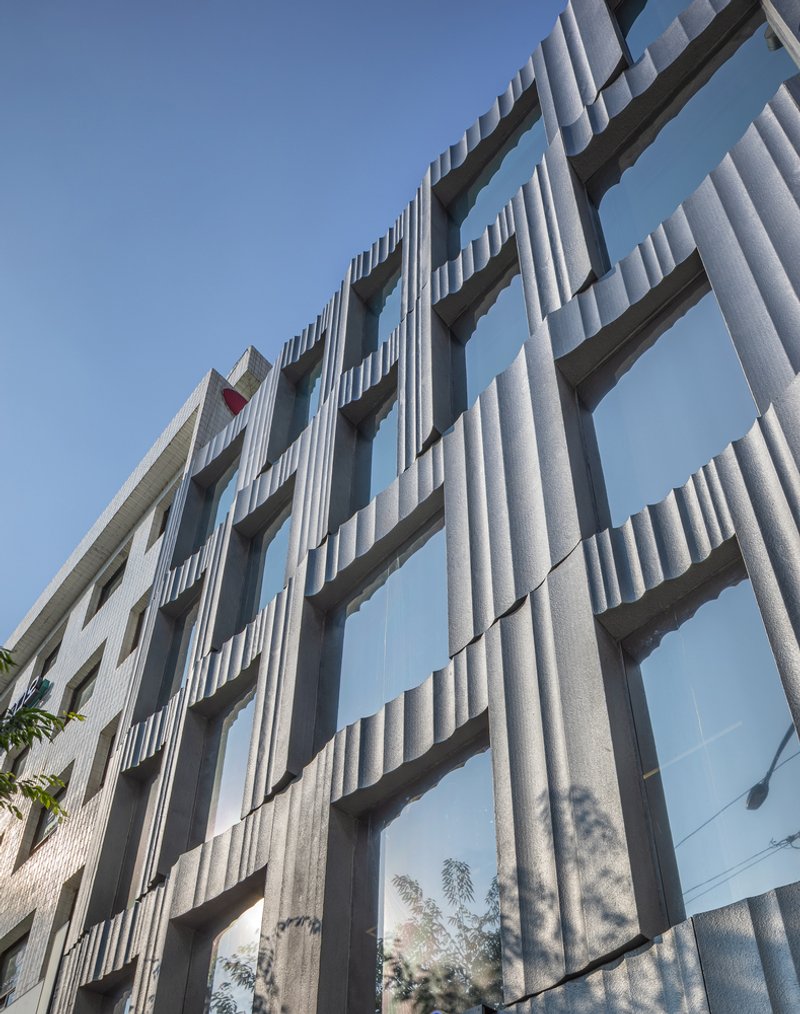
Facade as Memory: A Modern Surface with Traditional Echoes
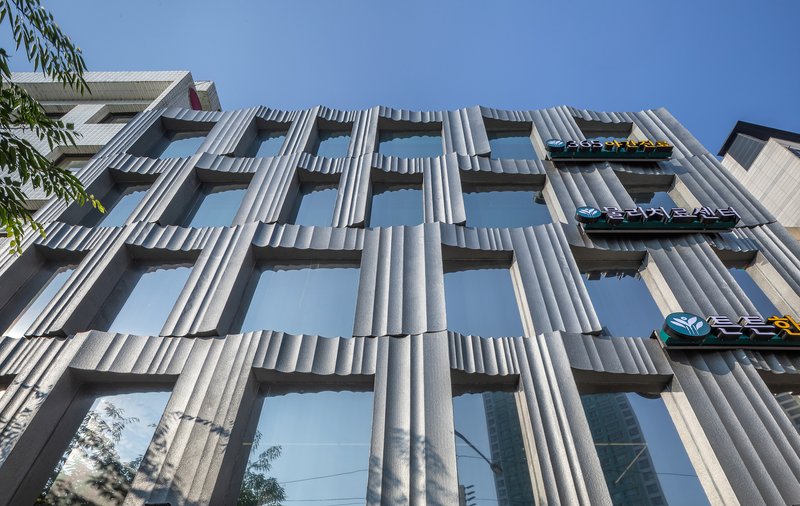
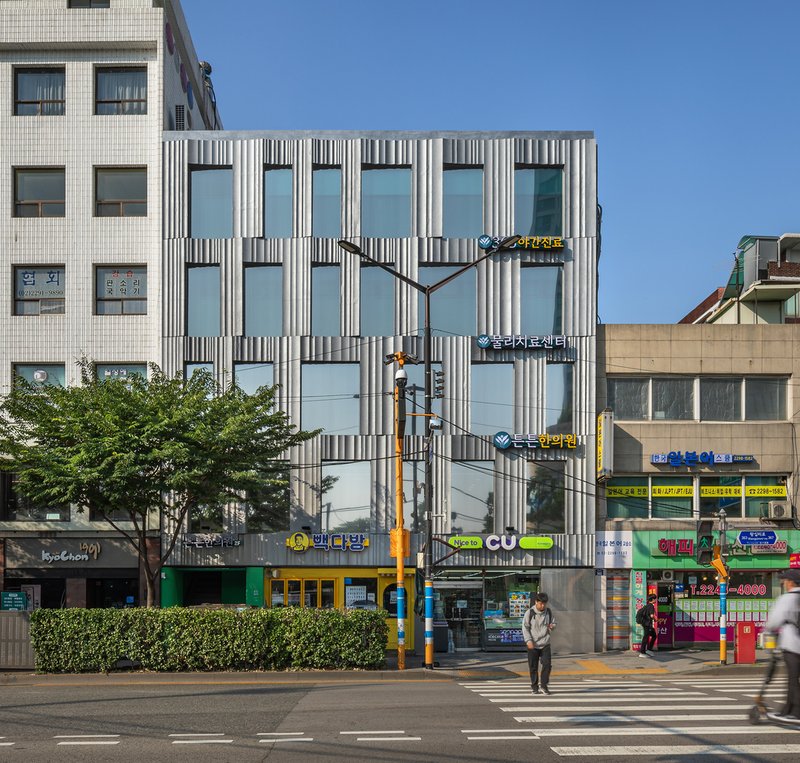
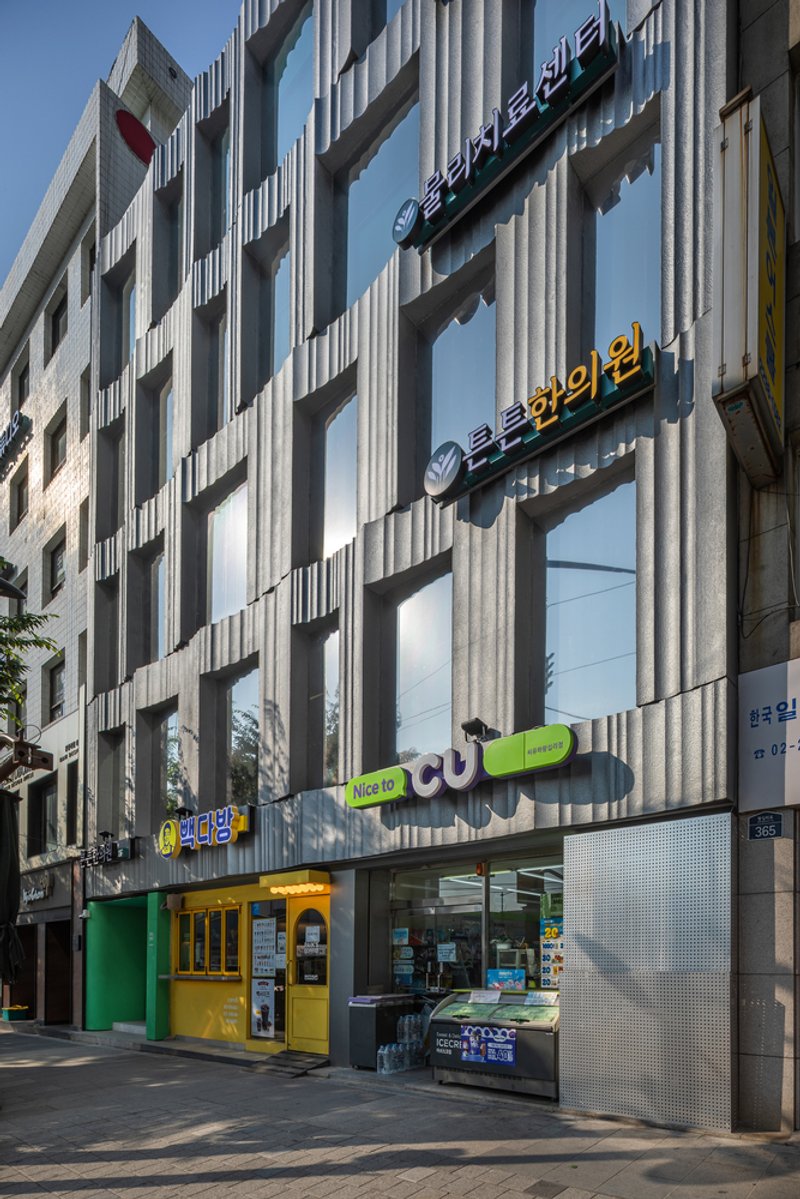
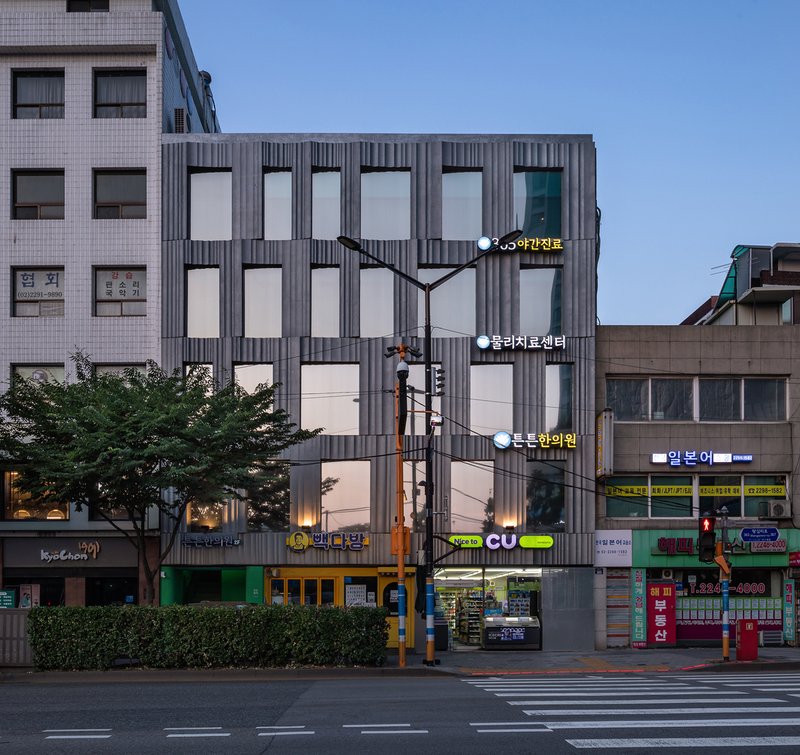
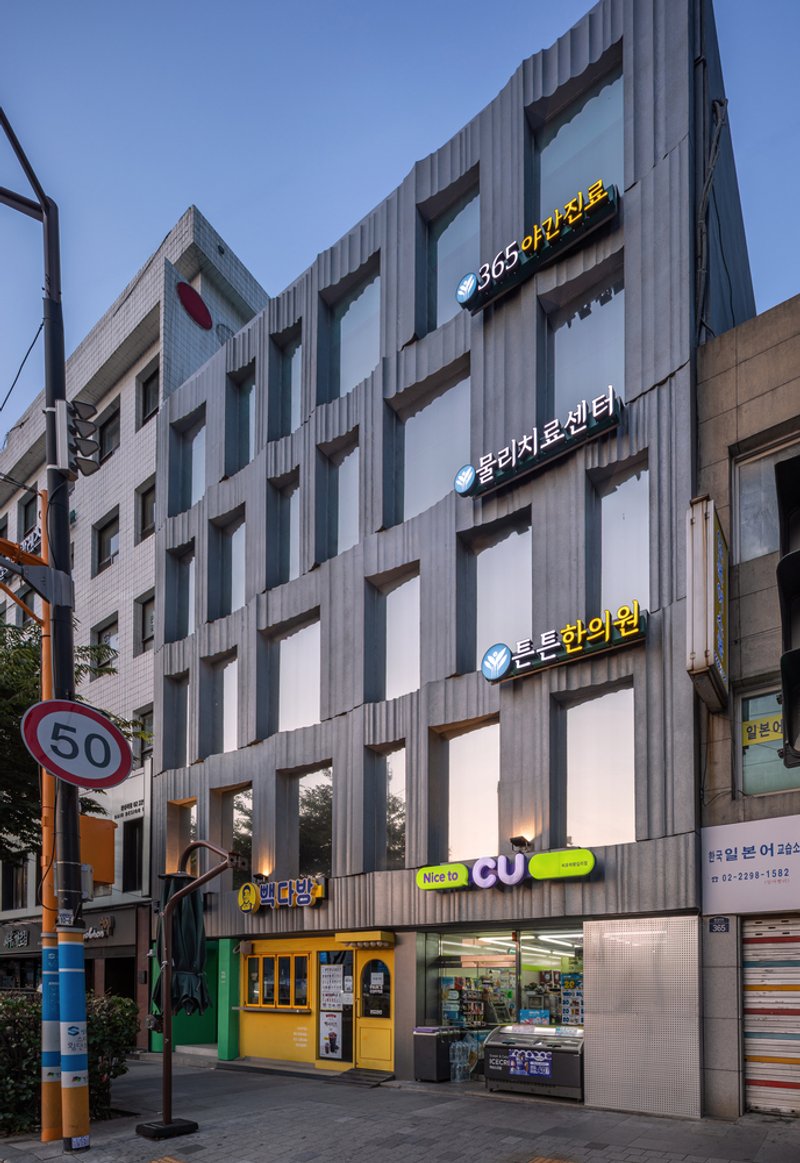
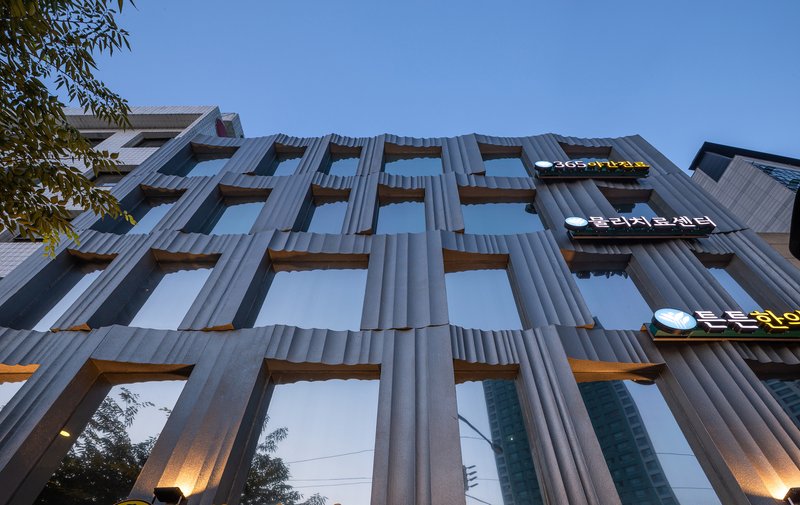
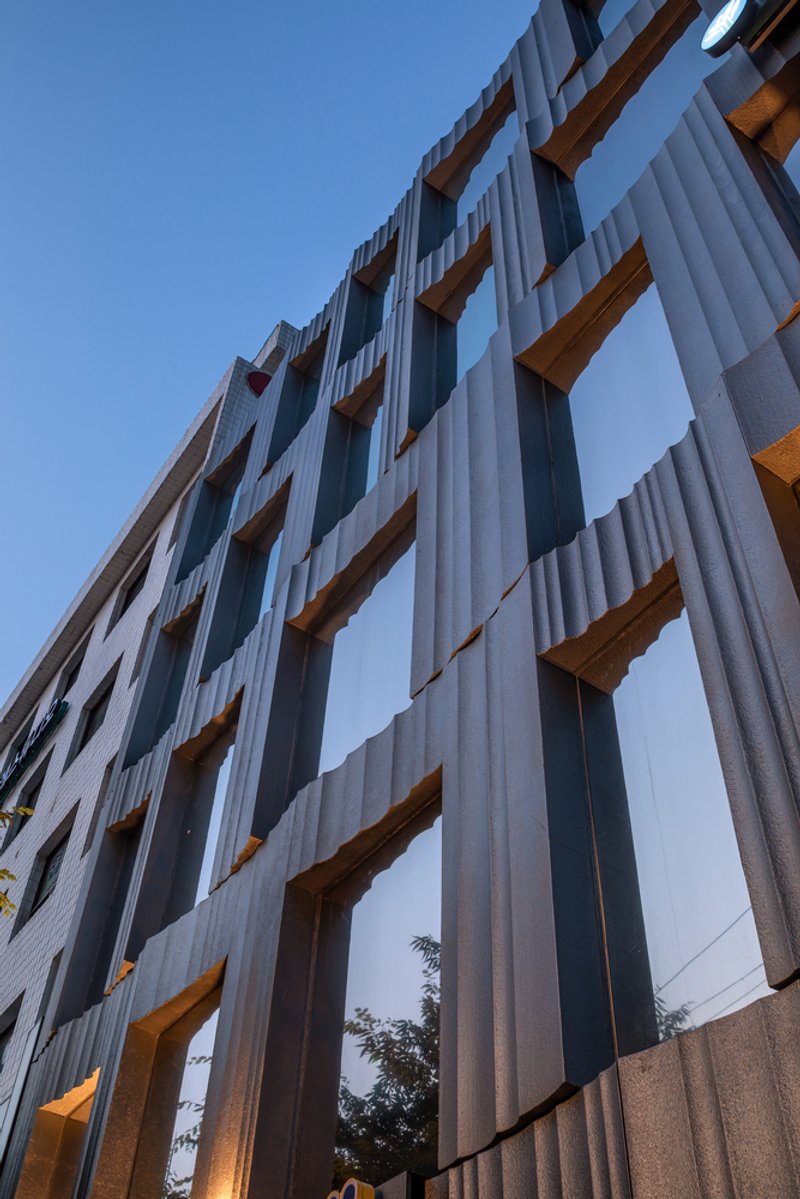
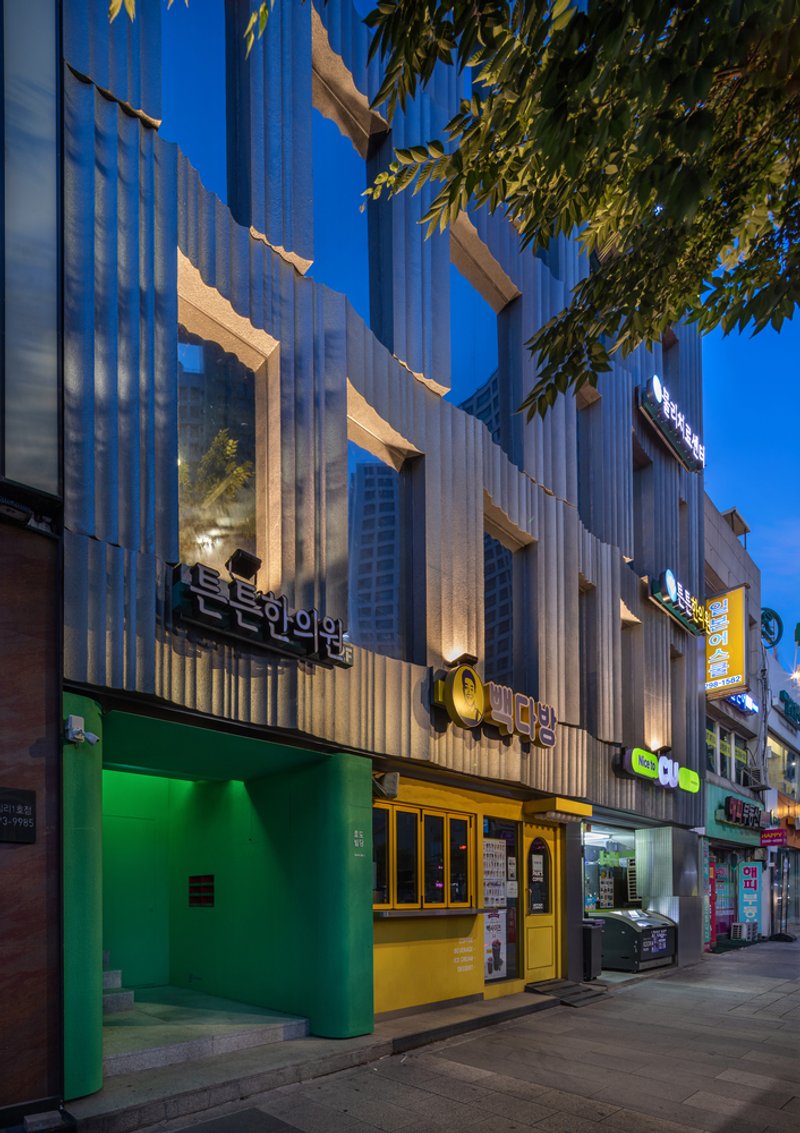
The street-facing elevation of the W1 commercial building becomes a focal point of the renovation. Instead of restoring its concrete surface, the architects reinterpret the rhythmic silhouette of traditional giwa roof tiles through modular metal panels. These prefabricated panels offer both aesthetic and functional benefits—they reduce construction time while delivering a tactile, patterned surface that recalls the memory of hanok rooftops. This contemporary façade does not replicate tradition; it transforms it, embedding historical rhythm within the language of urban renewal.
Architecture of Superposition: Time Layered Over Time
More than a renovation, the Giwa Building becomes an architectural act of superposition. It resists nostalgia and avoids erasure. Instead, DRAWING WORKS layers new interpretations over old structures, re-tuning them to current rhythms without denying their origin. Each addition becomes an echo, not a rupture. This coexistence of multiple times—1949, 1968, 2024—demonstrates how hanok renovation architecture can move beyond preservation to produce meaningful temporal hybridity.
The design becomes a quiet manifesto: the past need not be frozen; it can evolve, resonate, and remain alive within contemporary architectural discourse.
A Living Chronicle in Built Form
The Giwa Building stands as a poetic intersection of memory and modernity. By embracing the layered history of its site, DRAWING WORKS offers a new architectural model for hanok renovation—one that values continuity over contrast, subtlety over spectacle. It is an architecture that listens as much as it speaks. In doing so, it becomes a living chronicle of Seoul’s evolving urban identity, embodying how tradition can shape, and be shaped by, the future.
All Photographs are works of Yoon, Joonhwan




Popular Articles
Popular articles from the community

Atelier Macri Concept Store Interior Design by CASE-REAL
Atelier Macri store features a "ko" counter, walnut wood details, cork displays, blending retail, gallery, and seamless customer experiences.
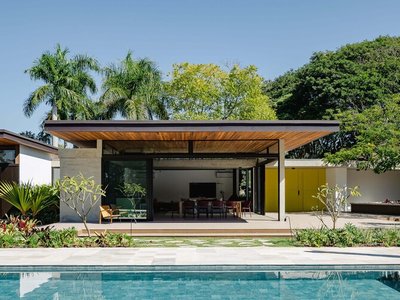
Flamboyant House by Juliana Camargo + Prumo Projetos
Modern Brazilian house integrating existing tree, pool, and volumes with glass, wood, and transitional spaces blending interior, exterior, and landscape seamlessly.
On the Brooks House by Monsoon Collective – A Contemporary Kerala Home Rooted in Tradition
Kerala home blending tradition and modernity with water-inspired design, brick architecture, courtyard planning, and sustainable rainwater harvesting strategies.
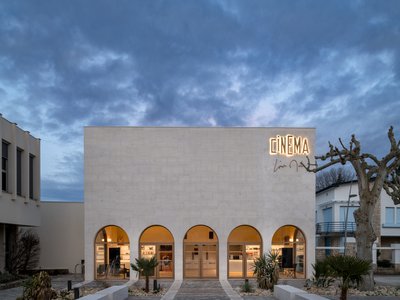
Louis Malle Cinema: A Limestone Cultural Landmark Revitalizing Community Life in Prayssac
Limestone cinema extension with public forecourt, blending heritage and modern design to create flexible cultural spaces and strengthen community interaction.


Similar Reads
You might also enjoy these articles

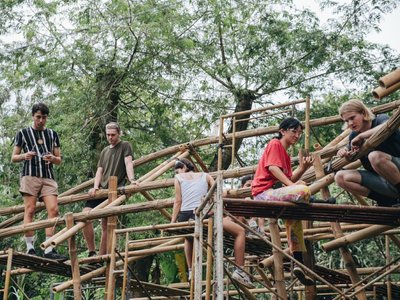
Bamboo Housing Challenge 2026: Design Affordable, Sustainable Homes Using Bamboo
An international design competition by Bamboo U and IBUKU inviting architects and designers to reimagine affordable housing using bamboo — with the winning design built full-scale in Bali.
Computational Design & Education: Beegraphy Design Awards Introduces 7th Category (Featuring Jiyun's Innovative Approach)
Dive into Beegraphy’s 7th Design Awards category, where computational design meets education to create immersive, interactive learning tools, inspired by Jiyun’s work.
From Parametric Lighting to Urban Furniture: Join the 2nd Workshop in Beegraphy’s Computational Design Series
Dive into Cutting-Edge Design Techniques and Practical Applications with Industry Experts

Introducing Sphere by UNI: Pioneering a New Era in AEC Industry
Unlocking Global Potential with BIM and Agile Management
Explore Architecture Competitions
Discover active competitions in this discipline




The International Standard for Design Portfolios


The Global Benchmark for Architecture Dissertation Awards


The Global Benchmark for Graduation Excellence


Challenge to reimagine the Iron Throne
Comments (0)
Please login or sign up to add comments
No comments yet. Be the first to comment!