
Inclusive School Architecture Design: A Case Study of Alfreton Park Community Special School
The article explores Alfreton Park Community Special School's inclusive architecture, highlighting accessibility, sustainability, and innovative design for SEND students.

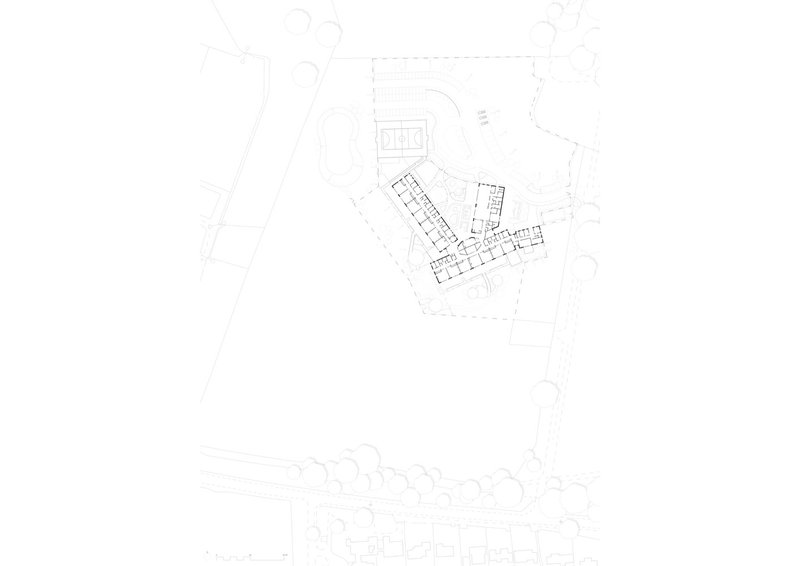
Inclusive school architecture prioritizes accessibility, comfort, and functionality, especially for students with diverse needs. Alfreton Park Community Special School in the United Kingdom exemplifies how thoughtful design can create an enriching environment for students with special educational needs and disabilities (SEND). This innovative project, led by Curl la Tourelle Head Architecture, demonstrates the potential of inclusive architecture to enhance learning experiences while fostering a connection with nature.
Project Overview: Alfreton Park Community Special School
Location: United KingdomArchitects: Curl la Tourelle Head ArchitectureYear Completed: 2021Area: 3,000 m²Key Features: Accessibility, natural ventilation, sustainable materials, and flexible spaces.
This single-story school was designed to accommodate pupils aged 3 to 19, with 80% relying on wheelchairs. The architects were tasked with creating a secure yet welcoming environment, ensuring accessibility and a calming atmosphere for both students and staff.
Key Architectural Features
1. Non-Institutional Aesthetic
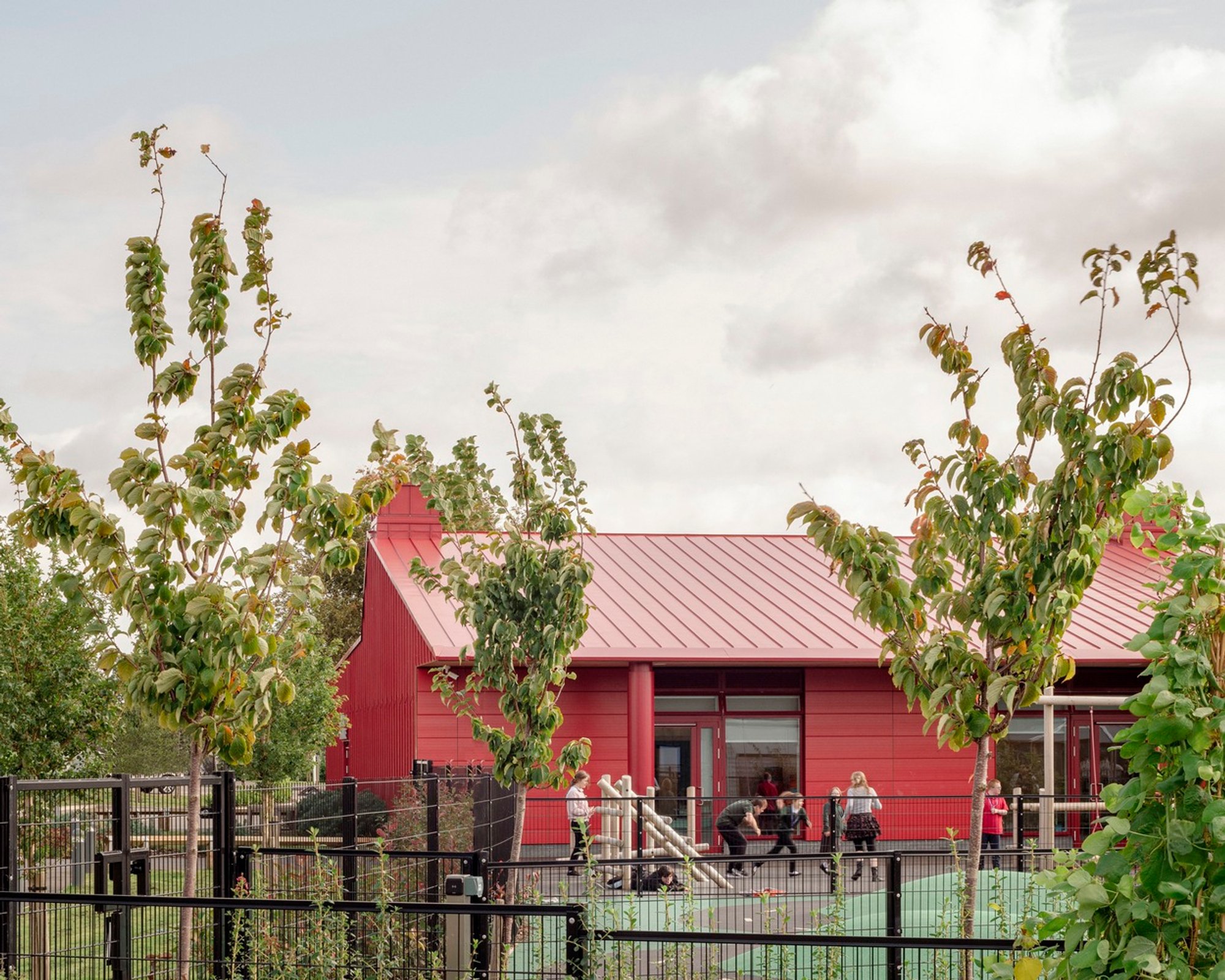
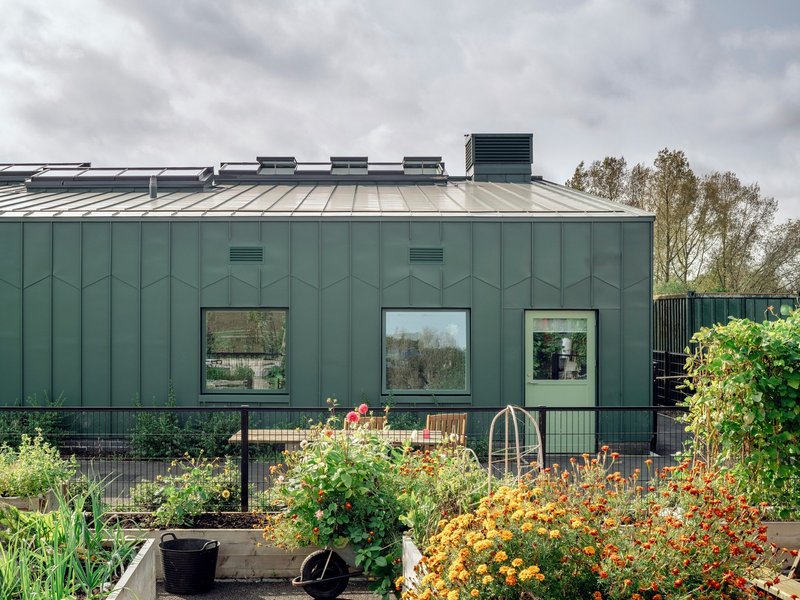
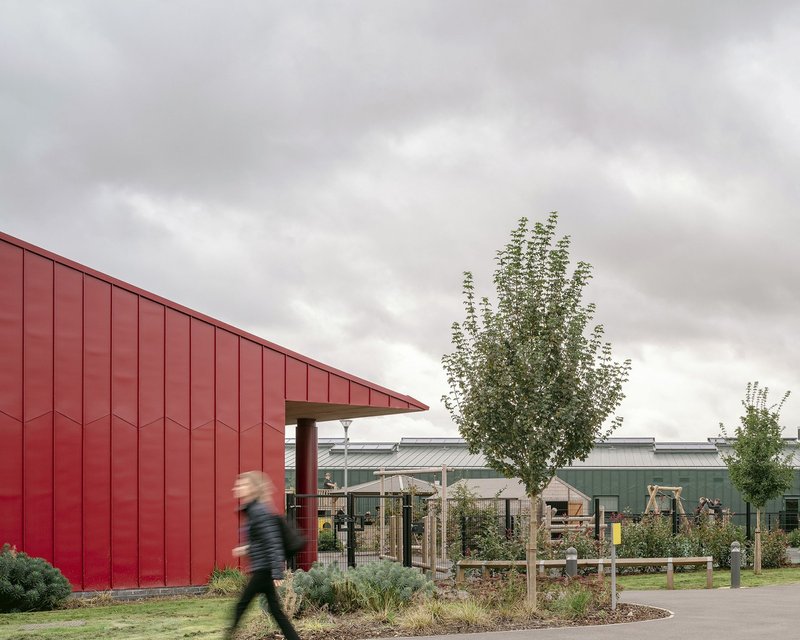
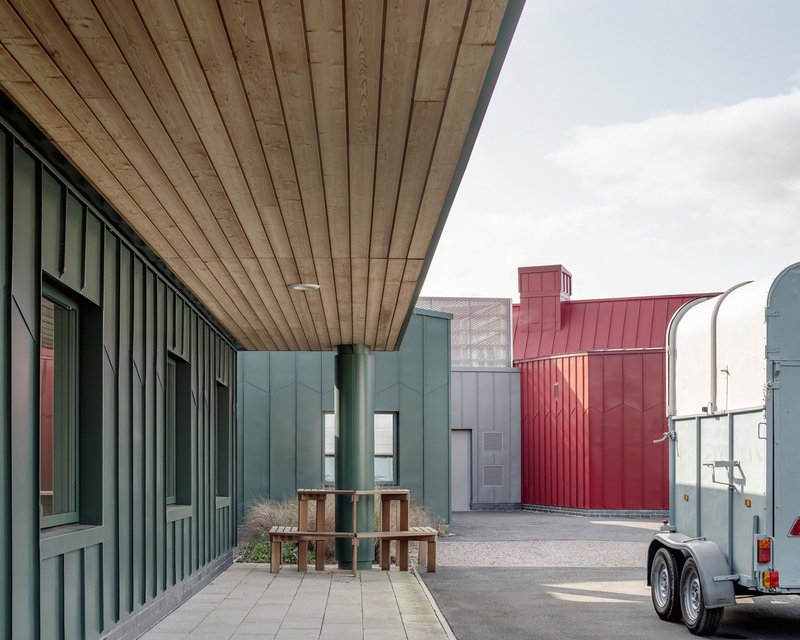
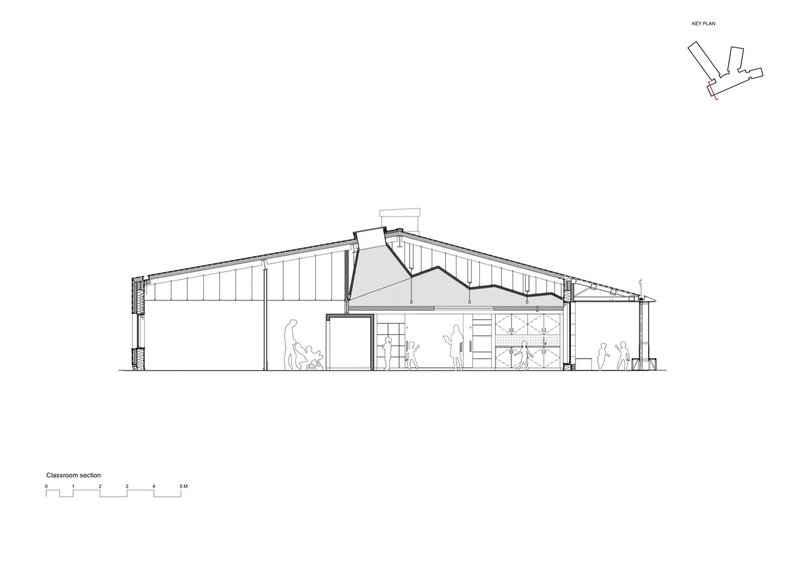
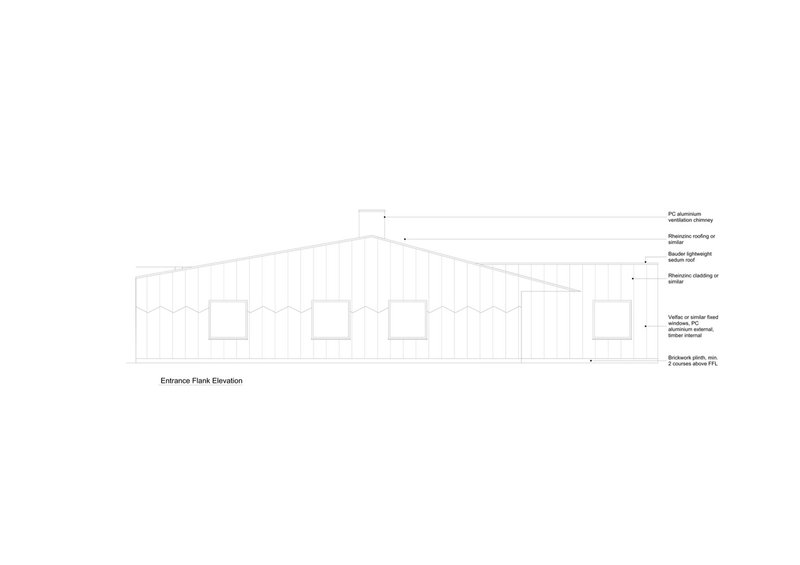
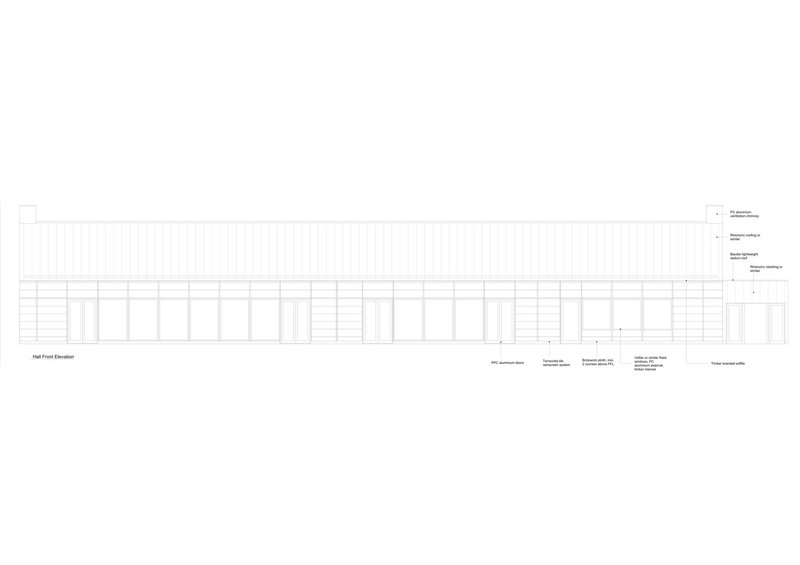
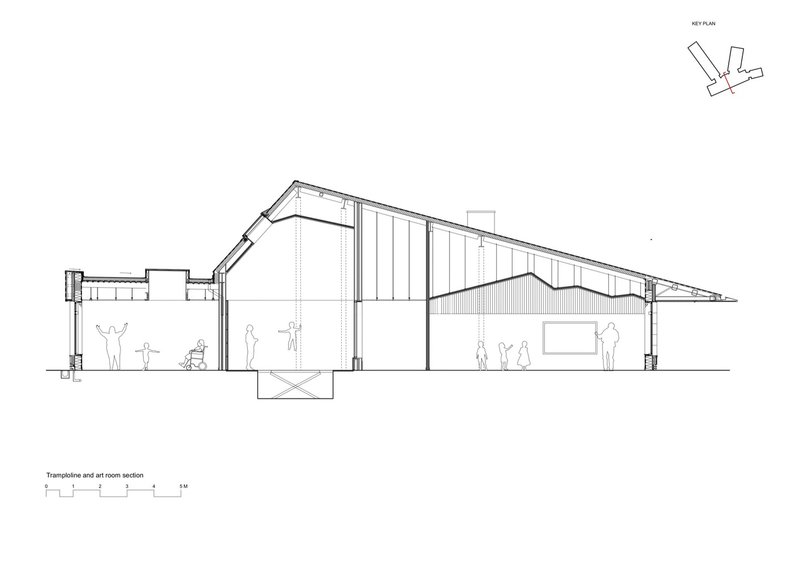
The architects designed the school with a "great barn" or "tent-like" structure that balances functionality with visual appeal. The sloping, pitched roofs evoke a rural charm, aligning with the school's parkland setting. The use of green zinc cladding blends the building harmoniously into its environment.
2. Accessibility and Inclusion
Every aspect of the design ensures accessibility:
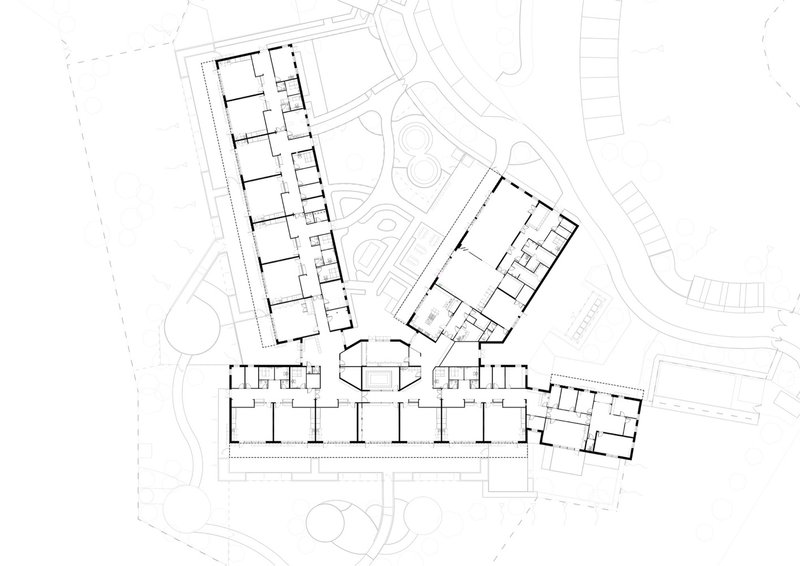
- Wide corridors accommodate wheelchair users.
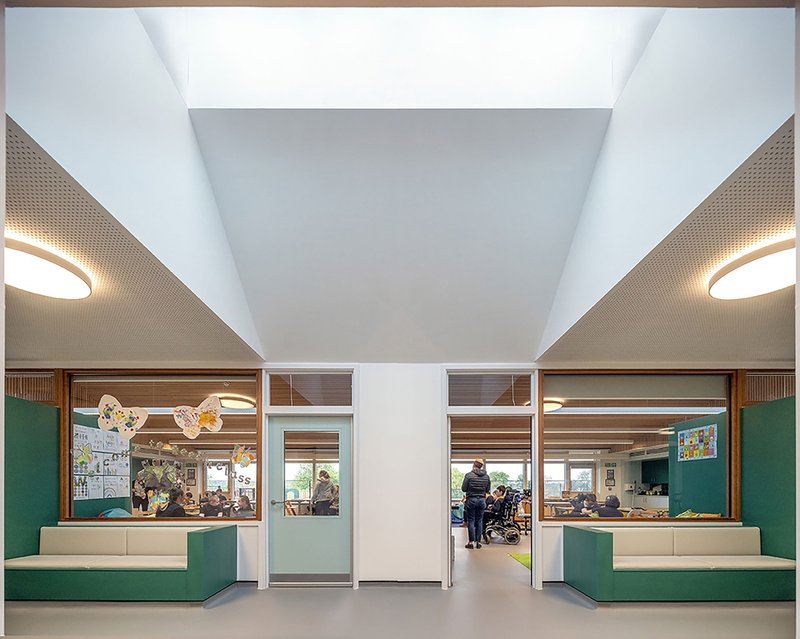
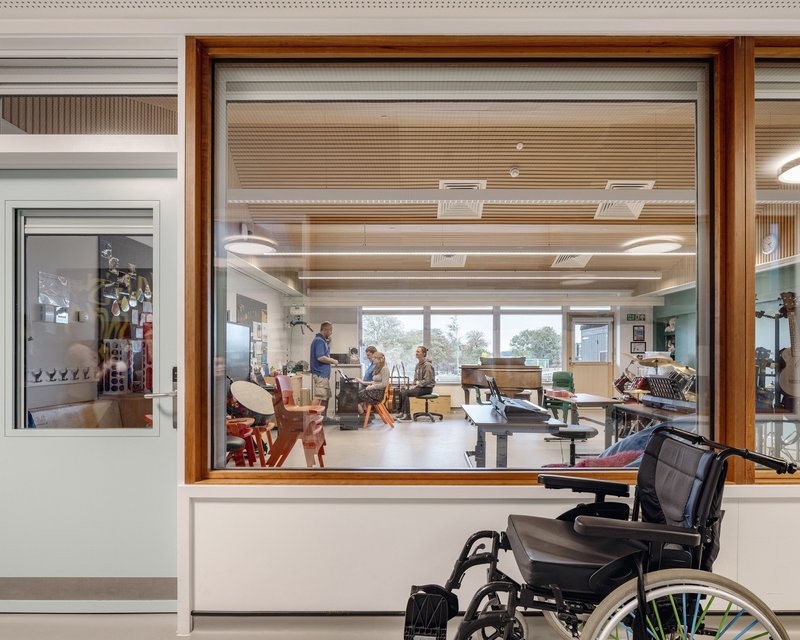
- Breakout spaces along corridors offer resting spots and views into classrooms.
- Trampoline and physiotherapy rooms are central to the layout, emphasizing inclusivity in recreational and therapeutic activities.
3. Connection to Nature
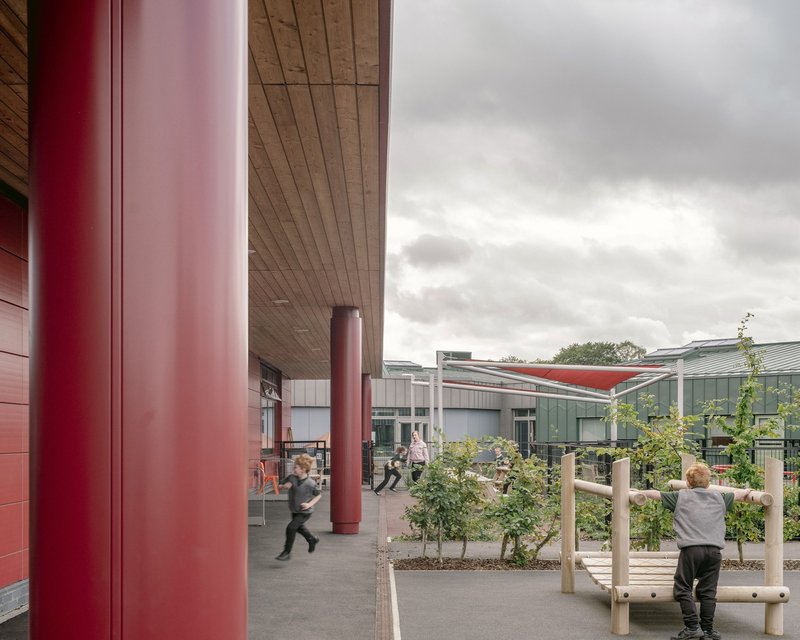
Classrooms feature sheltered play areas and large windows overlooking the parkland, fostering a sense of tranquility and connection to nature.
Sustainable and Adaptive Design
1. Environmental Efficiency
Alfreton Park Community Special School excels in energy efficiency through:
- Building Orientation: Maximizes natural light while reducing solar heat gain.
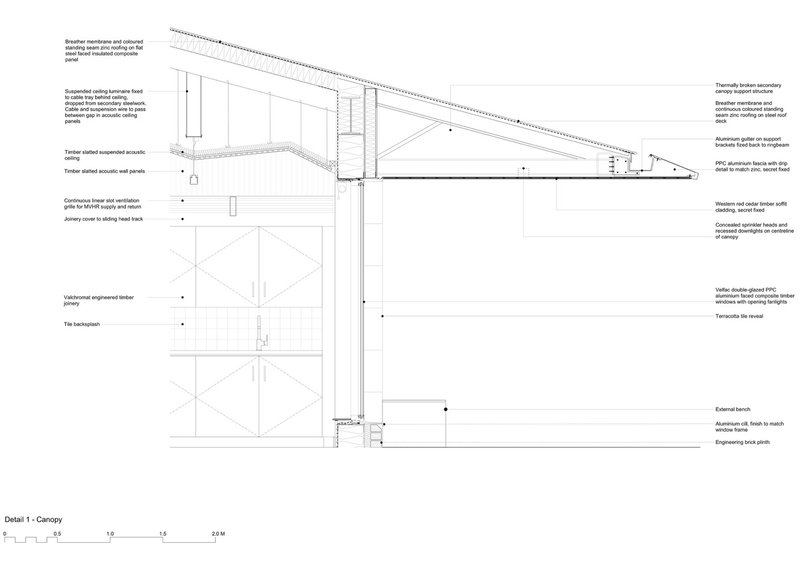
- Overhanging Eaves: Provides shading during peak sunlight hours.
- Natural Ventilation: Promotes airflow, reducing reliance on mechanical cooling systems.
2. Sustainable Materials
The design incorporates:
- Green zinc cladding for durability and alignment with the natural landscape.
- Terracotta tiles in outdoor teaching areas for robustness.
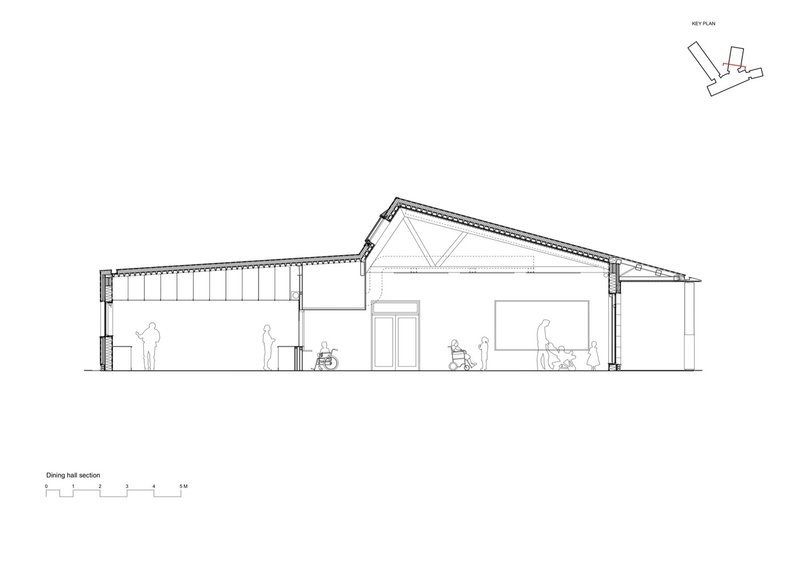
- Exposed timber trusses and acoustic timber ceilings to enhance visual and auditory comfort.
Interior Design and Spatial Planning
1. Flexible Learning Spaces
Classrooms and communal areas are designed for adaptability, accommodating various learning styles and activities. Skylights and double-height ceilings in the main hall and dining areas create a bright, airy atmosphere.
2. Wayfinding Through Color
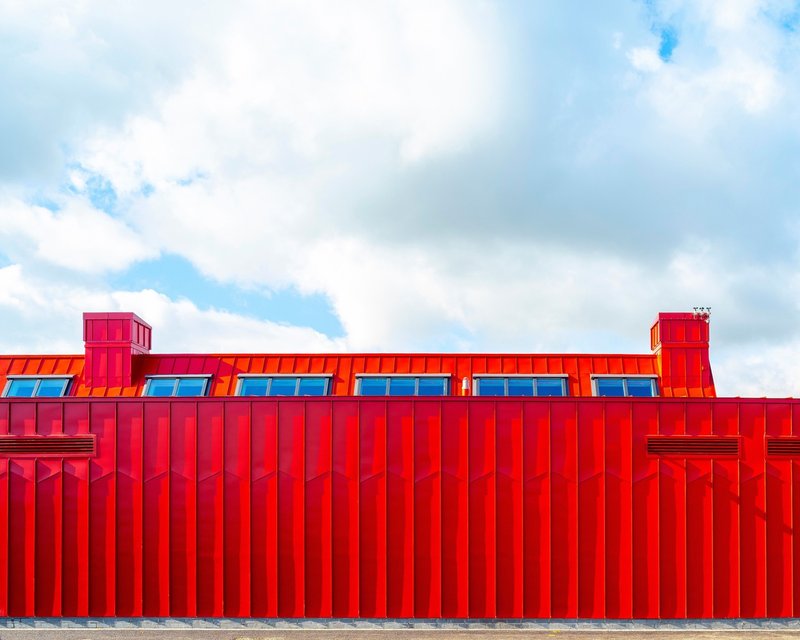
Strategic use of color throughout the school aids navigation and uplifts the mood of students and staff.
3. Community Integration
A distinct community wing, clad in deeper red tones, highlights its significance and encourages local engagement.
Collaboration with Stakeholders
The architects engaged students, staff, and park representatives during the design process. Workshops during the planning stages informed decisions on material selection, space layouts, and finishes. The central location of the trampoline room, for instance, was a direct outcome of these collaborative efforts.
Recognition and Impact
Alfreton Park Community Special School was named School of the Year by AJ judges for its innovative design and inclusive approach. The jury praised the calm, welcoming environment achieved through thoughtful architectural choices.
The Future of Inclusive School Architecture
Alfreton Park Community Special School demonstrates the transformative power of inclusive school architecture. By prioritizing accessibility, sustainability, and connection to nature, the design sets a benchmark for future educational facilities catering to diverse needs.
The success of this project underscores the importance of collaboration, thoughtful planning, and a commitment to creating spaces that empower all learners.
All the photographs are work of Kilian O’Sullivan




Popular Articles
Popular articles from the community

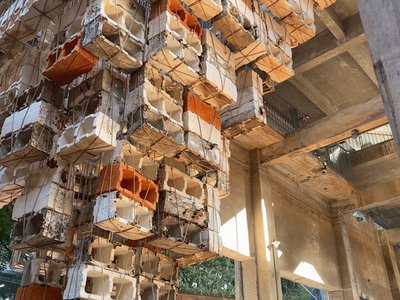
Inverted Architecture Installation by Studio Link-Arc: Exploring the Intersection of Architecture and Living Organisms
Inverted Architecture Installation by Studio Link-Arc blends mycelium, sustainability, inverted design, ecological cycles, and urban adaptive architecture in Shenzhen.
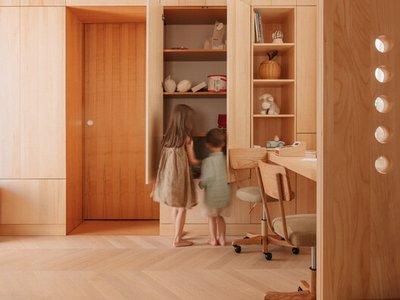
Treehouse Apartment: A Warm Timber Interior Blending Craft, Play, and Contemporary Living
Warm timber apartment with integrated treehouse, combining natural materials, craftsmanship, and playful design to create a flexible, family-oriented living environment.
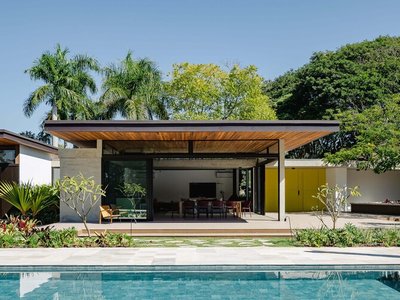
Flamboyant House by Juliana Camargo + Prumo Projetos
Modern Brazilian house integrating existing tree, pool, and volumes with glass, wood, and transitional spaces blending interior, exterior, and landscape seamlessly.
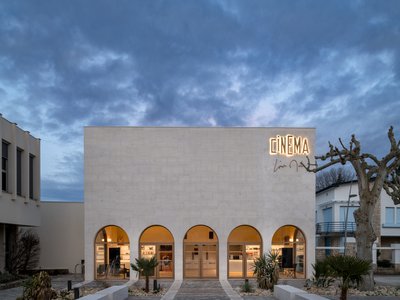
Louis Malle Cinema: A Limestone Cultural Landmark Revitalizing Community Life in Prayssac
Limestone cinema extension with public forecourt, blending heritage and modern design to create flexible cultural spaces and strengthen community interaction.


Similar Reads
You might also enjoy these articles


The Ken Roberts Memorial Delineation Competition (Krob)
As the most senior architectural drawing competition currently in operation anywhere in the world, it draws hundreds of entries each year, awarding the very best submissions in a series of medium-based categories.

Waterfront Redevelopment and Urban Revitalization in Mumbai: Forging a New Dawn for Darukhana
A transformative waterfront redevelopment project reimagining Darukhana’s shipbreaking heritage into an inclusive urban future.

OUT-OF-MAP: A Call for Postcards on Feminist Narratives of Public Space
Rhizoma Design and Research Lab invites artists, designers, architects, researchers, and students to reflect on how feminist perspectives can reshape public space. Selected works will be exhibited in Barcelona, October 2026. Submissions open until 15 April 2026.


Documentation Work on Buddhist Wooden Temple
Architectural syncretism and cultural hybridity: A comparative study of the Buddhist temples in Chattogram Hill tracks


Explore Architecture Competitions
Discover active competitions in this discipline




The International Standard for Design Portfolios


The Global Benchmark for Architecture Dissertation Awards


The Global Benchmark for Graduation Excellence


Challenge to design public laboratory
Comments (0)
Please login or sign up to add comments
No comments yet. Be the first to comment!