

Innovative Office Design for Tech Companies: A Case Study of Slack's Toronto Office
Explore Slack Toronto's innovative office design by Dubbeldam Architecture, blending tech functionality with historical elements in a former textile factory.


In today’s rapidly evolving tech industry, the design of an office can significantly influence both productivity and employee satisfaction. Slack, the world-renowned communication platform developer, has set a precedent with its imaginative approach to office design. This article explores how Slack’s Toronto office, crafted by Dubbeldam Architecture + Design, embodies the company's culture and the latest trends in office design for tech companies.

The Importance of Office Design in Tech Industries
Office design plays a crucial role in fostering innovation and collaboration in tech companies. The environment must not only facilitate functionality but also reflect the company's values and culture. For Slack, a leader in team communication solutions, their office design is an extension of their brand, promoting values of empathy, solidarity, and craftsmanship.

Slack Toronto Office Design: A Reflection of History and Modernity
Background and Concept
Located in a former knitting and textile factory in downtown Toronto, Slack’s office occupies three stories of a mid-rise brick and beam building. The design by Dubbeldam Architecture + Design is a homage to the building’s industrial past and Slack’s cutting-edge technology. The office is a testament to the seamless blend of historical preservation and modern workplace needs.


Design Features
Threads of Communication
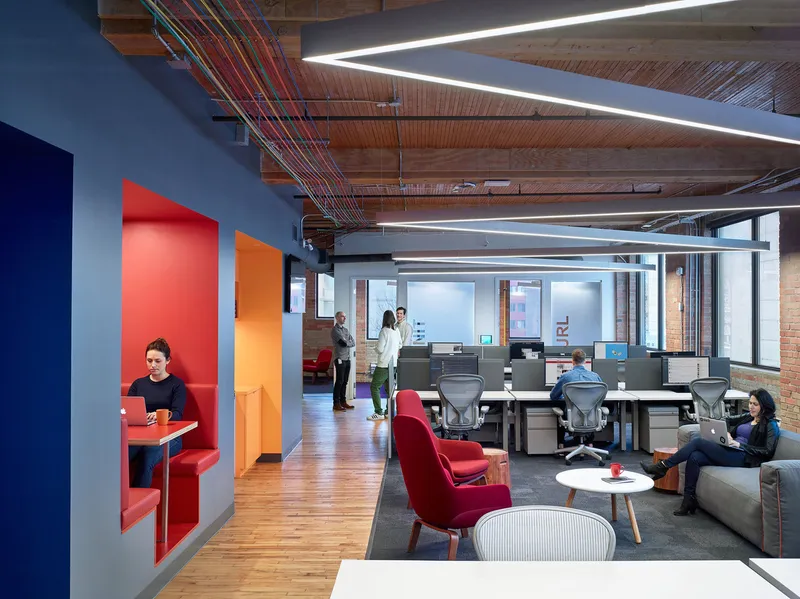
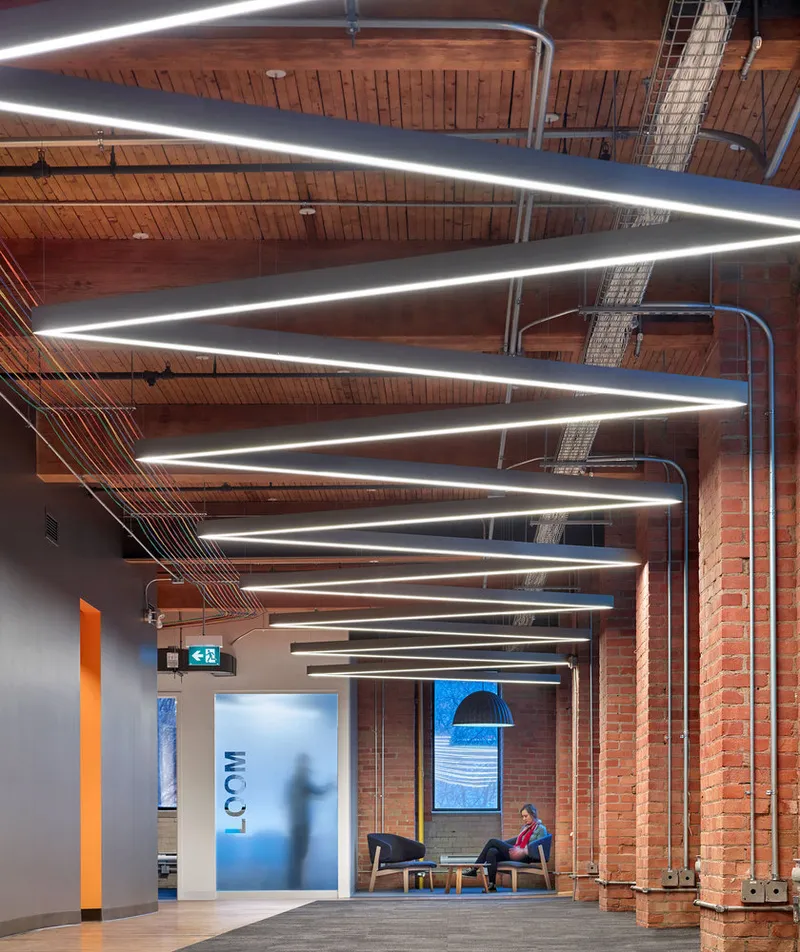
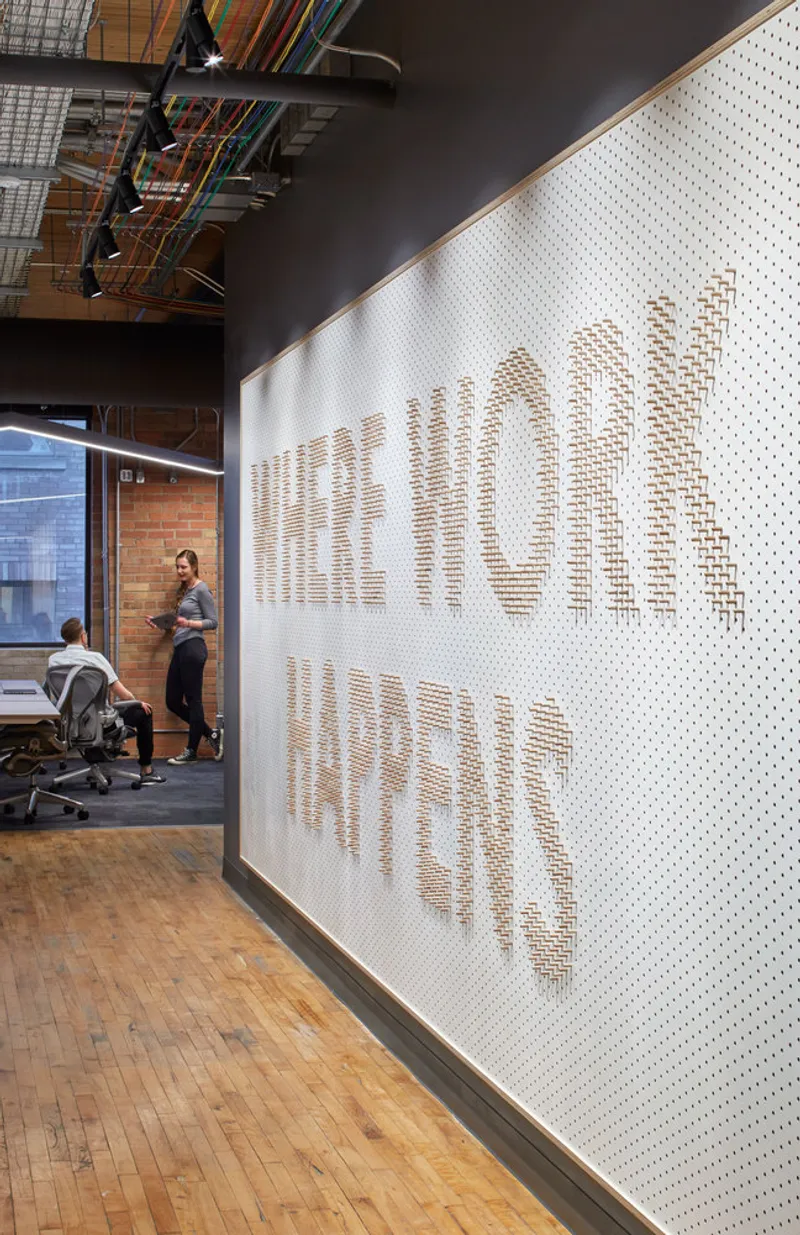
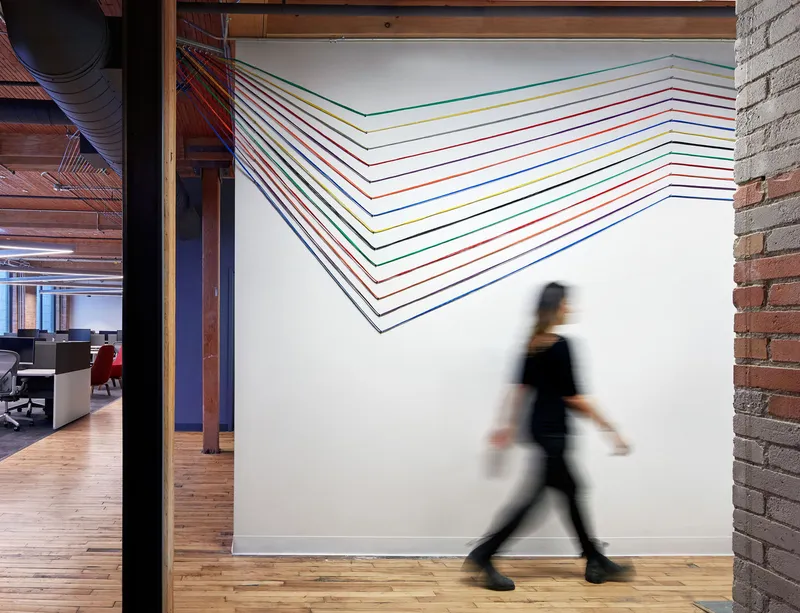
The design concept revolves around the theme "threads of communication," visible through the use of linear geometries. This is illustrated by continuous angular light fixtures and colored networking cables that represent both the physical and digital communication facilitated by Slack. These elements are strategically placed throughout the ceiling and walls, enriching the space with historical echoes and modern necessities.
Use of Materials and Color
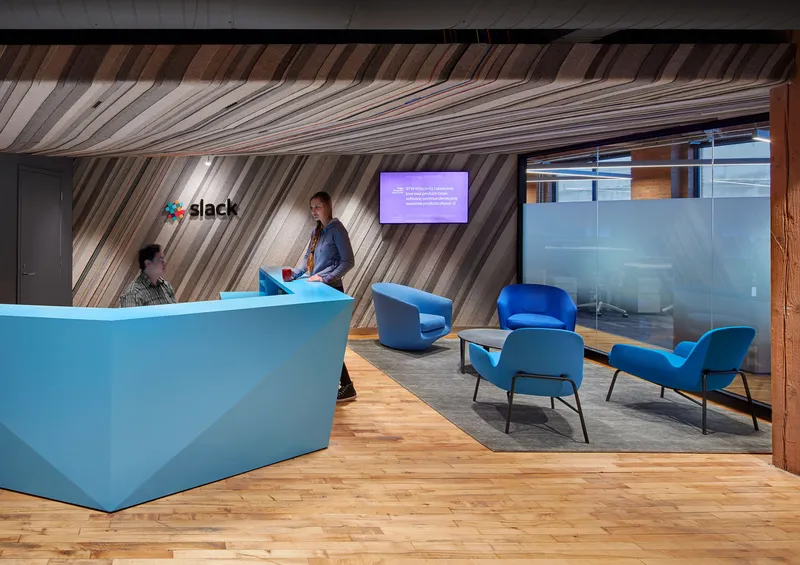
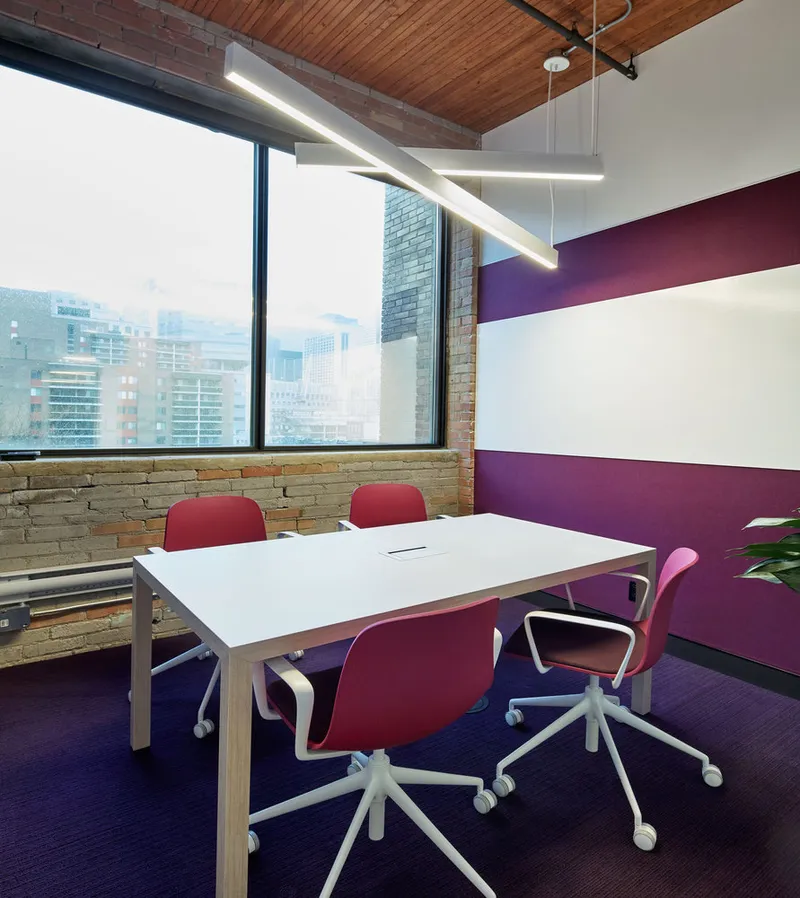
The collaboration with Kathryn Walter of Felt Studio introduced industrial felt along the walls and ceiling of the reception area, adding warmth and texture. The office also features bold, contrasting pops of color that define various zones—such as workstations, phone booths, and meeting rooms—each aligning with Slack’s brand palette.
Meeting Functional and Aesthetic Requirements
Zoning and Spatial Arrangement
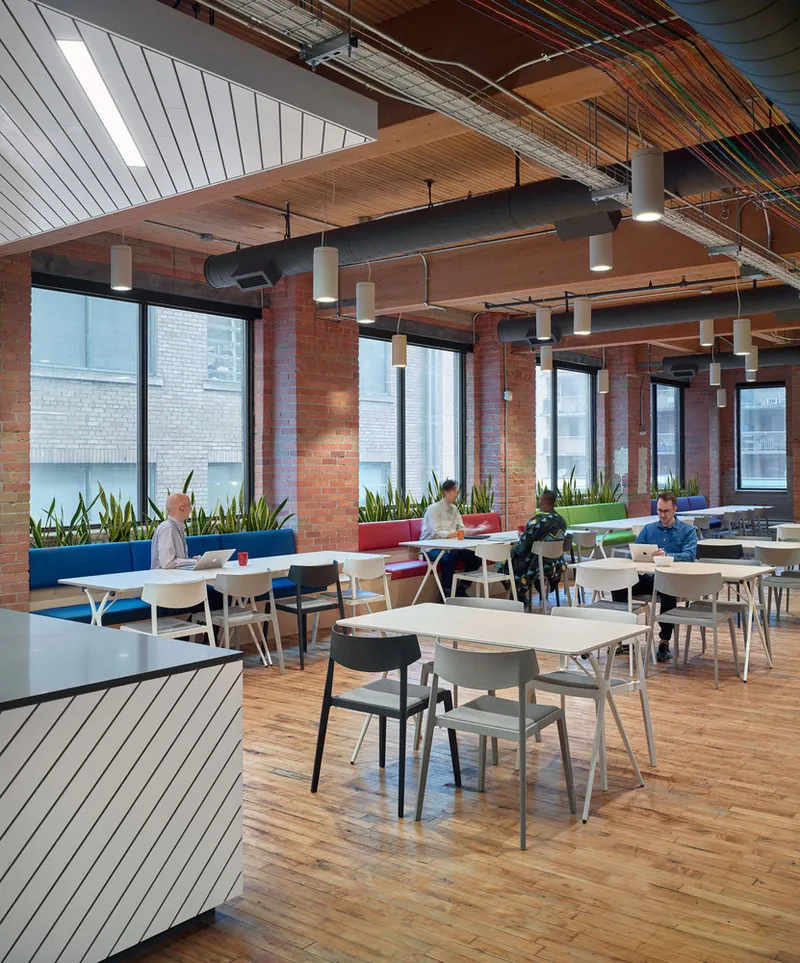
Slack’s Toronto office is not just about aesthetics but also functionality. The layout includes various zones designed for specific activities, from solitary workstations to communal break-out areas. Each area uses color to denote its use, maintaining visual coherence and stimulating a dynamic work environment.
Furniture and Acoustics
Matching the innovative lighting and color schemes, the furniture and acoustic paneling are both practical and visually appealing. The office includes custom-designed pieces that reflect the company’s focus on craftsmanship and attention to detail.

The Impact of Thoughtful Office Design
Slack’s office in Toronto exemplifies how thoughtful design can transform a traditional workspace into an environment that supports and enhances the goals of a tech company. This case study underscores the importance of office design in promoting productivity, collaboration, and a strong company identity.
By integrating historical elements with modern design practices, Slack’s office stands as a model for other tech companies aiming to create a workspace that not only meets today’s functional demands but also enriches the work life of its employees.

All photographs are work of Shai Gil




Popular Articles
Popular articles from the community

AL-JANNAH: Sustainable Architecture and Permaculture for Afghan Widows
AL-JANNAH uses sustainable architecture and permaculture to create resilient oasis of housing, learning, work and renewal for Afghan widows.

Co-life: Sustainable Architecture for Age-Friendly Community Living
Co-life reimagines sustainable architecture for seniors through courtyards, rammed earth, shared gardens, and spaces designed for belonging.

Riyadh For All: Intergenerational Urban Design for Active Aging in Rabat
Riyadh For All reimagines urban design in Rabat with intergenerational co-living, adaptive courtyards, and Moroccan cultural exchange today.

The Ocean Hive: Sustainable Architecture for a Self-Sufficient Civilization at Sea
The Ocean Hive imagines sustainable architecture at sea, where modular habitats, algae, wave power and ocean waste sustain a growing colony.


Similar Reads
You might also enjoy these articles

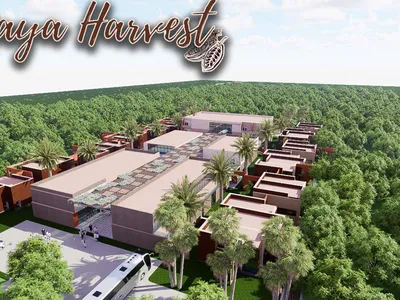
Maya Harvest: A Cacao Resort Village Rooted in Mayan Tradition and Local Craft
Situated within a Tabasco cacao plantation, this shortlisted resort proposal merges vernacular materials with hands-on cultural immersion.
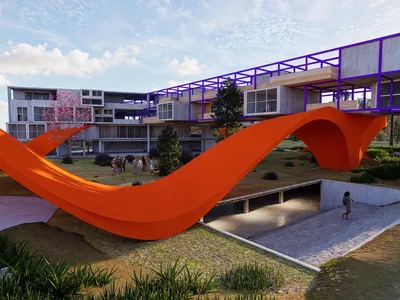
Harmonia: A River-Shaped Community That Grows Over Decades in Boa Vista
Curved pathways and modular grid structures along the Branco River create a phased settlement designed to evolve from 2030 to 2050.

The Architecture of Bathing: A Mughal Hammam Reimagined Across the Yamuna
Charlotte May's honorable mention entry for The Black Taj reinterprets Agra's bathing rituals through red sandstone, water, and framed views of the Taj Mah
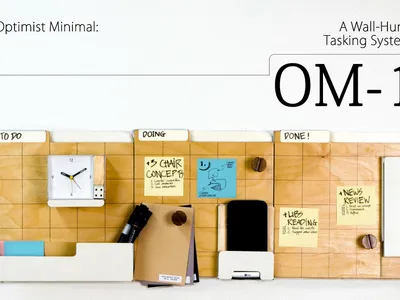
Om-1: A Wall-Hung System That Moves Your Workspace Off the Desk
Modular plywood boards, magnetic pegs, and utility elements migrate clutter from the horizontal surface to the vertical plane.


Explore Office Building Competitions
Discover active competitions in this discipline



Challenge to reimagine the Iron Throne


Photograph architecture without architects


Illustrate the lost glory of Angkor Wat - Render Challenge


Design challenge to reuse E-waste
Comments (0)
Please login or sign up to add comments
No comments yet. Be the first to comment!