
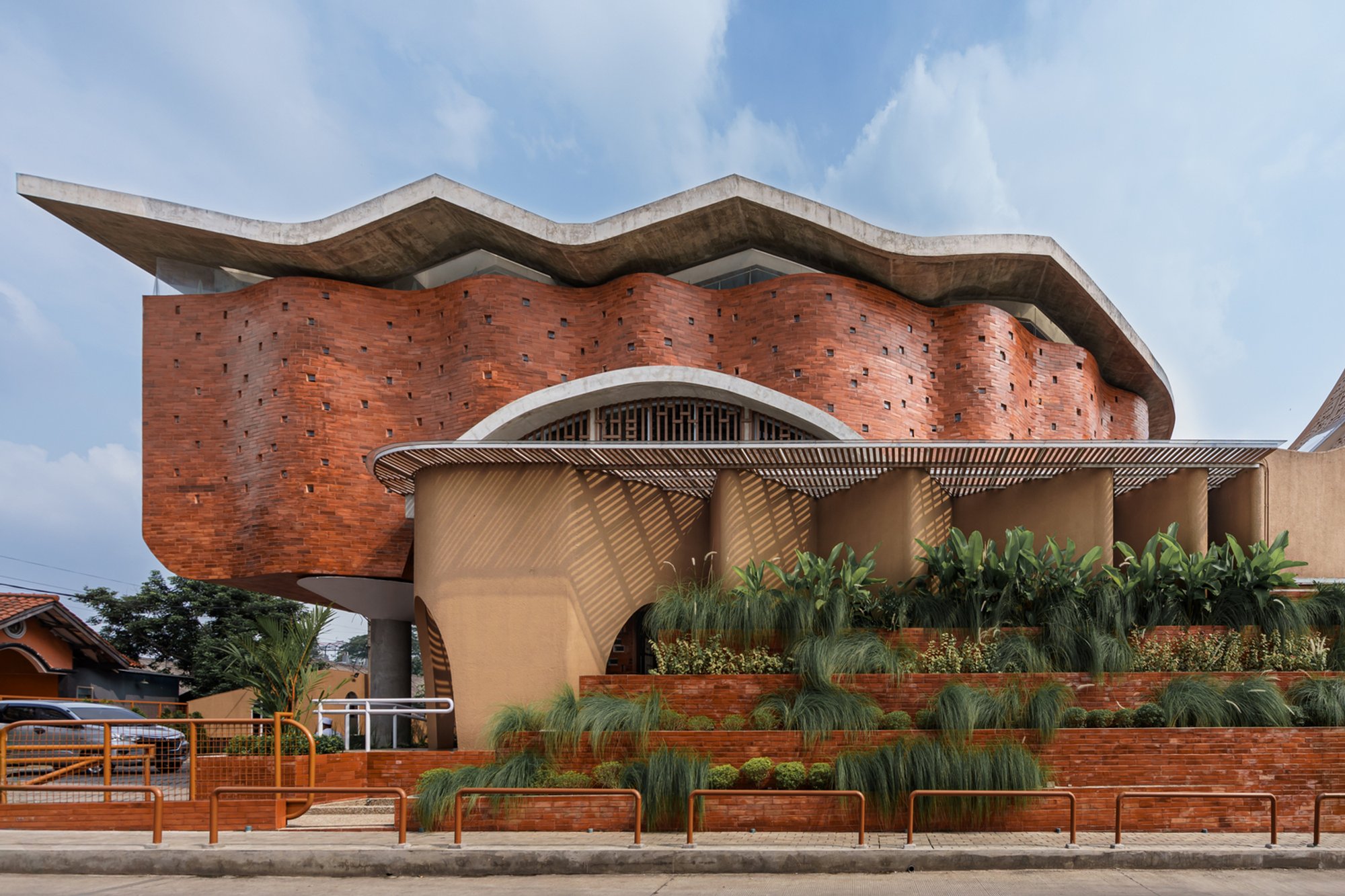
Jami At-Taqwa Mosque Cibinong by Ismail Solehudin Architecture
A contemporary mosque blending folded geometry, natural light, and community devotion—symbolizing spiritual closeness, harmony, and modern Islamic architectural expression.

A Contemporary Mosque Design Rooted in Spiritual Metaphor and Community Identity
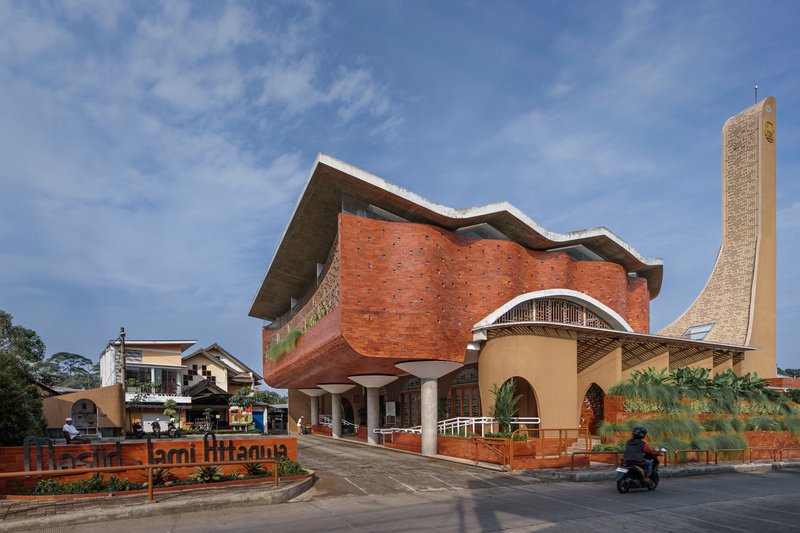
Located in Cibinong, Indonesia, Jami At-Taqwa Mosque by Ismail Solehudin Architecture redefines the relationship between faith, form, and the built environment. Completed in 2025, this 900-square-meter mosque embodies a poetic architectural narrative that transforms spiritual abstraction into tangible form. The design celebrates the communal and spiritual essence of Islamic worship through an expressive architectural language of folding roofs, pleated walls, and luminous interiors.
A Spiritual Landmark Rooted in Community and Devotion
In the heart of Cibinong, Indonesia, Ismail Solehudin Architecture has redefined the architectural language of contemporary Islamic worship with the Jami At-Taqwa Mosque — a structure that transcends mere functionality to embody a deeper, spiritual narrative. Conceived as a “mosque of celebration,” the building invites worshippers to experience faith through light, form, and collective devotion.
The architects describe the project as an abstract interpretation of divine closeness, where architecture becomes a medium of spiritual reflection and community expression. The mosque is not only a sacred space but also a social and cultural anchor — built through local collaboration and the voluntary efforts of worshippers, reflecting the generosity and unity of its people.
Concept: Folding the Cosmos Toward the Divine
The design originates from a profound interpretation of the Arabic word masjid — “a place of prostration.” Inspired by Imam Al-Ghazali’s philosophy, the architects explored the concept of sujud (prostration) as a gesture that symbolically folds the vastness of the cosmos, bringing humanity closer to the Divine.
This metaphor of folding becomes the foundation of the architectural language. The mosque’s rooflines, façades, and spatial gestures evoke a sense of movement and submission — an architectural manifestation of spiritual humility and cosmic unity. Through this metaphor, the Jami At-Taqwa Mosque serves as both a sanctuary for prayer and a symbolic representation of humanity’s intimate connection with God.
Architectural Form and Material Expression
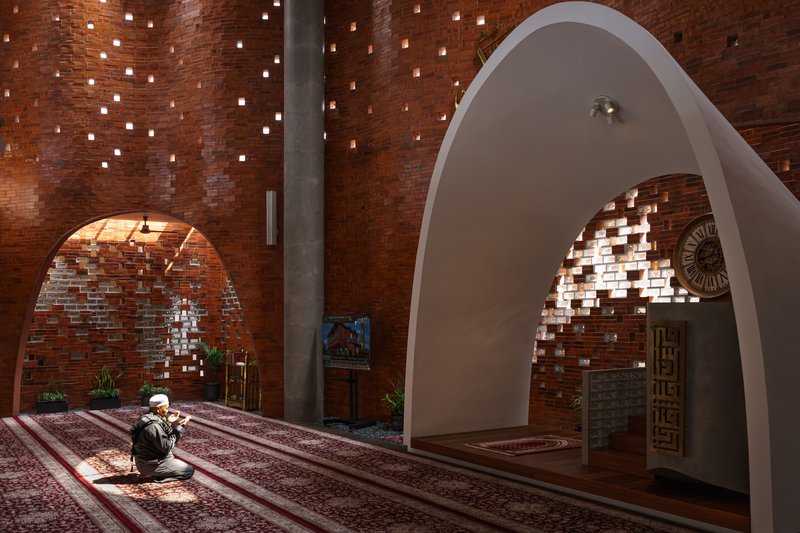
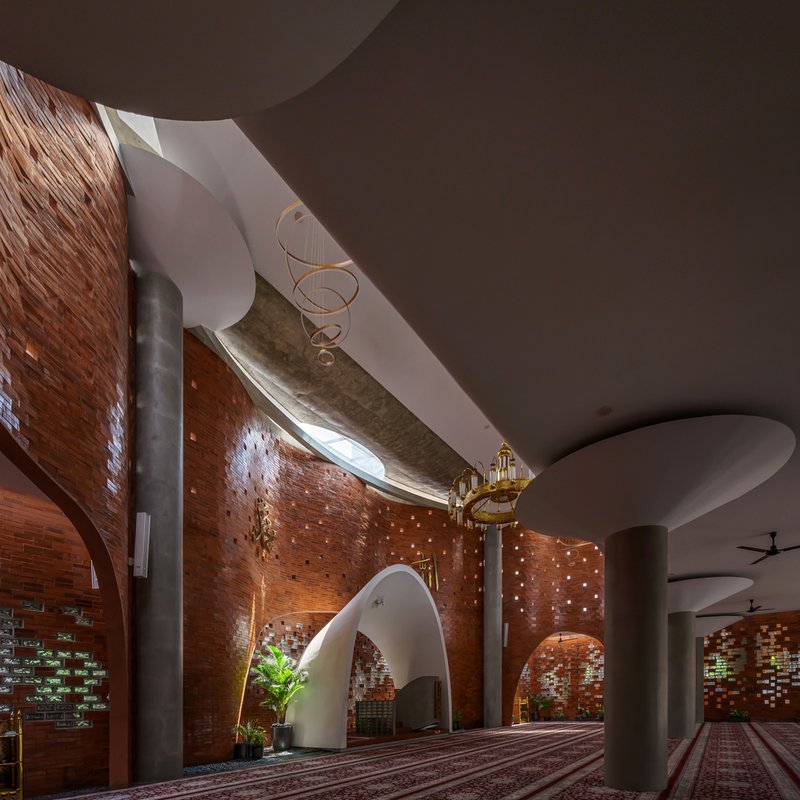
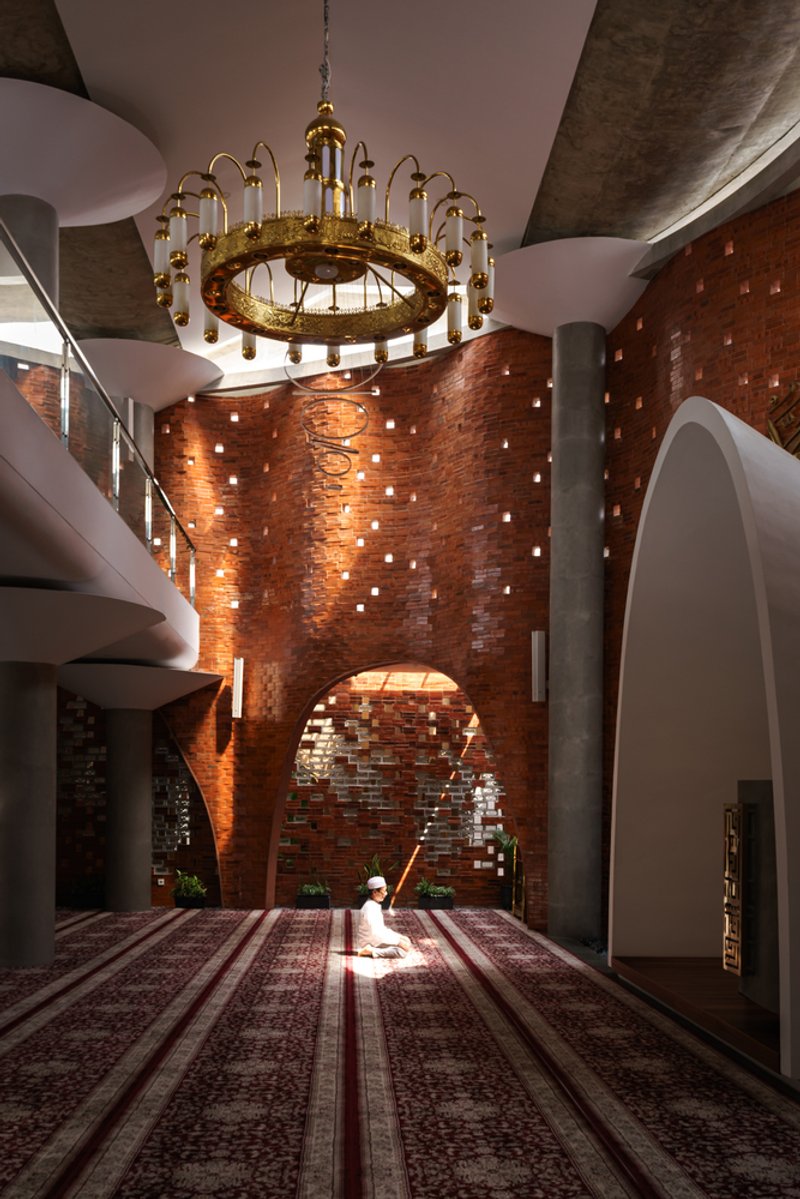
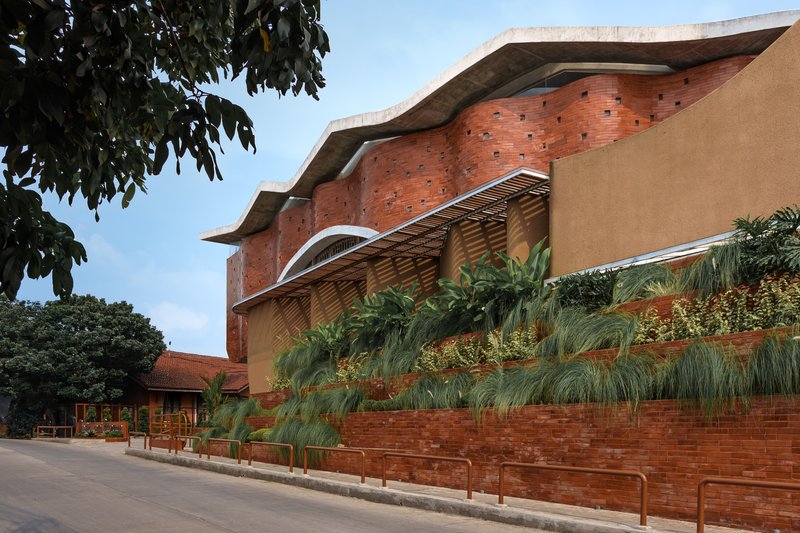
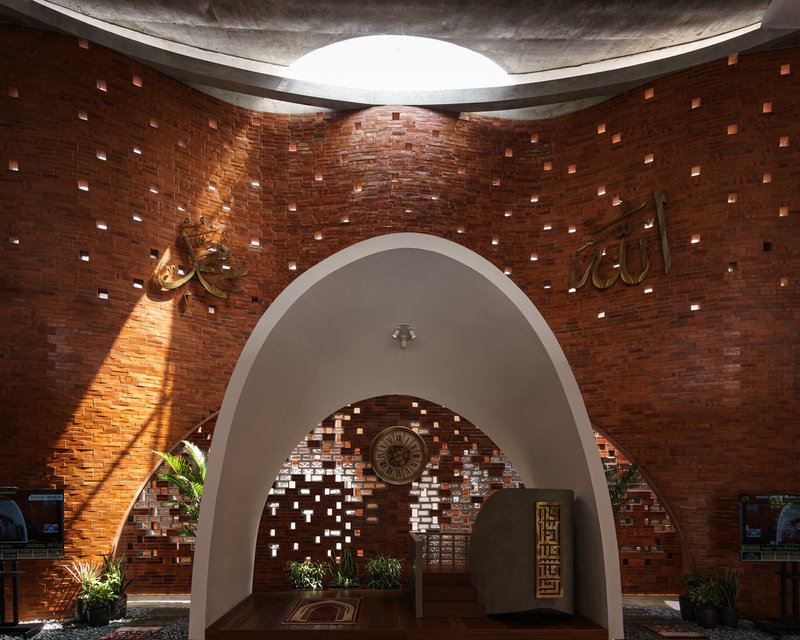
The mosque’s folding roofs and curving pleated walls form its defining visual identity. These dynamic surfaces generate dramatic light effects, crafting an atmosphere that shifts throughout the day with the play of natural illumination. The abstract geometry is balanced by the warmth of its material palette — exposed brick, concrete, and subtle perforations that promote cross-ventilation and natural cooling.
The result is a harmonious dialogue between structure and spirituality, where every surface, shadow, and texture contributes to a holistic sensory experience. The design’s minimalism amplifies its sacredness, while the material honesty echoes the humility central to Islamic architectural philosophy.
Urban Integration and Spatial Experience
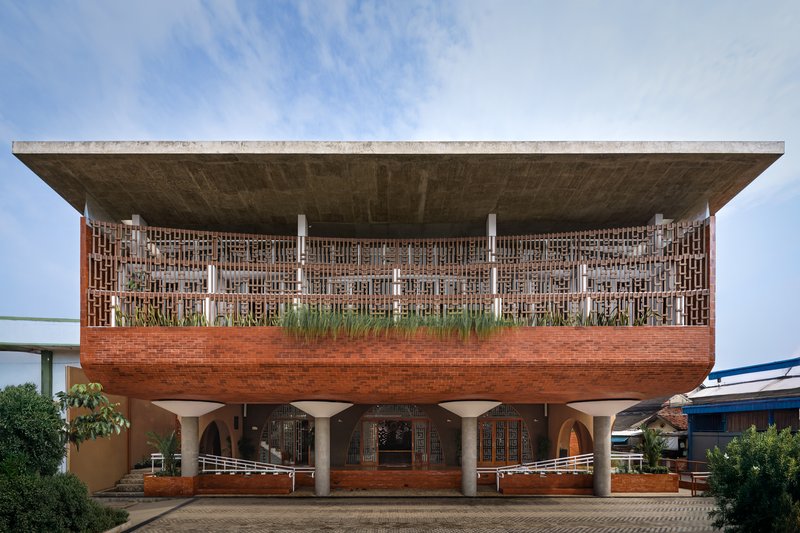
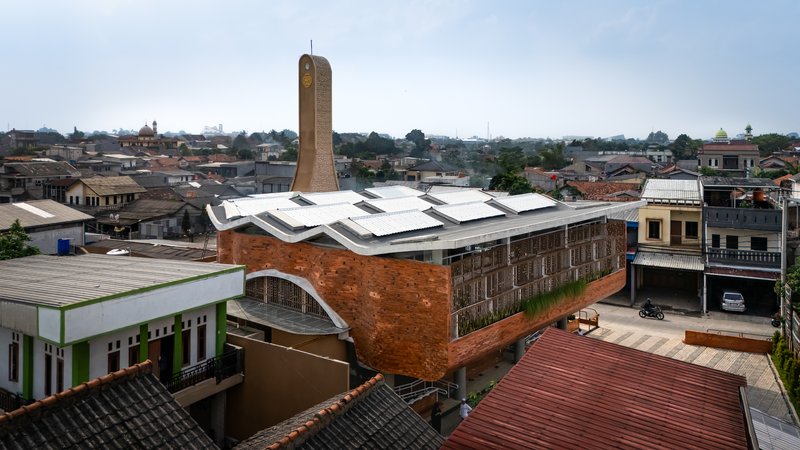
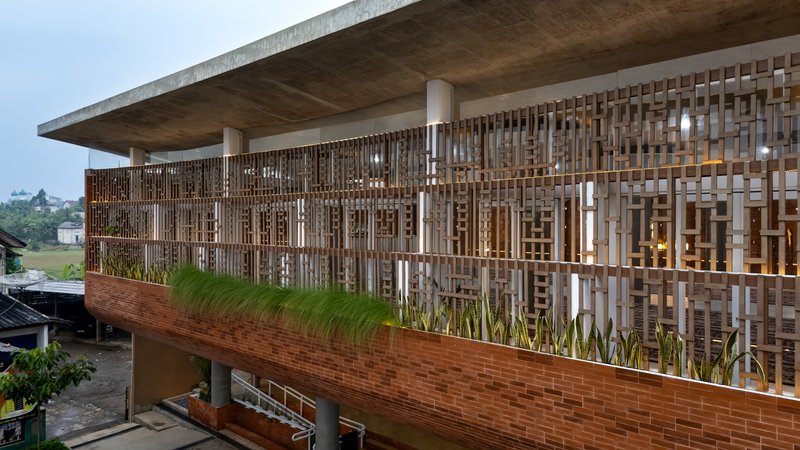
Situated on a bustling urban street, the Jami At-Taqwa Mosque maintains a sense of calm and refuge through strategic site buffering and landscape integration. A plant-lined arcade and buffer fence protect the interior from noise and pollution while creating a serene transition from the street to the sacred space.
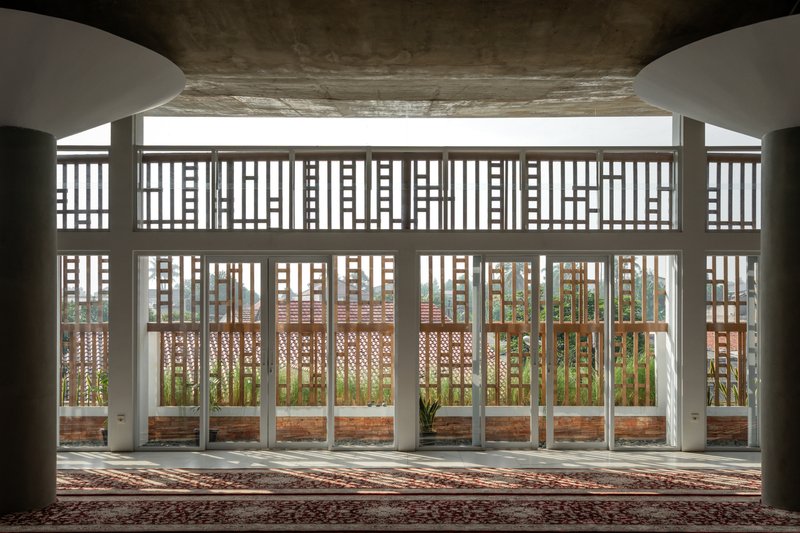
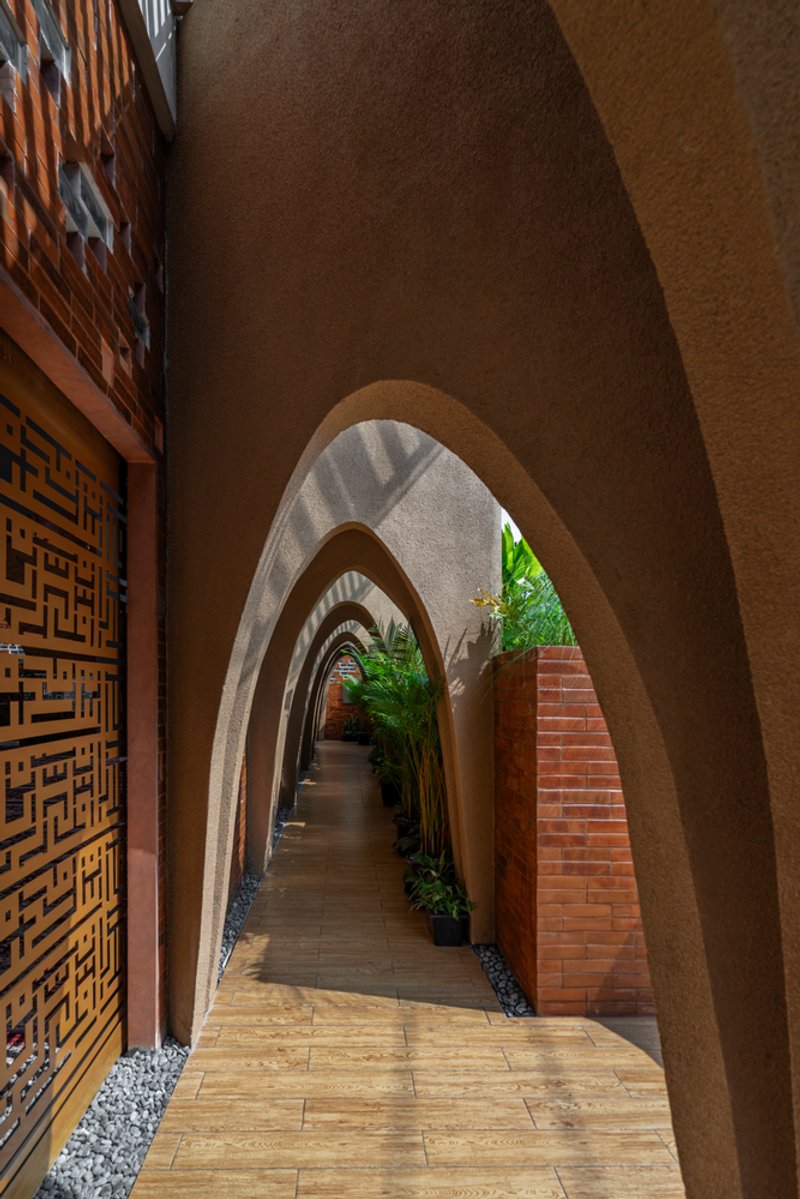
The arcade’s canopy structure extends the folding roof motif, guiding visitors through a contemplative spatial journey that mirrors the act of spiritual approach. This thoughtful procession not only enhances the mosque’s visual rhythm but also reinforces its symbolic expression of divine closeness.
Circulation and Gender Separation
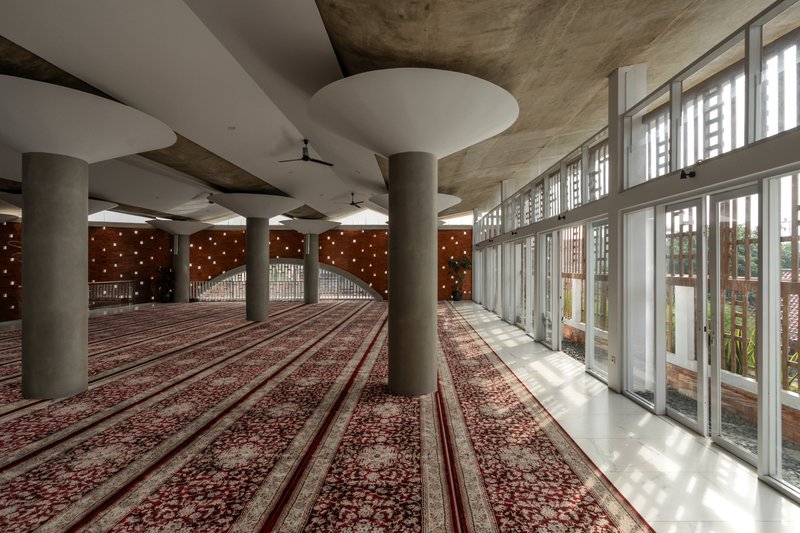
The circulation design emphasizes both functionality and modesty. Separate pathways ensure that men and women have distinct, uninterrupted access to their respective prayer areas. The ground floor houses the men’s hall, while the women’s prayer area occupies the upper mezzanine, connected through gracefully folded arcades that enhance privacy without compromising spatial unity.
These circulation strategies reflect a sensitive understanding of Islamic spatial ethics, ensuring both inclusivity and adherence to religious principles within a cohesive architectural framework.
The Minaret: A Vertical Axis of Faith
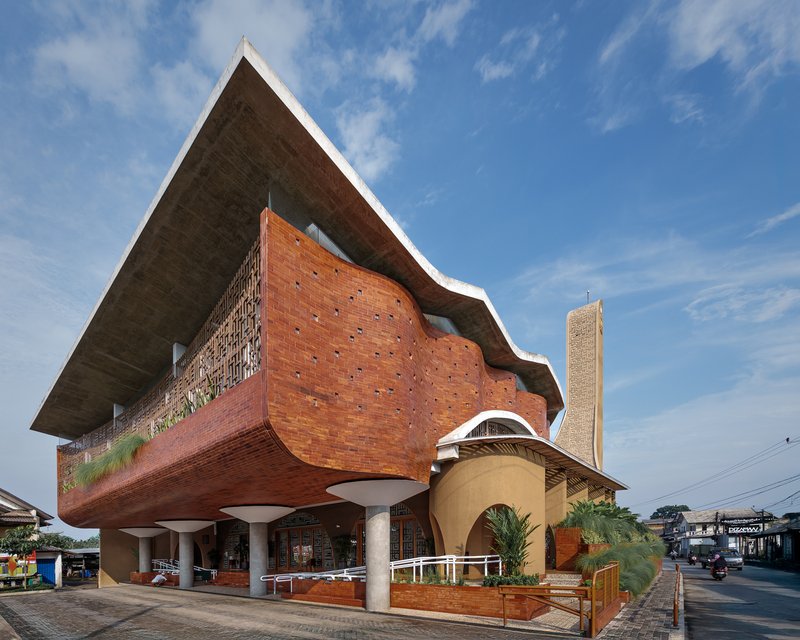
The minaret, aligned with the qibla axis, serves as both a visual landmark and spiritual symbol. Rising seamlessly from the folded façade, it embodies the mosque’s vertical expression — a gesture of ascension and reverence. Its continuity with the building’s folded geometry reinforces the unity of design, suggesting an unbroken link between earth and heaven.
Atmosphere and Community Identity
Inside, the mosque exudes warmth and inclusivity. The interplay of natural light, texture, and geometry transforms the prayer hall into an ever-changing spatial experience. The perforated brick walls allow light and air to flow freely, creating a serene ambience that feels simultaneously intimate and open.
Beyond its architectural beauty, the Jami At-Taqwa Mosque stands as a testament to community devotion. It embodies the spirit of collective worship, where architecture becomes a tangible act of faith, hope, and shared purpose.
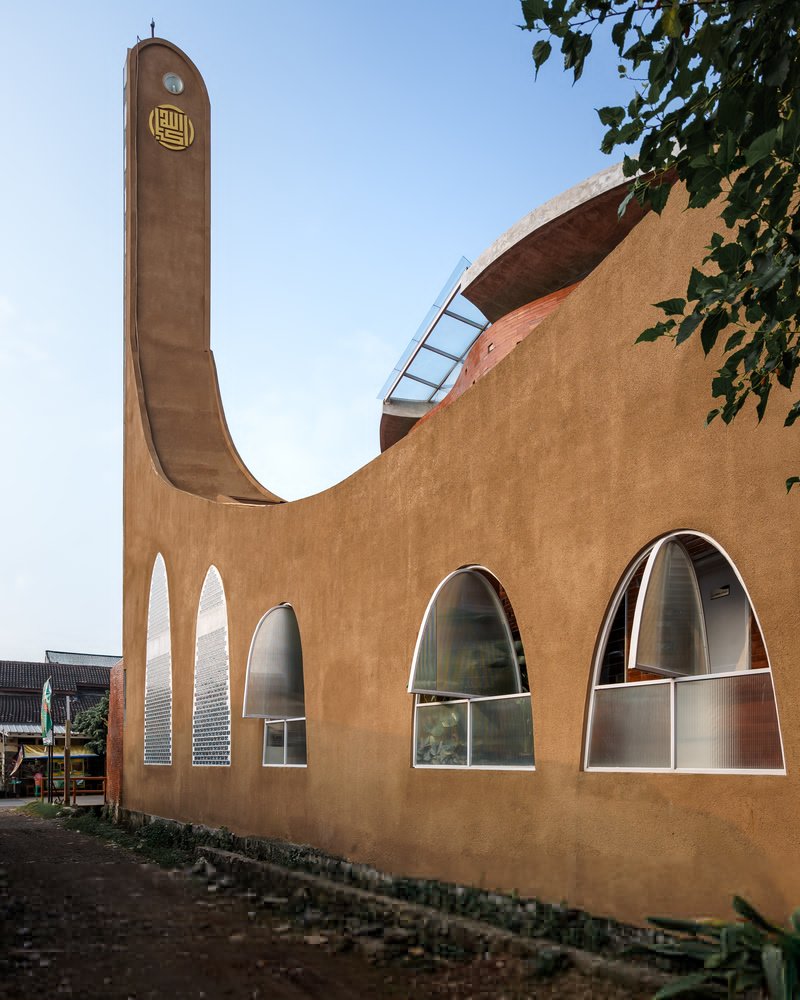
The Jami At-Taqwa Mosque in Cibinong reimagines Islamic architecture as an art of spiritual abstraction and communal identity. Through the metaphor of folding, Ismail Solehudin Architecture has crafted a sacred space that invites reflection, unity, and joy — a mosque that celebrates both divine presence and human generosity.
This project stands as a contemporary landmark in Indonesia’s evolving religious architecture — a synthesis of faith, form, and craftsmanship that transcends time and context.
All photographs are works of Lu’Luil Ma’nun



Popular Articles
Popular articles from the community

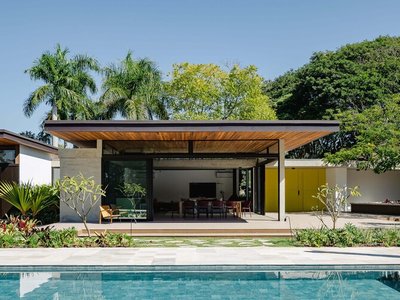
Flamboyant House by Juliana Camargo + Prumo Projetos
Modern Brazilian house integrating existing tree, pool, and volumes with glass, wood, and transitional spaces blending interior, exterior, and landscape seamlessly.
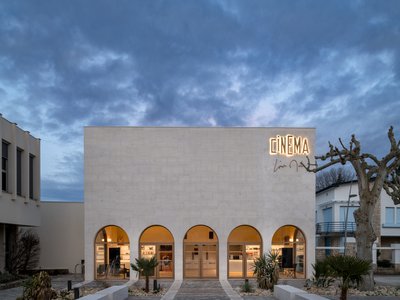
Louis Malle Cinema: A Limestone Cultural Landmark Revitalizing Community Life in Prayssac
Limestone cinema extension with public forecourt, blending heritage and modern design to create flexible cultural spaces and strengthen community interaction.
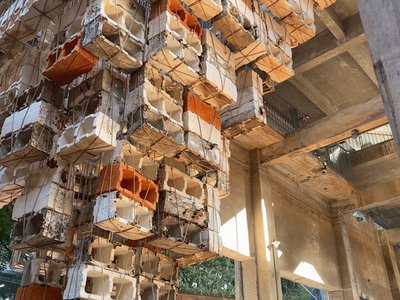
Inverted Architecture Installation by Studio Link-Arc: Exploring the Intersection of Architecture and Living Organisms
Inverted Architecture Installation by Studio Link-Arc blends mycelium, sustainability, inverted design, ecological cycles, and urban adaptive architecture in Shenzhen.
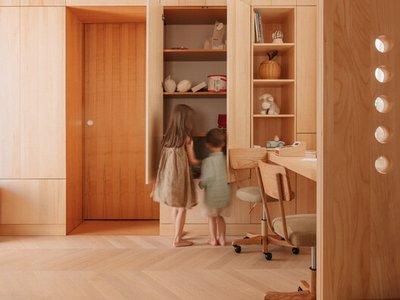
Treehouse Apartment: A Warm Timber Interior Blending Craft, Play, and Contemporary Living
Warm timber apartment with integrated treehouse, combining natural materials, craftsmanship, and playful design to create a flexible, family-oriented living environment.


Similar Reads
You might also enjoy these articles


The Ken Roberts Memorial Delineation Competition (Krob)
As the most senior architectural drawing competition currently in operation anywhere in the world, it draws hundreds of entries each year, awarding the very best submissions in a series of medium-based categories.


Waterfront Redevelopment and Urban Revitalization in Mumbai: Forging a New Dawn for Darukhana
A transformative waterfront redevelopment project reimagining Darukhana’s shipbreaking heritage into an inclusive urban future.

OUT-OF-MAP: A Call for Postcards on Feminist Narratives of Public Space
Rhizoma Design and Research Lab invites artists, designers, architects, researchers, and students to reflect on how feminist perspectives can reshape public space. Selected works will be exhibited in Barcelona, October 2026. Submissions open until 15 April 2026.


Documentation Work on Buddhist Wooden Temple
Architectural syncretism and cultural hybridity: A comparative study of the Buddhist temples in Chattogram Hill tracks

Explore Architecture Competitions
Discover active competitions in this discipline




The International Standard for Design Portfolios


The Global Benchmark for Architecture Dissertation Awards


The Global Benchmark for Graduation Excellence


Challenge to reimagine the Iron Throne
Comments (0)
Please login or sign up to add comments
No comments yet. Be the first to comment!