
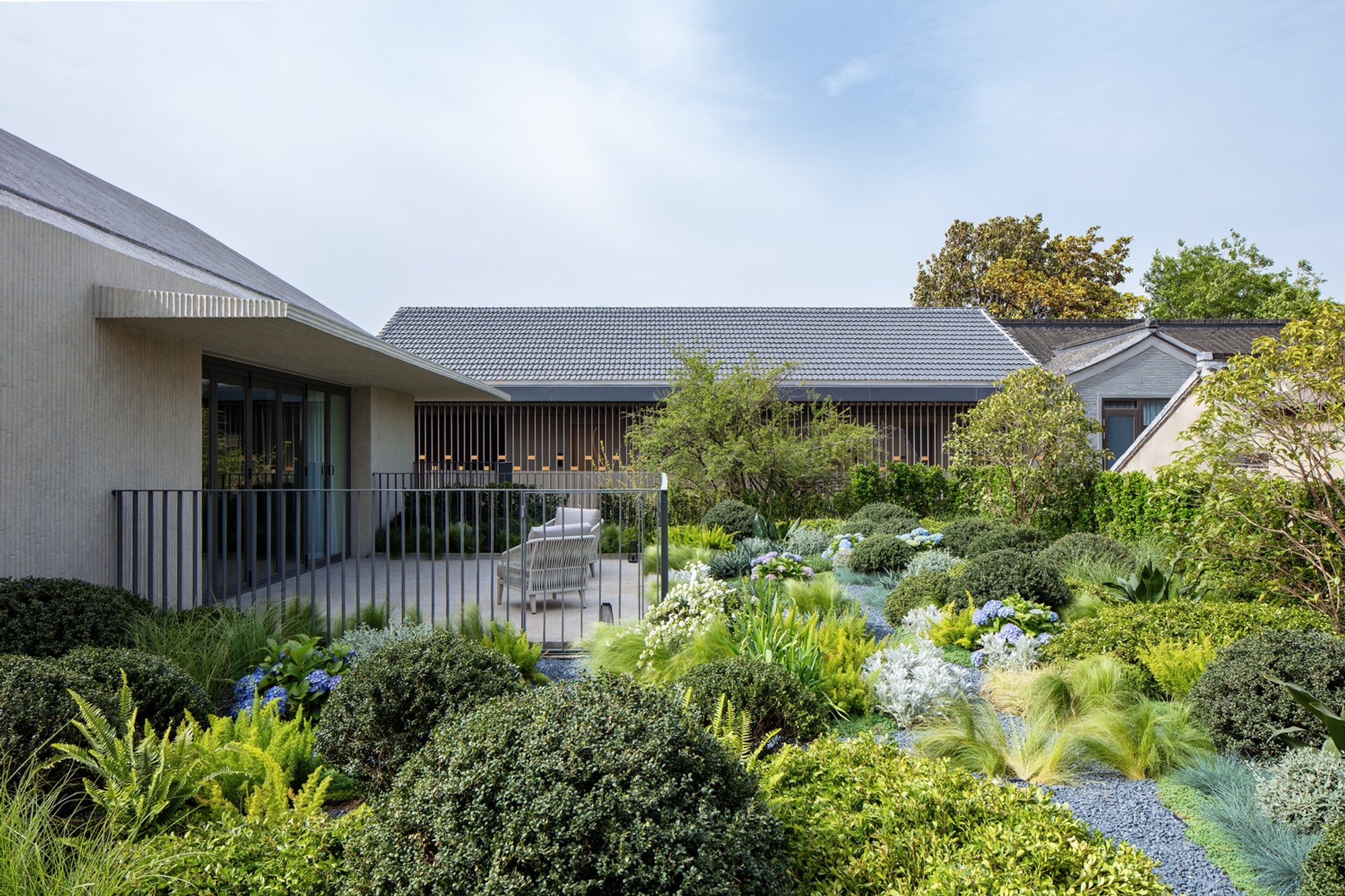
Jiangnan House Yangzhou Guangling by B.L.U.E. Architecture Studio
Adaptive reuse of Yangzhou’s historic Subei Cinema into a boutique hotel blending Jiangnan heritage, modern design, natural materials, and cultural memory.

Reviving Heritage Through Contemporary Hospitality
Located in the heart of Yangzhou’s historic Guangling district, Jiangnan House Yangzhou Guangling by B.L.U.E. Architecture Studio redefines what it means to blend urban renewal with cultural preservation. The project transforms the site of the former Subei Cinema — a beloved mid-20th-century landmark — into a boutique hotel that celebrates the architectural and cultural essence of the Jiangnan region.
Set within a vibrant neighborhood of mixed-era buildings — from ancient timber structures to brick-concrete dwellings — the hotel forms part of a major urban regeneration initiative for Guangling Ancient City. The renovation respects the layered historical context while introducing a modern hospitality program that embodies the warmth, memory, and artistry of Yangzhou’s heritage.
A Dialogue Between History and Modernity in Yangzhou’s Ancient City
Situated in the historic fabric of Guangling Road in Yangzhou, Jiangnan House by B.L.U.E. Architecture Studio represents a thoughtful synthesis of urban renewal, cultural preservation, and contemporary hospitality design. The site—an ensemble of timber structures and mid-century brick-concrete buildings—embodies the layered architectural memory of Yangzhou’s old town.
As part of the Guangling Ancient City Urban Renewal Program, the project revitalizes the site of the former Subei Cinema, transforming it into a modern boutique hotel that celebrates local heritage. The renovation respects the existing architectural order while introducing new spaces that reinterpret traditional Jiangnan (southern China) aesthetics through modern materials and forms.
Preserving Memory: From Subei Cinema to Hotel Lobby
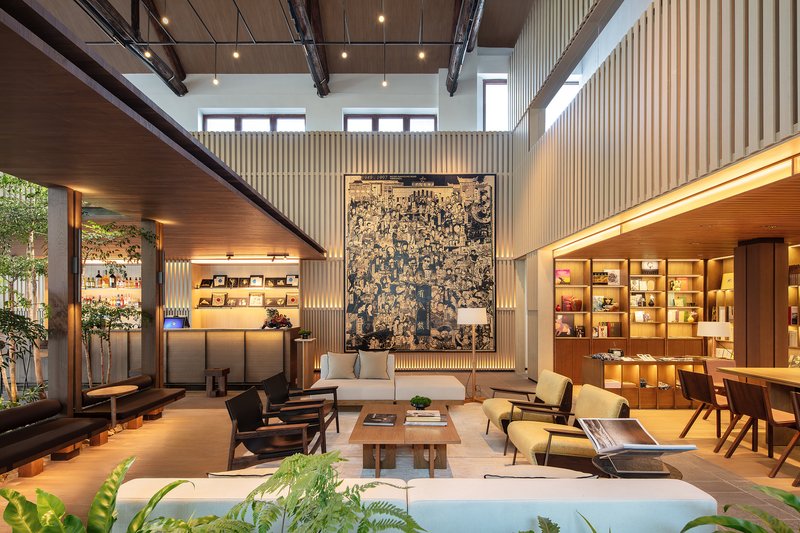
At the heart of the project lies the adaptive reuse of the old Subei Cinema. The cinema’s auditorium has been transformed into the hotel lobby—an architectural gesture that retains the site’s cultural memory. The original timber roof structure and lofty ceiling were meticulously preserved, maintaining the cinematic volume and atmosphere.
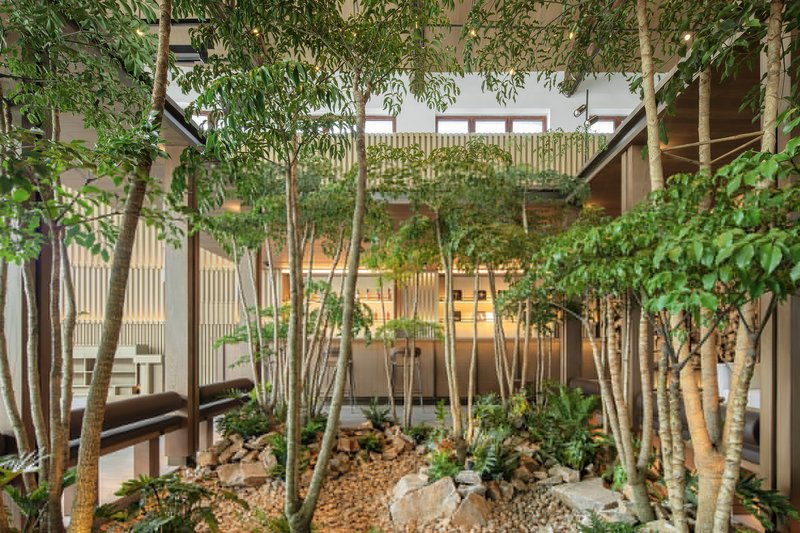
A contemporary screen installed within the lobby pays homage to the cinema’s original function, while a central tree pond and corridor reinterpret the Yangzhou garden courtyard layout, blurring the threshold between interior and exterior. The spatial composition evokes a sense of wandering through historic courtyards—immersive, poetic, and grounded in nature.
Materially, the lobby combines aged elm wood, natural stone flooring, and sawtooth wood veneer to evoke the tactile warmth of history. Decorative terrazzo, vintage metal fittings, and locally crafted ornaments reference the golden era of traditional cinemas. Collaborations with Yangzhou artists brought cinematic scenes back to life as woodblock-printed artworks, embedding cultural memory in material form.
New Architecture Rooted in Yangzhou’s Cultural Landscape
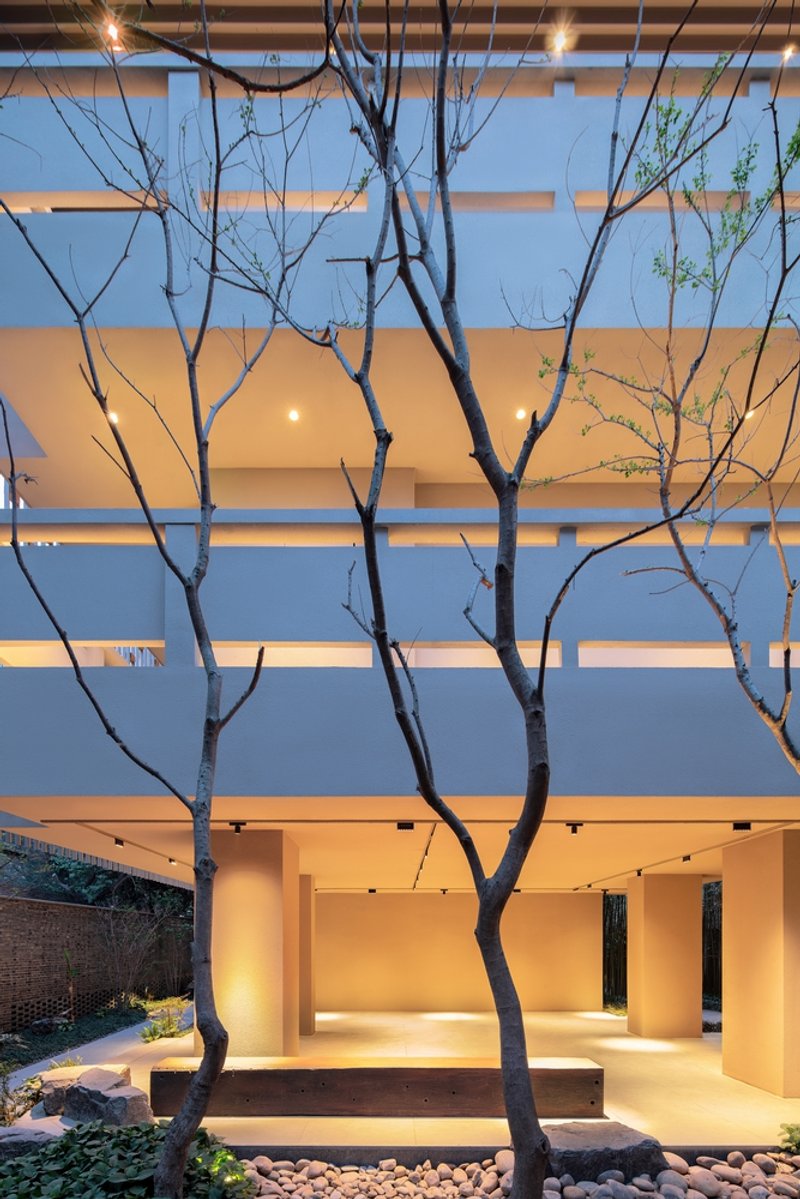
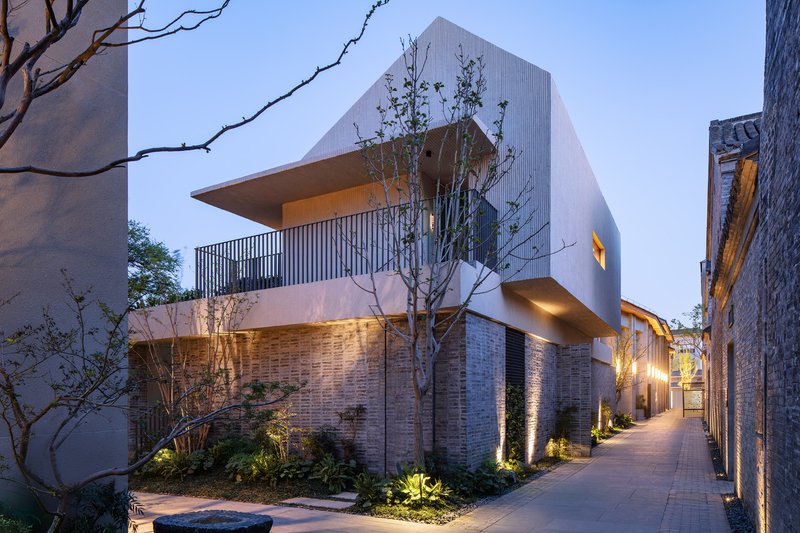
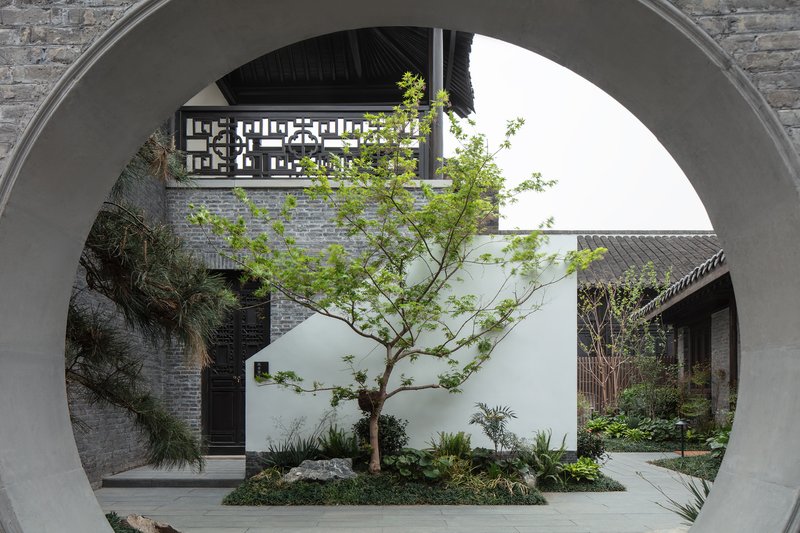
Two newly built structures within the site expand the hotel’s program, accommodating private dining spaces, guest rooms, and a sauna. Their design draws inspiration from Yangzhou’s classical gardens—especially the spatial rhythms of pavilions, terraces, and meandering corridors.
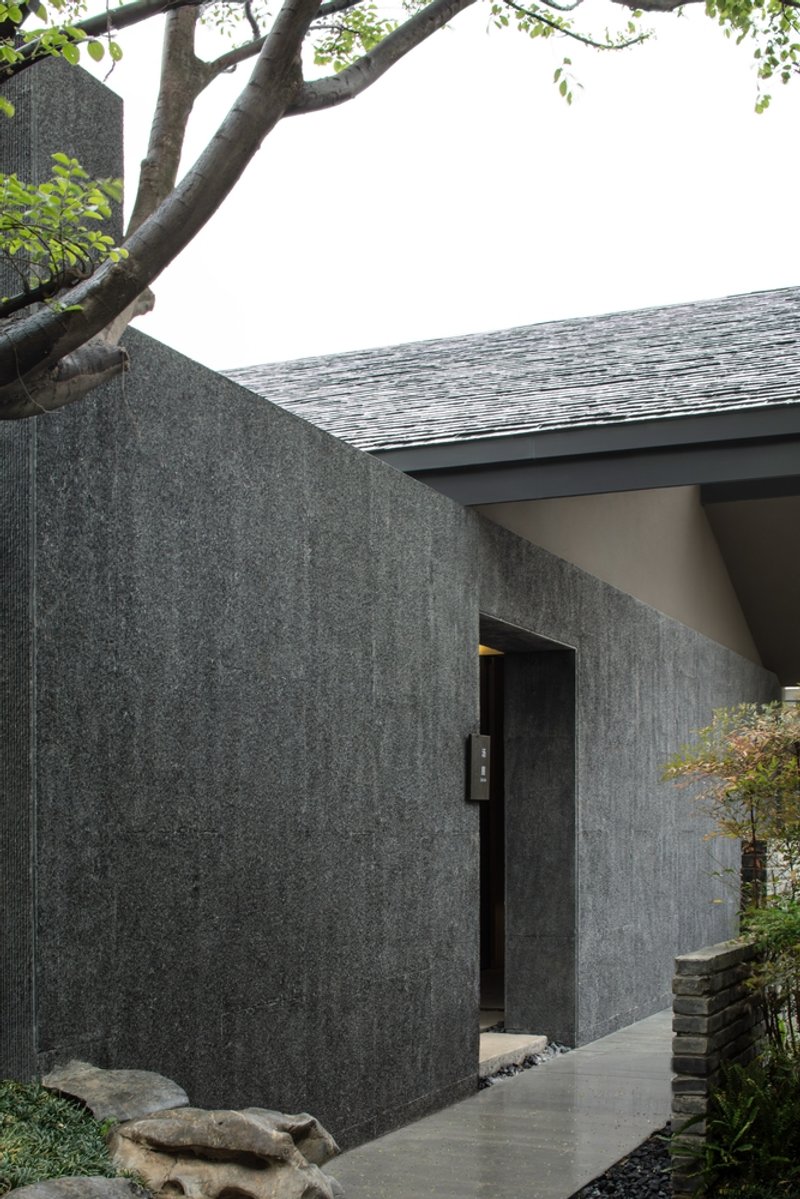
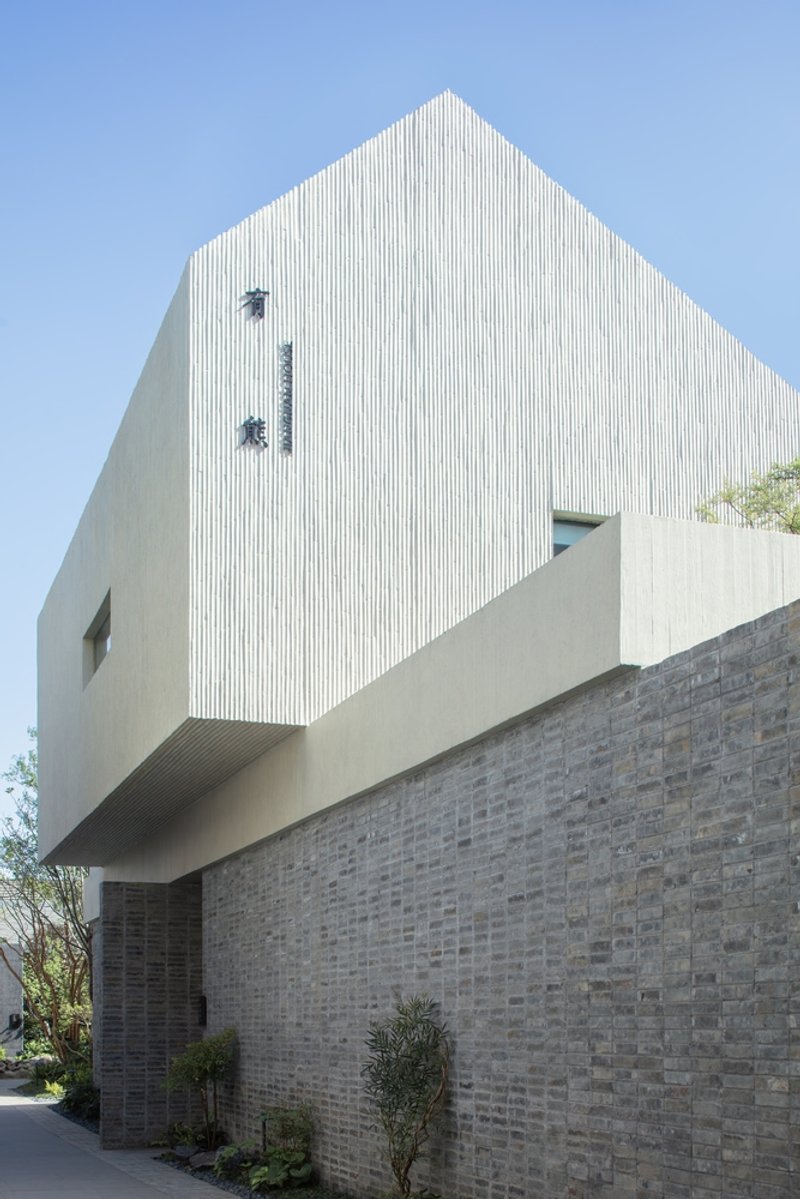
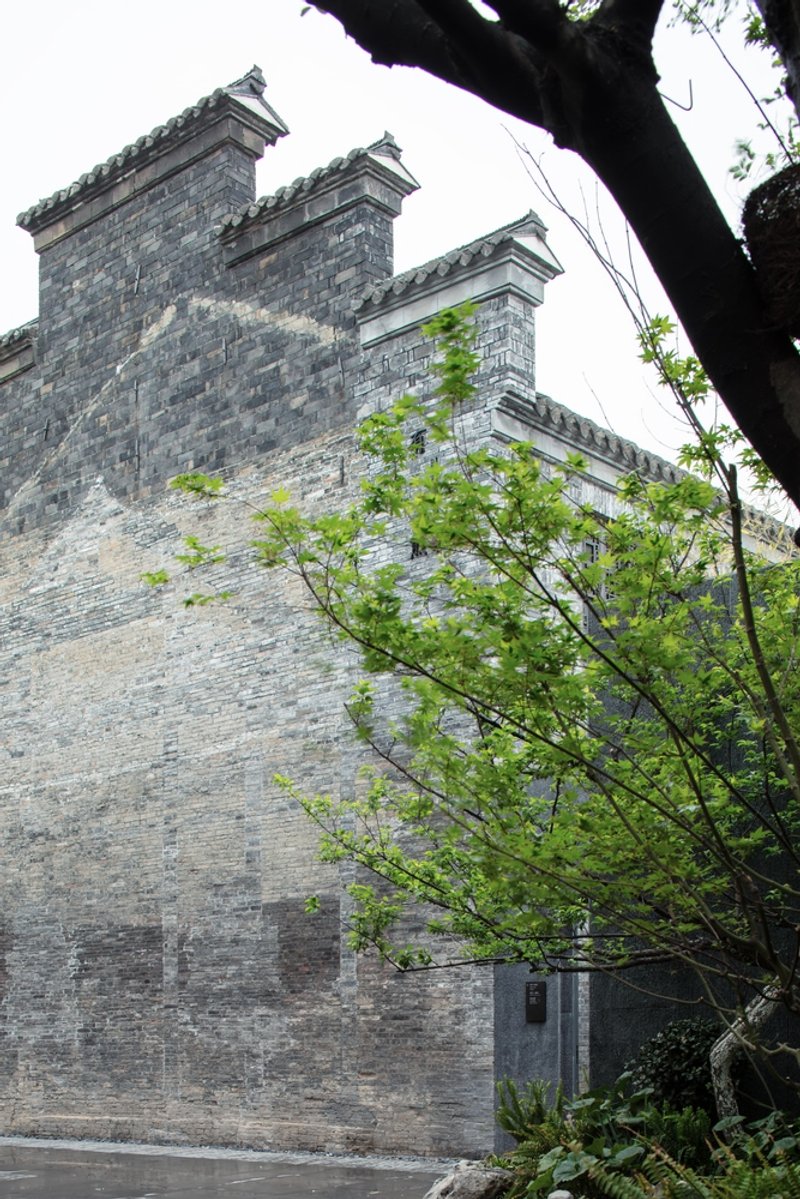
The building along the alley entrance features a restaurant on the ground level and guestrooms above. The upper rooms are cantilevered like a “tower,” offering panoramic garden views while maintaining lightness within the dense urban fabric. The design merges recycled brick walls and bamboo-mold concrete surfaces, establishing a dialogue between past and present through texture and tone.
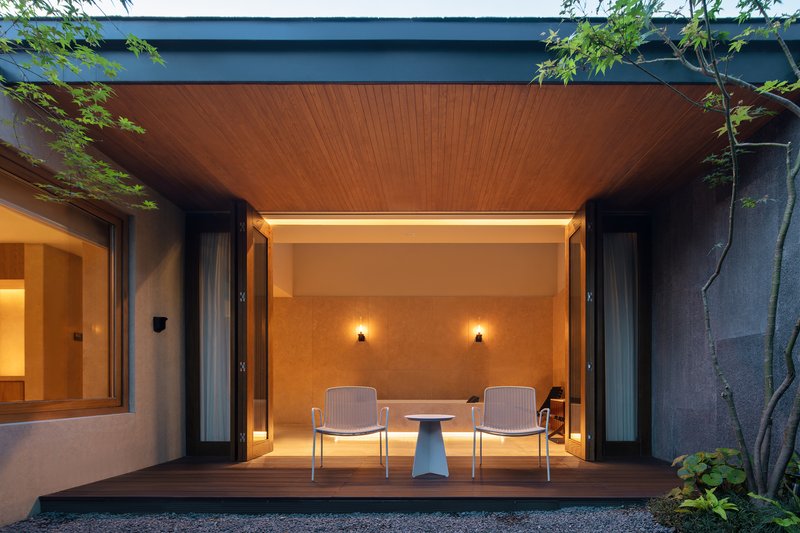
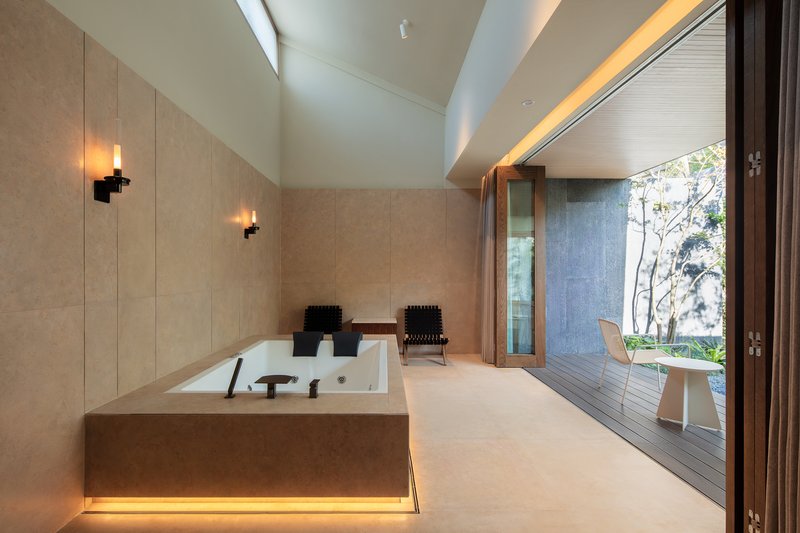
Adjacent to Cangyuan Garden, the sauna building embraces privacy and tranquility. A semi-transparent brick wall separates it from the public courtyard, while its double-sloped, staggered roof creates a dynamic play of light and shadow. The design integrates spa and foot massage areas around a private inner courtyard, where sliding doors open entirely to connect interior spaces with the landscape—merging body, mind, and nature.
The material palette continues the Yangzhou vernacular through hand-carved stone tiles, green ceramic roofing, and textured stonework, linking contemporary craftsmanship with traditional garden culture.
Guestrooms: Modern Comfort in a Historic Context
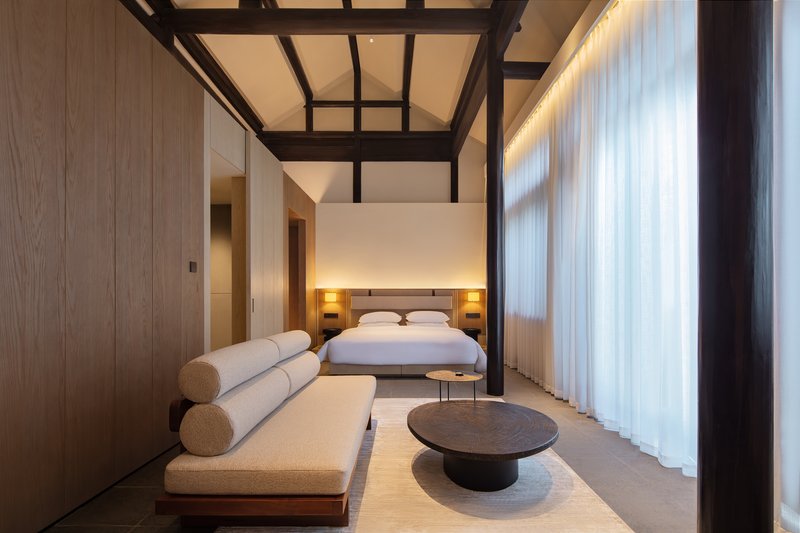
The hotel features 40 guestrooms, arranged around existing courtyards to preserve the original spatial hierarchy. Within the heritage timber structures, B.L.U.E. Architecture Studio retained the entire wooden frame and facade while seamlessly incorporating modern comforts—air conditioning, heating, and ensuite bathrooms.
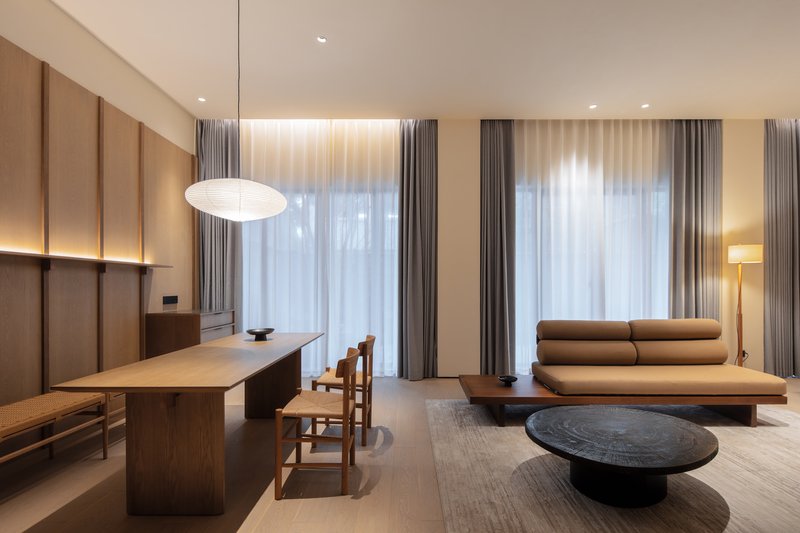
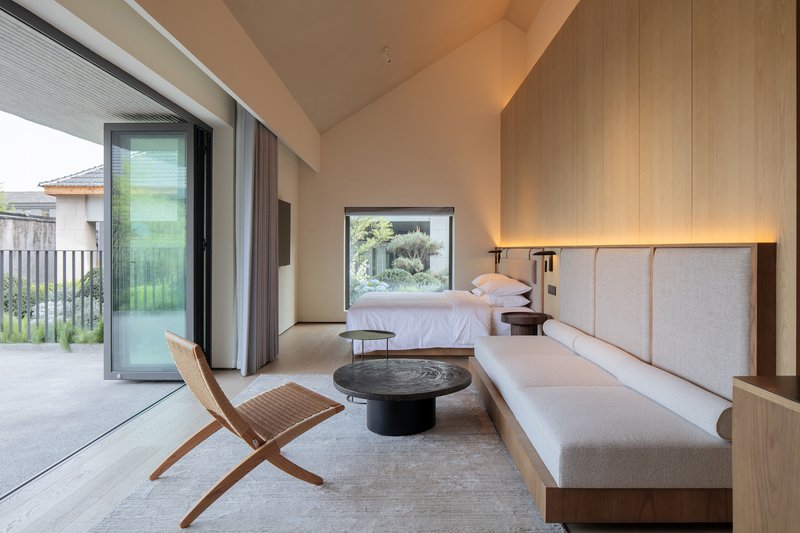
The interior design embraces minimalism and natural tactility, using wood, stone, handmade bricks, and textured plaster to create a calm, grounded atmosphere. The color palette—soft neutrals and earthy tones—maintains visual harmony with the historic architecture.
Local craftsmanship enriches each room: hand-hewn wood panels, distressed copper surfaces, and woodblock prints reference Yangzhou’s artistic traditions, blending artisanal detail with modern simplicity.
For the modern guestroom wings (buildings 2# and 7#), the facades preserve the original window openings and introduce metal grilles, vertical greenery, and potted plants, which soften the visual rhythm while providing shade and privacy. The result is a serene hospitality environment where nature, craftsmanship, and architecture coexist in quiet balance.
A Contemporary Expression of Yangzhou’s Spirit
Jiangnan House Yangzhou Guangling redefines the idea of urban renewal—not as replacement, but as reawakening. The project carefully preserves traces of history while expressing new spatial possibilities for cultural heritage.
All photographs are works of XIA ZHI PICTURES




Popular Articles
Popular articles from the community


The Ken Roberts Memorial Delineation Competition (Krob)
As the most senior architectural drawing competition currently in operation anywhere in the world, it draws hundreds of entries each year, awarding the very best submissions in a series of medium-based categories.

Treehouse Apartment: A Warm Timber Interior Blending Craft, Play, and Contemporary Living
Warm timber apartment with integrated treehouse, combining natural materials, craftsmanship, and playful design to create a flexible, family-oriented living environment.
Louis Malle Cinema: A Limestone Cultural Landmark Revitalizing Community Life in Prayssac
Limestone cinema extension with public forecourt, blending heritage and modern design to create flexible cultural spaces and strengthen community interaction.
Flamboyant House by Juliana Camargo + Prumo Projetos
Modern Brazilian house integrating existing tree, pool, and volumes with glass, wood, and transitional spaces blending interior, exterior, and landscape seamlessly.


Similar Reads
You might also enjoy these articles
The Ken Roberts Memorial Delineation Competition (Krob)
As the most senior architectural drawing competition currently in operation anywhere in the world, it draws hundreds of entries each year, awarding the very best submissions in a series of medium-based categories.

Waterfront Redevelopment and Urban Revitalization in Mumbai: Forging a New Dawn for Darukhana
A transformative waterfront redevelopment project reimagining Darukhana’s shipbreaking heritage into an inclusive urban future.

OUT-OF-MAP: A Call for Postcards on Feminist Narratives of Public Space
Rhizoma Design and Research Lab invites artists, designers, architects, researchers, and students to reflect on how feminist perspectives can reshape public space. Selected works will be exhibited in Barcelona, October 2026. Submissions open until 15 April 2026.

Documentation Work on Buddhist Wooden Temple
Architectural syncretism and cultural hybridity: A comparative study of the Buddhist temples in Chattogram Hill tracks

Explore Architecture Competitions
Discover active competitions in this discipline




The International Standard for Design Portfolios


The Global Benchmark for Architecture Dissertation Awards


The Global Benchmark for Graduation Excellence


Challenge to reimagine the Iron Throne
Comments (0)
Please login or sign up to add comments
No comments yet. Be the first to comment!