
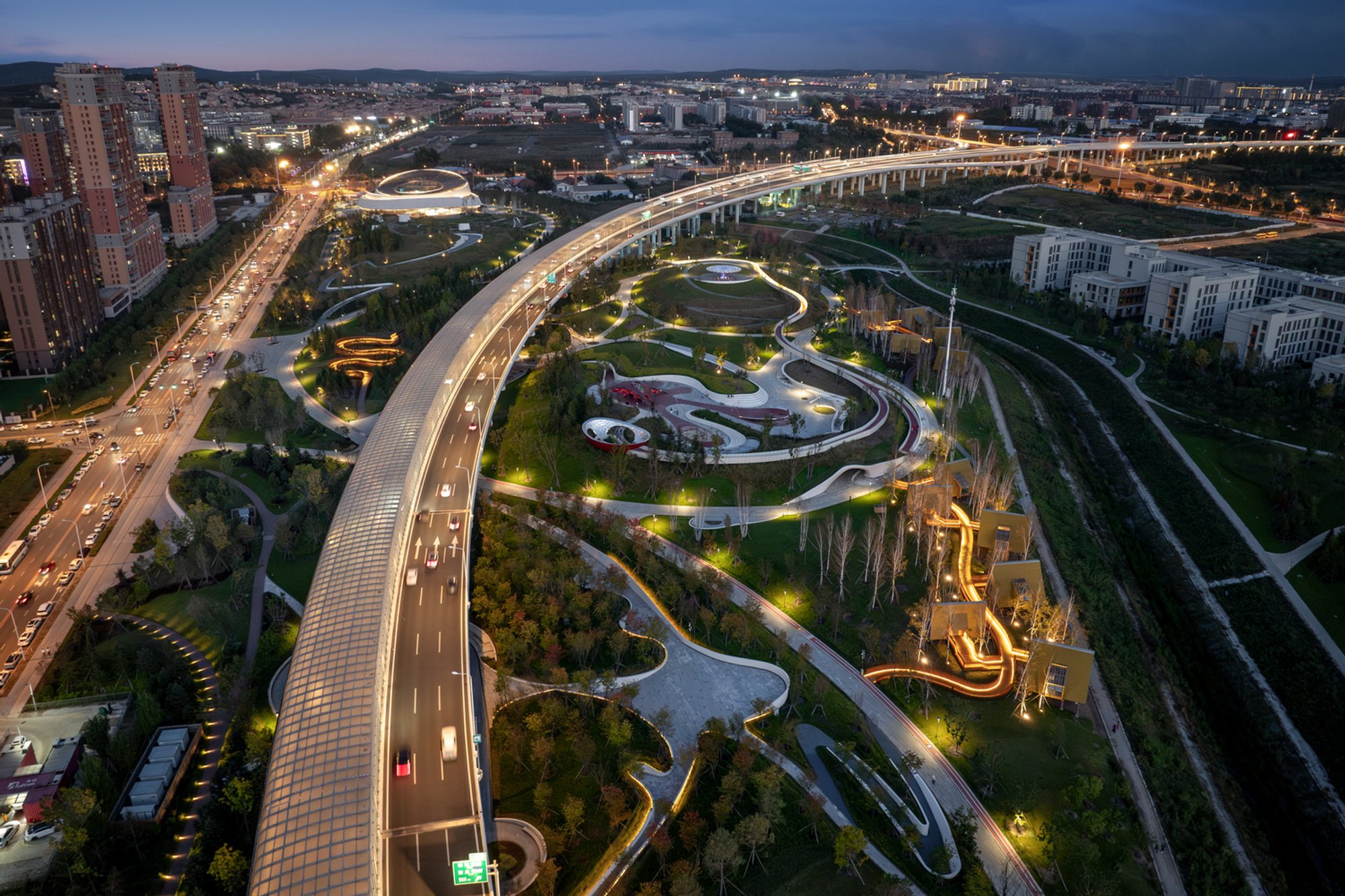
Jingyue Central Park: Transforming Urban Spaces with Sustainable Design
Jingyue Central Park showcases sustainable urban design, transforming municipal wasteland into an ecological and community-focused green space.

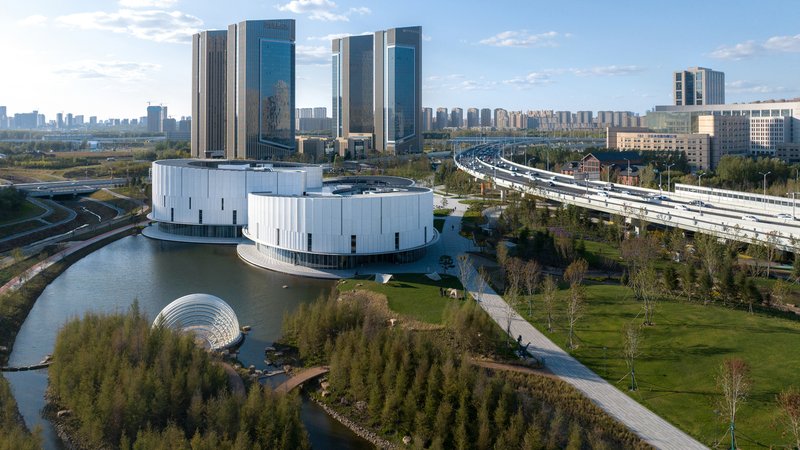
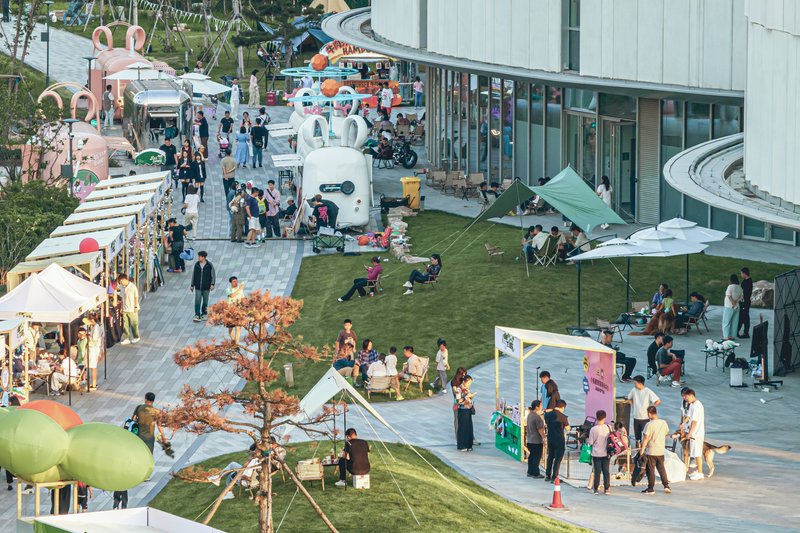
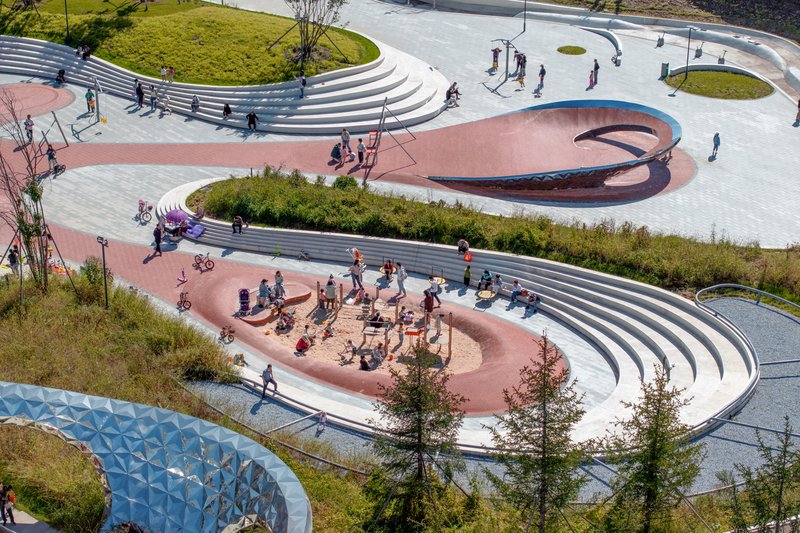
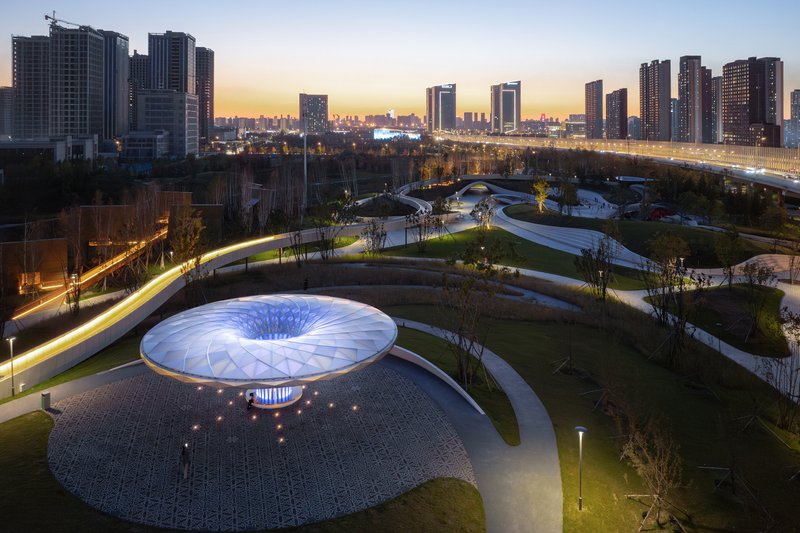
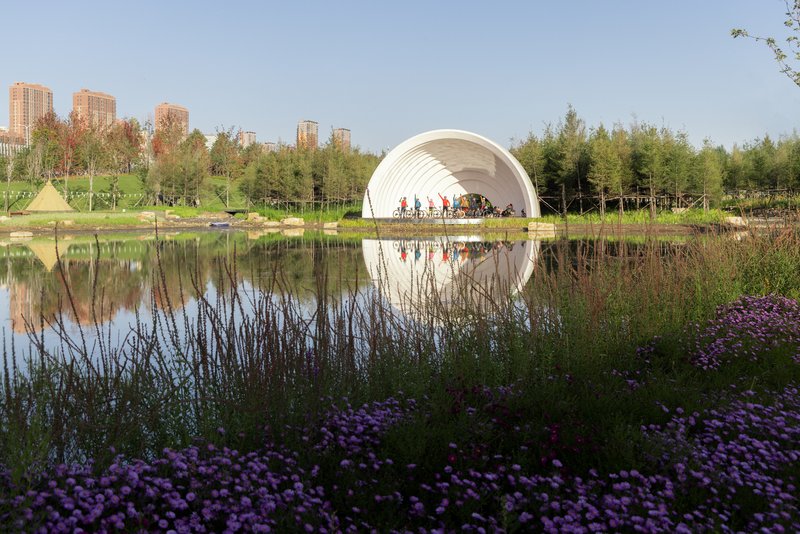
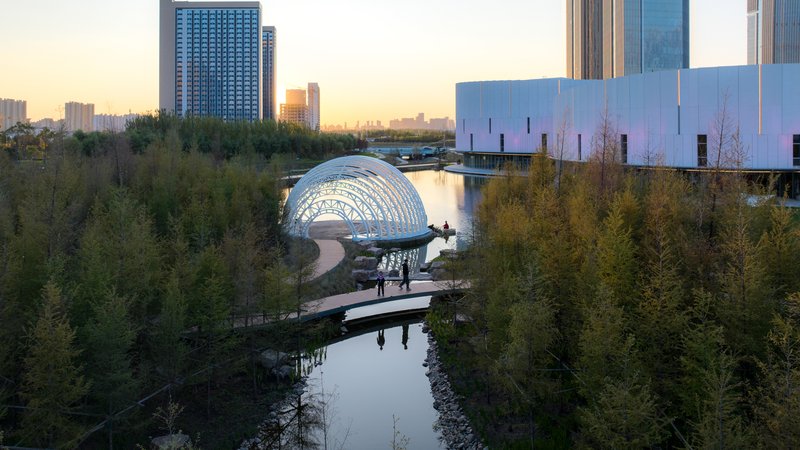
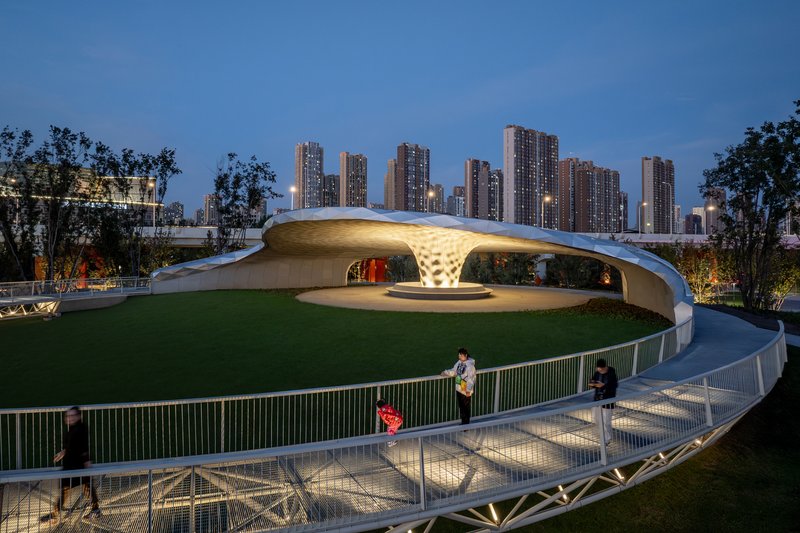
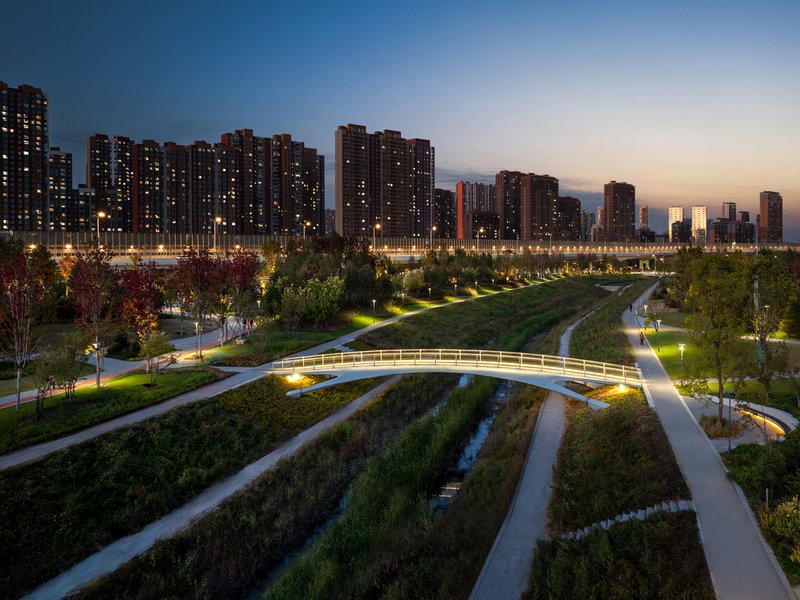
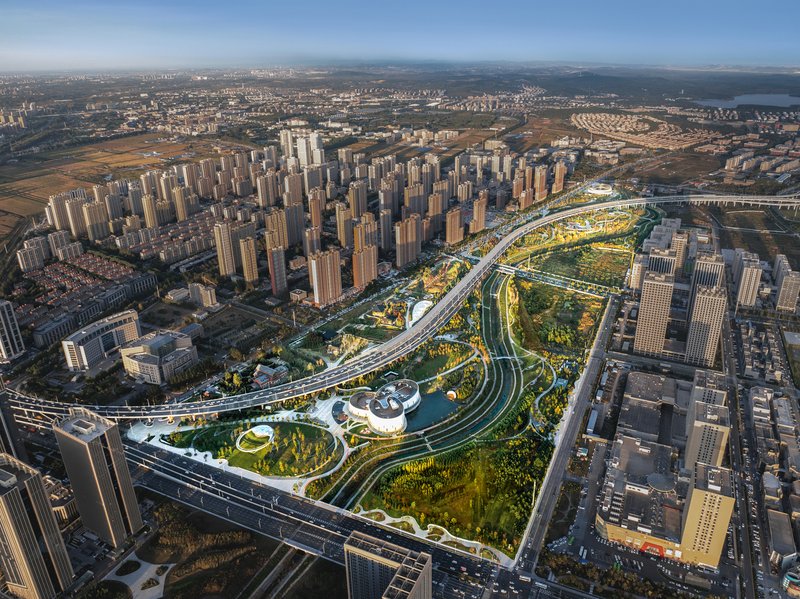
Jingyue Central Park, located in Changchun City’s Jingyue High-tech Zone, serves as a green sanctuary amid dense urban development. Covering a vast area of 490,000 square meters, this park has redefined the essence of urban renewal by transforming abandoned municipal land into an ecological and recreational hub. Designed by SHUISHI in collaboration with Shanghai Landscape Group, the project blends innovative architecture, green infrastructure, and community-centric spaces to create a sustainable and vibrant urban environment.
Integrating Design and Functionality
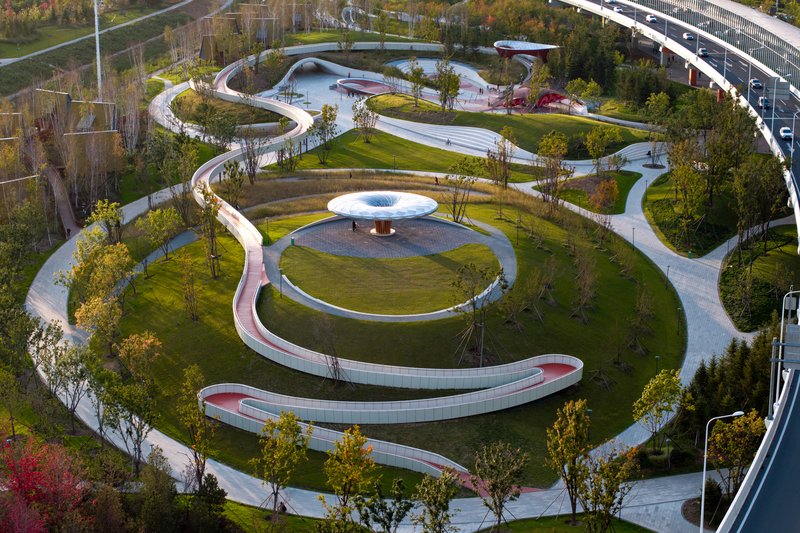
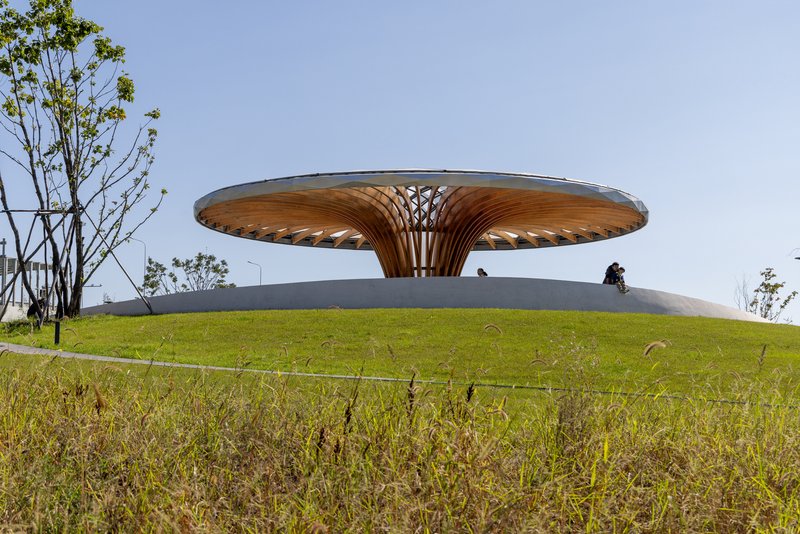
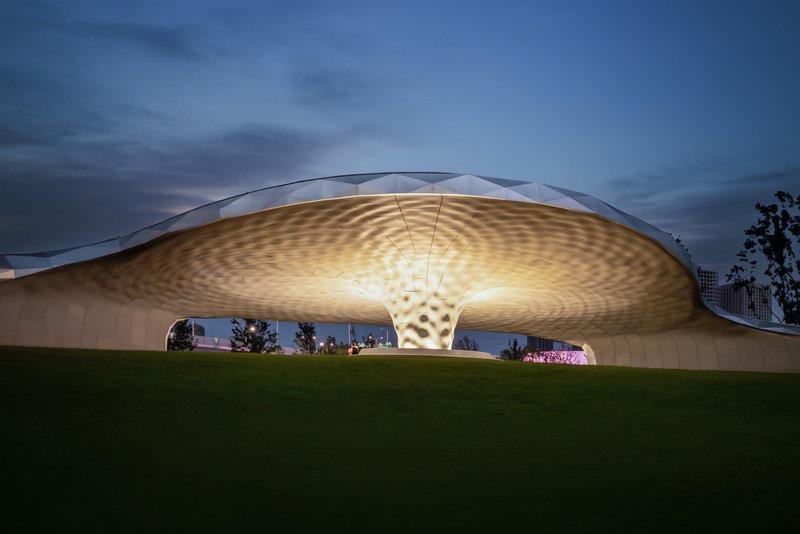
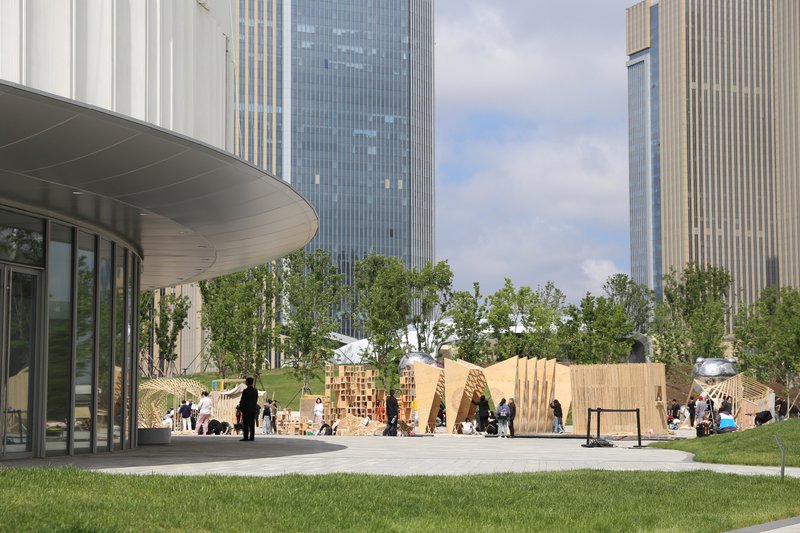
The park exemplifies the integration of design, procurement, construction, and operation (EPCO), ensuring efficiency and sustainability throughout its lifecycle. Its master plan harmonizes architectural structures with landscape elements, achieving a seamless aesthetic symbiosis. The spatial layout, driven by landscape planning, establishes a logical flow while enhancing usability. Advanced parametric tools, such as Karamba and Ameba, were employed to refine structural designs, optimize materials, and enhance visual appeal.
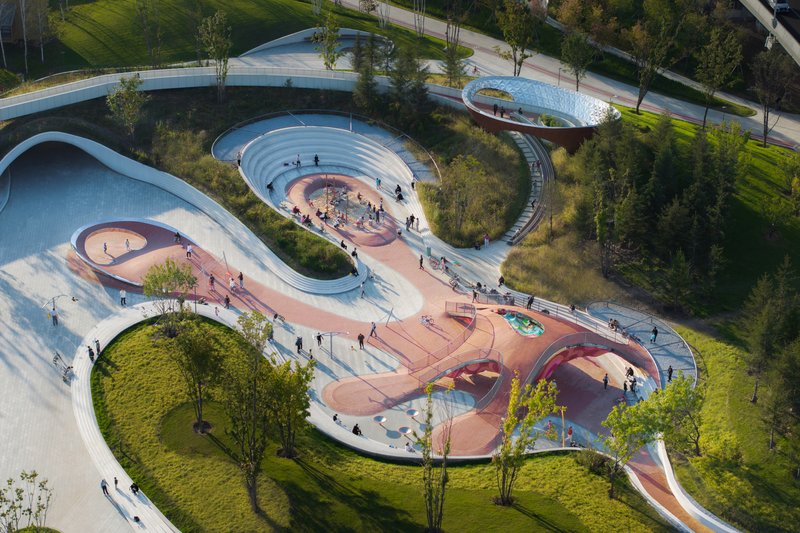
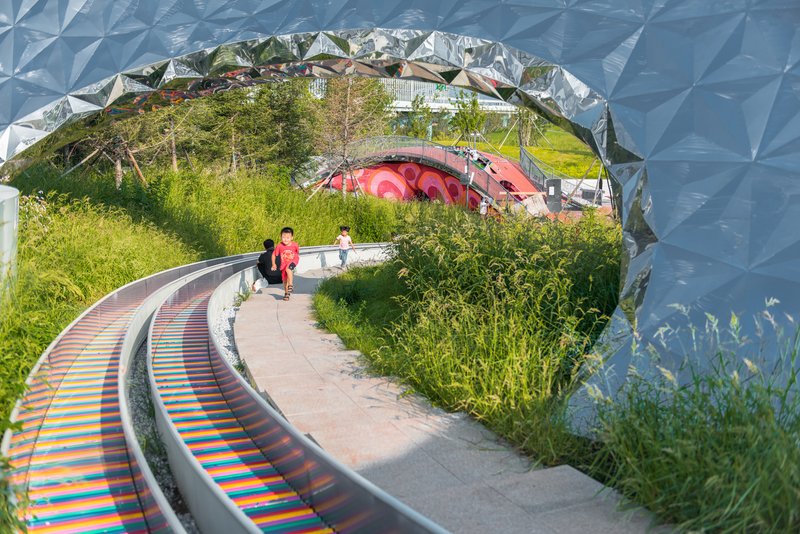
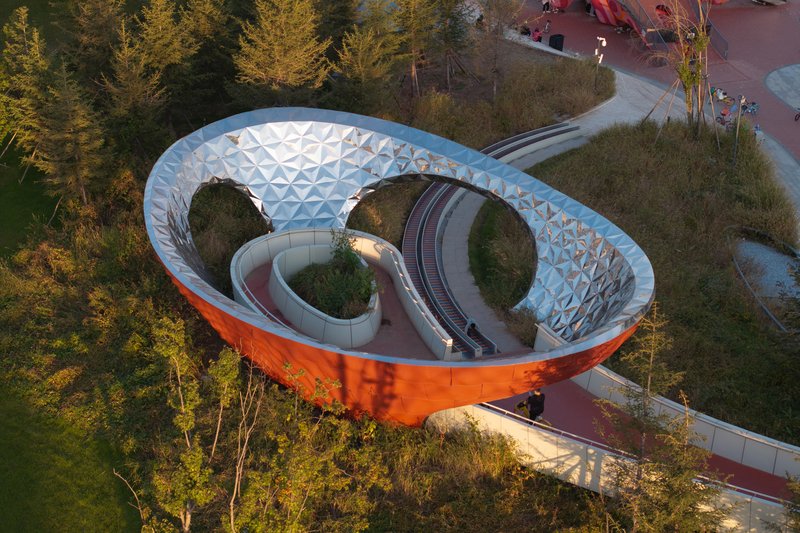
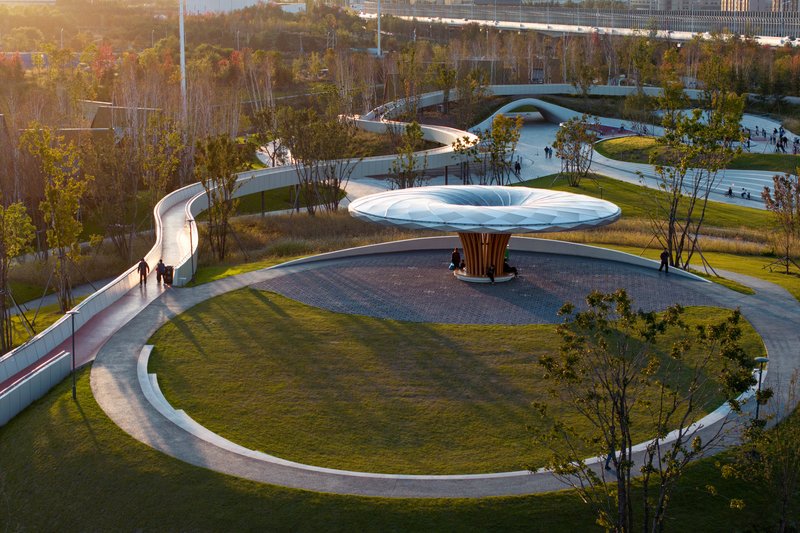
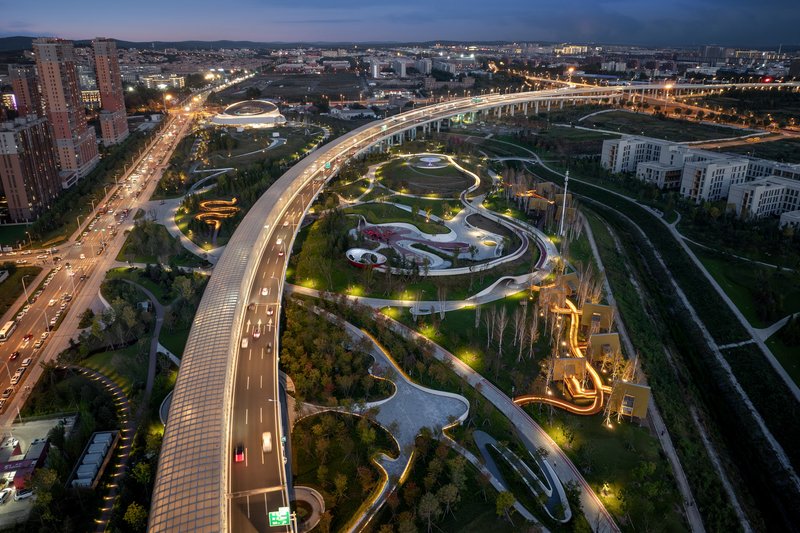
From grid shell structures to children's playgrounds, every element reflects meticulous planning and technical precision, ensuring the park’s resilience and longevity. The use of lightweight, steel-wood hybrid structures for viewing platforms and viaducts demonstrates a commitment to sustainability while maintaining architectural elegance.
A Multilayered Network of Connectivity
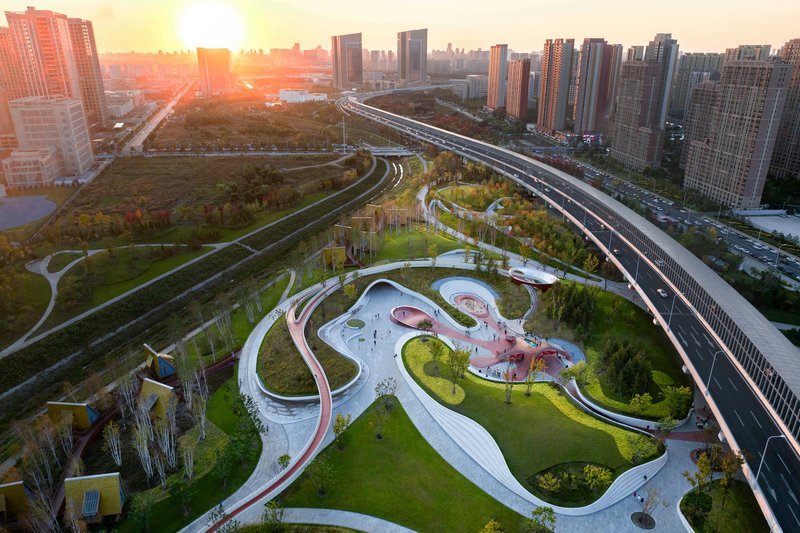
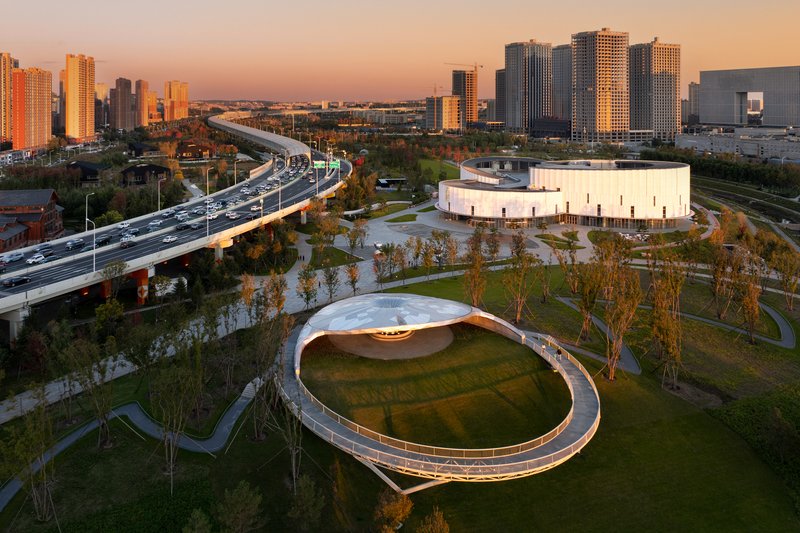
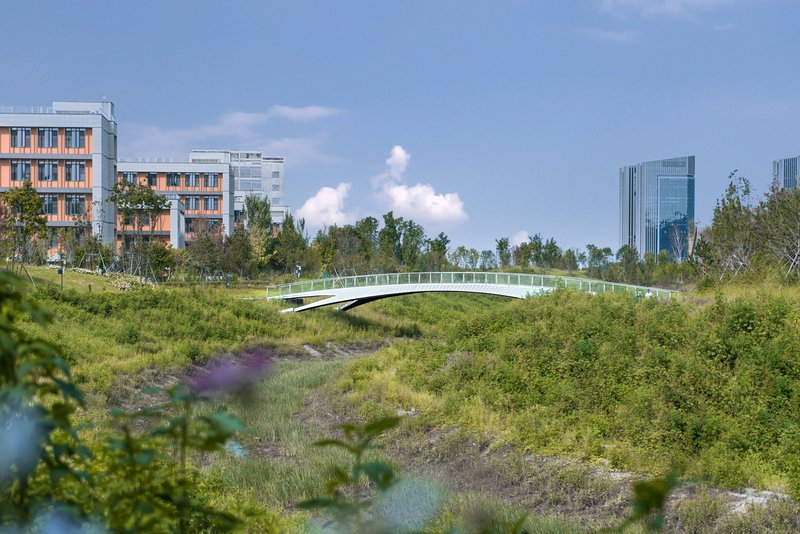
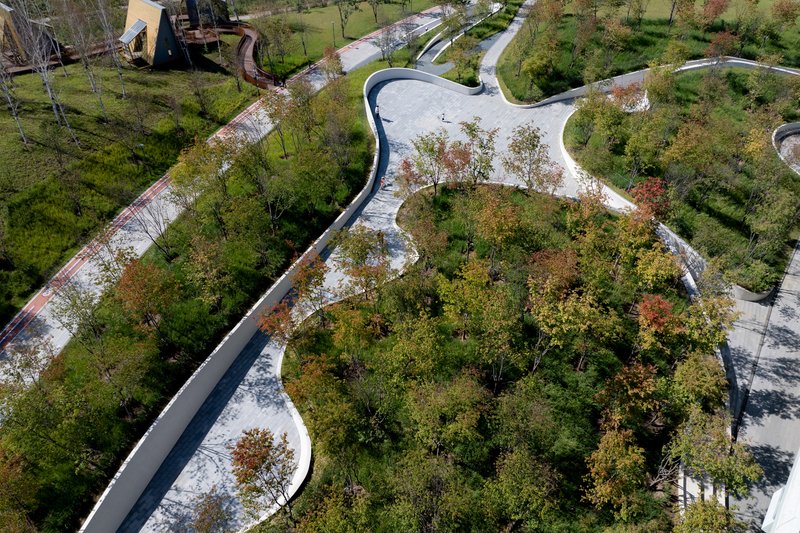
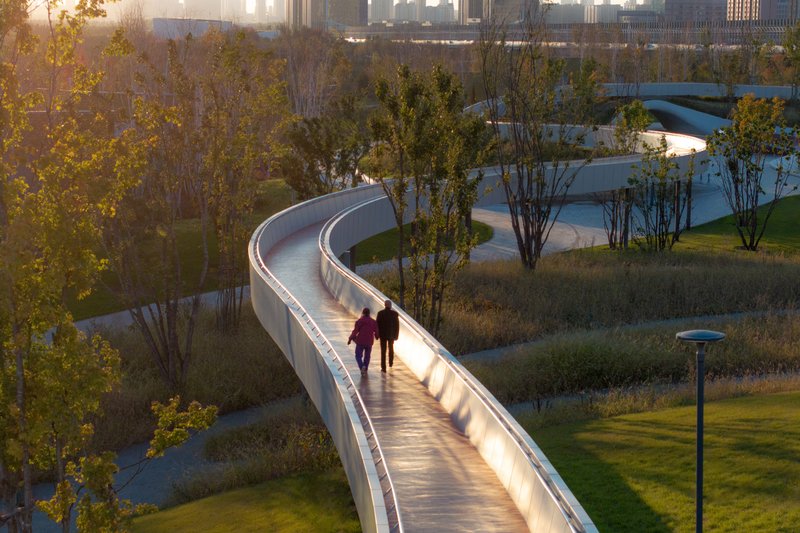
Leveraging the site’s topographical variations, Jingyue Central Park introduces a multi-dimensional traffic network that connects indoor and outdoor spaces. This design offers immersive pathways that weave through the lush green valleys, inviting visitors to explore the natural beauty and community facilities. The integration of pedestrian paths ensures fluid connections between various zones, fostering an inclusive and accessible environment.
The Green Lung of Changchun
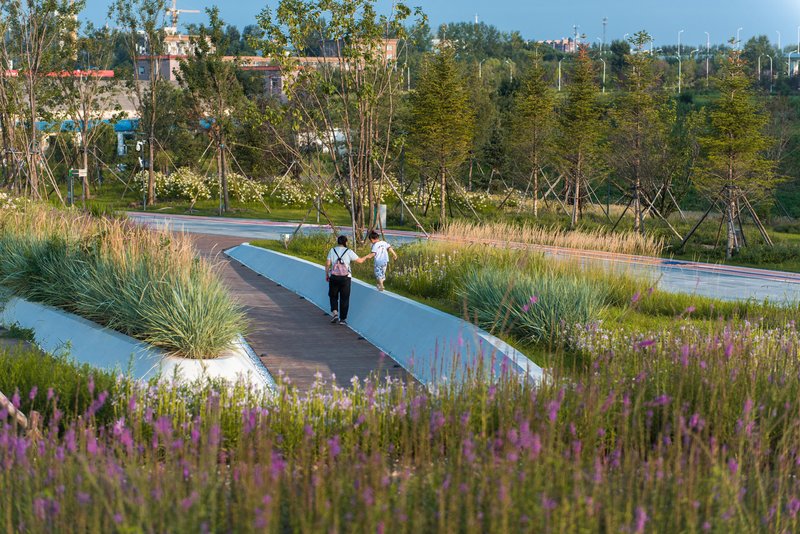
Jingyue Central Park is more than a recreational space; it functions as an ecological green lung for the city. With a diverse range of plant species, the park enhances air quality, mitigates urban heat, and provides a tranquil retreat for residents. The green infrastructure supports biodiversity and integrates seamlessly with the surrounding environment, improving the overall ecological balance.
Promoting Community Engagement
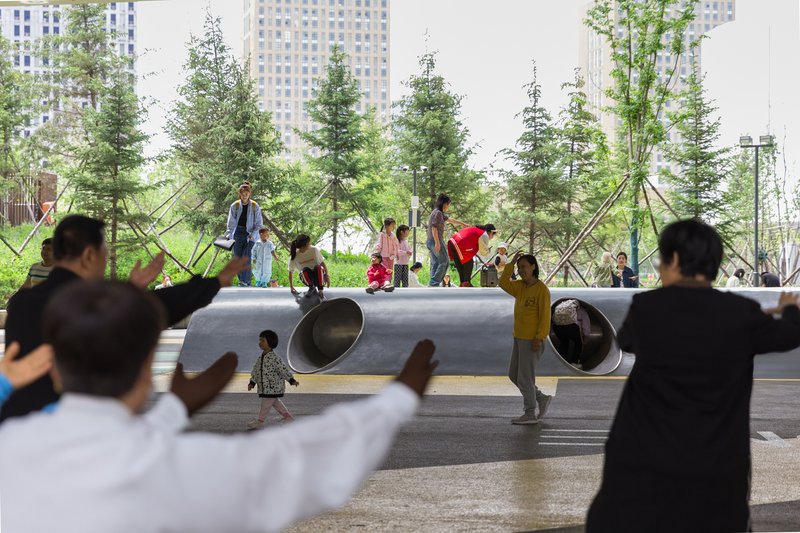
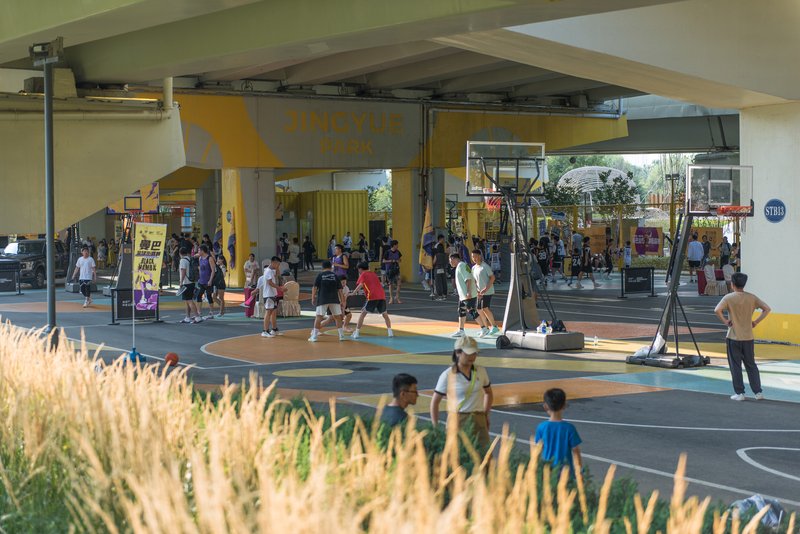
The park prioritizes public participation by offering spaces that cater to all age groups. Underutilized areas, such as those beneath viaducts, have been transformed into multifunctional zones, including basketball courts and vibrant gathering spaces. This innovative approach breathes new life into neglected urban spaces, creating inclusive areas for recreation and social interaction.
Furthermore, partnerships with local universities have established the park as a hub for educational collaboration. It provides a platform for students to apply theoretical knowledge in real-world projects, bridging academia and practice.
Financially Sustainable Urban Renewal
Jingyue Central Park incorporates a life-cycle approach to its operations, balancing public welfare with commercial viability. The park allocates 9% of its space for public use, 18% for semi-public activities, and 73% for commercial operations. This strategic distribution not only ensures financial sustainability but also alleviates the operational burden on local government entities.
By integrating businesses and high-quality facilities, the park generates revenue to cover operational costs, securing its long-term viability. This innovative financial model sets a precedent for sustainable urban development projects.
A Vision for the Future
Jingyue Central Park is more than a green space; it symbolizes the potential of urban transformation through sustainable design. By addressing environmental challenges, fostering community engagement, and promoting economic viability, the park serves as a blueprint for modern urban renewal.
Its success lies in its ability to connect people, nature, and the city, creating a harmonious and vibrant environment. As a cornerstone of Changchun’s green space system, Jingyue Central Park not only improves the urban landscape but also elevates the quality of life for its residents, ensuring a greener and more sustainable future.




Popular Articles
Popular articles from the community

A Contemporary Take on Iranian Residential Architecture
A modern interior design in Mashhad that reinterprets brick, light, and spatial flow to create a warm, contemporary residential architecture.
On the Brooks House by Monsoon Collective – A Contemporary Kerala Home Rooted in Tradition
Kerala home blending tradition and modernity with water-inspired design, brick architecture, courtyard planning, and sustainable rainwater harvesting strategies.
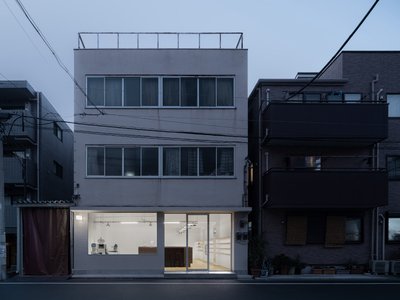
Atelier Macri Concept Store Interior Design by CASE-REAL
Atelier Macri store features a "ko" counter, walnut wood details, cork displays, blending retail, gallery, and seamless customer experiences.
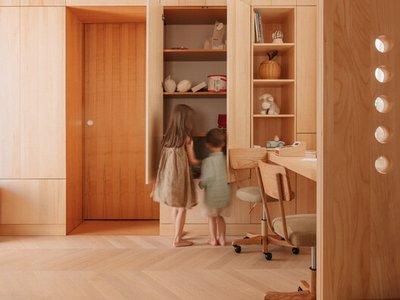
Treehouse Apartment: A Warm Timber Interior Blending Craft, Play, and Contemporary Living
Warm timber apartment with integrated treehouse, combining natural materials, craftsmanship, and playful design to create a flexible, family-oriented living environment.

Similar Reads
You might also enjoy these articles


The Ken Roberts Memorial Delineation Competition (Krob)
As the most senior architectural drawing competition currently in operation anywhere in the world, it draws hundreds of entries each year, awarding the very best submissions in a series of medium-based categories.

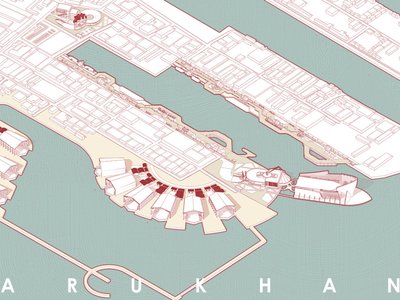
Waterfront Redevelopment and Urban Revitalization in Mumbai: Forging a New Dawn for Darukhana
A transformative waterfront redevelopment project reimagining Darukhana’s shipbreaking heritage into an inclusive urban future.
OUT-OF-MAP: A Call for Postcards on Feminist Narratives of Public Space
Rhizoma Design and Research Lab invites artists, designers, architects, researchers, and students to reflect on how feminist perspectives can reshape public space. Selected works will be exhibited in Barcelona, October 2026. Submissions open until 15 April 2026.

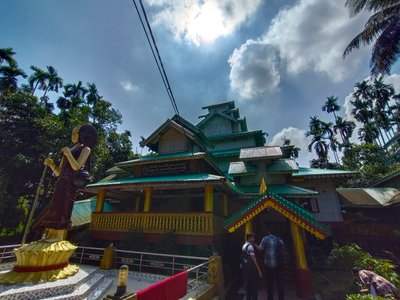
Documentation Work on Buddhist Wooden Temple
Architectural syncretism and cultural hybridity: A comparative study of the Buddhist temples in Chattogram Hill tracks


Explore Architecture Competitions
Discover active competitions in this discipline




The International Standard for Design Portfolios


The Global Benchmark for Architecture Dissertation Awards


The Global Benchmark for Graduation Excellence


Challenge to reimagine the Iron Throne
Comments (0)
Please login or sign up to add comments
No comments yet. Be the first to comment!