
JM Café: A Harmonious Blend of Modern Café Architecture and Historic Beijing
JM Café by B.L.U.E Architecture Studio blends modern café architecture with Beijing’s historic urban fabric, creating a dynamic and immersive experience.

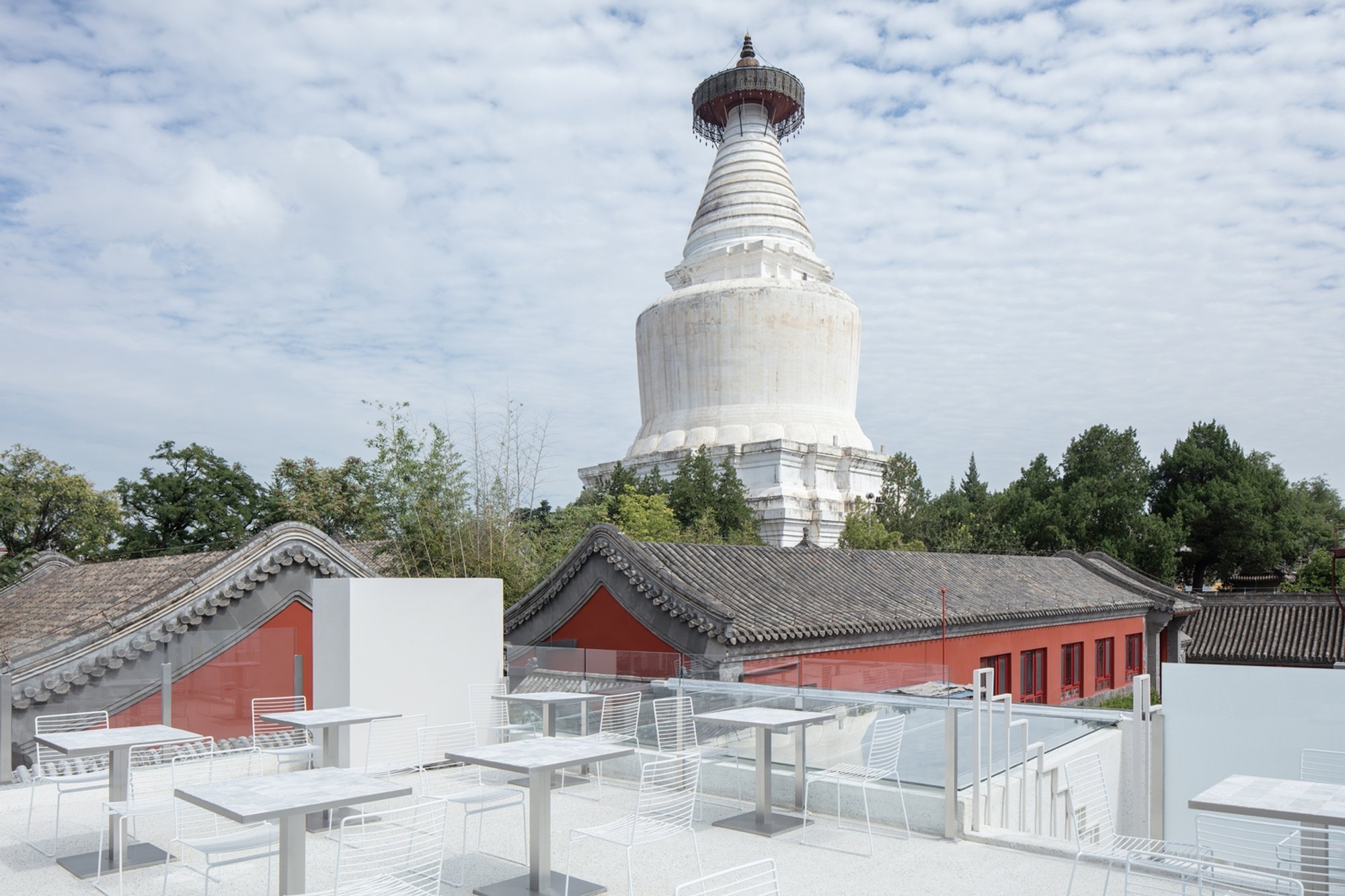
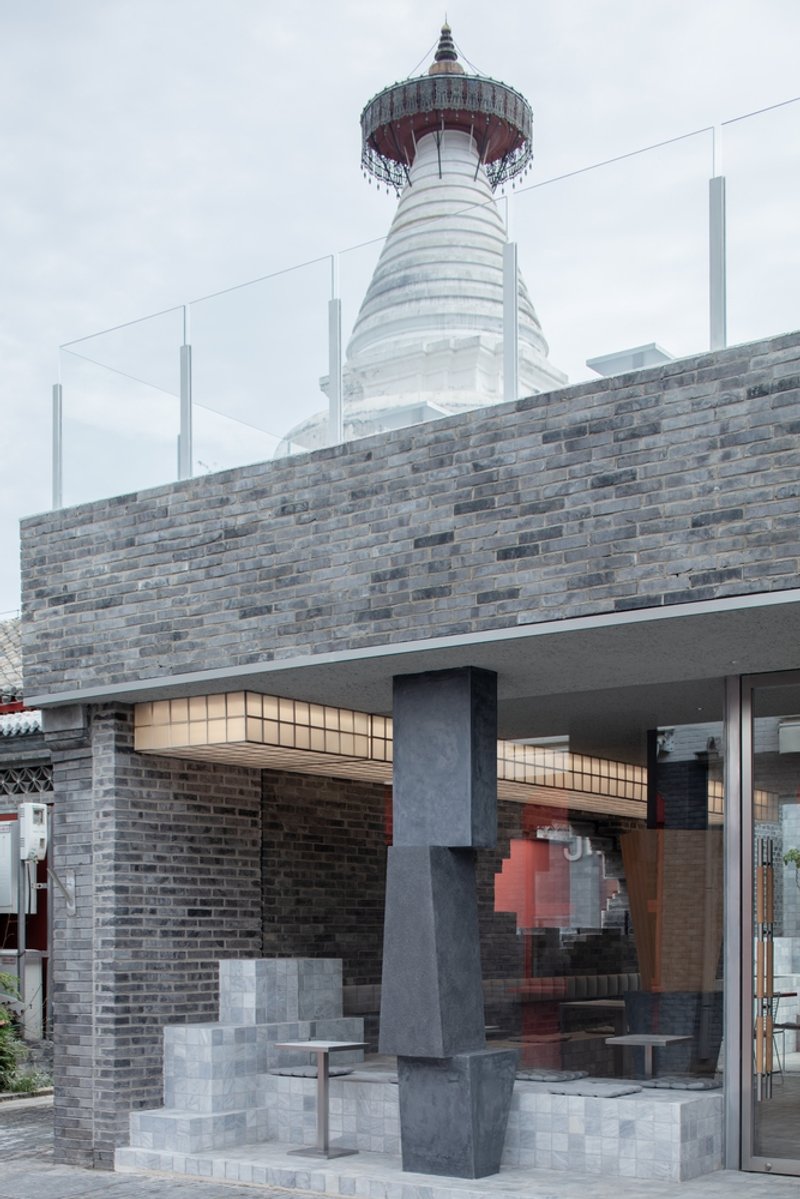
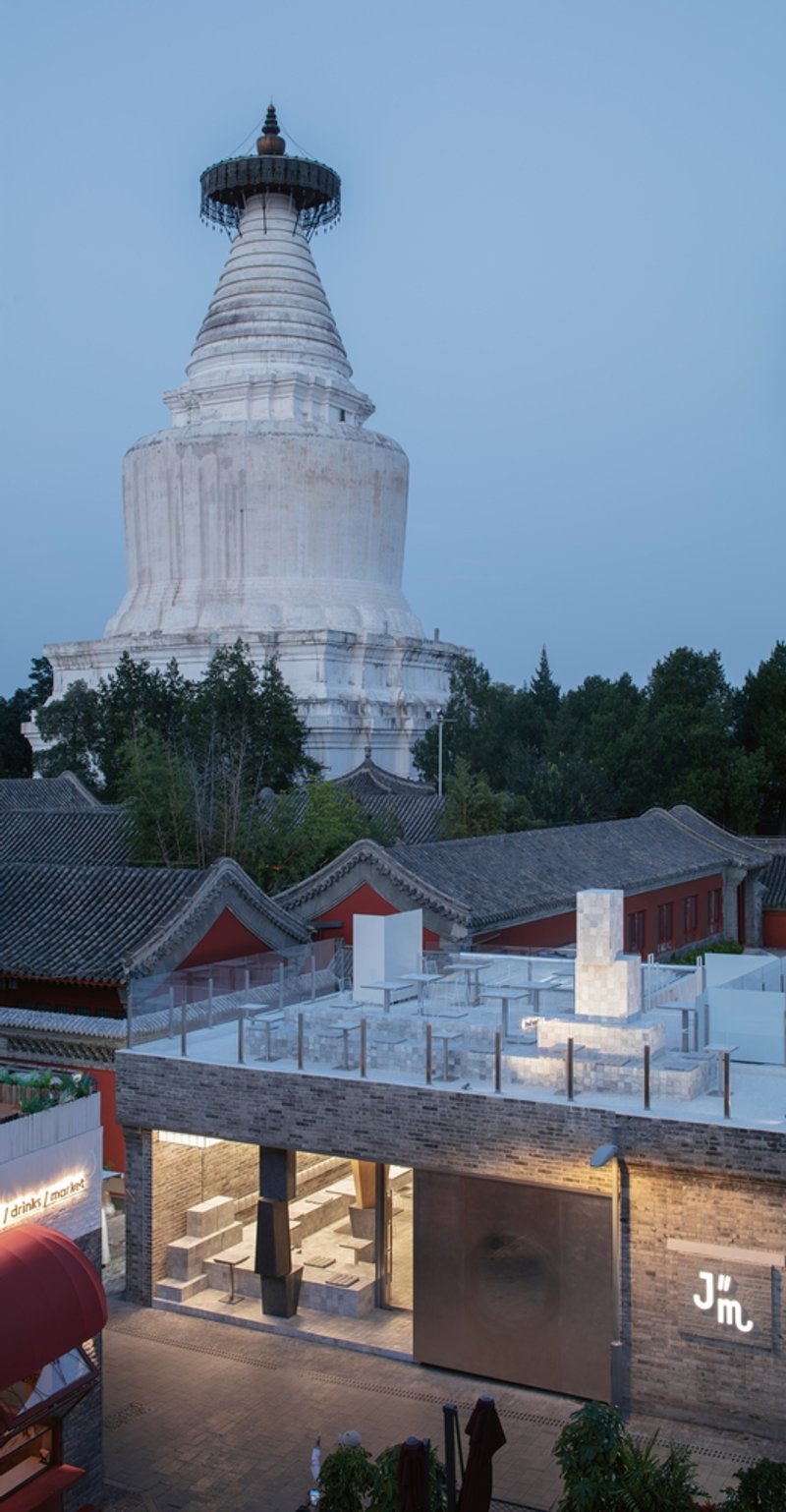
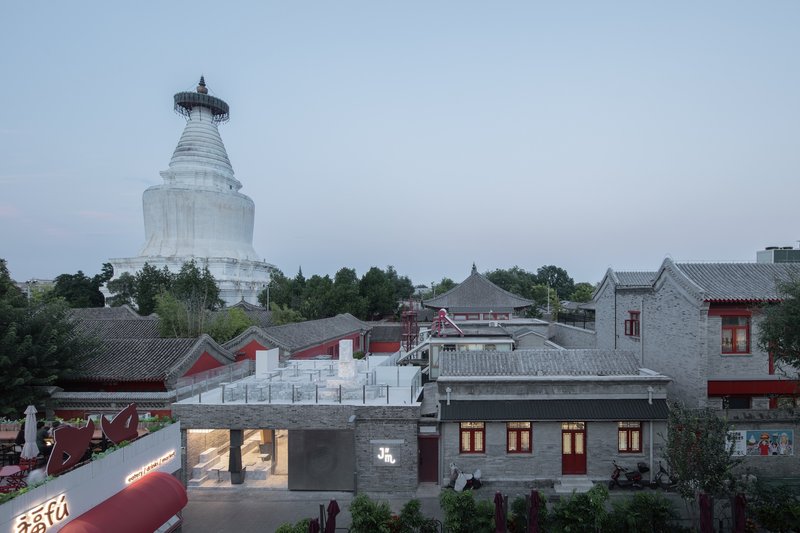
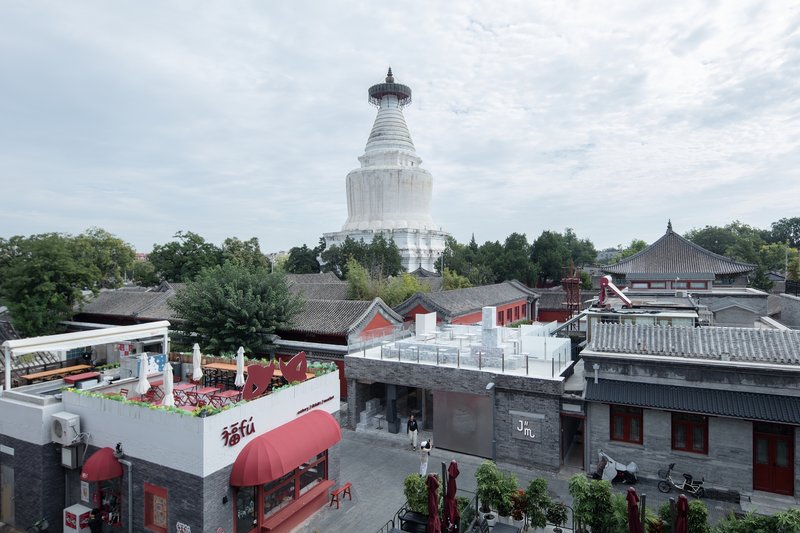
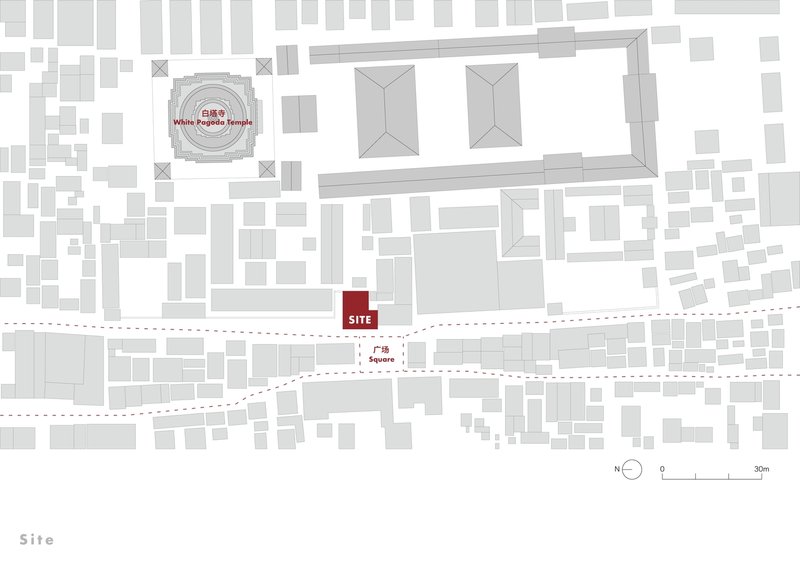
JM Café, designed by B.L.U.E Architecture Studio, is a remarkable example of modern café architecture seamlessly integrated into a historic urban fabric. Situated in the old city zone of Xicheng District, Beijing, the café is adjacent to the iconic White Pagoda Temple, a site rich in cultural and architectural significance. This 210m² renovation project transforms a former courtyard into a dynamic café and bakery, reflecting the evolving relationship between tradition and contemporary design.
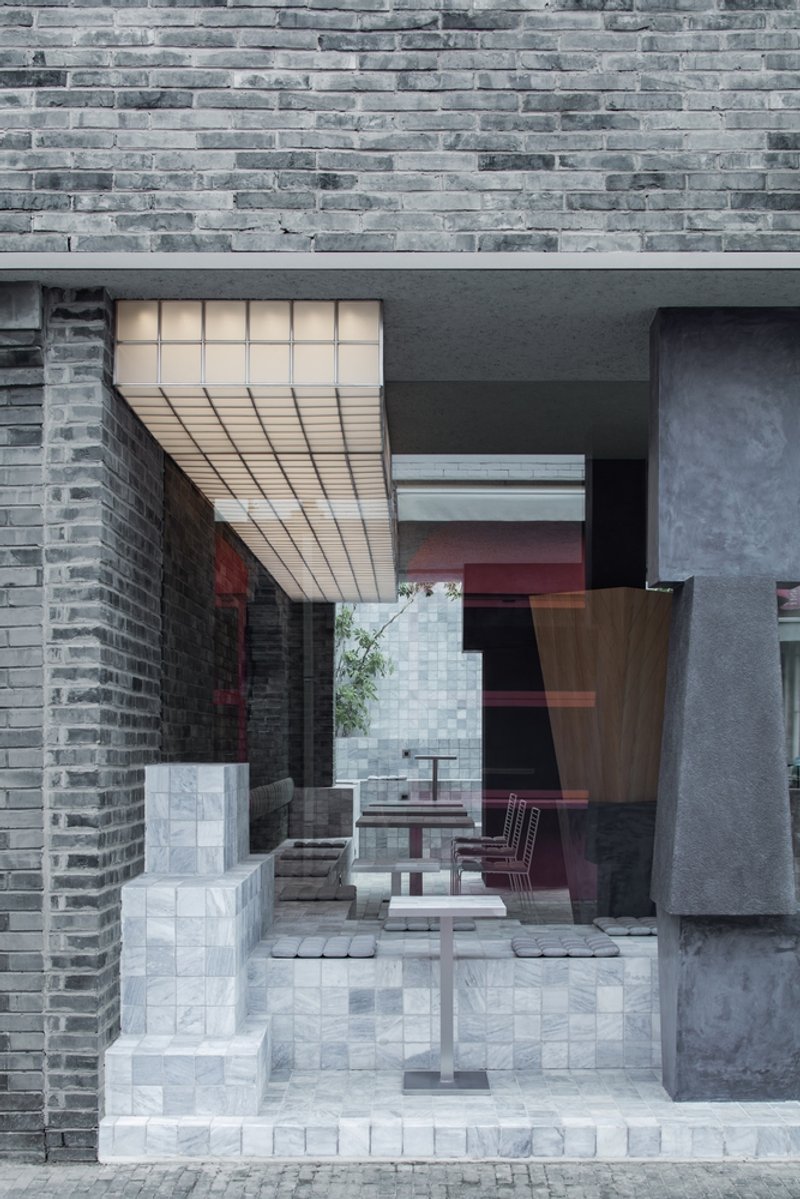
A Café Rooted in Historical and Cultural Context
The transformation of JM Café takes place within an urban environment undergoing large-scale renewal. Once a district of traditional courtyards, the area now hosts a mix of cafés, shops, and restaurants, injecting vitality while preserving its cultural essence. As one of the centers of Beijing’s citywalk culture, this neighborhood thrives on pedestrian interactions, local traditions, and architectural evolution.
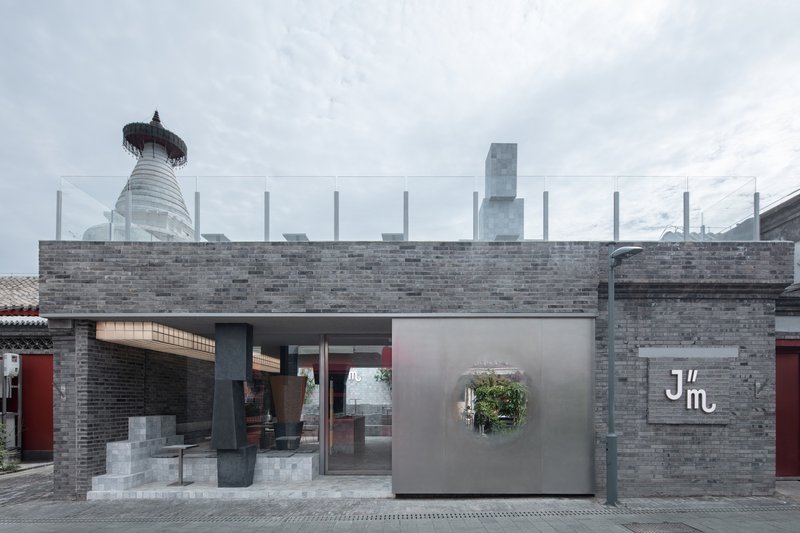
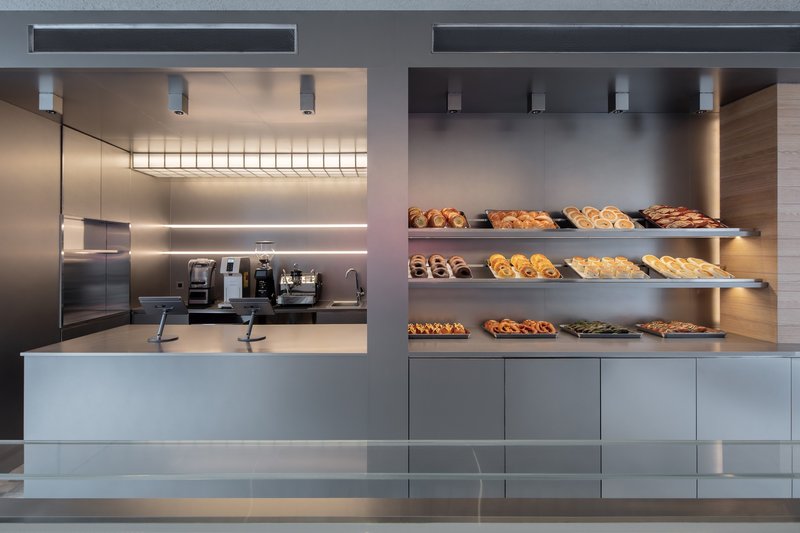
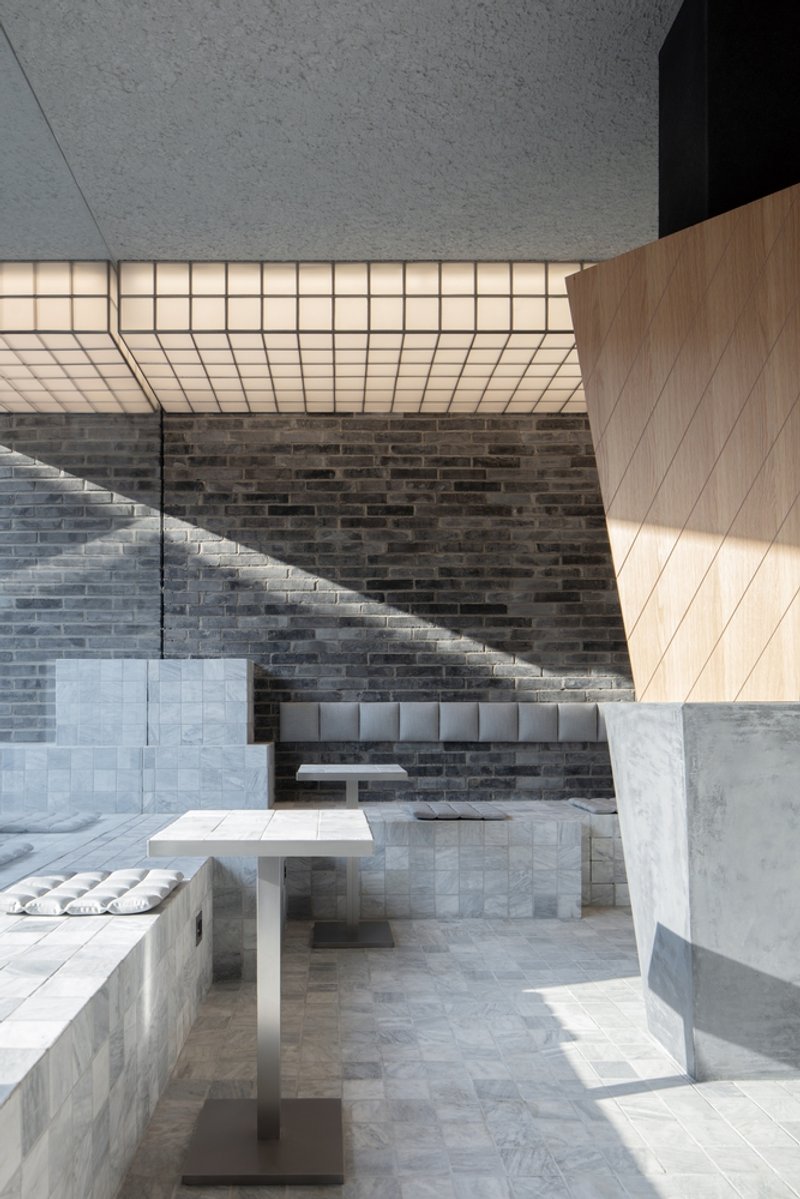
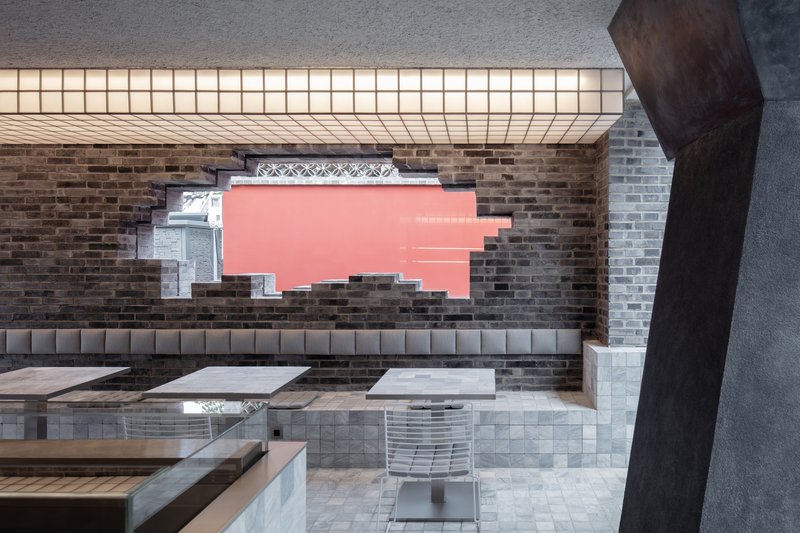
The design of JM Café pays homage to this urban fabric by establishing a strong dialogue between its architecture and the surrounding historical structures. The project balances old and new, creating a space that respects the past while embracing modern aesthetics and functionality.
A Seamless Spatial Flow Connecting City and Café
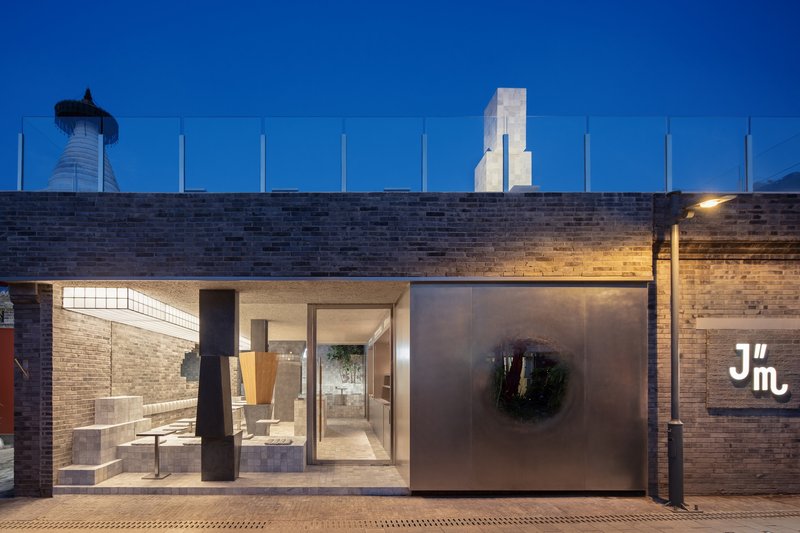
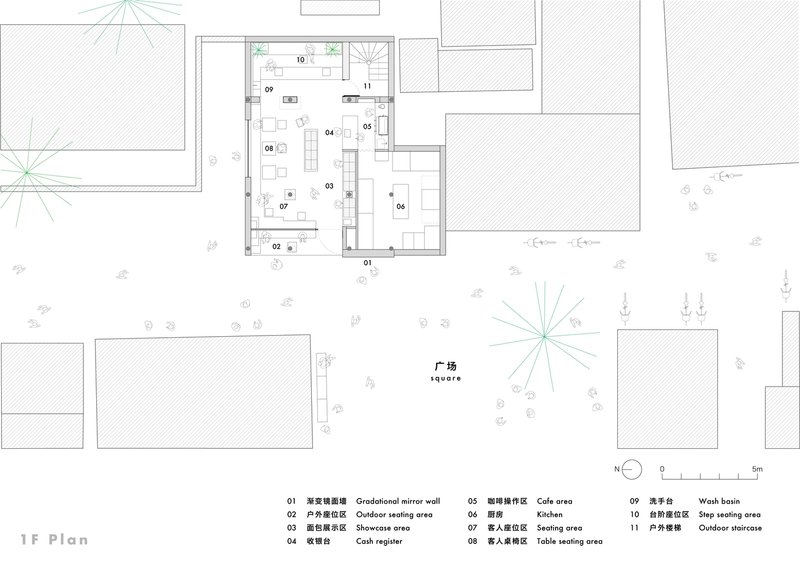
JM Café is designed as an extension of the city, ensuring a fluid spatial experience that naturally integrates the bustling square, the intimate café interiors, and an elevated rooftop terrace. Visitors approach the café through the lively public square, where the stainless-steel façade captures reflections of pedestrians and the surrounding environment, creating a dynamic visual interaction.
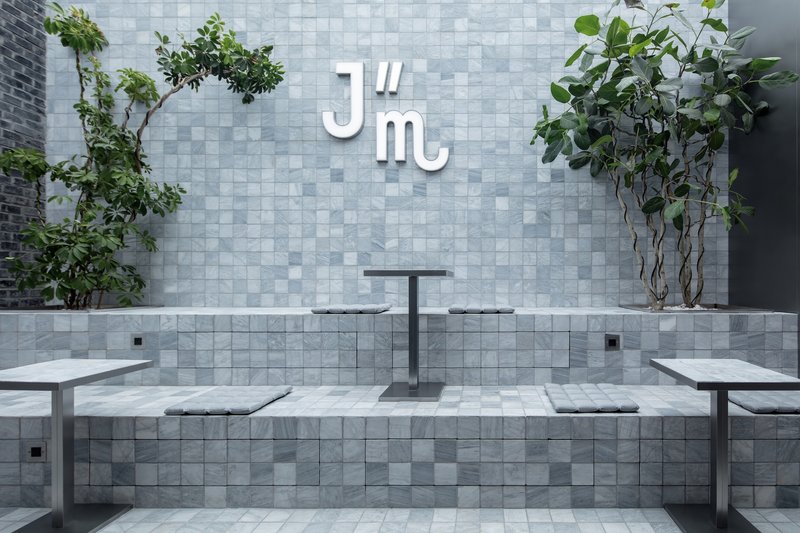
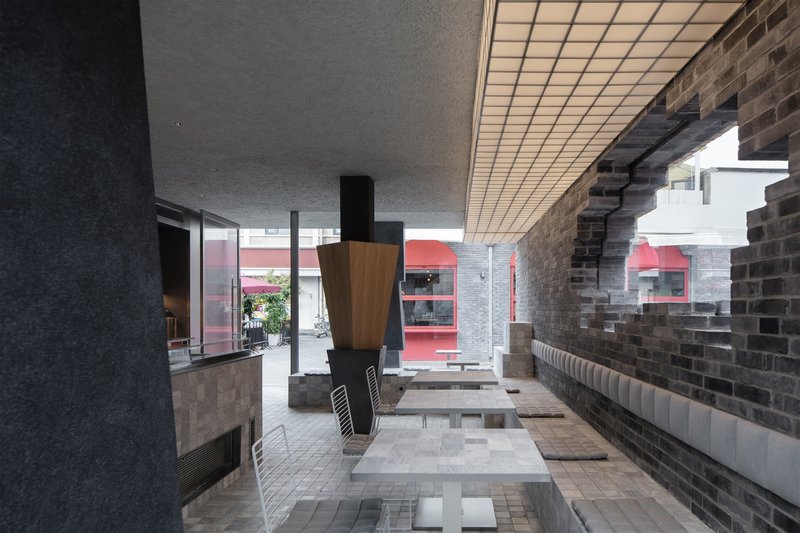
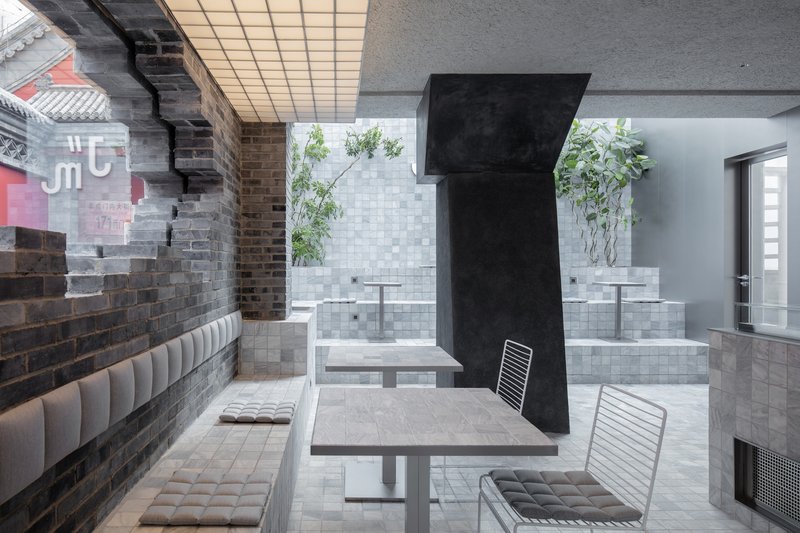
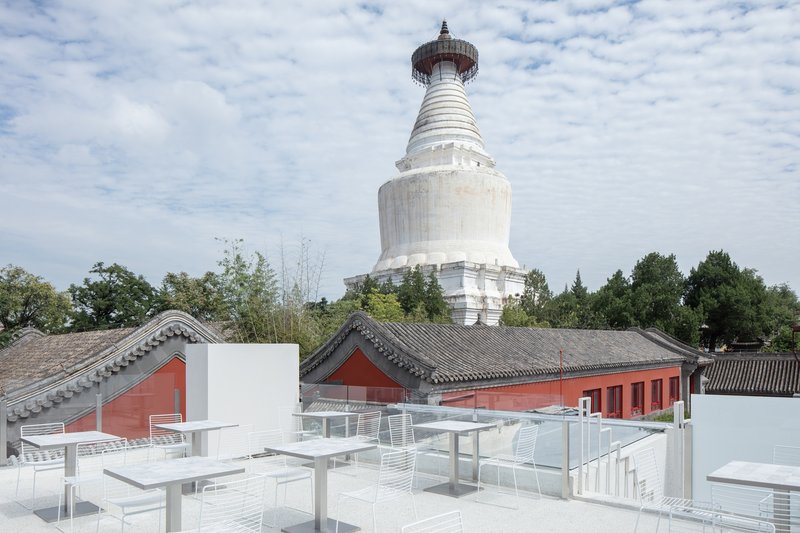
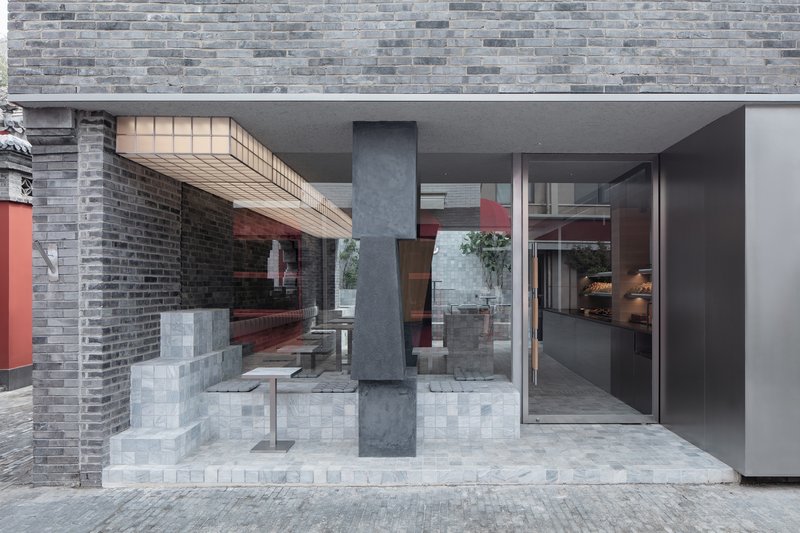
The design encourages movement through different levels of the café. From the entrance, guests transition through the semi-outdoor space into the interior, where layers of stone flooring guide them to various functional zones. At the core of the café, a stepped seating area surrounded by greenery and natural light fosters a tranquil atmosphere. A spiral staircase leads to the rooftop terrace, offering a breathtaking view of White Pagoda Temple and the city beyond.
Materiality and Aesthetic Harmony
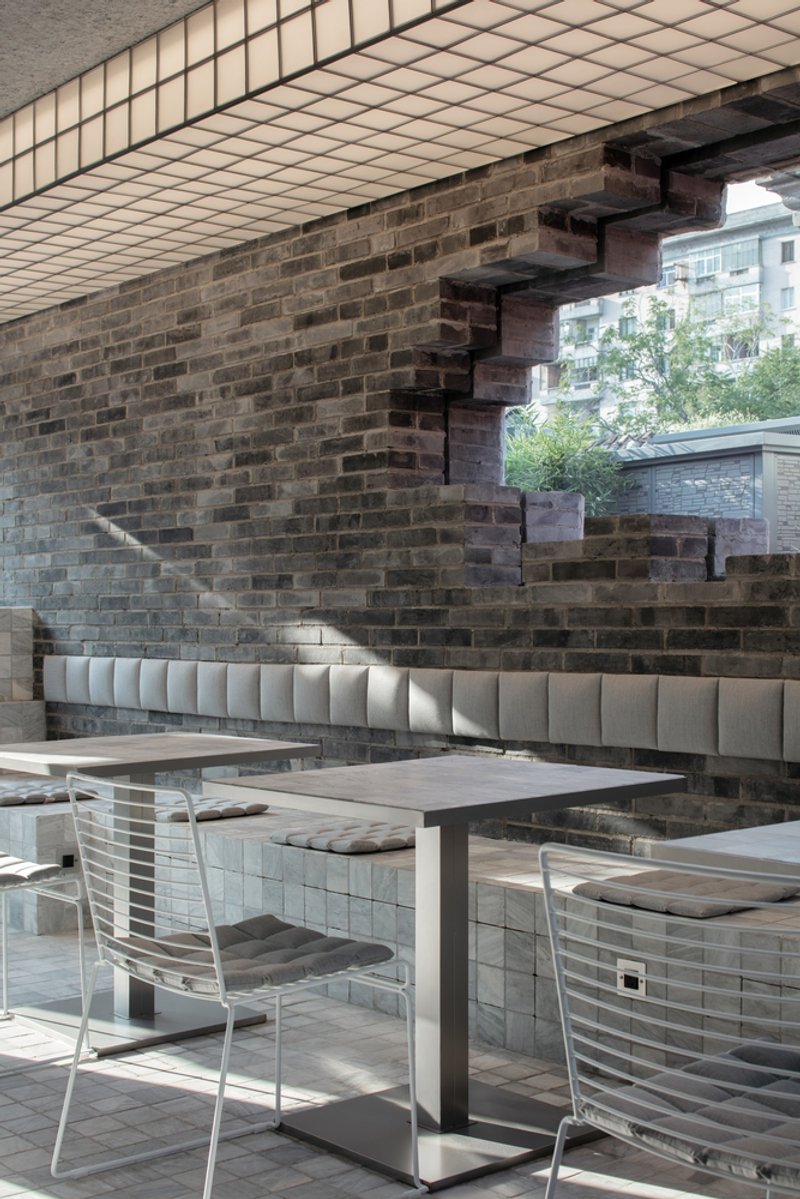
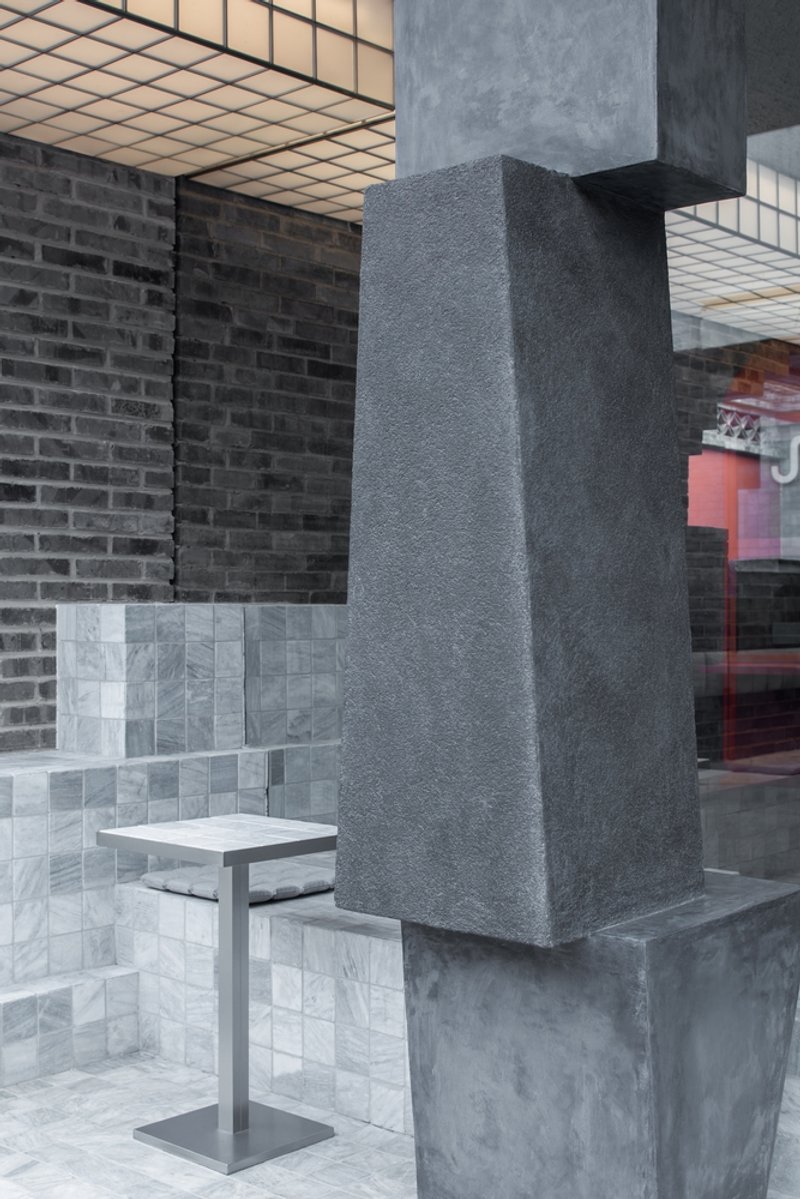
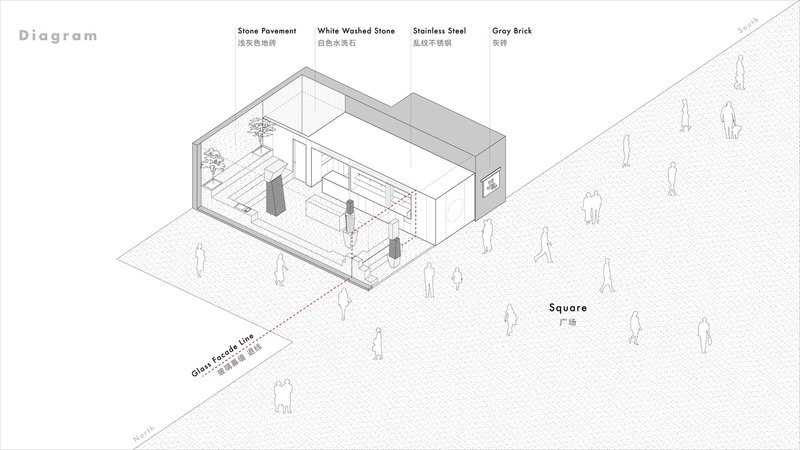
The material palette of JM Café is a sophisticated combination of stone, stainless steel, and glass, with accents of natural wood. The use of white and light grey tones echoes the colors of White Pagoda Temple, reinforcing a sense of continuity between the café and its historical context.
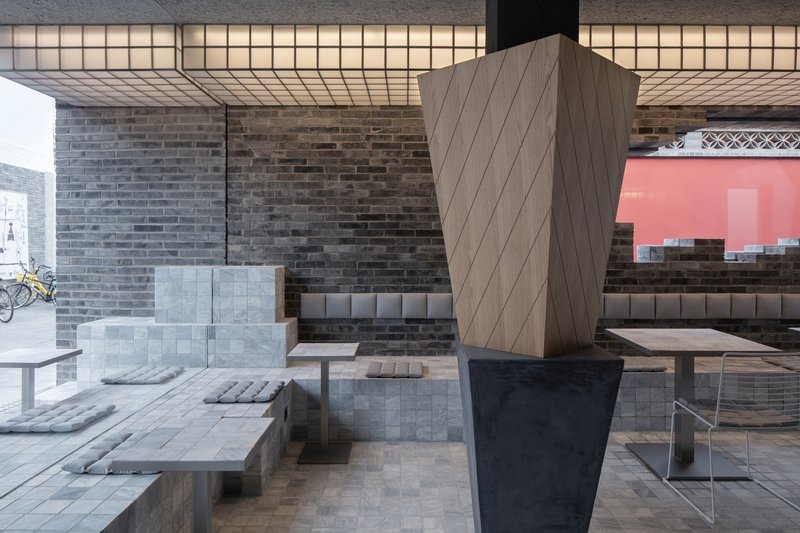
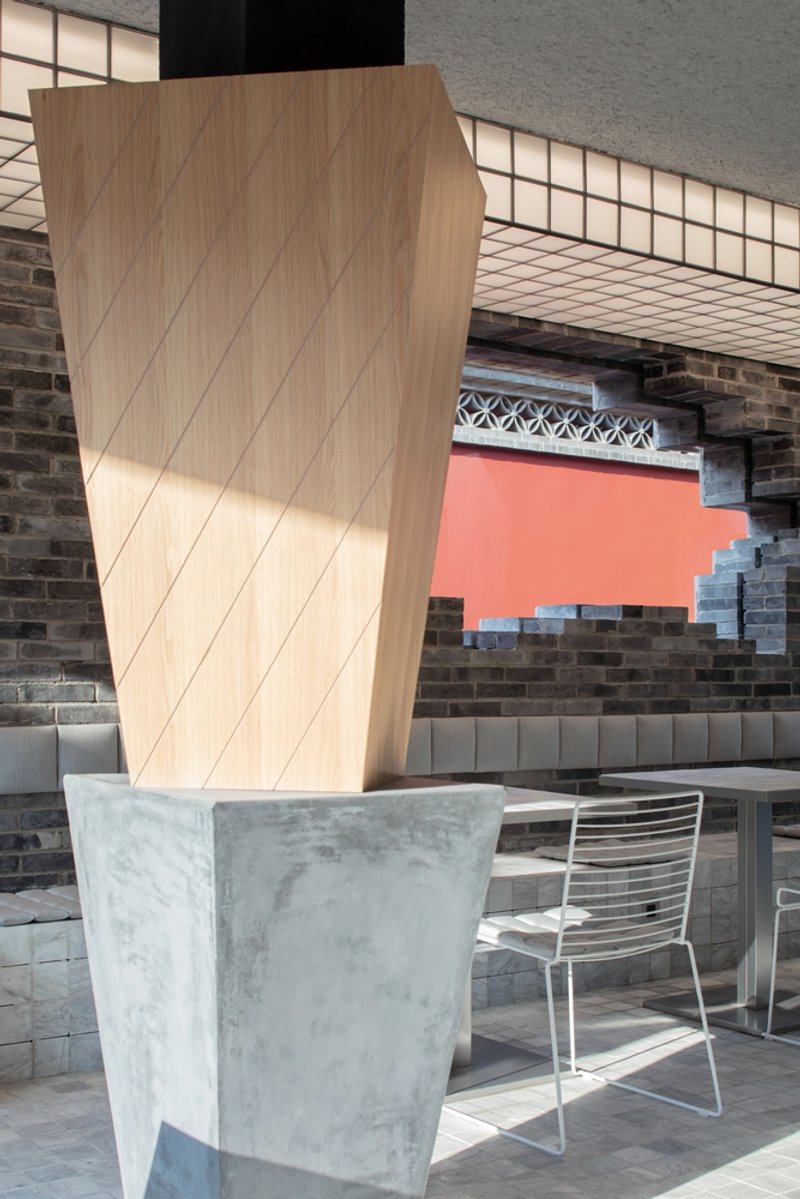
Stainless steel, used extensively in the façade and interior fixtures, introduces a contemporary element while reflecting the surroundings in a way that blurs boundaries between architecture and environment. The ground stone extends from the exterior to the interior, establishing a seamless connection between different spaces. The original wooden structural columns have been sculpted into artistic forms, providing a contrast to the minimalist materials and reinforcing the sculptural essence of the design.
A Rooftop Experience Framing the Cityscape
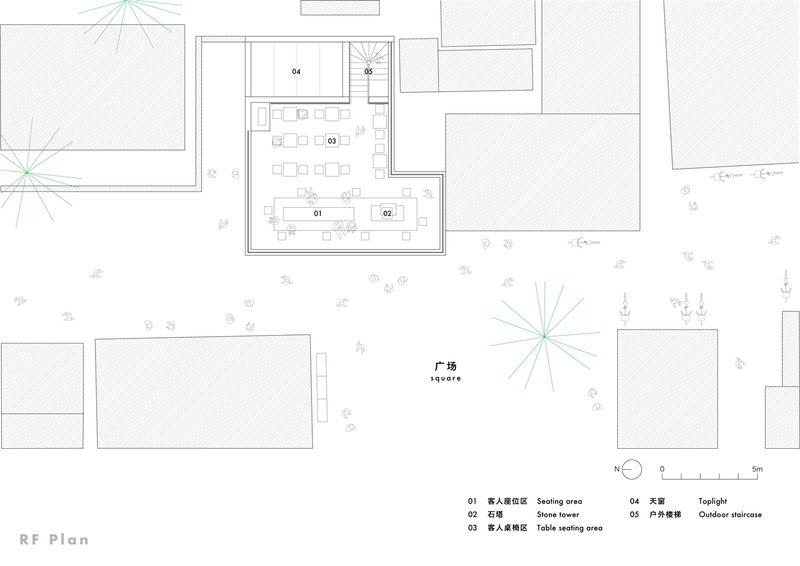
The rooftop terrace of JM Café offers visitors an immersive urban experience. Featuring a sculptural reinterpretation of the White Pagoda, crafted from the same stone material used in the interior, the terrace creates a symbolic connection between past and present. Guests can enjoy their coffee and pastries while overlooking the city’s historic and modern layers, reinforcing the café’s role as both a gathering space and an architectural statement.
Blurring the Boundaries Between Architecture and Urban Life
JM Café exemplifies the principles of modern café architecture by integrating itself into the city’s historical and cultural landscape. The design does not impose itself upon the urban environment but rather embraces its nuances, allowing for a seamless transition between public and private spaces. Through thoughtful material choices, spatial layering, and an understanding of local culture, the project creates an atmosphere that is both contemporary and deeply rooted in Beijing’s architectural heritage.
This renovation by B.L.U.E Architecture Studio is a testament to how modern café architecture can shape urban experiences, fostering connections between people, place, and history. As cities continue to evolve, projects like JM Café set a precedent for adaptive reuse, blending old and new in a way that enriches both the built environment and the lives of those who inhabit it.
All Photographs are works of Zhi Xia



Popular Articles
Popular articles from the community

An Miên Lumière Cafe by xưởng xép, Ho Chi Minh City, Vietnam
An industrial-inspired café where layered steel and warm light create a dynamic, immersive environment shaped by reflection, depth, and perception.
Louis Malle Cinema: A Limestone Cultural Landmark Revitalizing Community Life in Prayssac
Limestone cinema extension with public forecourt, blending heritage and modern design to create flexible cultural spaces and strengthen community interaction.
Flamboyant House by Juliana Camargo + Prumo Projetos
Modern Brazilian house integrating existing tree, pool, and volumes with glass, wood, and transitional spaces blending interior, exterior, and landscape seamlessly.
A Contemporary Take on Iranian Residential Architecture
A modern interior design in Mashhad that reinterprets brick, light, and spatial flow to create a warm, contemporary residential architecture.


Similar Reads
You might also enjoy these articles


The Ken Roberts Memorial Delineation Competition (Krob)
As the most senior architectural drawing competition currently in operation anywhere in the world, it draws hundreds of entries each year, awarding the very best submissions in a series of medium-based categories.


Waterfront Redevelopment and Urban Revitalization in Mumbai: Forging a New Dawn for Darukhana
A transformative waterfront redevelopment project reimagining Darukhana’s shipbreaking heritage into an inclusive urban future.

OUT-OF-MAP: A Call for Postcards on Feminist Narratives of Public Space
Rhizoma Design and Research Lab invites artists, designers, architects, researchers, and students to reflect on how feminist perspectives can reshape public space. Selected works will be exhibited in Barcelona, October 2026. Submissions open until 15 April 2026.

Documentation Work on Buddhist Wooden Temple
Architectural syncretism and cultural hybridity: A comparative study of the Buddhist temples in Chattogram Hill tracks

Explore Architecture Competitions
Discover active competitions in this discipline




The International Standard for Design Portfolios


The Global Benchmark for Architecture Dissertation Awards


The Global Benchmark for Graduation Excellence


Challenge to reimagine the Iron Throne
Comments (0)
Please login or sign up to add comments
No comments yet. Be the first to comment!