
Langblokken Social Housing Renovation in Belgium: Restoring Architectural Heritage with Modern Comfort
The Langblokken Social Housing renovation in Belgium masterfully blends heritage preservation with modern living standards and sustainable architecture.

Introduction to Social Housing Renovation in Belgium
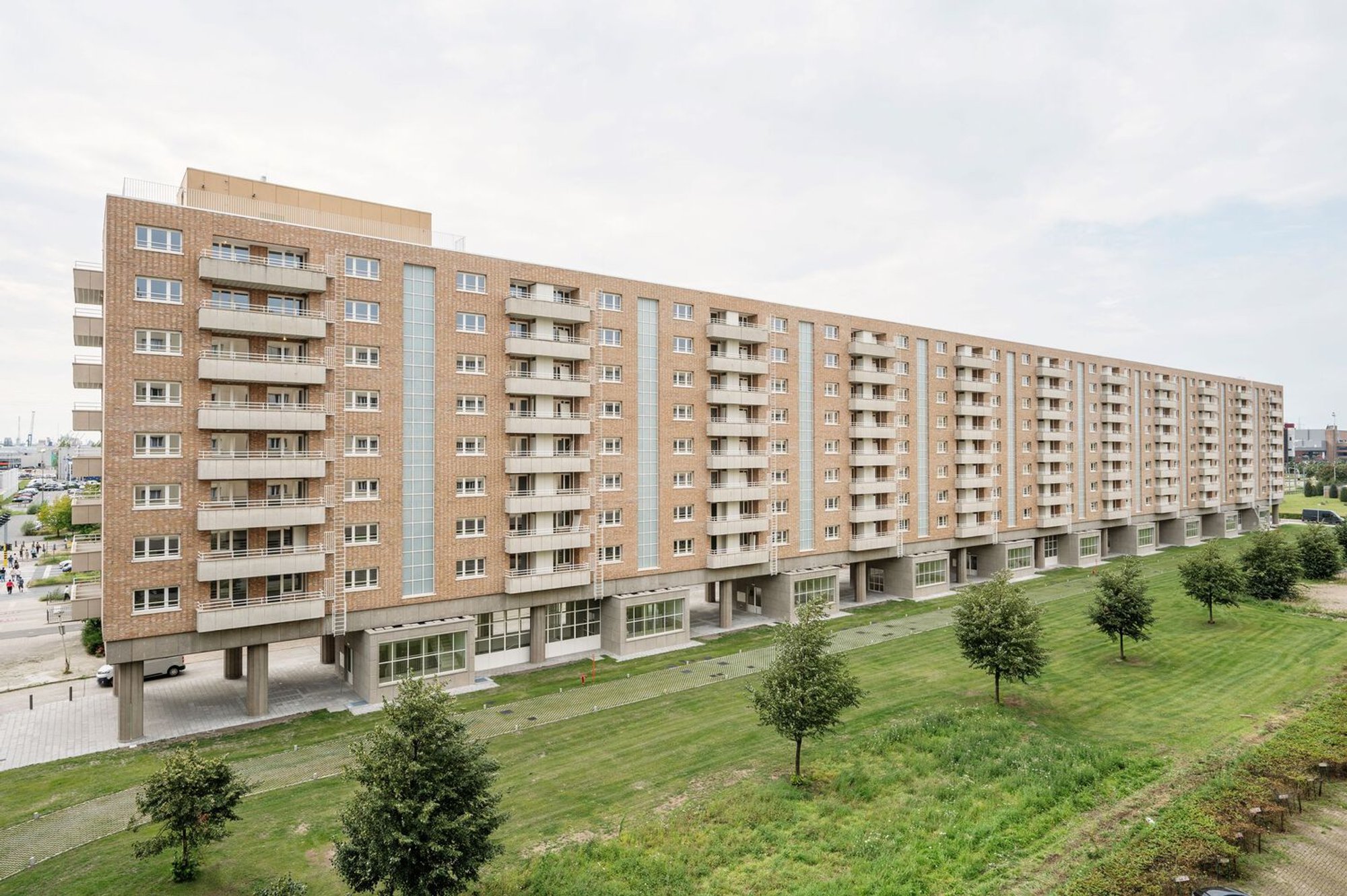
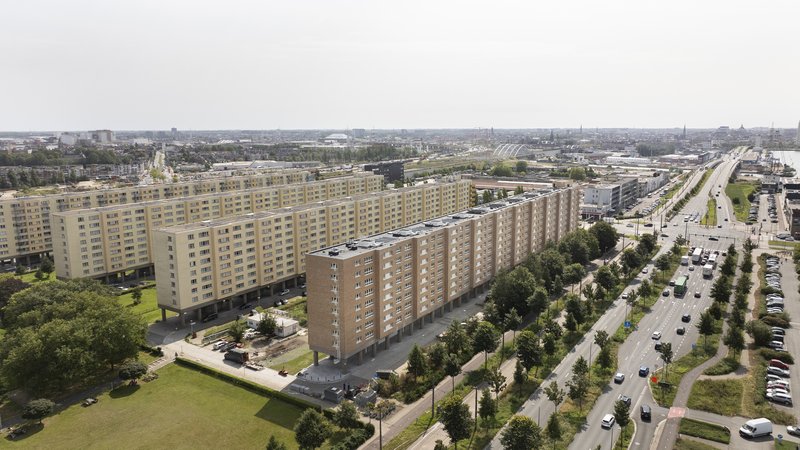
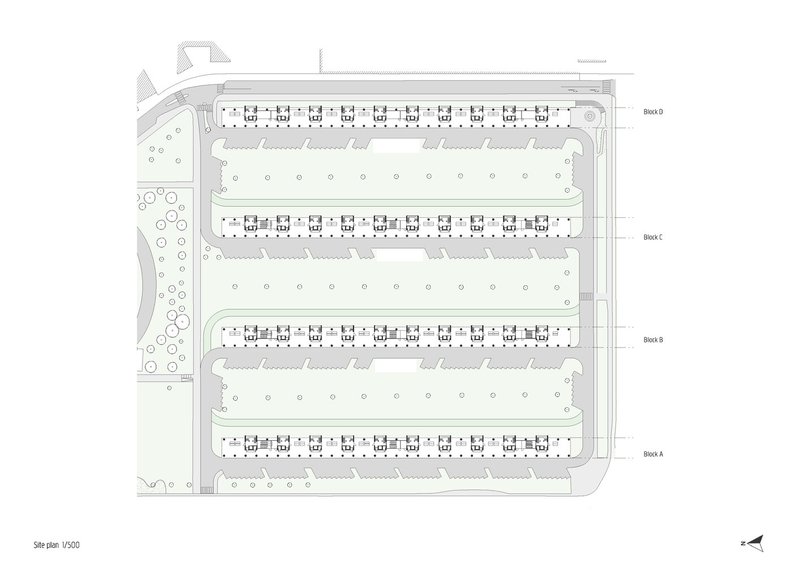
The Langblokken Social Housing renovation in Belgium represents a significant architectural project that merges heritage preservation with contemporary living standards. Designed by A2D architects and Architectenbureau Vanhecke & Suls, the renovation of the Luchtbal neighborhood in Antwerp is a masterclass in social housing revitalization. Originally conceived by the renowned Belgian architect Hugo Van Kuyck, the four residential buildings comprising 672 social housing units have been meticulously restored to uphold their historical value while integrating energy-efficient solutions and modern-day amenities.
Preserving Architectural Heritage in Luchtbal
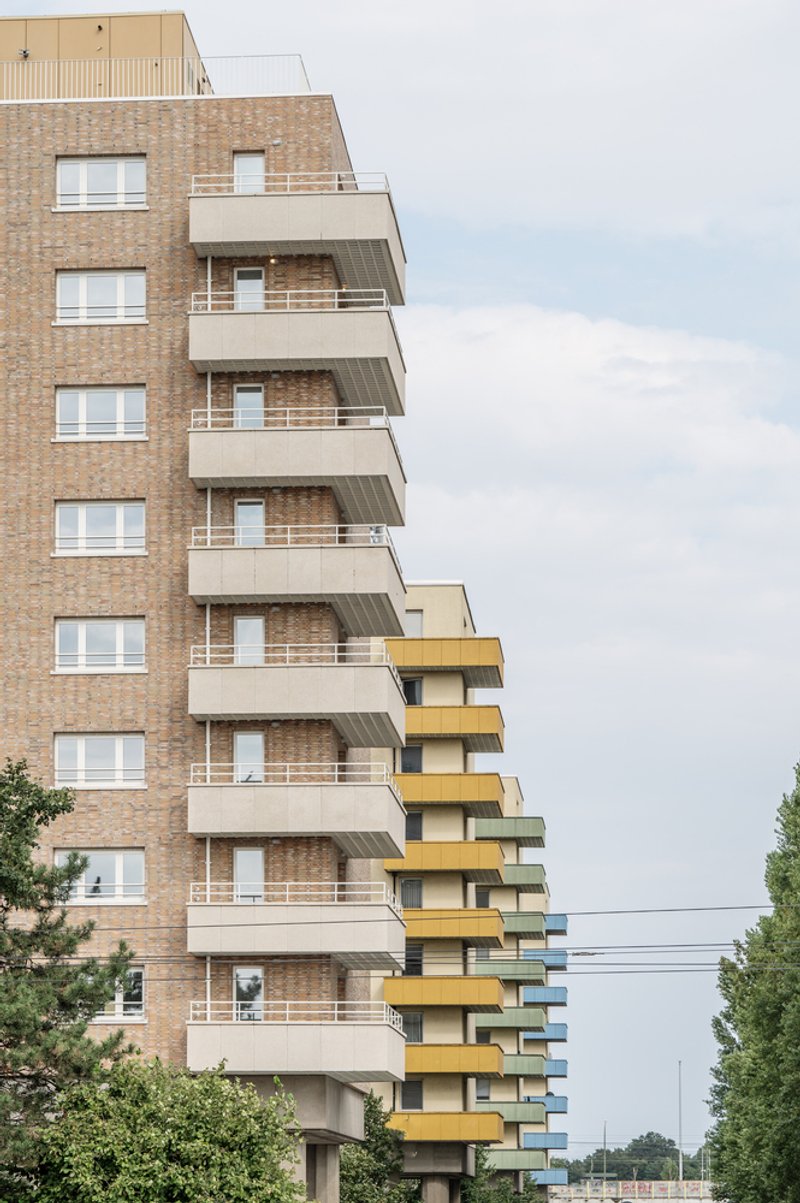
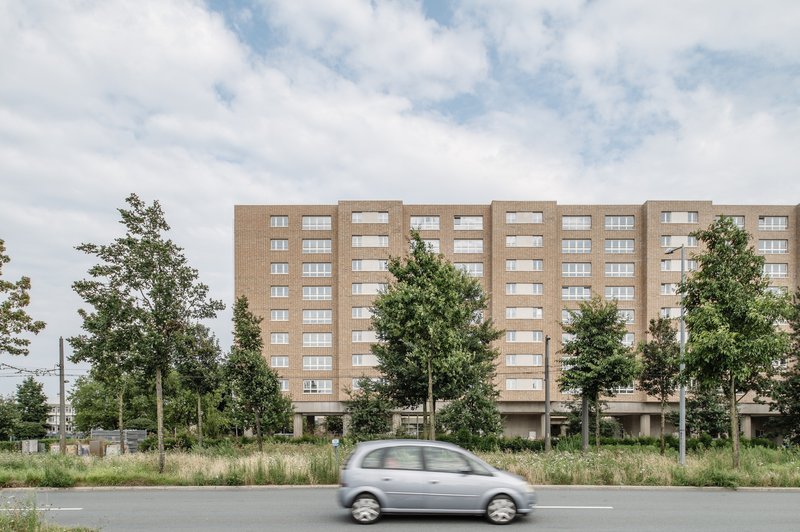
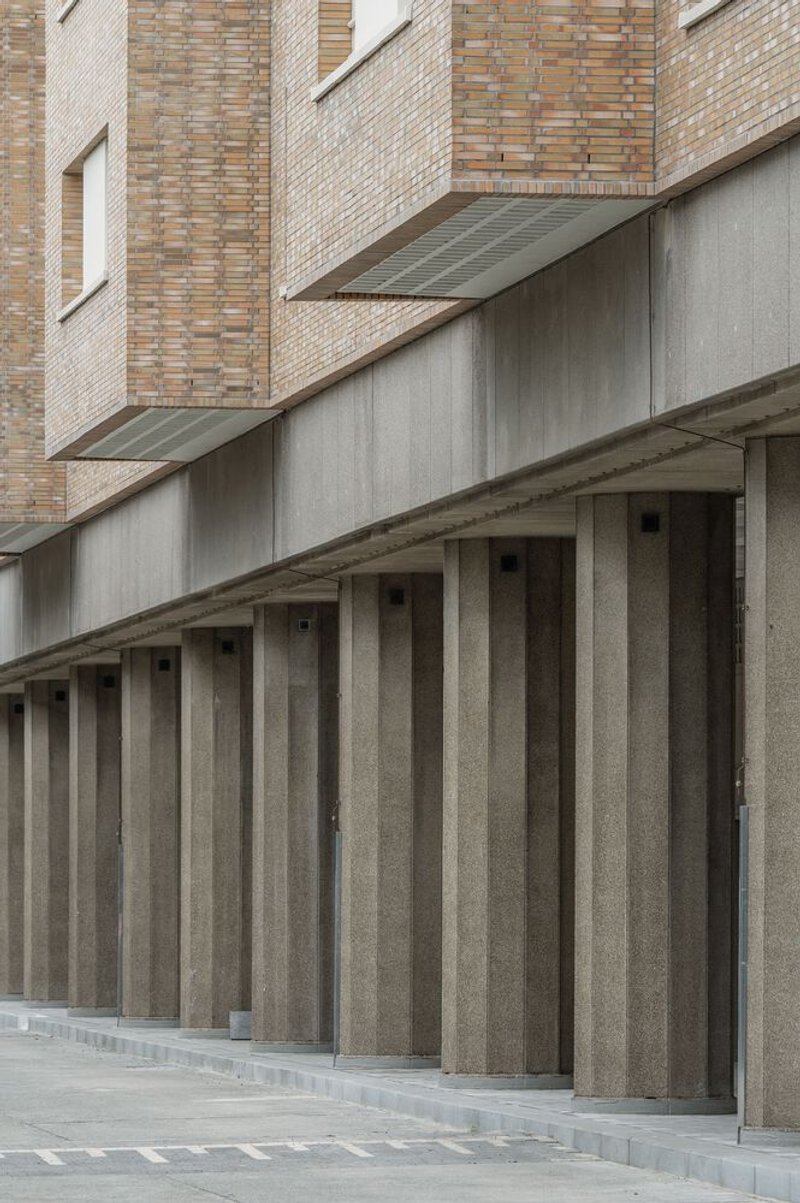
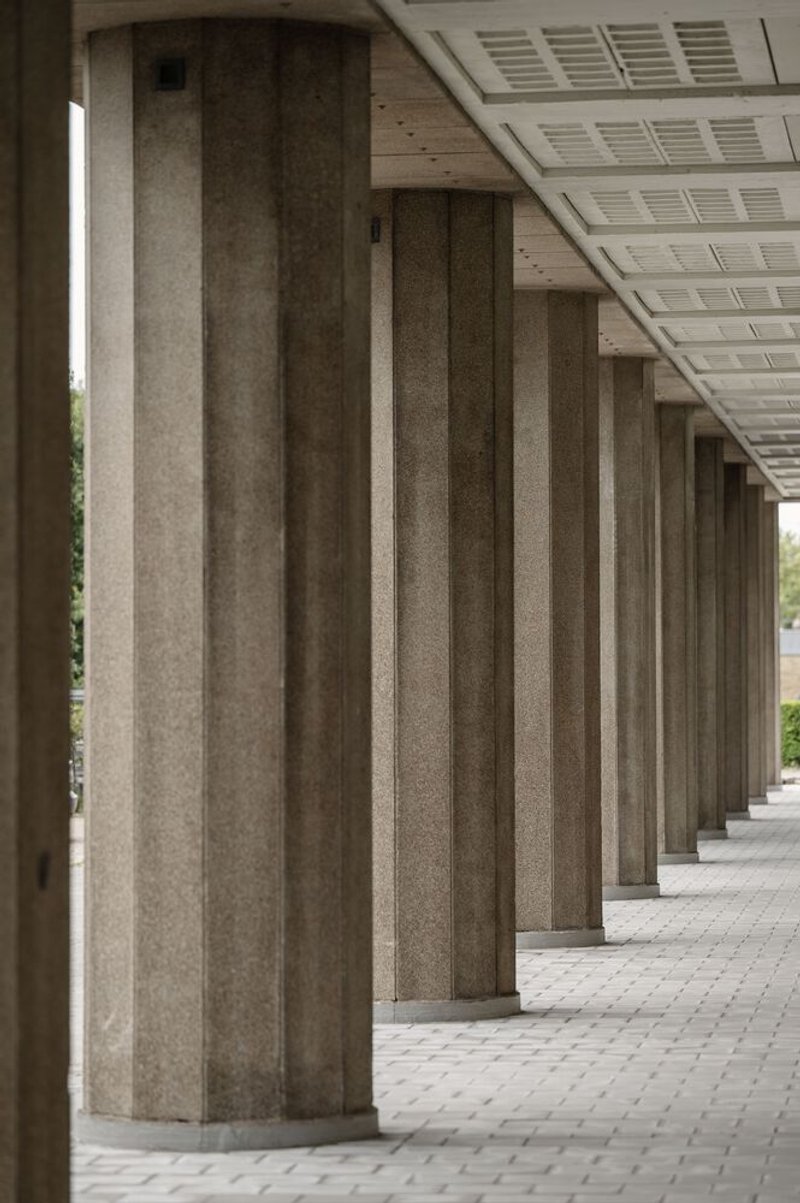
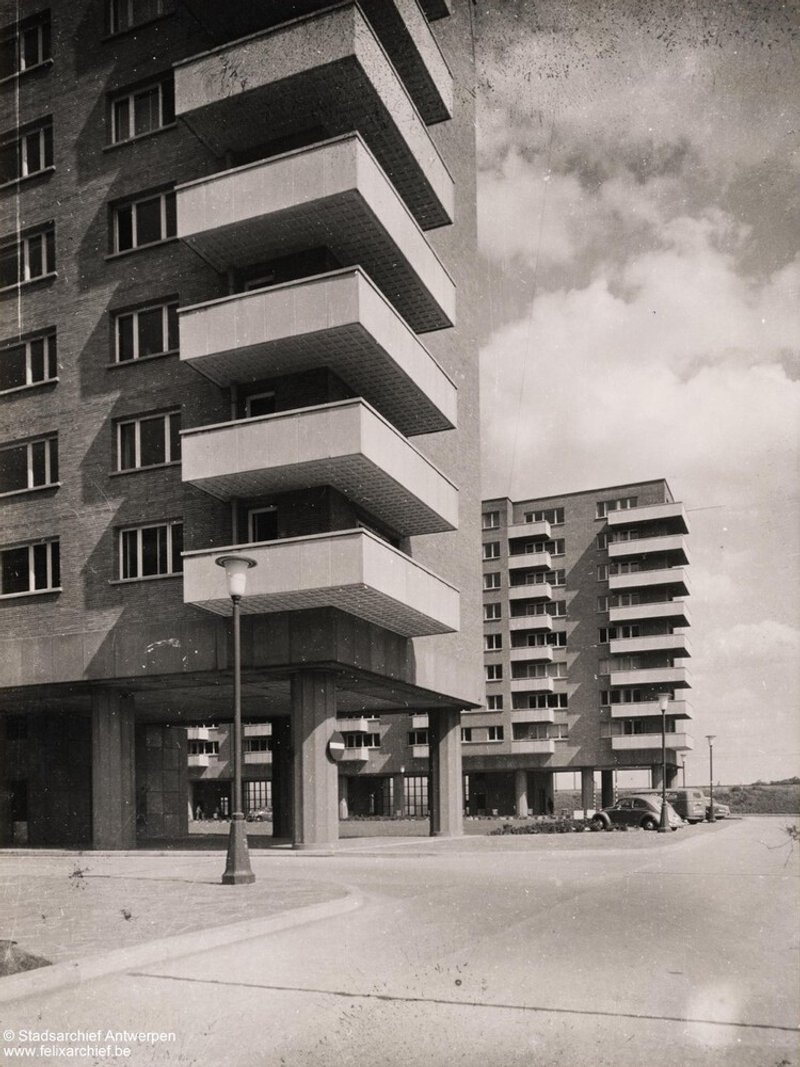
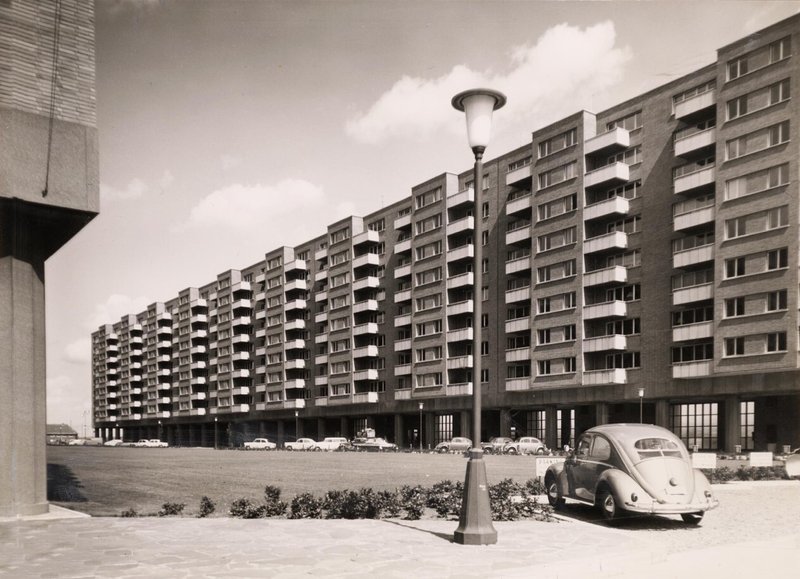
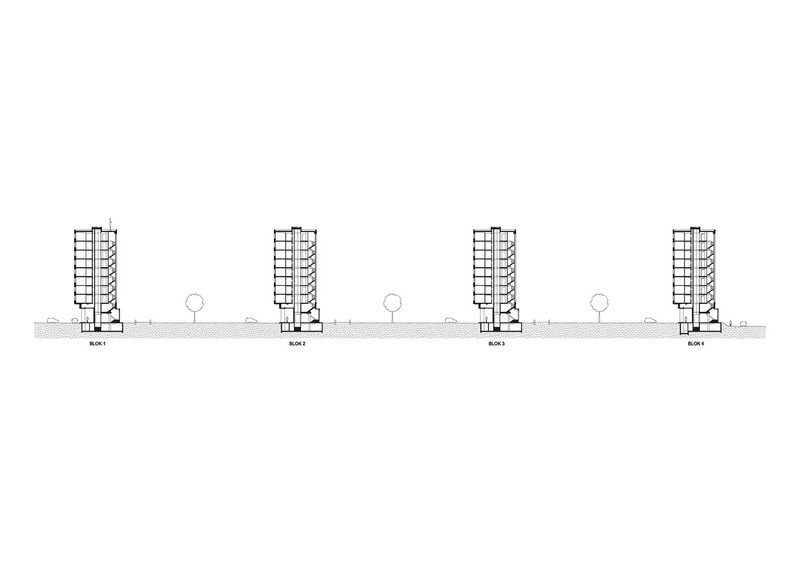
Luchtbal’s Langblokken complex is a key part of Belgium’s architectural history, listed in the Flanders architectural heritage inventory. Built according to the CIAM (Congrès Internationaux d'Architecture Moderne) principles, the free-standing residential blocks are elevated on pilotis and arranged linearly. This design ethos focused on open spaces, natural light, and functional living arrangements, emphasizing the importance of healthy urban environments.
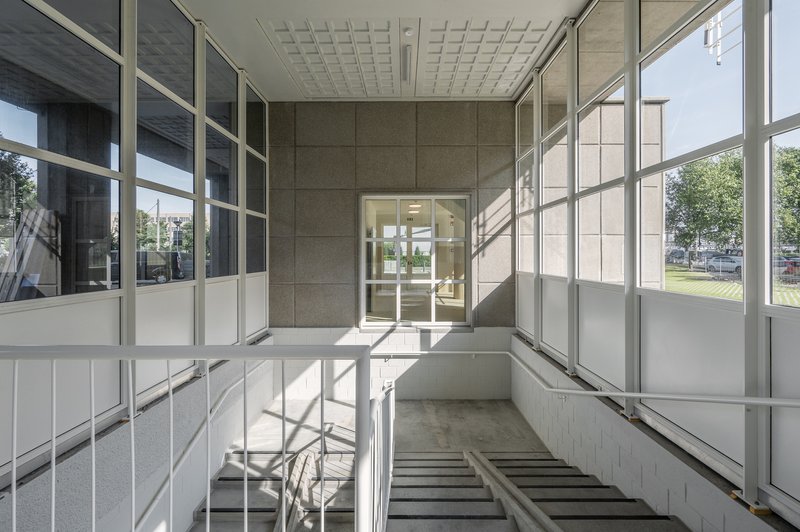
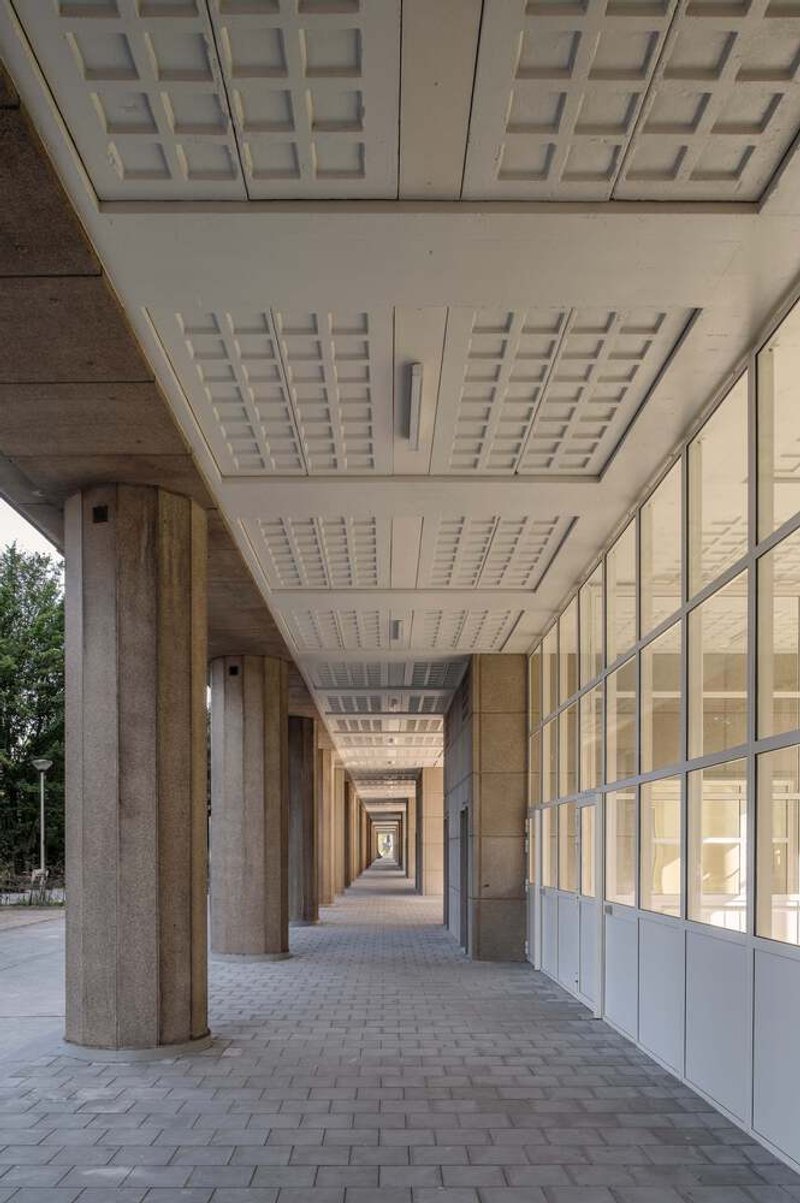
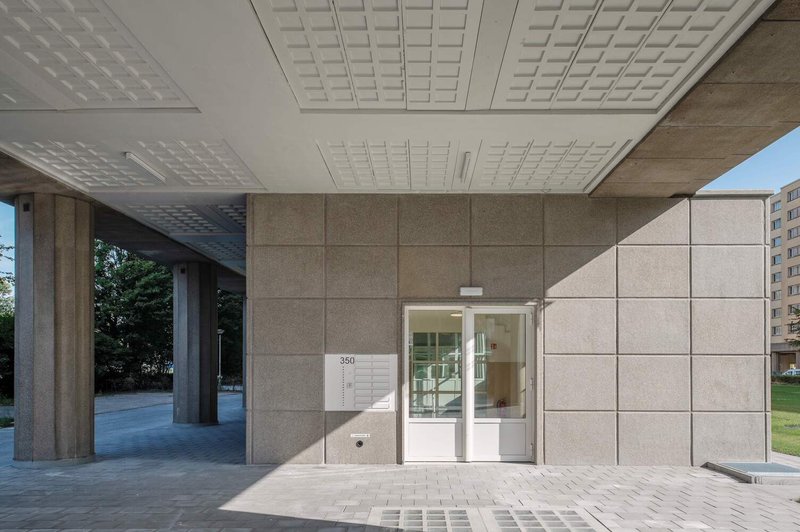
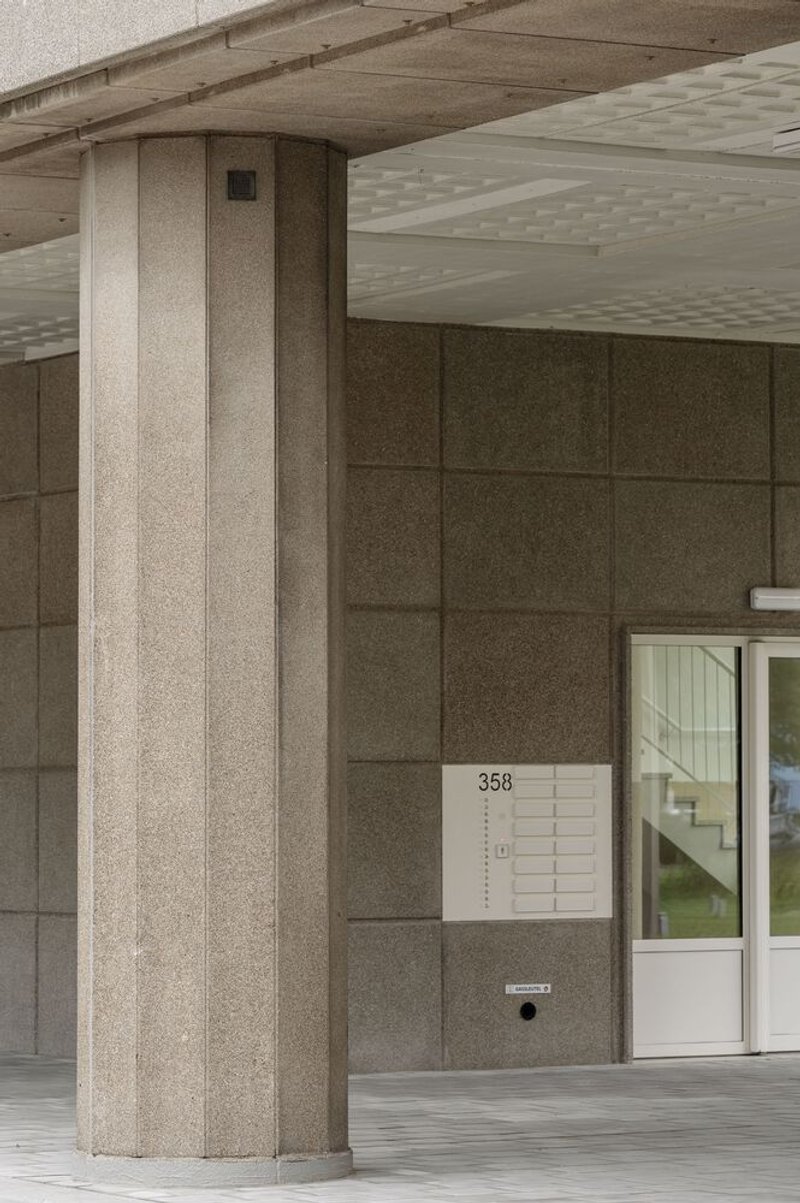
The renovation process prioritized the preservation of the original design language while adapting the buildings to modern needs. The characteristic yellow-orange brick veneer and concrete cladding were carefully restored to retain the visual identity envisioned by Hugo Van Kuyck. Maintaining the original beam and column structure was crucial to preserving the architectural integrity, ensuring the buildings remained a true reflection of their mid-20th-century origins.
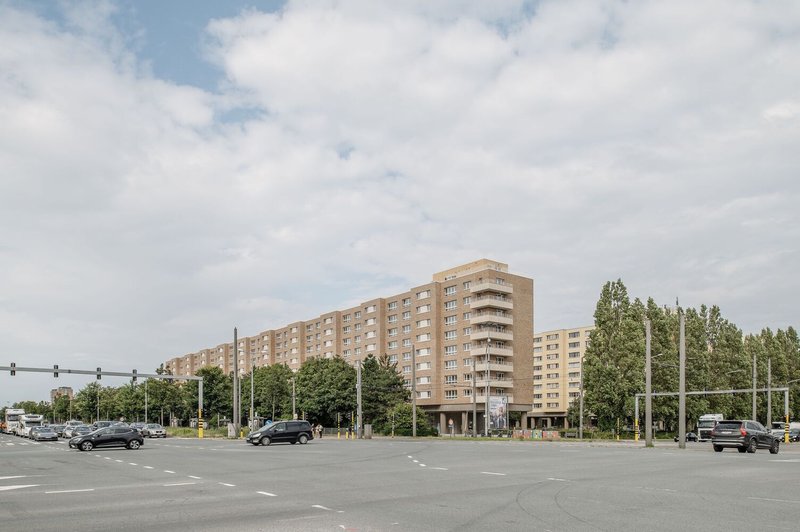
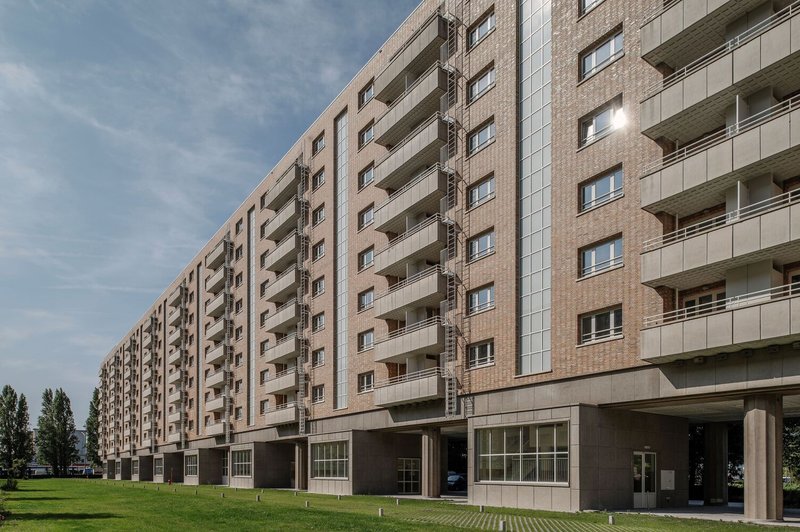
Structural Upgrades and Modern Living Standards
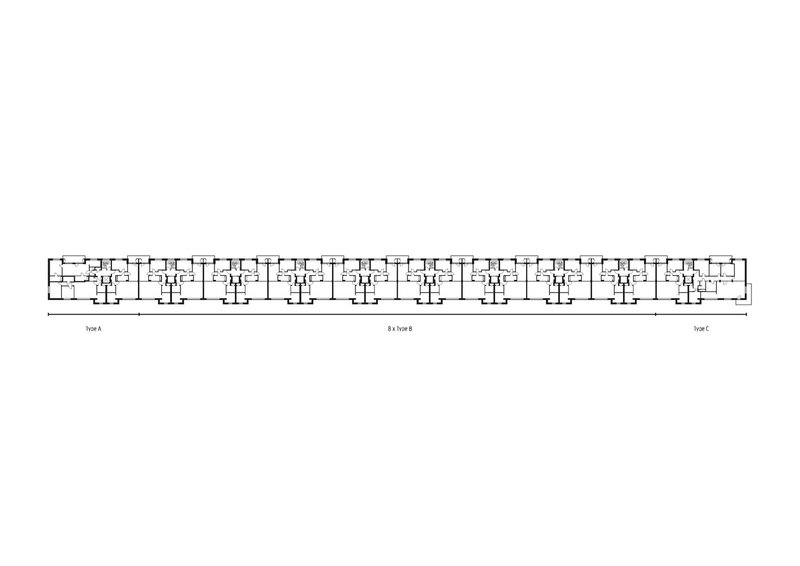
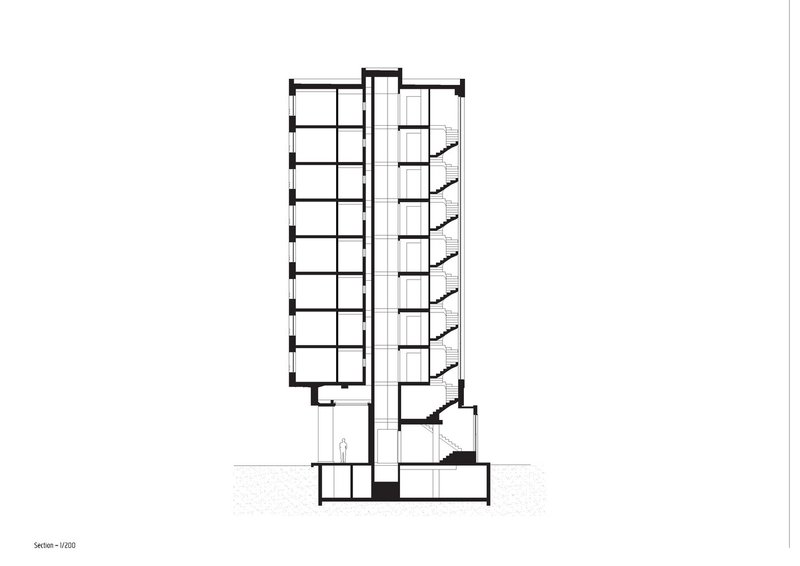
While respecting the past, the renovation equally addressed the demands of contemporary social housing. The entire building envelope was insulated to comply with current EPB (Energy Performance of Buildings) regulations, significantly improving energy efficiency. The circulation cores, which include stairwells and elevators, were completely demolished and rebuilt to meet modern fire safety, acoustic, and accessibility standards. Each core now features compartmentalized staircases, communal halls, and spacious elevators, offering residents enhanced safety and convenience.
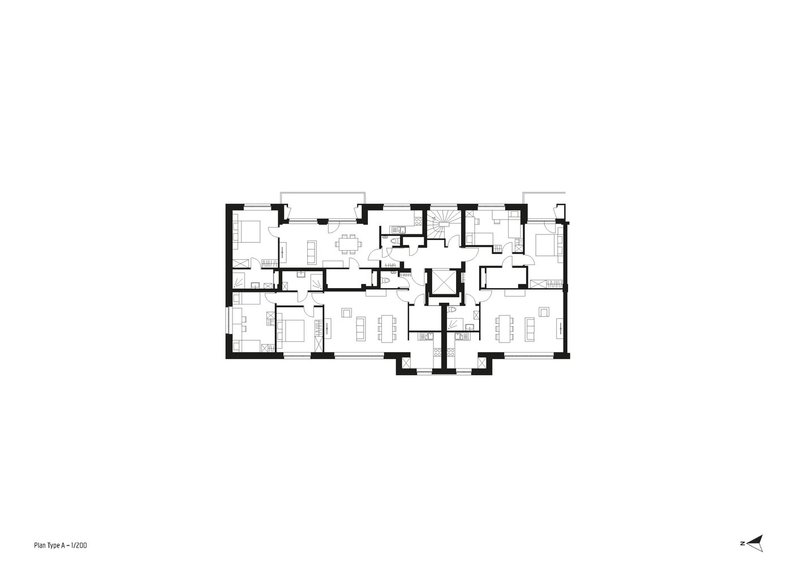
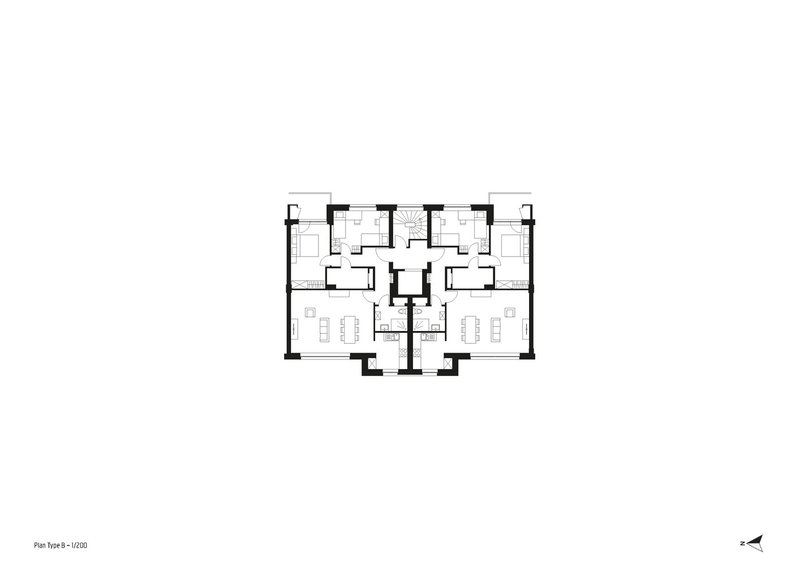
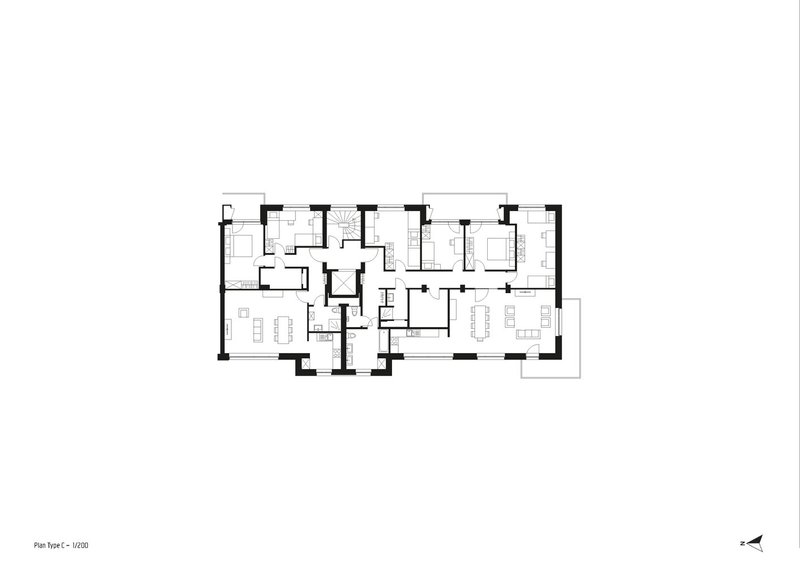
Interior renovations focused on maximizing comfort without altering the fundamental layout. Apartments retained their original division between the east-facing night areas and the west-facing day zones. However, to meet modern space requirements, internal walls were reconfigured, creating more functional and open living spaces. The result is a seamless fusion of historical charm and contemporary comfort.
Enhancing Communal Spaces and Ground-Floor Access
One of the standout achievements of this social housing renovation in Belgium is the thoughtful treatment of communal areas. The ground-floor spaces were revitalized, with entrances, basements, and common circulation routes reimagined to foster a sense of community while respecting the original architectural character. Three intermediary volumes were introduced on the ground floor, yet the open character of the pilotis structure was carefully preserved.
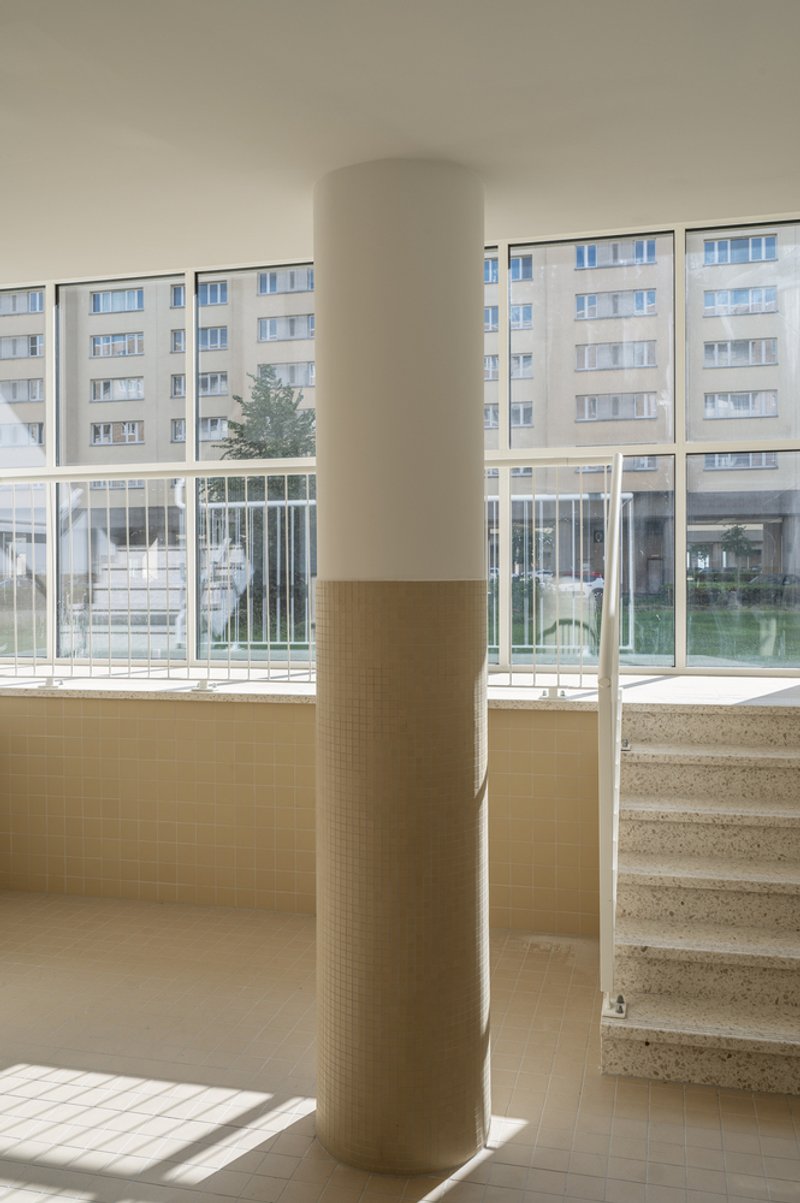
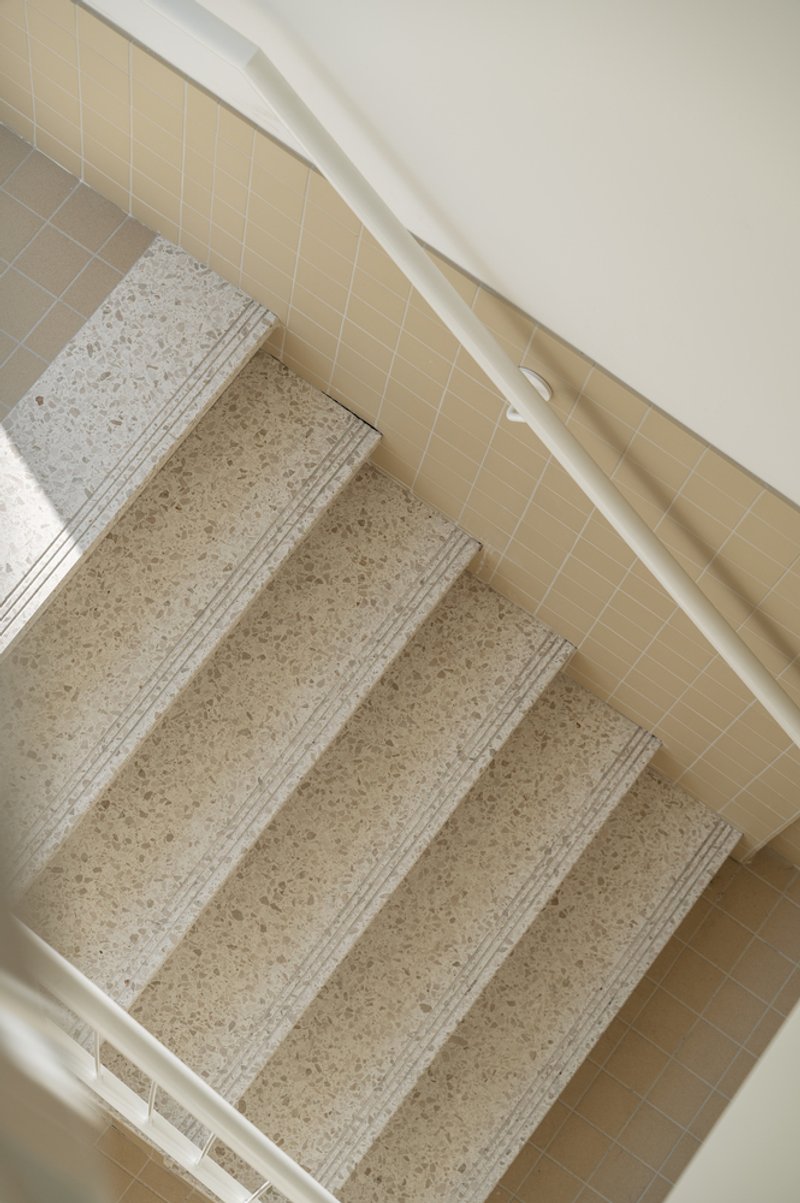
These upgrades not only improve accessibility but also encourage social interaction among residents, promoting a sense of belonging within the Langblokken complex. The renovation exemplifies how social housing can transcend mere functionality, becoming a catalyst for community building.
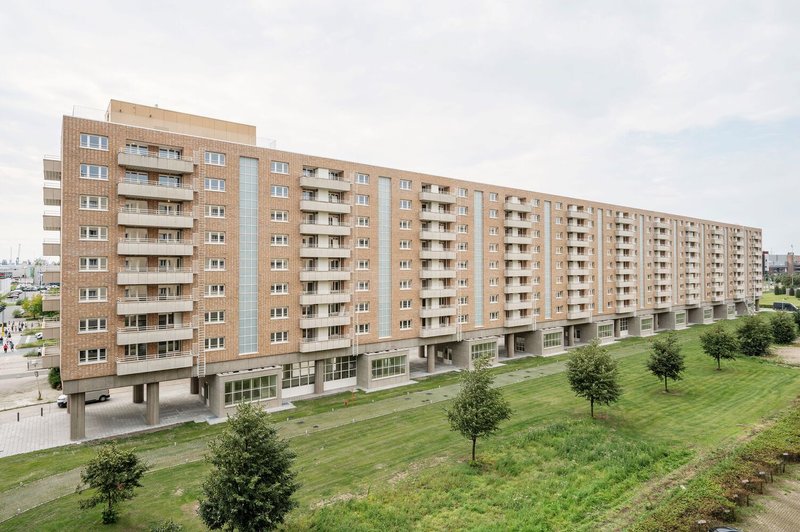
Sustainability as a Core Principle
Sustainability was a driving force throughout the renovation. Beyond the insulation of the building envelope, the selection of façade materials played a crucial role in reducing the project’s environmental footprint. Bricks that matched the original color, texture, and size were sourced, ensuring both visual continuity and sustainable construction practices.
Additionally, the upgraded building systems contribute to lower energy consumption, reducing residents' utility costs while minimizing the environmental impact. The renovation showcases how social housing renovation in Belgium can serve as a model for other cities aiming to balance heritage conservation with ecological responsibility.
Future-Proofing the Langblokken Complex
The Langblokken Social Housing renovation is not merely a restoration project; it is an investment in the future. By modernizing infrastructure, improving energy performance, and fostering communal living, the complex is now well-equipped to serve generations to come. As work continues on the remaining buildings, the project stands as a beacon of architectural sensitivity and social responsibility.
A Model for Social Housing Renovation in Belgium
The Langblokken Social Housing renovation in Belgium highlights the power of architecture to bridge history and progress. Through careful preservation, structural modernization, and sustainability-driven design, A2D architects and Architectenbureau Vanhecke & Suls have created a revitalized community that respects its past while embracing the future. This project serves as a blueprint for social housing renovations, illustrating how thoughtful design can enhance both living standards and architectural heritage.
All photographs are works of Nick Claeskens, Artes Group



Popular Articles
Popular articles from the community


The Ken Roberts Memorial Delineation Competition (Krob)
As the most senior architectural drawing competition currently in operation anywhere in the world, it draws hundreds of entries each year, awarding the very best submissions in a series of medium-based categories.

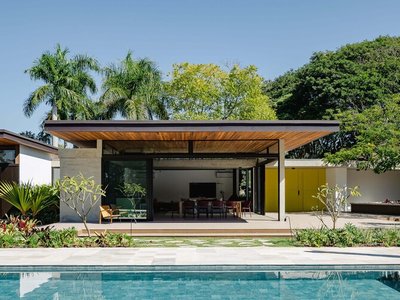
Flamboyant House by Juliana Camargo + Prumo Projetos
Modern Brazilian house integrating existing tree, pool, and volumes with glass, wood, and transitional spaces blending interior, exterior, and landscape seamlessly.
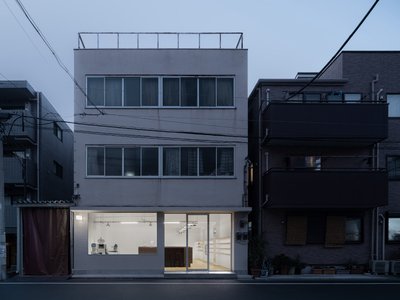
Atelier Macri Concept Store Interior Design by CASE-REAL
Atelier Macri store features a "ko" counter, walnut wood details, cork displays, blending retail, gallery, and seamless customer experiences.
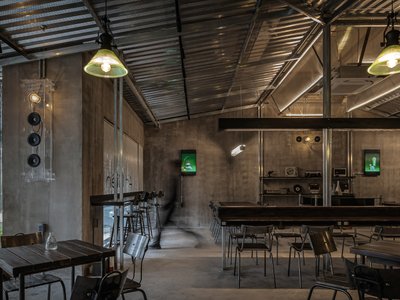
An Miên Lumière Cafe by xưởng xép, Ho Chi Minh City, Vietnam
An industrial-inspired café where layered steel and warm light create a dynamic, immersive environment shaped by reflection, depth, and perception.


Similar Reads
You might also enjoy these articles
The Ken Roberts Memorial Delineation Competition (Krob)
As the most senior architectural drawing competition currently in operation anywhere in the world, it draws hundreds of entries each year, awarding the very best submissions in a series of medium-based categories.


Waterfront Redevelopment and Urban Revitalization in Mumbai: Forging a New Dawn for Darukhana
A transformative waterfront redevelopment project reimagining Darukhana’s shipbreaking heritage into an inclusive urban future.

OUT-OF-MAP: A Call for Postcards on Feminist Narratives of Public Space
Rhizoma Design and Research Lab invites artists, designers, architects, researchers, and students to reflect on how feminist perspectives can reshape public space. Selected works will be exhibited in Barcelona, October 2026. Submissions open until 15 April 2026.


Documentation Work on Buddhist Wooden Temple
Architectural syncretism and cultural hybridity: A comparative study of the Buddhist temples in Chattogram Hill tracks


Explore Architecture Competitions
Discover active competitions in this discipline




The International Standard for Design Portfolios


The Global Benchmark for Architecture Dissertation Awards


The Global Benchmark for Graduation Excellence


Challenge to reimagine the Iron Throne
Comments (0)
Please login or sign up to add comments
No comments yet. Be the first to comment!