
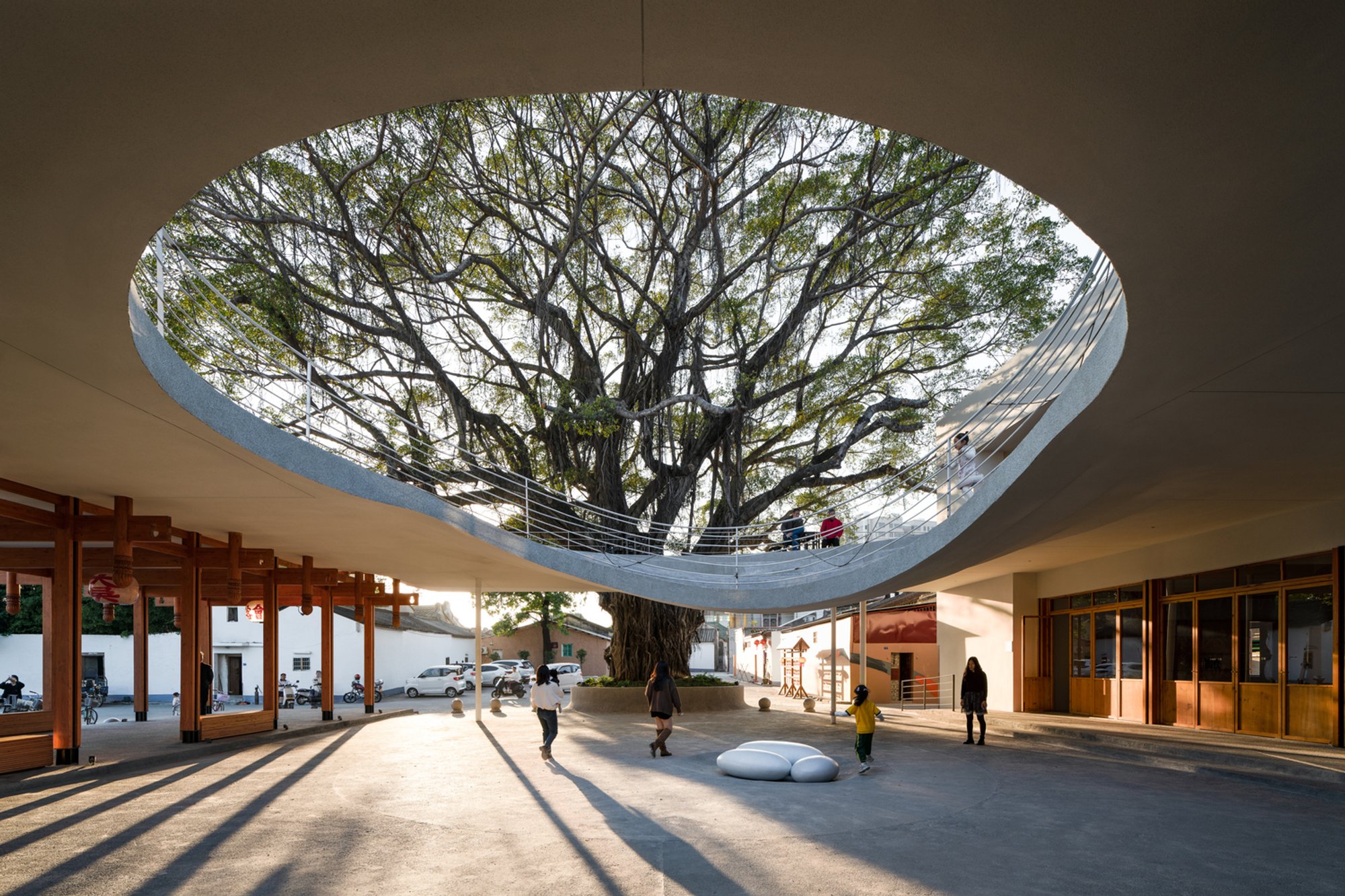
Living Room of Dawu Village: A Harmonious Renovation Under the Banyan Tree
Living Room of Dawu Village merges tradition and modernity, creating a multifunctional communal space inspired by a banyan tree.

The Living Room of Dawu Village, designed by Not A Studio, is an innovative renovation project located in Chaozhou, China. Completed in 2024, this 1,500-square-meter architectural transformation breathes new life into an old school building, turning it into a vibrant communal hub for villagers.
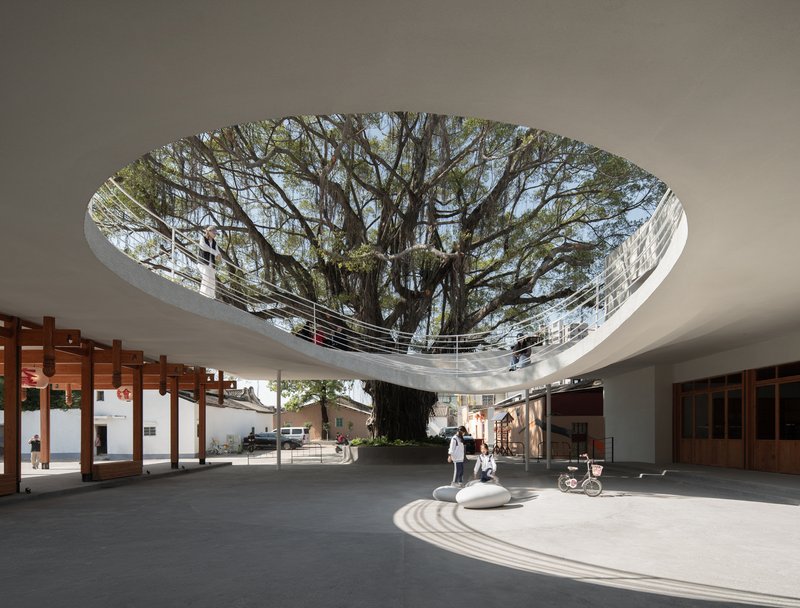
Inspired by the shade of a 300-year-old banyan tree at the site, the project serves as a multifunctional space that blends old and new architectural elements, emphasizing cultural heritage, sustainability, and the communal spirit of the village.
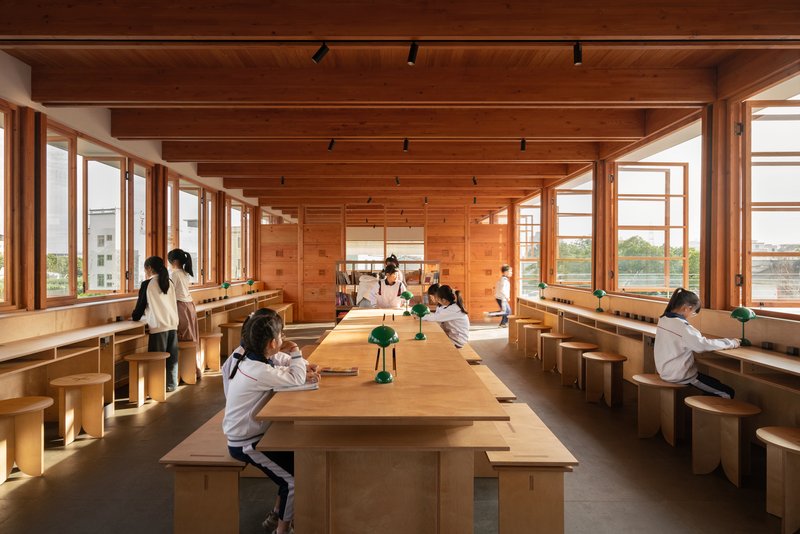
Concept and Inspiration
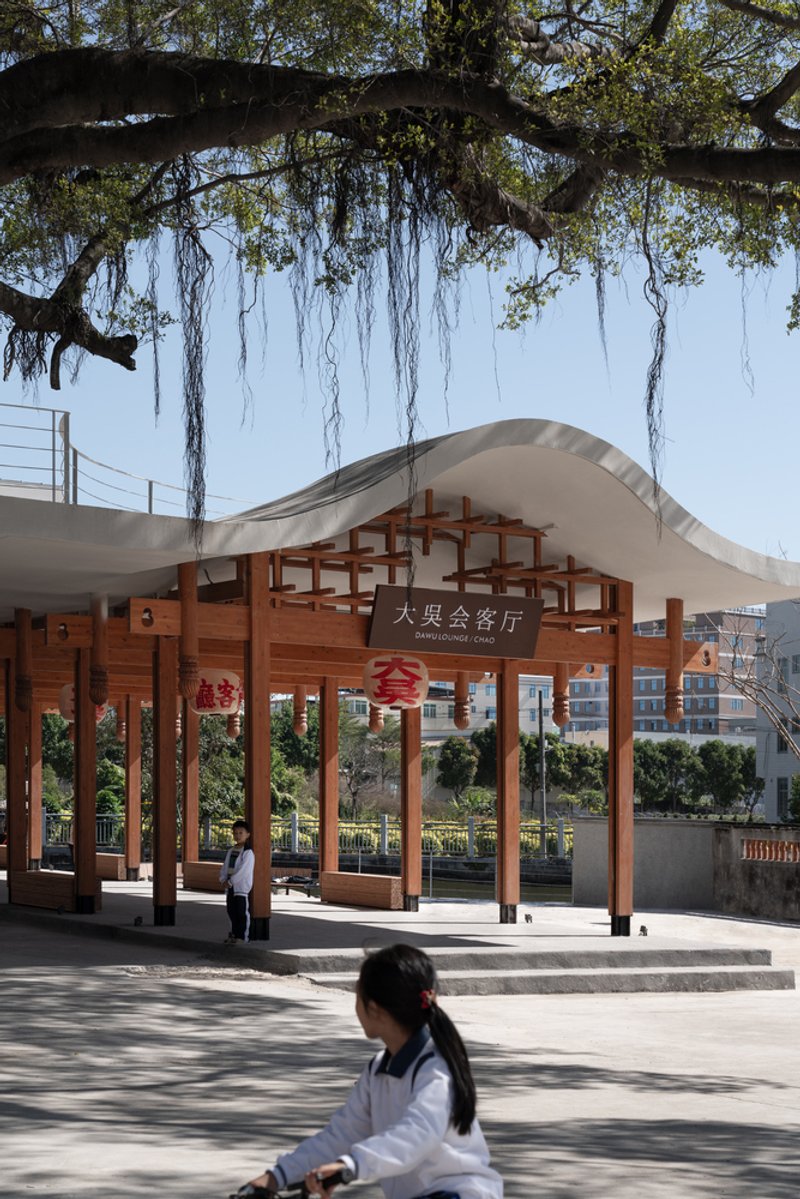
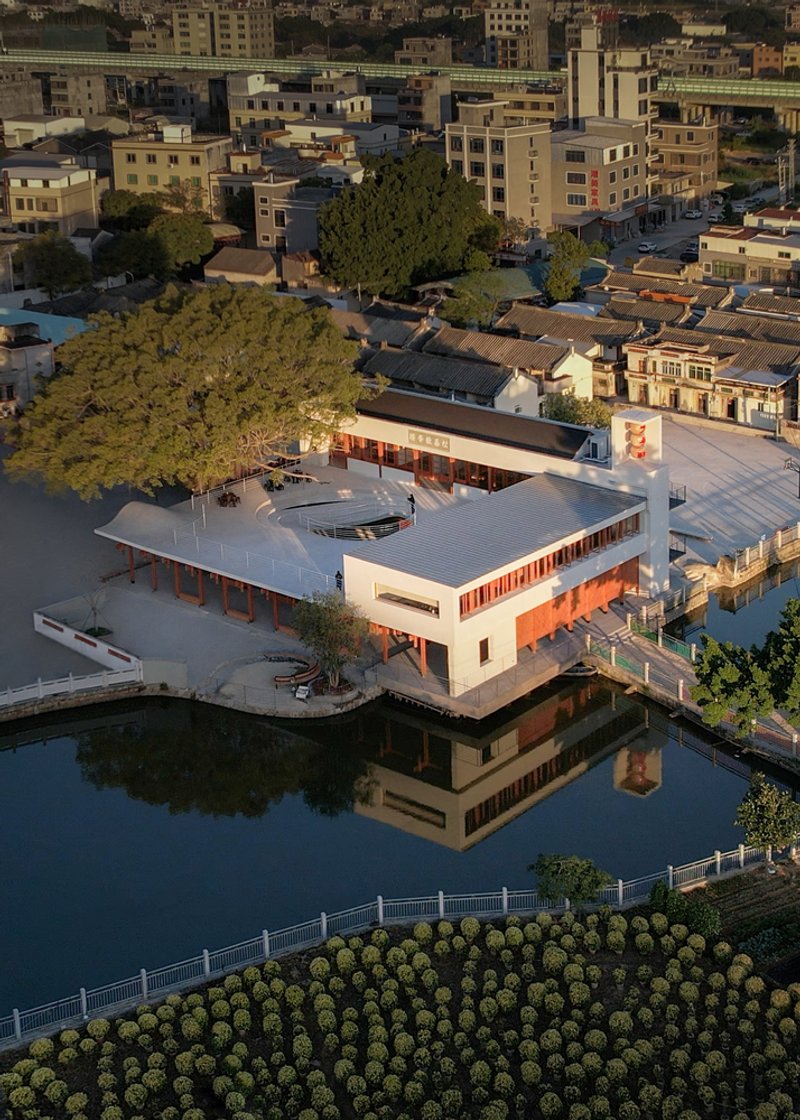
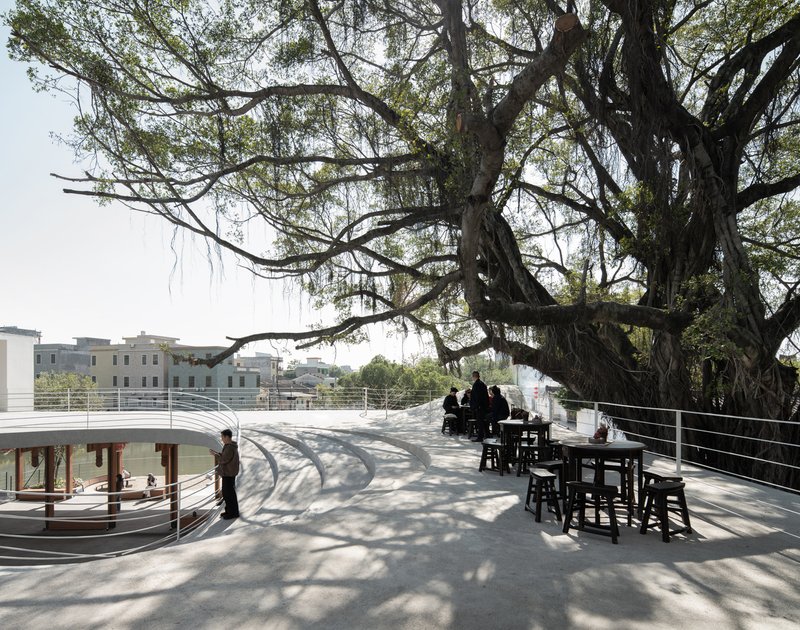
The design concept is rooted in the banyan tree's significance as a social gathering point for the village. Architect Yi Gu drew inspiration from observing villagers chatting, eating, and enjoying the tree’s shade, which has become the soul of the community. The renovation sought to replicate this sense of connection by creating an open, tree-like structure that fosters interaction and inclusivity.
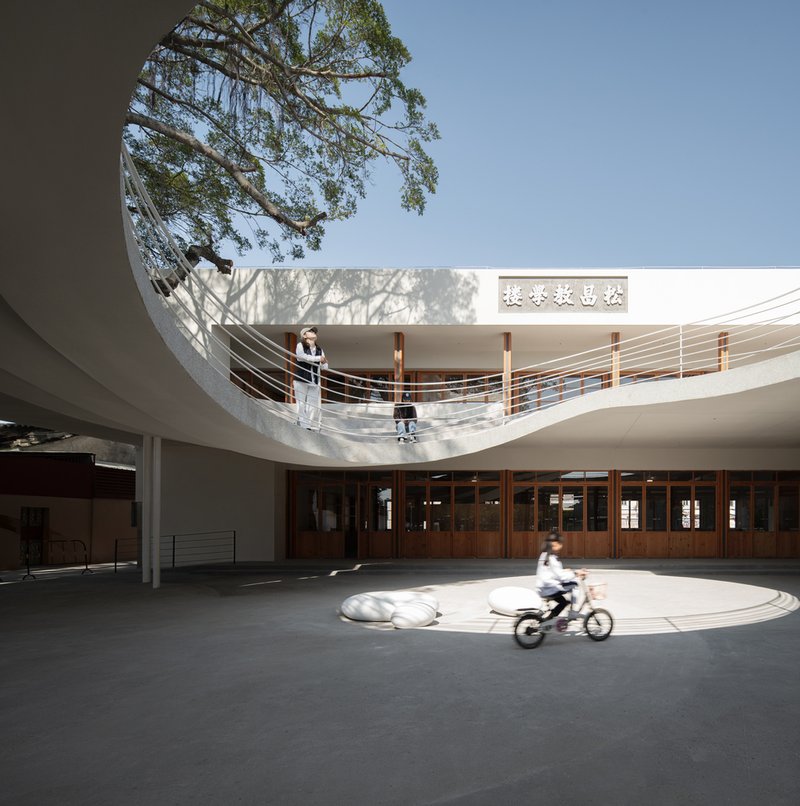
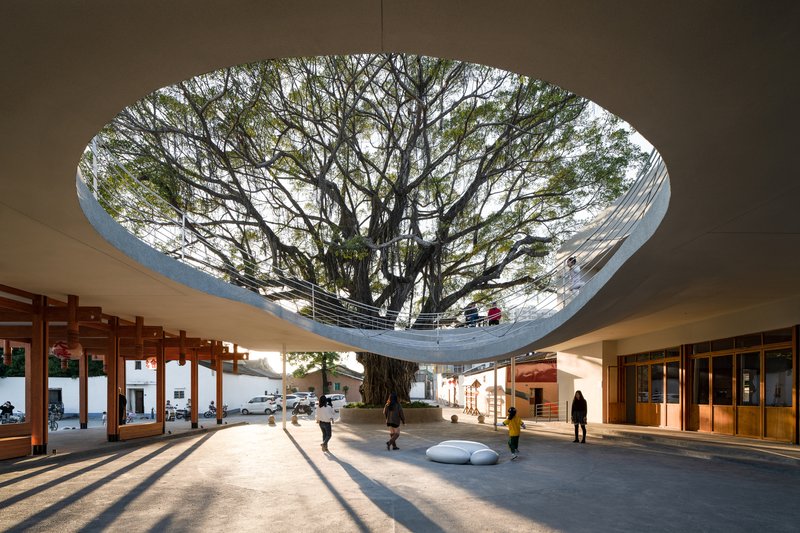
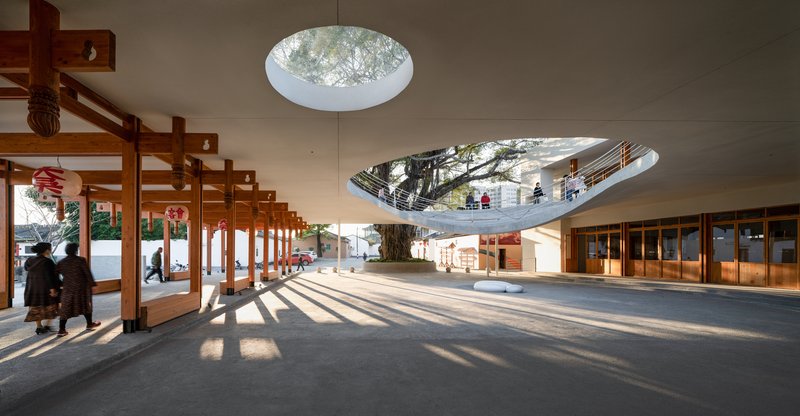
Architectural Transformation
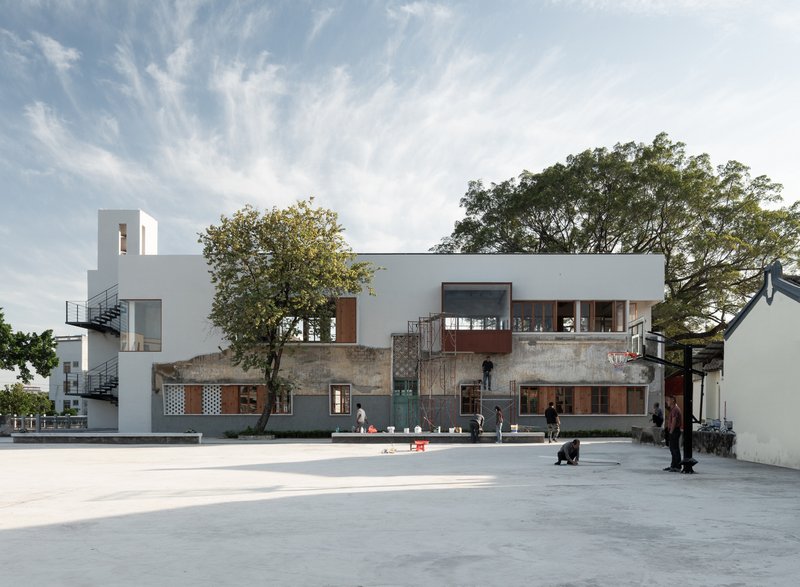
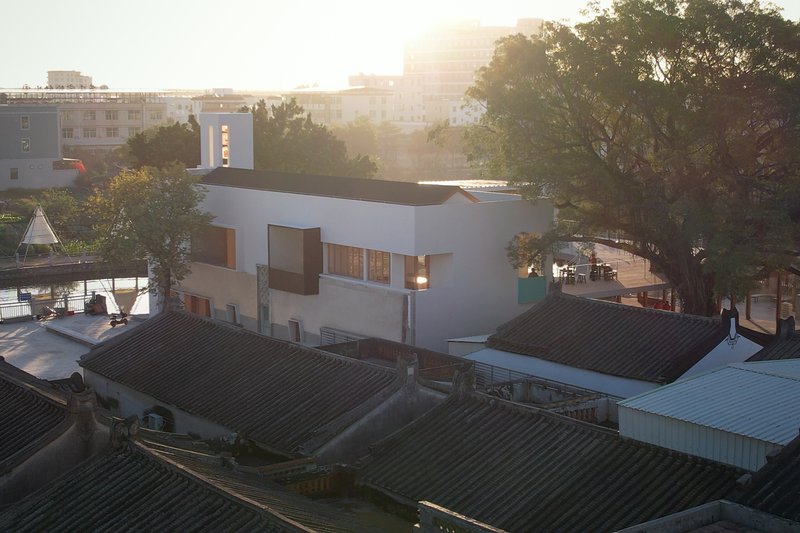
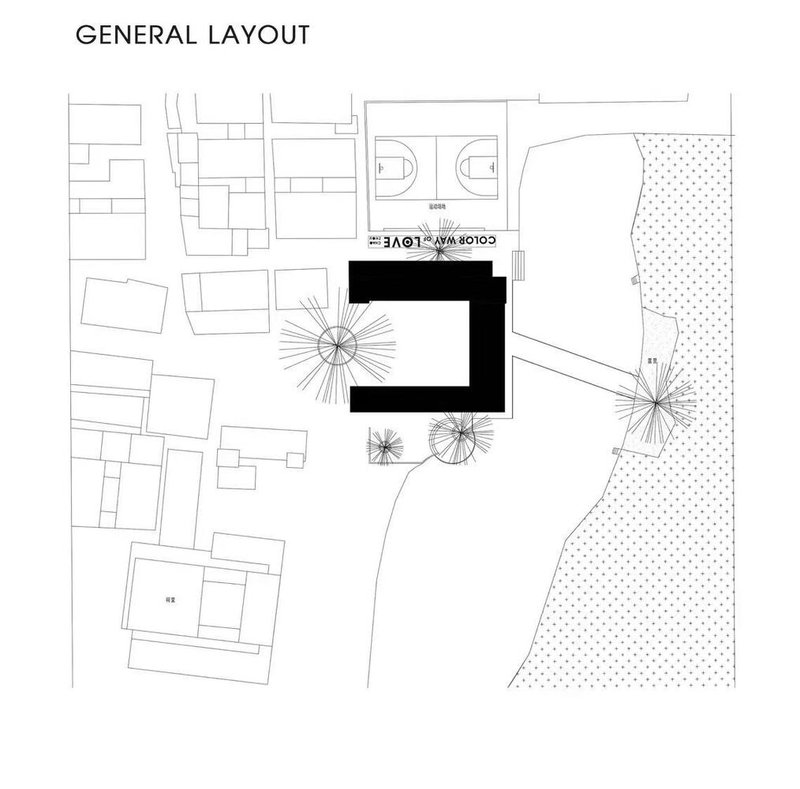
The original site consisted of a quadrangle courtyard with a two-story teaching building and auxiliary rooms for teachers. By dismantling walls and using advanced steel and wood structures, the architects transformed the space into a borderless communal center.
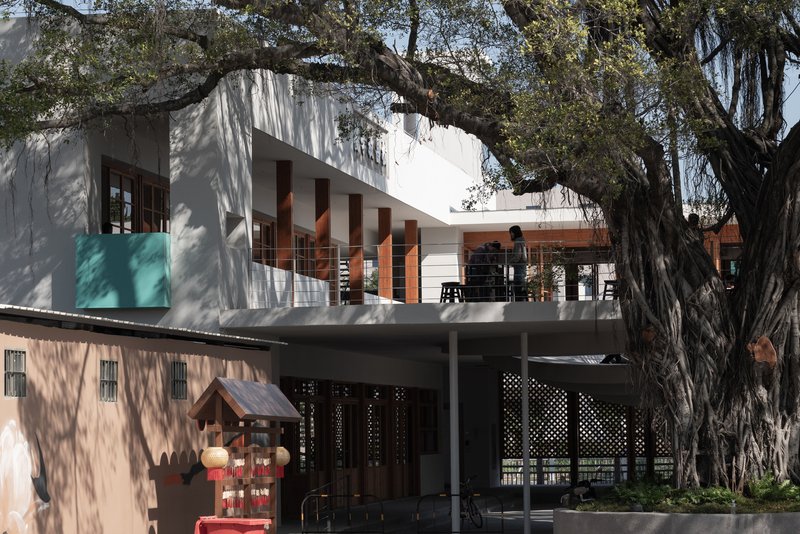
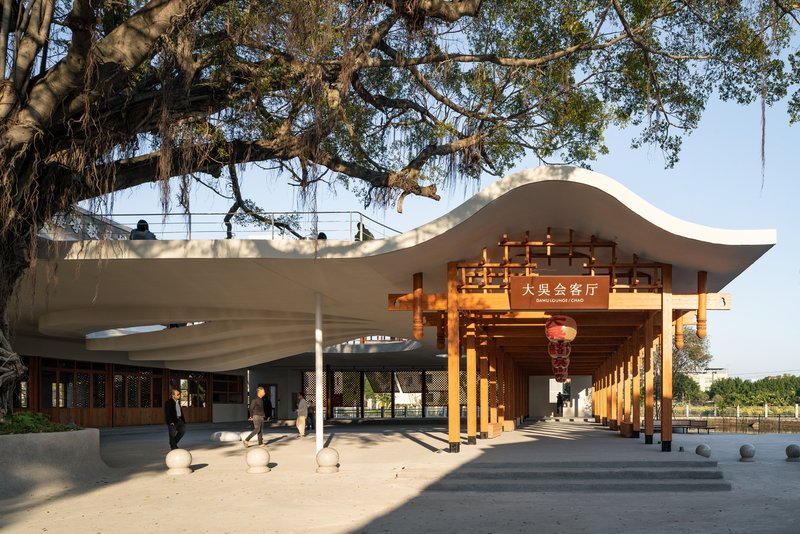
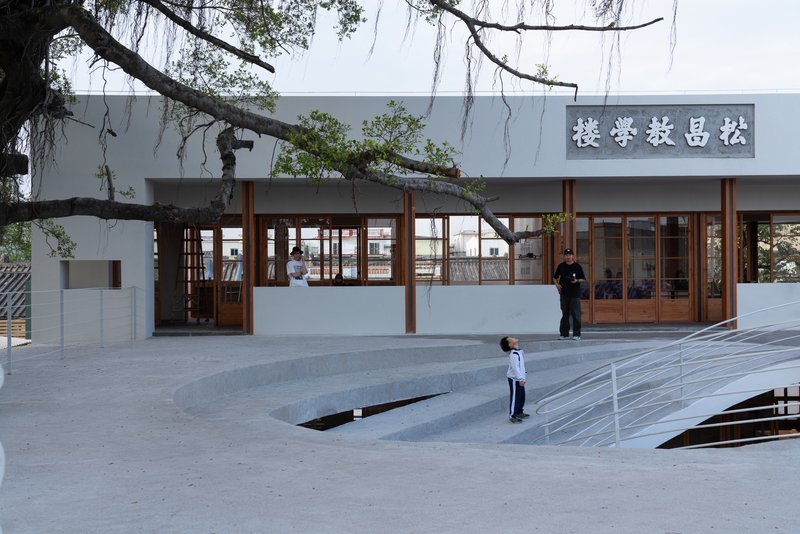
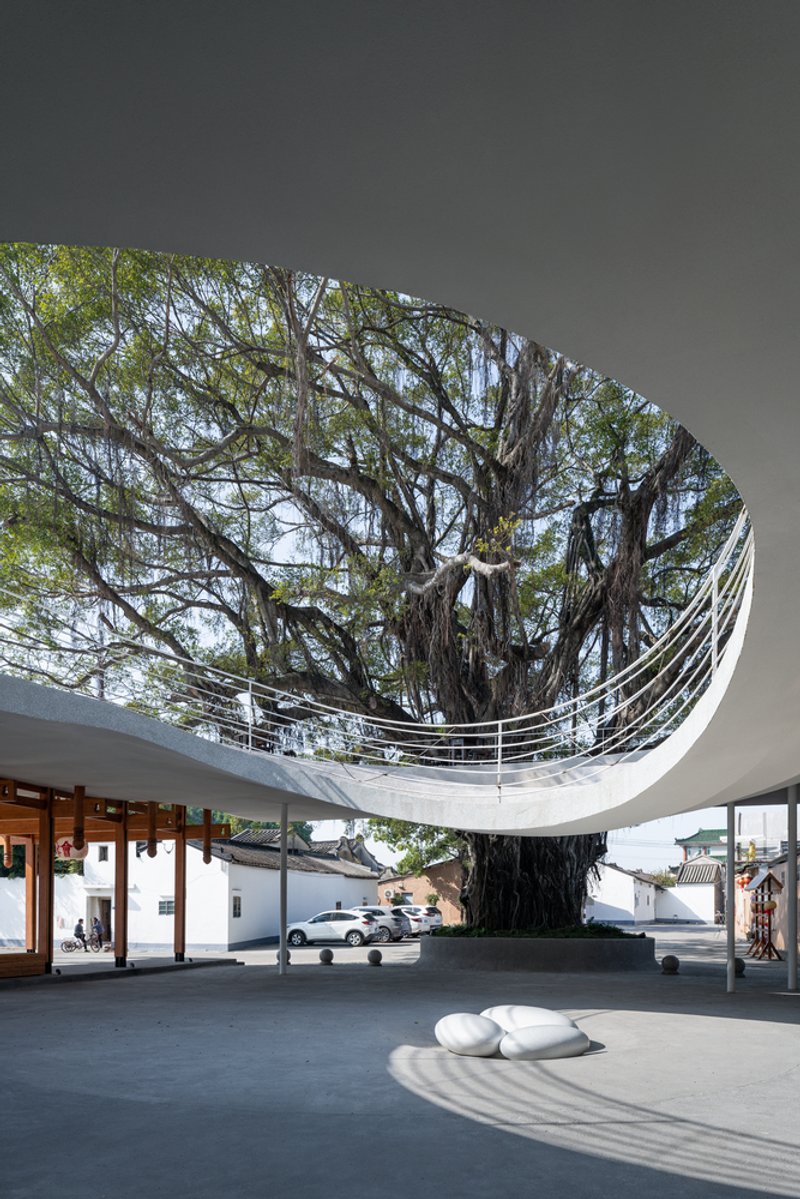
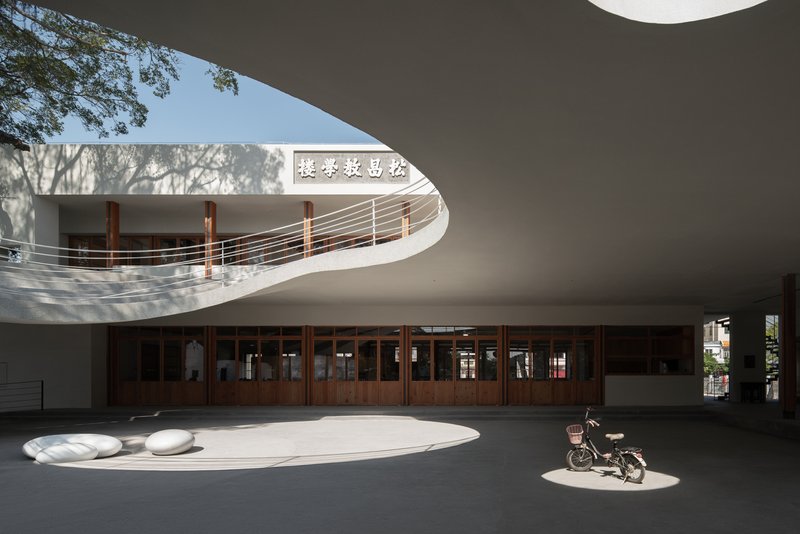
The design extends outward from the banyan tree, with a curved platform connecting the first and second floors. This creates a three-dimensional, bleacher-like space where people can gather, just as they would under the tree. The project seamlessly combines traditional elements with contemporary materials, offering a dialogue between old and new.
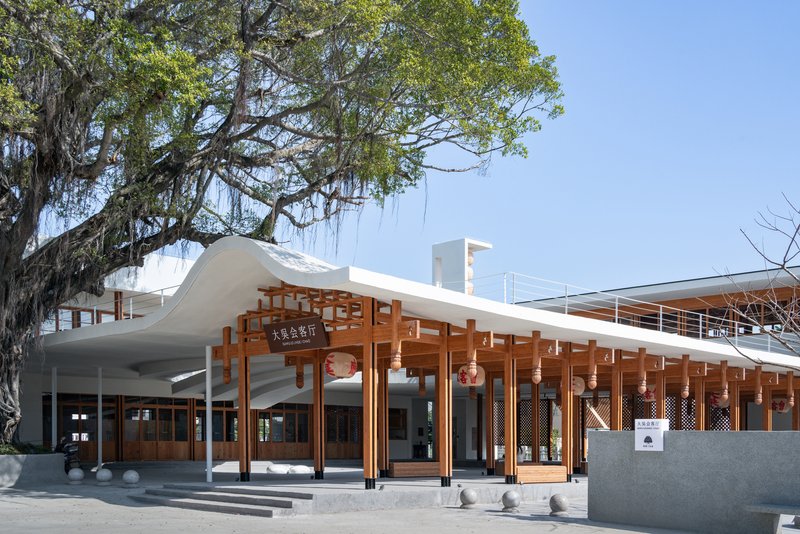
A Blend of Old and New
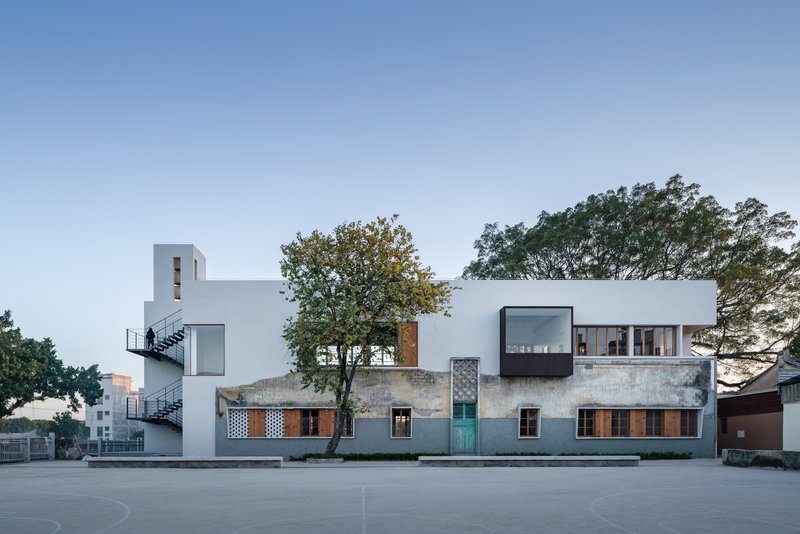
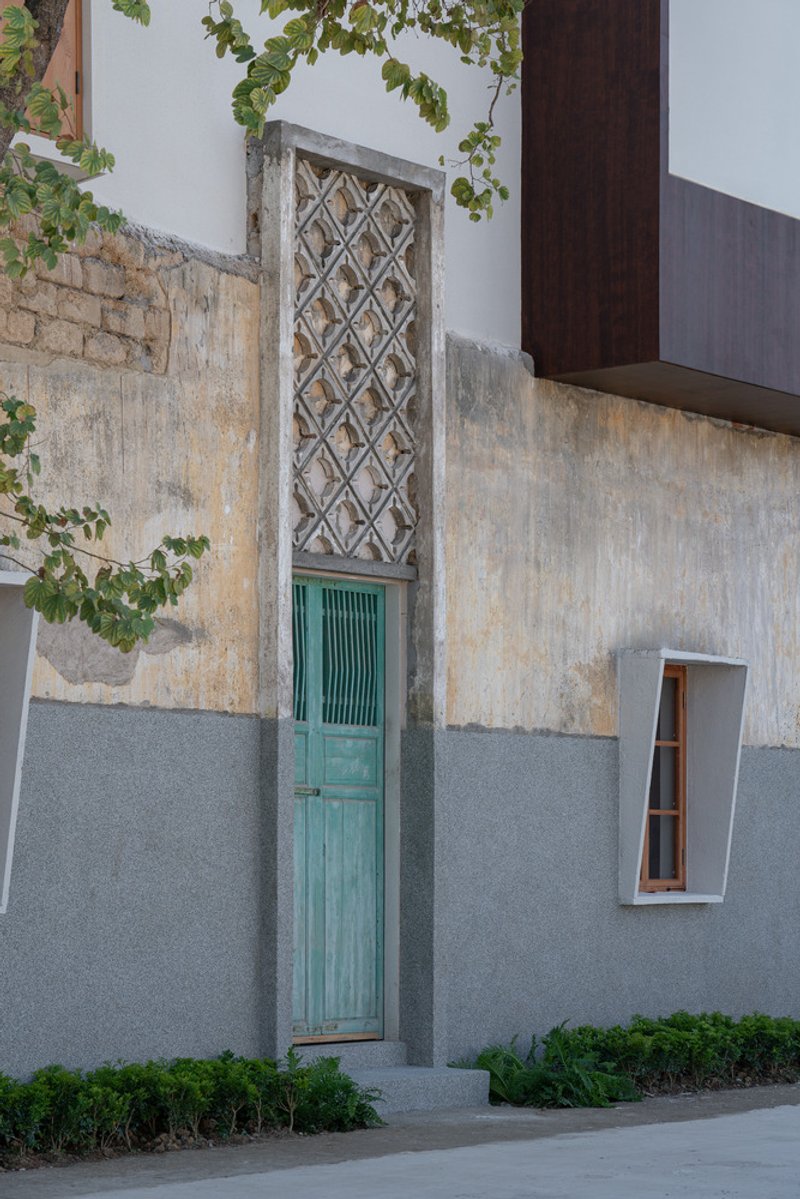
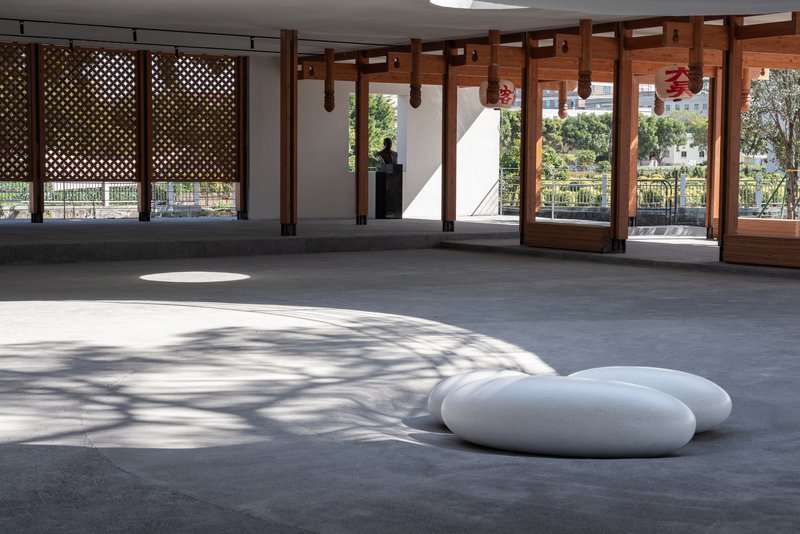
One of the standout features of the Living Room of Dawu Village is its harmonious integration of historic and modern elements. The architects preserved the plaque of the "Songchang Teaching Building," graffiti-painted brick walls, and a green wooden door from the original structure. Local construction techniques were honored, using powdered shells and sand to create wall tiles, alongside stone tablets, wood carvings, and nameplates that evoke Chaozhou’s cultural identity.
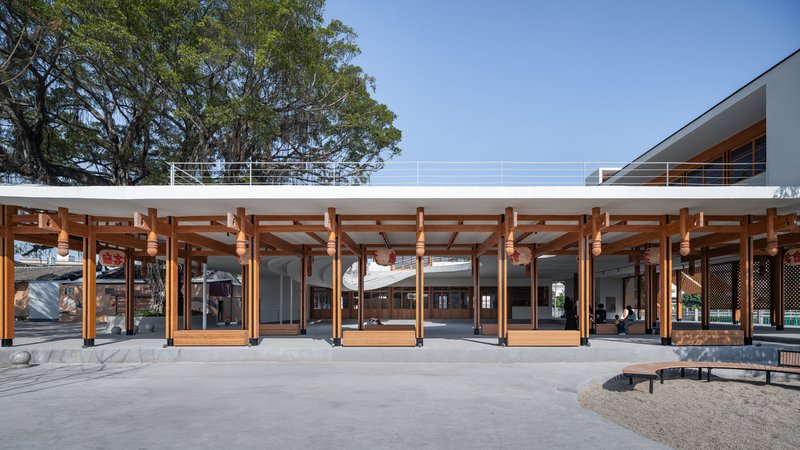
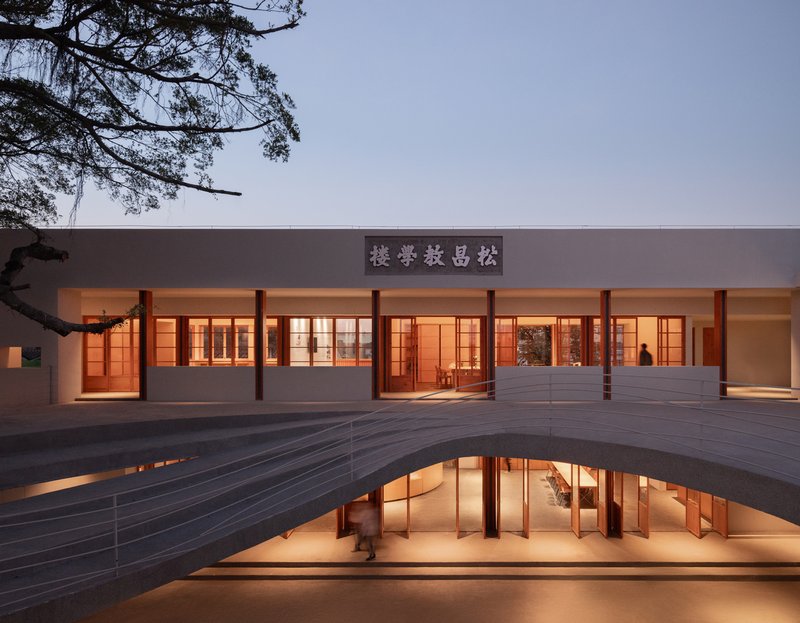
In contrast, new materials such as washed stone for doors and windows complement the traditional aesthetics. This blend ensures that the renovated building retains a sense of familiarity while embracing modern functionality.
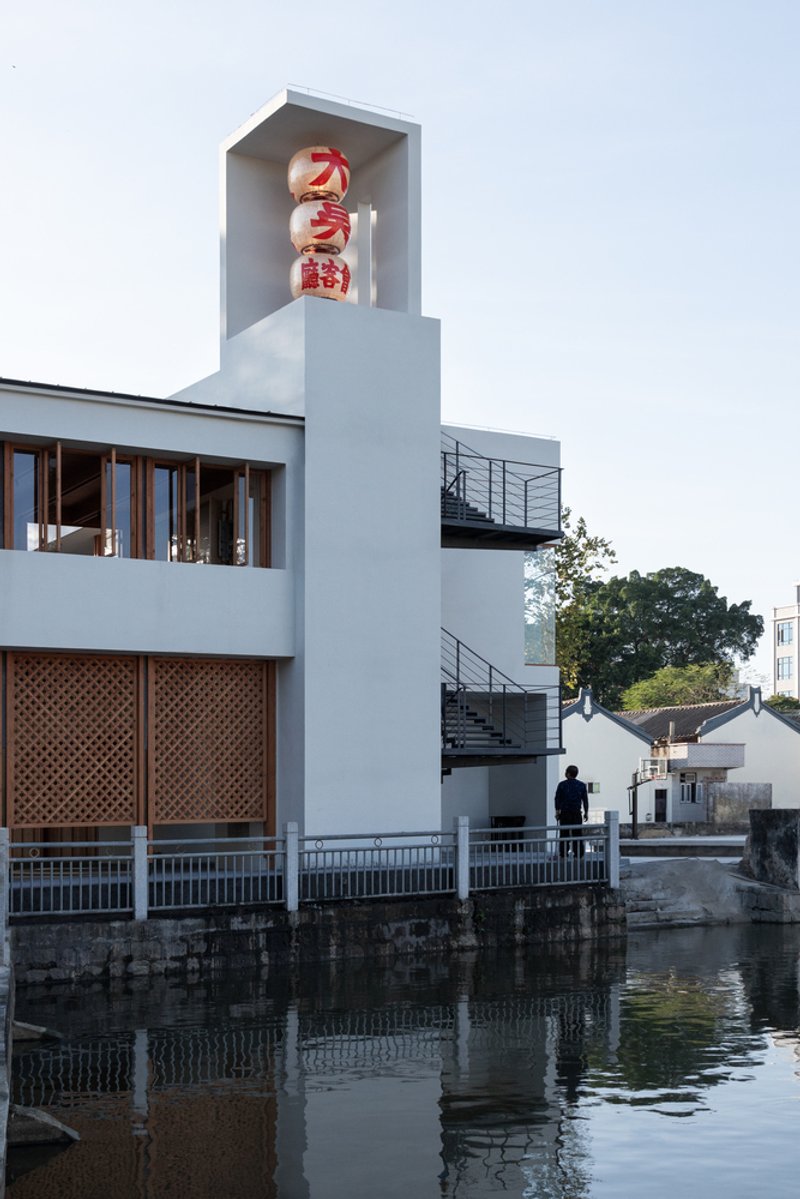
Functional and Flexible Spaces
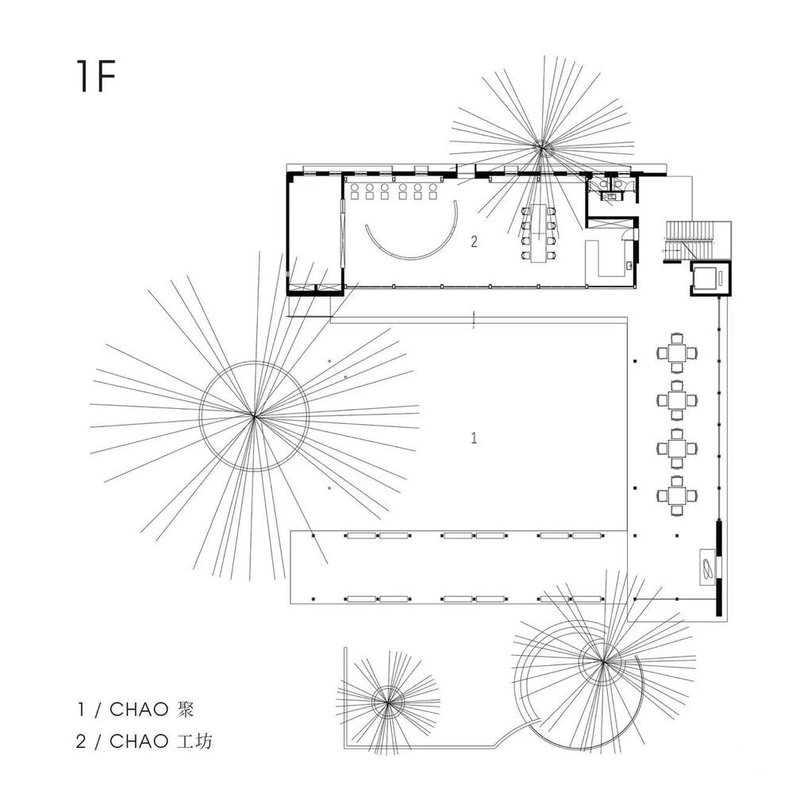
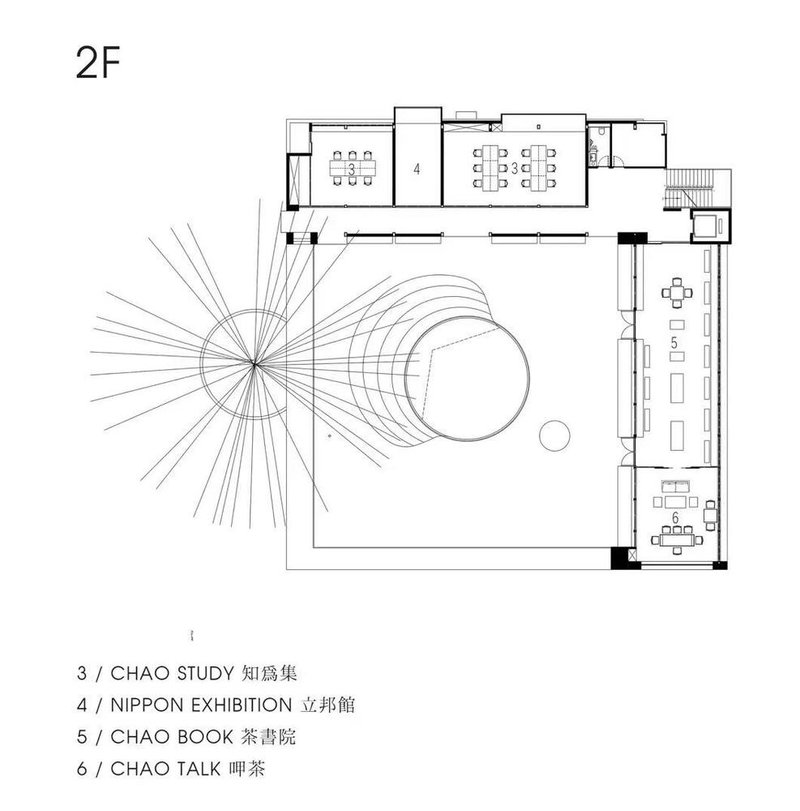
The Living Room of Dawu Village is designed to meet the diverse needs of the community. The first floor houses corridors, a theater, a handicraft workshop, and a shared kitchen, while the second floor includes a self-study room, tea house, and cultural heritage experiential room.
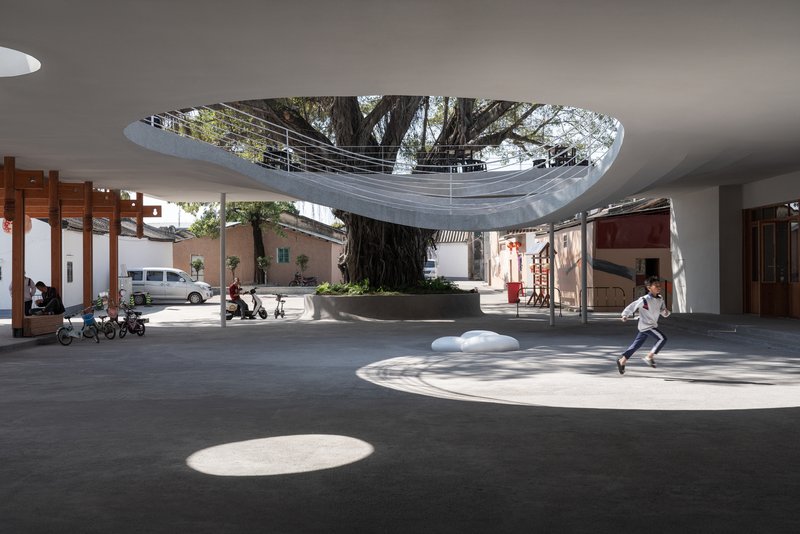
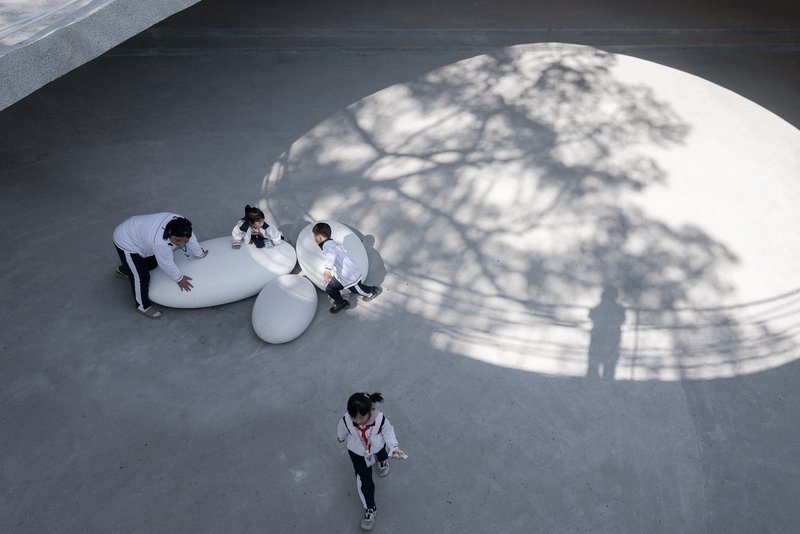
Children study and play here after school, parents gather for tea, and the elderly socialize. The space also accommodates cultural activities like Chao Opera rehearsals, ancestor worship, and festive celebrations. Its multifunctionality makes it a true "living room" for the entire village.
Architectural Challenges
Building a structure that mimics the banyan tree’s shade was no small feat. The 20-meter span of the roof has no exposed pillars, achieved through a lightweight yet load-bearing design. The steel structure, only 22 centimeters thick, provides a sense of openness and serves as a focal point for the project.
The renovation required balancing structural ingenuity with cultural sensitivity, ensuring the space feels both modern and deeply rooted in tradition.
A Space for All Seasons
The Living Room of Dawu Village is more than just a building—it is a dynamic public center where villagers can gather for leisure, ceremonies, and everyday activities. The design encourages inclusivity and peace, with spaces that adapt to various scenarios and weather conditions, from sunshine to rain.
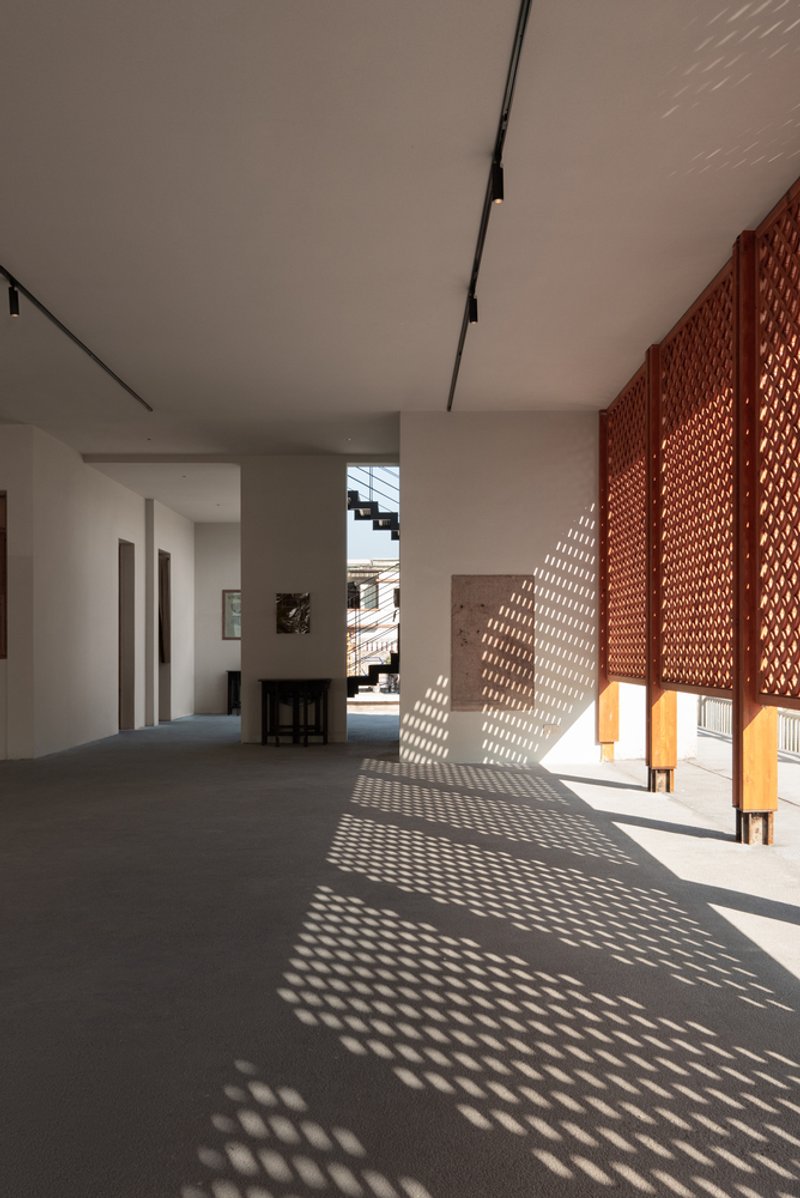
Architect Yi Gu describes the project as an extension of the banyan tree’s essence, creating a space that feels like home for everyone. The design embodies simplicity, functionality, and the original intention of architecture as a means to connect people.
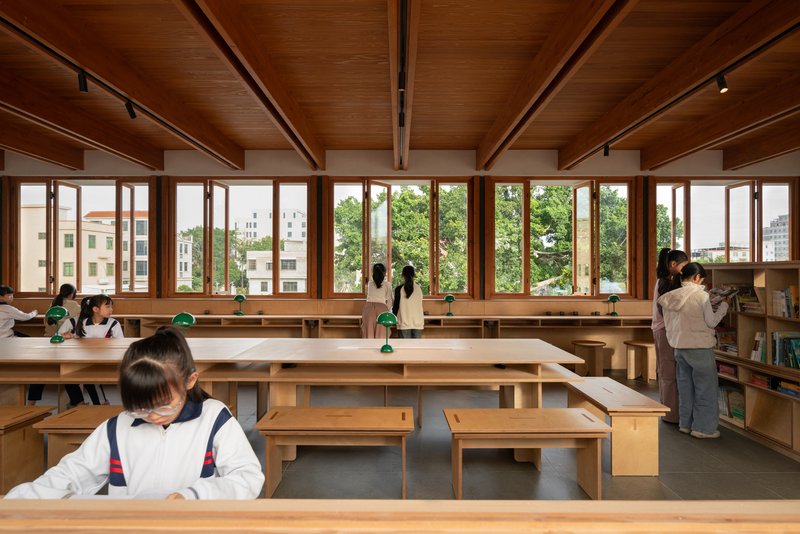
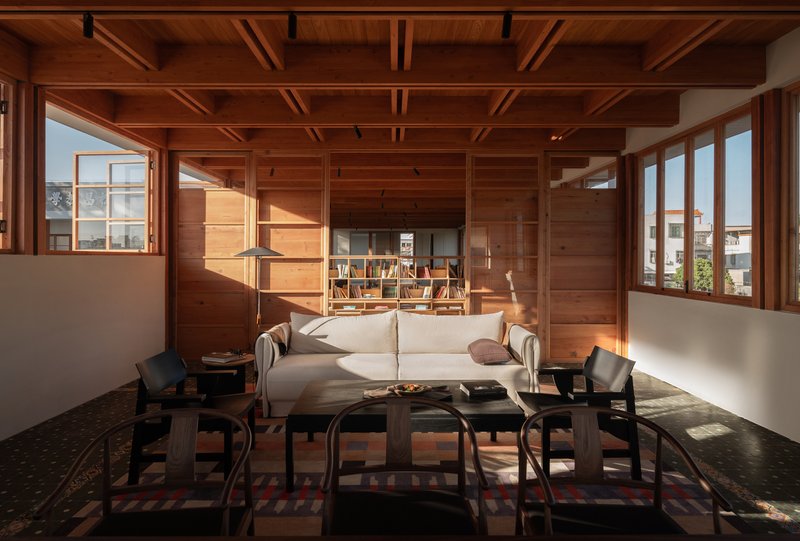
The Living Room of Dawu Village by Not A Studio is a masterpiece of cultural and architectural synthesis. By preserving the spirit of the banyan tree and integrating traditional elements with modern design, the project revitalizes the village’s social fabric while celebrating its heritage.
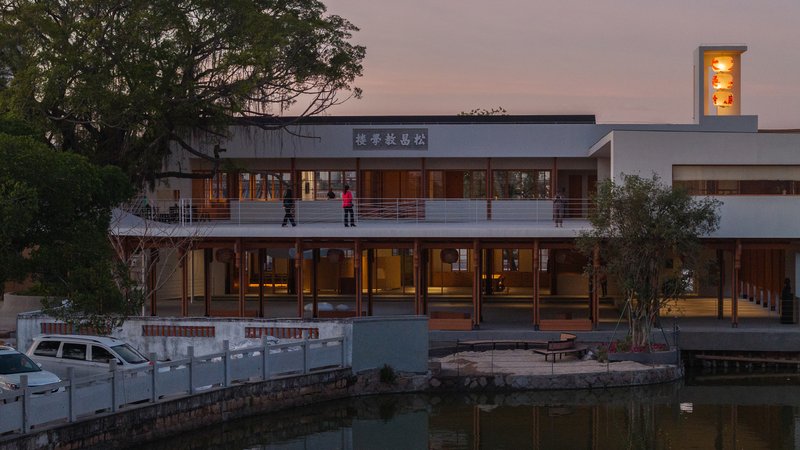
This innovative renovation demonstrates the power of architecture to transform spaces into meaningful places that enrich the lives of those who inhabit them. The Living Room of Dawu Village is not just a building; it is a symbol of community, heritage, and the enduring connection between people and their environment.
All Photographs are work of Y³ STUDIO, Qinfang Liao




Popular Articles
Popular articles from the community

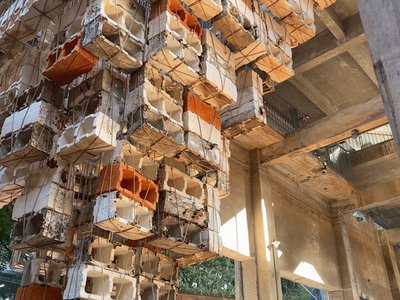
Inverted Architecture Installation by Studio Link-Arc: Exploring the Intersection of Architecture and Living Organisms
Inverted Architecture Installation by Studio Link-Arc blends mycelium, sustainability, inverted design, ecological cycles, and urban adaptive architecture in Shenzhen.
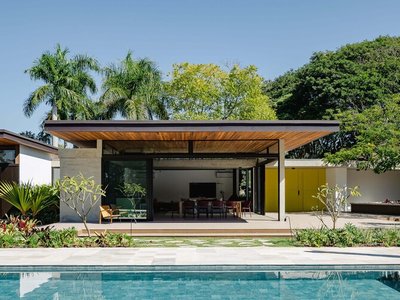
Flamboyant House by Juliana Camargo + Prumo Projetos
Modern Brazilian house integrating existing tree, pool, and volumes with glass, wood, and transitional spaces blending interior, exterior, and landscape seamlessly.
On the Brooks House by Monsoon Collective – A Contemporary Kerala Home Rooted in Tradition
Kerala home blending tradition and modernity with water-inspired design, brick architecture, courtyard planning, and sustainable rainwater harvesting strategies.
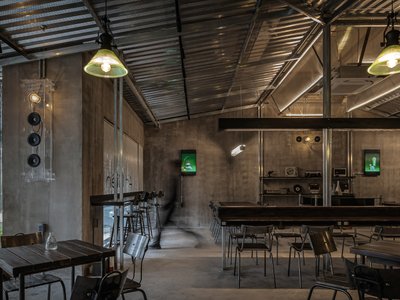
An Miên Lumière Cafe by xưởng xép, Ho Chi Minh City, Vietnam
An industrial-inspired café where layered steel and warm light create a dynamic, immersive environment shaped by reflection, depth, and perception.

Similar Reads
You might also enjoy these articles


The Ken Roberts Memorial Delineation Competition (Krob)
As the most senior architectural drawing competition currently in operation anywhere in the world, it draws hundreds of entries each year, awarding the very best submissions in a series of medium-based categories.


Waterfront Redevelopment and Urban Revitalization in Mumbai: Forging a New Dawn for Darukhana
A transformative waterfront redevelopment project reimagining Darukhana’s shipbreaking heritage into an inclusive urban future.

OUT-OF-MAP: A Call for Postcards on Feminist Narratives of Public Space
Rhizoma Design and Research Lab invites artists, designers, architects, researchers, and students to reflect on how feminist perspectives can reshape public space. Selected works will be exhibited in Barcelona, October 2026. Submissions open until 15 April 2026.

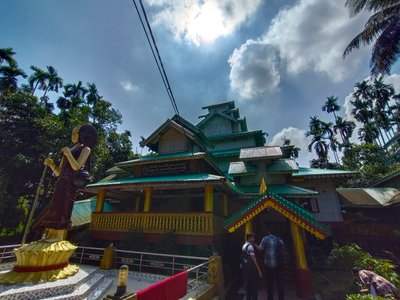
Documentation Work on Buddhist Wooden Temple
Architectural syncretism and cultural hybridity: A comparative study of the Buddhist temples in Chattogram Hill tracks
Explore Architecture Competitions
Discover active competitions in this discipline




The International Standard for Design Portfolios


The Global Benchmark for Architecture Dissertation Awards


The Global Benchmark for Graduation Excellence


Challenge to reimagine the Iron Throne
Comments (0)
Please login or sign up to add comments
No comments yet. Be the first to comment!