
MASP Expansion Project: Transforming São Paulo’s Landmark Museum with Modern Design and Sustainability
The MASP Expansion Project introduces the Pietro Maria Bardi Building, enhancing São Paulo’s iconic museum with modern architecture and sustainability.

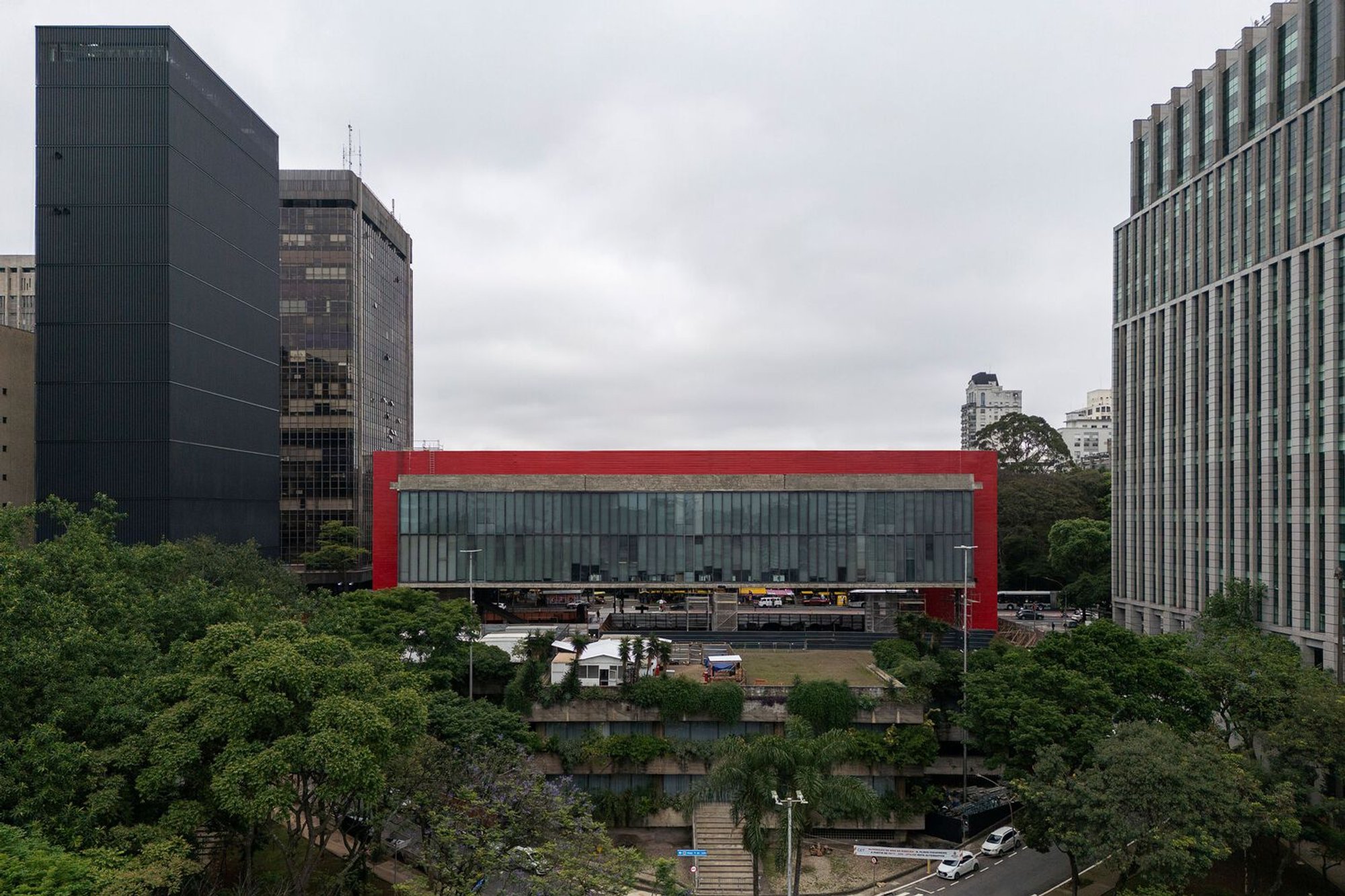
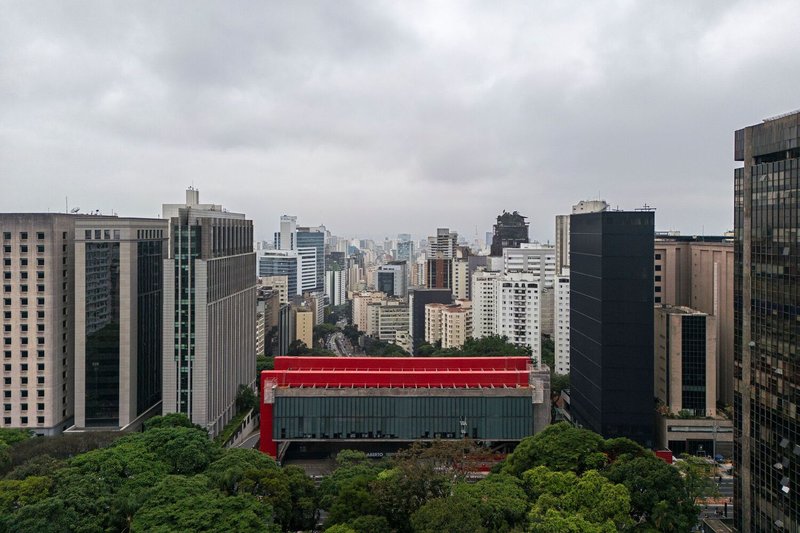
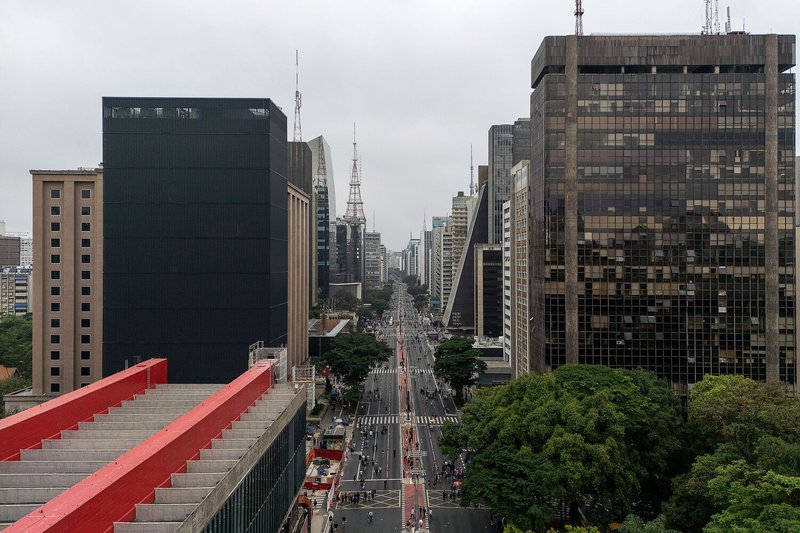
The MASP Expansion Project marks a defining chapter in the evolution of the Museu de Arte de São Paulo Assis Chateaubriand (MASP), one of Brazil’s most iconic cultural landmarks. Spearheaded by Metro Arquitetos, under the leadership of Martin Corullon and Gustavo Cedroni, this ambitious architectural development introduces the Pietro Maria Bardi Building as a contemporary extension that elevates the museum’s exhibition capacity and visitor experience. Set in the heart of Avenida Paulista, the project is a sophisticated blend of architectural innovation and sustainable design, paying homage to Lina Bo Bardi’s original masterpiece while addressing the evolving needs of a modern museum.
Design Vision Behind the MASP Expansion Project
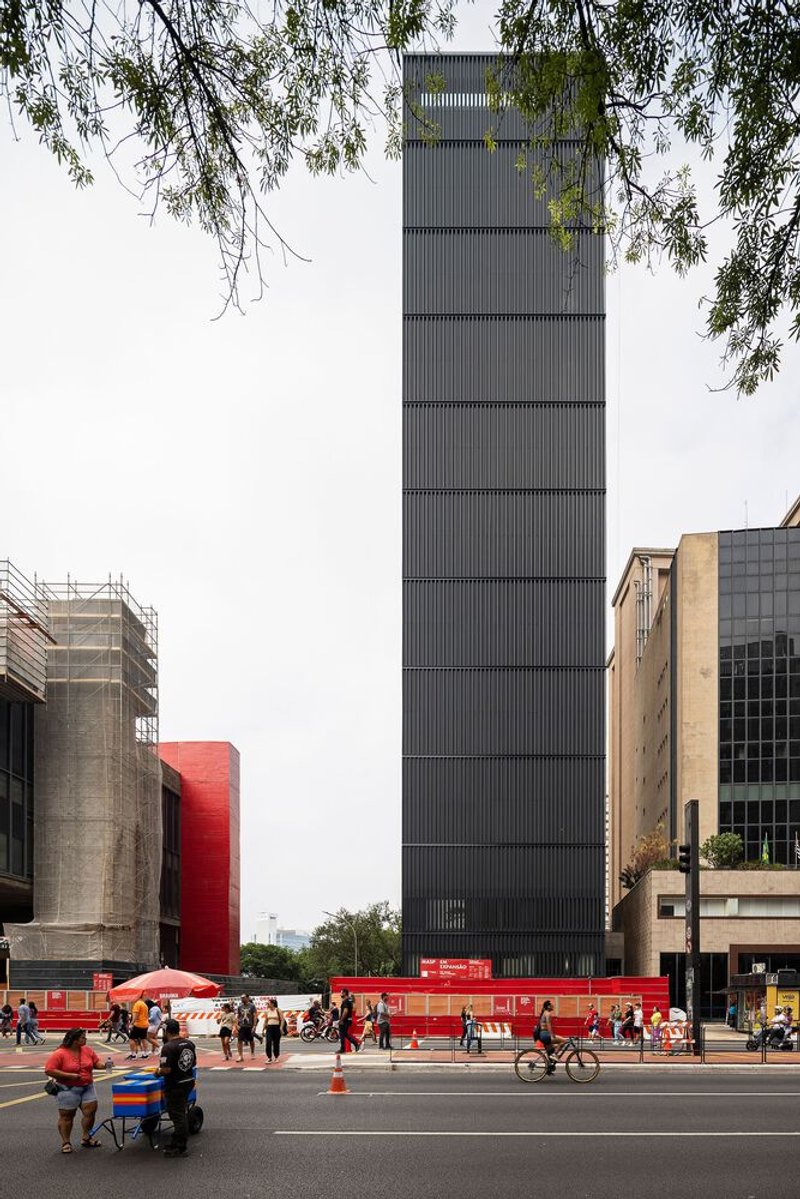
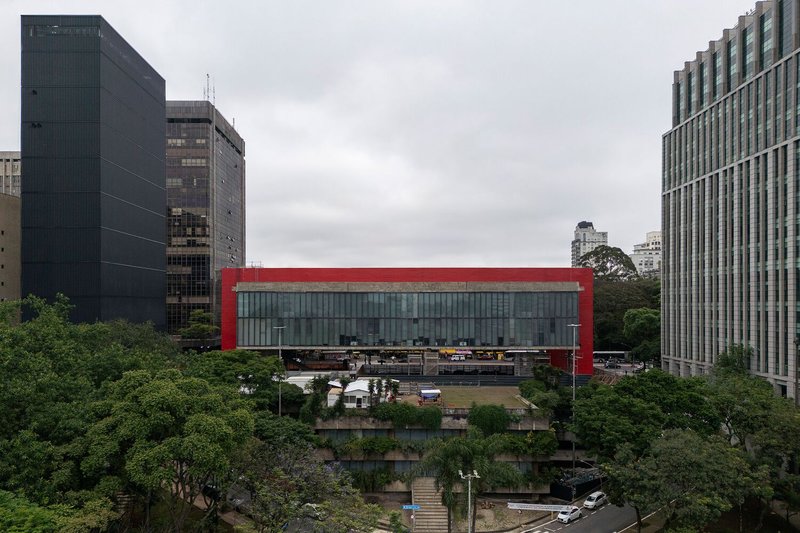
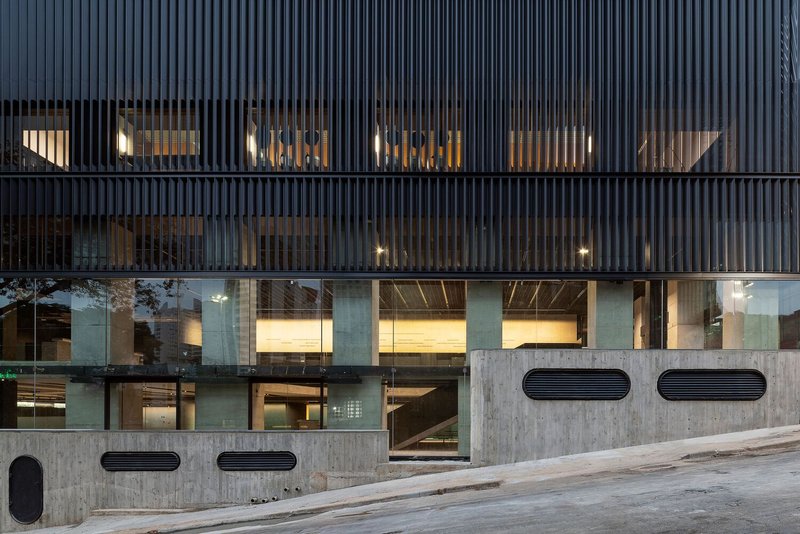
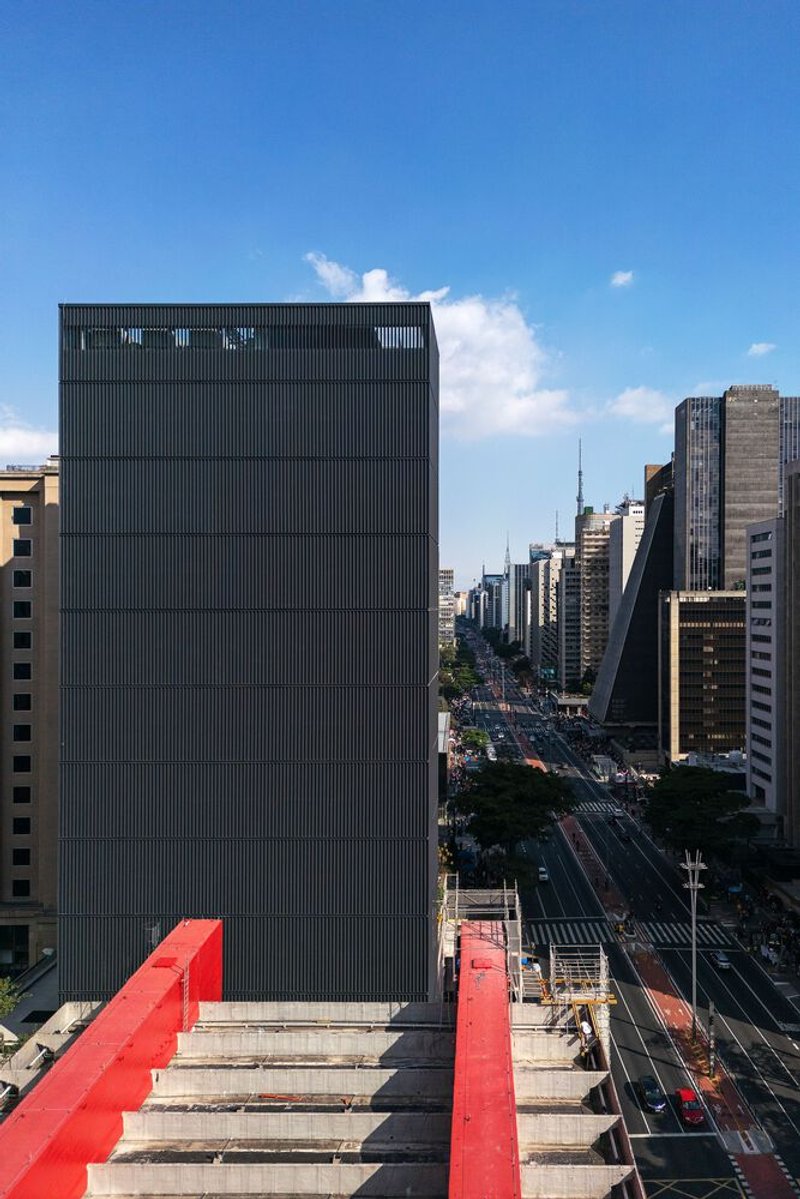
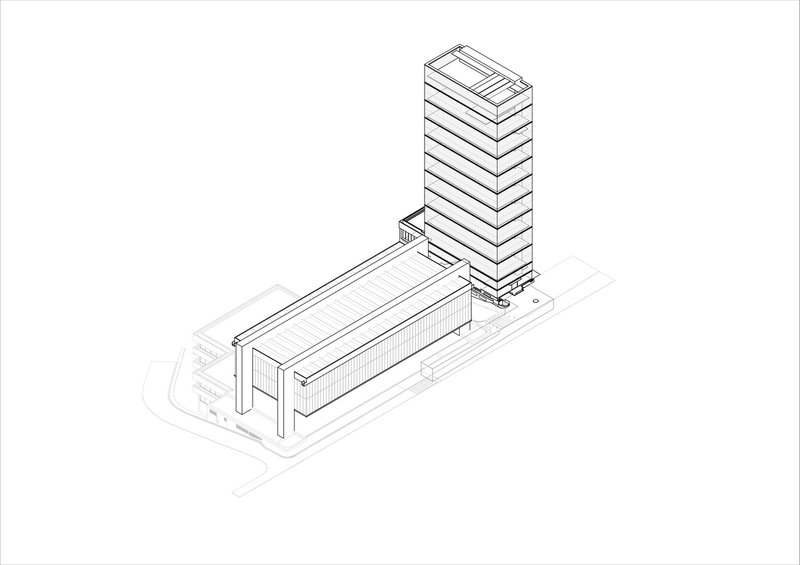
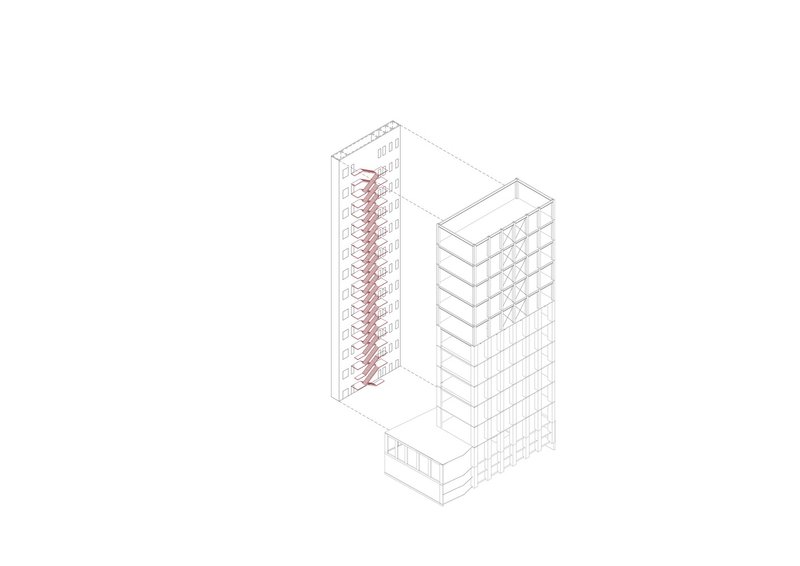
The architectural vision for the MASP Expansion Project balances modernity with respect for the historical significance of the original MASP building, designed by Lina Bo Bardi in 1968. The new Pietro Maria Bardi Building stands as a 14-story vertical structure, expanding the museum’s area by 7,821 square meters and increasing exhibition capacity by 66%. Its rectangular prism design, with a transparent base, mirrors the free span concept of the original MASP structure, ensuring visual continuity along Avenida Paulista.
The addition seeks to integrate seamlessly with Lina Bo Bardi’s bold red structure, rather than compete with its architectural prominence. This expansion reflects a broader global trend in vertical museum architecture, inspired by institutions in New York and other metropolitan cultural hubs.
Sustainable Architecture and Innovative Metal Façade
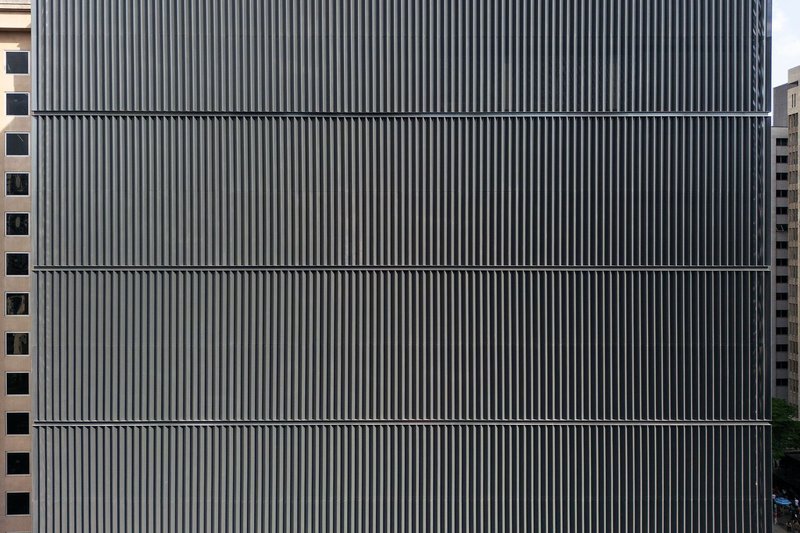
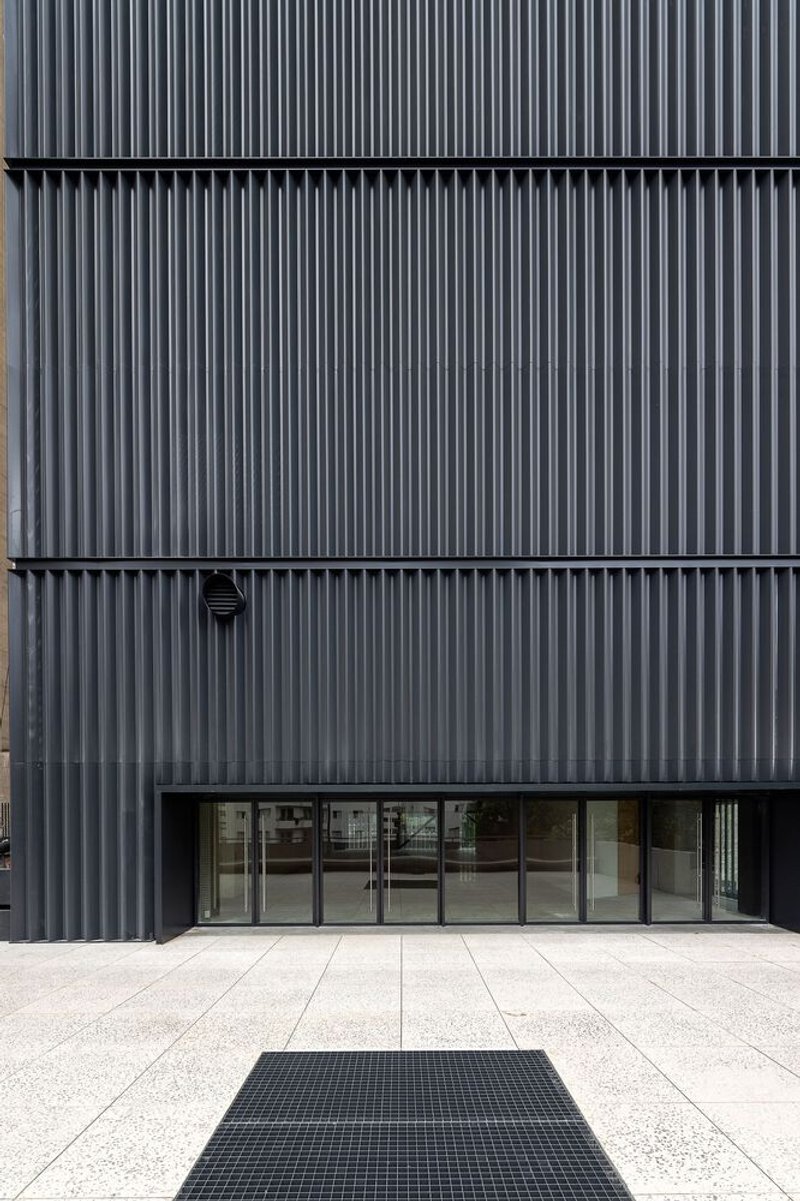
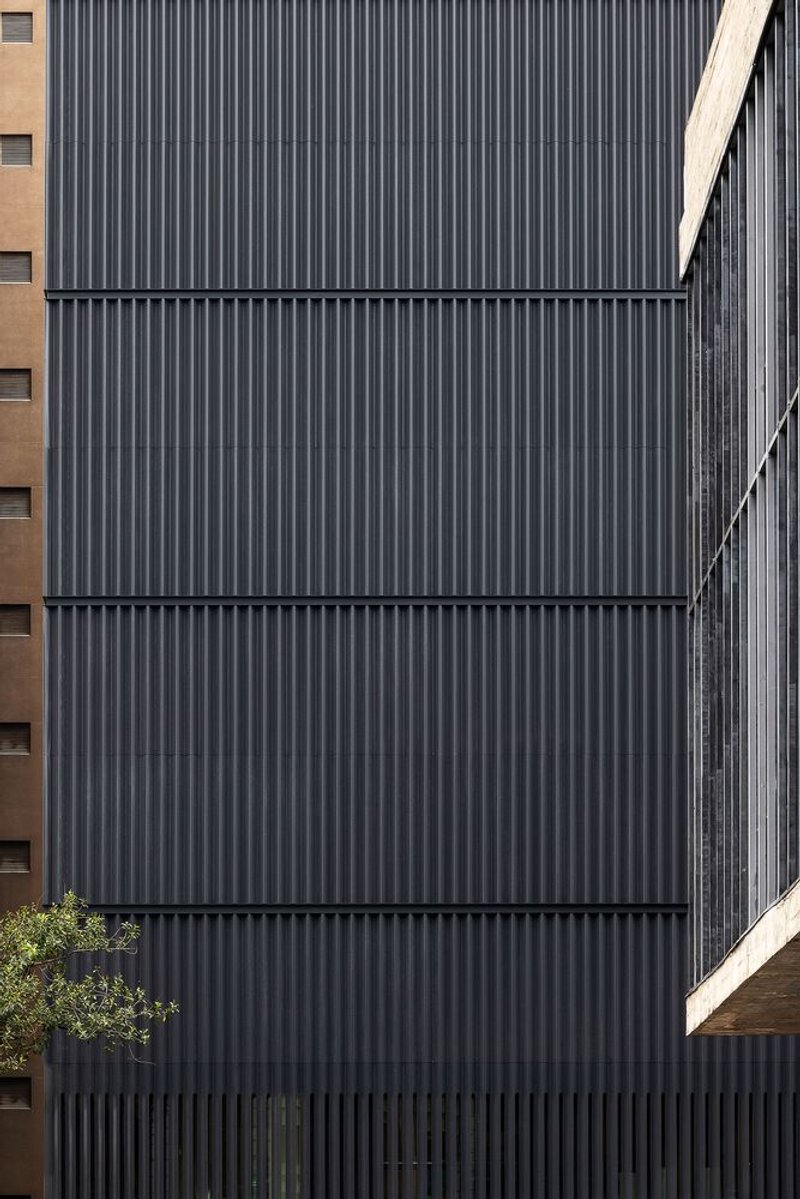
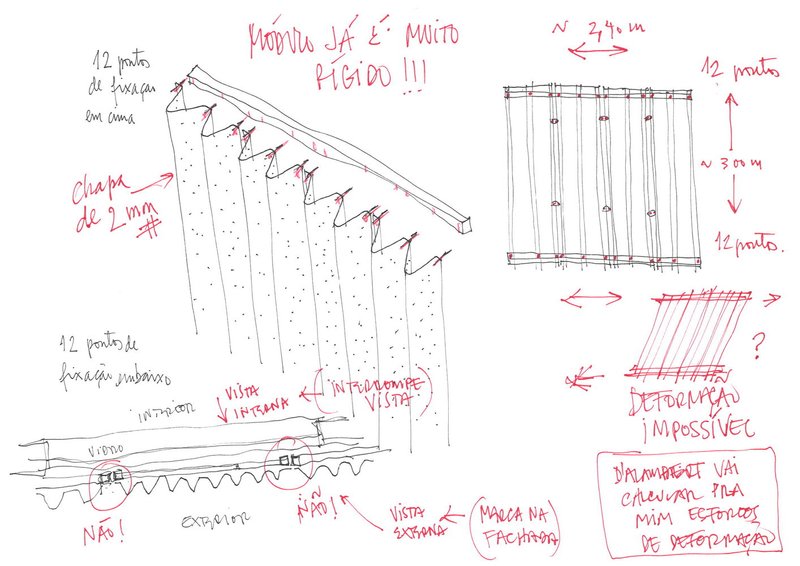
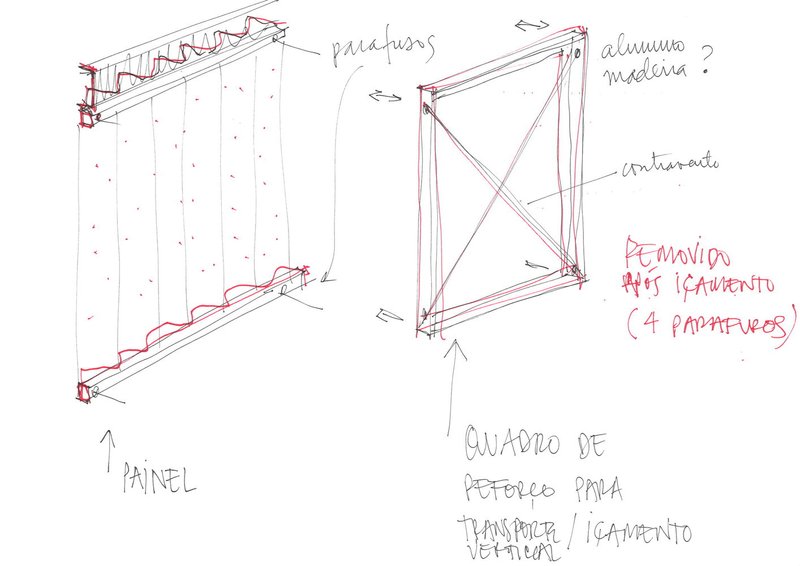
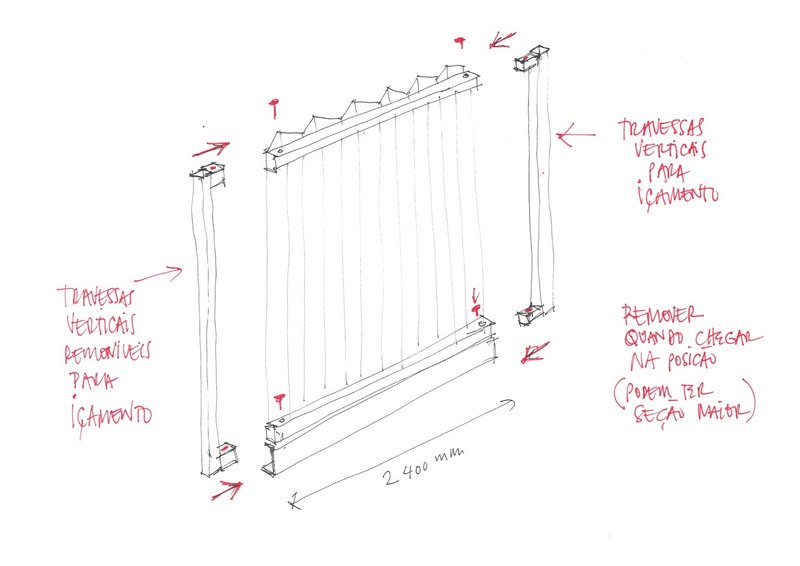
A defining feature of the MASP Expansion Project is its innovative perforated and pleated metal façade, which wraps around the Pietro Maria Bardi Building like a protective skin. This architectural solution enhances energy efficiency by controlling sunlight exposure and reducing internal heat, subsequently lowering the demand on the air conditioning system. The metal cladding achieves both functional and aesthetic objectives, creating a sleek, contemporary volumetry that resonates with the geometric purity of Lina Bo Bardi’s design.
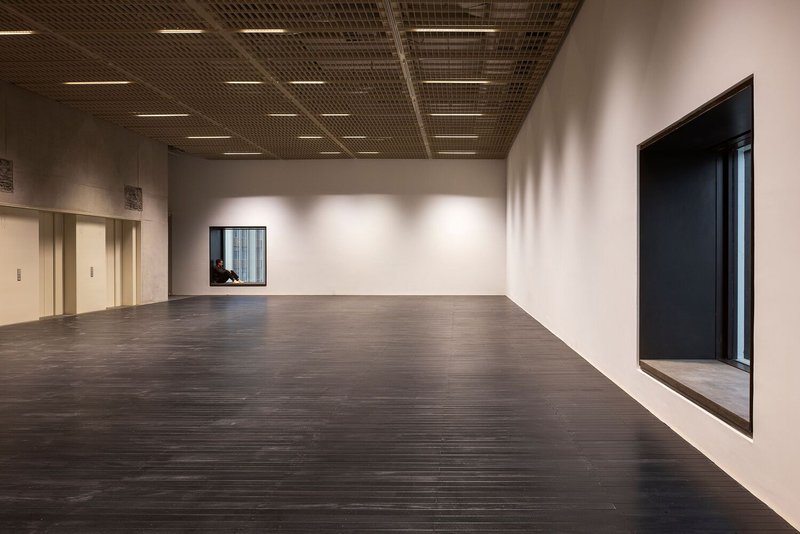
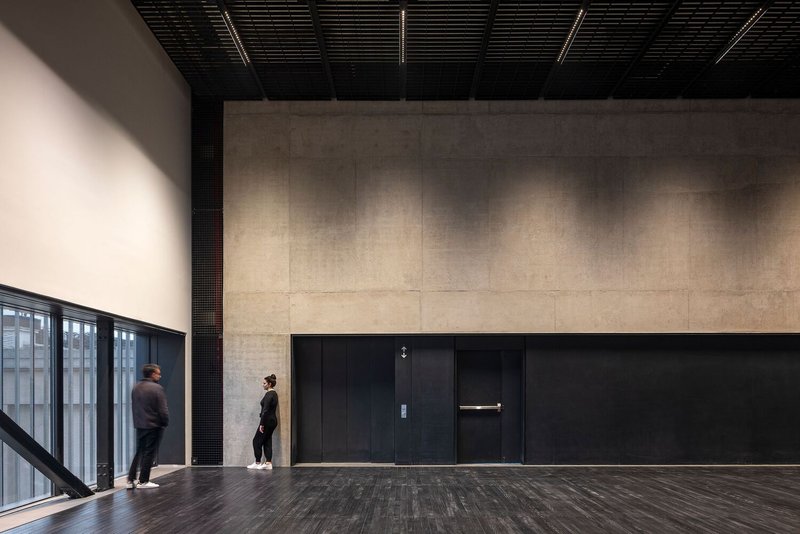
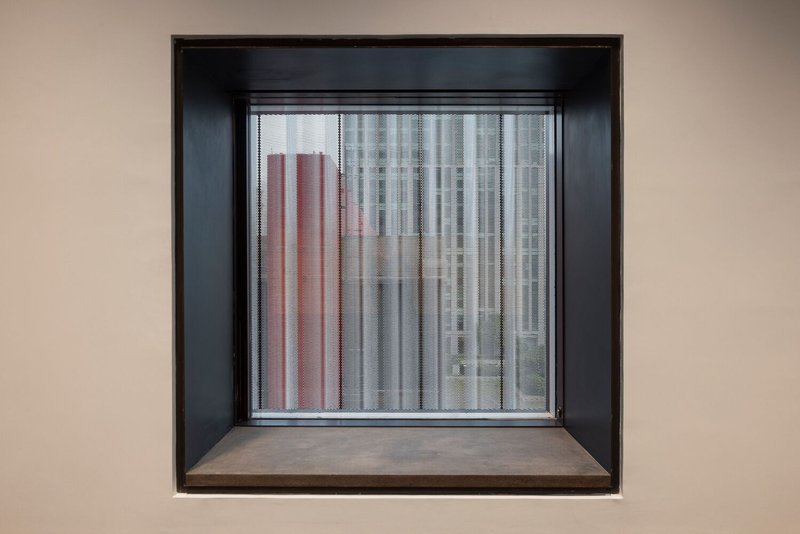
The MASP Expansion Project has secured LEED certification, underscoring its commitment to sustainable building practices. The construction utilizes highly durable materials, emphasizing longevity while reducing the need for future renovations. Smart ventilation systems and automated LED lighting contribute to energy efficiency, minimizing the museum’s environmental footprint.
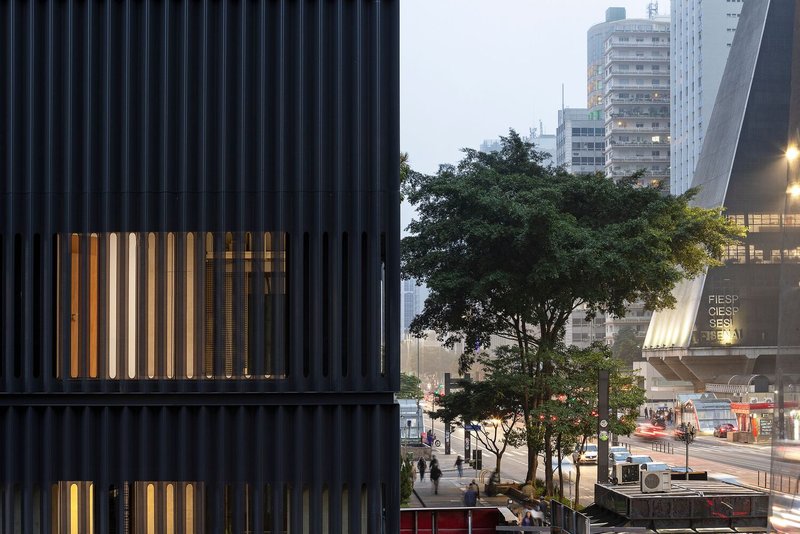
Connection Between Old and New Structures
One of the most innovative aspects of the MASP Expansion Project is the physical and functional connection between the Pietro Maria Bardi Building and the original MASP structure. A subterranean tunnel links the two buildings, facilitating the smooth transport of artworks and enhancing visitor circulation. This integration allows the free span beneath Lina Bo Bardi’s original MASP to reclaim its intended role as an open public gathering space, a concept deeply rooted in the museum’s founding philosophy.
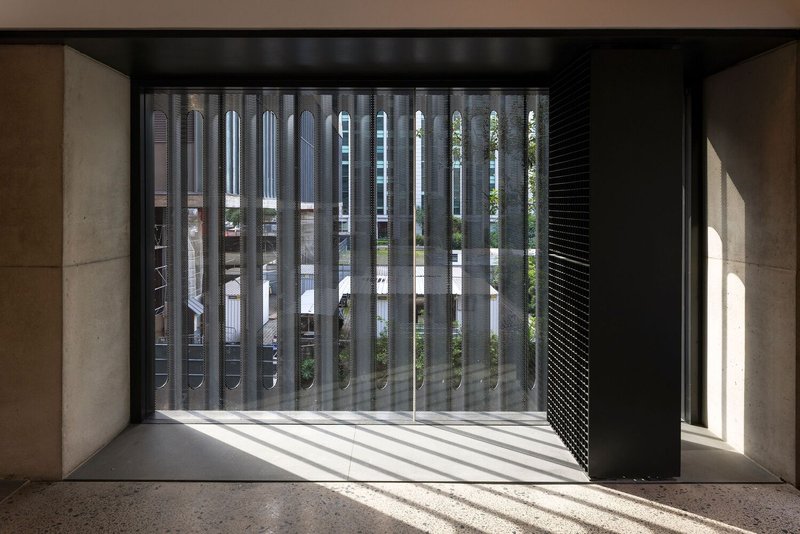
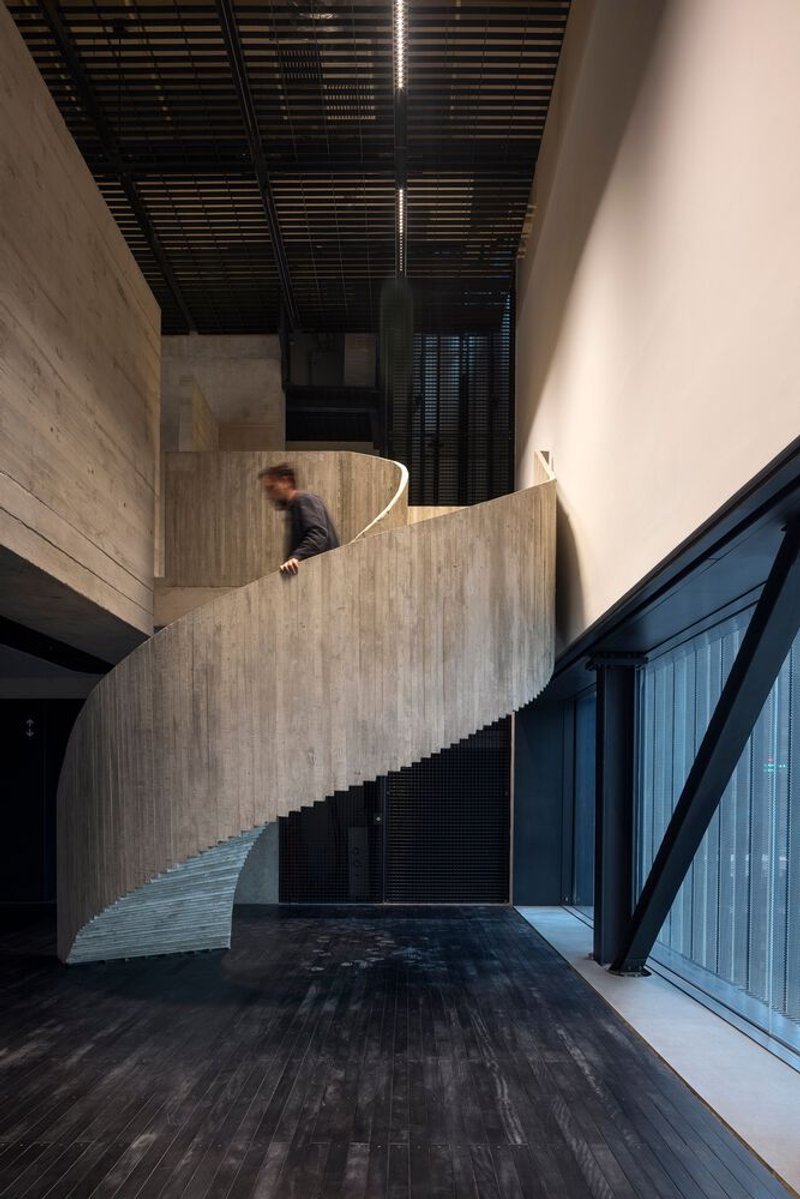
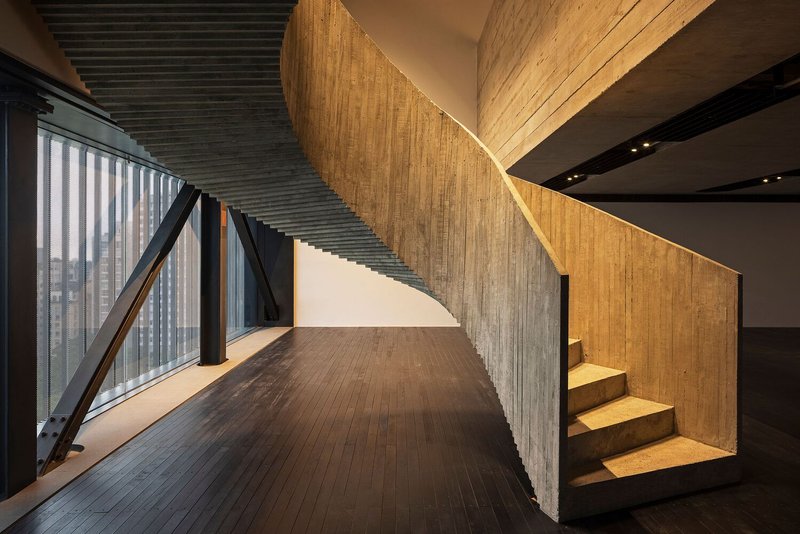
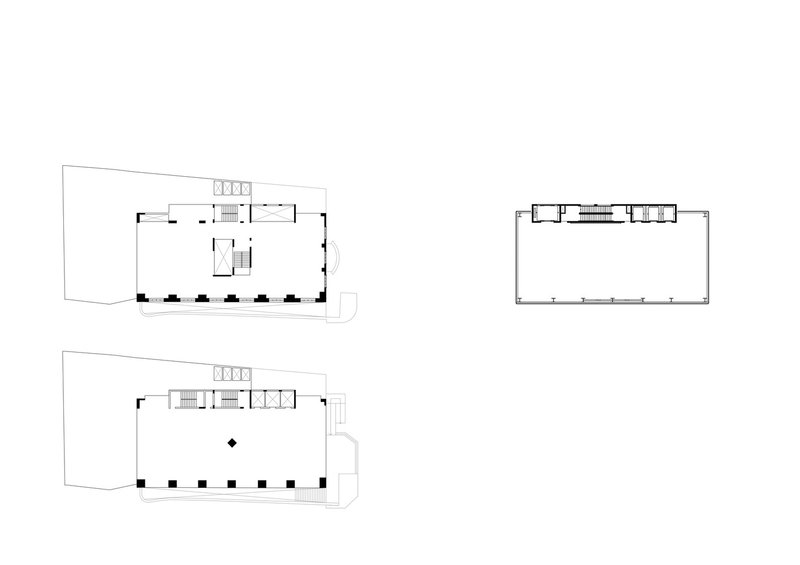
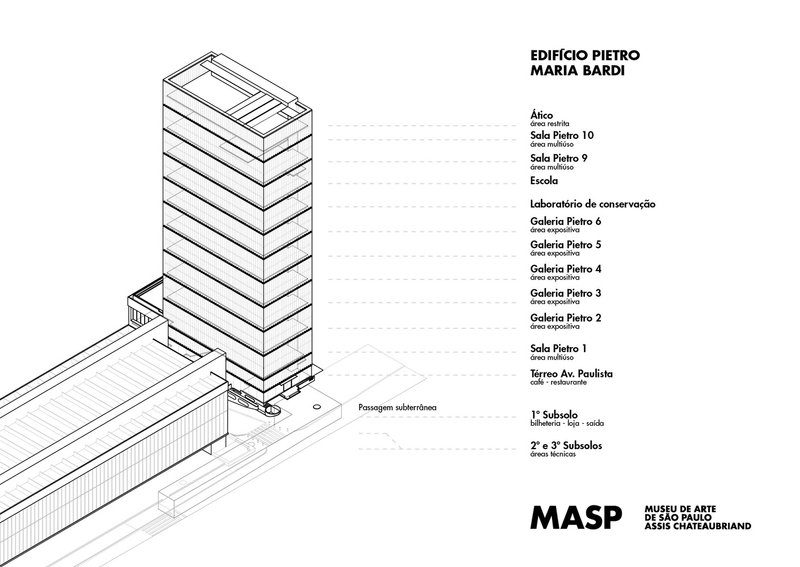
The MASP Expansion Project redefines circulation within the museum complex. Inspired by vertical museum typologies, the Pietro Maria Bardi Building features elevators and staircases designed to lead visitors from top to bottom. The staircases, illuminated by natural light and constructed with fireproof glass, offer a sense of openness, transforming escape routes into inviting public pathways.
Adaptive Reuse and Structural Challenges
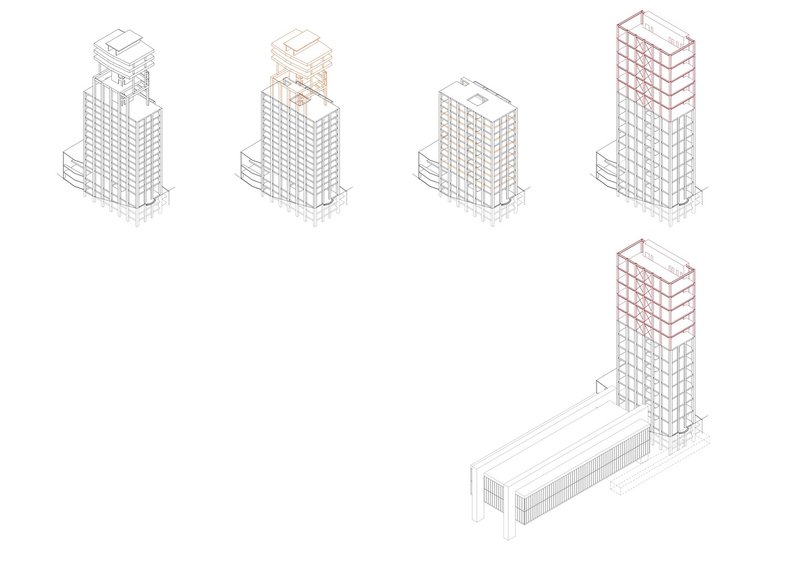
The MASP Expansion Project is not merely an addition but a reinterpretation of an existing 1940s building, which had been partially renovated in 2014 but left incomplete. Rather than demolishing the structure, Metro Arquitetos pursued a retrofitting approach, preserving original foundations and adapting the interior for cultural use. Ceilings were heightened by removing entire floors, creating spacious exhibition halls while retaining elements of São Paulo’s architectural history.
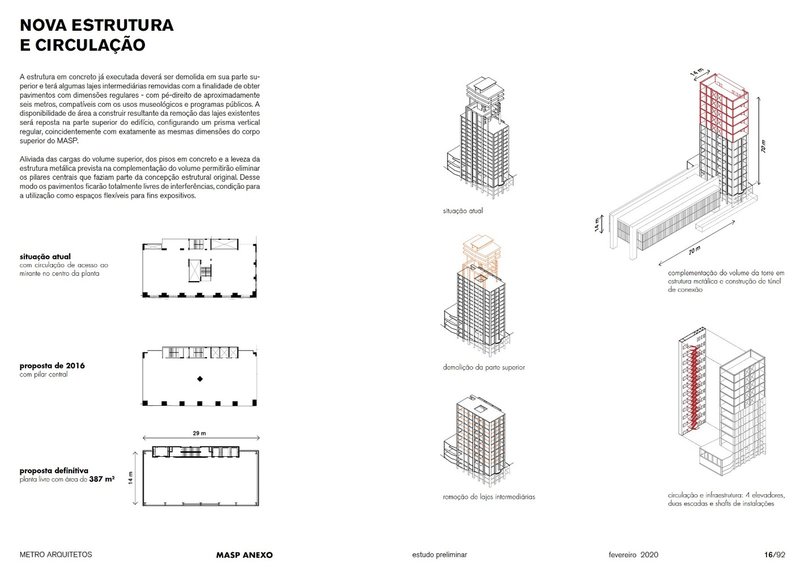
The adaptive reuse of pre-existing structures aligns with the city’s identity as a dynamic urban landscape in constant transformation. However, the construction process posed significant challenges. The partial demolition and simultaneous rebuilding demanded precision to avoid disrupting the bustling Avenida Paulista. The tunnel excavation, linking the Pietro Maria Bardi Building to the original MASP, represented an engineering feat, further emphasizing the complexity of integrating old and new.
Interior Design and Homage to Lina Bo Bardi
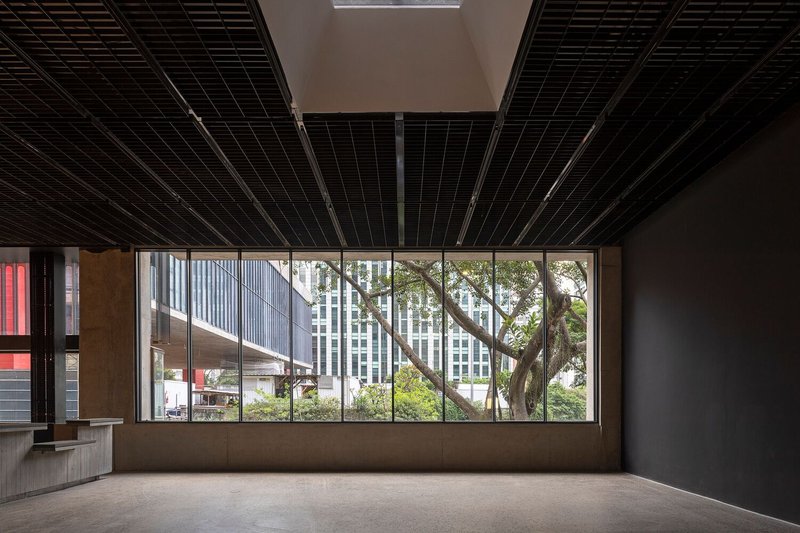
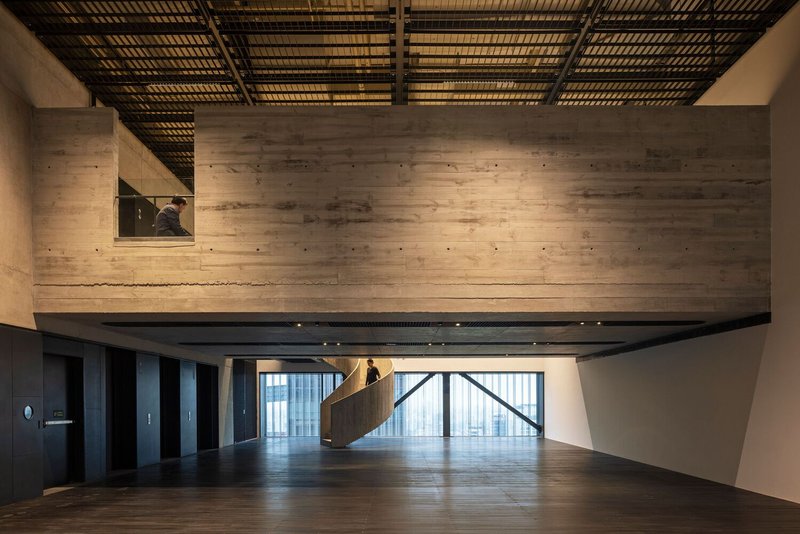
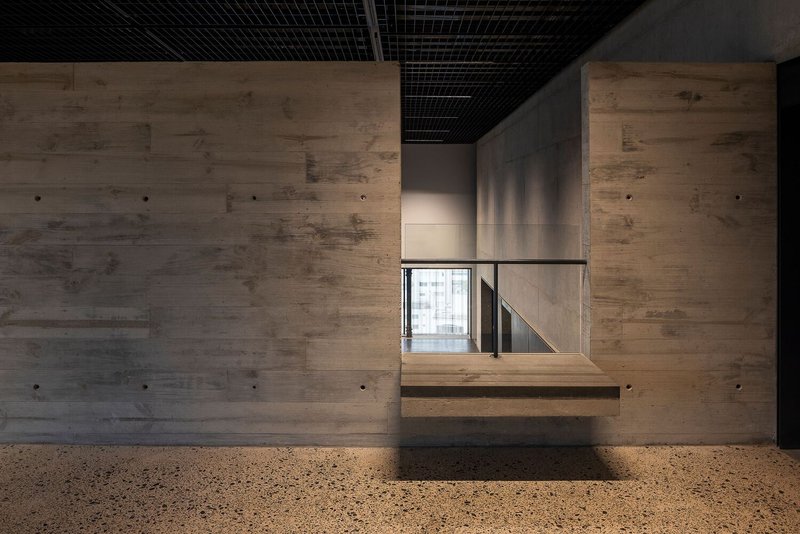
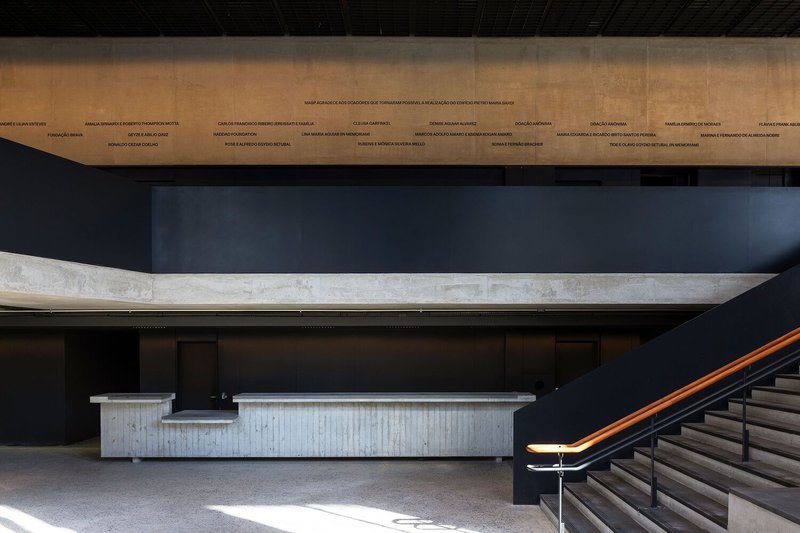
The MASP Expansion Project pays subtle homage to Lina Bo Bardi’s architectural language through material selection and interior detailing. The black hardwood flooring echoes the original MASP gallery floor, while basalt stone reappears in staircases and outdoor paving, fostering continuity across the two buildings. Exposed concrete, a signature element in Bo Bardi’s modernist aesthetic, reinforces the structural honesty that defines both the 1968 MASP building and its 2024 expansion.
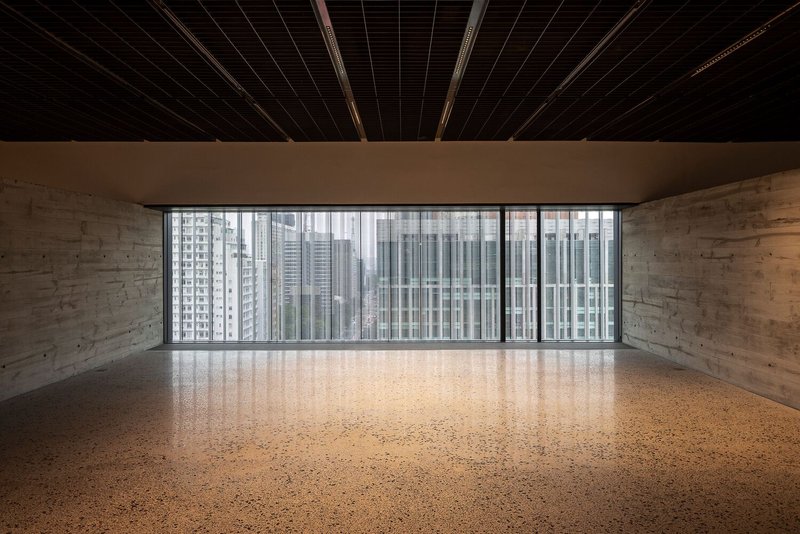
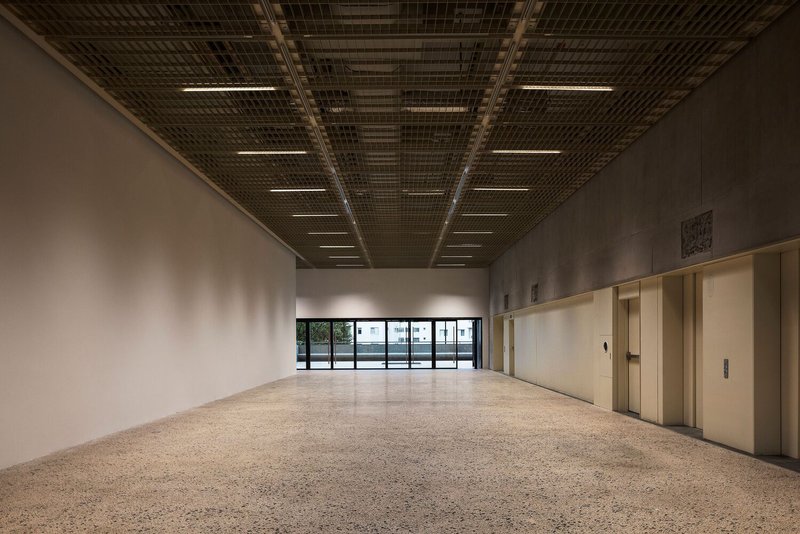
Upon exiting the elevators, visitors are greeted by unobstructed gallery spaces, reflecting Lina Bo Bardi’s “crystal easel” exhibition philosophy, which emphasized immediate visual engagement with art. This open-plan approach strengthens the connection between artworks and visitors, fostering an immersive cultural experience.
Cultural and Functional Expansion
The MASP Expansion Project extends beyond exhibition spaces, establishing a multi-functional cultural hub. The Pietro Maria Bardi Building houses restoration laboratories, classrooms, event areas, a café, and a restaurant, transforming the museum into a dynamic center for education, socialization, and artistic innovation. This expansion supports MASP’s evolving role as both a museum and a community gathering place, accommodating a diverse range of exhibitions, workshops, and cultural programs.
The relocation of the ticket office to the Pietro Maria Bardi Building’s basement further reinforces the original vision for MASP’s free span, restoring its role as an open urban space for the residents and visitors of São Paulo.
A New Era for MASP and São Paulo’s Cultural Landscape
The MASP Expansion Project represents more than physical growth; it signifies architectural evolution, sustainability, and cultural advancement. The addition of the Pietro Maria Bardi Building, with its sustainable façade, integrated systems, and adaptable spaces, reaffirms MASP’s position as a leading institution in contemporary museum architecture. This project honors the legacy of Lina Bo Bardi while embracing the future, creating a harmonious architectural dialogue between past and present.
As MASP embarks on this new chapter, the expansion project not only redefines its physical boundaries but also enriches São Paulo’s urban fabric, positioning the museum as a beacon of cultural innovation in Brazil and beyond.
All Photographs are works of Leonardo Finotti



Popular Articles
Popular articles from the community

Solar Steam: A Climate-Responsive Architecture That Redefines the Monument
A climate-responsive memorial architecture that transforms heat, decay, and time into a living system reflecting humanity’s ecological impact.
On the Brooks House by Monsoon Collective – A Contemporary Kerala Home Rooted in Tradition
Kerala home blending tradition and modernity with water-inspired design, brick architecture, courtyard planning, and sustainable rainwater harvesting strategies.


The Ken Roberts Memorial Delineation Competition (Krob)
As the most senior architectural drawing competition currently in operation anywhere in the world, it draws hundreds of entries each year, awarding the very best submissions in a series of medium-based categories.
Fifth NRE Jazz Club – De Bever Architecten: Eindhoven’s Revitalized Cultural Hub
Historic gas factory transformed into Fifth NRE Jazz Club blending modern sustainability, jazz culture, dining, and heritage architecture seamlessly.
Similar Reads
You might also enjoy these articles
The Ken Roberts Memorial Delineation Competition (Krob)
As the most senior architectural drawing competition currently in operation anywhere in the world, it draws hundreds of entries each year, awarding the very best submissions in a series of medium-based categories.


Waterfront Redevelopment and Urban Revitalization in Mumbai: Forging a New Dawn for Darukhana
A transformative waterfront redevelopment project reimagining Darukhana’s shipbreaking heritage into an inclusive urban future.

OUT-OF-MAP: A Call for Postcards on Feminist Narratives of Public Space
Rhizoma Design and Research Lab invites artists, designers, architects, researchers, and students to reflect on how feminist perspectives can reshape public space. Selected works will be exhibited in Barcelona, October 2026. Submissions open until 15 April 2026.


Documentation Work on Buddhist Wooden Temple
Architectural syncretism and cultural hybridity: A comparative study of the Buddhist temples in Chattogram Hill tracks

Explore Architecture Competitions
Discover active competitions in this discipline




The International Standard for Design Portfolios


The Global Benchmark for Architecture Dissertation Awards


The Global Benchmark for Graduation Excellence


Challenge to reimagine the Iron Throne
Comments (0)
Please login or sign up to add comments
No comments yet. Be the first to comment!