
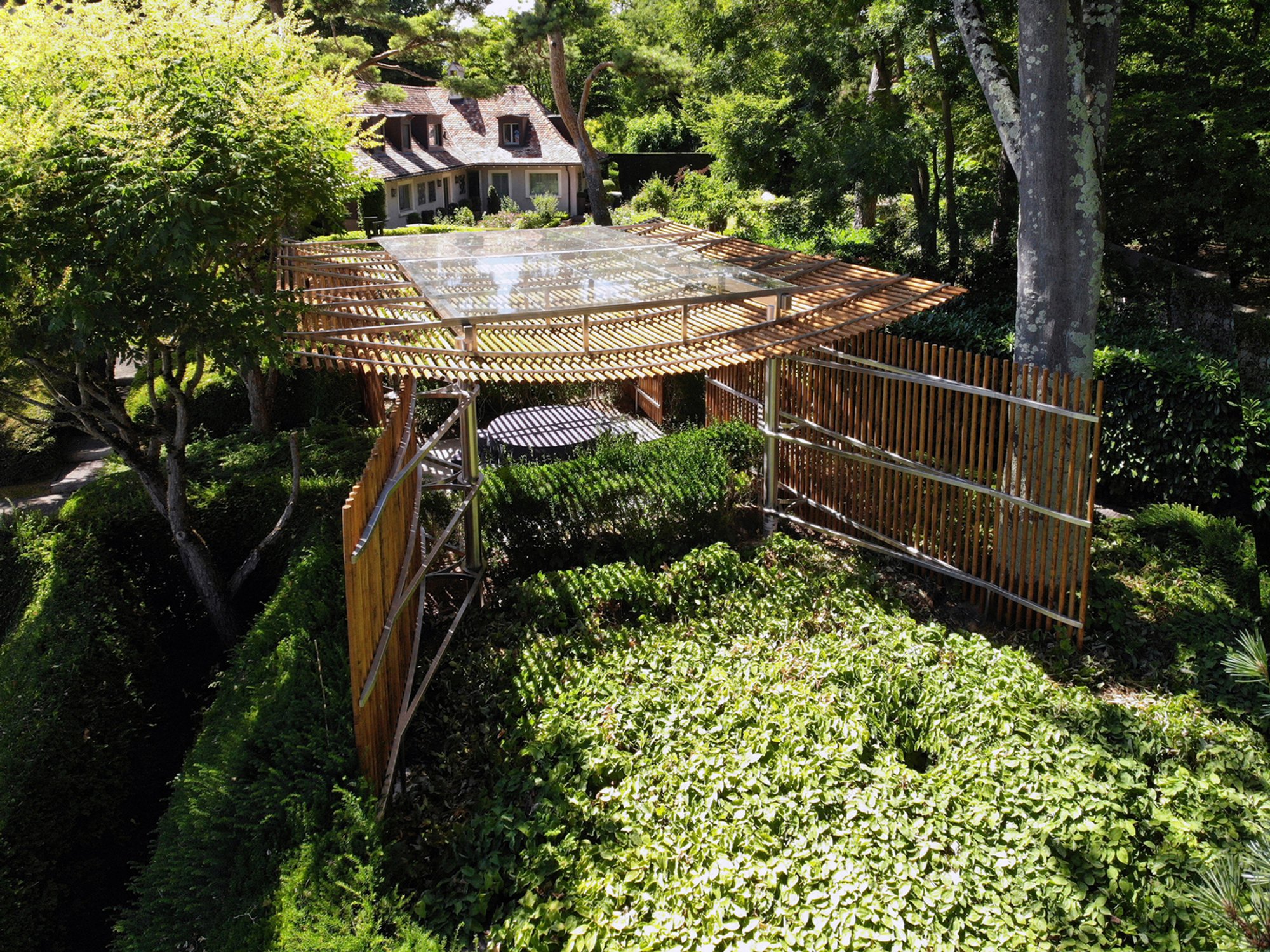
Meditation Pavilion Design: Unveiling the Chou No Hane Pavilion by Atelier LAVIT
This article explores the Chou No Hane Meditation Pavilion by Atelier LAVIT, focusing on its serene design and integration with nature.

Meditation pavilion design focuses on creating spaces that enhance tranquility and mindfulness. The Chou No Hane Pavilion, nestled in the scenic landscape of Gland, Switzerland, serves as an exemplary model of how architecture can foster meditation and reflection through thoughtful design.
Design Philosophy of Chou No Hane Pavilion
Integrating Nature and Architecture
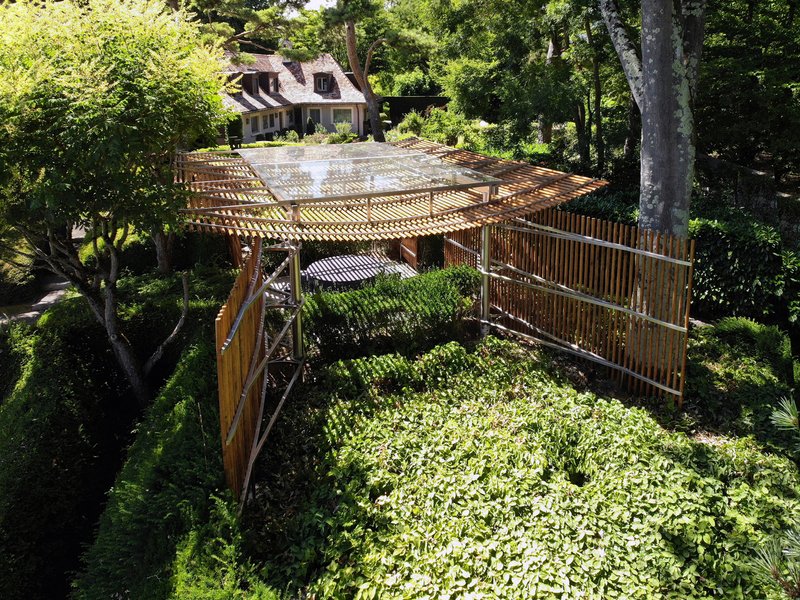
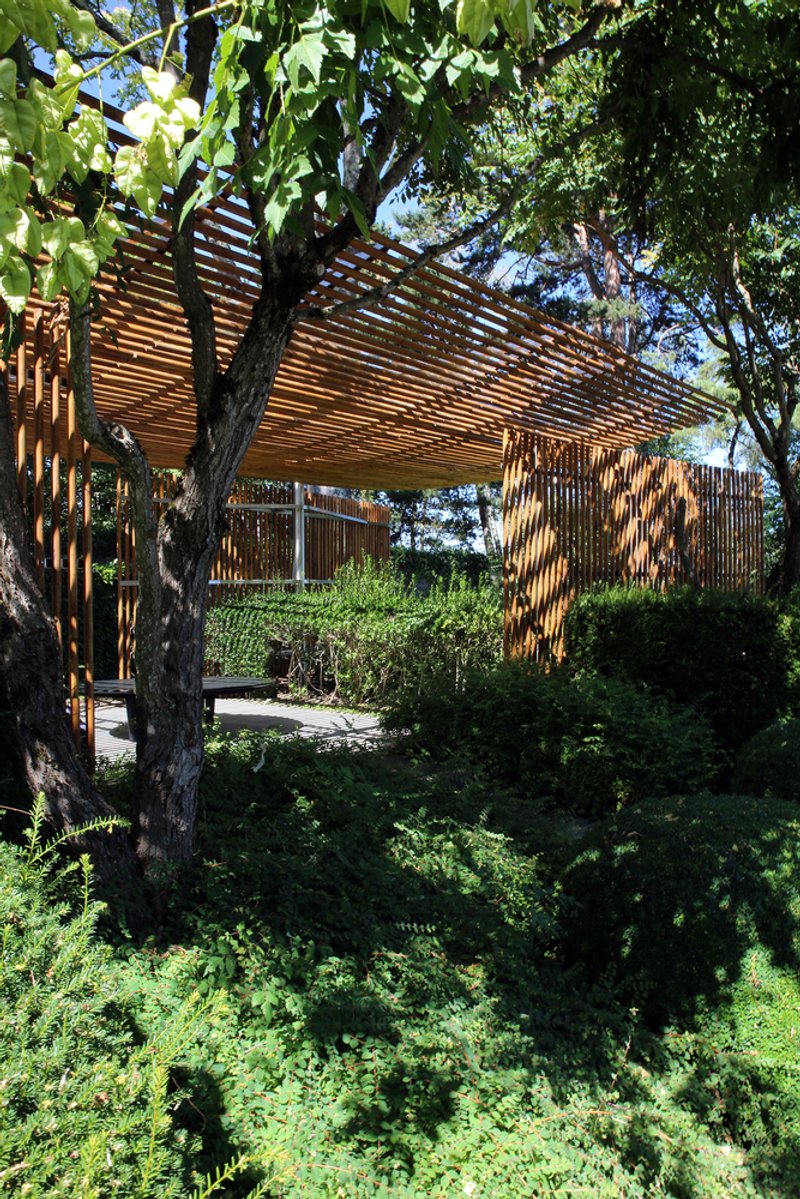
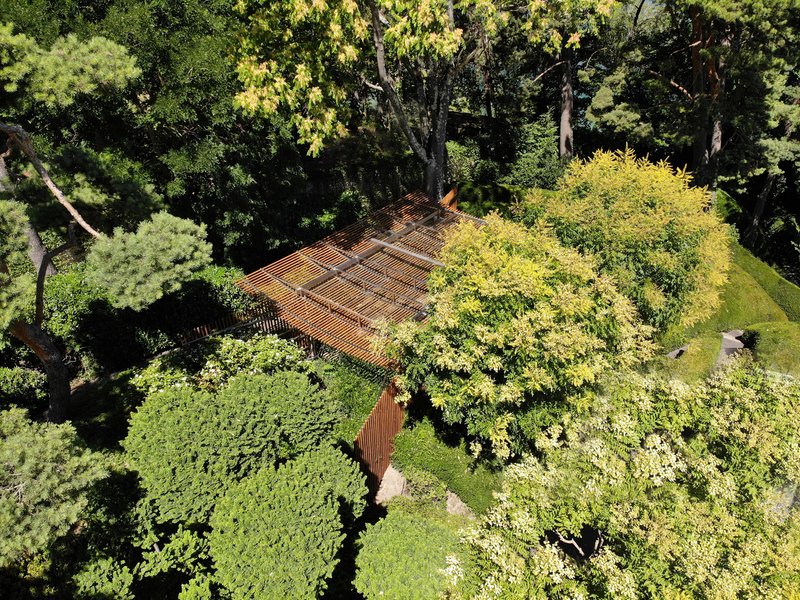
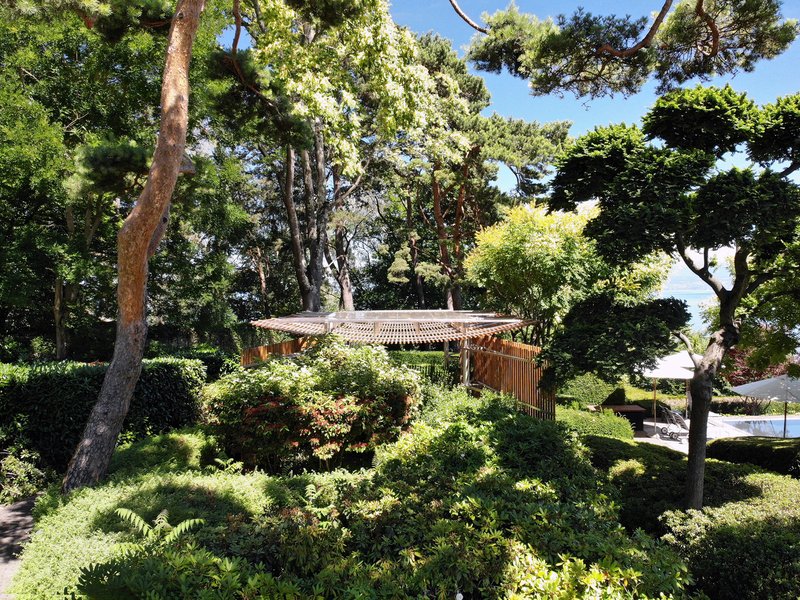
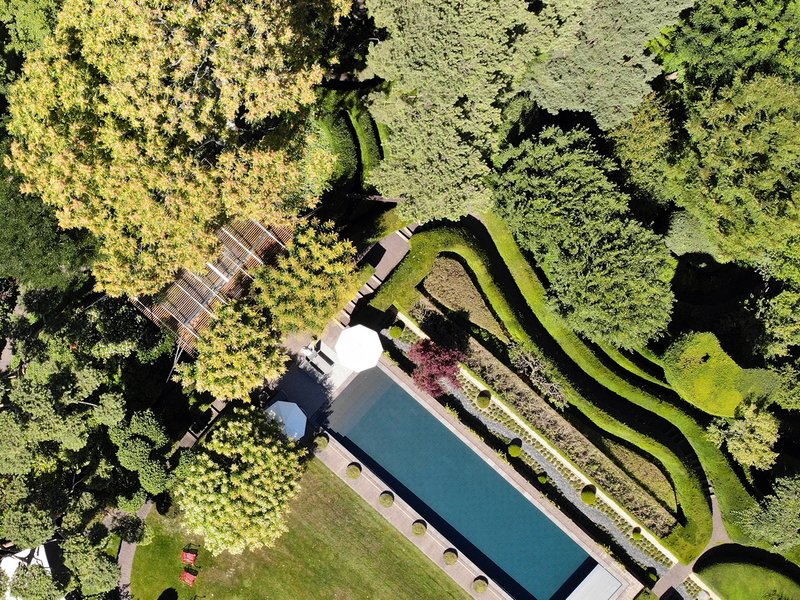
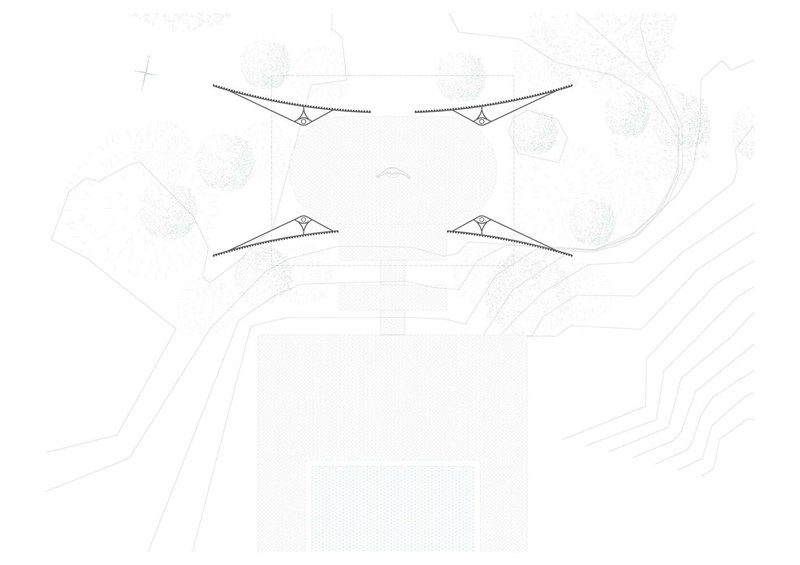
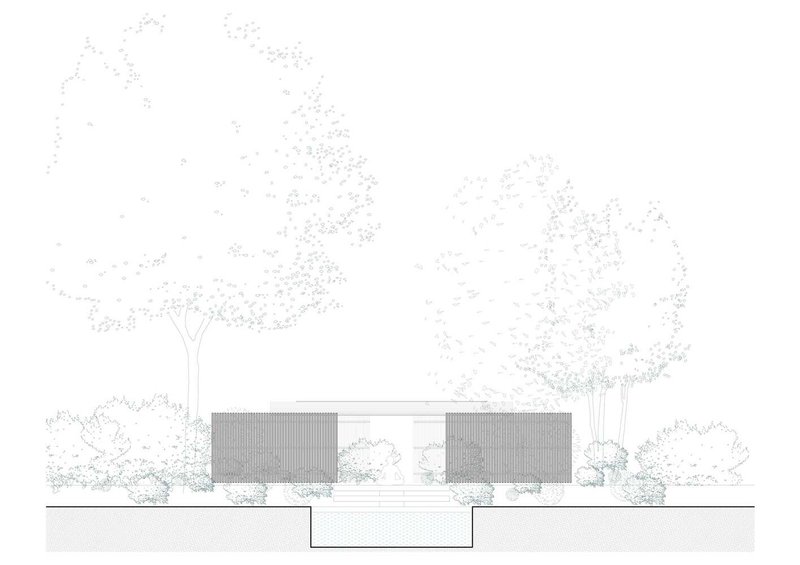
Located within Jacques Wirtz's extensive landscape project on the shores of Lake Leman, Chou No Hane—which translates to "butterfly wings" from Japanese—embodies the essence of its name. The pavilion is designed to integrate seamlessly with its natural surroundings, directing attention to the pool, lake, manor house, and a forest of centennial trees.
Structural Elegance and Minimalism
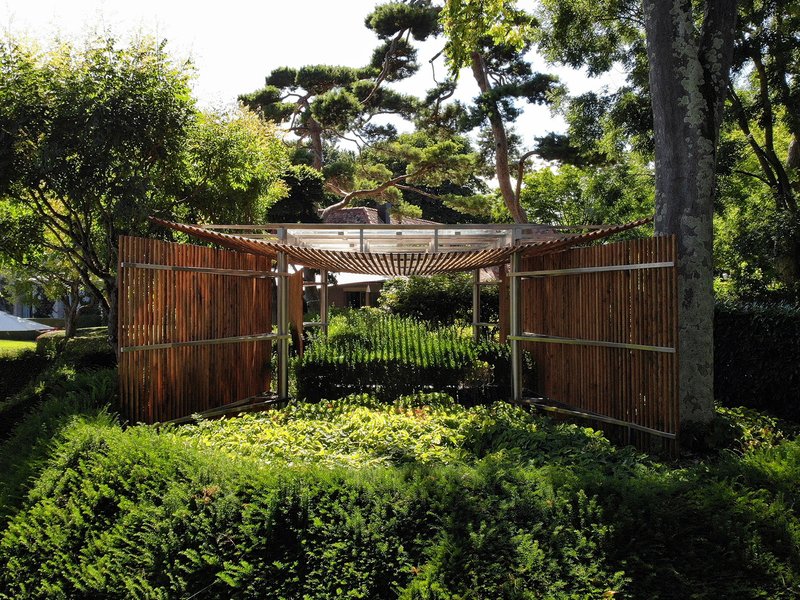
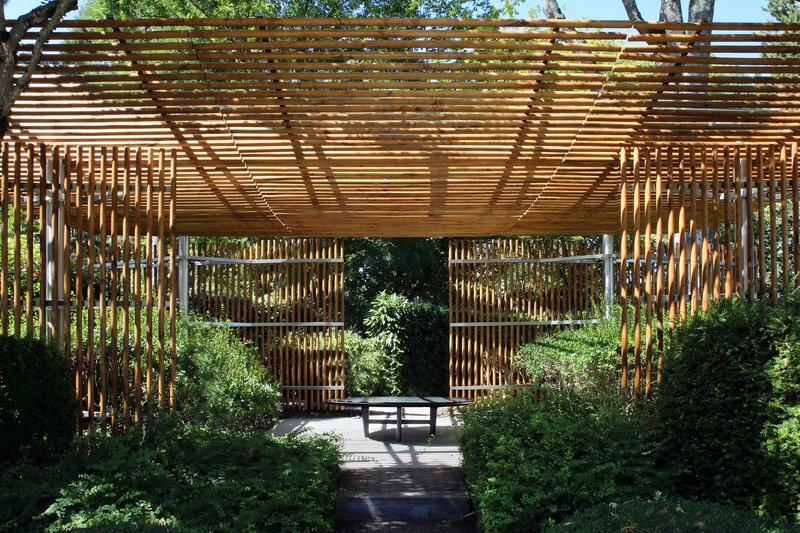
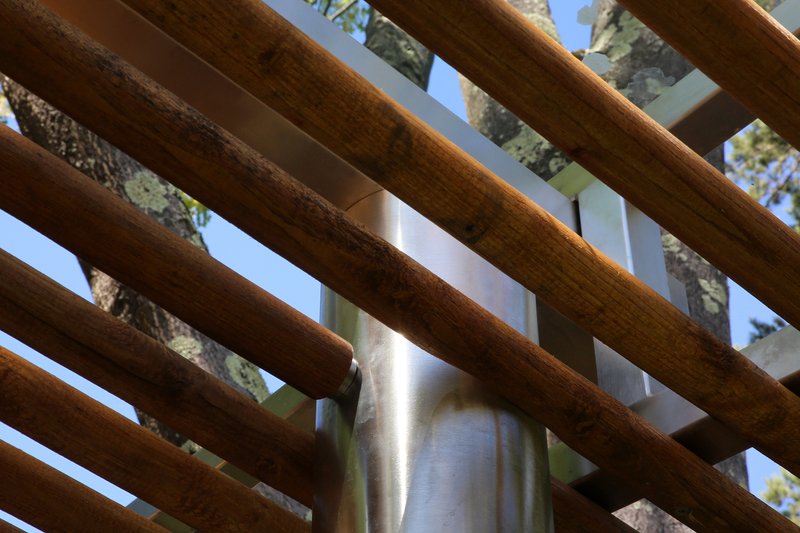
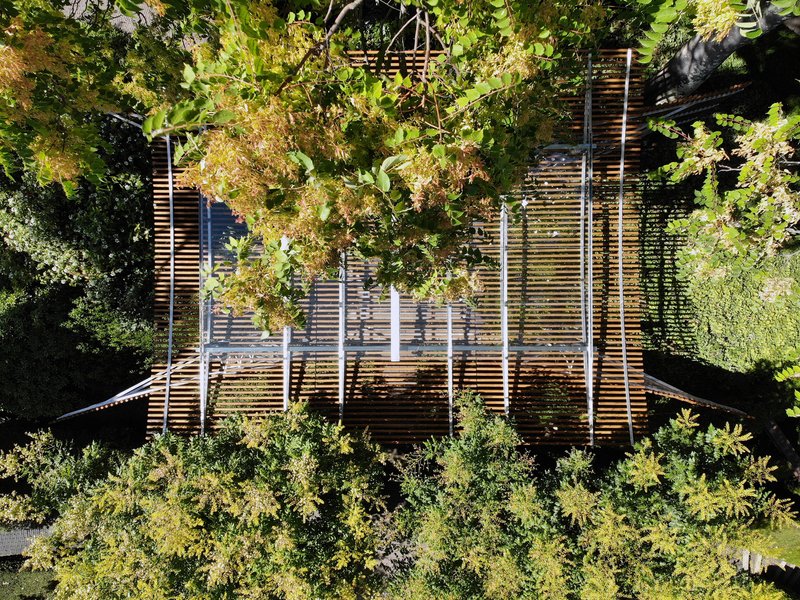
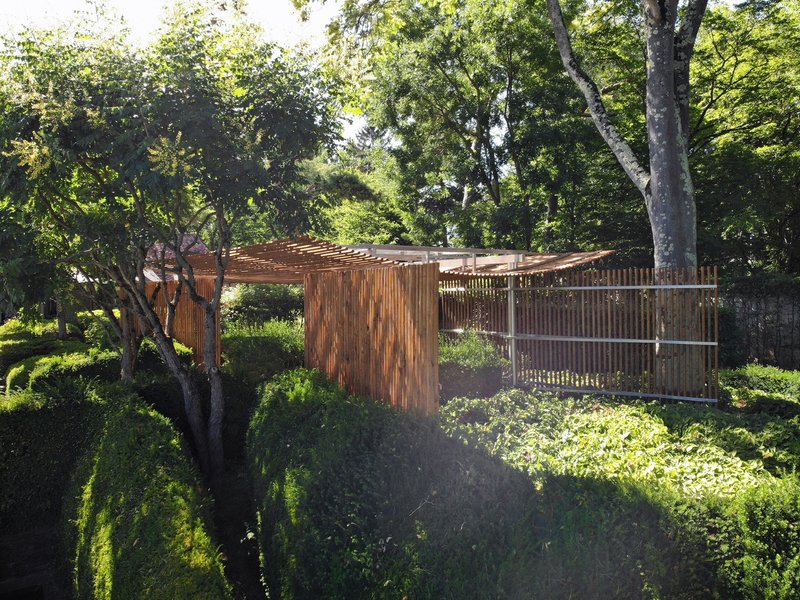
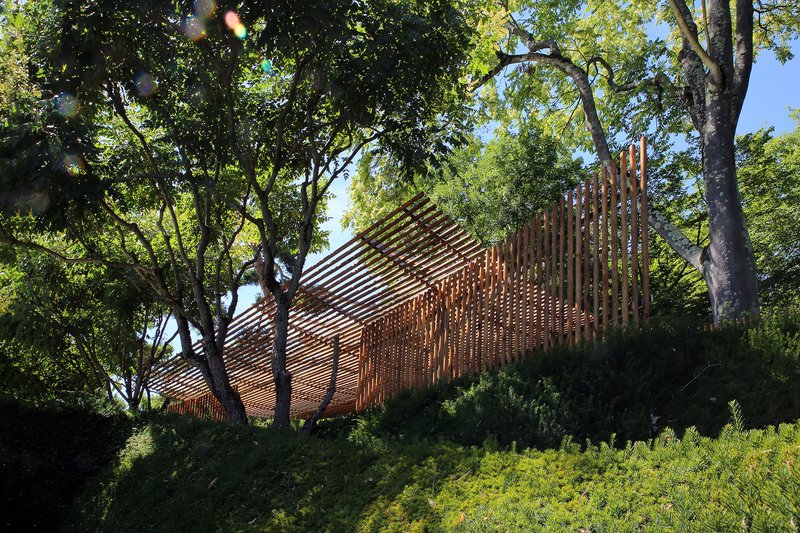
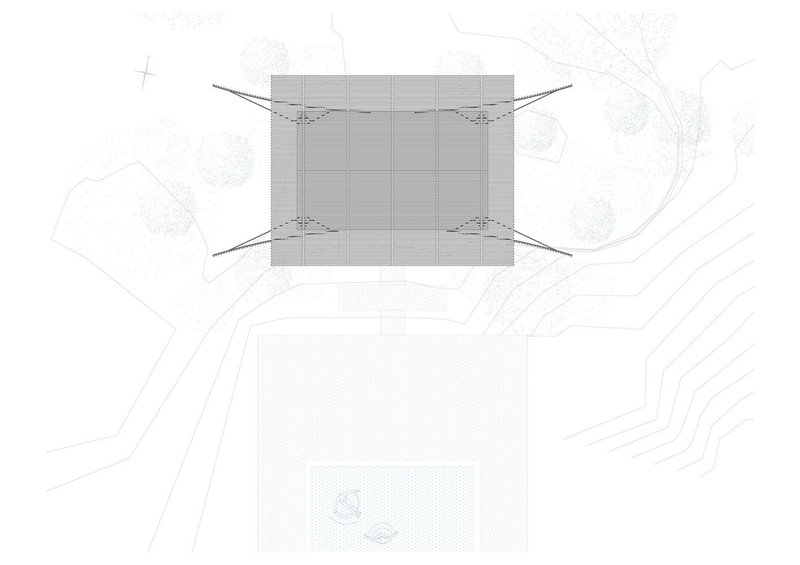
The pavilion’s stainless steel structure is supported by four pillars, creating an overhanging design that minimizes contact with the ground. This approach not only preserves the landscape’s integrity but also adds an element of visual lightness, as if the structure is poised for flight.
Key Architectural Features
Curved Pergola Canopy
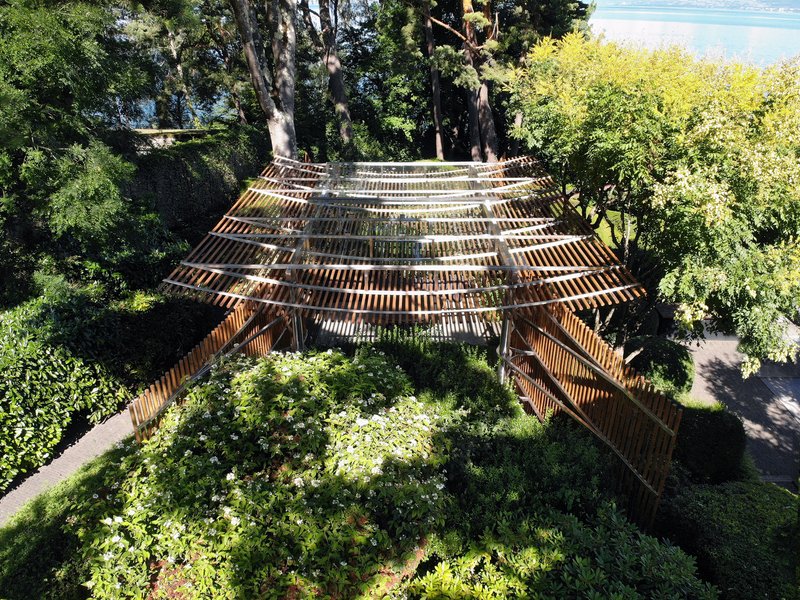
The pavilion’s pergola canopy, conceived as an additional curved wing, draws visitors’ gazes upwards towards the sky. This design element enhances the meditative experience, encouraging contemplation of the vastness above and beyond.
Light and Shadow Interplay
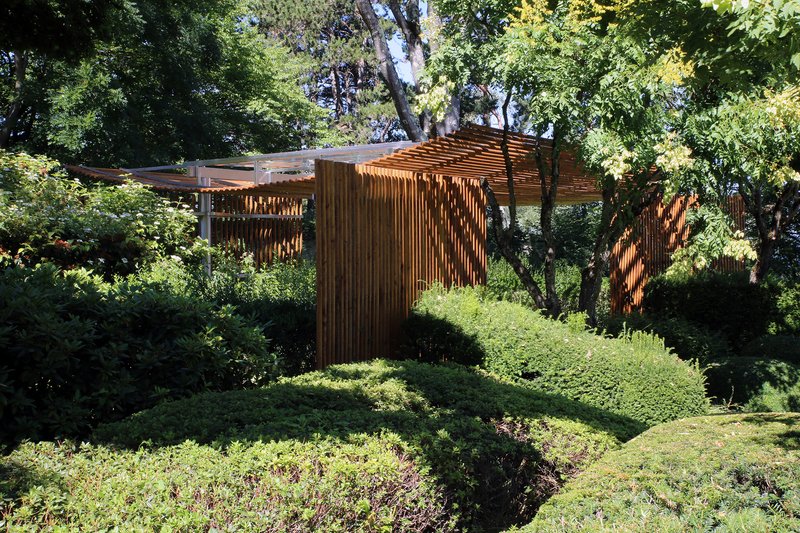
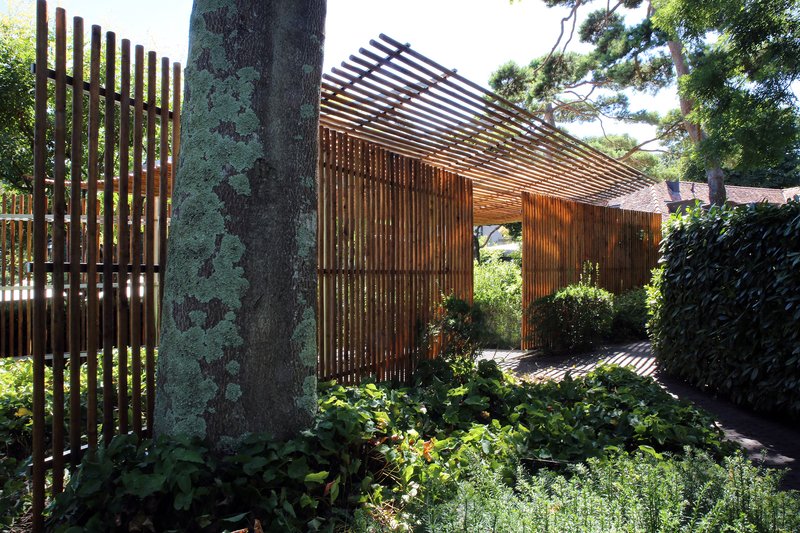
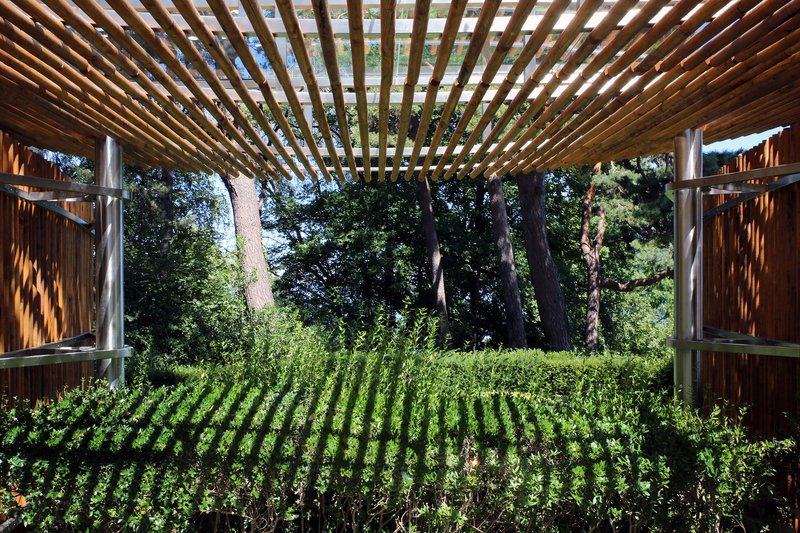
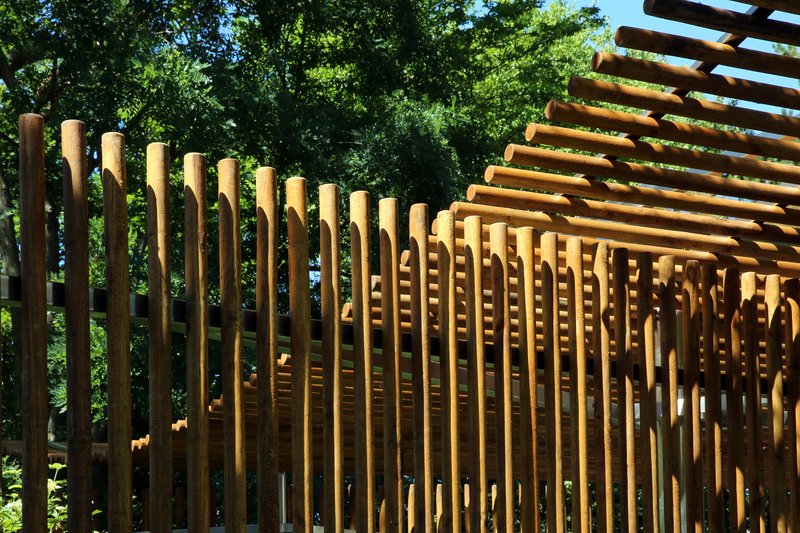
True to Japanese cultural appreciation for shadow, the pavilion utilizes wooden dowels with a circular section of chestnut essence to shade the meditation space. This setup creates a dynamic play of light and landscape filtering, providing a tranquil environment conducive to meditation.
Sustainability and Material Use
Eco-Friendly Construction
The choice of materials and the construction method reflect a commitment to sustainability. By using locally-sourced chestnut wood and minimal ground interference, the pavilion maintains a low environmental impact while blending with its setting.
Enhancing the Landscape
The pavilion not only adds to the visual appeal of its environment but also enhances the biological health of its surroundings by minimizing physical footprint, preserving the natural habitat.
The Future of Meditation Pavilion Design
The Chou No Hane Meditation Pavilion by Atelier LAVIT illustrates the potential of meditation pavilion design to merge functionality with environmental harmony. As spaces dedicated to mindfulness become increasingly essential, this pavilion sets a benchmark for future designs that seek to blend architectural innovation with spiritual wellness.
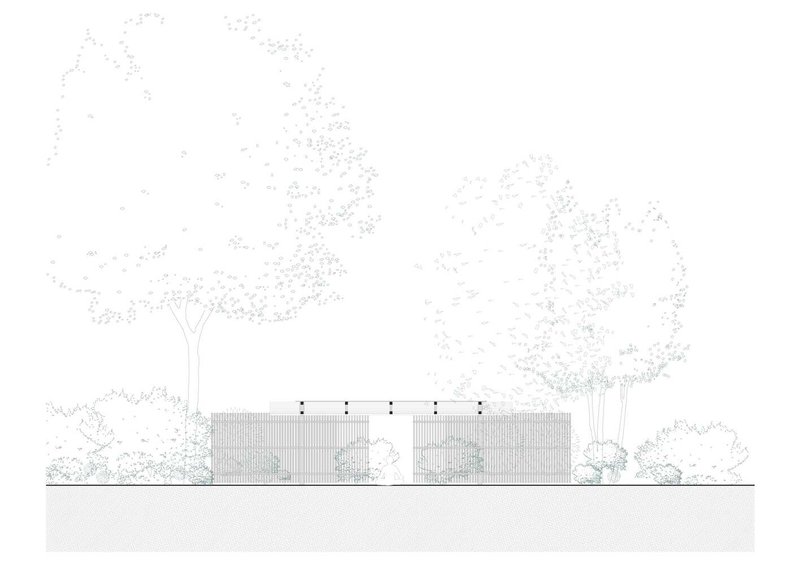
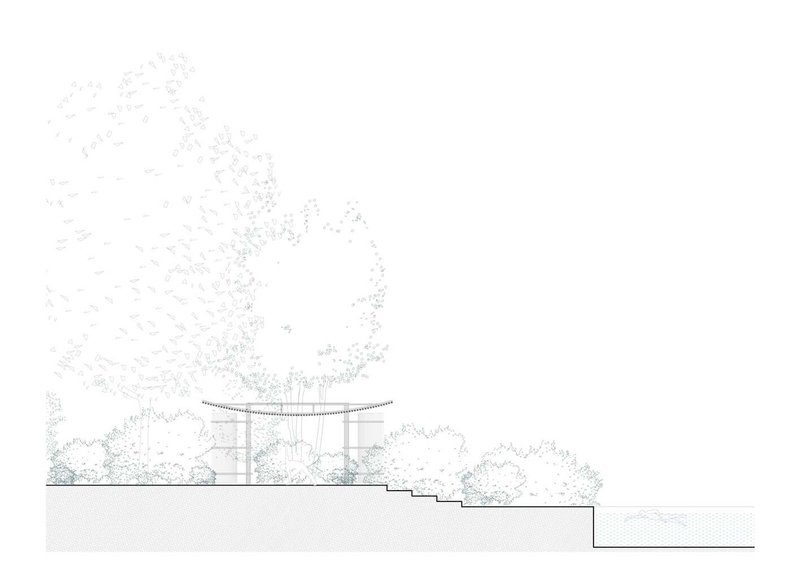
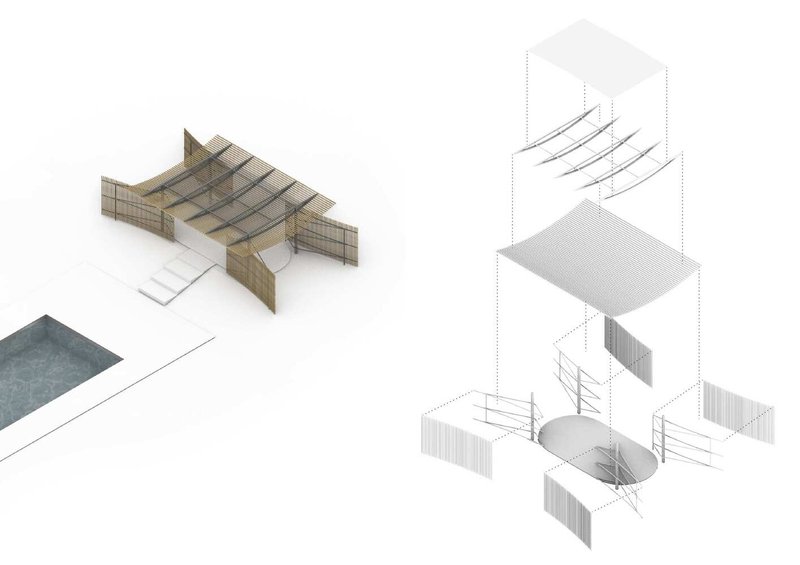
All photographs are work of Atelier LAVIT




Popular Articles
Popular articles from the community

On the Brooks House by Monsoon Collective – A Contemporary Kerala Home Rooted in Tradition
Kerala home blending tradition and modernity with water-inspired design, brick architecture, courtyard planning, and sustainable rainwater harvesting strategies.


The Ken Roberts Memorial Delineation Competition (Krob)
As the most senior architectural drawing competition currently in operation anywhere in the world, it draws hundreds of entries each year, awarding the very best submissions in a series of medium-based categories.
Atelier Macri Concept Store Interior Design by CASE-REAL
Atelier Macri store features a "ko" counter, walnut wood details, cork displays, blending retail, gallery, and seamless customer experiences.
An Miên Lumière Cafe by xưởng xép, Ho Chi Minh City, Vietnam
An industrial-inspired café where layered steel and warm light create a dynamic, immersive environment shaped by reflection, depth, and perception.


Similar Reads
You might also enjoy these articles

Bamboo Housing Challenge 2026: Design Affordable, Sustainable Homes Using Bamboo
An international design competition by Bamboo U and IBUKU inviting architects and designers to reimagine affordable housing using bamboo — with the winning design built full-scale in Bali.

Computational Design & Education: Beegraphy Design Awards Introduces 7th Category (Featuring Jiyun's Innovative Approach)
Dive into Beegraphy’s 7th Design Awards category, where computational design meets education to create immersive, interactive learning tools, inspired by Jiyun’s work.

From Parametric Lighting to Urban Furniture: Join the 2nd Workshop in Beegraphy’s Computational Design Series
Dive into Cutting-Edge Design Techniques and Practical Applications with Industry Experts

Introducing Sphere by UNI: Pioneering a New Era in AEC Industry
Unlocking Global Potential with BIM and Agile Management


Explore Architecture Competitions
Discover active competitions in this discipline




The International Standard for Design Portfolios


The Global Benchmark for Architecture Dissertation Awards


The Global Benchmark for Graduation Excellence


Challenge to reimagine the Iron Throne
Comments (0)
Please login or sign up to add comments
No comments yet. Be the first to comment!