
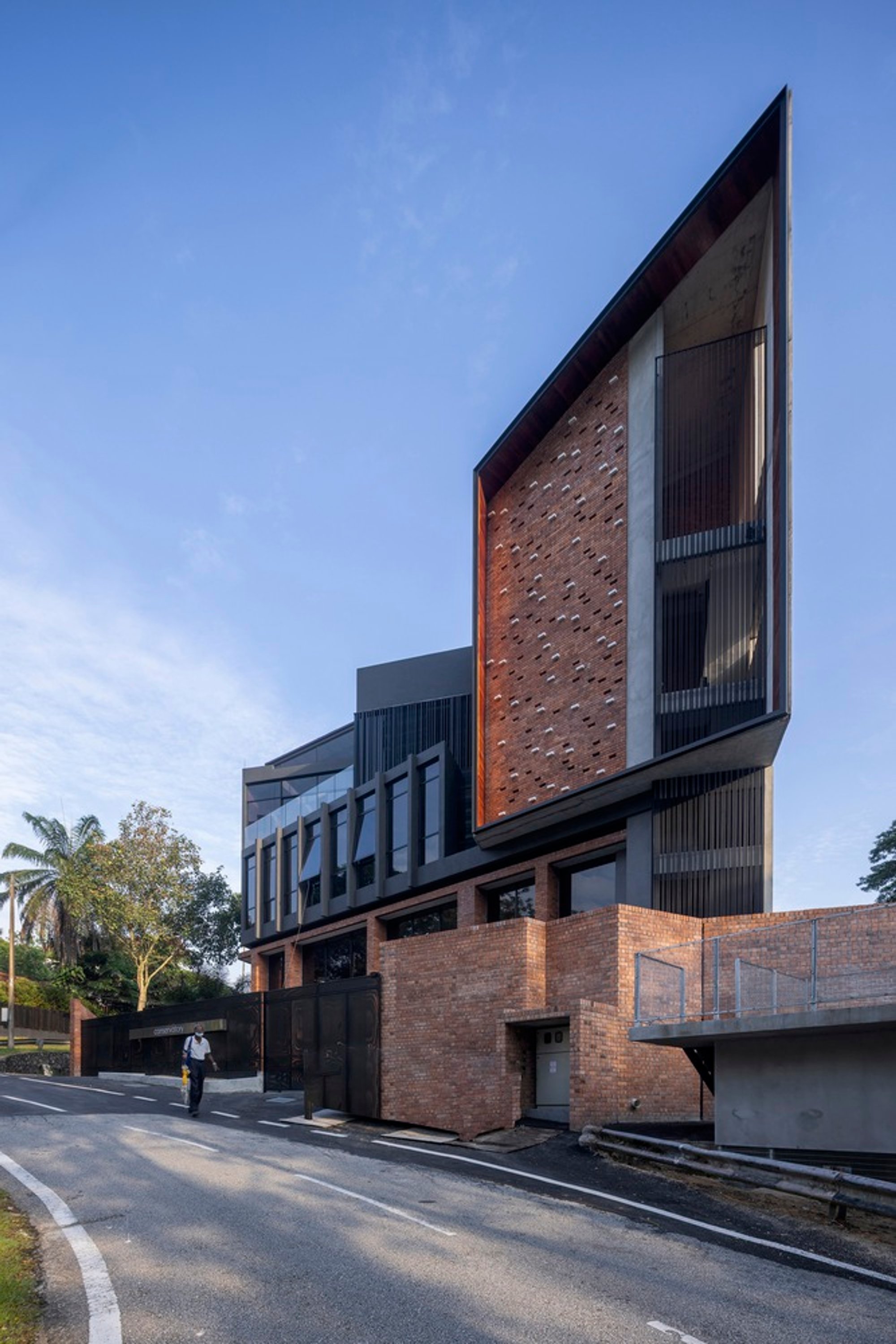
Modern Minimalist Architecture Design: A Case Study of Project Conservatory
An exploration of modern minimalist architecture design through Project Conservatory, showcasing timeless, adaptable, and sustainable architectural principles.

In the ever-evolving world of architecture, modern minimalist architecture design has emerged as a leading trend, redefining the concept of simplicity and purpose. One standout example of this design philosophy is the Project Conservatory by Kee Yen Architects, located in the heart of Kuala Lumpur, Malaysia. Completed in 2023, this project offers a thoughtful blend of functionality, adaptability, and artistic expression.
What is Modern Minimalist Architecture Design?
Modern minimalist architecture design focuses on the principle of "less is more." It emphasizes clean lines, open spaces, and a seamless connection between form and function. This style removes unnecessary ornamentation, leaving behind a refined aesthetic that is both timeless and practical. Materials, textures, and natural elements take center stage, often celebrating the raw beauty of structural components.
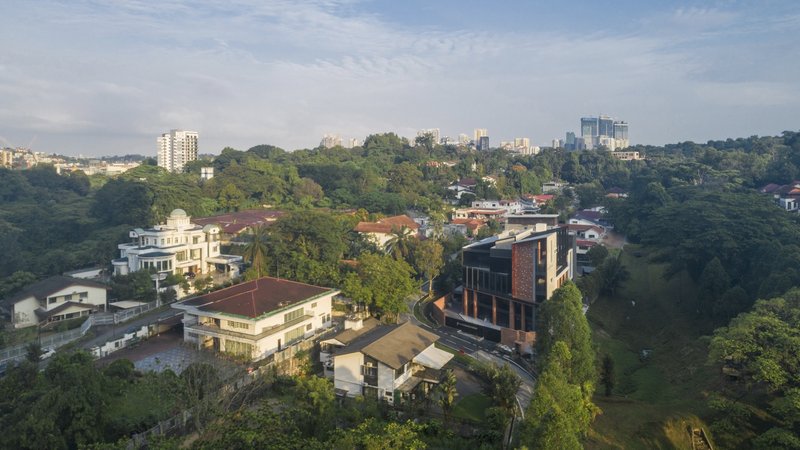
Project Conservatory: A Testament to Minimalist Architecture
Project Conservatory
Designed by renowned architect Lim Kee Yen, the Project Conservatory reimagines urban living. Spanning 2300 m², this home embraces the ethos of minimalism, offering a "blank slate" for its occupants to bring life to its spaces. Initially conceptualized before the pandemic, the structure's completion in 2023 serves as a reminder of resilience and adaptability in design.
Key Features of Modern Minimalism in the Project Conservatory
1. Open and Adaptable Spaces
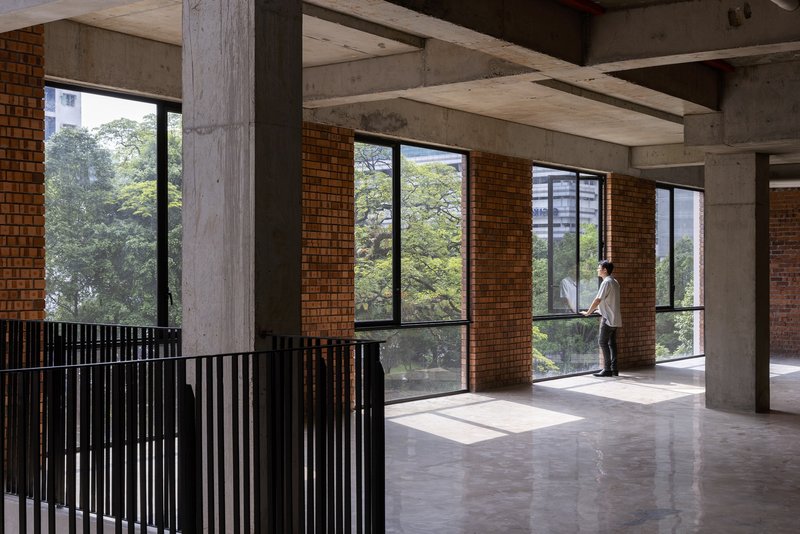
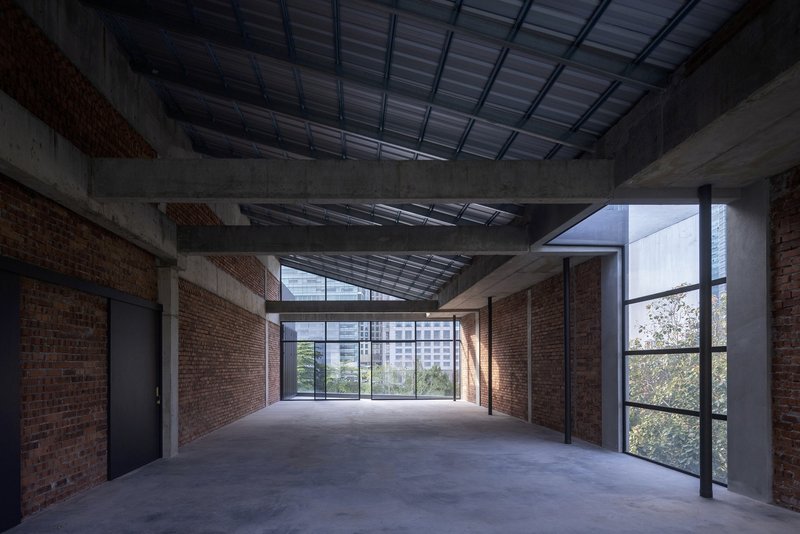
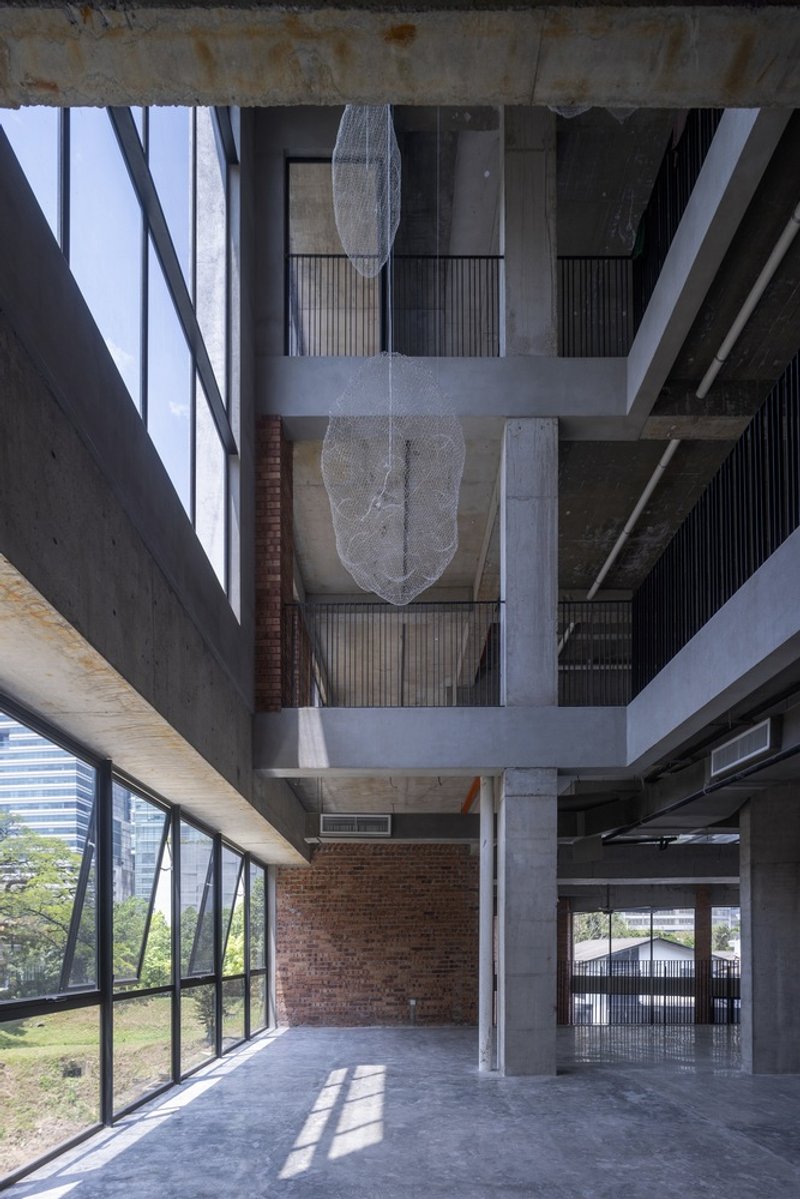
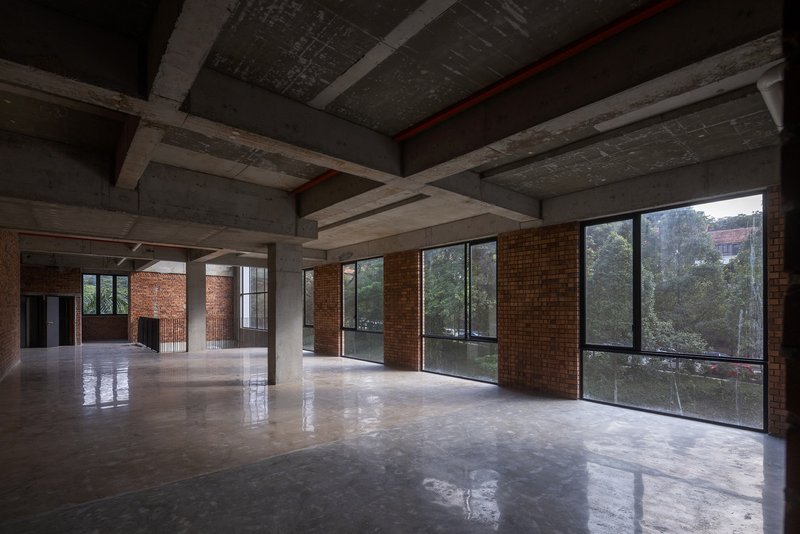
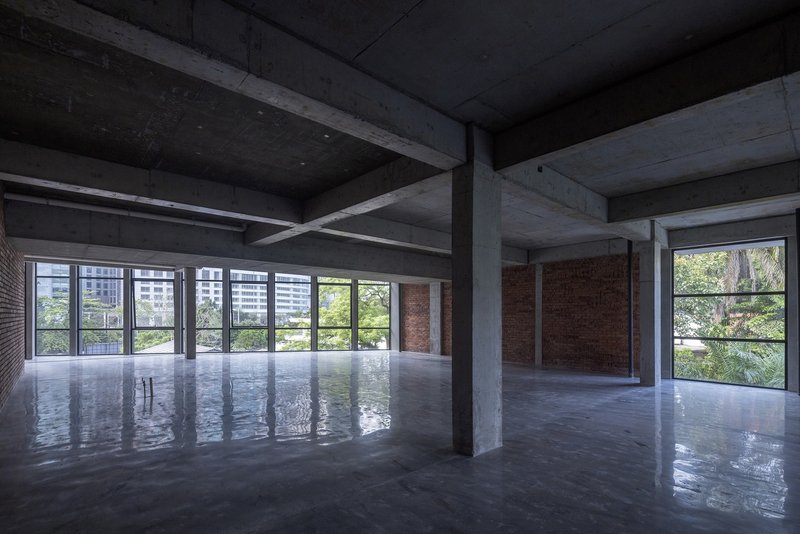
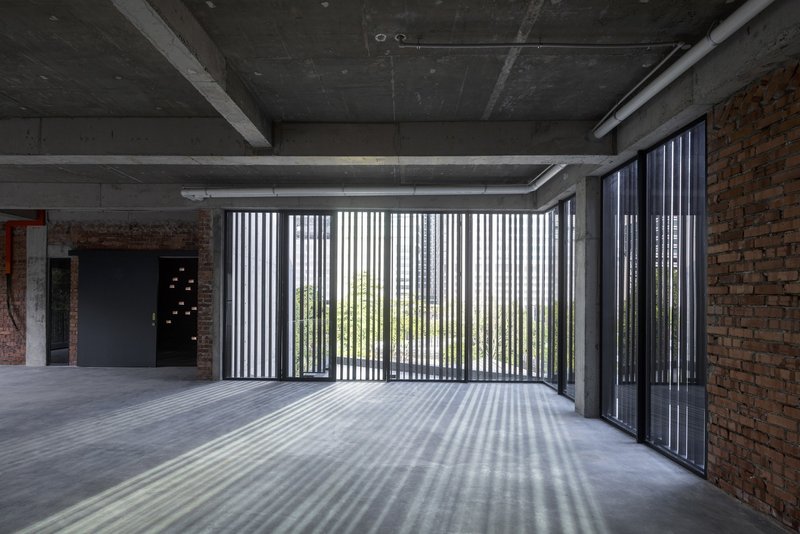
One of the standout elements of Project Conservatory is its deliberately unfurnished interiors. The design embraces voids—unoccupied spaces that invite creativity and flexibility. This approach ensures the home evolves alongside its inhabitants' changing needs.
2. Materiality and Texture
The material palette is a defining feature, showcasing:
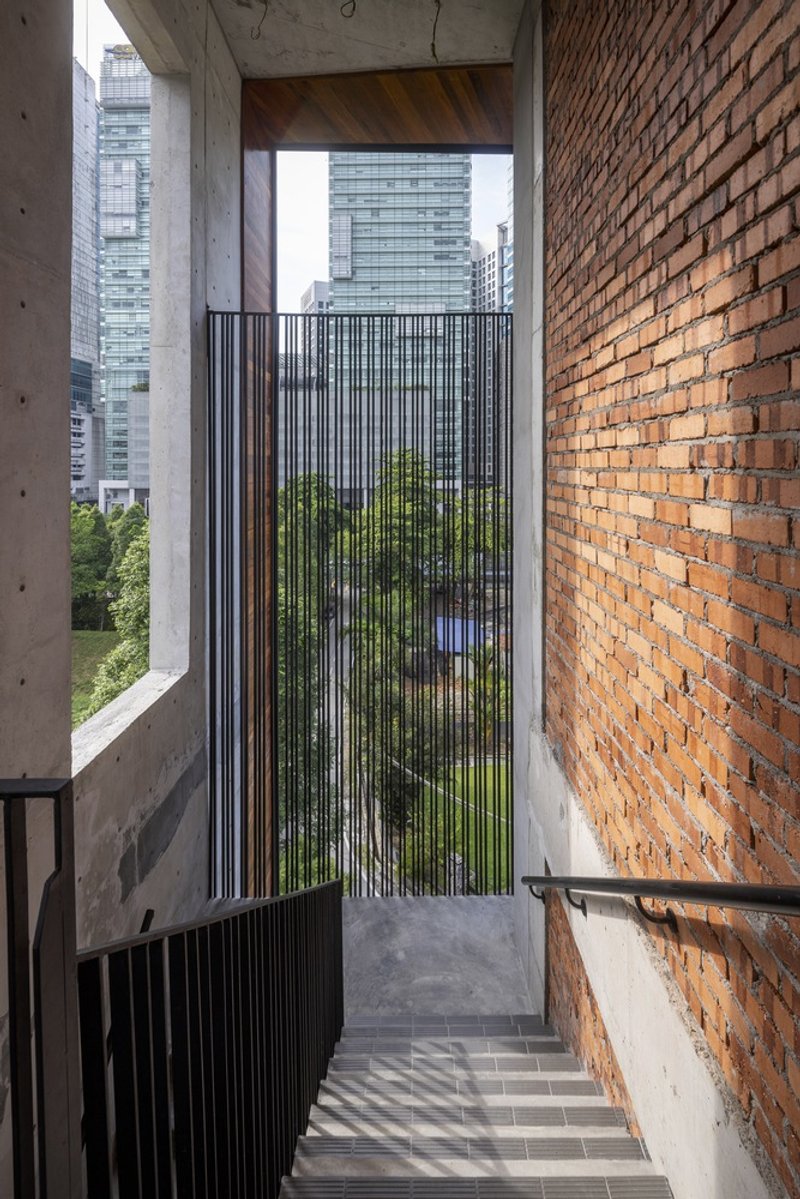
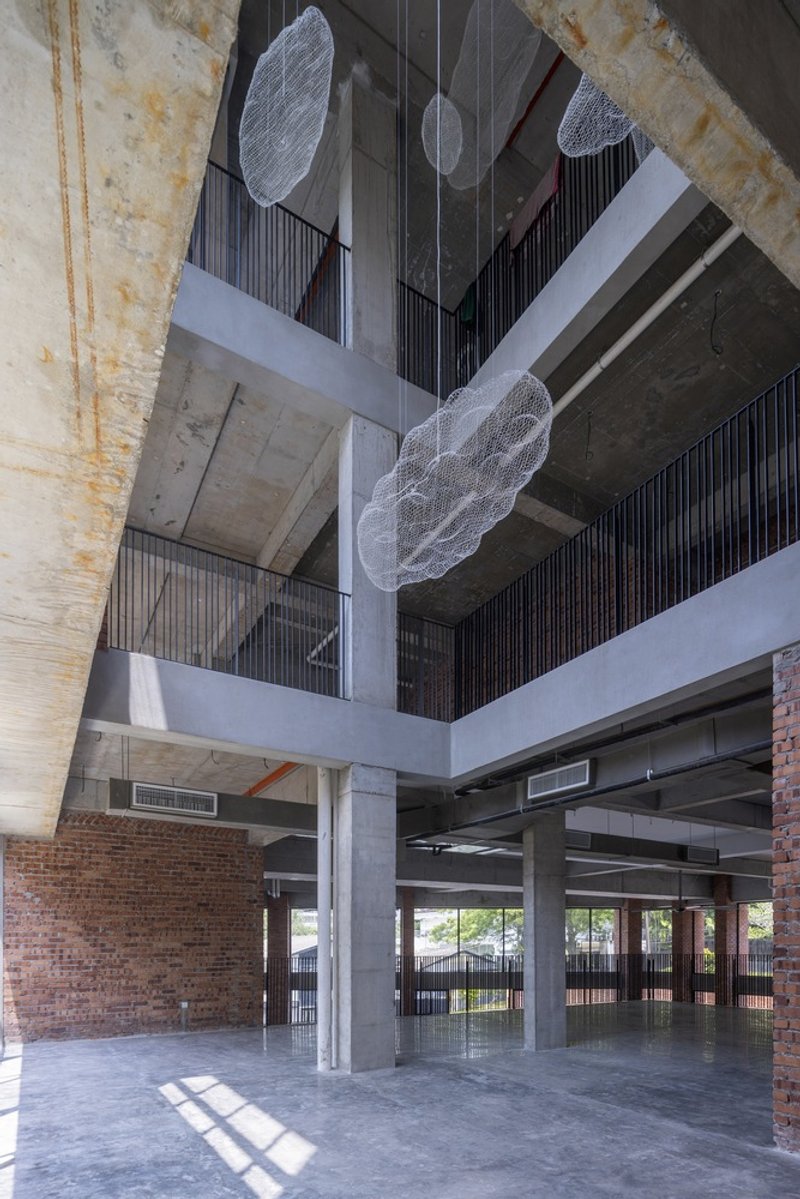
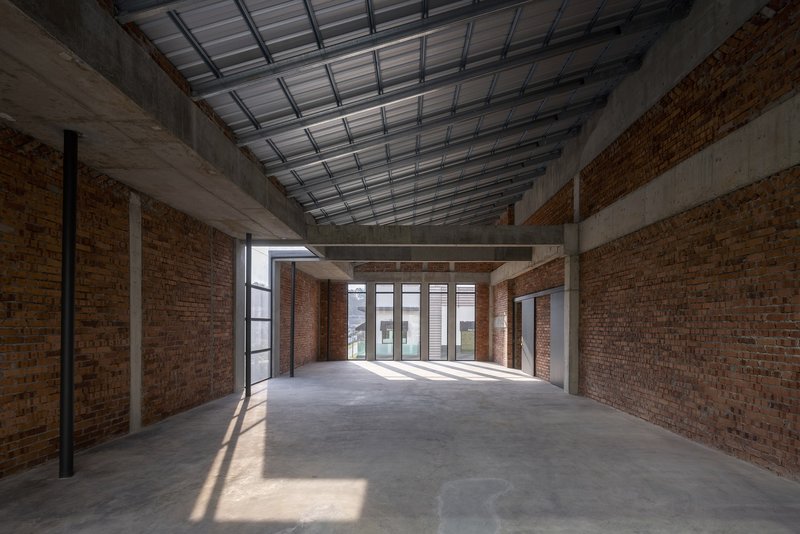
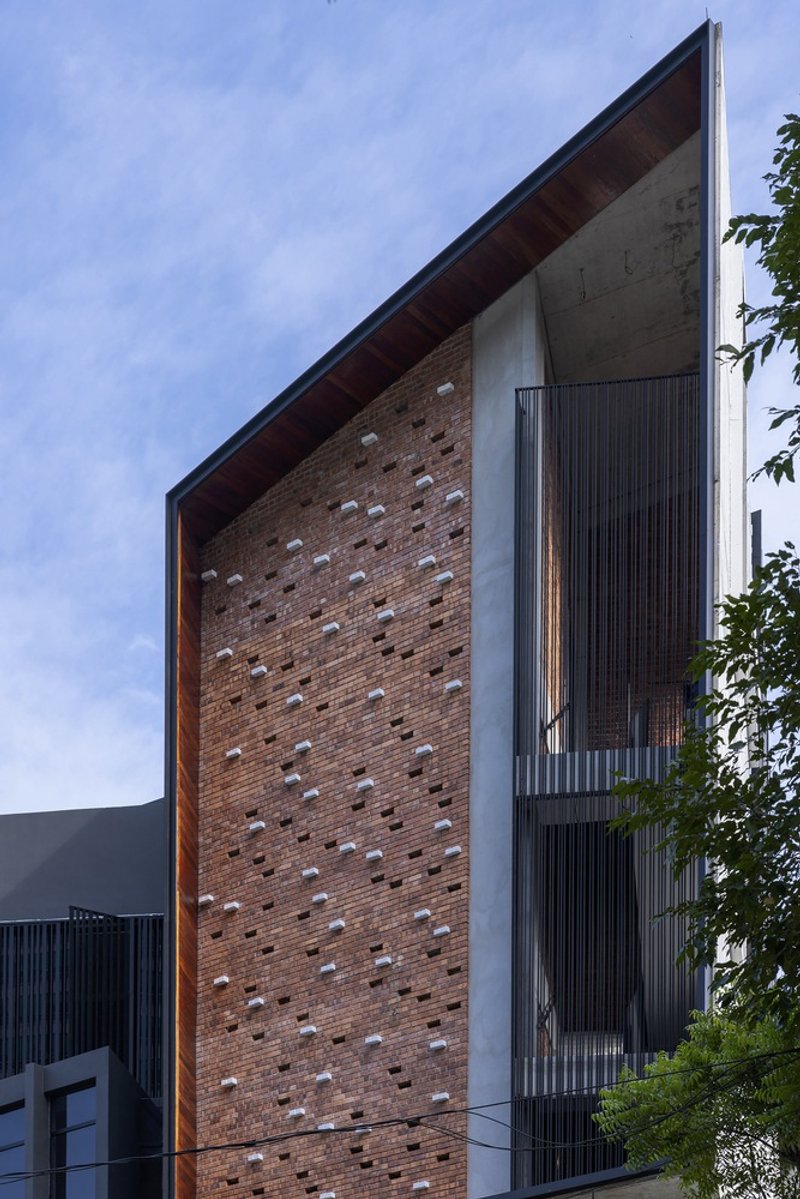
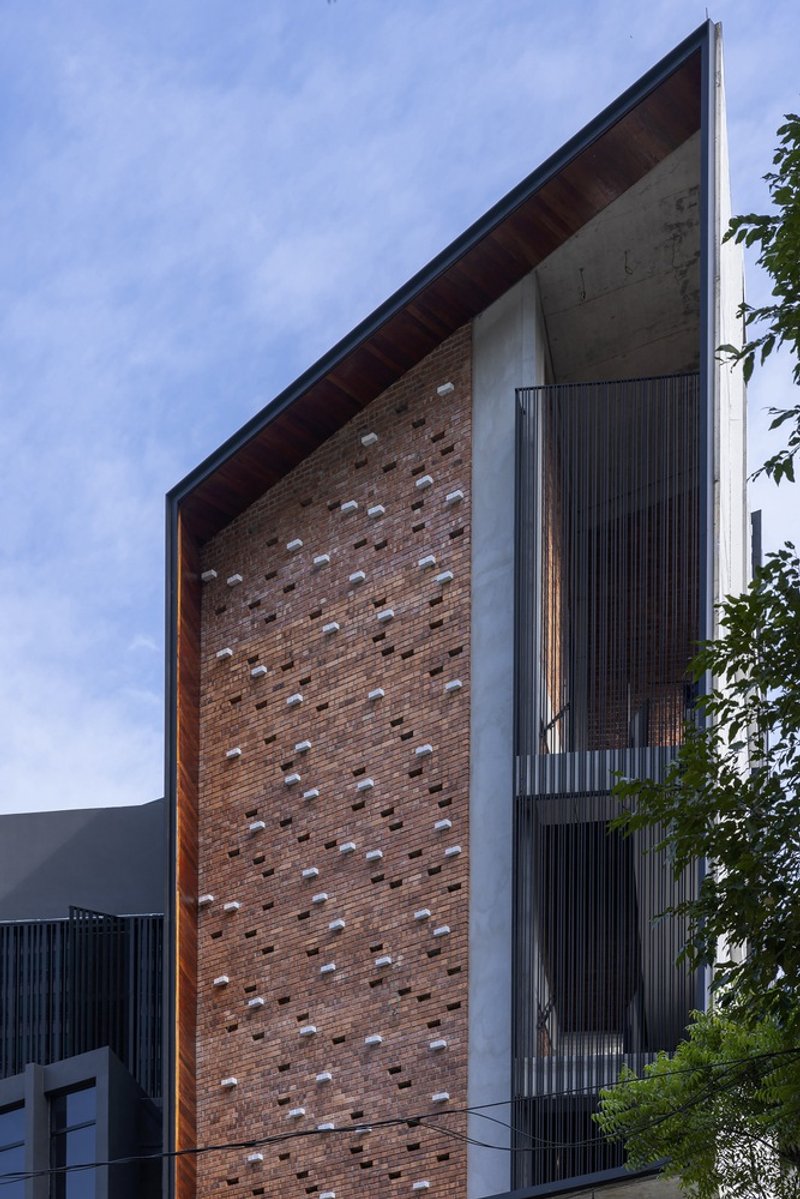
- Fair-faced bricks for an earthy, tactile aesthetic.
- Bare-concrete surfaces that enhance the industrial-modern vibe.
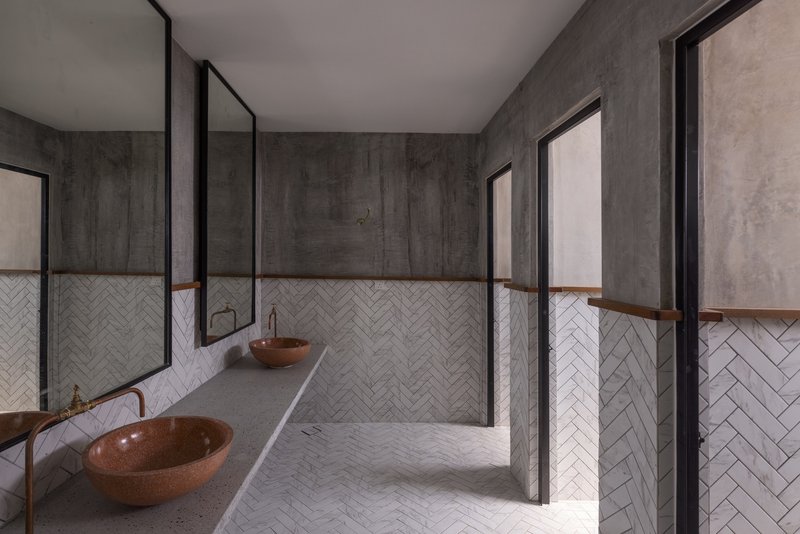
- Polished concrete floors and metal screens for a harmonious balance of rawness and refinement.
These materials are selected for their durability and ability to age gracefully, underscoring the timeless nature of minimalist architecture.
3. Geometric Elegance and Shadows
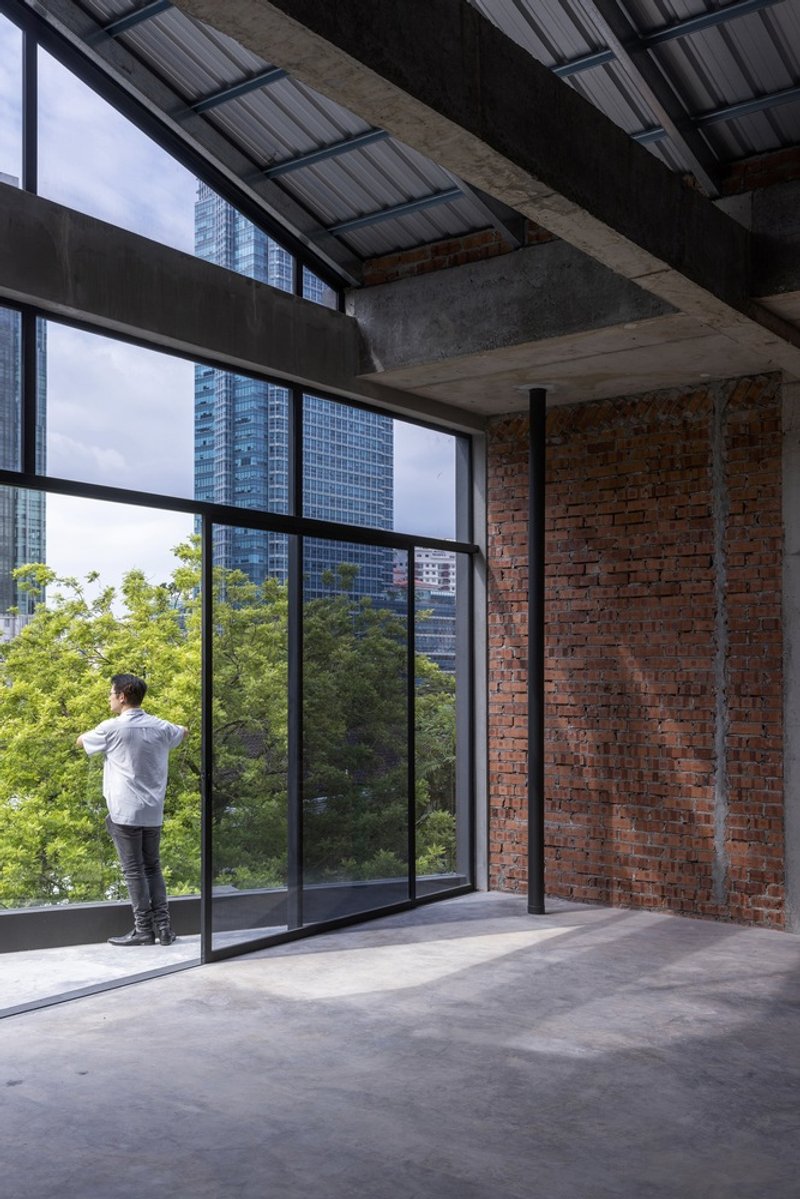
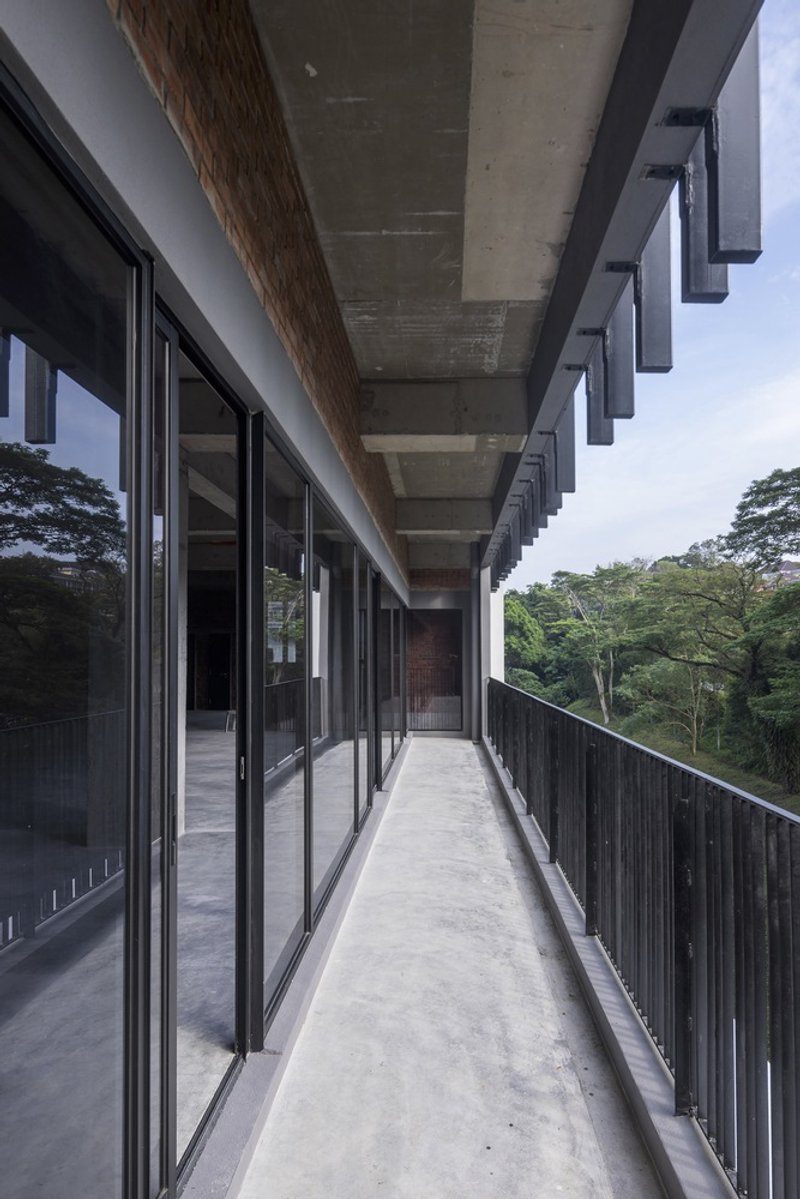
The roof spaces are an architectural highlight, designed as a symphony of hollow metal structures, ventilation blocks, and concrete forms. The interplay of light and shadow transforms these geometric forms into living artwork, evolving throughout the day.
The Philosophy Behind Minimalist Design
Celebration of Voids
At its core, modern minimalist architecture design is about creating space for life. The "voids" in Project Conservatory serve as more than just empty spaces—they are opportunities for personal reflection, creativity, and adaptability.
Harmony Between Form and Function
Every element of the Project Conservatory is carefully curated to balance aesthetics with practicality. This harmony aligns with the minimalist philosophy of ensuring that every material and structural decision serves a purpose.
Timelessness in Design
Unlike fleeting architectural trends, minimalist designs like Project Conservatory focus on timelessness. By emphasizing raw materials and clean lines, the structure transcends time, maintaining relevance in an ever-changing world.
Why Modern Minimalist Architecture Design is Popular Today
1. Connection to Nature
Minimalist architecture often incorporates natural materials and open designs that invite light and air. In the Project Conservatory, large voids and geometric roof structures provide natural ventilation and lighting.
2. Sustainability
Reducing excess in design naturally leads to sustainability. Minimalist buildings like the Conservatory prioritize energy efficiency through passive cooling and natural ventilation, reducing their environmental footprint.
3. Flexibility and Personalization
Unfurnished or adaptable spaces, as seen in the Conservatory, allow inhabitants to mold their environment to suit their personal preferences, making minimalist homes highly versatile.
Lessons from Project Conservatory for Modern Minimalist Architecture Design
If you are inspired by modern minimalist architecture, here are key takeaways from Project Conservatory:
1. Prioritize Quality Over Quantity
Focus on materials and elements that add value and longevity to your design.
2. Embrace the Power of Voids
Allow spaces to breathe and evolve, creating a sense of openness and adaptability.
3. Balance Form with Function
Ensure every design choice serves both aesthetic and practical purposes, resulting in a harmonious living experience.
The Future of Modern Minimalist Architecture Design
Project Conservatory by Kee Yen Architects stands as a beacon of modern minimalist architecture design, showcasing the beauty of simplicity, adaptability, and thoughtful materiality. As the world moves toward more sustainable and human-centric living spaces, projects like this remind us of the timeless appeal of minimalist design.
Whether you're an architect, homeowner, or design enthusiast, the principles demonstrated in this project offer valuable insights into creating spaces that resonate with both functionality and soul.
All Photographs are work of Pixelaw Photography




Popular Articles
Popular articles from the community

On the Brooks House by Monsoon Collective – A Contemporary Kerala Home Rooted in Tradition
Kerala home blending tradition and modernity with water-inspired design, brick architecture, courtyard planning, and sustainable rainwater harvesting strategies.
A Contemporary Take on Iranian Residential Architecture
A modern interior design in Mashhad that reinterprets brick, light, and spatial flow to create a warm, contemporary residential architecture.
Inverted Architecture Installation by Studio Link-Arc: Exploring the Intersection of Architecture and Living Organisms
Inverted Architecture Installation by Studio Link-Arc blends mycelium, sustainability, inverted design, ecological cycles, and urban adaptive architecture in Shenzhen.
Treehouse Apartment: A Warm Timber Interior Blending Craft, Play, and Contemporary Living
Warm timber apartment with integrated treehouse, combining natural materials, craftsmanship, and playful design to create a flexible, family-oriented living environment.


Similar Reads
You might also enjoy these articles


The Ken Roberts Memorial Delineation Competition (Krob)
As the most senior architectural drawing competition currently in operation anywhere in the world, it draws hundreds of entries each year, awarding the very best submissions in a series of medium-based categories.


Waterfront Redevelopment and Urban Revitalization in Mumbai: Forging a New Dawn for Darukhana
A transformative waterfront redevelopment project reimagining Darukhana’s shipbreaking heritage into an inclusive urban future.

OUT-OF-MAP: A Call for Postcards on Feminist Narratives of Public Space
Rhizoma Design and Research Lab invites artists, designers, architects, researchers, and students to reflect on how feminist perspectives can reshape public space. Selected works will be exhibited in Barcelona, October 2026. Submissions open until 15 April 2026.


Documentation Work on Buddhist Wooden Temple
Architectural syncretism and cultural hybridity: A comparative study of the Buddhist temples in Chattogram Hill tracks


Explore Architecture Competitions
Discover active competitions in this discipline




The International Standard for Design Portfolios


The Global Benchmark for Architecture Dissertation Awards


The Global Benchmark for Graduation Excellence


Challenge to reimagine the Iron Throne
Comments (0)
Please login or sign up to add comments
No comments yet. Be the first to comment!