
Modern Villa Design: A New Era in Residential Architecture
Explore innovative modern villa design through the Aloof Houses, emphasizing privacy, sustainability, outdoor living, and cutting-edge architectural solutions.

Introduction
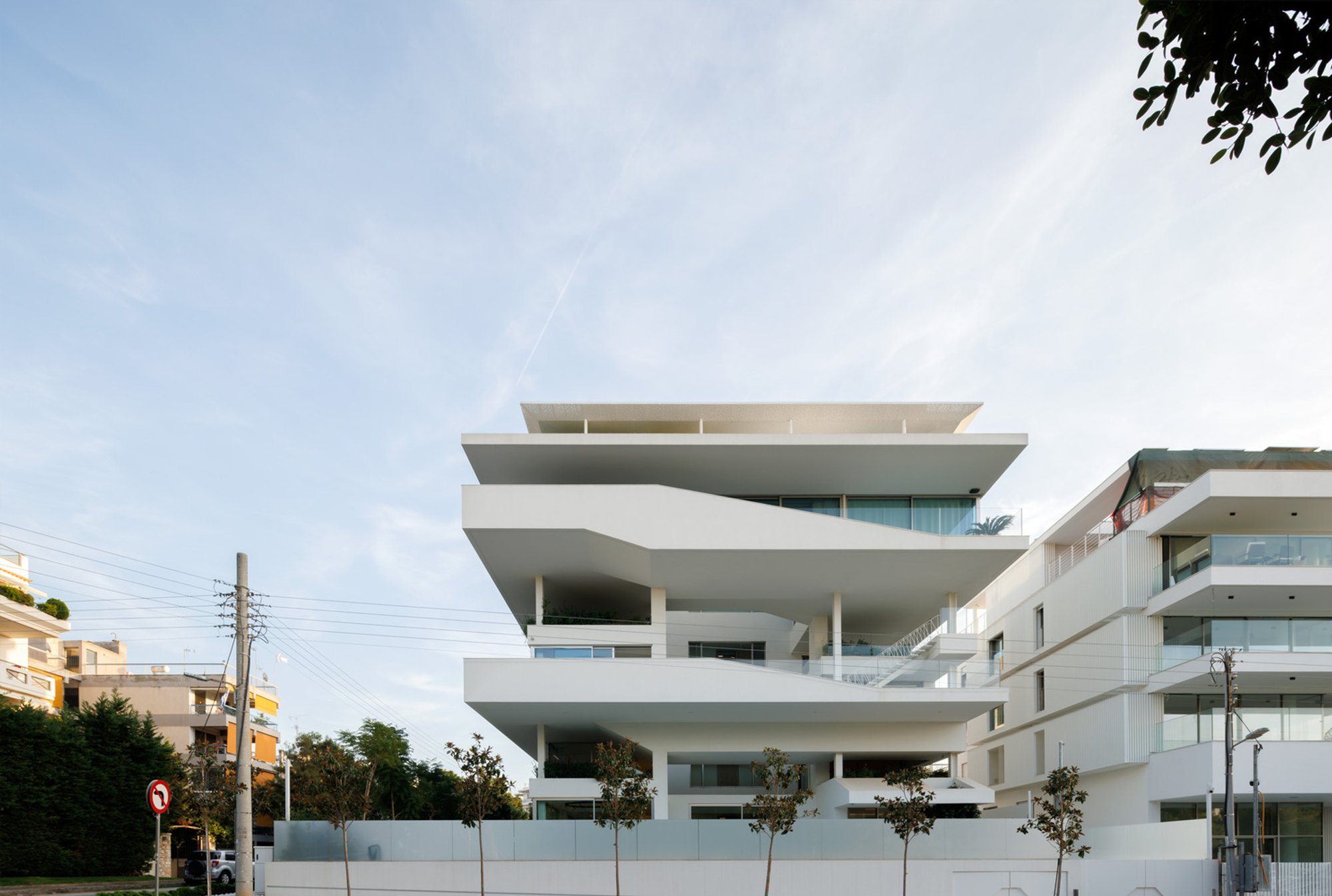
Modern villa design has evolved significantly in recent years, offering a perfect blend of innovation, luxury, and sustainability. The Aloof Houses project, designed by KLab Architecture in Voula, Greece, is a prime example of how modern villa design can redefine the boundaries of what we expect from residential spaces. This unique design incorporates cutting-edge building technology and creative strategies that allow homeowners to enjoy maximum privacy, outdoor living, and contemporary aesthetics.
In this article, we will explore the design philosophy behind the Aloof Houses and why this approach to modern villa design is reshaping the way we think about urban living.
Key Features of Modern Villa Design: Privacy and Outdoor Integration
1. Vertical Layout for Privacy
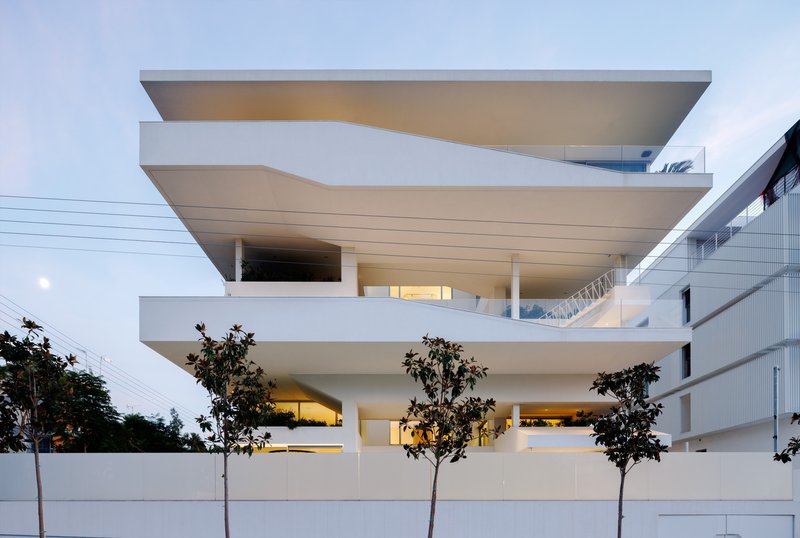
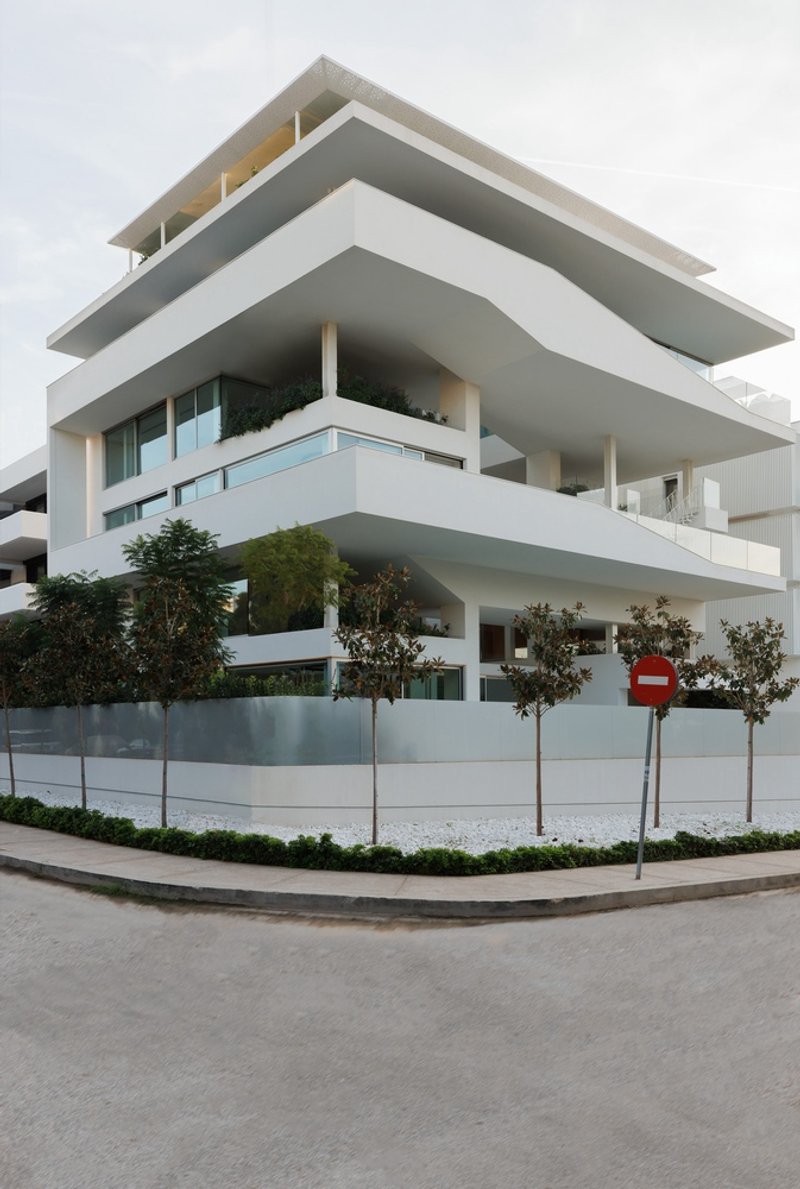
One of the most defining aspects of modern villa design is the emphasis on privacy. Traditional villas are typically single-story homes surrounded by expansive gardens. However, the Aloof Houses take this concept to new heights by stacking three detached homes vertically. Each villa is built on a metal structure, allowing for increased privacy between residents without compromising the design’s open, airy feel.
This vertical layout minimizes interference between neighboring homes, ensuring that each unit feels like an independent villa despite being part of a larger building. The design incorporates a small middle floor for each unit, creating a void space that enhances the sense of separation and adds to the overall aesthetic appeal.
2. Outdoor Living Spaces: Gardens and Terraces
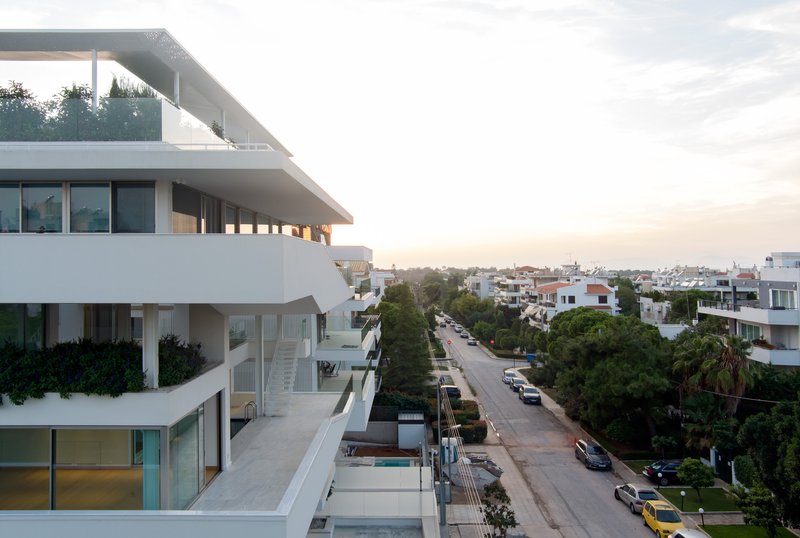
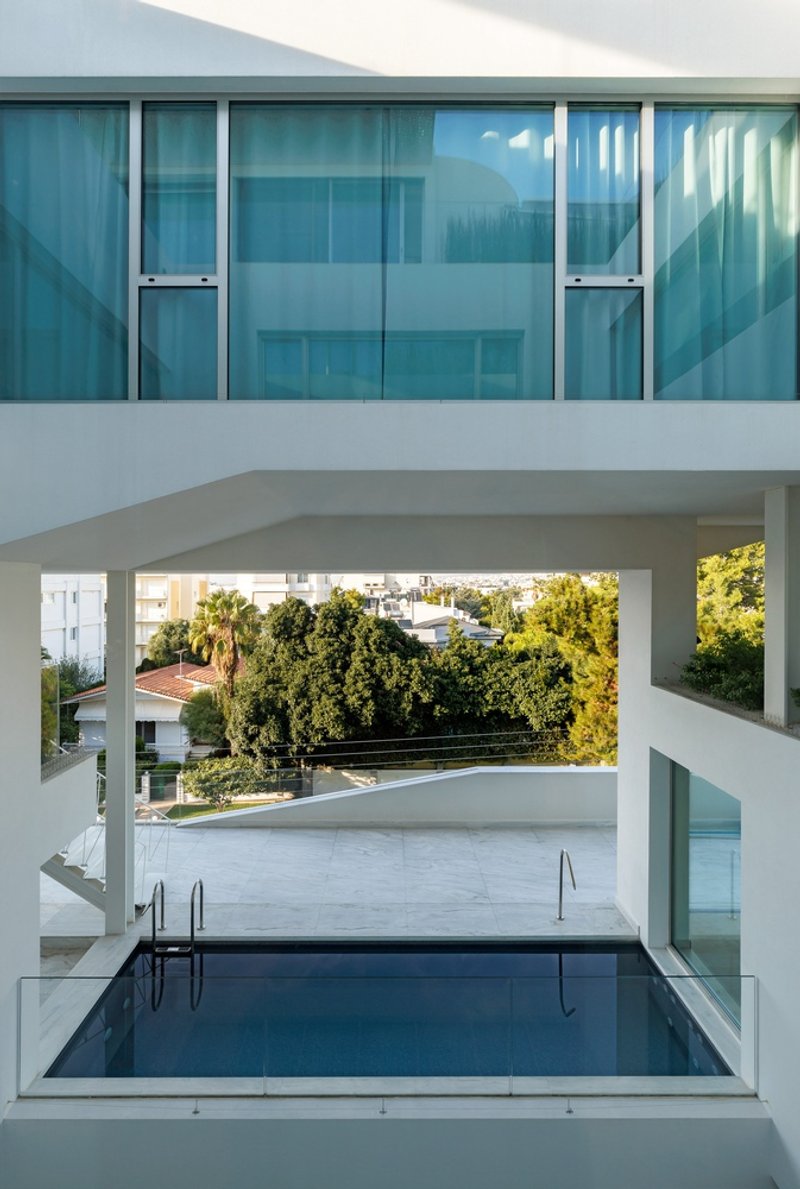
In modern villa design, outdoor spaces are just as important as the indoor living areas. The Aloof Houses project reflects this by offering expansive gardens and terraces for each unit. The central concept behind the design was to ensure that the built area was not larger than the outdoor space—both covered and uncovered.
The villas feature gardens, covered outdoor areas, and pools, integrated seamlessly into the overall design. This connection between indoor and outdoor spaces creates a harmonious living environment where residents can enjoy nature without leaving the comfort of their homes.
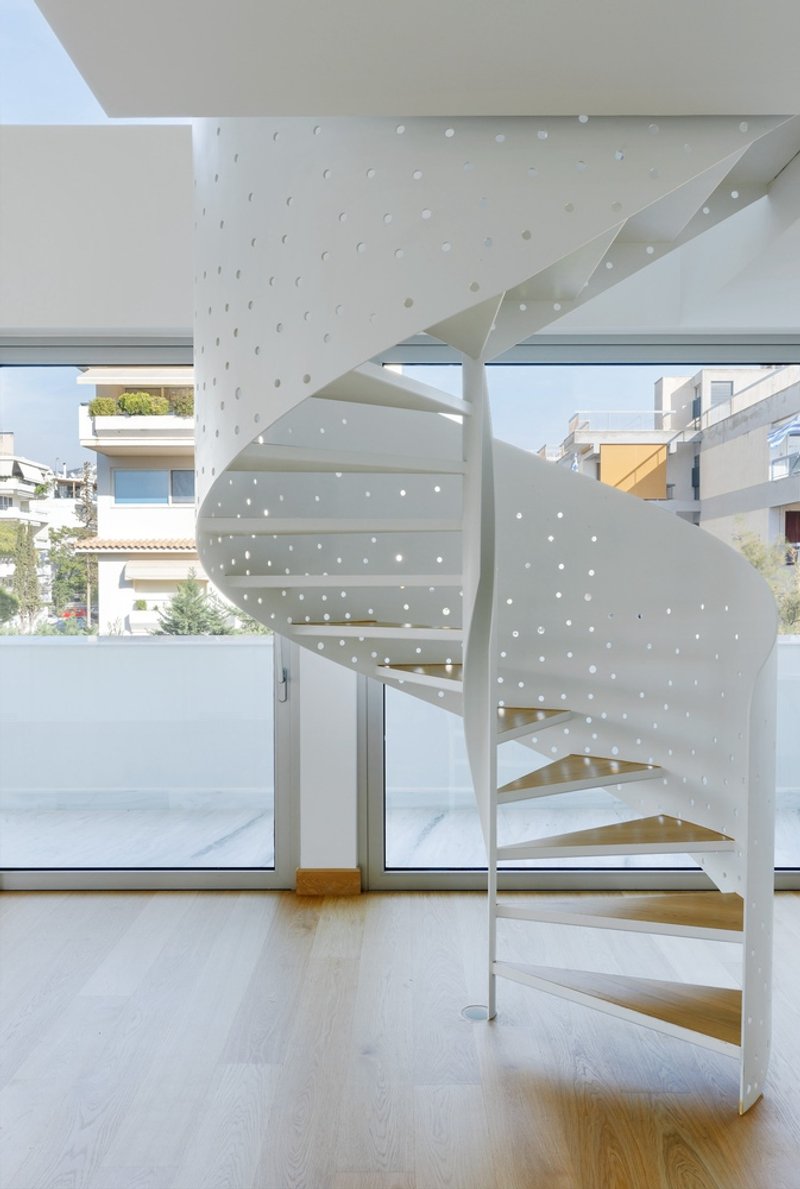
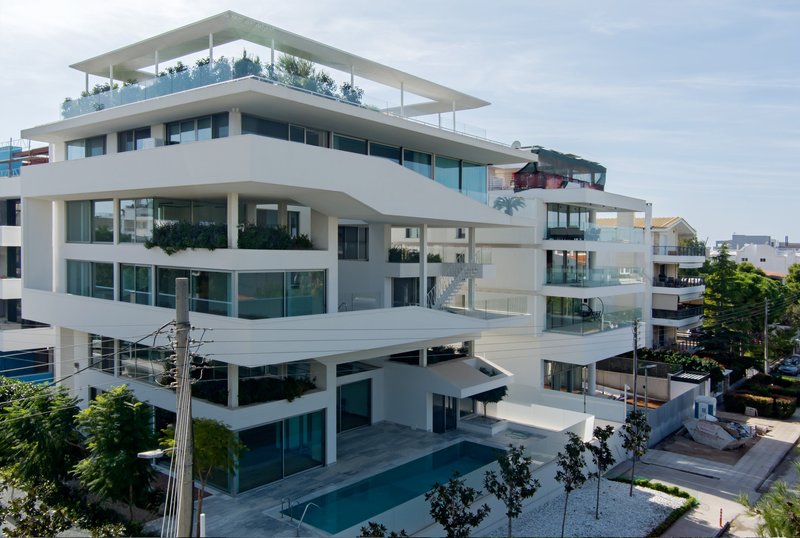
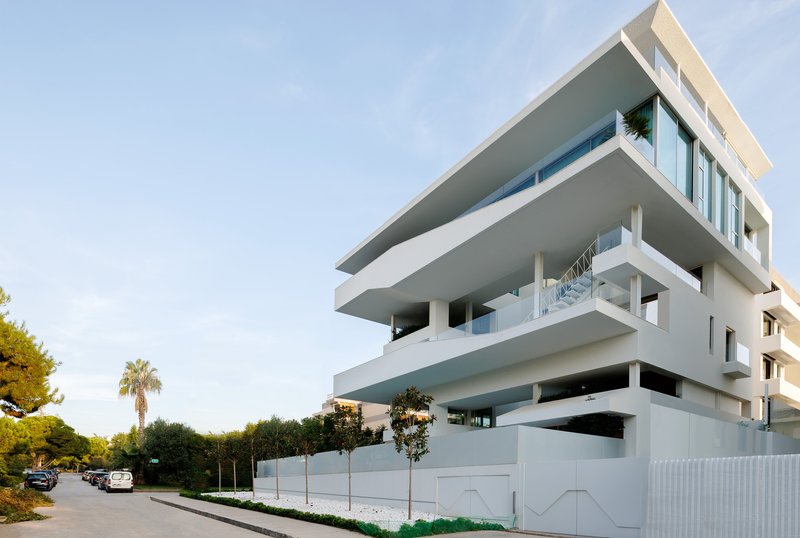
The Role of Cutting-Edge Architecture in Modern Villa Design
3. Sculptural Form and Cantilevered Volumes
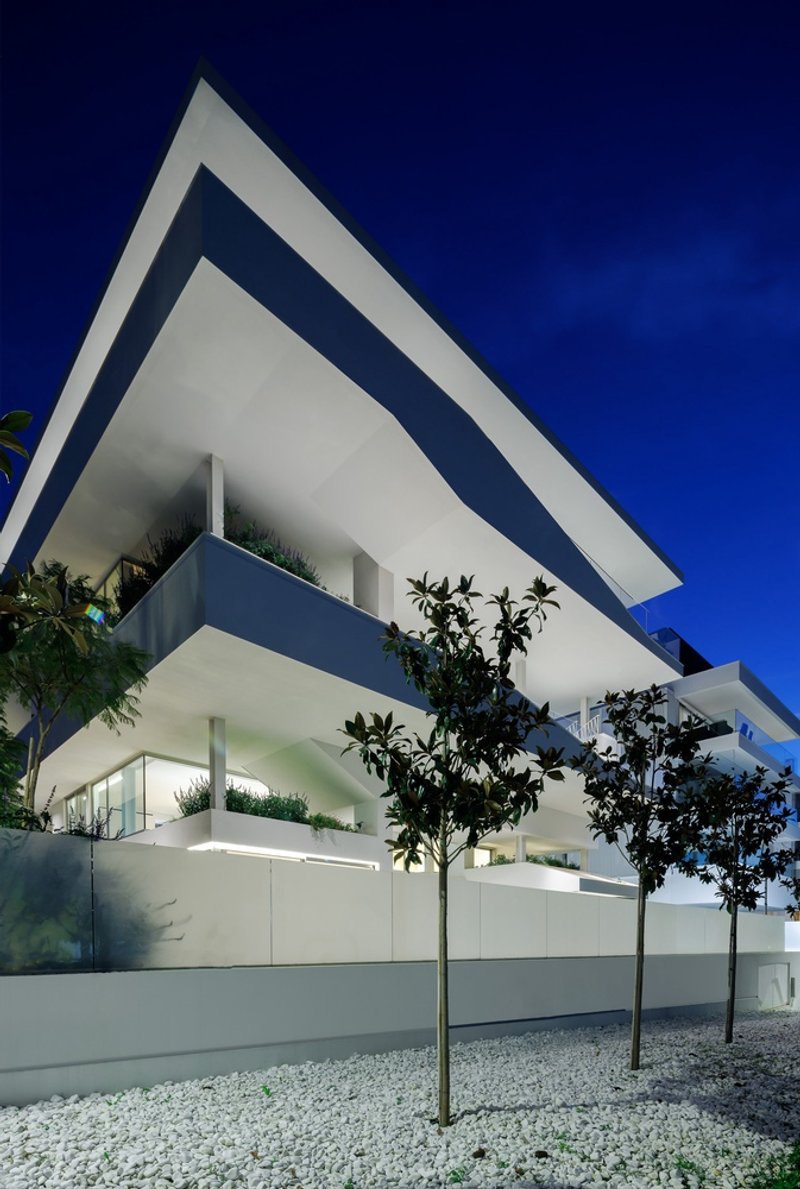
Modern villa design is often about pushing the boundaries of traditional forms. The Aloof Houses make use of a metal structure that allows for cantilevered volumes—overhanging spaces that create dramatic cutouts in the building’s volume. These cantilevered surfaces not only enhance the building’s visual appeal but also create functional outdoor areas such as terraces and covered gardens.
The design’s sculptural nature emphasizes the interplay between solid forms and empty spaces, allowing for natural light and air to penetrate deeper into the structure. The strategic placement of voids, like the atrium in the center of the building, enhances the experience of openness while maintaining privacy and separation between the villas.
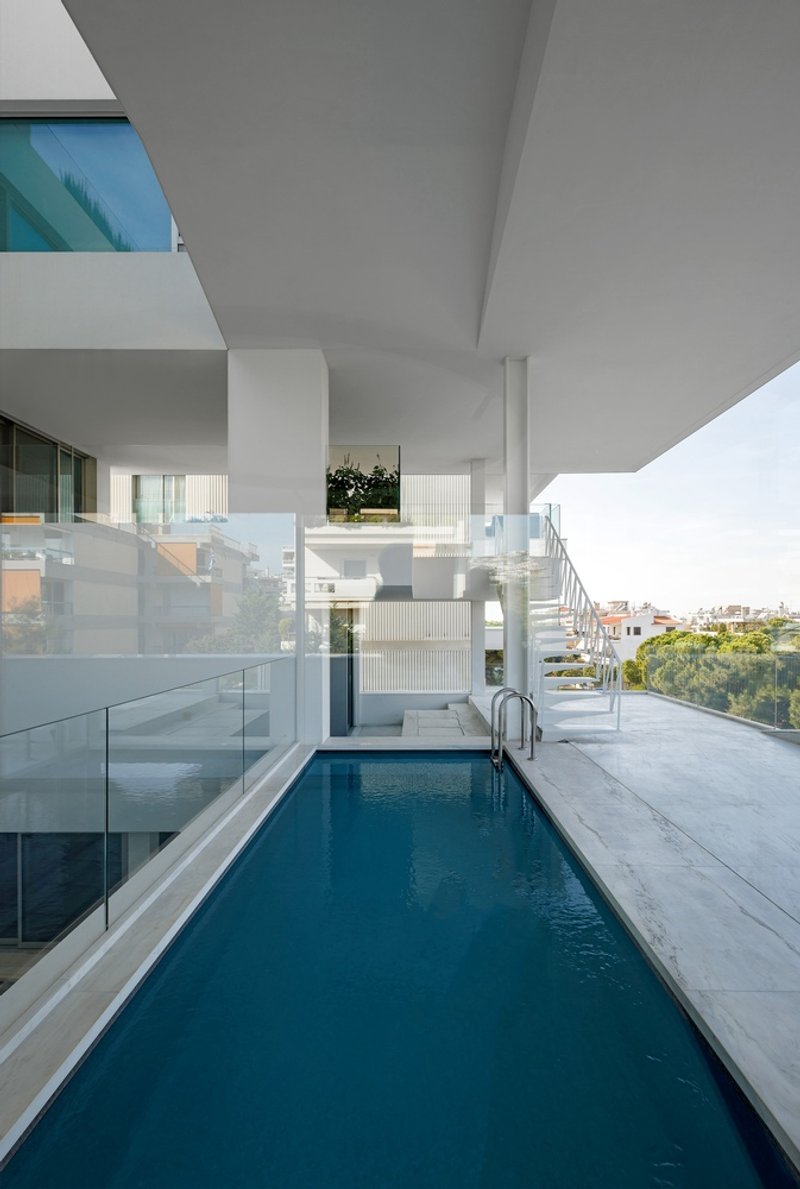
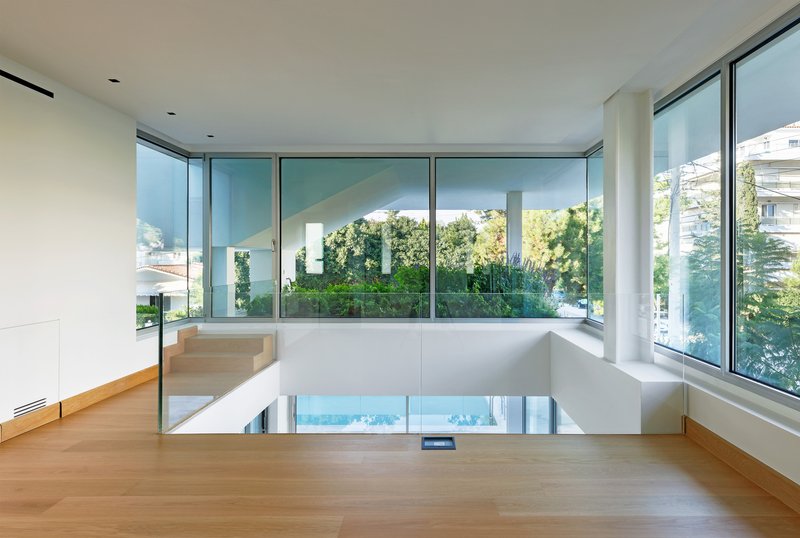
4. Sustainable Living through Innovative Materials and Technologies
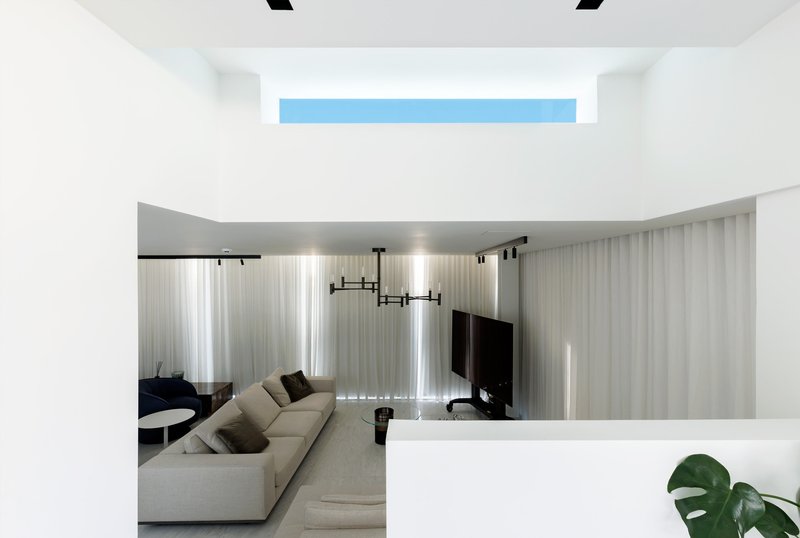
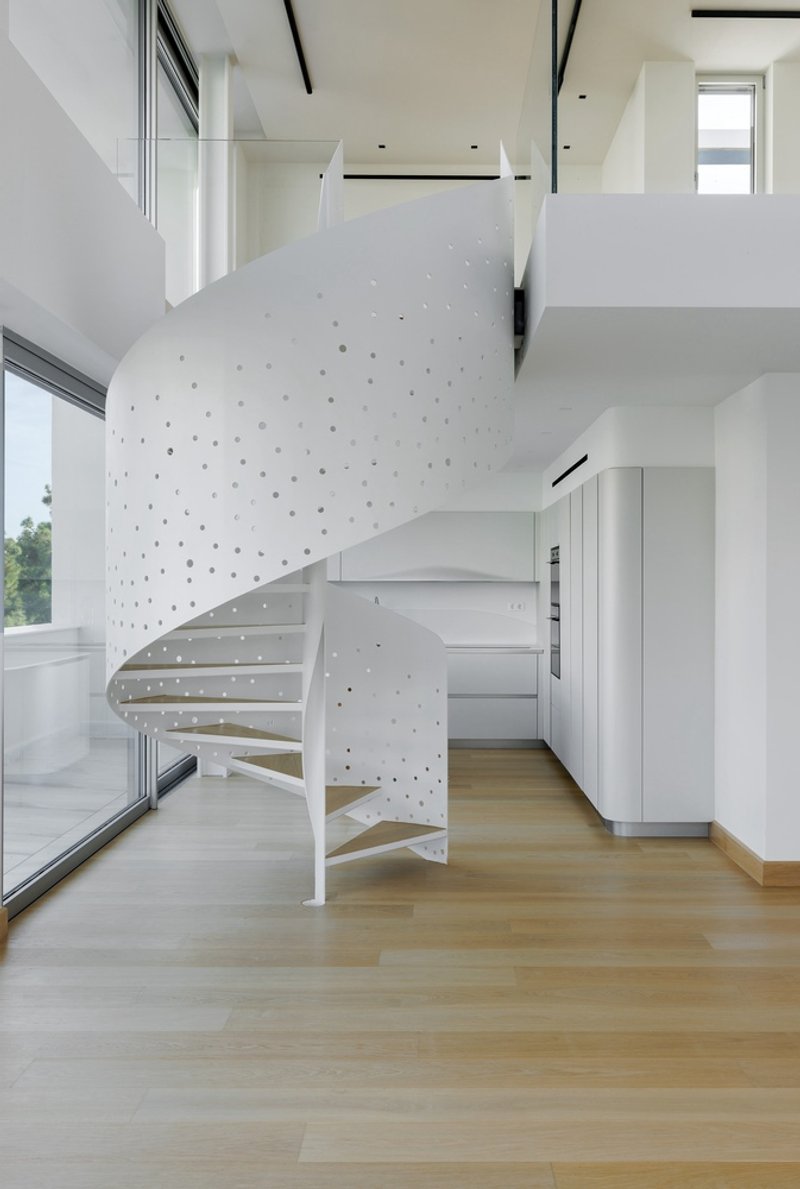
Another hallmark of modern villa design is sustainability. The Aloof Houses incorporate advanced materials and technologies that contribute to energy efficiency and eco-friendly living. The use of metal columns and light structures allows for large, open spaces while minimizing material waste. Sustainable landscaping practices, such as the integration of native plants in the garden areas, also help reduce the environmental impact of the development.
New building regulations and technologies, tested and implemented in this project, have made it possible to create a high-performance building that supports modern, sustainable lifestyles. The villas not only offer luxury and comfort but also adhere to the latest standards of eco-conscious construction.
The Future of Modern Villa Design
5. A New Paradigm in Urban Architecture
The Aloof Houses demonstrate that modern villa design can be seamlessly integrated into urban environments, offering the same level of privacy, space, and connection to nature as traditional single-family homes. As more urban areas look for ways to accommodate growing populations while preserving quality of life, designs like the Aloof Houses present a viable solution. By stacking multiple villas on a single plot, architects can reduce the overall footprint of residential buildings while enhancing the living experience for residents.
This innovative approach to modern villa design challenges the conventional idea of apartment buildings and demonstrates how creative architectural solutions can provide high levels of privacy and outdoor living, even in densely populated areas.
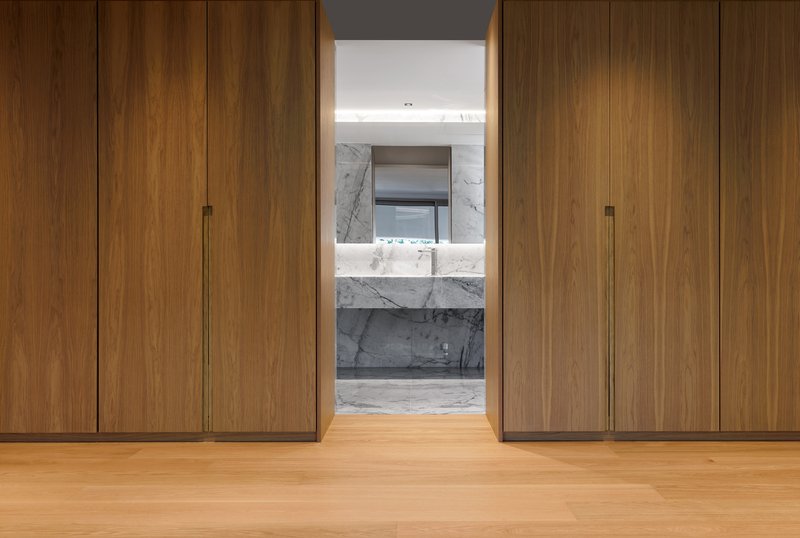
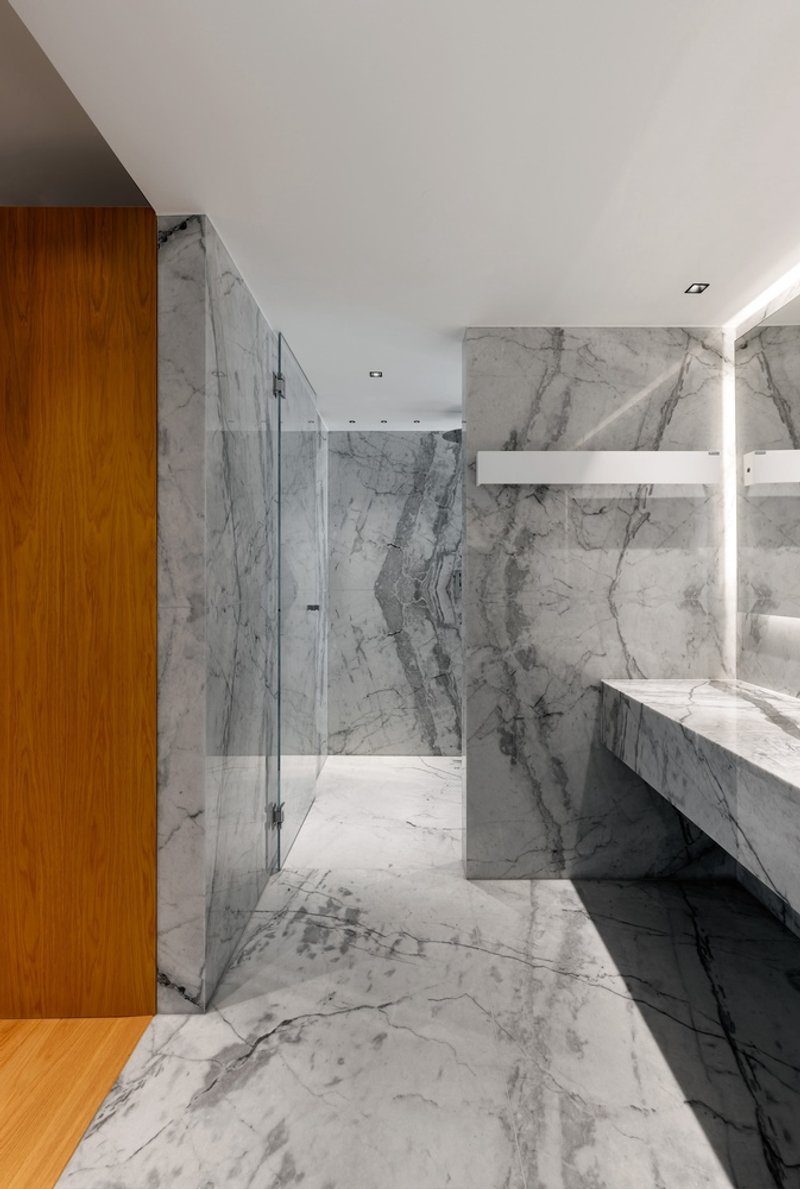
The Aloof Houses by KLab Architecture represent a fresh approach to modern villa design. With a focus on privacy, outdoor spaces, and sustainable living, these villas offer a blueprint for the future of residential architecture. As we move toward a more sustainable and innovative future, this design serves as a model for how modern villa design can offer a luxurious, comfortable, and environmentally responsible way of living.
By rethinking traditional villa layouts, integrating cutting-edge building techniques, and focusing on the connection between indoor and outdoor spaces, the Aloof Houses stand at the forefront of contemporary architectural design.
All Photographs are work of Panagiotis Voumvakis




Popular Articles
Popular articles from the community

Fifth NRE Jazz Club – De Bever Architecten: Eindhoven’s Revitalized Cultural Hub
Historic gas factory transformed into Fifth NRE Jazz Club blending modern sustainability, jazz culture, dining, and heritage architecture seamlessly.

Free Architecture Competitions You Can Enter Right Now
No entry fees, real prizes. Here are the best free architecture competitions open for submissions in 2026.




The Ken Roberts Memorial Delineation Competition (Krob)
As the most senior architectural drawing competition currently in operation anywhere in the world, it draws hundreds of entries each year, awarding the very best submissions in a series of medium-based categories.


Similar Reads
You might also enjoy these articles
The Ken Roberts Memorial Delineation Competition (Krob)
As the most senior architectural drawing competition currently in operation anywhere in the world, it draws hundreds of entries each year, awarding the very best submissions in a series of medium-based categories.

Waterfront Redevelopment and Urban Revitalization in Mumbai: Forging a New Dawn for Darukhana
A transformative waterfront redevelopment project reimagining Darukhana’s shipbreaking heritage into an inclusive urban future.

OUT-OF-MAP: A Call for Postcards on Feminist Narratives of Public Space
Rhizoma Design and Research Lab invites artists, designers, architects, researchers, and students to reflect on how feminist perspectives can reshape public space. Selected works will be exhibited in Barcelona, October 2026. Submissions open until 15 April 2026.


Documentation Work on Buddhist Wooden Temple
Architectural syncretism and cultural hybridity: A comparative study of the Buddhist temples in Chattogram Hill tracks


Explore Architecture Competitions
Discover active competitions in this discipline




The International Standard for Design Portfolios


The Global Benchmark for Architecture Dissertation Awards


The Global Benchmark for Graduation Excellence


Challenge to reimagine the Iron Throne
Comments (0)
Please login or sign up to add comments
No comments yet. Be the first to comment!