
Nurul Yaqin Mosque by Dave Orlando + Fandy Gunawan: A Minimalist Sanctuary Rooted in Nature and Spiritual Memory
Minimalist mosque design blending spirituality, nature, and memory with brick, concrete, water elements, and symbolic light-filled prayer spaces.

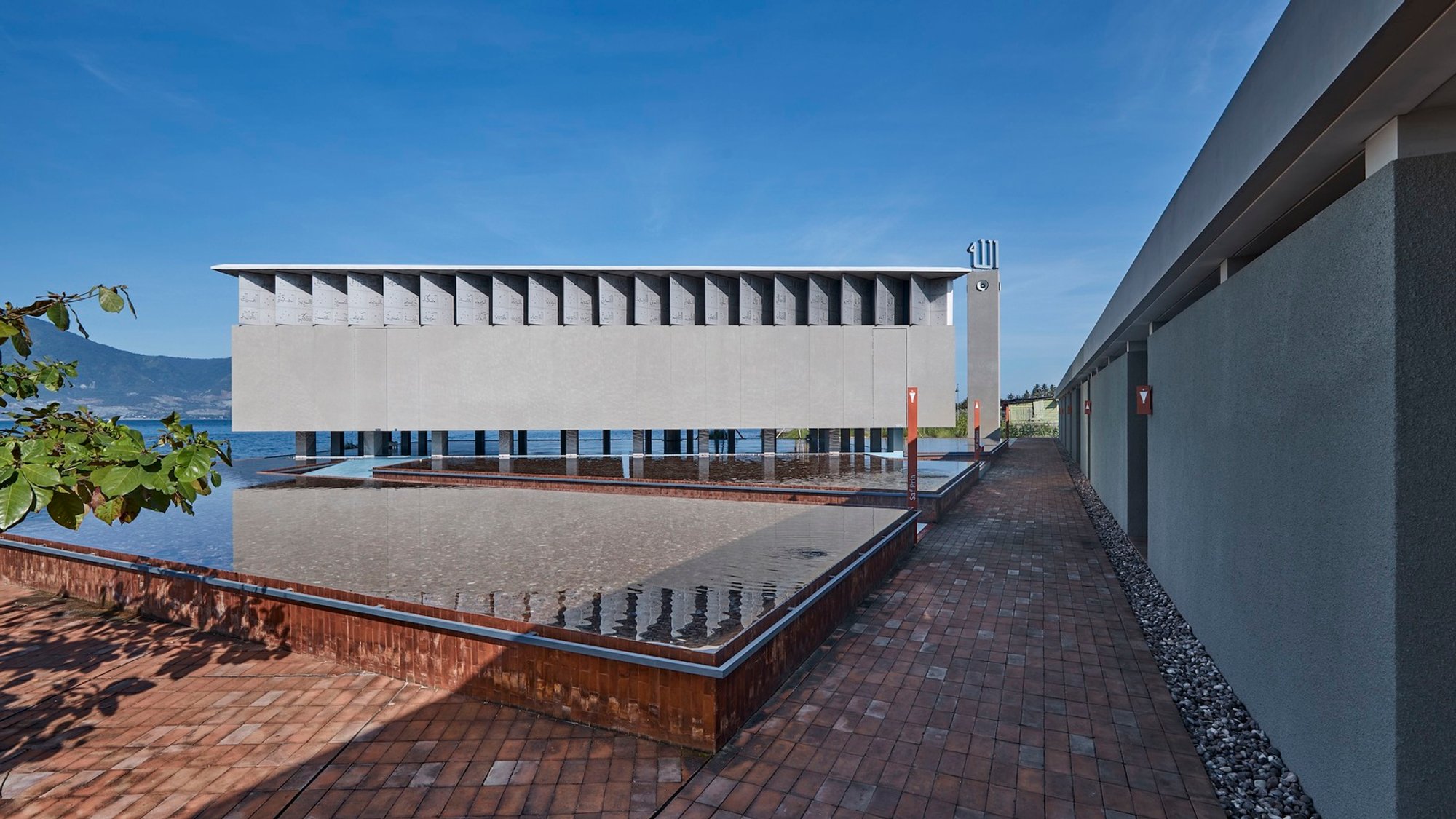
Located in Indonesia, the Nurul Yaqin Mosque, designed by architects Dave Orlando and Fandy Gunawan, represents a bold reinterpretation of traditional mosque architecture. Completed in 2022 and spanning 2,220 square meters, this minimalist religious structure offers a profound spatial experience—one that merges spiritual symbolism, disaster memorial, and natural harmony into a unified architectural language.
A Contemporary Mosque Design Inspired by Peace and Reflection
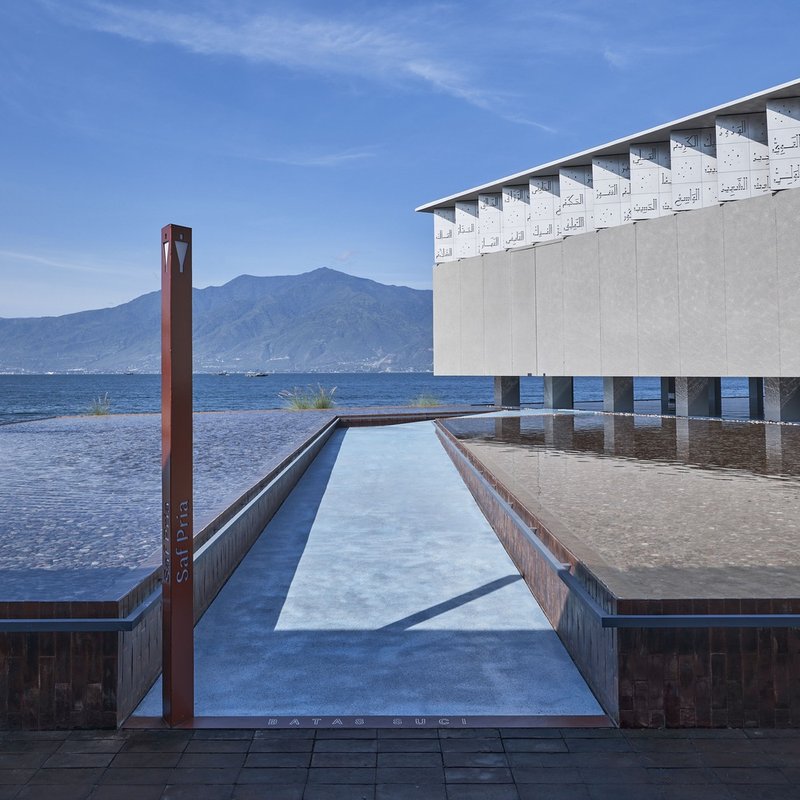
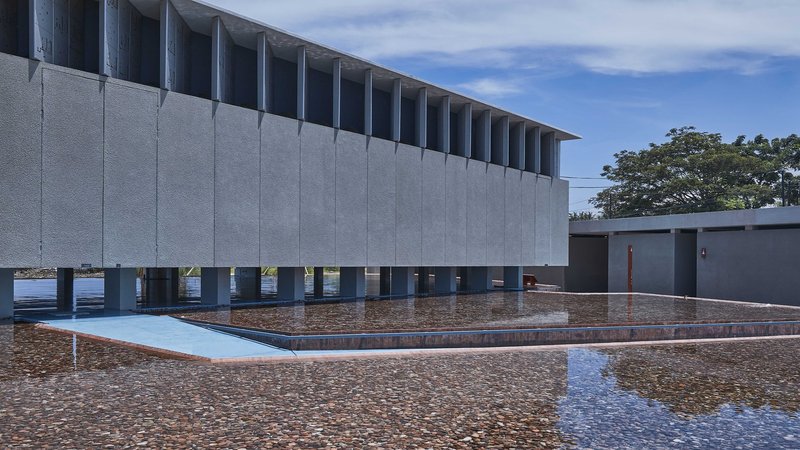
Breaking away from ornamental traditions, the architects envisioned the mosque not only as a place of worship but also as a community space that commemorates the 2018 tsunami. The design centers around the themes of tranquility, humility, and environmental consciousness. Water is used as a key design element, encircling the structure to give the illusion that it floats, symbolizing spiritual transcendence and connection to nature.
Materiality, Symbolism, and Structure
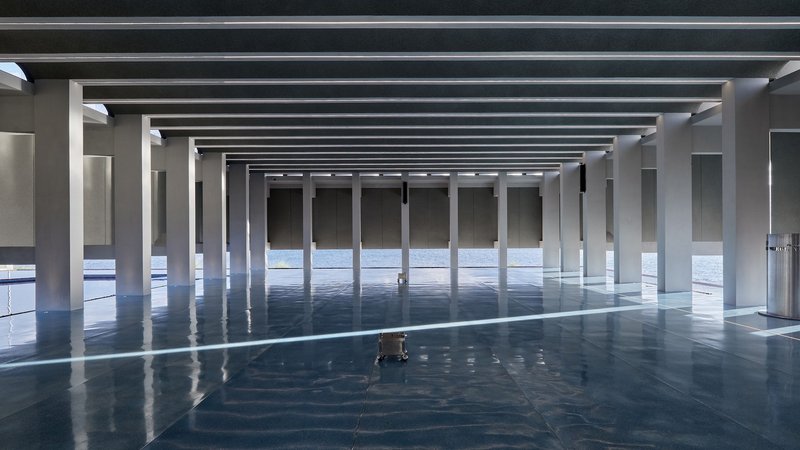
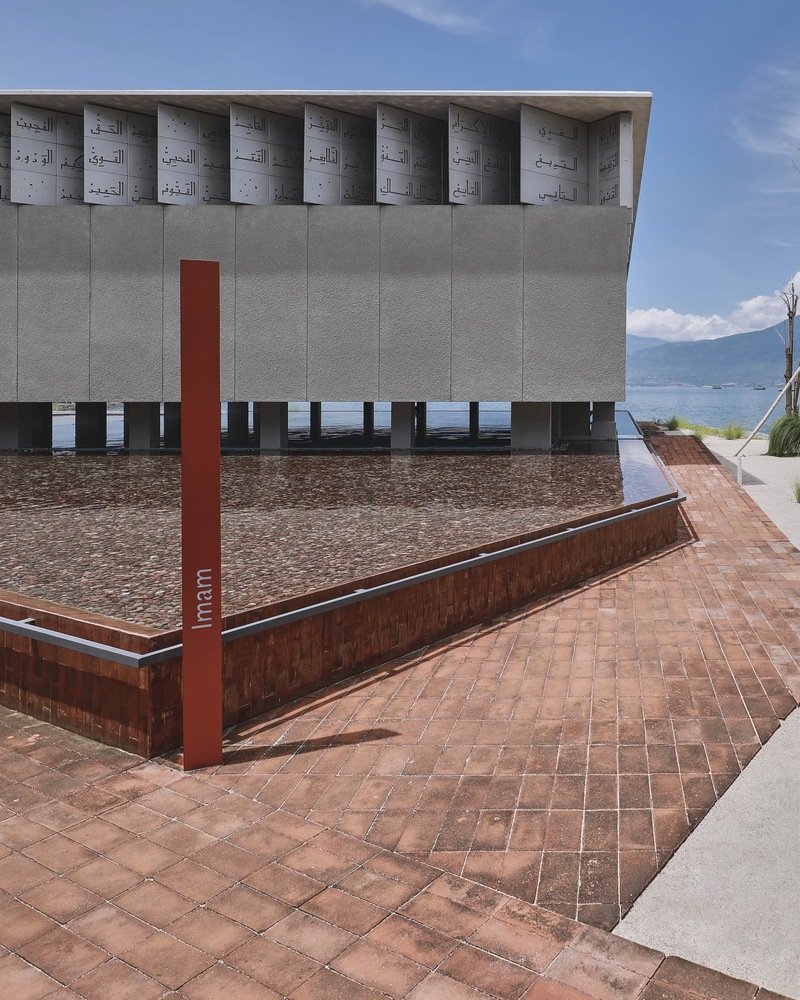
The mosque comprises two separate buildings: the primary prayer hall and a secondary utility structure. The prayer space is accessible through three dedicated entrances—one each for male and female worshippers, and one for the imam—emphasizing inclusivity and spatial hierarchy. Built primarily from brick and concrete, the architecture embodies durability and calm, accented by blue terrazzo floors that appear to merge seamlessly with the surrounding water, creating a sense of the infinite.
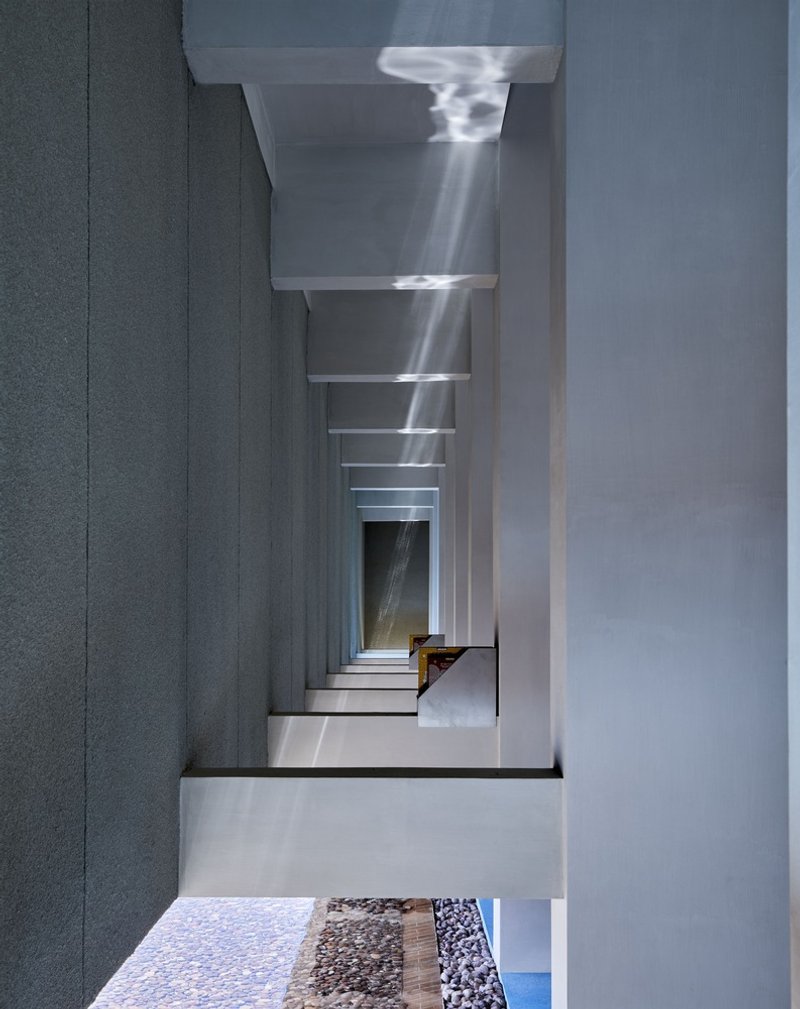
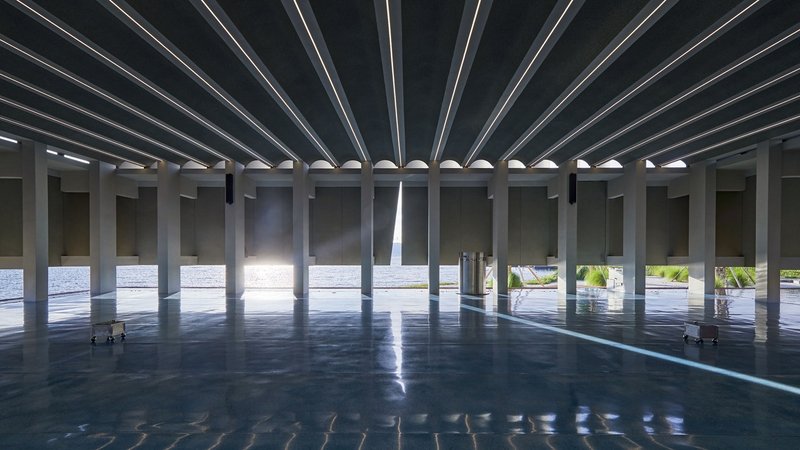
The interior is supported by 30 sculptural columns that uphold a ceiling adorned with subtle vaulting. The mihrab, the focal point for prayer, is designed as a narrow vertical slit, allowing a shaft of natural light to guide worshippers toward Mecca. Rather than using glass or windows, the building is designed to naturally ventilate, emphasizing low-maintenance, sustainable living.
Sacred Minimalism and Cultural Memory
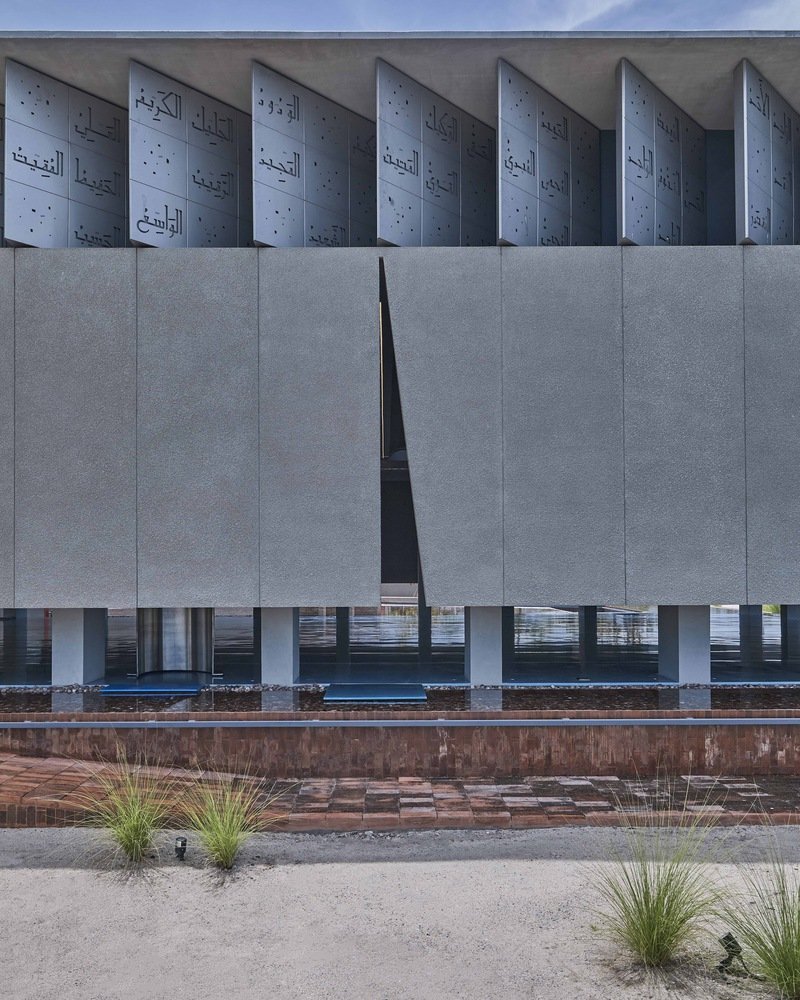
Islamic decorative motifs are reimagined through minimalist detailing. One of the most poetic elements is the laser-cut stainless-steel air vents that encircle the upper interior, etched with the 99 names of Allah—a gesture that fuses tradition with contemporary design. The restrained ornamentation echoes the overall vision of peace and mindfulness.
By honoring both cultural heritage and environmental resilience, Nurul Yaqin Mosque emerges as a space of collective healing, spiritual introspection, and architectural clarity. Its thoughtful design fosters a sanctuary-like atmosphere, welcoming all who seek reflection, community, and connection.



Popular Articles
Popular articles from the community

On the Brooks House by Monsoon Collective – A Contemporary Kerala Home Rooted in Tradition
Kerala home blending tradition and modernity with water-inspired design, brick architecture, courtyard planning, and sustainable rainwater harvesting strategies.
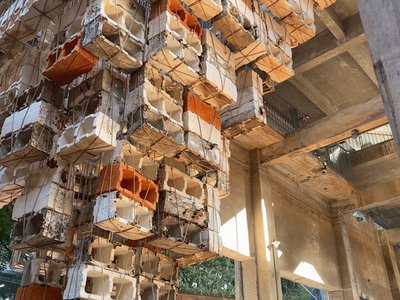
Inverted Architecture Installation by Studio Link-Arc: Exploring the Intersection of Architecture and Living Organisms
Inverted Architecture Installation by Studio Link-Arc blends mycelium, sustainability, inverted design, ecological cycles, and urban adaptive architecture in Shenzhen.
Louis Malle Cinema: A Limestone Cultural Landmark Revitalizing Community Life in Prayssac
Limestone cinema extension with public forecourt, blending heritage and modern design to create flexible cultural spaces and strengthen community interaction.
A Contemporary Take on Iranian Residential Architecture
A modern interior design in Mashhad that reinterprets brick, light, and spatial flow to create a warm, contemporary residential architecture.

Similar Reads
You might also enjoy these articles


The Ken Roberts Memorial Delineation Competition (Krob)
As the most senior architectural drawing competition currently in operation anywhere in the world, it draws hundreds of entries each year, awarding the very best submissions in a series of medium-based categories.

Waterfront Redevelopment and Urban Revitalization in Mumbai: Forging a New Dawn for Darukhana
A transformative waterfront redevelopment project reimagining Darukhana’s shipbreaking heritage into an inclusive urban future.
OUT-OF-MAP: A Call for Postcards on Feminist Narratives of Public Space
Rhizoma Design and Research Lab invites artists, designers, architects, researchers, and students to reflect on how feminist perspectives can reshape public space. Selected works will be exhibited in Barcelona, October 2026. Submissions open until 15 April 2026.

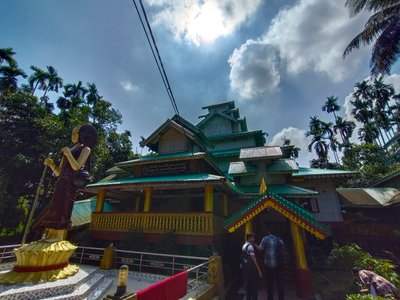
Documentation Work on Buddhist Wooden Temple
Architectural syncretism and cultural hybridity: A comparative study of the Buddhist temples in Chattogram Hill tracks

Explore Architecture Competitions
Discover active competitions in this discipline




The International Standard for Design Portfolios


The Global Benchmark for Architecture Dissertation Awards


The Global Benchmark for Graduation Excellence

Challenge to design an urban locus of culture and heritage
Comments (0)
Please login or sign up to add comments
No comments yet. Be the first to comment!