
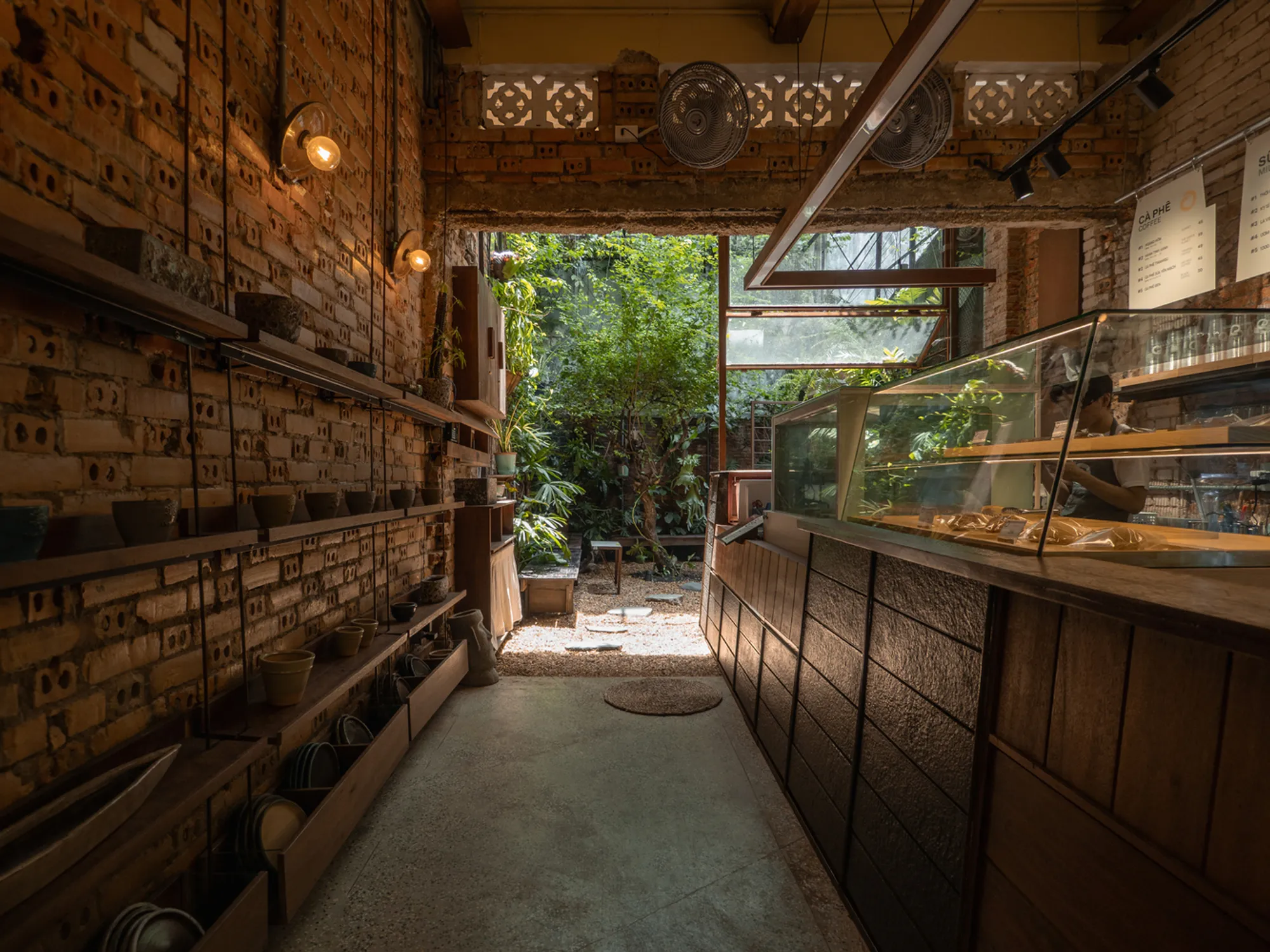
O Plant-based Ton That Dam: A Model of Adaptive Reuse Restaurant Design in Ho Chi Minh City by xưởng xép
This article explores how a Vietnamese café embodies adaptive reuse restaurant design through subtle transformation, cultural memory, and material warmth.


A Contemporary Interpretation of Adaptive Reuse Restaurant Design
In the heart of Nguyễn Thái Bình, Vietnam, O Plant-based Ton That Dam emerges as a subtle yet profound intervention in the ongoing story of urban transformation. Designed by xưởng xép and completed in 2023, the 160 m² restaurant redefines how adaptive reuse restaurant design can be both preservation and progression—melding heritage with modern sustainability in a densely layered Vietnamese cityscape.
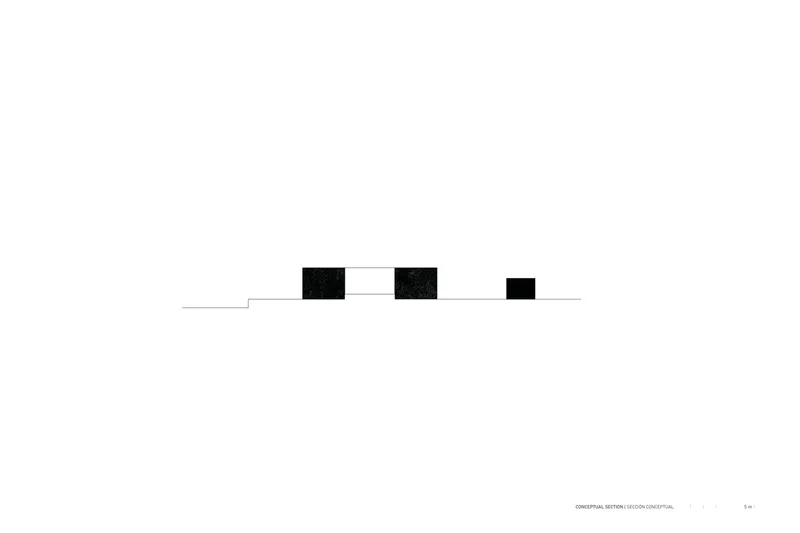
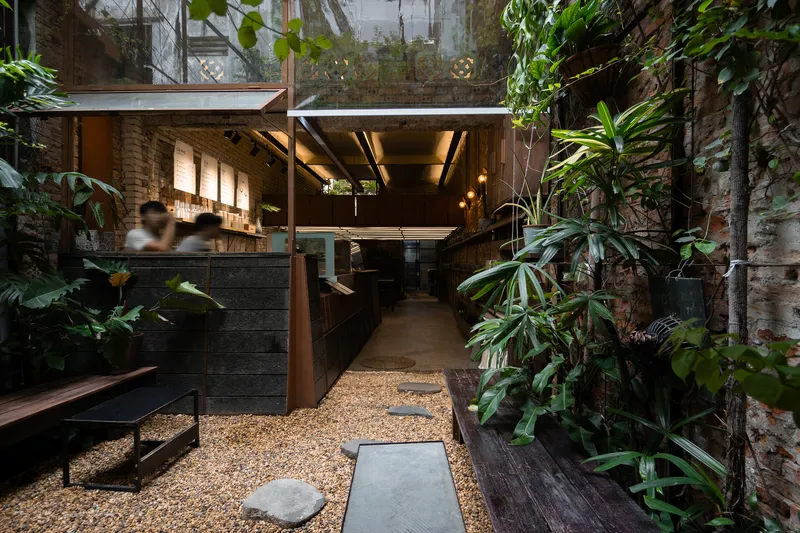
Set within an aging structure that recalls traditional Chinese-influenced homes, the café does not impose itself. Instead, it listens—to the textures of its timber, the warmth of its brick, and the memory of its communal spaces. It is a design that respects the past while proposing a future rooted in mindful architecture and plant-based living.
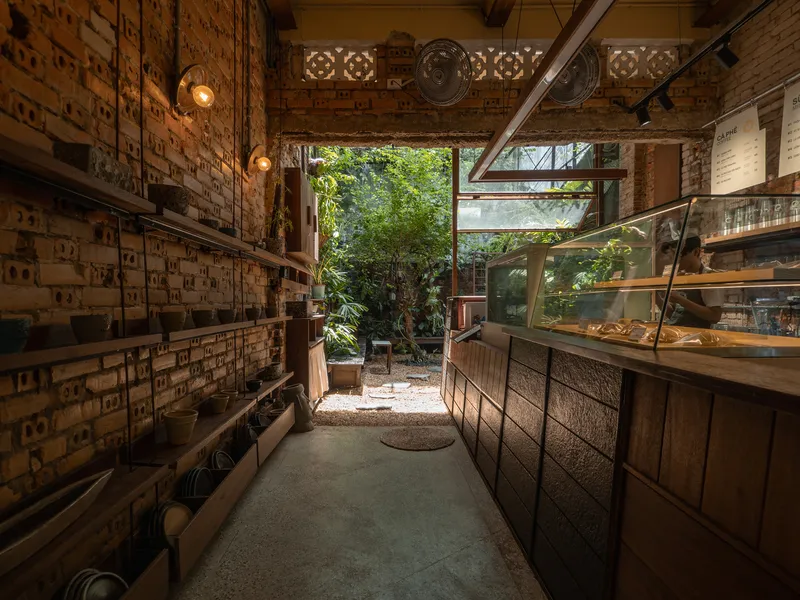
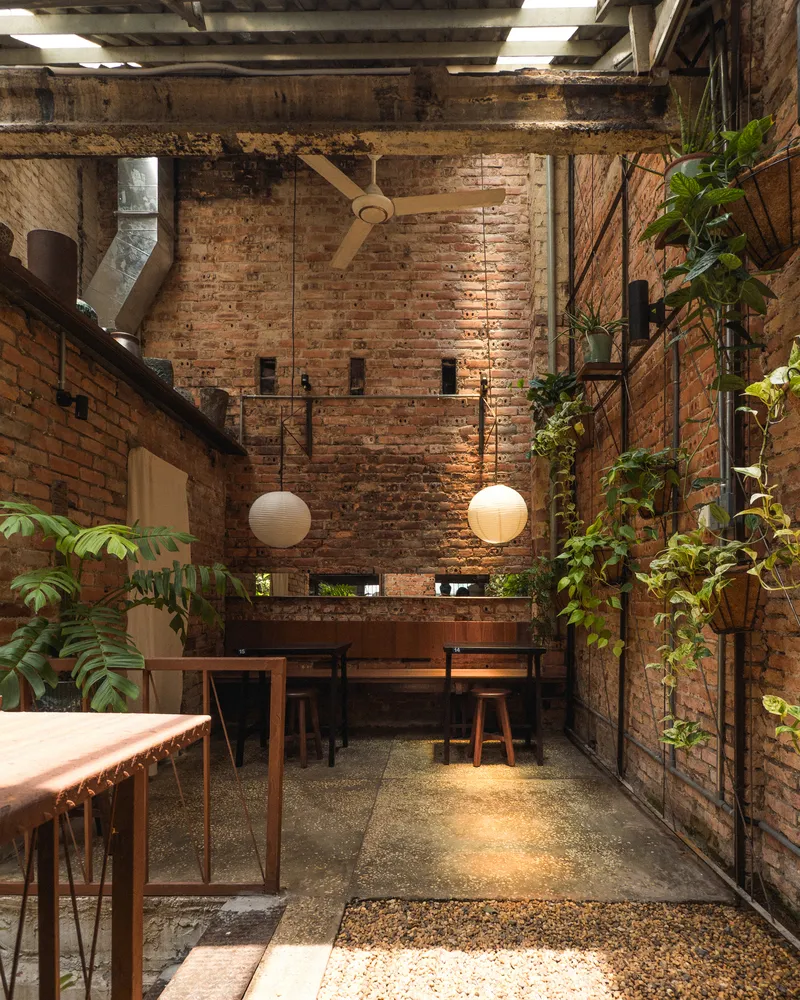
Quietly Transforming a Layered Urban Fabric
Surrounded by high-rise office buildings and rapid urbanization, the restaurant is intentionally modest in scale. Its presence is quiet, a respectful counterpoint to the vertical chaos outside. The project offers a fresh architectural rhythm to a long-standing community market space, adding to its narrative without eclipsing it.
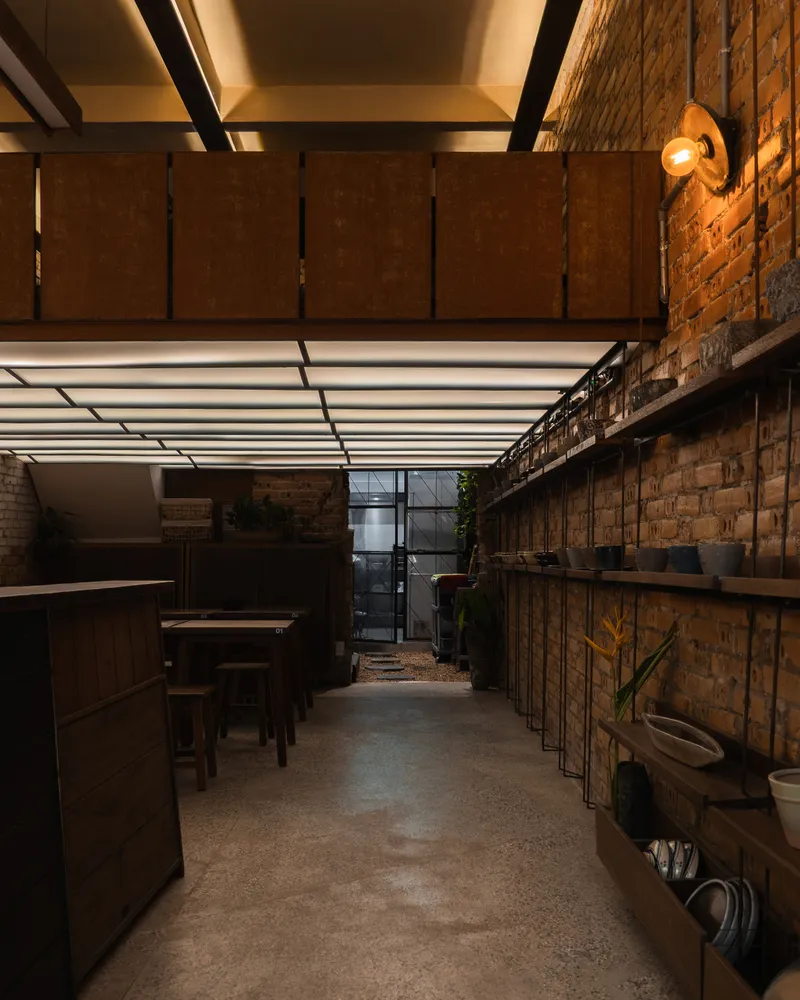
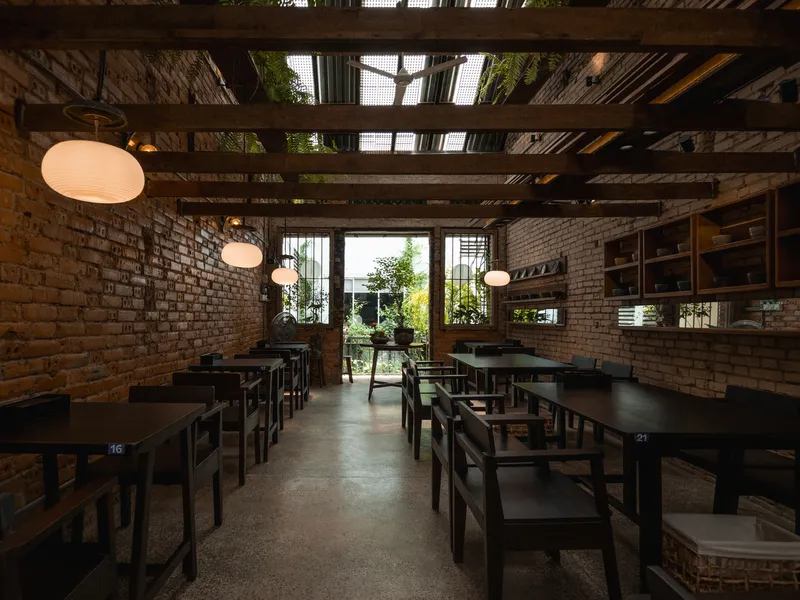
The architects approached the building with surgical care. Instead of rebuilding or erasing, they preserved and clarified—transforming the old house’s bones into a tactile dining environment. This approach exemplifies adaptive reuse restaurant design at its most poetic and sustainable, using design as a way to stitch time together rather than sever it.

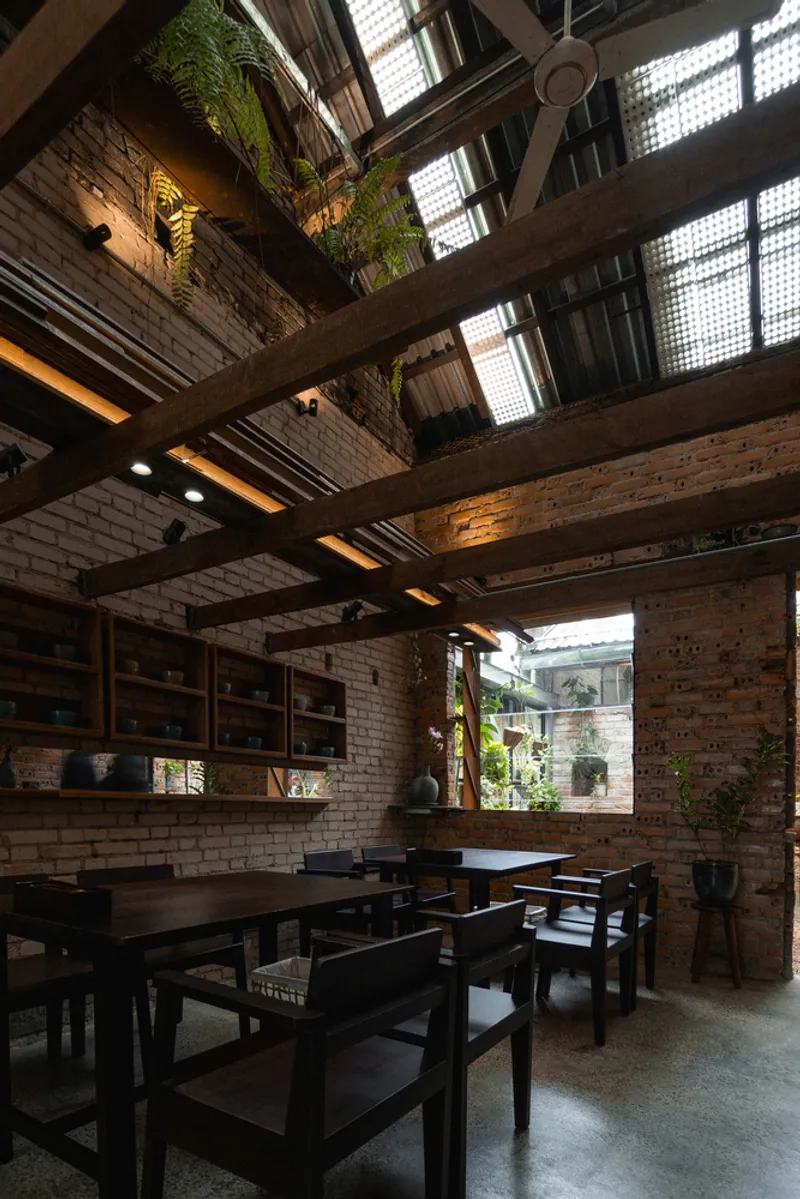
A Ground Floor Rooted in Communal Memory
The ground floor retains its original timber beam structure and intentionally low ceiling height, evoking intimacy and nostalgia. The architects reimagined this compressed space as a communal dining area reminiscent of traditional Vietnamese meals—shared tables, close quarters, familiar warmth. Here, the act of eating is not only nourishment but ritual, underscored by the spatial ambiance of low light, wood grain, and brick textures.
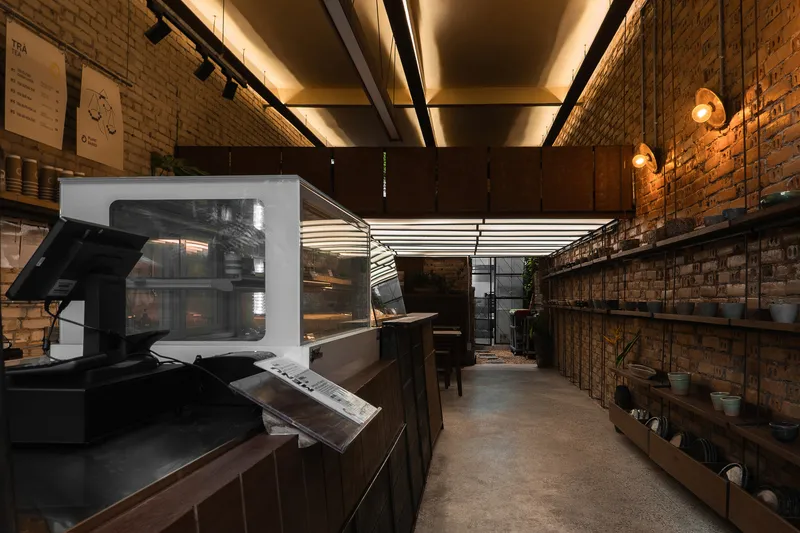
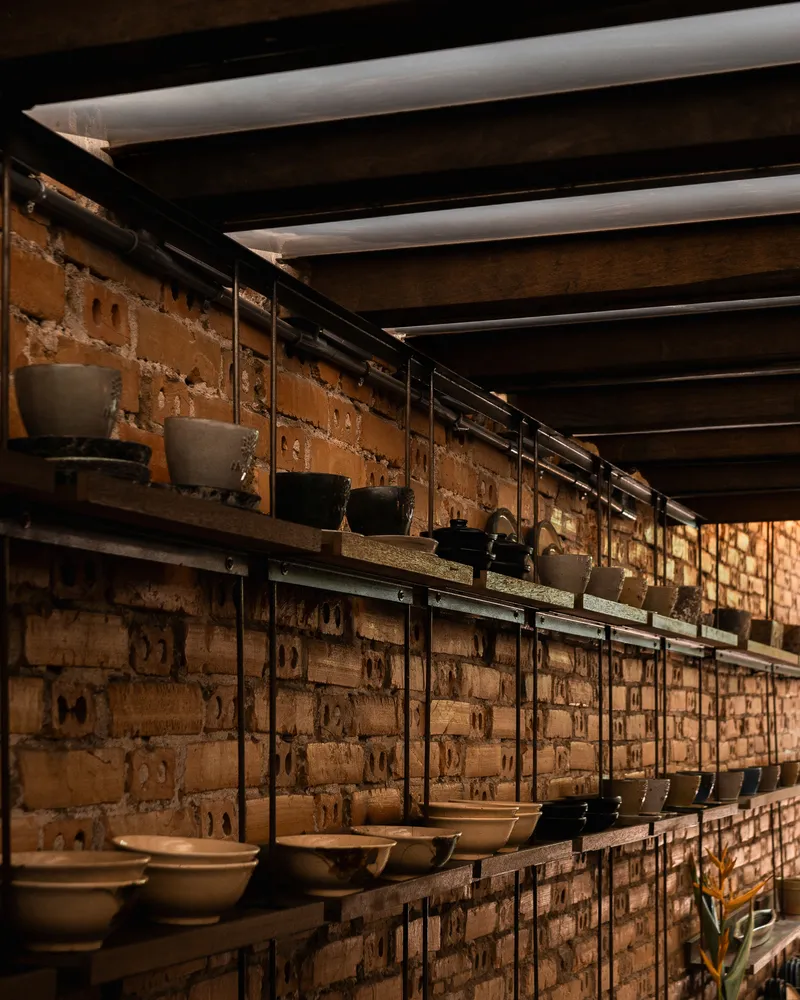
This deliberate preservation is not nostalgic mimicry; it is a form of spatial storytelling. The structure’s limitations are embraced as virtues—creating a grounded, tactile experience that draws people closer together both physically and emotionally.
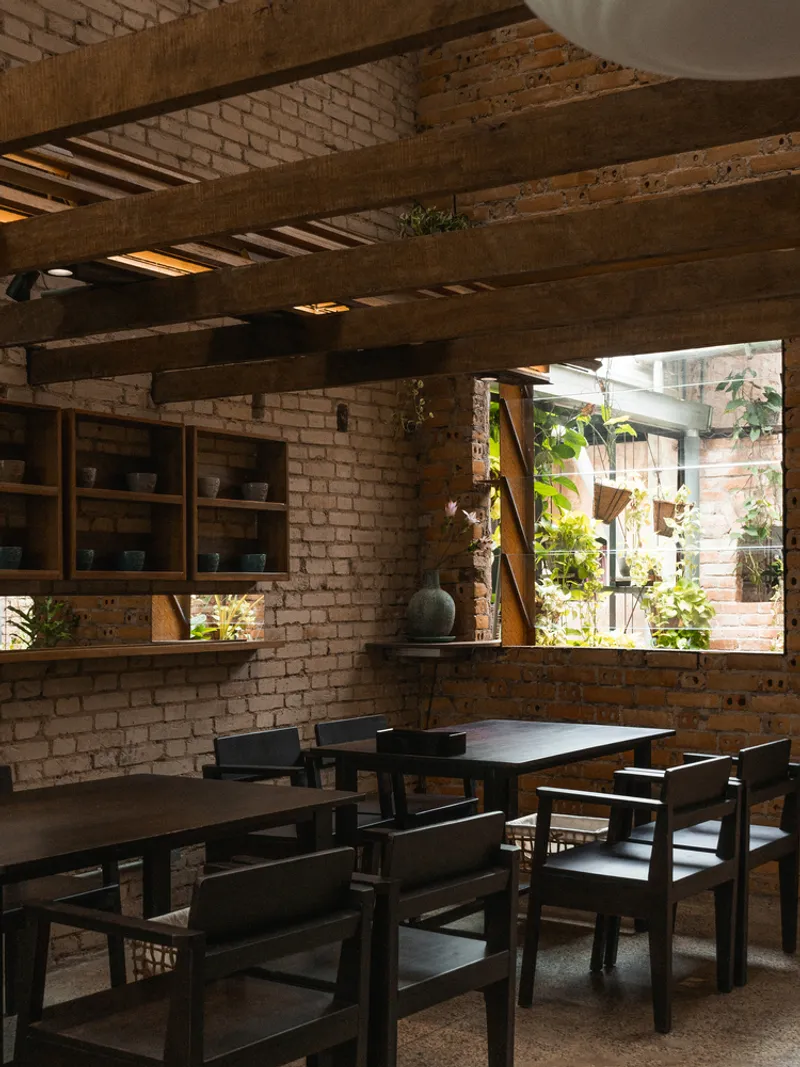
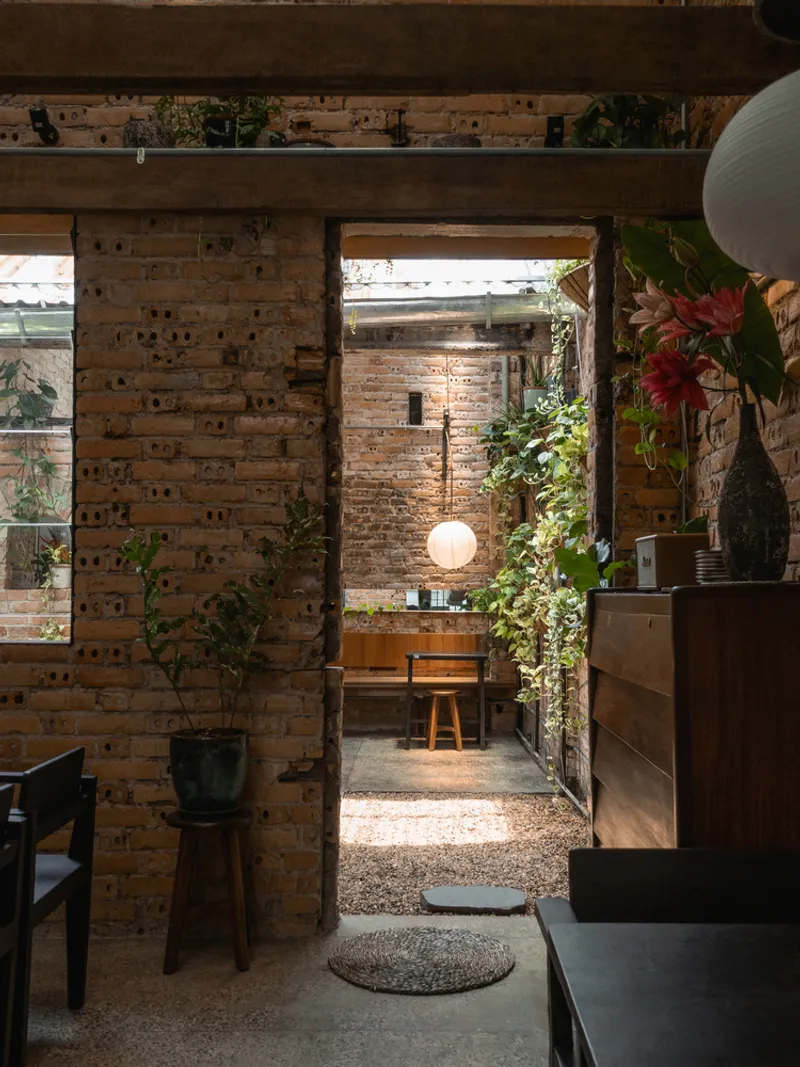

A Lofted Second Floor with Light and Air
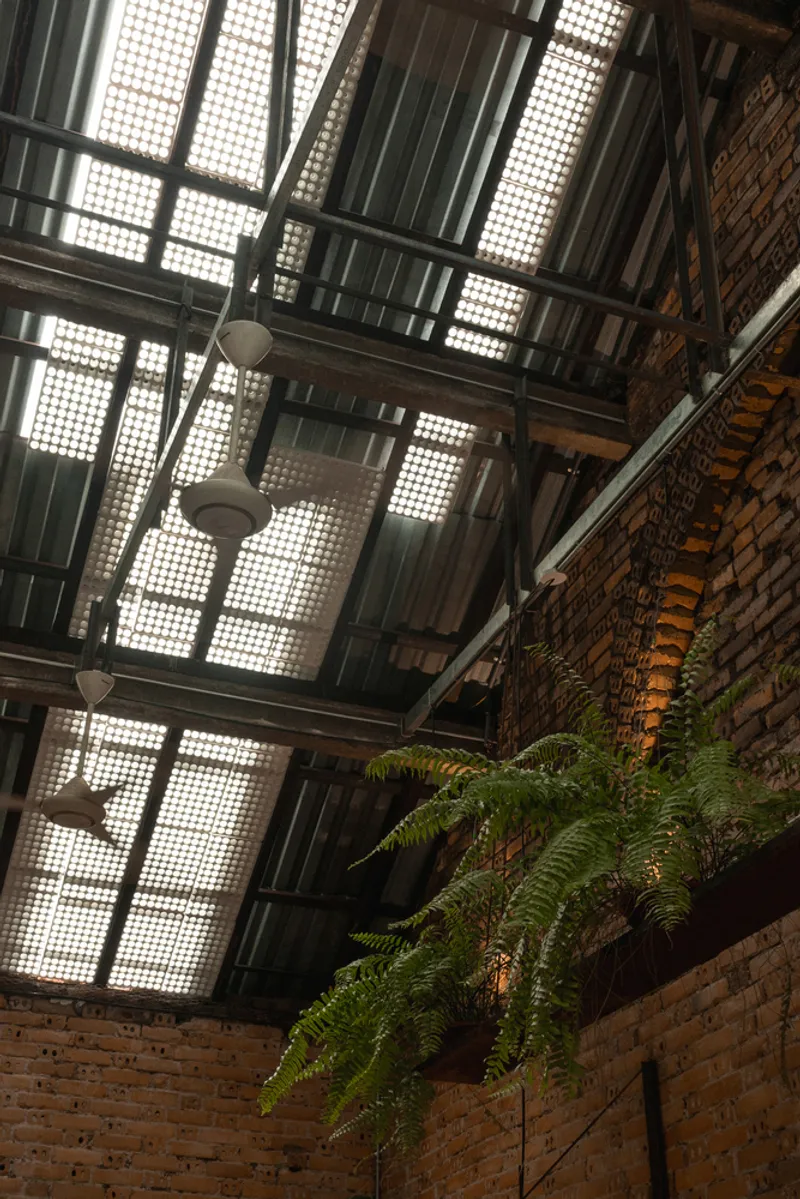
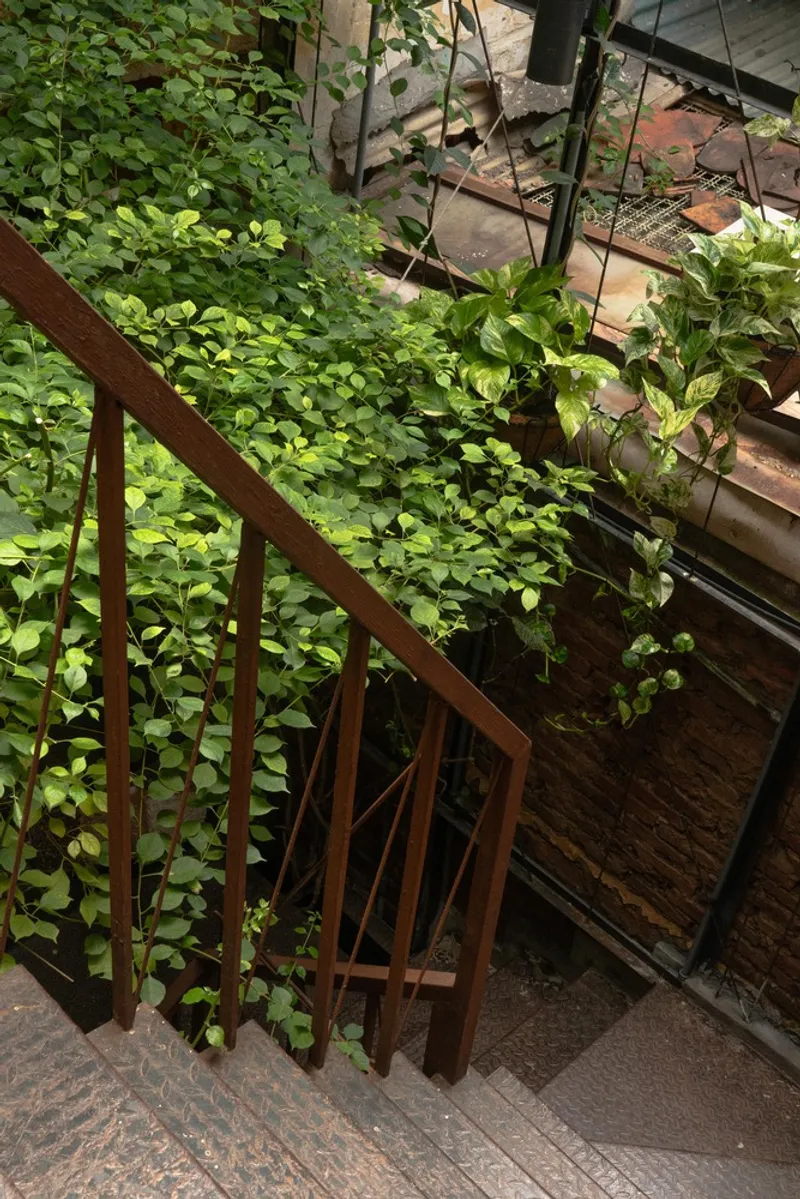
In contrast to the grounded nature of the lower level, the upper floor opens up. Here, xưởng xép exposes and celebrates the building’s original roof structure, creating a light-filled, volumetric interior. Materials like wire mesh and planted foam panels allow natural light to filter in softly. These lightweight interventions maintain the building’s historic integrity while introducing sustainable performance and atmospheric refinement.

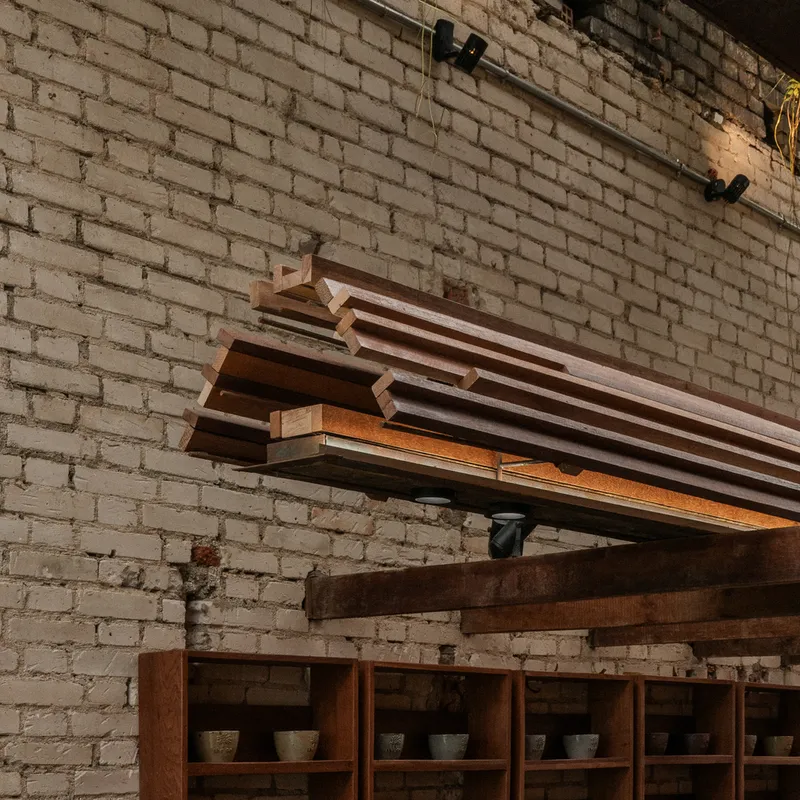
Large pendant lights float within the timber structure, drawing attention upward and defining smaller zones within the open plan. The lighting plays in rhythm with the exposed wood beams, transforming the upper floor into an elevated oasis that balances airiness with enclosure.

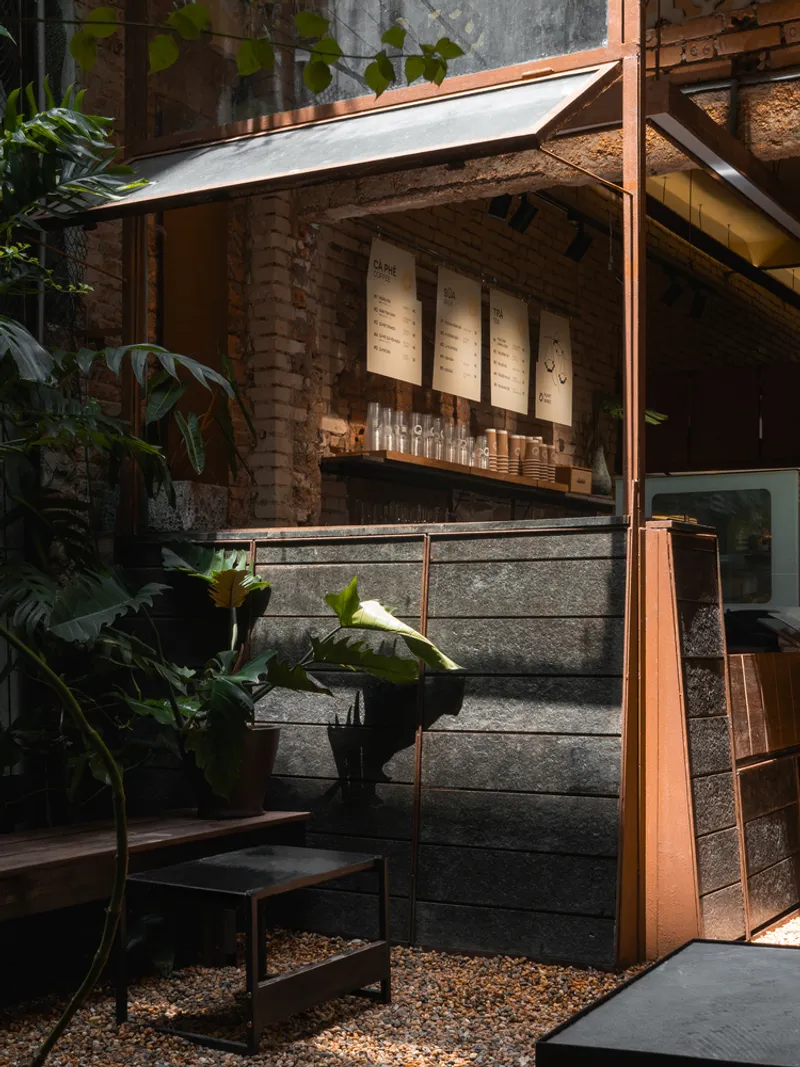
Material Continuity and Quiet Innovation
The materials used throughout the project—brick, wood, metal mesh—aren’t decorative; they are deliberate. Each element holds a trace of its own story, whether reused or newly interpreted. The café’s design language is one of subtlety. It doesn’t assert dominance but instead blends seamlessly into the pre-existing building and broader neighborhood.
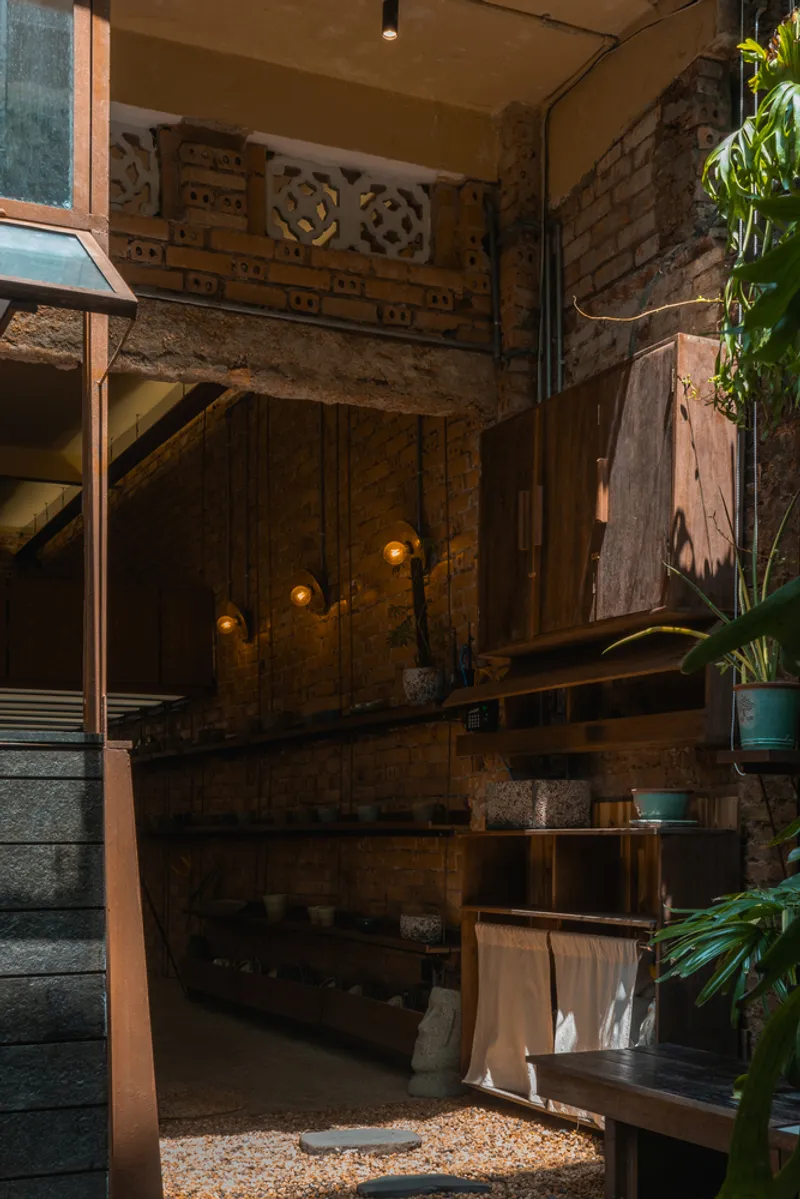
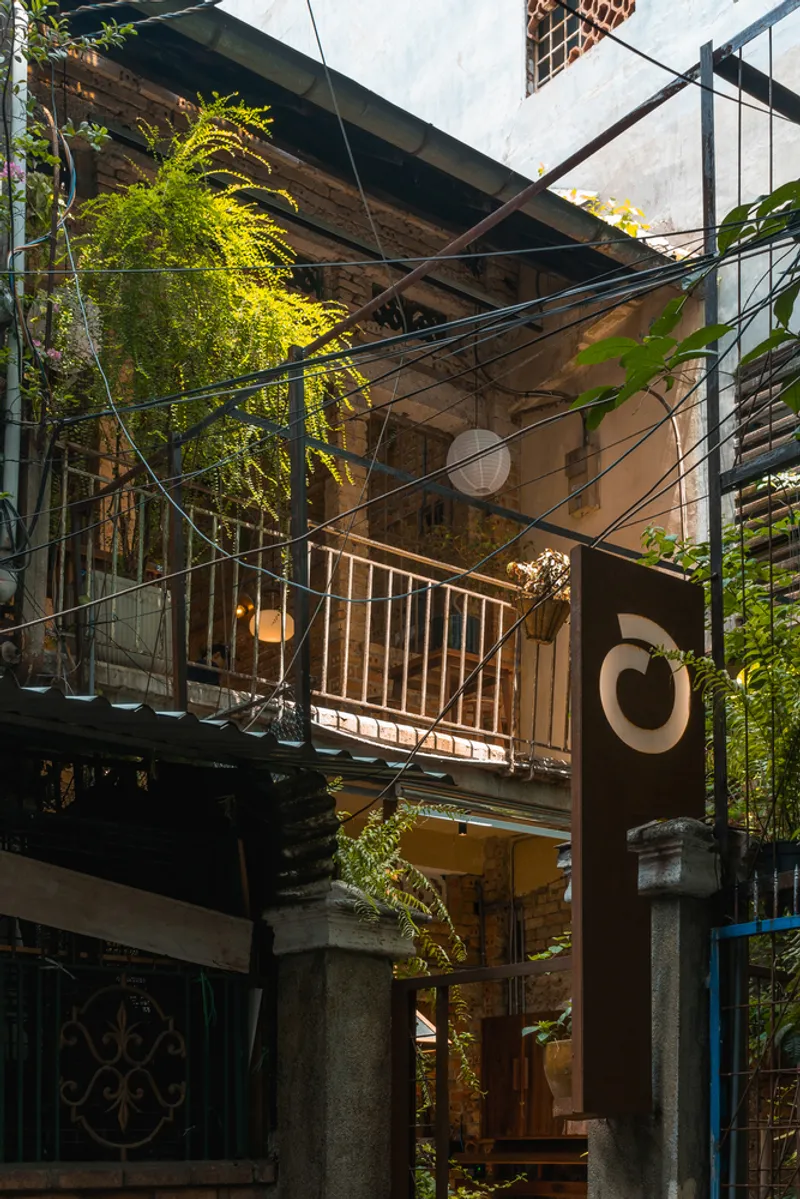
This ethos of restraint is central to adaptive reuse restaurant design. The intervention clarifies what was already present, creating a renewed sense of value in the old rather than replacing it. The architects choreographed transitions between materials, layers, and functions to allow a new experience to emerge from familiar bones.
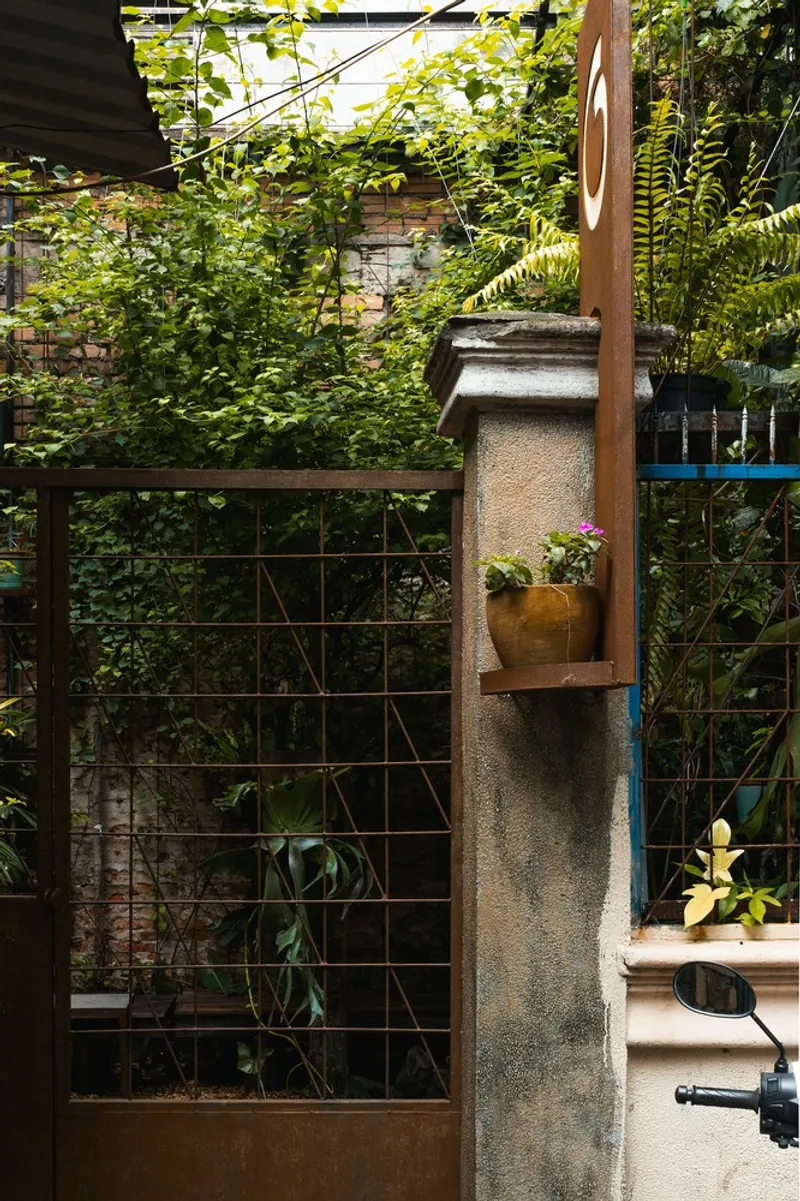
Building Future Memory Through Adaptive Design
O Plant-based Ton That Dam isn’t merely a restaurant—it’s a living archive. It resists erasure and embraces evolution. Through thoughtful design rooted in adaptive reuse restaurant design, xưởng xép gives voice to the hidden textures of the city, inviting visitors to engage with architecture that is both ancient and immediate.
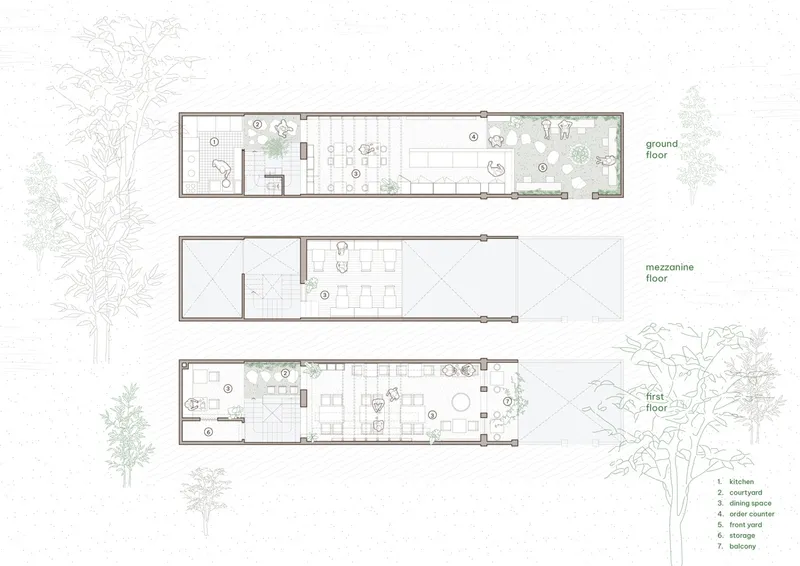
This project becomes an example of how reuse can be emotional, poetic, and relevant—showing that sustainability in architecture is not just about energy efficiency, but about cultural endurance and spatial empathy. The restaurant doesn’t stand apart from its context; it amplifies it, weaving a new layer into the urban narrative of Ho Chi Minh City.
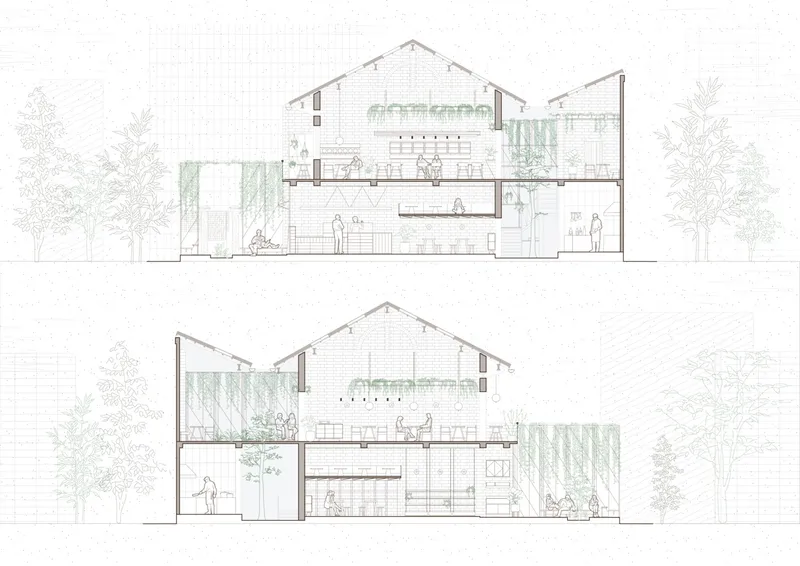
All Photographs are works of xưởng xép



Popular Articles
Popular articles from the community


Co-life: Sustainable Architecture for Age-Friendly Community Living
Co-life reimagines sustainable architecture for seniors through courtyards, rammed earth, shared gardens, and spaces designed for belonging.

The Earth Pod: 3D Printed Homes for Resilient Refugee Communities
The Earth Pod reimagines refugee housing through 3D printed homes made from clay, combining resilience, self-sufficiency, and rapid shelter.

Conexión: Biophilic Design Reimagines High-Rise Living in Hong Kong
Conexión reimagines high-rise living in Hong Kong through biophilic design, green facades, shared spaces, daylight, water and nature within.

Lunar Spiral: Space Architecture Shaped by the Mathematics of the Universe
Lunar Spiral reimagines space architecture through Fibonacci geometry, lunar regolith, levitating habitats, and self-sustaining Moon living.


Similar Reads
You might also enjoy these articles

Bamboo Housing Challenge 2026: Design Affordable, Sustainable Homes Using Bamboo
An international design competition by Bamboo U and IBUKU inviting architects and designers to reimagine affordable housing using bamboo — with the winning design built full-scale in Bali.
Computational Design & Education: Beegraphy Design Awards Introduces 7th Category (Featuring Jiyun's Innovative Approach)
Dive into Beegraphy’s 7th Design Awards category, where computational design meets education to create immersive, interactive learning tools, inspired by Jiyun’s work.
From Parametric Lighting to Urban Furniture: Join the 2nd Workshop in Beegraphy’s Computational Design Series
Dive into Cutting-Edge Design Techniques and Practical Applications with Industry Experts

Last Call: Unleash Your Architectural Genius in SHAK's Kindergarten Design Competition
Urgent call for architects to join SHAK's kindergarten design competition before the looming deadline


Explore Architecture Competitions
Discover active competitions in this discipline



Challenge to reimagine the Iron Throne


Photograph architecture without architects


Illustrate the lost glory of Angkor Wat - Render Challenge


Design challenge to reuse E-waste
Comments (0)
Please login or sign up to add comments
No comments yet. Be the first to comment!