
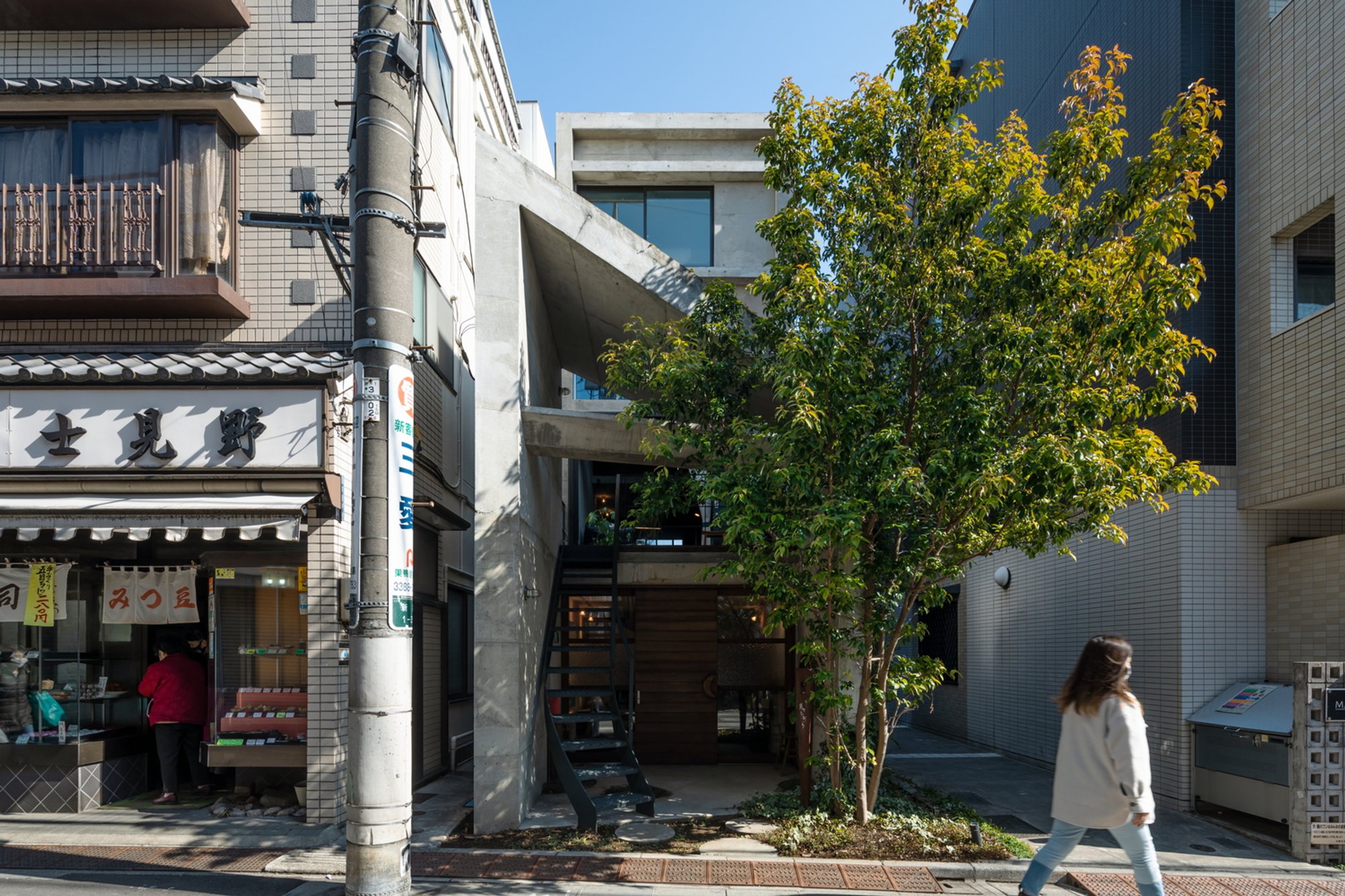
Odawara's House by Niko Design Studio: A Masterpiece of Adaptive Architecture
Odawara's House by Niko Design Studio blends adaptive architecture, cultural preservation, and community engagement in Japan's historic shopping district.

Odawara's House by Niko Design Studio seamlessly blends residential, gallery, and community-focused elements in the heart of Japan’s historic Yakushi Airodo shopping street. Completed in 2017, this 106 m² project redefines the concept of adaptable architecture, prioritizing community engagement and future-ready design.
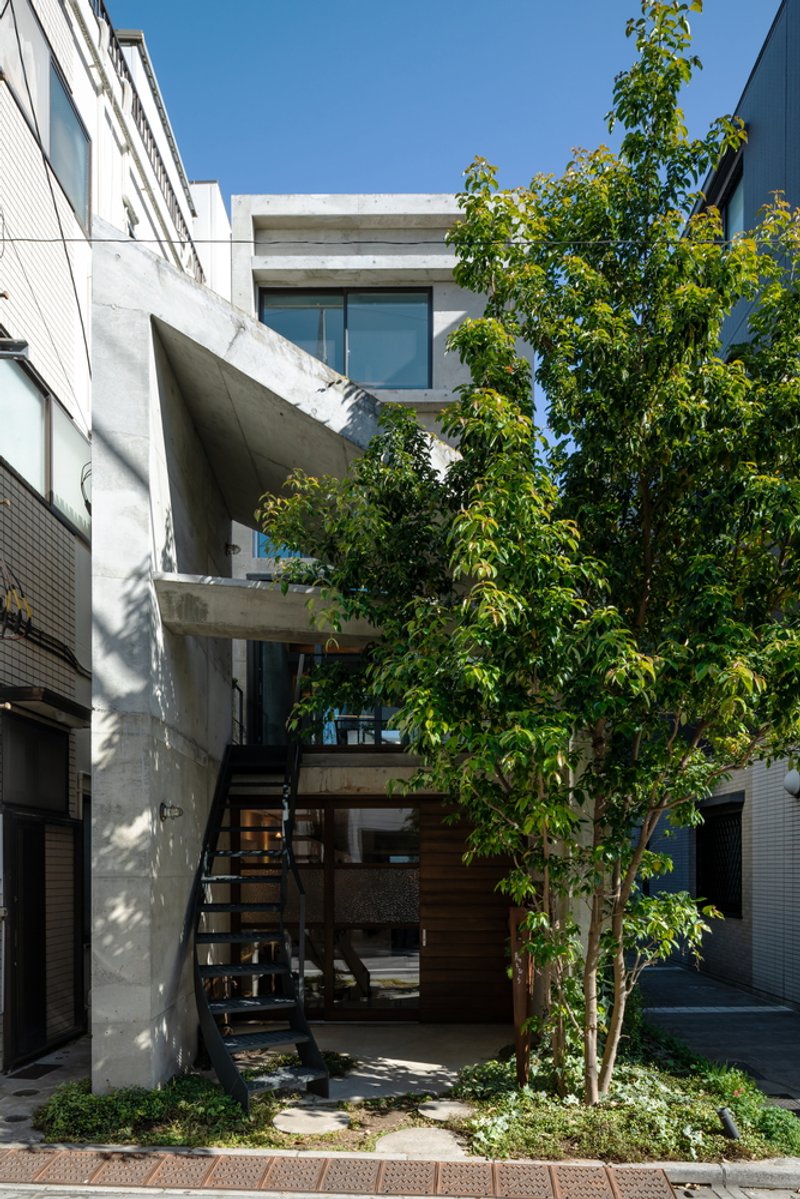
Location: Yakushi Airodo Shopping Street
Situated between JR Nakano Station and Araiyakushi Station, the Yakushi Airodo shopping street is home to long-standing businesses like traditional miso shops, Japanese confectioneries, and public bathhouses. This vibrant hub of local culture serves as the backdrop for Odawara's House.
Design Vision: Embracing the Concept of “Loved Ruins”
The owners envisioned a building that could outlast its initial function, transforming gracefully over time. Inspired by the idea of “loved ruins”, Odawara's House was designed to maintain its charm and utility, even as societal needs shift. This forward-thinking approach aligns with the architects’ mission to preserve the cultural vibrancy of traditional shopping districts.
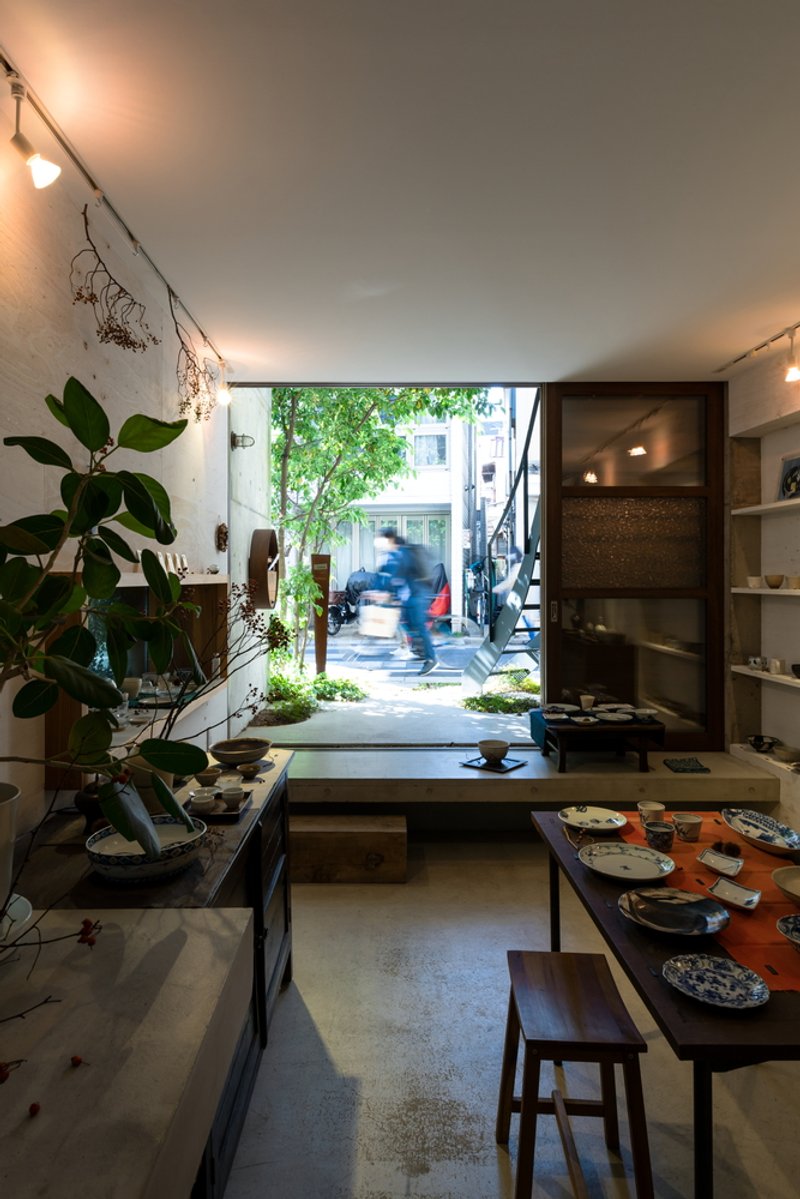
Architectural Features: A Flexible and Community-Focused Design
1. Semi-Public Ground Floor
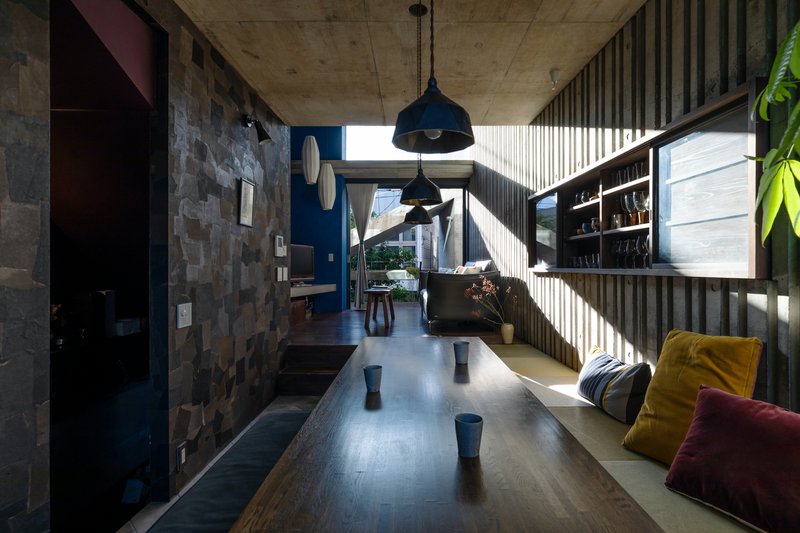
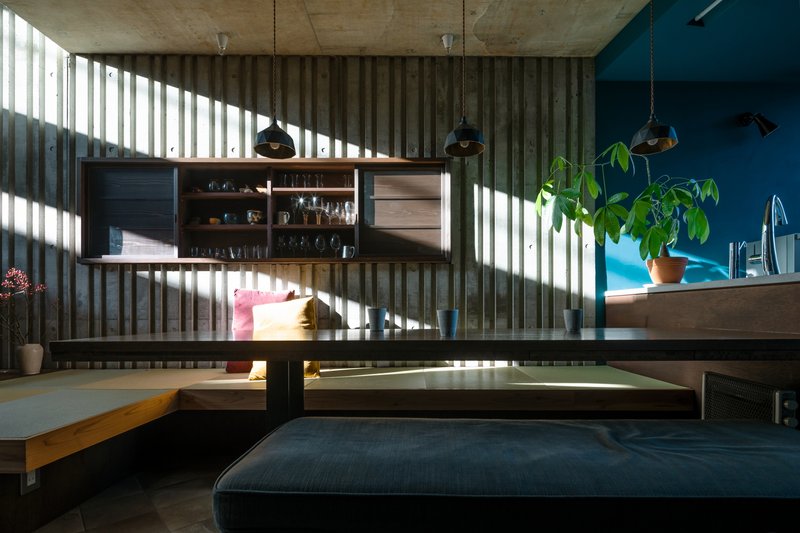
The ground floor serves as a semi-public space, adaptable for various uses such as galleries, ateliers, or small shops. This design fosters interaction between the building and the bustling shopping street.
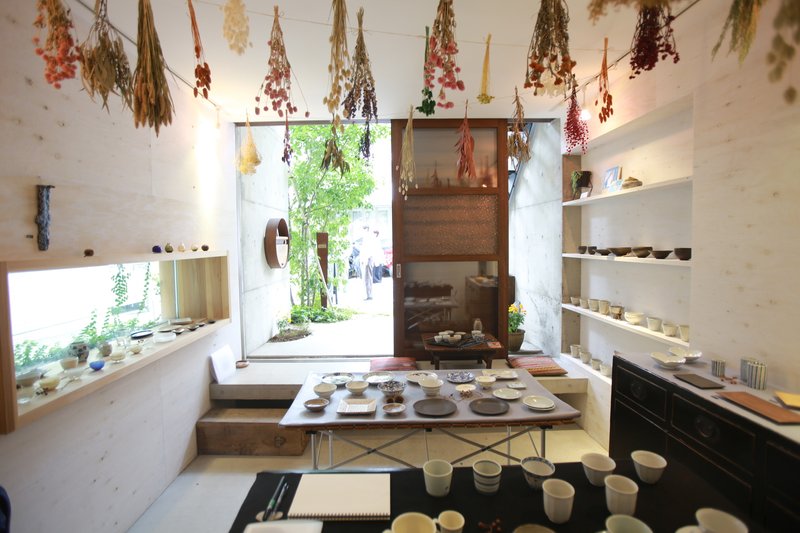
2. Setback and Terraces
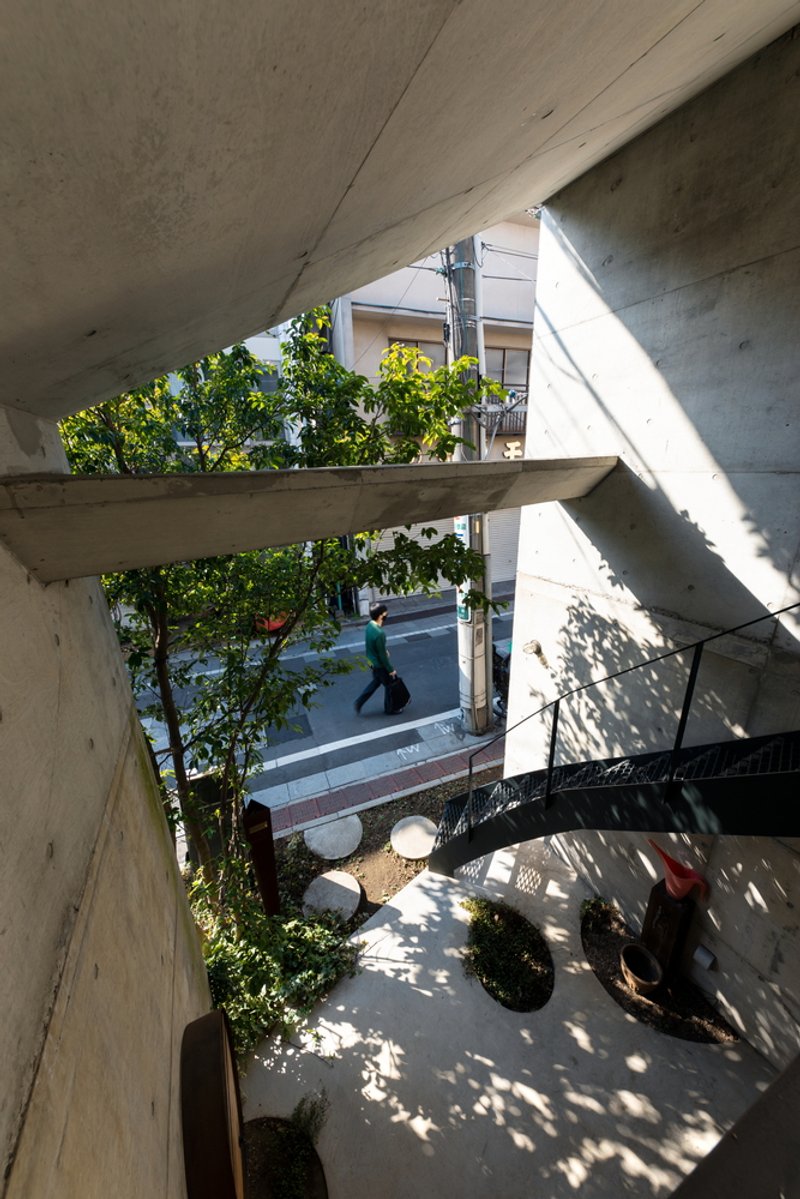
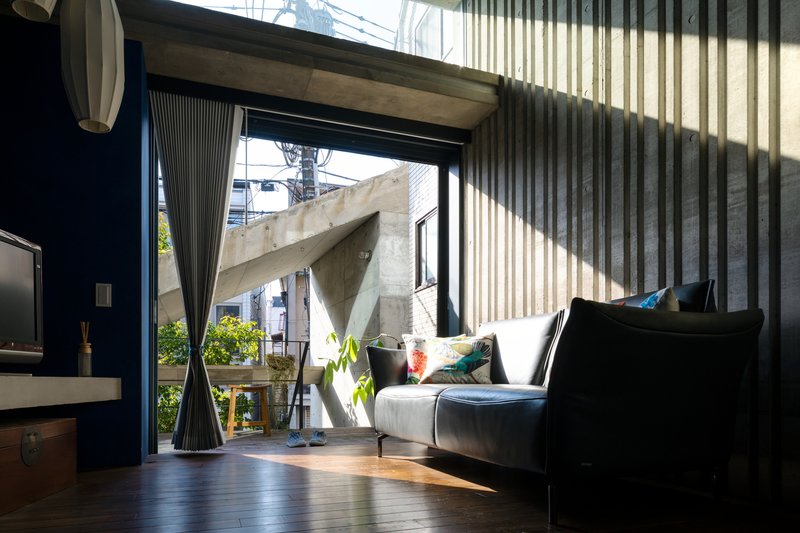
To balance privacy and openness, the second and upper floors are set back from the street. The design incorporates terraces that create a buffer while providing semi-public spaces for residents and visitors.
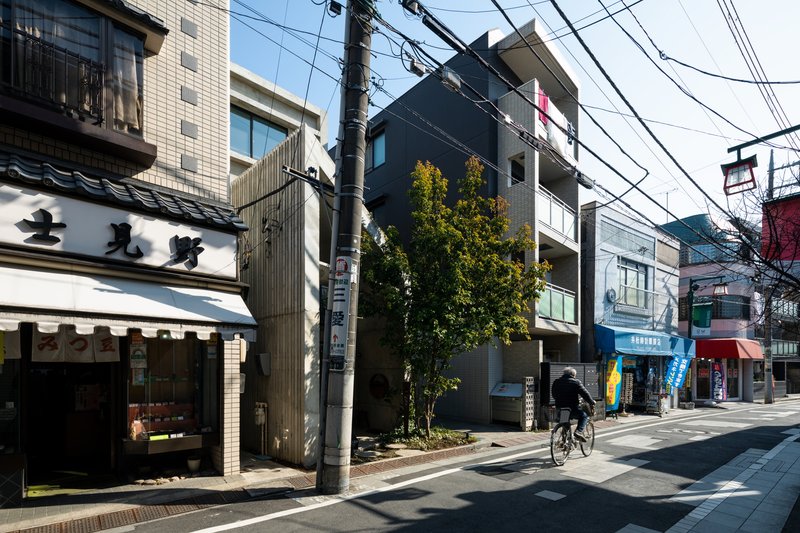
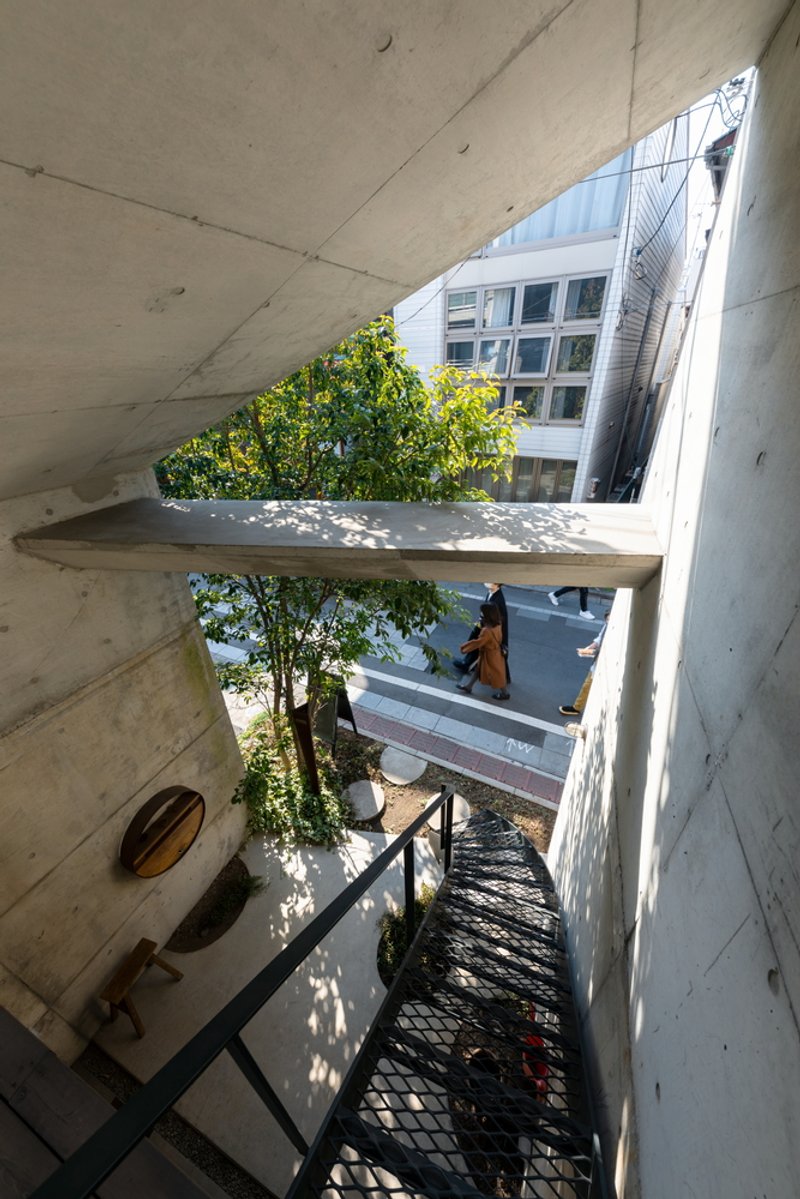
3. The Piloti of the Town
A standout feature is the “Piloti of the Town,” a semi-exterior space acting as a transitional area between the public and private realms. This flexible zone:
- Offers shelter for pedestrians.
- Functions as a storefront.
- Serves as a welcoming entry porch for residents.
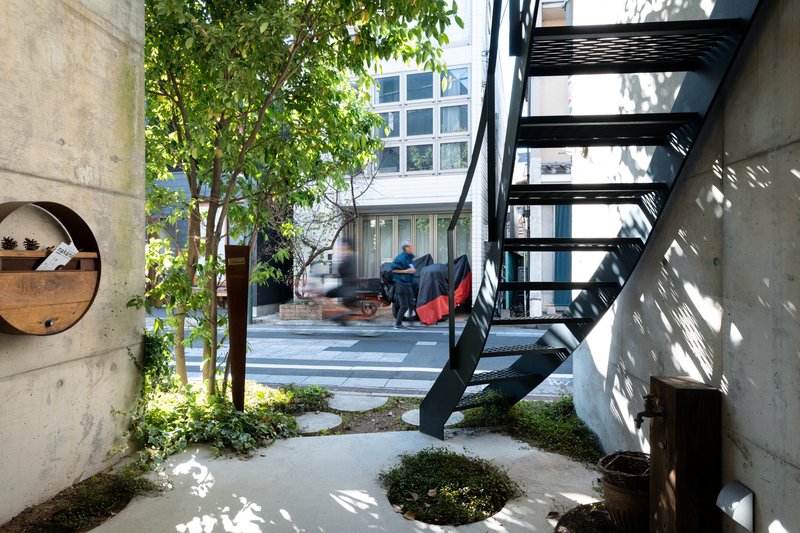
4. Integration with Greenery
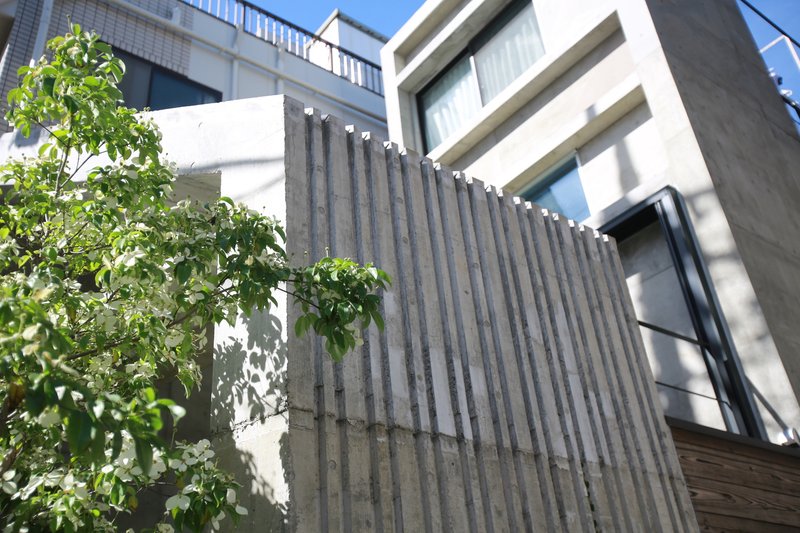
Over time, greenery has flourished around the building, enhancing its visual appeal and integrating it into the urban landscape. This feature not only improves aesthetics but also contributes to a sustainable, biophilic design.
Adaptive Reuse: A Building for All Seasons
Two years after its completion, the owners relocated, leaving the property to evolve in new ways. Its flexible design enabled its transformation into:
- An Airbnb accommodation for tourists.
- A rental event space for gatherings and weddings.
- A remote workspace during the COVID-19 pandemic.
These adaptations demonstrate how Odawara's House supports the changing needs of the community while maintaining its relevance.
Preserving the Shopping Street’s Identity
The design addresses a critical challenge faced by historic shopping streets: the rise of large, high-density structures that disrupt the neighborhood's cultural flow. By incorporating semi-public elements and respecting the street’s heritage, Odawara's House creates a soft boundary that invites interaction without compromising privacy.
A Model for Timeless Urban Architecture
Odawara's House by Niko Design Studio is more than just a building—it is a symbol of adaptive architecture that balances community engagement, cultural preservation, and future readiness. Its innovative design ensures the shopping street remains vibrant, even amidst social and economic transformations.
This project offers invaluable lessons for architects and urban planners, illustrating how thoughtful, flexible design can preserve cultural heritage while adapting to contemporary needs.
Key Features of Odawara’s House
- Location: Yakushi Airodo Shopping Street, Japan
- Architects: Niko Design Studio
- Area: 106 m²
- Year of Completion: 2017
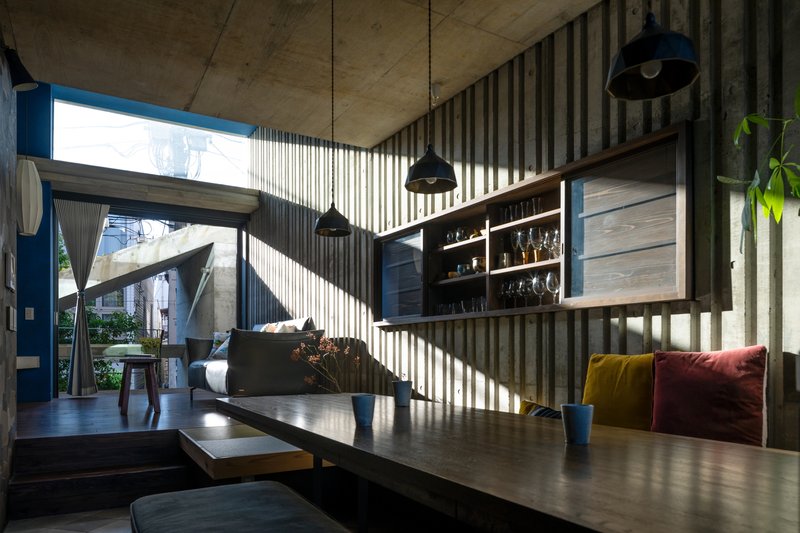
- Notable Elements: Semi-public spaces, Piloti of the Town, integration with greenery
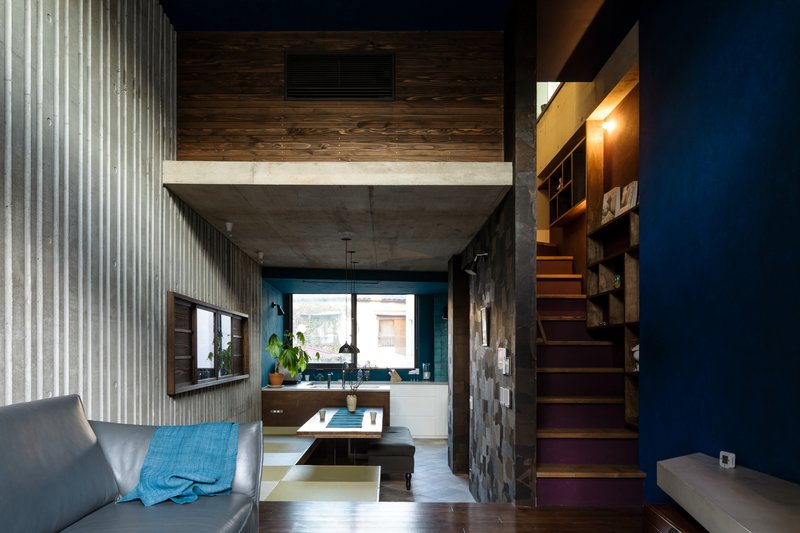
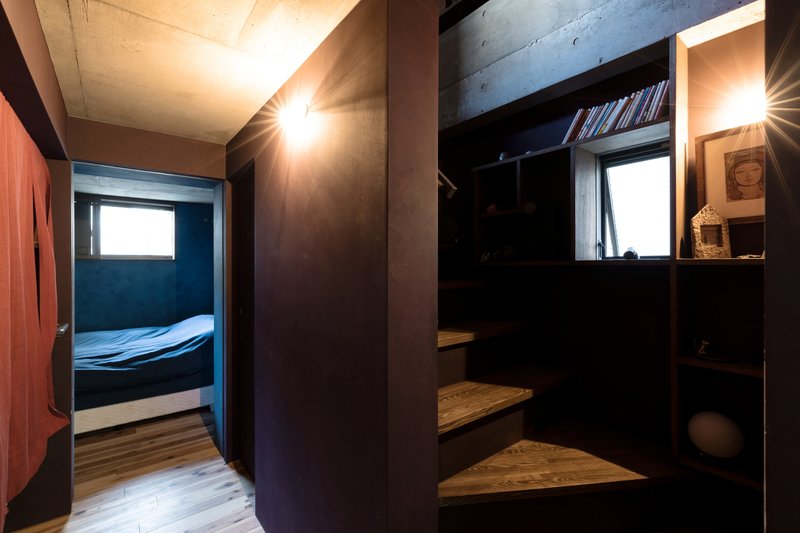
By blending historical inspiration with modern flexibility, Odawara's House is a testament to architecture’s role in creating enduring connections between people and places.



Popular Articles
Popular articles from the community

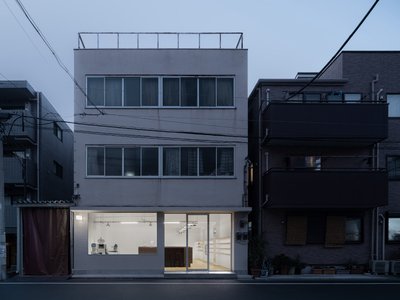
Atelier Macri Concept Store Interior Design by CASE-REAL
Atelier Macri store features a "ko" counter, walnut wood details, cork displays, blending retail, gallery, and seamless customer experiences.
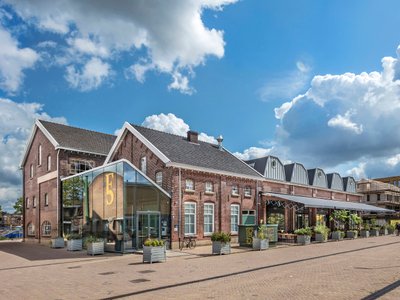
Fifth NRE Jazz Club – De Bever Architecten: Eindhoven’s Revitalized Cultural Hub
Historic gas factory transformed into Fifth NRE Jazz Club blending modern sustainability, jazz culture, dining, and heritage architecture seamlessly.
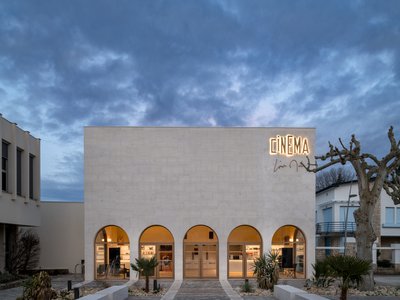
Louis Malle Cinema: A Limestone Cultural Landmark Revitalizing Community Life in Prayssac
Limestone cinema extension with public forecourt, blending heritage and modern design to create flexible cultural spaces and strengthen community interaction.


The Ken Roberts Memorial Delineation Competition (Krob)
As the most senior architectural drawing competition currently in operation anywhere in the world, it draws hundreds of entries each year, awarding the very best submissions in a series of medium-based categories.


Similar Reads
You might also enjoy these articles
The Ken Roberts Memorial Delineation Competition (Krob)
As the most senior architectural drawing competition currently in operation anywhere in the world, it draws hundreds of entries each year, awarding the very best submissions in a series of medium-based categories.

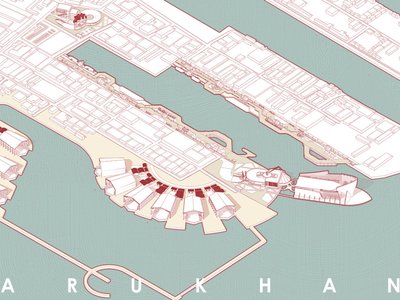
Waterfront Redevelopment and Urban Revitalization in Mumbai: Forging a New Dawn for Darukhana
A transformative waterfront redevelopment project reimagining Darukhana’s shipbreaking heritage into an inclusive urban future.

OUT-OF-MAP: A Call for Postcards on Feminist Narratives of Public Space
Rhizoma Design and Research Lab invites artists, designers, architects, researchers, and students to reflect on how feminist perspectives can reshape public space. Selected works will be exhibited in Barcelona, October 2026. Submissions open until 15 April 2026.


Documentation Work on Buddhist Wooden Temple
Architectural syncretism and cultural hybridity: A comparative study of the Buddhist temples in Chattogram Hill tracks


Explore Architecture Competitions
Discover active competitions in this discipline




The International Standard for Design Portfolios


The Global Benchmark for Architecture Dissertation Awards


The Global Benchmark for Graduation Excellence


Challenge to reimagine the Iron Throne
Comments (0)
Please login or sign up to add comments
No comments yet. Be the first to comment!