
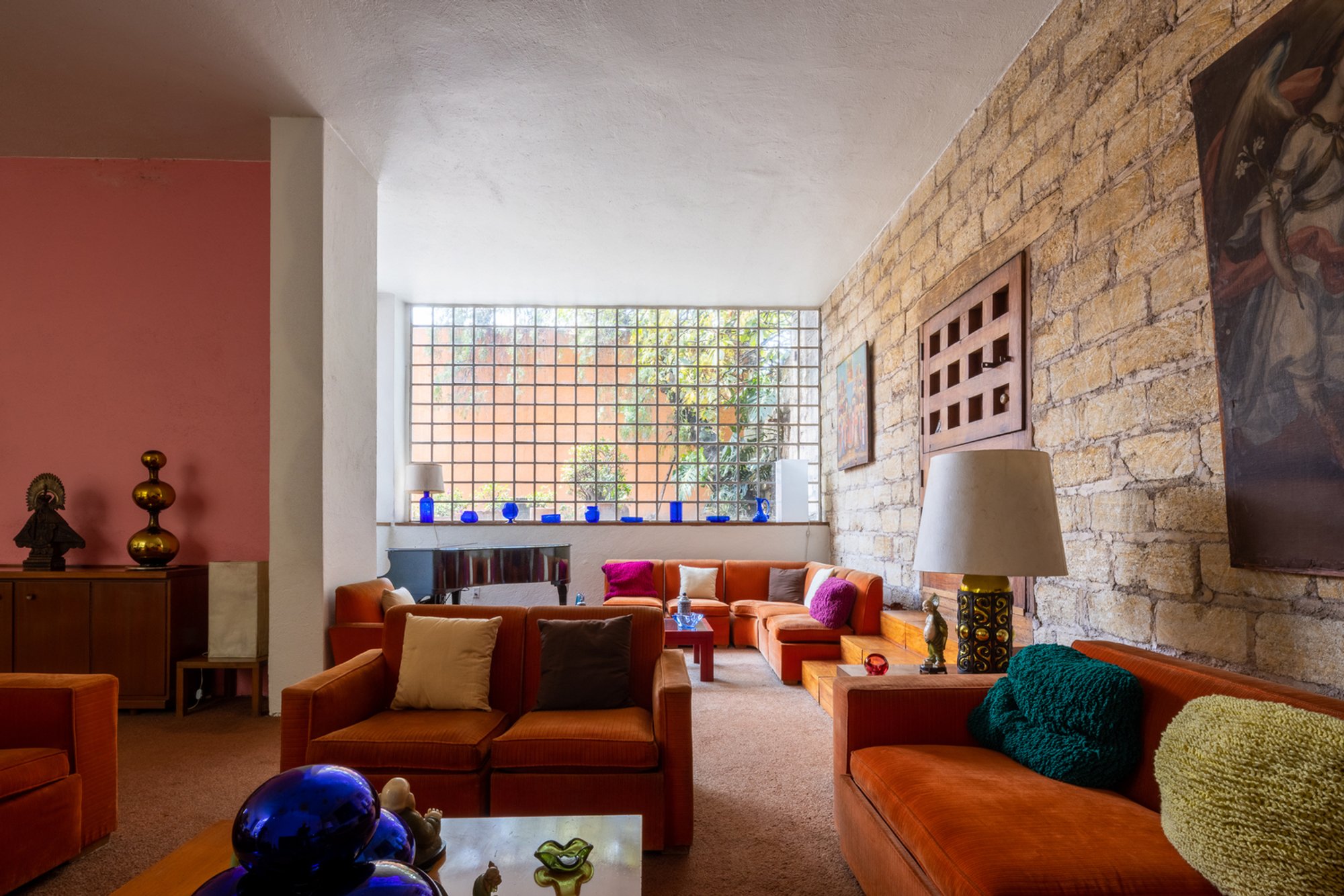
Ortega Garden House by Luis Barragán: A Hidden Masterpiece of Mexican Modernism
Luis Barragán’s Ortega Garden House blends modernist architecture with lush courtyards, vibrant colors, and serene landscapes in Mexico City.

Located in the heart of Mexico City, the Ortega Garden House is a pivotal architectural work by the celebrated Mexican architect Luis Barragán. Built between 1940 and 1942 and inhabited by Barragán himself until 1947, this residence encapsulates his early design experiments that would eventually define his world-renowned architectural legacy. Often referred to as “Luis Barragán’s best-kept secret,” the Ortega Garden House is a UNESCO World Heritage Site, embodying the essence of modern Mexican architecture through a unique dialogue between architecture, landscape, and cultural memory.
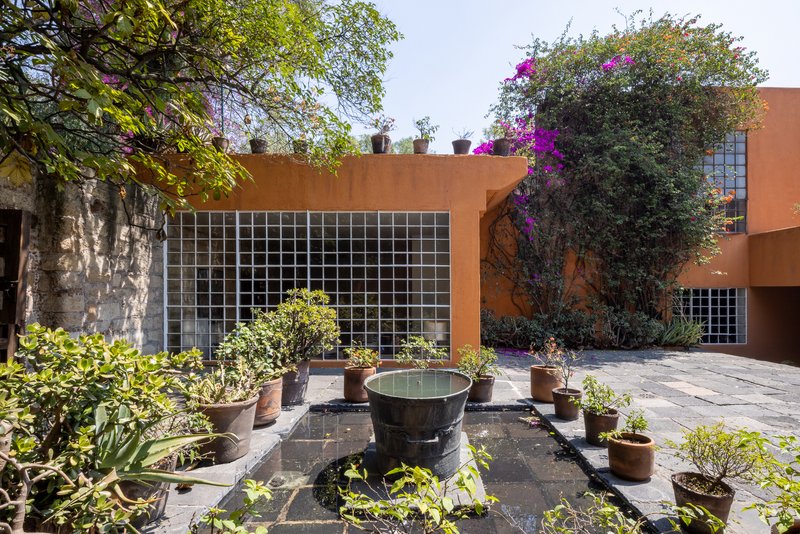
A Private Laboratory for Architectural Innovation
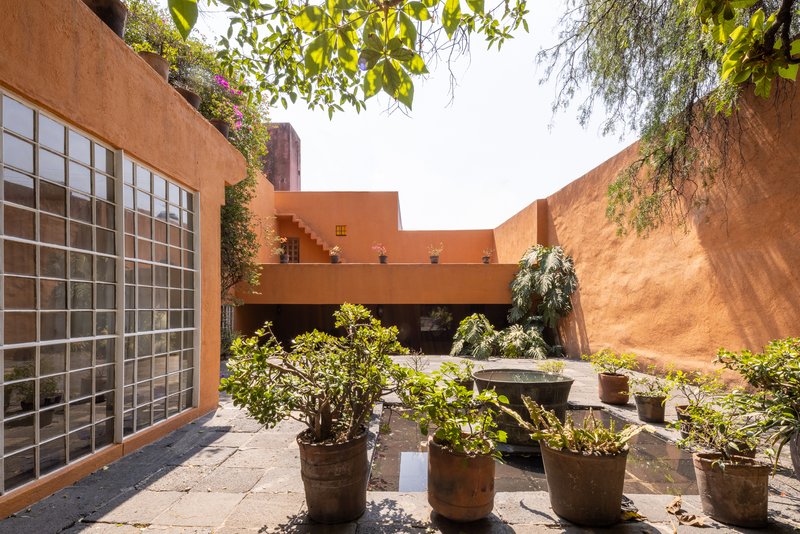
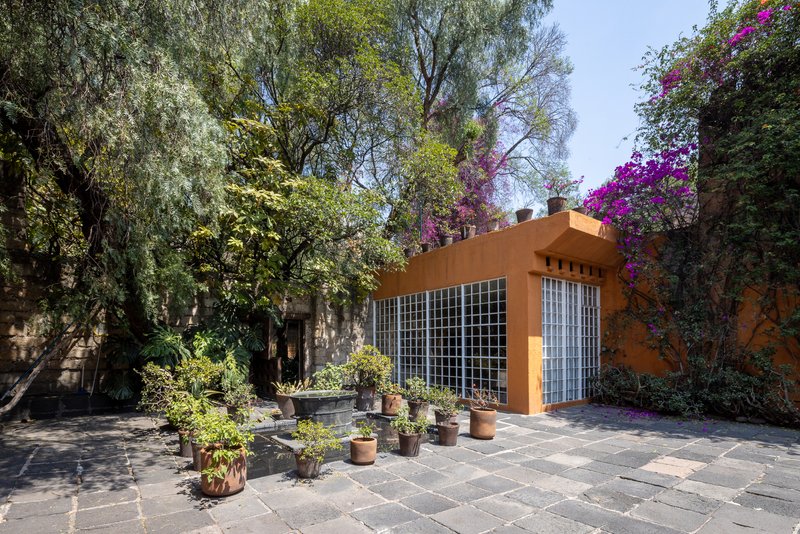
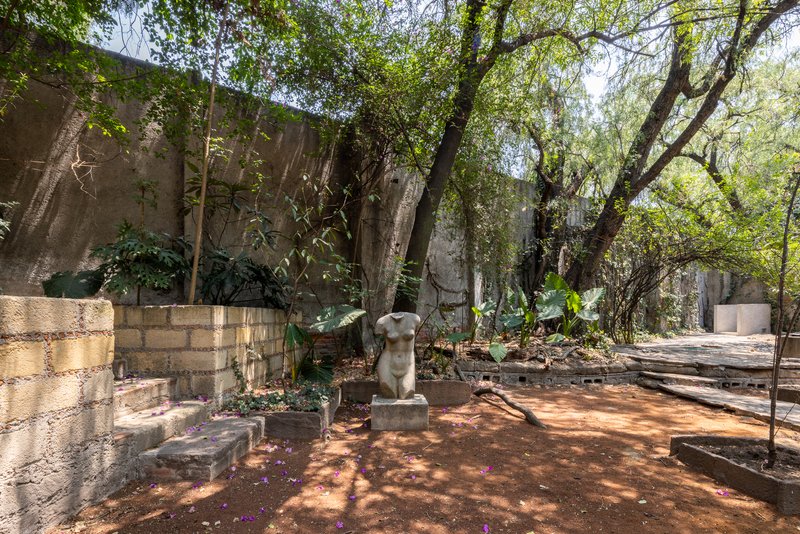
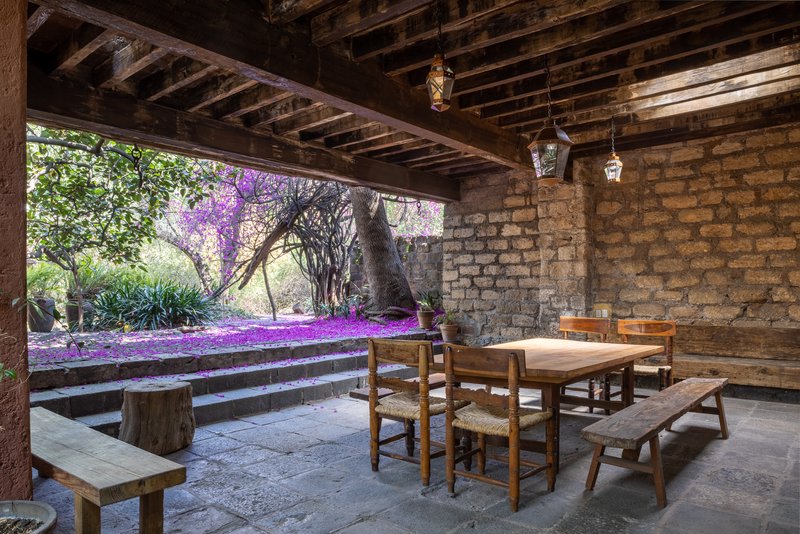
The Ortega Garden House represents the first project Barragán designed for himself, functioning as both a private retreat and an architectural laboratory. Drawing inspiration from Islamic gardens such as the Alhambra and the Generalife in Spain, Barragán envisioned a home where interior and exterior spaces dissolve into one another. The result is a poetic composition of courtyards, semi-covered terraces, and gardens—a lush, compartmentalized landscape that invites introspection and sensory discovery.
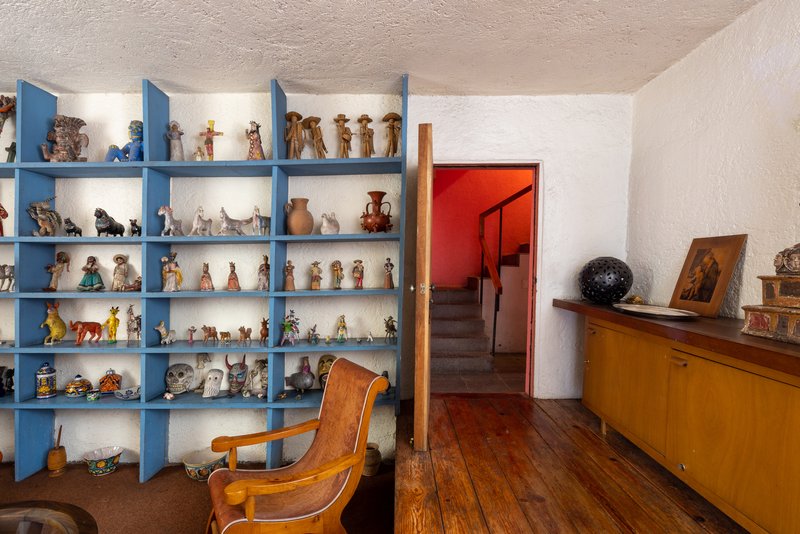
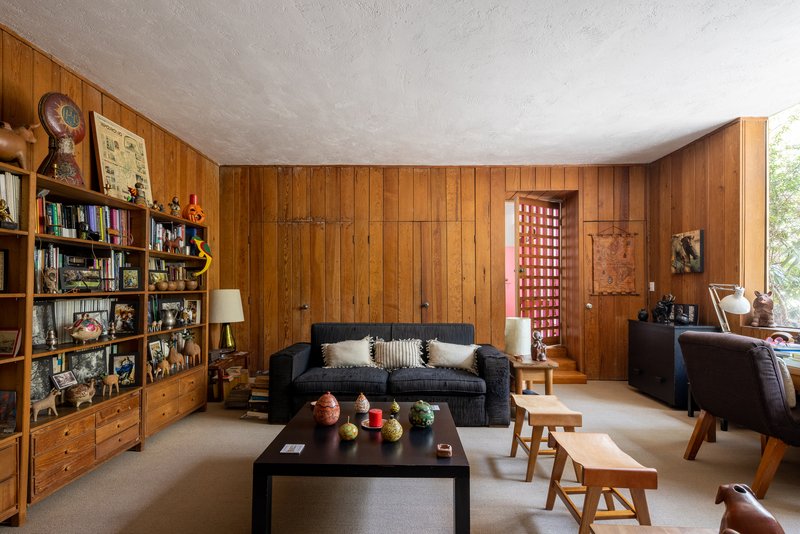
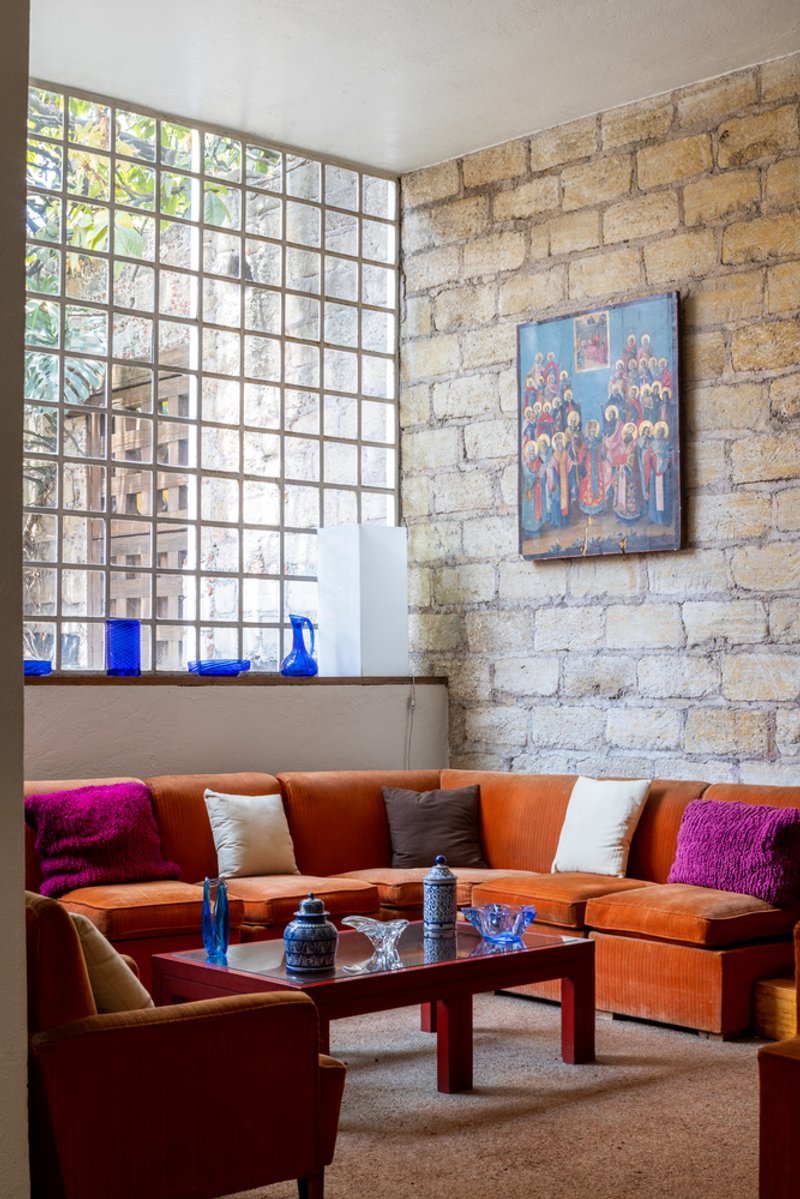
This residence also served as a springboard for future innovations. Barragán sold the house in 1947 to Alfredo Ortega, a local silversmith, using the funds to launch his ambitious Jardines del Pedregal urban development. Yet even after its sale, the Ortega House continued to embody Barragán’s architectural ideals: spatial mysticism, bold chromatic palettes, and the integration of natural elements within the built environment.
Sensory Architecture and Emotional Landscapes
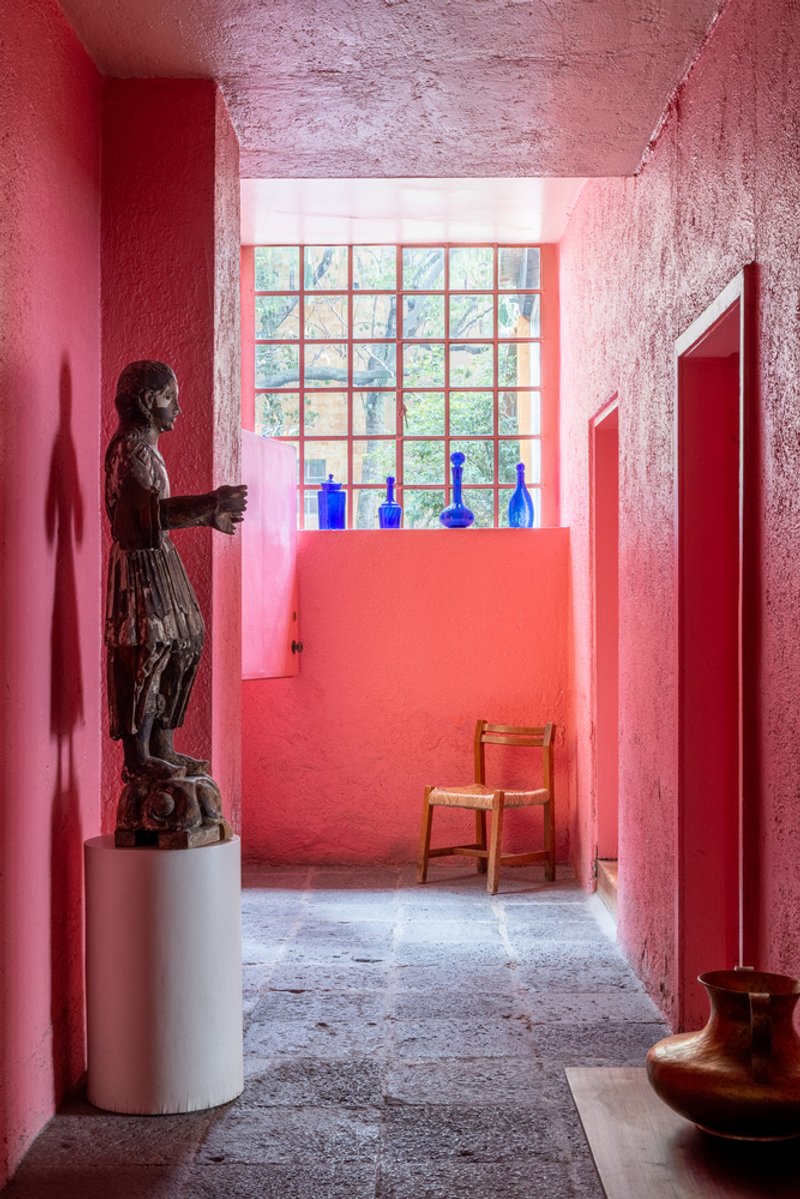
Barragán’s mastery lies not only in structural design but in the emotional impact of architecture. Ortega Garden House is designed as a labyrinth of light, color, and texture, evoking surprise at every turn. The interplay of thermal sensations—warmth on sunlit terraces, coolness in shaded patios—reveals a subtle choreography of microclimates within the home.
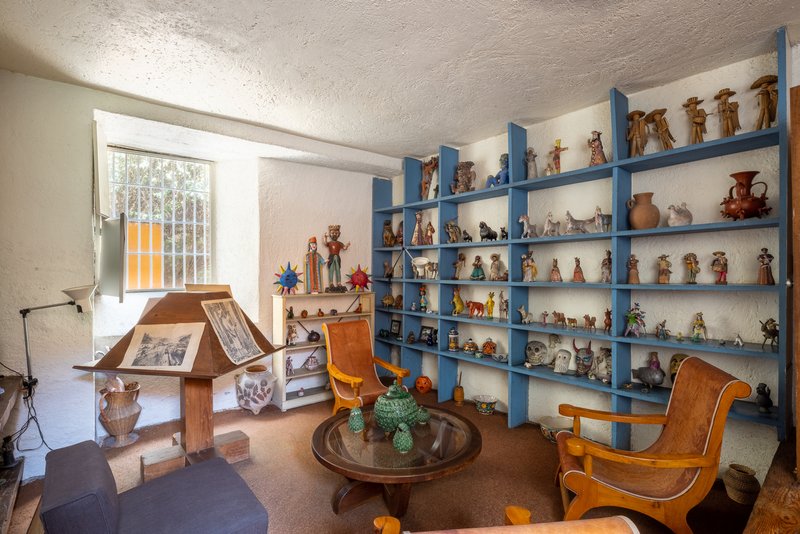
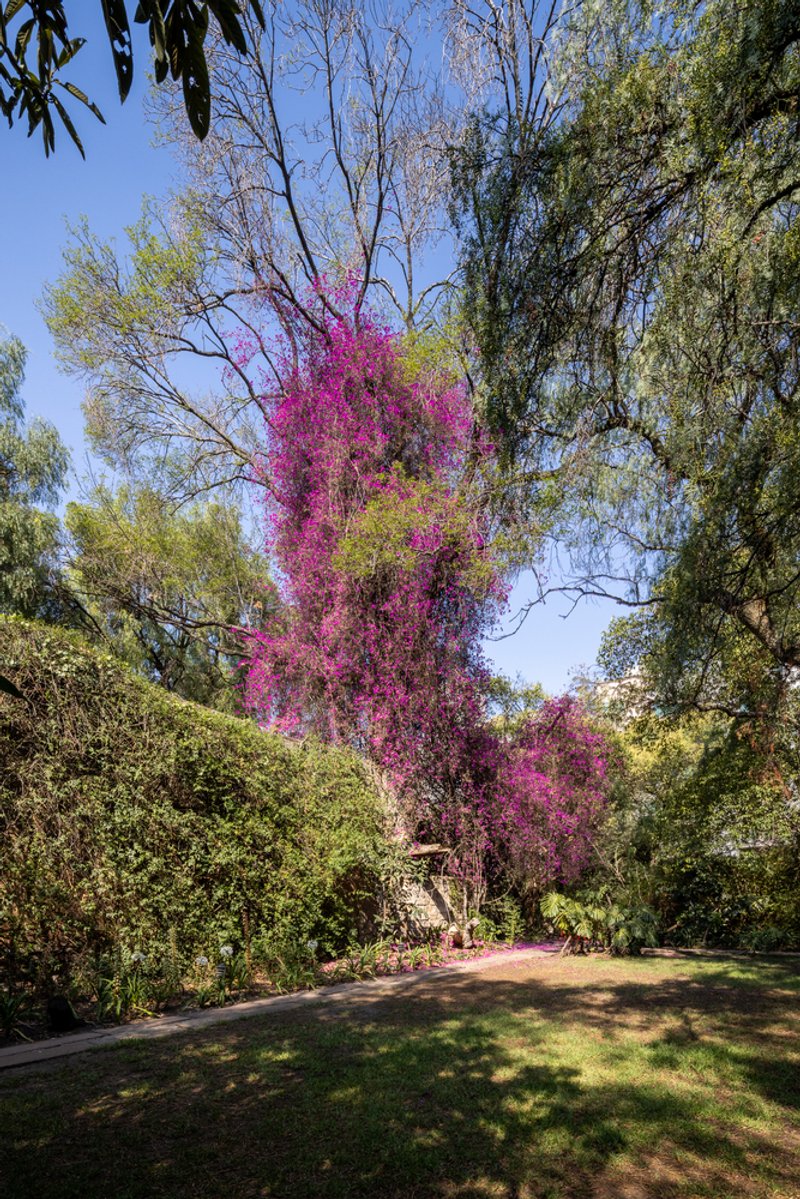
Large picture windows invite the gardens inward, while covered terraces push domestic life into the open air. These transitions blur the threshold between interior and exterior, creating a lived experience that celebrates seasonal change, natural growth, and the spiritual quietude of the landscape.
A Synthesis of Vernacular and Modernist Architecture
Architecturally, the Ortega House is a rich tapestry of Mexican vernacular, colonial motifs, and modernist principles. Influences from Barragán’s early works in Guadalajara are clearly visible, particularly in the use of thick walls, secluded courtyards, and minimalist detailing. These early gestures foreshadow the formal and conceptual clarity that would define his later, more internationally recognized works—especially the nearby Casa Estudio Luis Barragán.
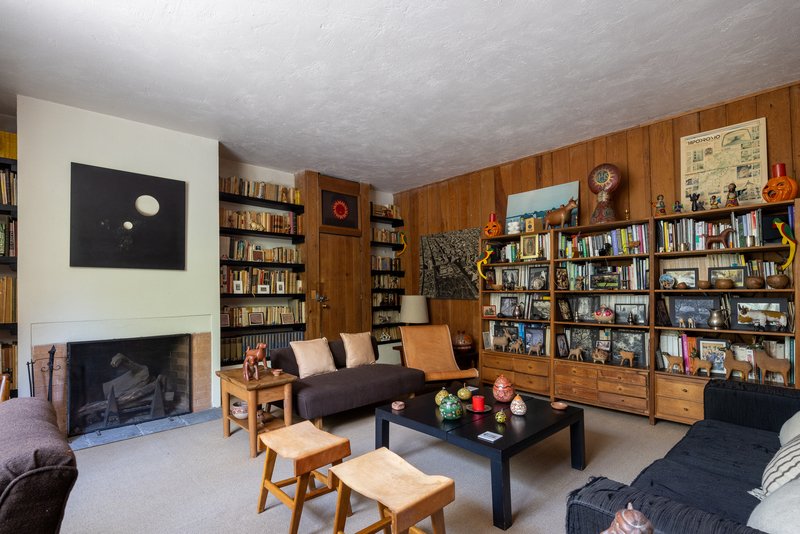
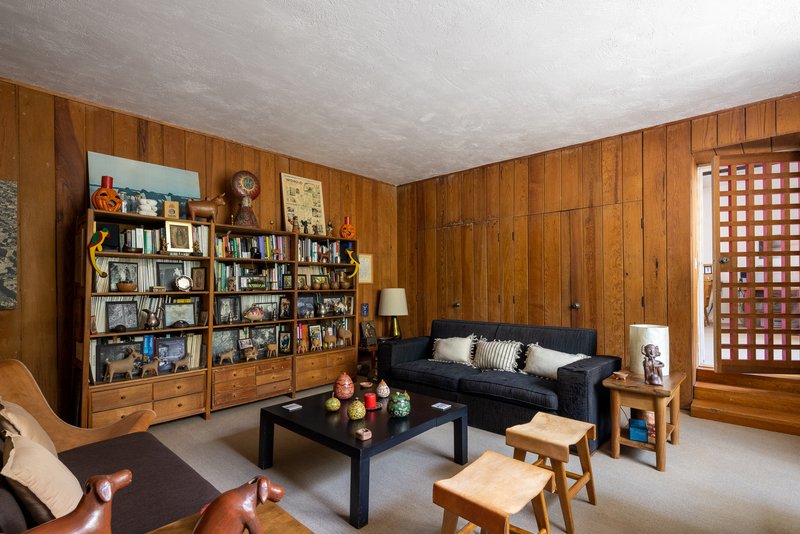
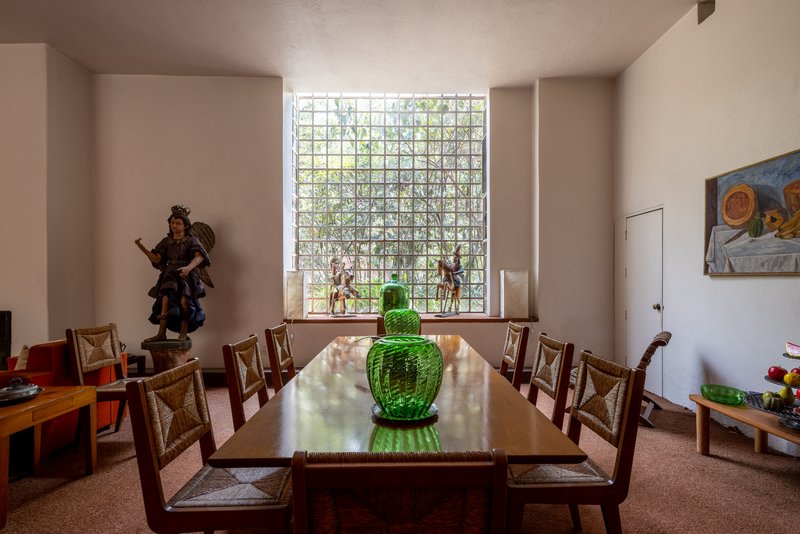
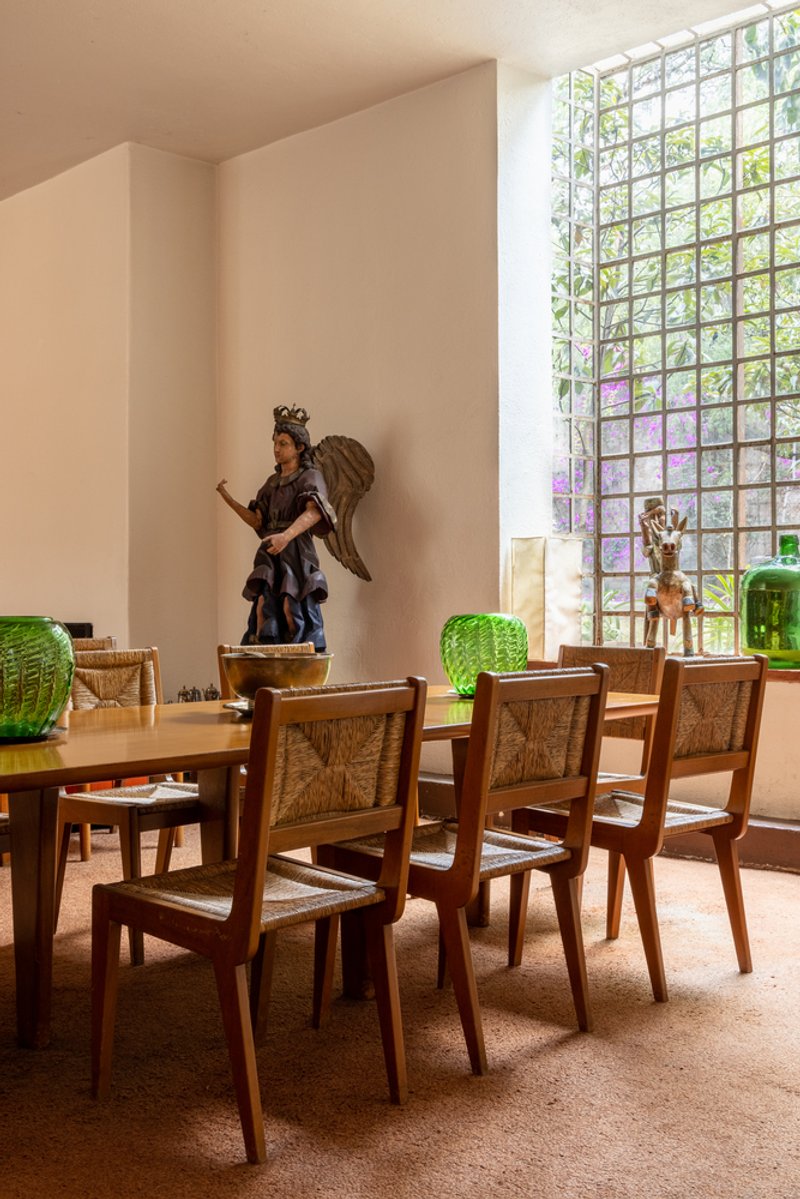
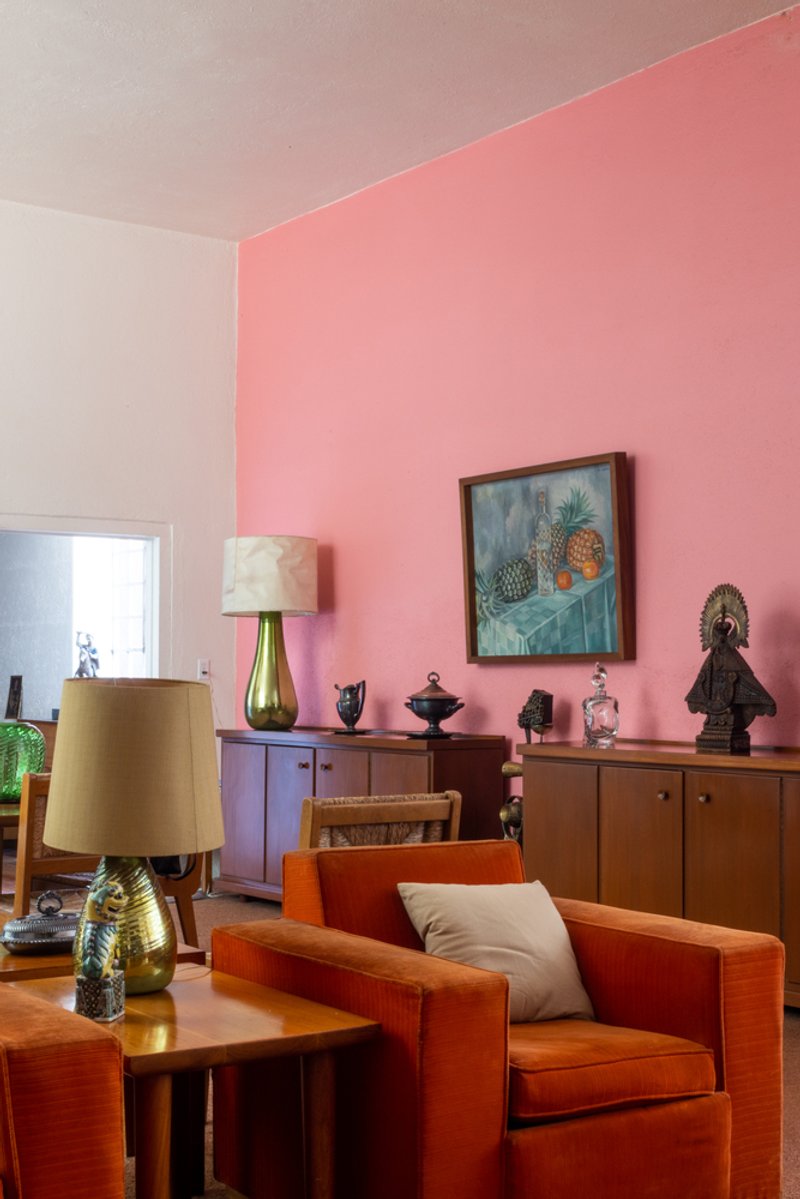
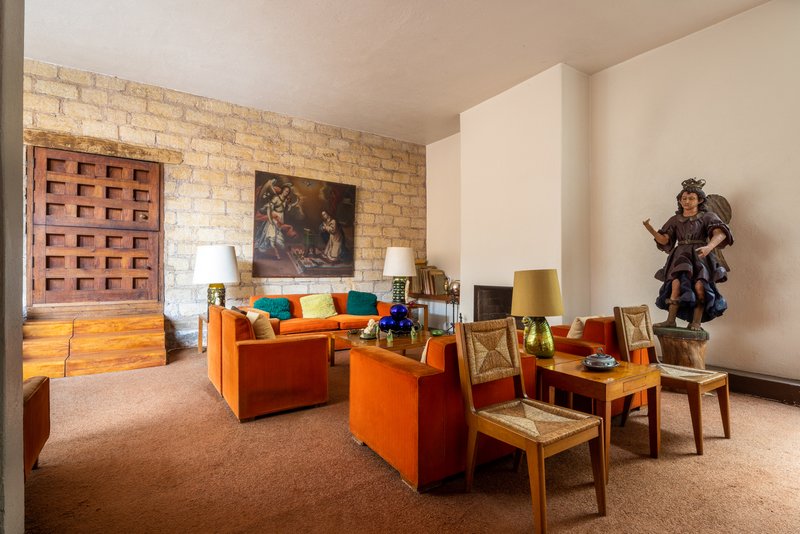
Inside, the house still retains original furniture designed or selected by Barragán in collaboration with influential designers such as Clara Porset, Michael Van Beuren, George Nelson, and Eleuterio Cortez. The presence of these timeless pieces reinforces the architectural narrative—a dialogue between Mexican craft, international modernism, and deeply personal space-making.
Preservation and Living Legacy
Remarkably, after more than 80 years, the Ortega Garden House has maintained its original design, including its intricate landscape architecture. The evolving plant life—some intentional, some natural—continues to thrive, testifying to Barragán’s vision of architecture as a living organism in harmony with its environment.
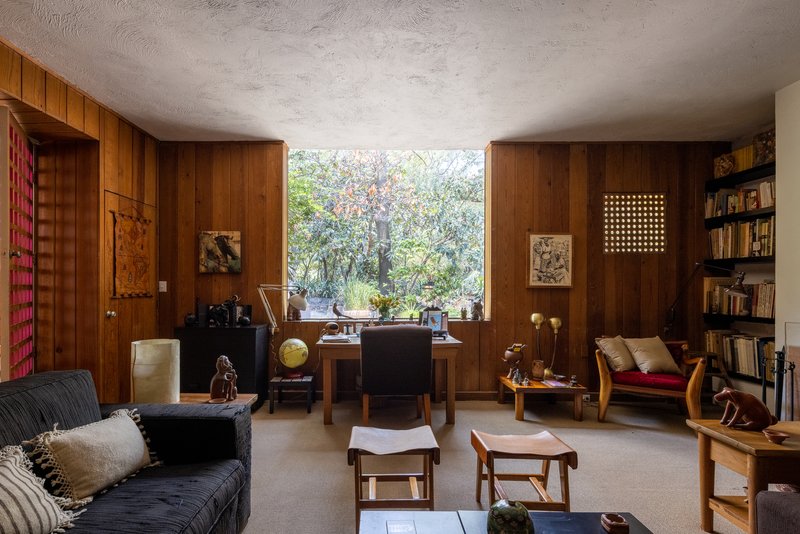
Despite the encroaching urban development surrounding it, the Ortega Garden House remains a place of serenity and strength, a testament to Barragán’s enduring ability to shape space in service of human emotion, memory, and spiritual reflection.
Visiting the Ortega Garden House
Today, Casa Ortega opens its doors to those interested in exploring Barragán’s lesser-known masterpiece. For more information or to book a guided architectural tour, visitors are encouraged to contact the curators through official preservation channels.



Popular Articles
Popular articles from the community


The Ken Roberts Memorial Delineation Competition (Krob)
As the most senior architectural drawing competition currently in operation anywhere in the world, it draws hundreds of entries each year, awarding the very best submissions in a series of medium-based categories.

On the Brooks House by Monsoon Collective – A Contemporary Kerala Home Rooted in Tradition
Kerala home blending tradition and modernity with water-inspired design, brick architecture, courtyard planning, and sustainable rainwater harvesting strategies.
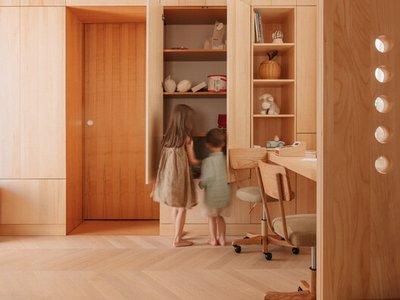
Treehouse Apartment: A Warm Timber Interior Blending Craft, Play, and Contemporary Living
Warm timber apartment with integrated treehouse, combining natural materials, craftsmanship, and playful design to create a flexible, family-oriented living environment.
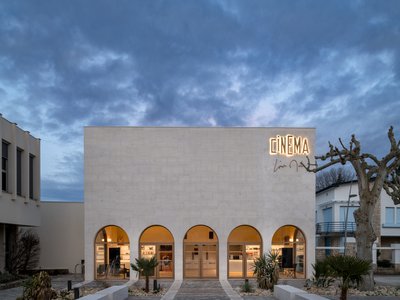
Louis Malle Cinema: A Limestone Cultural Landmark Revitalizing Community Life in Prayssac
Limestone cinema extension with public forecourt, blending heritage and modern design to create flexible cultural spaces and strengthen community interaction.


Similar Reads
You might also enjoy these articles
The Ken Roberts Memorial Delineation Competition (Krob)
As the most senior architectural drawing competition currently in operation anywhere in the world, it draws hundreds of entries each year, awarding the very best submissions in a series of medium-based categories.


Waterfront Redevelopment and Urban Revitalization in Mumbai: Forging a New Dawn for Darukhana
A transformative waterfront redevelopment project reimagining Darukhana’s shipbreaking heritage into an inclusive urban future.

OUT-OF-MAP: A Call for Postcards on Feminist Narratives of Public Space
Rhizoma Design and Research Lab invites artists, designers, architects, researchers, and students to reflect on how feminist perspectives can reshape public space. Selected works will be exhibited in Barcelona, October 2026. Submissions open until 15 April 2026.

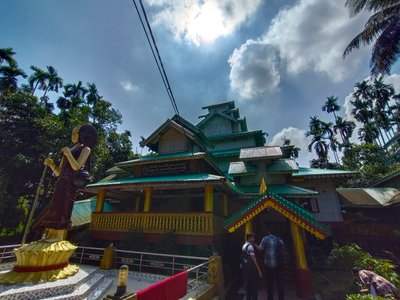
Documentation Work on Buddhist Wooden Temple
Architectural syncretism and cultural hybridity: A comparative study of the Buddhist temples in Chattogram Hill tracks


Explore Architecture Competitions
Discover active competitions in this discipline




The International Standard for Design Portfolios


The Global Benchmark for Architecture Dissertation Awards


The Global Benchmark for Graduation Excellence


Challenge to reimagine the Iron Throne
Comments (0)
Please login or sign up to add comments
No comments yet. Be the first to comment!