
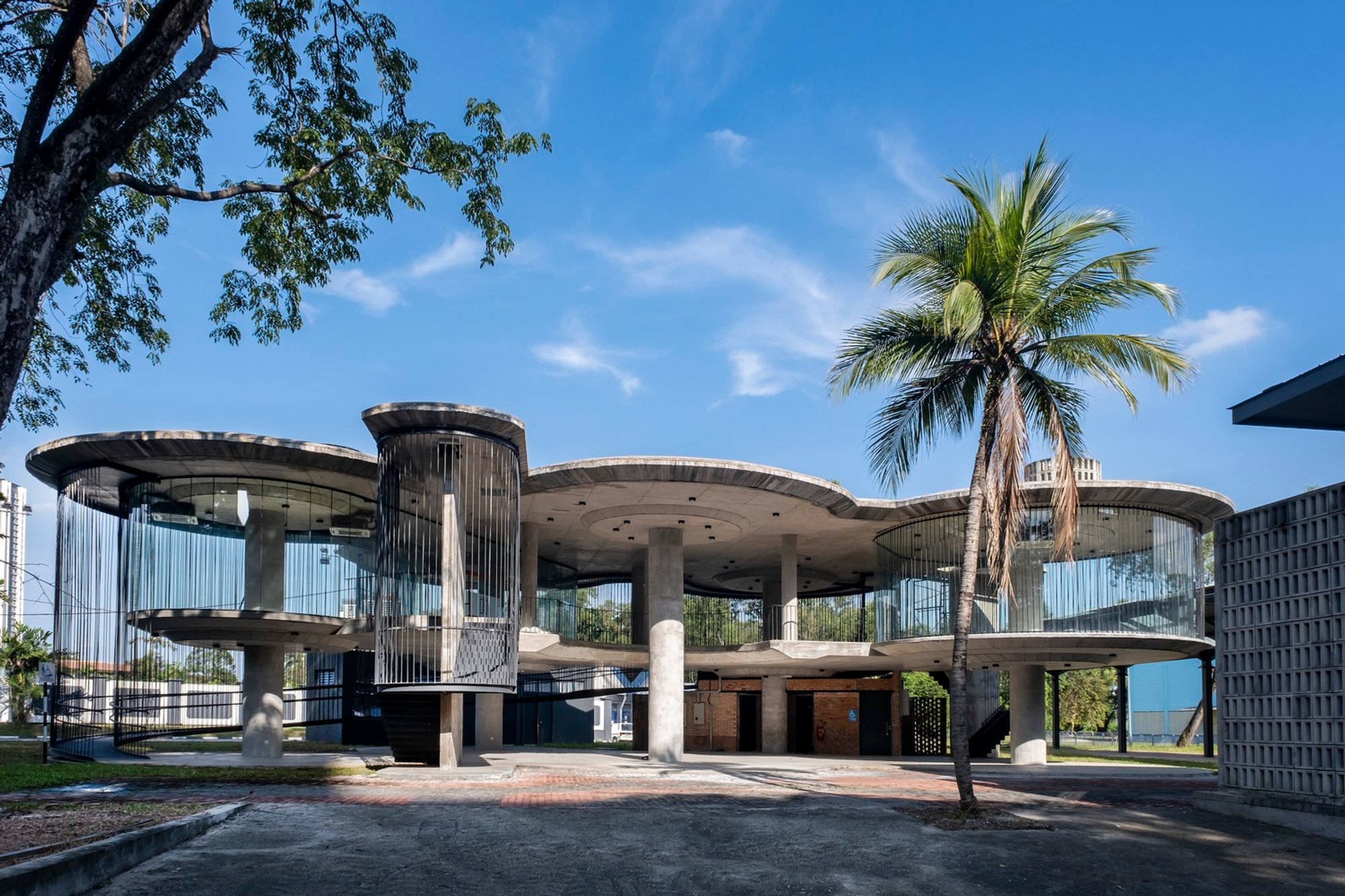
PJKita Community Centre by DTLM Design Group: A Sustainable Hub for Youth and Community in Petaling Jaya
PJKita Community Centre blends biophilic design and modular architecture to create a vibrant, youth-focused, sustainable hub in Petaling Jaya.

Located in the vibrant Kelana Jaya Park in Petaling Jaya, Malaysia, the PJKita Community Centre by DTLM Design Group is a visionary project designed to strengthen community bonds, encourage youth engagement, and promote sustainability through architecture. Developed as part of the PJKita initiative by the Petaling Jaya City Council (MBPJ), the centre serves as a catalyst for social connection, local entrepreneurship, and creative expression.
A Contemporary Community Space for Generation Z
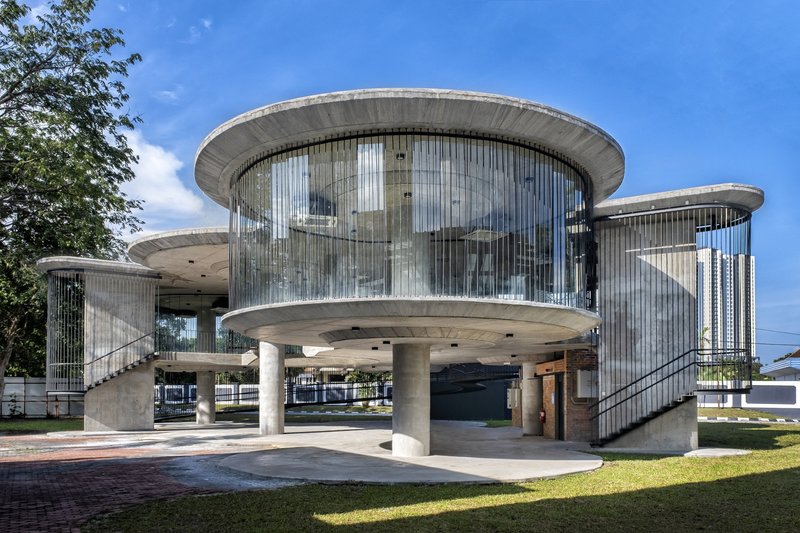
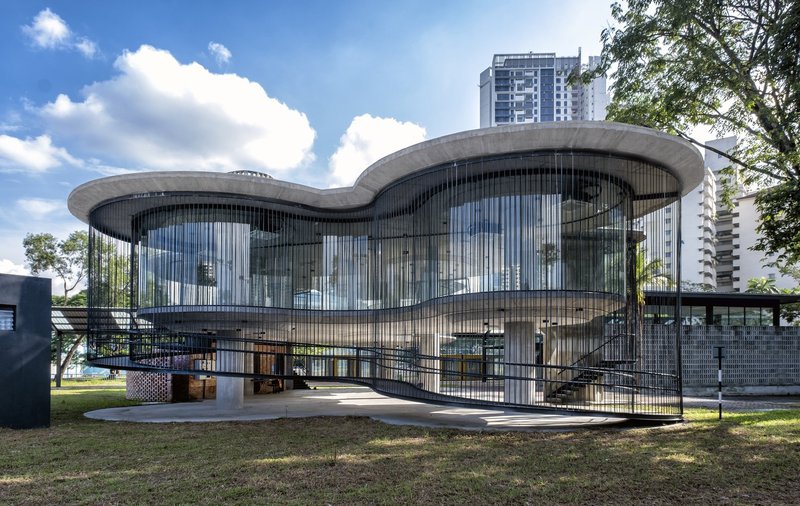
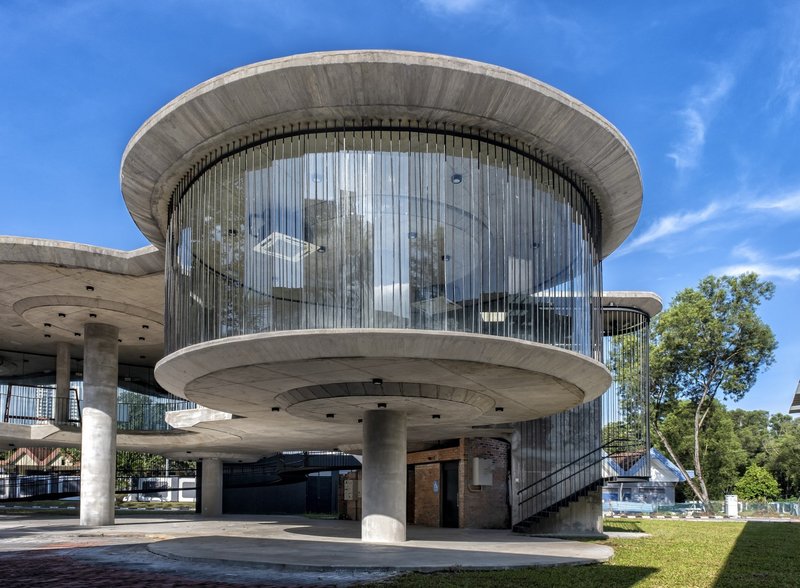
Occupying a total area of 396 square meters, this two-storey community centre is more than just a building—it's a social ecosystem tailored for Generation Z and beyond. The ground floor features an open-concept lobby perfect for hosting events, performances, and communal gatherings. Toilets are strategically placed beneath the structure, allowing for efficient spatial planning.
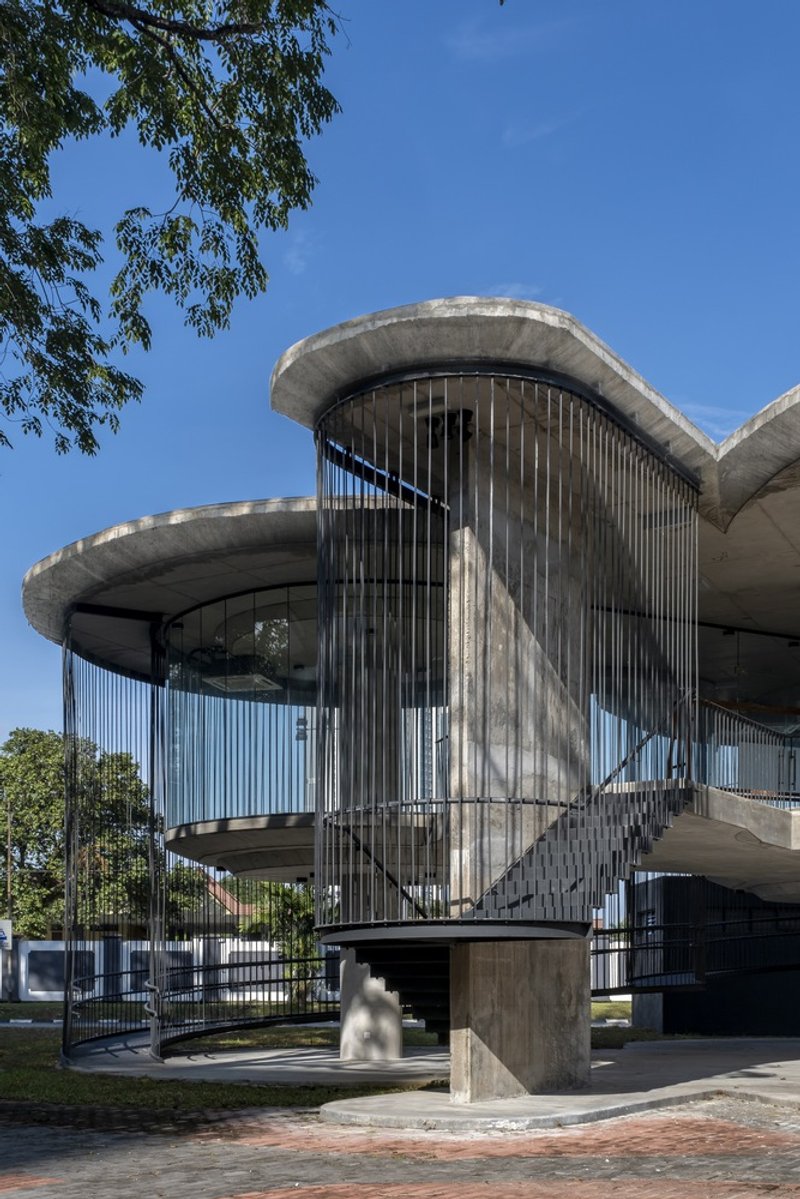
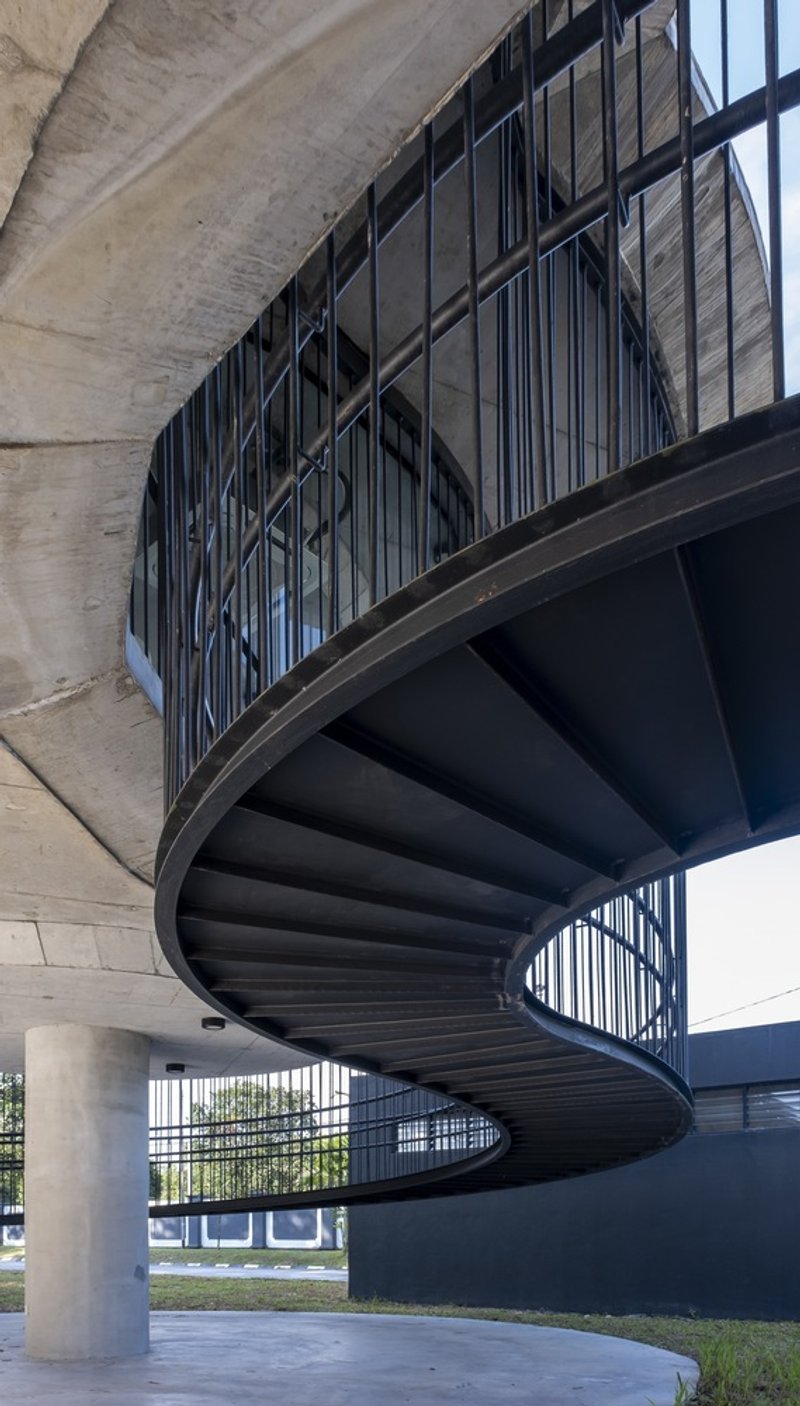
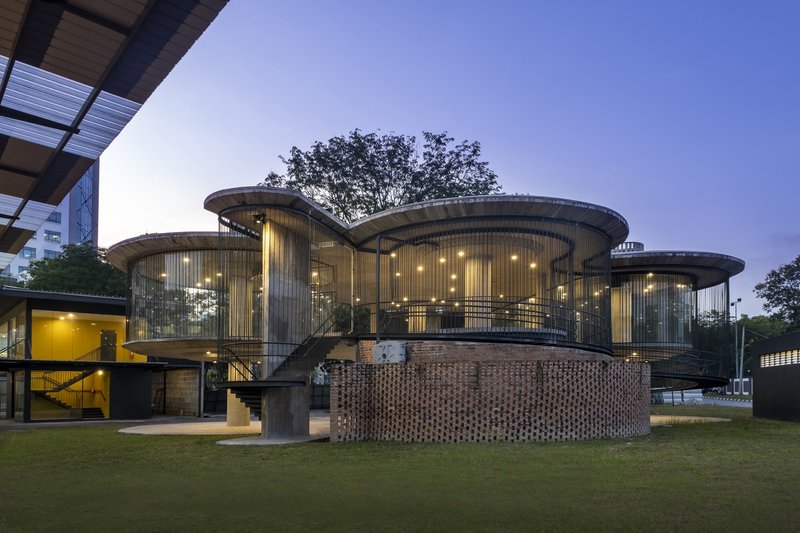
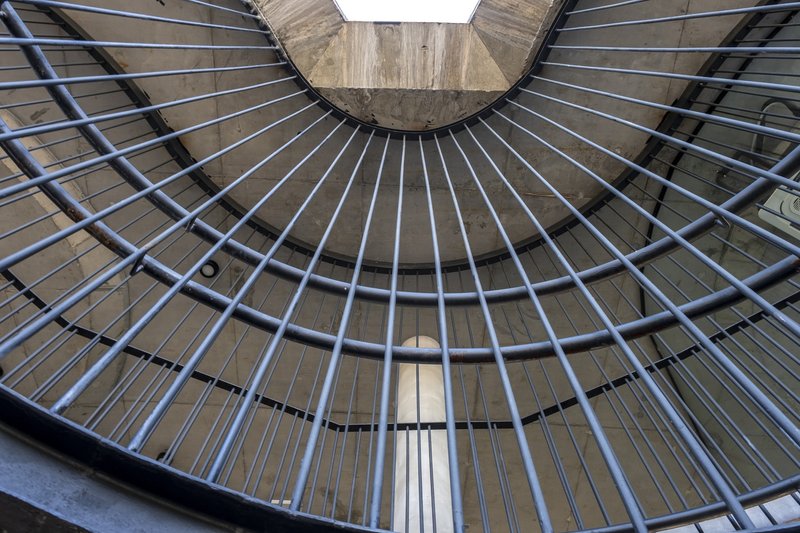
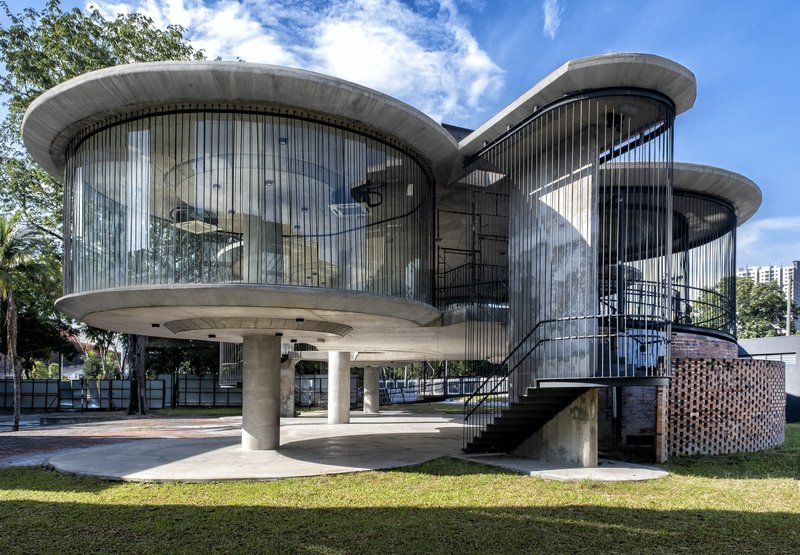
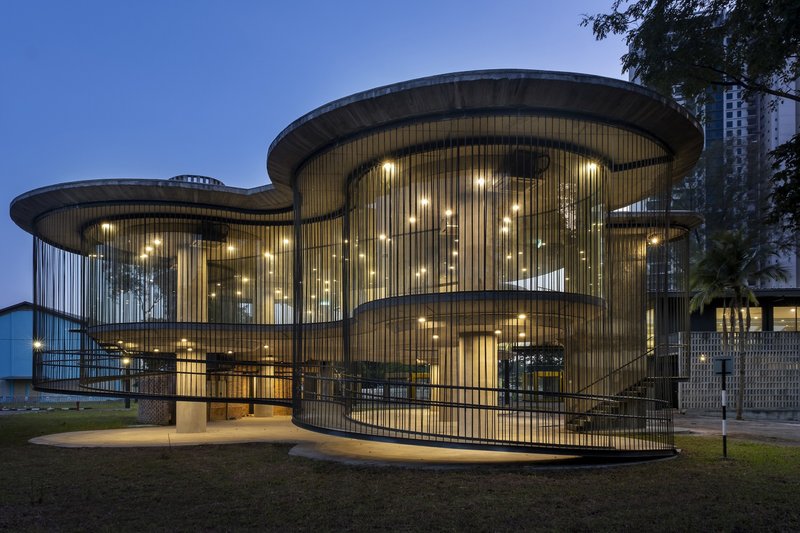
On the upper level, four circular glass structures house the PJKita management office, meeting spaces, and multipurpose event rooms. These cylindrical forms not only offer modern design aesthetics but also ensure transparency and inclusiveness—core values of the project.
Modular Design with the Iconic T-Canopy System
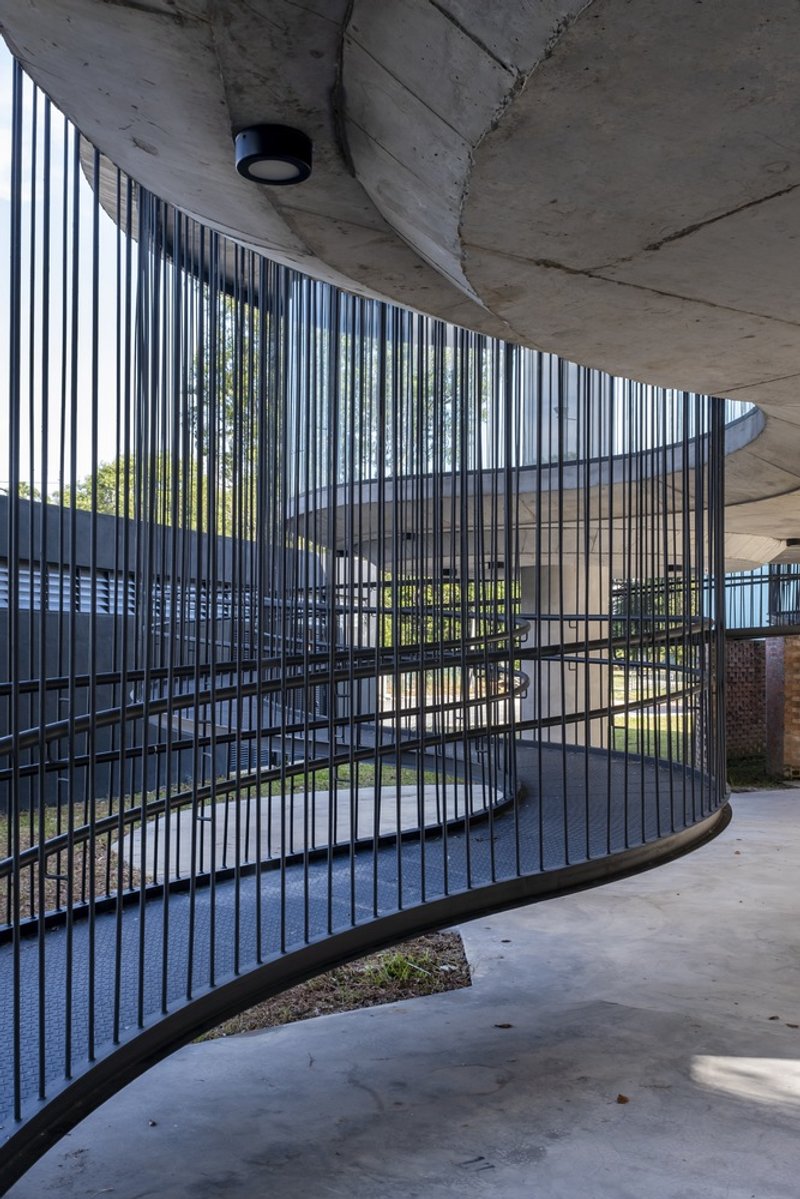
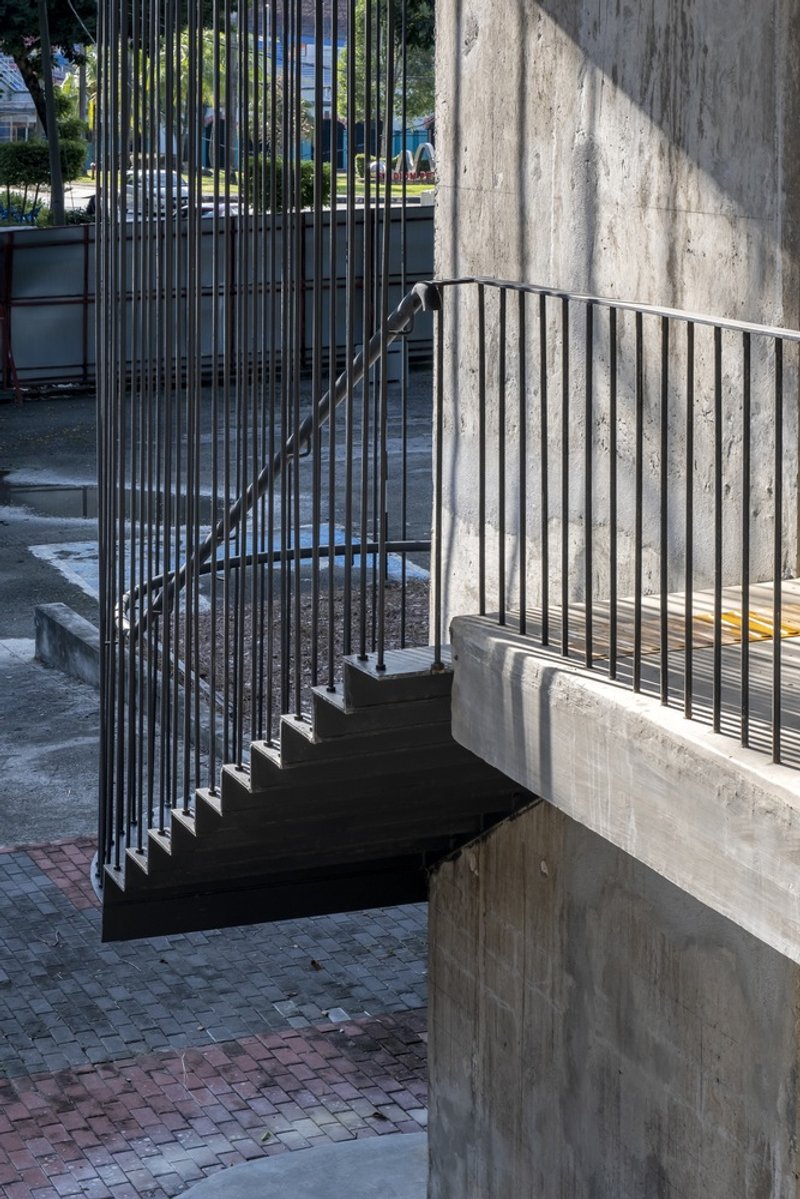
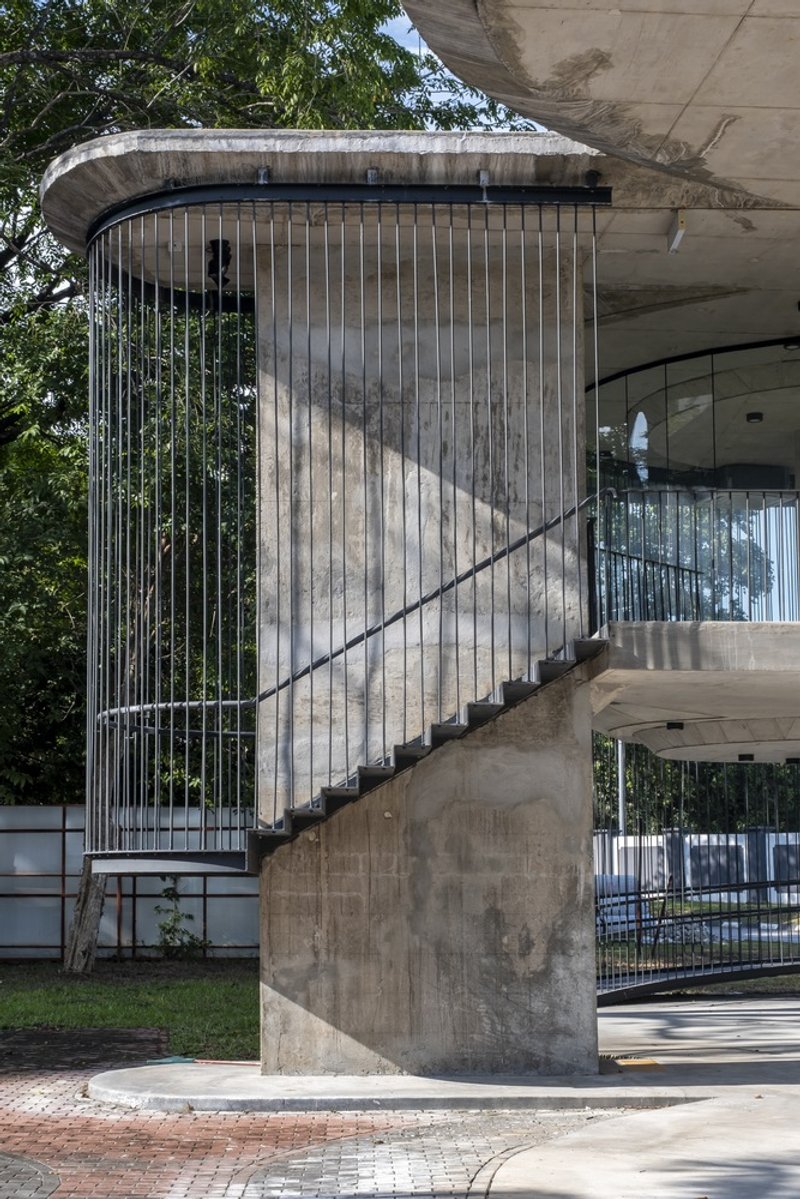
A standout architectural element is the T-Canopy system, a biophilic structural framework that draws inspiration from towering rainforest trees. These modular canopies offer flexible design, minimal environmental impact, and visual dynamism. Constructed with off-form concrete pilotis, the canopies float above the ground, providing shaded, ventilated, and weather-resistant spaces for activities below.
Each T-Canopy module is self-supporting with just one contact point, allowing the ground level to remain open and adaptable. This thoughtful design makes it easy to evolve the structure organically as community needs grow.
The Spine: A Vibrant Corridor of Community Life
A key feature is the "Spine", a 60-meter-long shaded corridor that links the youth centre to a retail zone composed of repurposed shipping containers. This covered walkway acts as a shared promenade, frequently used for community festivals, food bazaars, and pop-up markets. Its metal deck and fiberglass roofing are specifically designed to manage the challenges of Malaysia’s tropical climate, optimizing both sunlight and natural airflow.
Sustainable Urban Integration
In addition to its architectural merits, the community centre is a platform for eco-conscious urban development. Local mural projects, led by PJ residents, played a part in the building's inception, instilling a sense of ownership and pride. The integration of biophilic principles, inclusive access (such as wheelchair-friendly ramps), and local craftsmanship embodies the project's mission to build not just a centre, but a living, growing community space.
Retail and Recreation Opportunities
The adjacent shopping street offers affordable rental spaces to young entrepreneurs and start-ups, helping foster economic resilience. Designed using modified shipping containers, these retail pods contribute to sustainability while adding a youthful, industrial aesthetic. The larger site also includes sports areas, a skate park, and children’s play zones, making it a truly inclusive community destination.
All the photographs are works of H.Lin Ho




Popular Articles
Popular articles from the community

Gads Hill Early Learning Center by JGMA: Adaptive Reuse Shaping Community-Focused Educational Architecture
Adaptive reuse transforms fragmented structure into vibrant early learning center with playful façade, natural light, and community-focused sustainable design.
Fifth NRE Jazz Club – De Bever Architecten: Eindhoven’s Revitalized Cultural Hub
Historic gas factory transformed into Fifth NRE Jazz Club blending modern sustainability, jazz culture, dining, and heritage architecture seamlessly.
Split House: A Compact Urban Home Blending Privacy, Light, and Flexible Living in Japan
Compact Japanese home featuring DOMA space, flexible café potential, passive lighting, privacy zoning, and sustainable urban living design.
Atelier Macri Concept Store Interior Design by CASE-REAL
Atelier Macri store features a "ko" counter, walnut wood details, cork displays, blending retail, gallery, and seamless customer experiences.
Similar Reads
You might also enjoy these articles


The Ken Roberts Memorial Delineation Competition (Krob)
As the most senior architectural drawing competition currently in operation anywhere in the world, it draws hundreds of entries each year, awarding the very best submissions in a series of medium-based categories.


Waterfront Redevelopment and Urban Revitalization in Mumbai: Forging a New Dawn for Darukhana
A transformative waterfront redevelopment project reimagining Darukhana’s shipbreaking heritage into an inclusive urban future.

OUT-OF-MAP: A Call for Postcards on Feminist Narratives of Public Space
Rhizoma Design and Research Lab invites artists, designers, architects, researchers, and students to reflect on how feminist perspectives can reshape public space. Selected works will be exhibited in Barcelona, October 2026. Submissions open until 15 April 2026.


Documentation Work on Buddhist Wooden Temple
Architectural syncretism and cultural hybridity: A comparative study of the Buddhist temples in Chattogram Hill tracks


Explore Architecture Competitions
Discover active competitions in this discipline




The International Standard for Design Portfolios


The Global Benchmark for Architecture Dissertation Awards


The Global Benchmark for Graduation Excellence


Challenge to reimagine the Iron Throne
Comments (0)
Please login or sign up to add comments
No comments yet. Be the first to comment!