
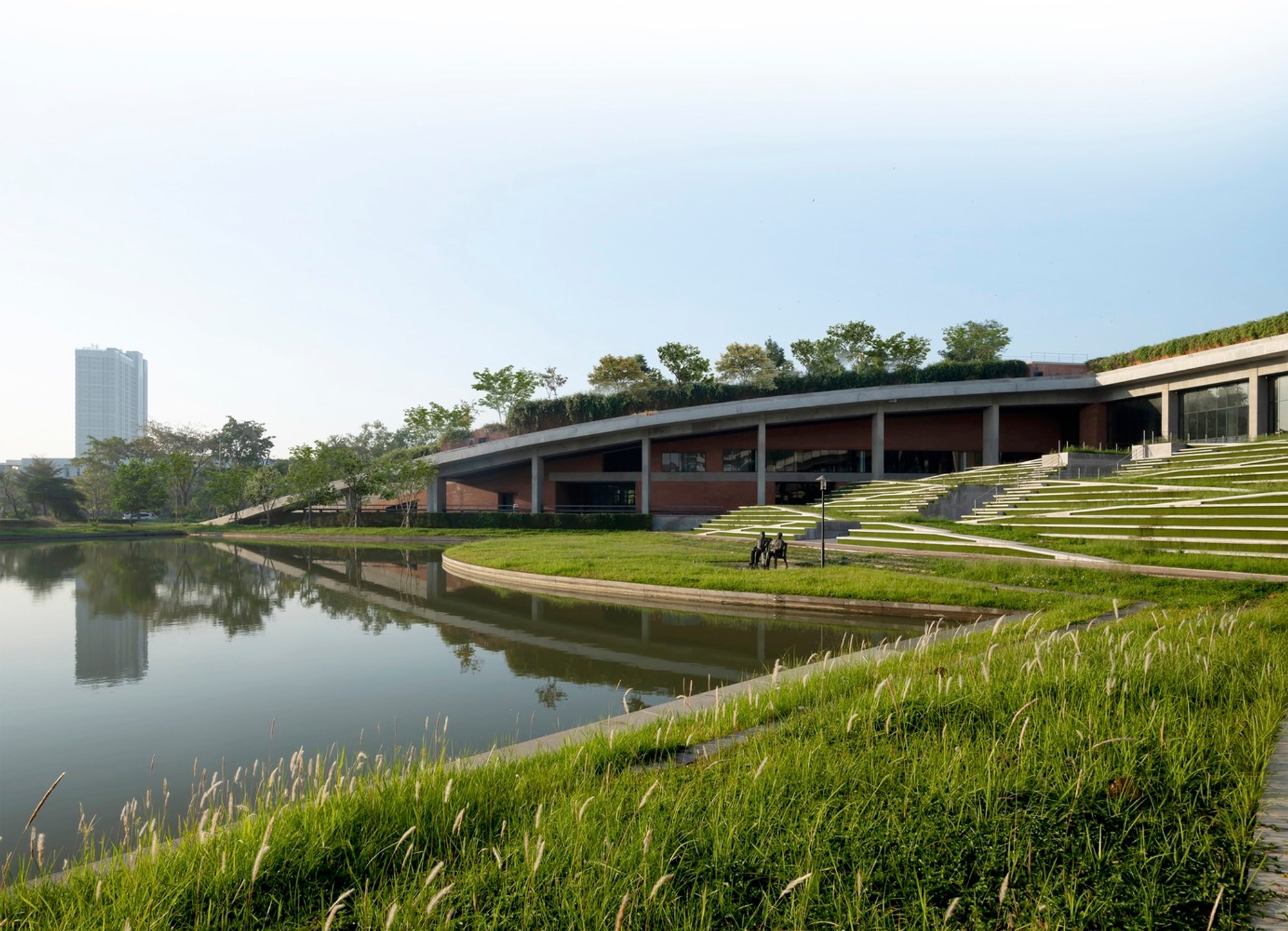
Puey Ungpahakorn Centenary Hall: A Model of Sustainable Campus Architecture in Thailand
The Puey Ungpahakorn Centenary Hall integrates sustainable design, environmental education, and community engagement within Thammasat University’s campus.

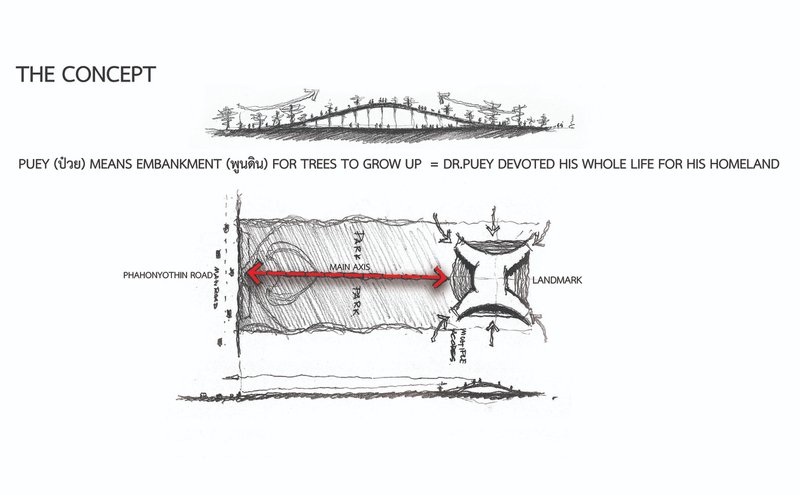
The Puey Ungpahakorn Centenary Hall at Thammasat University in Thailand represents an innovative approach to sustainable campus architecture. Designed by Arsomsilp Community and Environmental Architect, this project celebrates the legacy of Prof. Dr. Puey Ungphakorn, the 10th Chancellor of the university, who was renowned for his commitment to environmental conservation, quality of life, and the health of his community. Situated on the university's main axis, this architectural landmark serves as both a tribute to his vision and a functional hub for the Thammasat community.
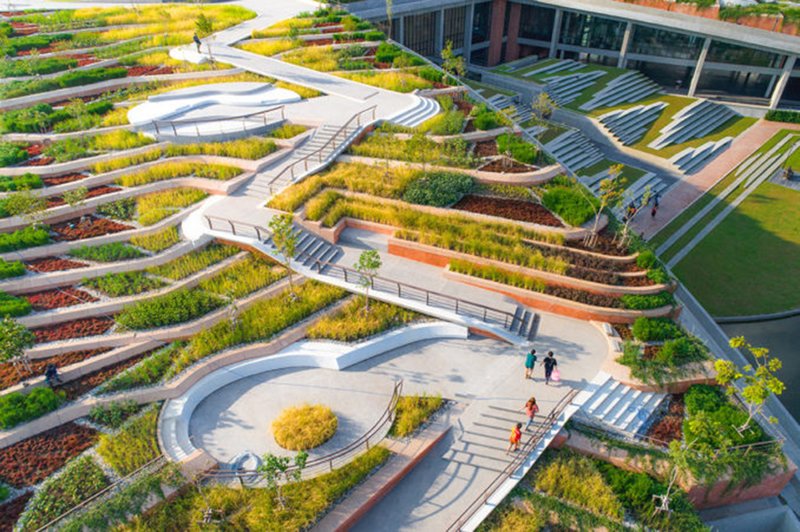
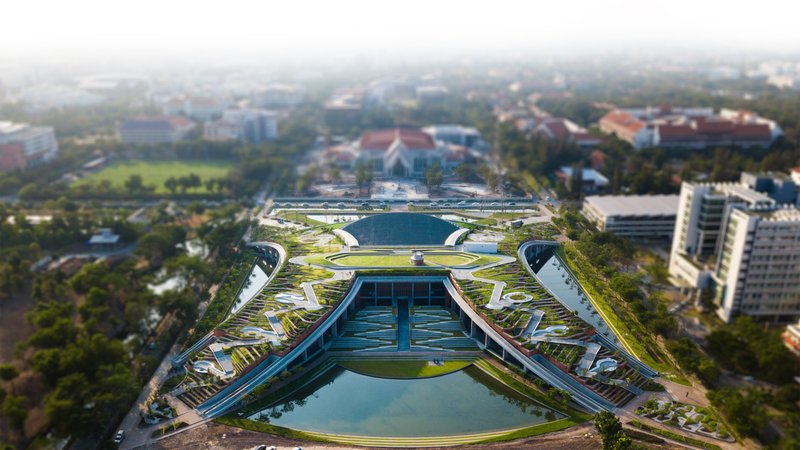
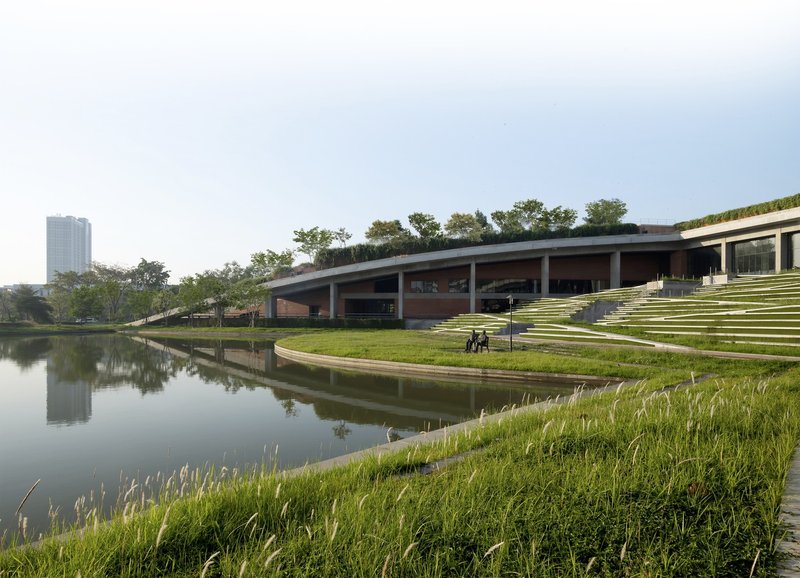
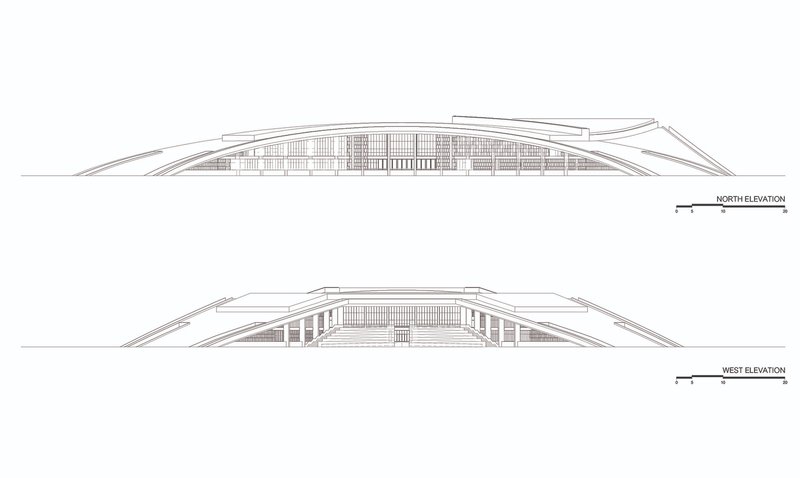
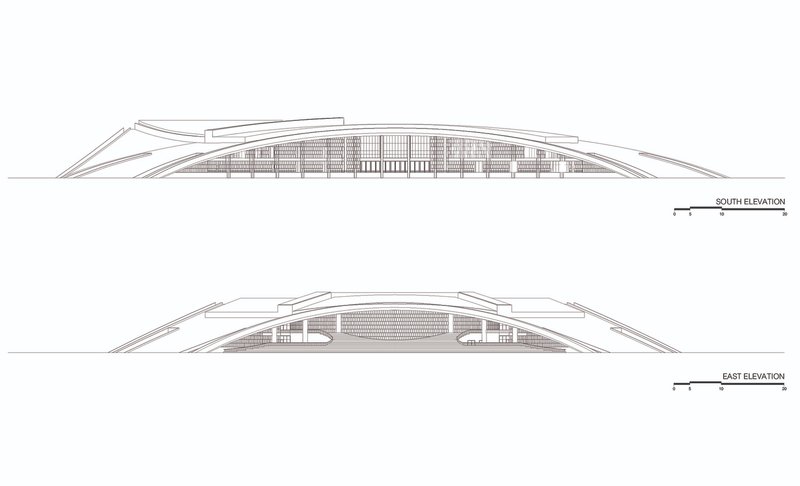
Completed in 2019, the Puey Ungpahakorn Centenary Hall spans over 59,000 square meters and combines architecture and landscape design to create a harmonious, sustainable environment. The building is positioned as a central feature within the university campus, reflecting Puey Ungphakorn's dedication to the importance of the environment and social development. Its design incorporates green building elements, natural water management, and educational functions to inspire both students and the broader community.
A Tribute to Puey Ungphakorn’s Vision: Sustainable Design for the Future
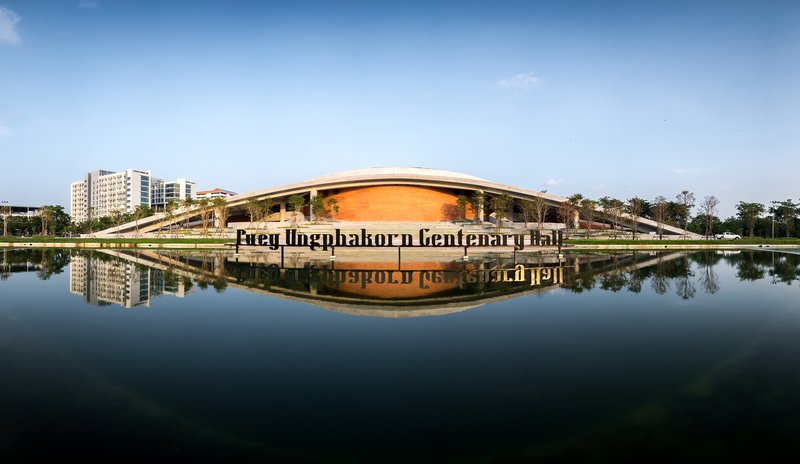
The architectural concept behind the Centenary Hall was inspired by the meaning of the name "Puey," which translates to earth mound—a symbol of growth, strength, and nourishment. This symbolic foundation reflects Puey Ungphakorn's commitment to nurturing both nature and human development. The design merges the built structure with landscape architecture, engaging the community in both functional and leisure spaces. Central to this vision is a green roof, covered with edible plants, which not only serves as an aesthetic feature but also educates students about sustainable agriculture and self-sufficiency. The surrounding grounds are designed as gardens and recreational areas, with four large pools that function as natural water treatment reservoirs and drainage basins.
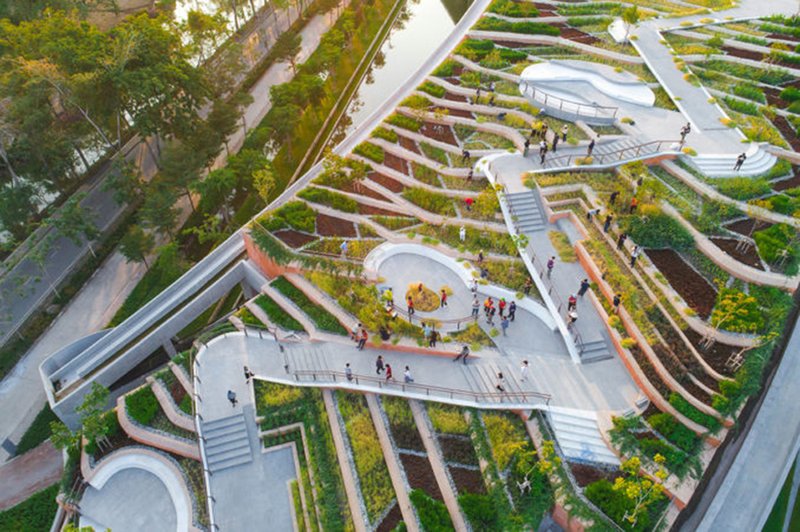
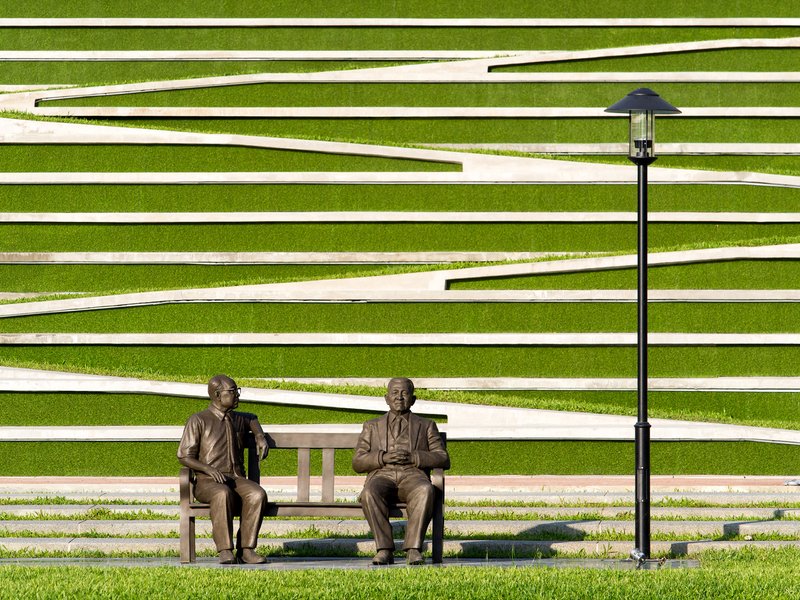
This integration of green space highlights the building’s environmental focus, blending nature with architecture to create a peaceful and functional setting for the university's community.
Climate-Responsive Design: Energy Efficiency and Passive Cooling
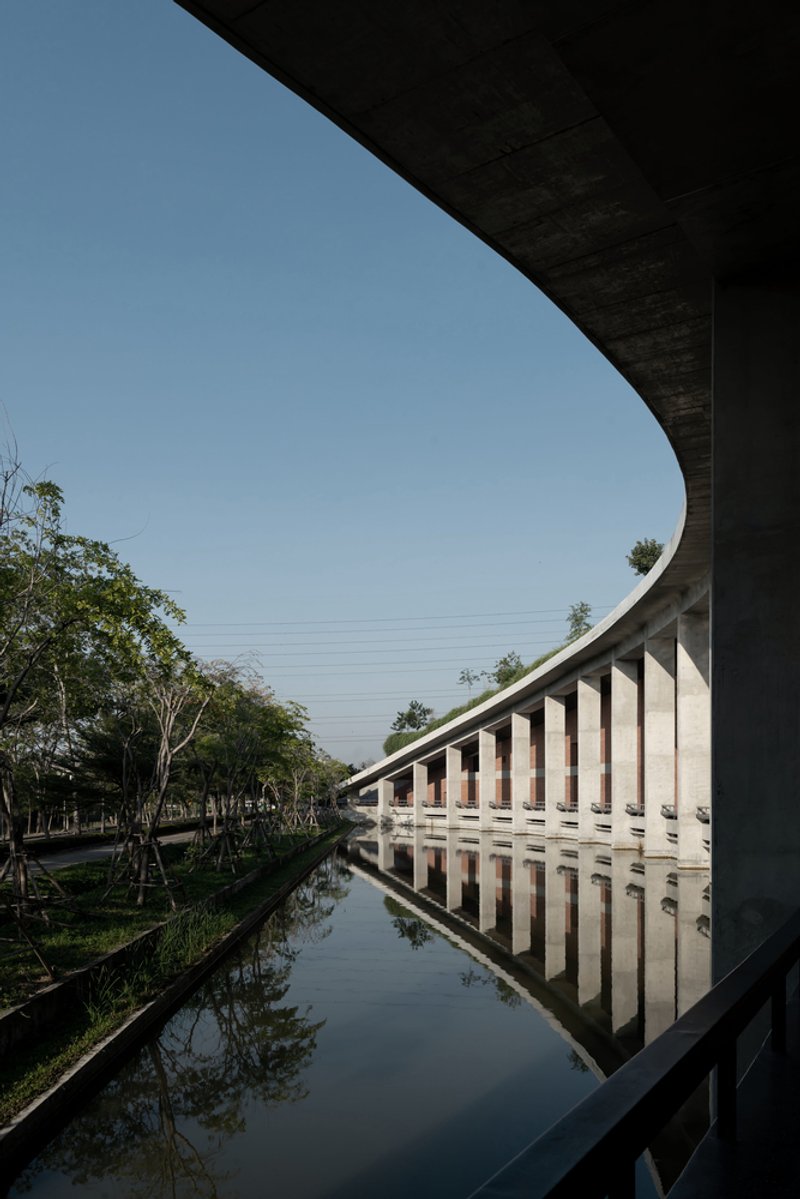
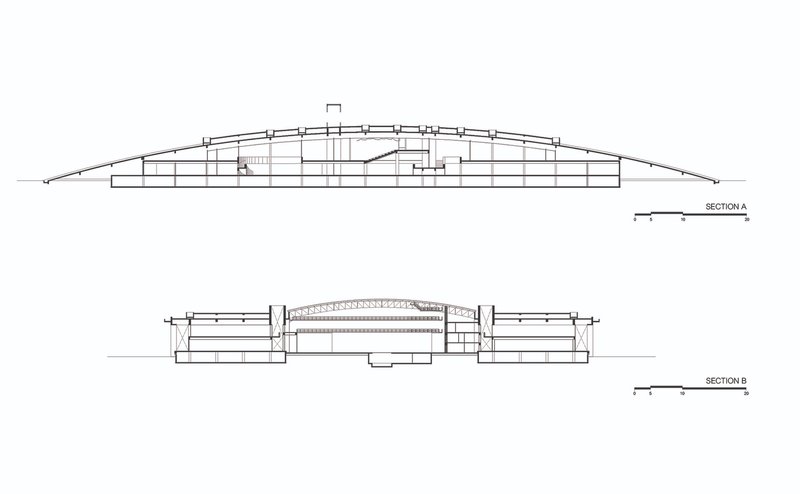
The design of the Puey Ungpahakorn Centenary Hall takes into account Thailand's tropical climate, utilizing passive cooling techniques to reduce energy consumption. The building’s curved structure exposes the green vegetation roof to direct sunlight, which absorbs heat and radiation, helping to maintain a comfortable internal environment. The double-slab roof structure prevents humidity from the plants from damaging the building while ensuring that the space remains energy efficient. The 1.5-meter gap between the roof layers allows for easier maintenance and contributes to a reduction in energy usage by lessening the need for air conditioning.
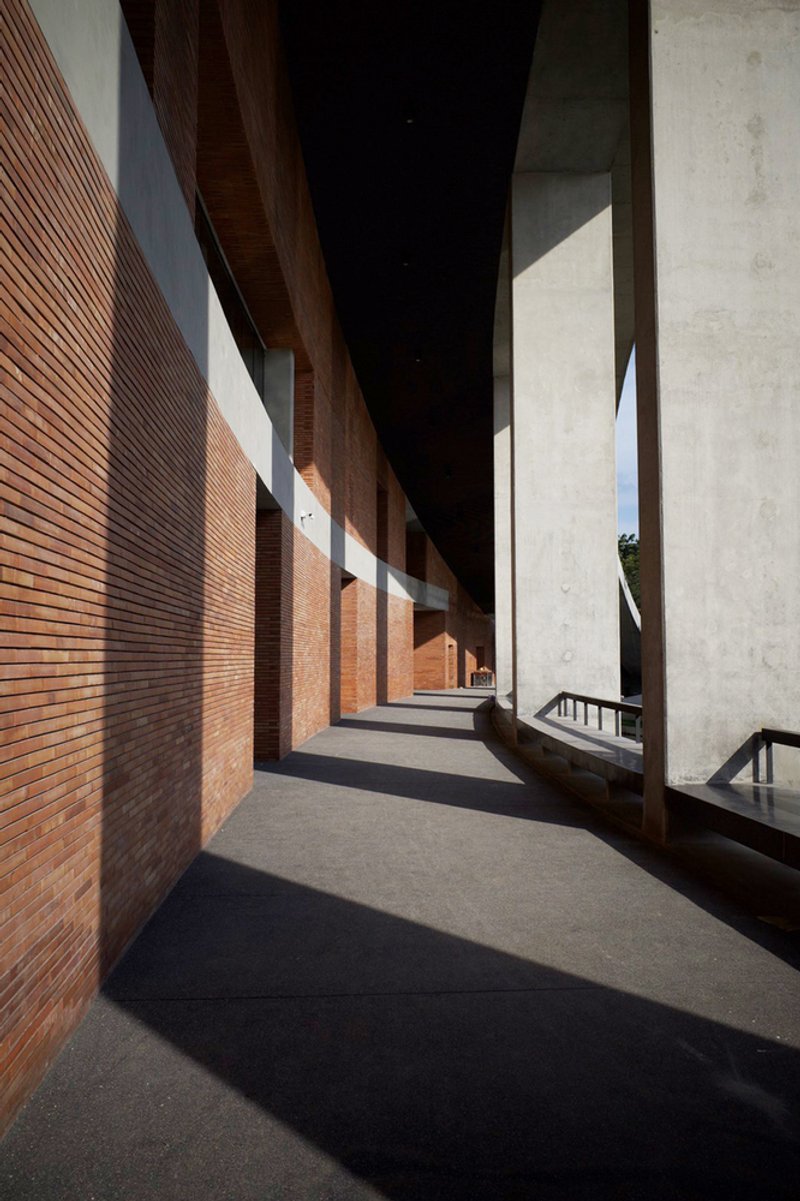
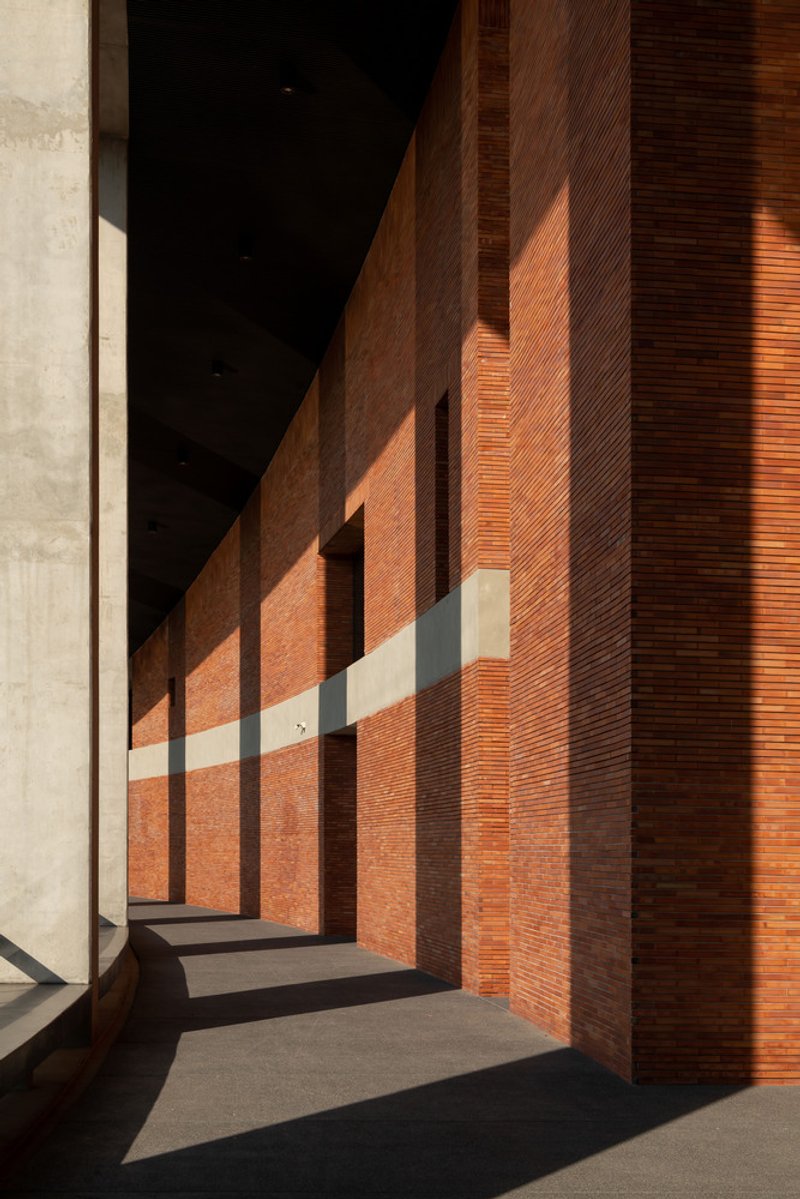
This focus on energy efficiency exemplifies how sustainable design can address the challenges of climate adaptation while promoting a comfortable and environmentally-friendly campus.
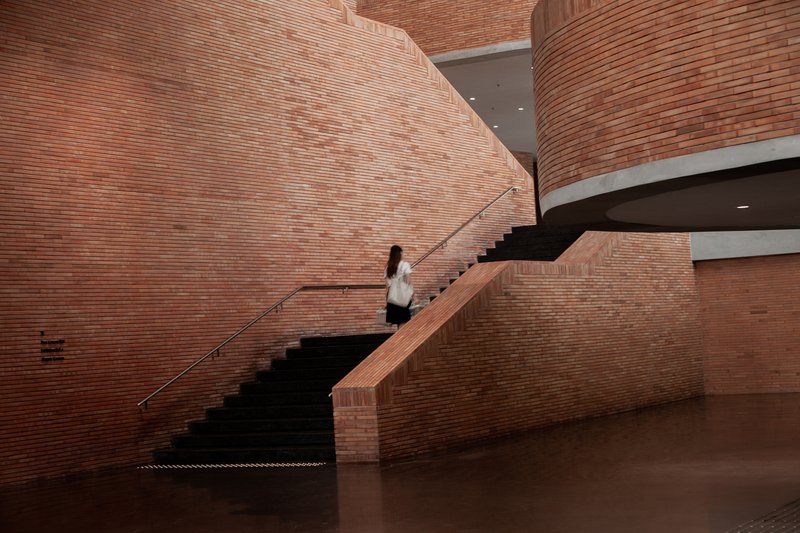
Sustainable Materials: Bricks and Green Roofing for a Balanced Microclimate
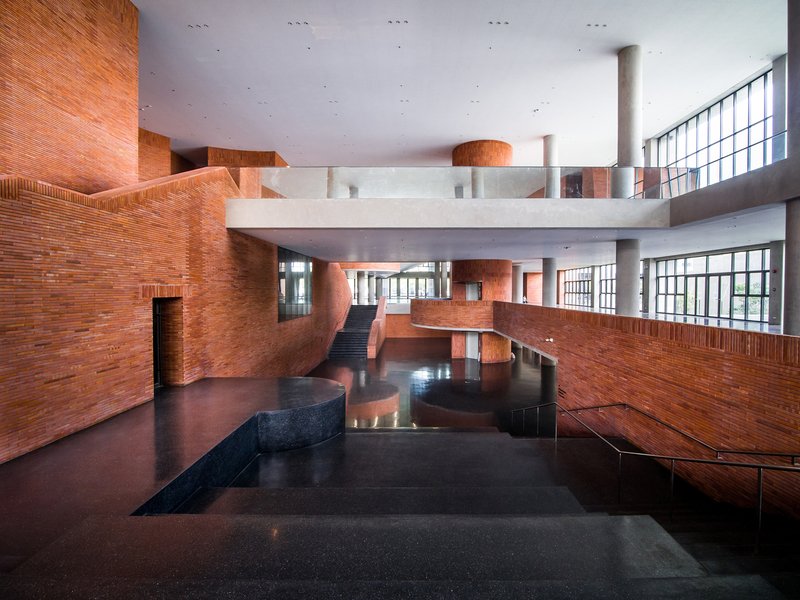
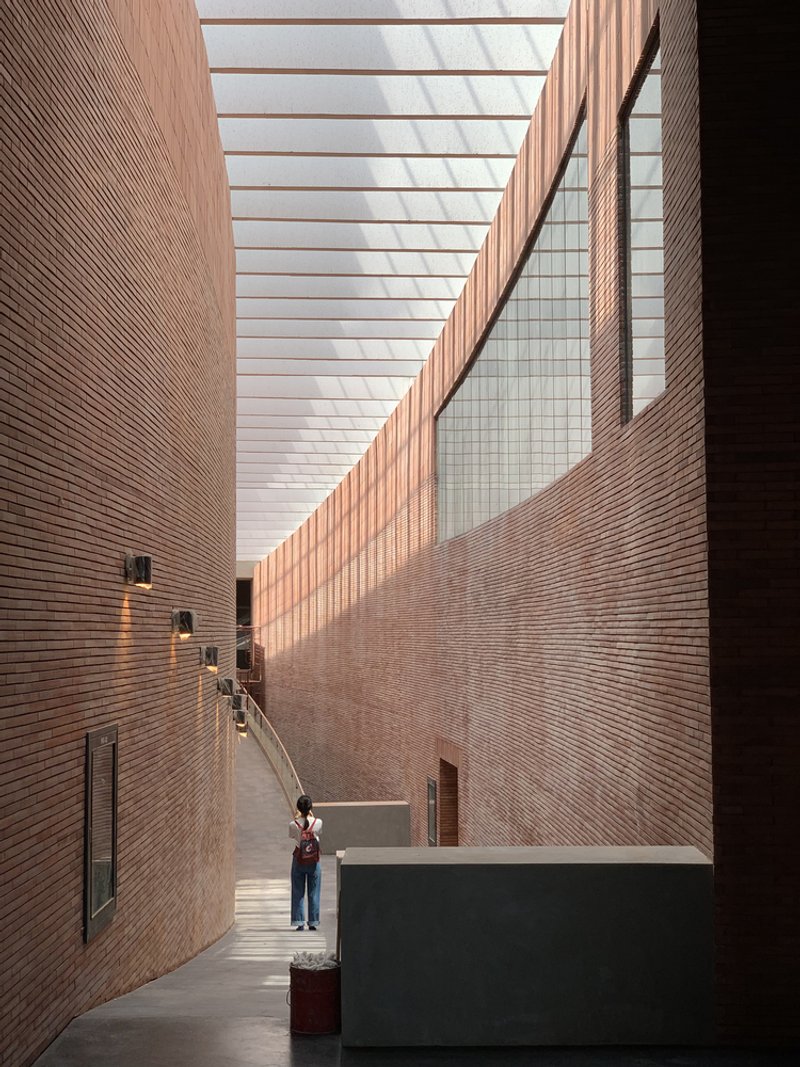
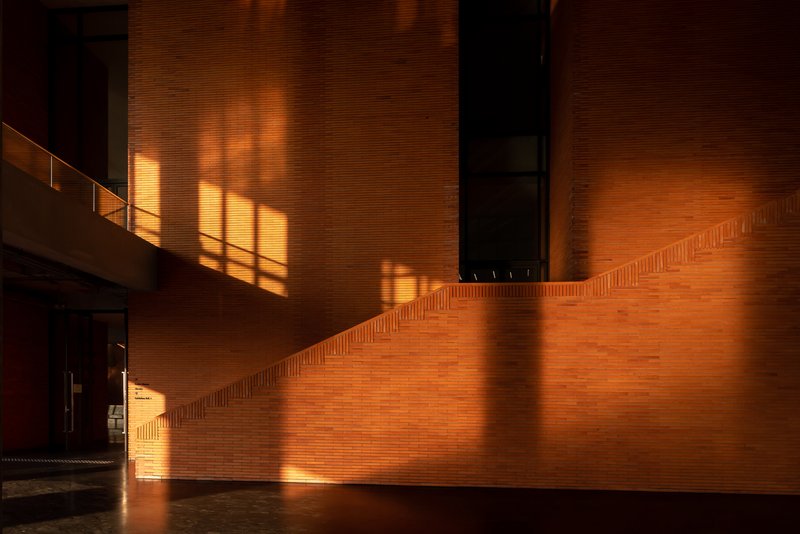
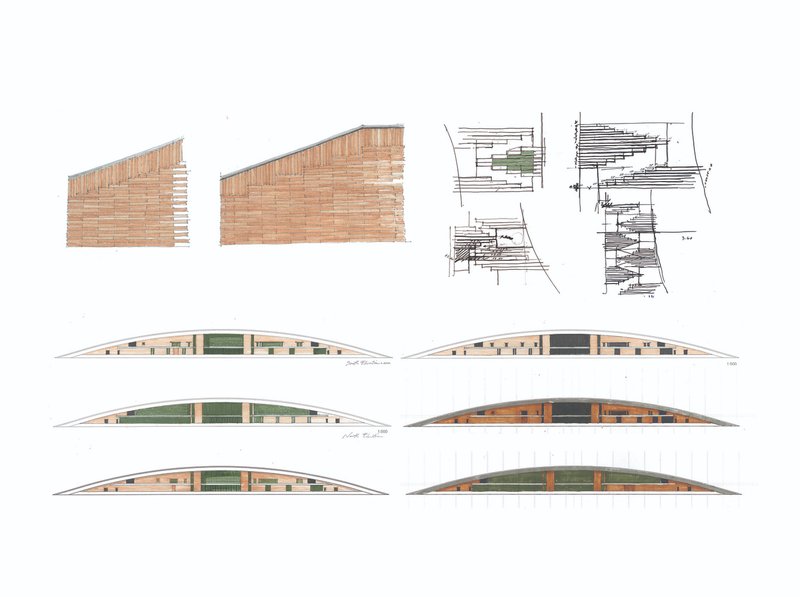
The use of bricks in the building’s construction further contributes to its sustainability. Known for their strength and durability, bricks also help regulate the indoor climate by interacting with natural light, creating a dynamic interplay of light and shadow within the interior spaces. This architectural feature enhances the experience of space while ensuring that the building maintains a comfortable microclimate throughout the year. The green roof also acts as an environmental buffer, enhancing thermal insulation and reducing the building’s carbon footprint.

The combination of sustainable materials like brick and green roofs with solar shading techniques creates a balanced interior climate, reducing the need for mechanical cooling and heating systems.
A Hub for Multidisciplinary Learning and Community Engagement
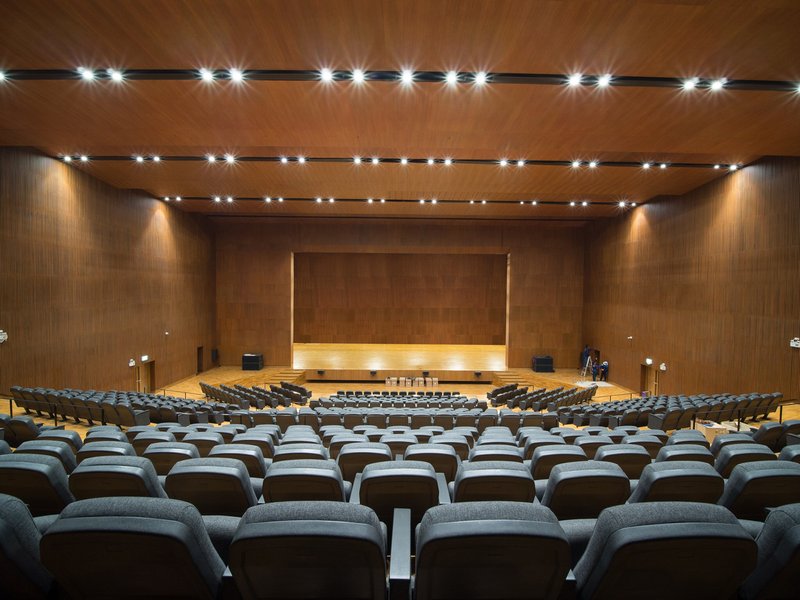
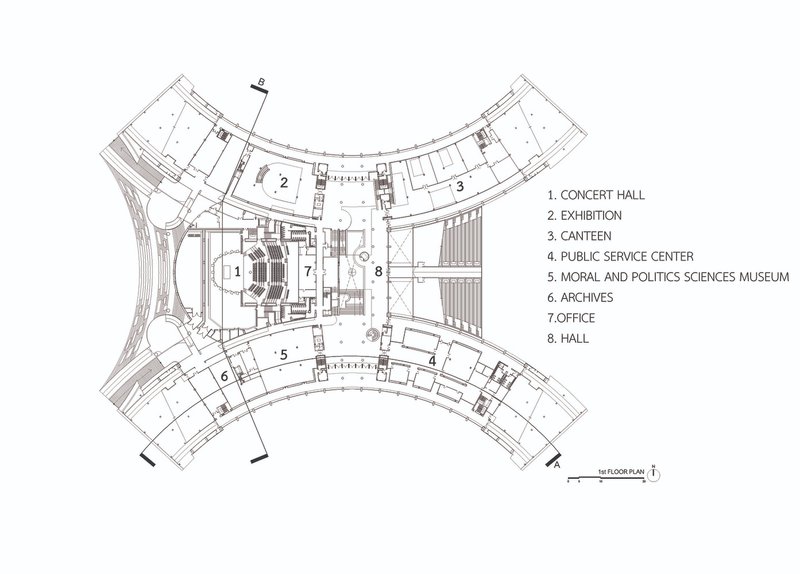
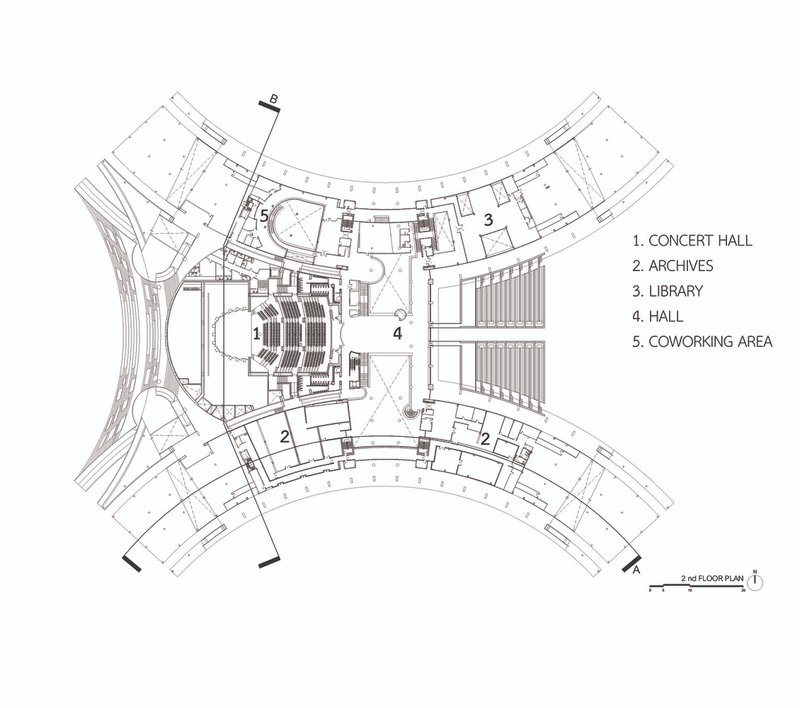
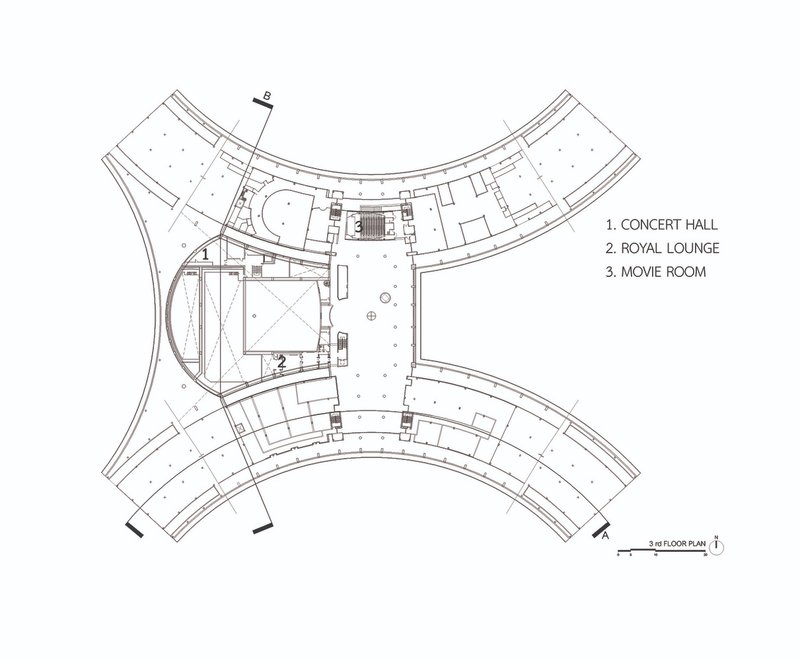
The Puey Ungpahakorn Centenary Hall is designed as a learning hub that promotes multidisciplinary education and fosters community interaction. The building offers diverse learning environments, ranging from private spaces for reflection and study to communal areas that encourage social interaction and collaborative learning. With its flexible spatial layout, the hall adapts to a variety of learning activities, including informal discussions, group work, and formal lectures.
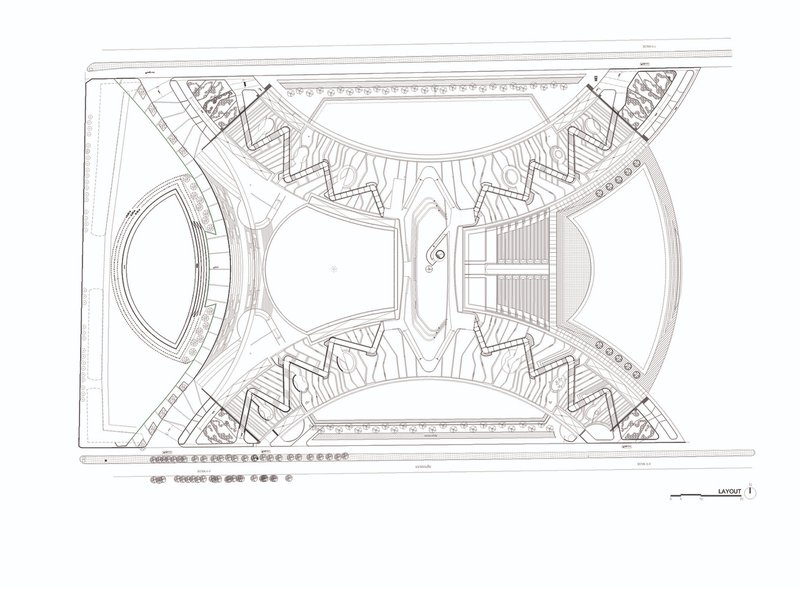
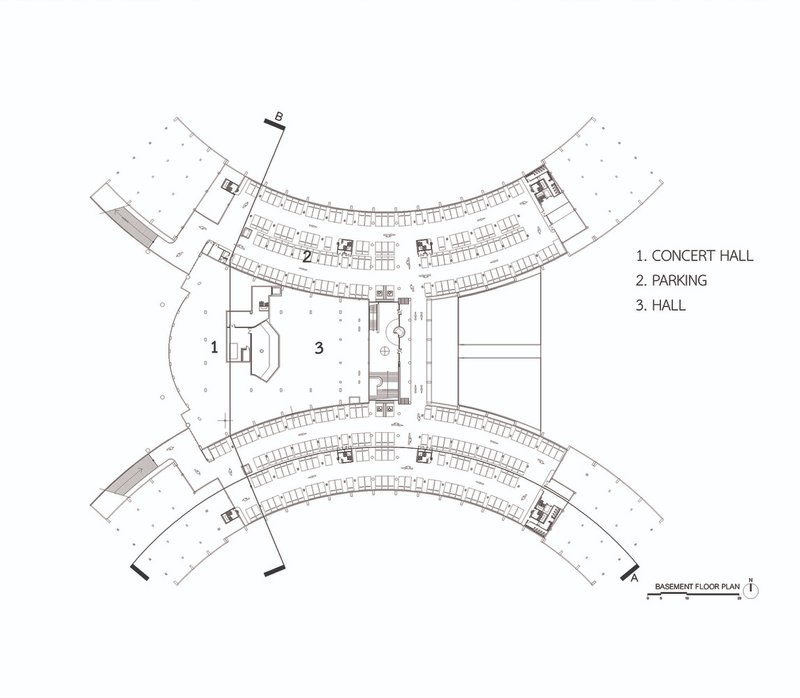
The central atrium serves as a meeting place for students and faculty, providing a vibrant space for networking and engagement. The design emphasizes social development and continuous learning, with areas that facilitate both quiet reflection and dynamic social exchanges. The hall is not just a space for education; it is a community-oriented environment that embodies the spirit of collaboration and personal growth.
Sustainable Architecture for Future Generations
The Puey Ungpahakorn Centenary Hall is a pioneering example of sustainable campus architecture in Thailand. By integrating green building techniques, energy-efficient design, and environmental education, the hall serves as a model for future academic buildings. Its design honors the legacy of Puey Ungphakorn while embracing contemporary principles of sustainability, community engagement, and multidisciplinary learning. This landmark building not only contributes to the university’s growth but also sets a new standard for environmentally responsible architecture in Thailand and beyond.
All Photographs are work of Landprocess Co. Ltd., Pat Phuchamni, Srirath Somsawat




Popular Articles
Popular articles from the community

Atelier Macri Concept Store Interior Design by CASE-REAL
Atelier Macri store features a "ko" counter, walnut wood details, cork displays, blending retail, gallery, and seamless customer experiences.
A Contemporary Take on Iranian Residential Architecture
A modern interior design in Mashhad that reinterprets brick, light, and spatial flow to create a warm, contemporary residential architecture.
On the Brooks House by Monsoon Collective – A Contemporary Kerala Home Rooted in Tradition
Kerala home blending tradition and modernity with water-inspired design, brick architecture, courtyard planning, and sustainable rainwater harvesting strategies.
Flamboyant House by Juliana Camargo + Prumo Projetos
Modern Brazilian house integrating existing tree, pool, and volumes with glass, wood, and transitional spaces blending interior, exterior, and landscape seamlessly.


Similar Reads
You might also enjoy these articles


The Ken Roberts Memorial Delineation Competition (Krob)
As the most senior architectural drawing competition currently in operation anywhere in the world, it draws hundreds of entries each year, awarding the very best submissions in a series of medium-based categories.


Waterfront Redevelopment and Urban Revitalization in Mumbai: Forging a New Dawn for Darukhana
A transformative waterfront redevelopment project reimagining Darukhana’s shipbreaking heritage into an inclusive urban future.

OUT-OF-MAP: A Call for Postcards on Feminist Narratives of Public Space
Rhizoma Design and Research Lab invites artists, designers, architects, researchers, and students to reflect on how feminist perspectives can reshape public space. Selected works will be exhibited in Barcelona, October 2026. Submissions open until 15 April 2026.


Documentation Work on Buddhist Wooden Temple
Architectural syncretism and cultural hybridity: A comparative study of the Buddhist temples in Chattogram Hill tracks


Explore Architecture Competitions
Discover active competitions in this discipline




The International Standard for Design Portfolios


The Global Benchmark for Architecture Dissertation Awards


The Global Benchmark for Graduation Excellence


Challenge to reimagine the Iron Throne
Comments (0)
Please login or sign up to add comments
No comments yet. Be the first to comment!