
Qarahziya House by Davood Boroojeni Office: A Harmonious Blend of Tradition and Innovation
Qarahziya House blends traditional Iranian architecture with modern sustainability, featuring a central light trap, vertical greenery, and passive design strategies.

Introduction to Qarahziya House
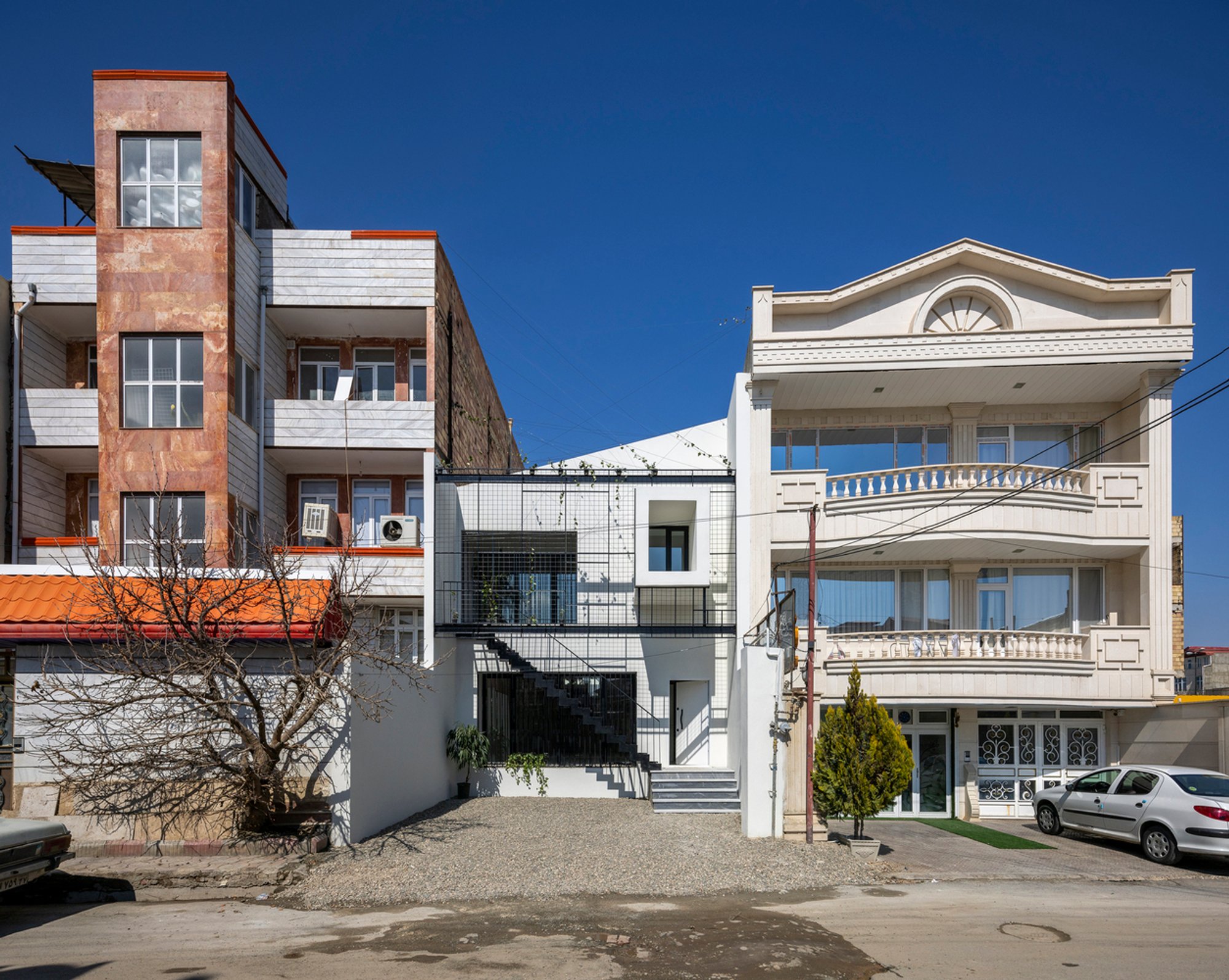
The Qarahziya House, designed by Davood Boroojeni Office, is an architectural response to the evolving urban fabric of Qaraziyauddin, Iran. This contemporary residence reinterprets traditional Iranian architectural elements while addressing modern-day spatial challenges.
Urban Context and Design Challenges
Qaraziyauddin has undergone significant urban transformations, driven by rising land prices and the demand for expanded living spaces. As a result, many single-story houses are being replaced with multi-story buildings. However, field research conducted by the architects revealed that many newly constructed third and fourth floors remain unoccupied, disrupting the human scale of the city.
Architectural Approach: Balancing Functionality and Aesthetics
Middle Space: Enhancing Light and Connectivity
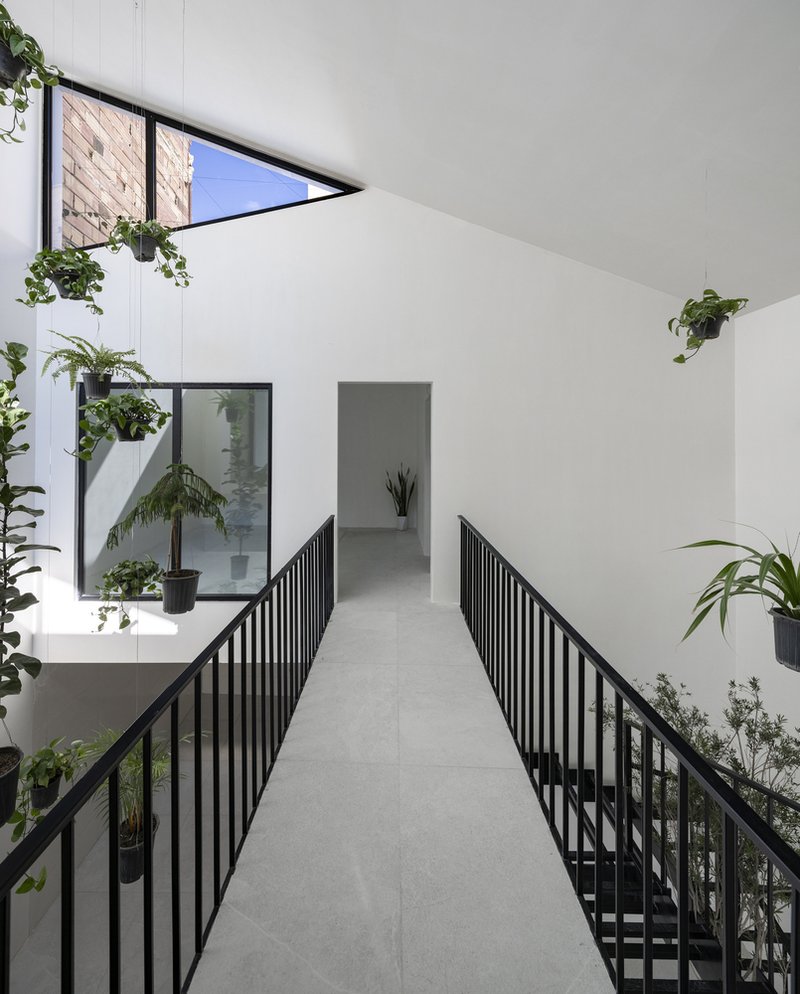
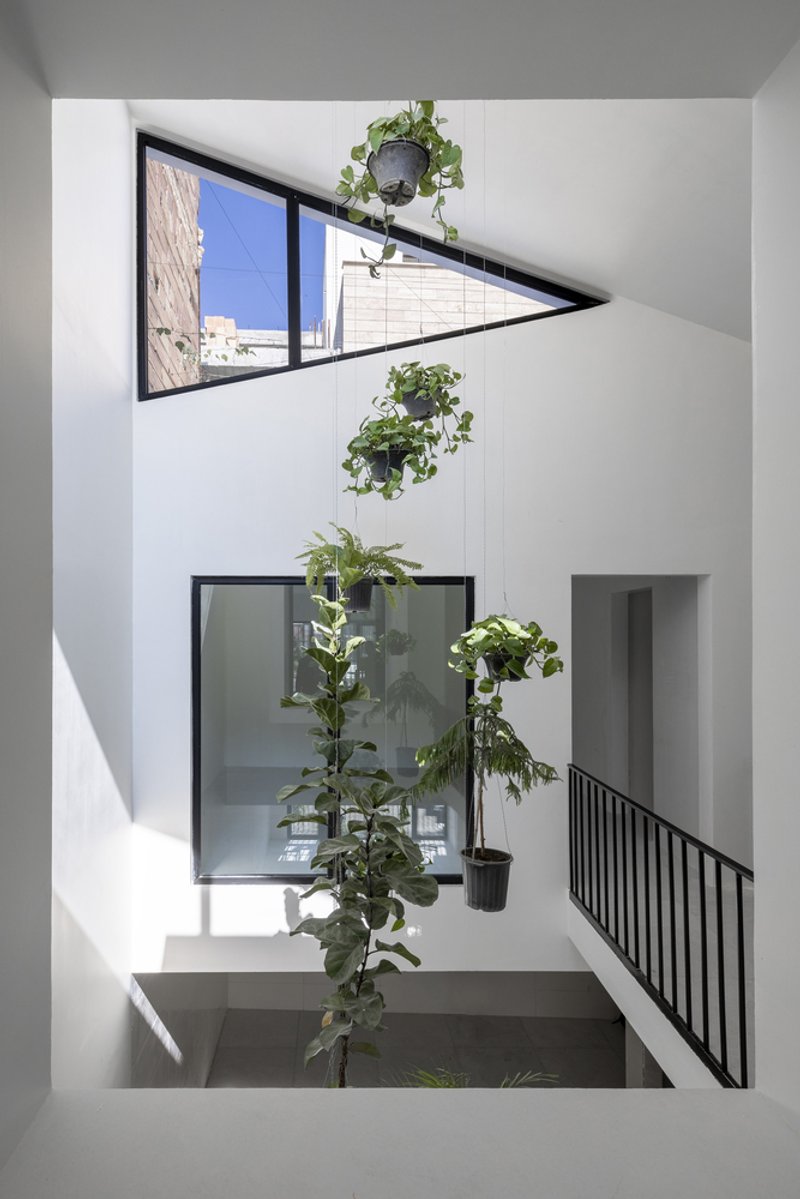
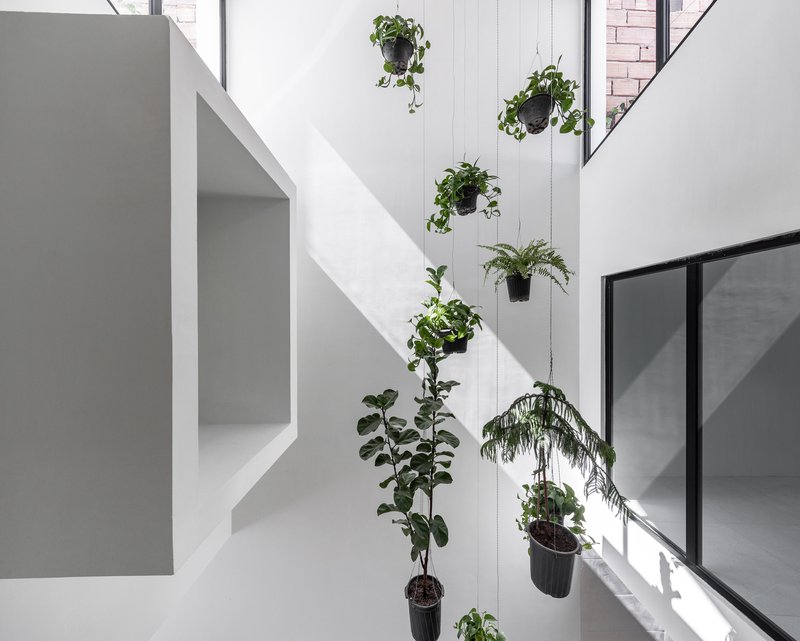
A key challenge in the project was the elongated layout of the site, which limited natural light penetration. To address this, the architects incorporated a "middle space", a central void that serves as a light trap while connecting different floors. This design strategy is deeply rooted in Iranian architectural heritage, where central courtyards have historically played a crucial role in enhancing ventilation and spatial quality.
Maximizing Vertical Space
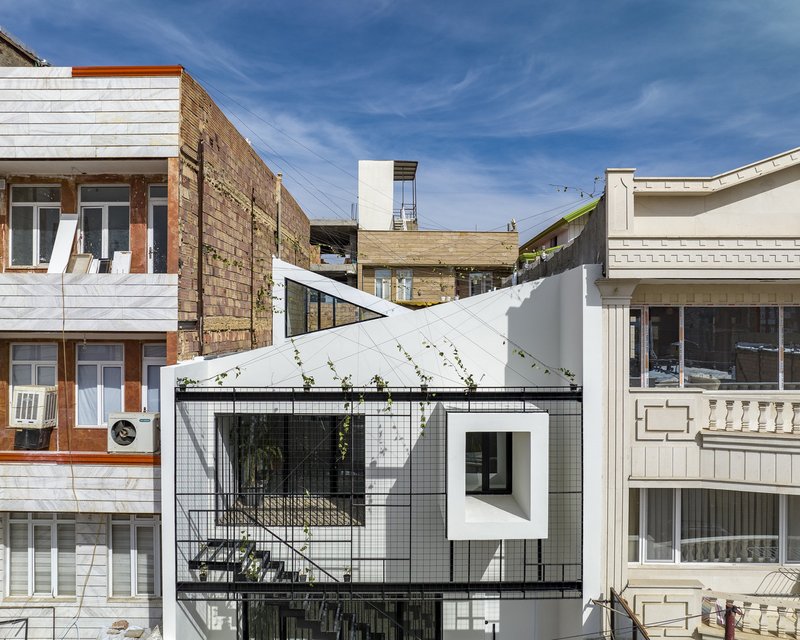
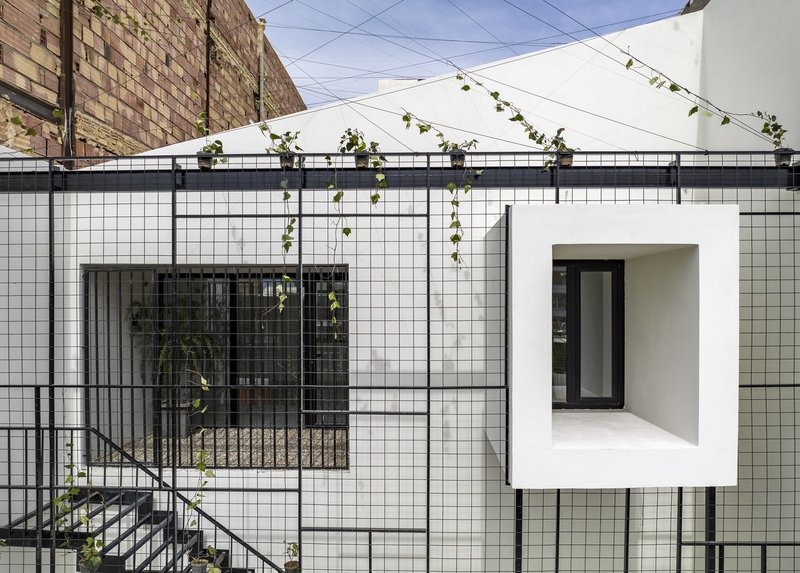
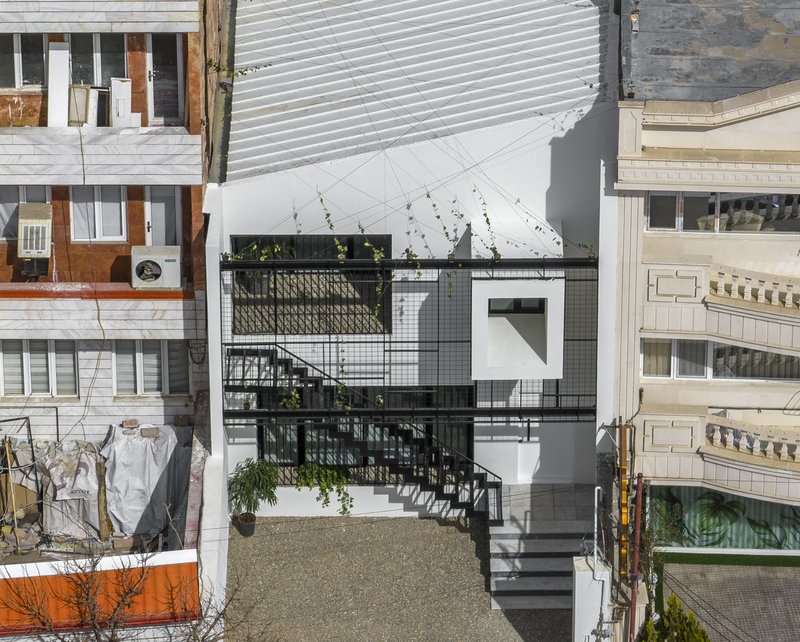
Given the constraints imposed by neighboring buildings, the design optimizes vertical space utilization. An empty void between the house and its adjacent structures was carefully reconsidered to introduce strategic openings and outdoor seating areas. The inclusion of exterior-facing windows not only enhances daylighting but also creates a dynamic relationship between interior and exterior spaces.
The "Sixth View": A Green Urban Solution
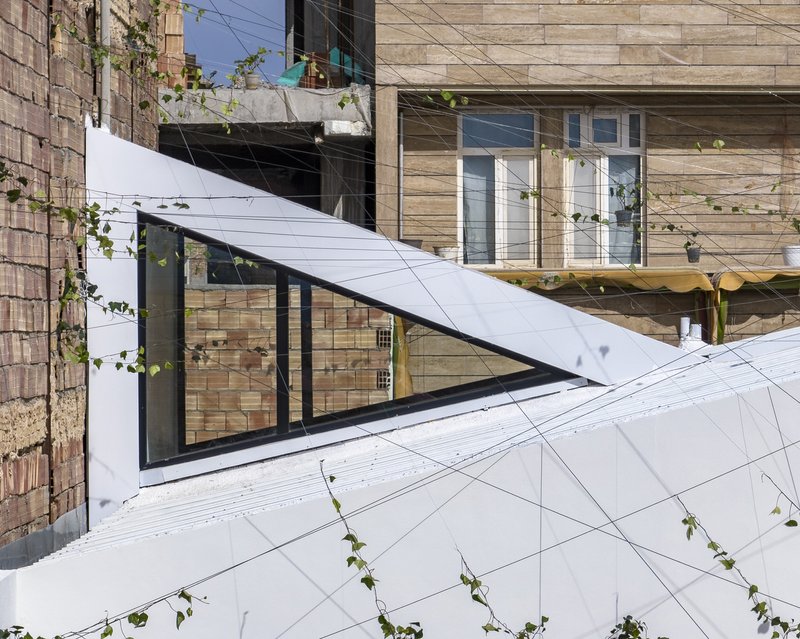
A defining feature of the project is its interaction with the western boundary wall, which was initially an unsightly structure made of damaged pottery. Instead of disregarding this element, the architects transformed it into an integrated green facade. By strategically placing potted plants within the empty spaces of the wall and incorporating climbing wires, the design fosters vertical greenery, contributing to a better microclimate and urban aesthetics.
Sustainable and Contextual Design Strategies
- Passive Lighting & Ventilation: The middle space allows for improved air circulation and natural illumination, reducing the reliance on artificial lighting.
- Material Reuse: The existing structure was evaluated for potential adaptive reuse, minimizing waste and promoting sustainability.
- Urban Engagement: The integration of green elements enhances the neighborhood’s visual appeal, fostering a connection between private and public spaces.
A Thoughtful Response to Urban Evolution
The Qarahziya House is more than just a residence; it is a critical architectural response to the rapid urban changes in Iran’s housing landscape. By blending traditional Iranian spatial concepts with modern sustainable solutions, the project stands as a model for future urban developments.
All Photographs are works of Parham Taghioff



Popular Articles
Popular articles from the community

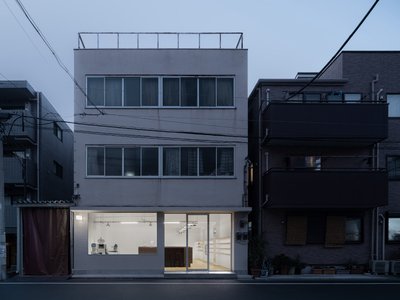
Atelier Macri Concept Store Interior Design by CASE-REAL
Atelier Macri store features a "ko" counter, walnut wood details, cork displays, blending retail, gallery, and seamless customer experiences.
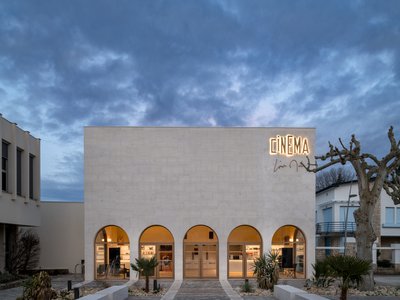
Louis Malle Cinema: A Limestone Cultural Landmark Revitalizing Community Life in Prayssac
Limestone cinema extension with public forecourt, blending heritage and modern design to create flexible cultural spaces and strengthen community interaction.
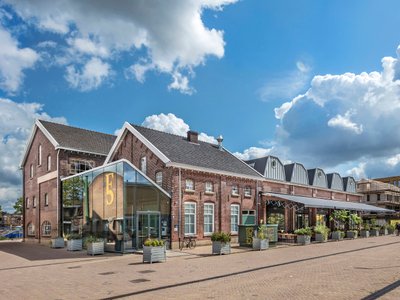
Fifth NRE Jazz Club – De Bever Architecten: Eindhoven’s Revitalized Cultural Hub
Historic gas factory transformed into Fifth NRE Jazz Club blending modern sustainability, jazz culture, dining, and heritage architecture seamlessly.
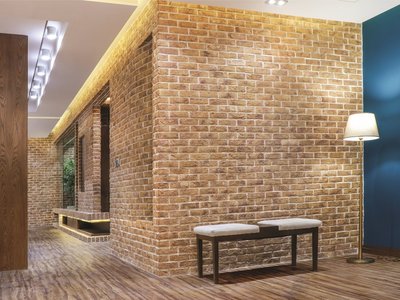
A Contemporary Take on Iranian Residential Architecture
A modern interior design in Mashhad that reinterprets brick, light, and spatial flow to create a warm, contemporary residential architecture.


Similar Reads
You might also enjoy these articles


The Ken Roberts Memorial Delineation Competition (Krob)
As the most senior architectural drawing competition currently in operation anywhere in the world, it draws hundreds of entries each year, awarding the very best submissions in a series of medium-based categories.

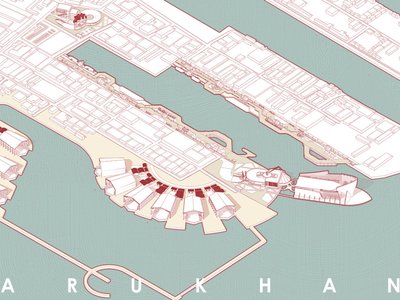
Waterfront Redevelopment and Urban Revitalization in Mumbai: Forging a New Dawn for Darukhana
A transformative waterfront redevelopment project reimagining Darukhana’s shipbreaking heritage into an inclusive urban future.
OUT-OF-MAP: A Call for Postcards on Feminist Narratives of Public Space
Rhizoma Design and Research Lab invites artists, designers, architects, researchers, and students to reflect on how feminist perspectives can reshape public space. Selected works will be exhibited in Barcelona, October 2026. Submissions open until 15 April 2026.

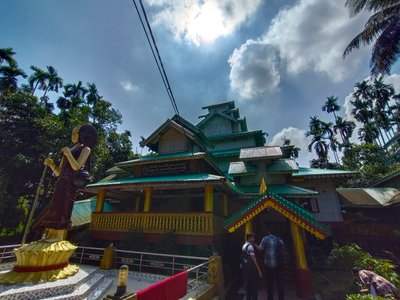
Documentation Work on Buddhist Wooden Temple
Architectural syncretism and cultural hybridity: A comparative study of the Buddhist temples in Chattogram Hill tracks


Explore Architecture Competitions
Discover active competitions in this discipline




The International Standard for Design Portfolios


The Global Benchmark for Architecture Dissertation Awards


The Global Benchmark for Graduation Excellence


Challenge to reimagine the Iron Throne
Comments (0)
Please login or sign up to add comments
No comments yet. Be the first to comment!