
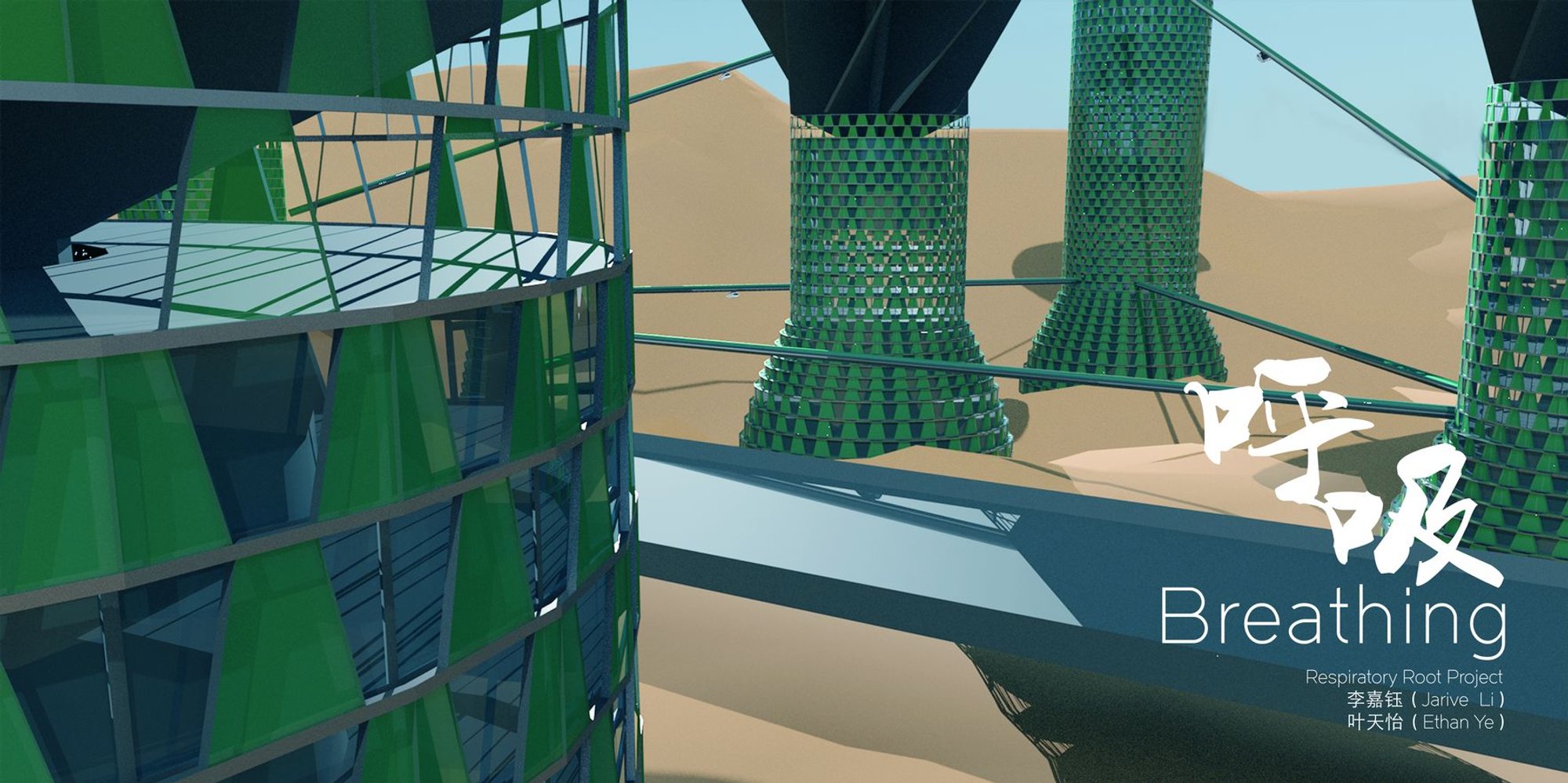
Respiratory Root Project: A Vision for Sustainable Desert Architecture
Breathing life into the desert with modular towers inspired by nature—an innovative model for sustainable desert architecture.

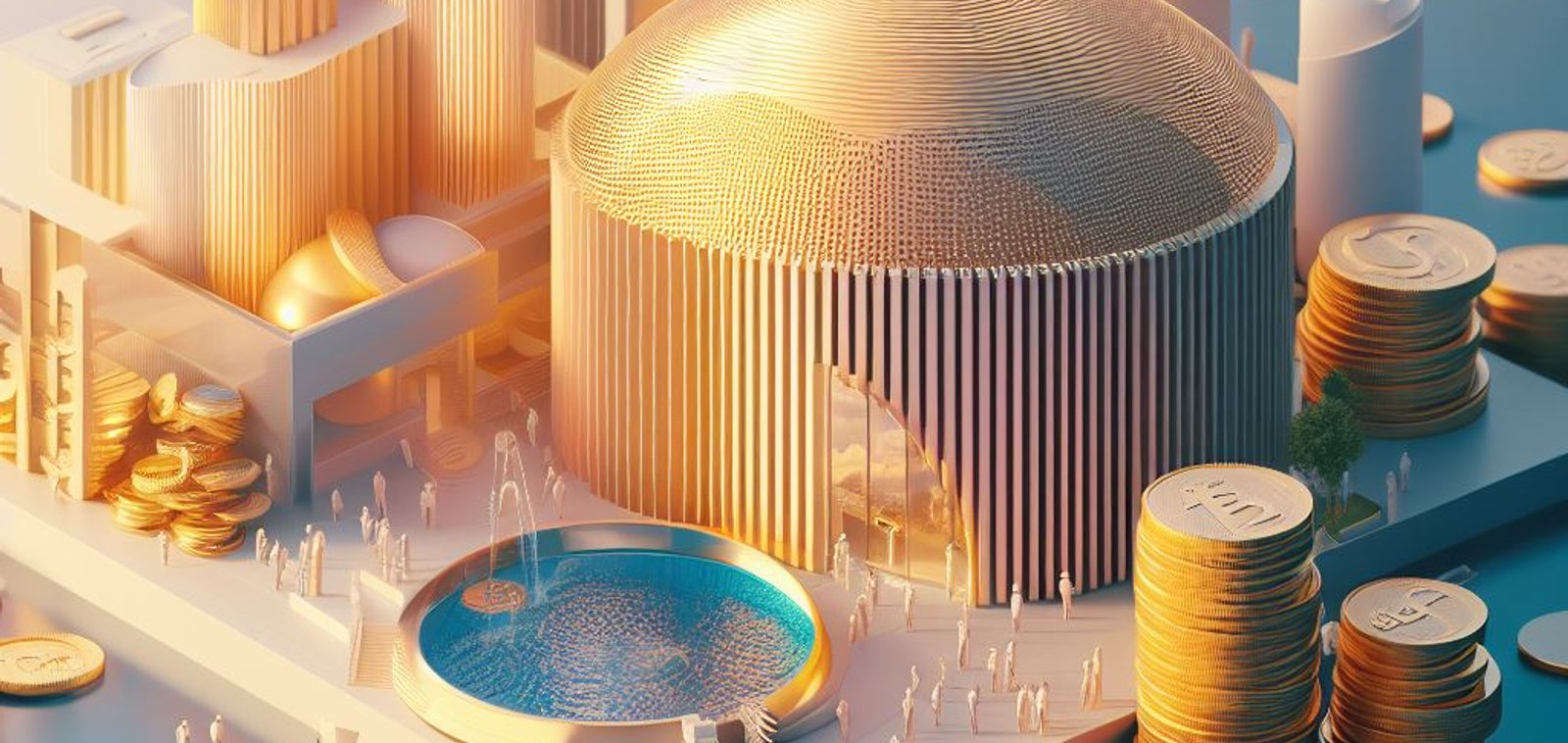
The Respiratory Root Project, a shortlisted entry of the EHC - Sahara competition by 萘 叶 and 鬼存 李, envisions a transformative model of sustainable desert architecture. The proposal is rooted in the romantic notion of turning deserts into seas—both metaphorically and ecologically—by creating life-centric modular habitats. Each element is carefully designed to merge technology with nature, addressing climate challenges while celebrating local culture.
01 INSPIRATION
The inspiration lies in connection and regeneration. Inspired by the aerial roots of banyan trees and the respiratory roots of metasequoia, the design proposes towers that mimic forest ecosystems. These towers act like modular lungs for the desert—absorbing energy, storing resources, and enabling subterranean connectivity. The top part, a solar-powered wind catcher, regulates temperature and supports energy harvesting.
Locally inspired by the shape of djembe drums, the tower's base integrates into the cultural context while serving structural functions. When multiplied across a desert, these units collectively evoke the poetic transition of barren land into a green oasis—a visual metaphor of turning desert into sea.
02 TOWER
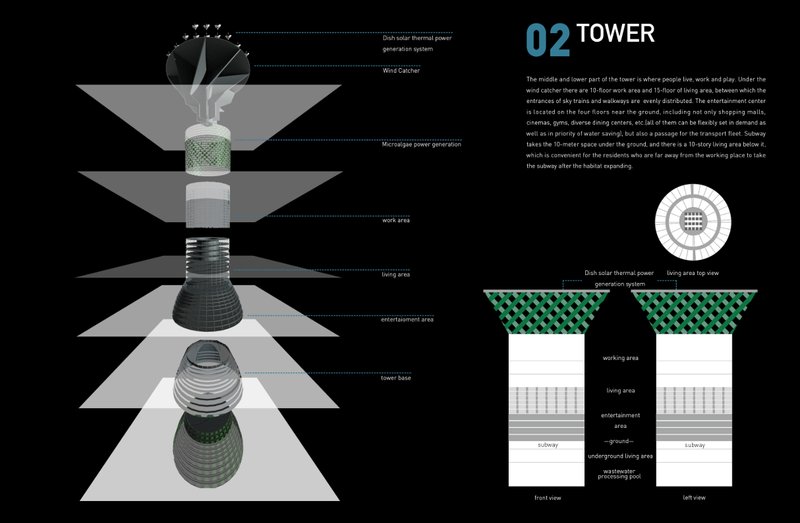
Each tower operates as a vertical ecosystem. The upper segment includes a wind catcher and dish solar thermal power system. Below it lies a 10-story work zone and 15 floors of residential space. Entertainment zones—malls, cinemas, gyms—occupy the lower floors.
Accessibility is enhanced by integrated sky trains and a 10-meter-deep subway network. The modular vertical structure allows for easy replication, distribution, and functional zoning, making it a prototype for scalable sustainable desert architecture.
03 HABITAT OF 1000 PEOPLE
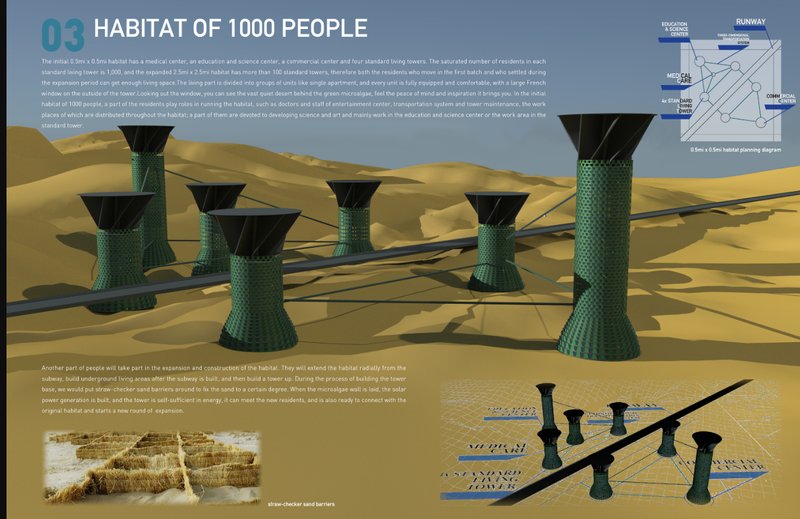
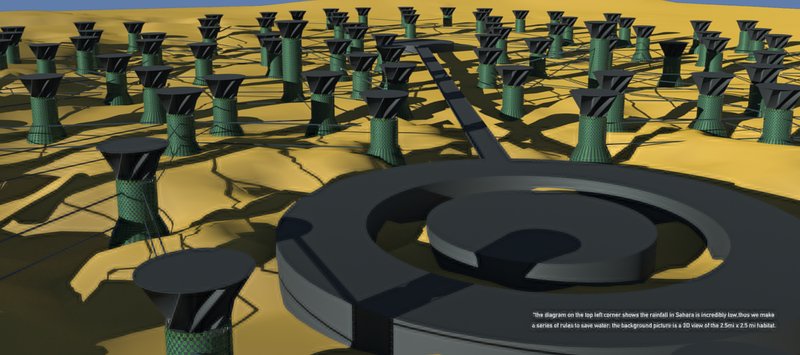
A 0.5mi x 0.5mi grid hosts key amenities: medical, commercial, and educational centers, plus four standard towers. Each tower supports 1,000 residents in smart, energy-efficient units equipped with panoramic windows overlooking the desert. The extended 2.5mi x 2.5mi layout includes over 100 such towers.
Residents are involved in habitat expansion, tower construction, and environmental management. Straw-checker sand barriers are used to stabilize soil. Microalgae walls and solar energy systems ensure energy self-sufficiency and readiness for new expansions.
05 TECHNOLOGY
Innovative technologies are central to the project:
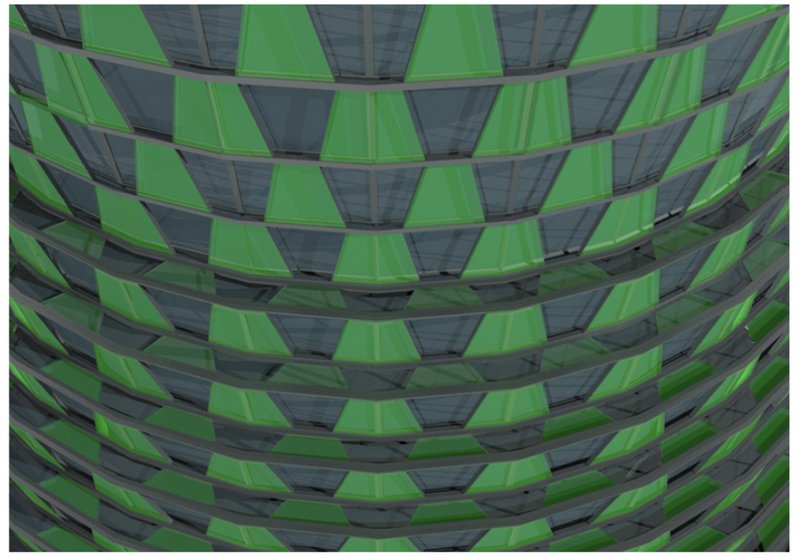
- Microalgae Power Generation: Algae-filled bioreactors generate power and purify air/water while forming ‘green living walls.’
- Wind Catchers: Traditional desert technology adapted for modern cooling.
- Dish Solar Thermal Systems: Convert Sahara’s sunlight into energy with up to 29.4% efficiency.
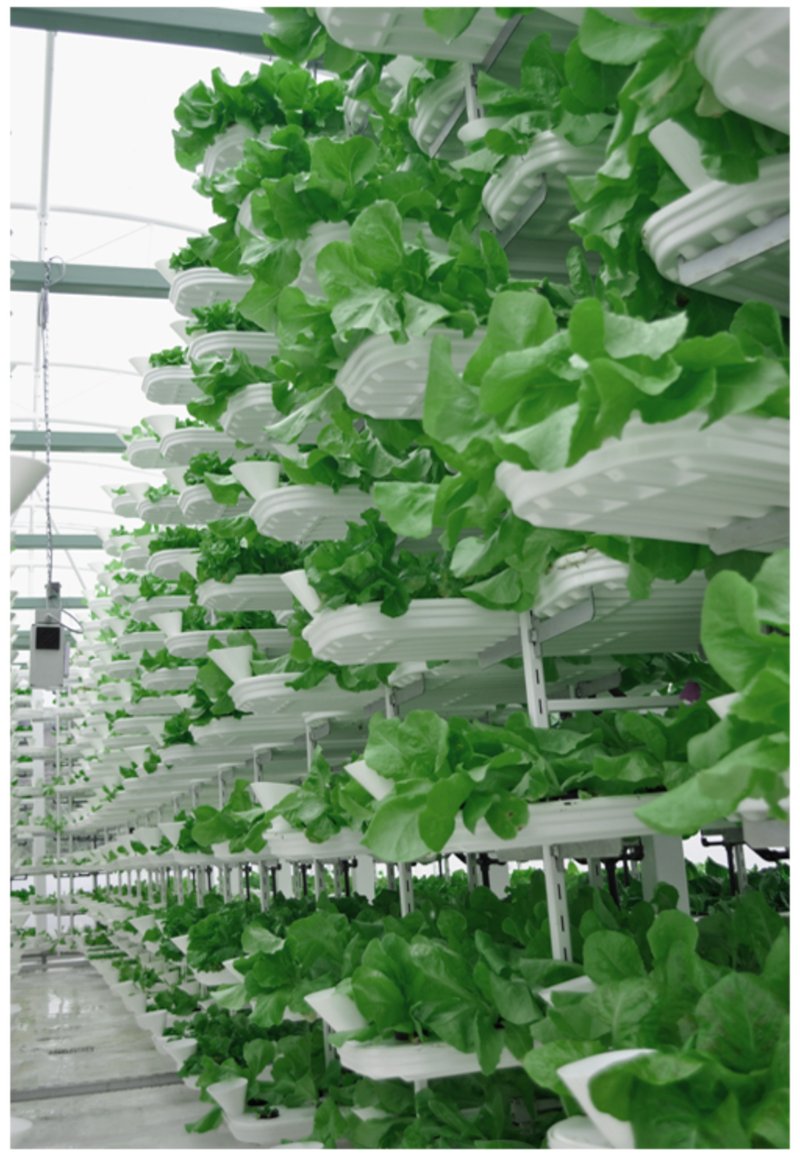
- Vertical Farming: Enables high-yield, space-efficient agriculture inside towers.
- Water Recycling: Systems within the towers convert waste into potable water with over 90% efficiency.
06 SERVICE DESIGN
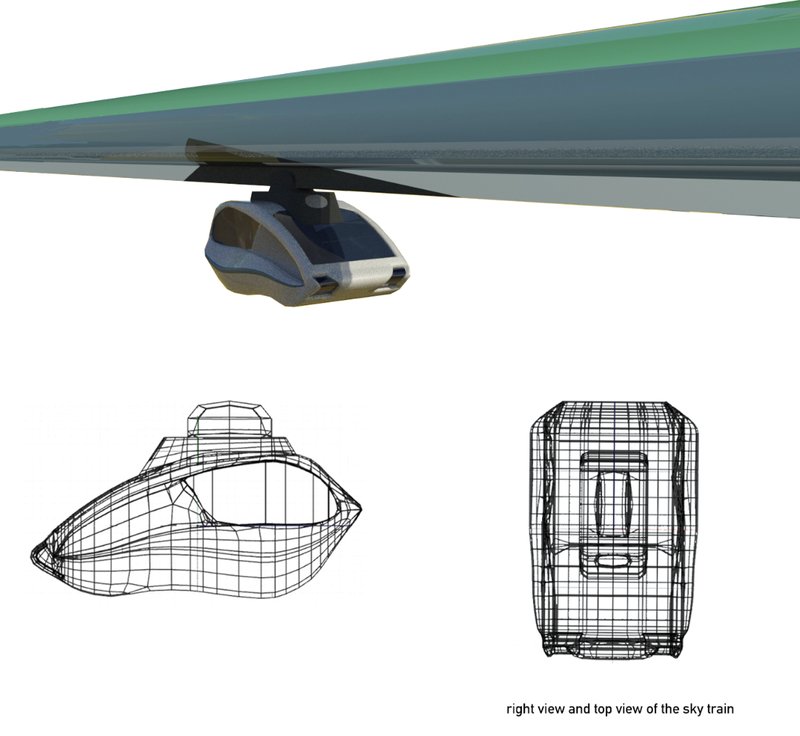
Mobility and infrastructure are key. A monorail and a three-dimensional transit system link towers and districts. Residents pay for water in credits, promoting sustainable use. Credit points are rewarded for responsible behavior and can be used for consumer services.
The integration of modern urban systems with ecological practices enables the creation of a ‘green sea’ within the Sahara—a new form of sustainable desert architecture that addresses both human and environmental needs.
By embedding nature’s principles into modular tower design, the Respiratory Root Project offers a radical rethinking of how humans can live in extreme climates. It’s not just architecture—it’s an ecological infrastructure model for resilient futures.



Popular Articles
Popular articles from the community

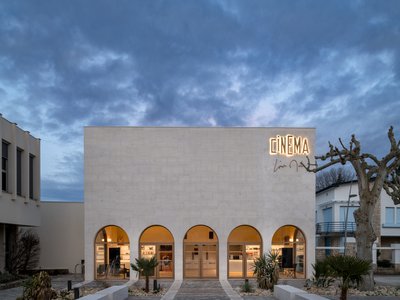
Louis Malle Cinema: A Limestone Cultural Landmark Revitalizing Community Life in Prayssac
Limestone cinema extension with public forecourt, blending heritage and modern design to create flexible cultural spaces and strengthen community interaction.
On the Brooks House by Monsoon Collective – A Contemporary Kerala Home Rooted in Tradition
Kerala home blending tradition and modernity with water-inspired design, brick architecture, courtyard planning, and sustainable rainwater harvesting strategies.
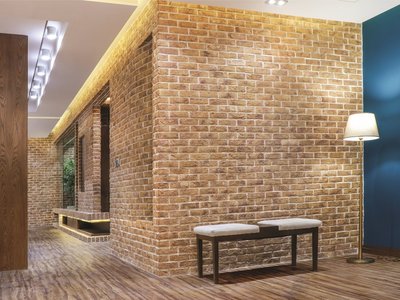
A Contemporary Take on Iranian Residential Architecture
A modern interior design in Mashhad that reinterprets brick, light, and spatial flow to create a warm, contemporary residential architecture.
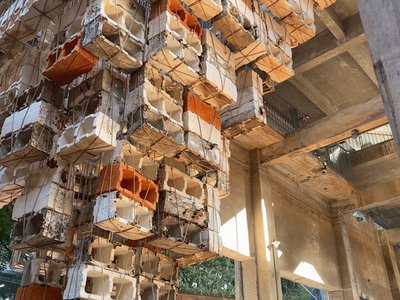
Inverted Architecture Installation by Studio Link-Arc: Exploring the Intersection of Architecture and Living Organisms
Inverted Architecture Installation by Studio Link-Arc blends mycelium, sustainability, inverted design, ecological cycles, and urban adaptive architecture in Shenzhen.

Similar Reads
You might also enjoy these articles


The Ken Roberts Memorial Delineation Competition (Krob)
As the most senior architectural drawing competition currently in operation anywhere in the world, it draws hundreds of entries each year, awarding the very best submissions in a series of medium-based categories.


Waterfront Redevelopment and Urban Revitalization in Mumbai: Forging a New Dawn for Darukhana
A transformative waterfront redevelopment project reimagining Darukhana’s shipbreaking heritage into an inclusive urban future.

OUT-OF-MAP: A Call for Postcards on Feminist Narratives of Public Space
Rhizoma Design and Research Lab invites artists, designers, architects, researchers, and students to reflect on how feminist perspectives can reshape public space. Selected works will be exhibited in Barcelona, October 2026. Submissions open until 15 April 2026.


Documentation Work on Buddhist Wooden Temple
Architectural syncretism and cultural hybridity: A comparative study of the Buddhist temples in Chattogram Hill tracks





Comments (0)
Please login or sign up to add comments
No comments yet. Be the first to comment!