

Role of architects in the multidisciplinary team and how architecture affects other fields.
A blog on the profound impact of architects' work on other fields, and how it shapes our lives, works, and interacts with the world around us.

Architects play a crucial role in the multidisciplinary team, as they design and plan the built environment. In doing so, they must consider the needs and requirements of a wide range of stakeholders, including clients, users, and regulatory bodies. This requires a deep understanding of not only architectural principles and techniques, but also a range of other disciplines, such as engineering, urban planning, and environmental science.
The work of architects can have a profound impact on many other fields. For example, the design of a building can influence the behavior and actions of the people who use it and can affect their health, well-being, and productivity. The materials and methods used in construction can have environmental implications, both during the building process and throughout the life of the structure. And the overall appearance and character of a building can shape the look and feel of a neighborhood, city, or region.
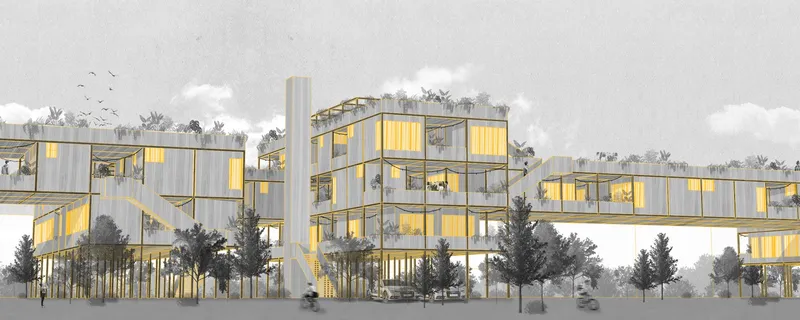 Visual fromCells over the parking lot
What role do architects play in improving the quality of our built environment?
By designing and planning the structures and spaces in which we live, work, and play, architects have the ability to shape our daily experiences and interactions with the world around us.
Through their designs, architects can help create buildings and spaces that are functional, comfortable, and aesthetically pleasing. This can improve the overall quality of life for the people who use these buildings and spaces and can enhance the character and identity of the communities in which they are located.
Additionally, architects can use their knowledge and expertise to incorporate sustainable design principles into their work. This can help reduce the environmental impact of the built environment and can contribute to the long-term health and resilience of our communities.
The work of architects plays a vital role in creating a built environment that is conducive to human health and happiness, and that is sustainable and resilient in the face of environmental challenges.
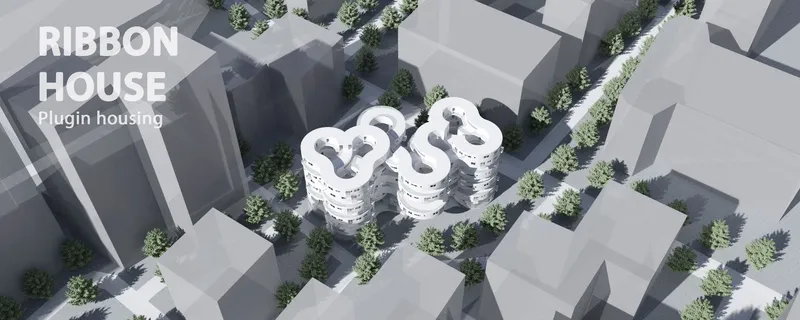 Visual from Ribbon House
Why architects should work in a multidisciplinary team while conceptualizing a project?
There are several reasons why architects should work in a multidisciplinary team while conceptualizing a project.
- The design of a building involves many complex technical and regulatory considerations, and working with professionals from other fields can help ensure that all of these aspects are addressed properly. This can include issues related to structural integrity, building materials, environmental impact, zoning regulations, and more.
- The needs and preferences of the building's users are an important factor in the design process, and input from other disciplines can help architects understand and incorporate these considerations into their plans. For example, a building intended for use by a school will require different design considerations than one intended for use by a hospital or a retail store.
- Working in a multidisciplinary team can lead to more innovative and creative solutions to design challenges. By bringing together a diverse group of perspectives and expertise, architects can generate a broader range of ideas and find solutions that might not have been possible working alone.
Working in a multidisciplinary team allows architects to create buildings that are more functional, sustainable, and responsive to the needs of the people who will use them. This can ultimately lead to a better-built environment and a more positive impact on society.
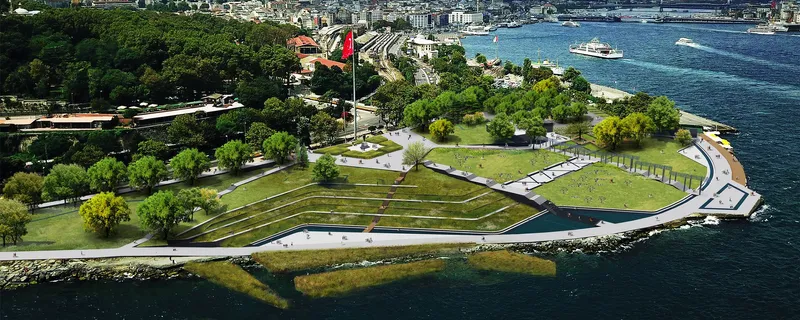 Visual from Lifespring
How a multidisciplinary design team in the field of Architecture and Urban design help in improving the overall quality of life?
A multidisciplinary design team in the field of architecture and urban design can help improve the overall quality of life in several ways.
- By bringing together professionals with diverse expertise and perspectives, such a team can generate more innovative and creative solutions to design challenges. This can lead to the creation of buildings and urban spaces that are more functional, comfortable, and aesthetically pleasing, which can enhance the overall quality of life for the people who use these spaces.
- A multidisciplinary team can help ensure that the design of buildings and urban spaces takes into account the needs and preferences of all stakeholders, including the people who will use these spaces, as well as local authorities, regulatory bodies, and other relevant parties. This can help create buildings and urban spaces that are more responsive to the needs of the community, and that are better suited to their context and environment.
- A multidisciplinary team can help incorporate sustainable design principles into the design process. This can help reduce the environmental impact of the built environment and can contribute to the long-term health and resilience of our communities.
By working together in a multidisciplinary team, architects and urban designers can help create a built environment that is conducive to human health and happiness, and that is sustainable and resilient in the face of environmental challenges.
The design of a building can influence the behavior and actions of the people who use it, and can affect their health, well-being, and productivity. For example, the layout and configuration of a building can impact how people move and interact within it, and can affect the flow of traffic and the efficiency of operations. The materials and methods used in construction can have environmental implications, both during the building process and throughout the life of the structure. And the overall appearance and character of a building can shape the look and feel of a neighborhood, city, or region.
Additionally, the work of architects can intersect with other fields in more direct ways. For example, architects often work closely with engineers to ensure that the structures they design are safe and functional, and can withstand the forces of nature and the passage of time. They also collaborate with urban planners to integrate their designs into the broader context of the built environment, and to consider the needs and preferences of the people who will use the spaces they create.
It is essential for architects to work closely with professionals from other fields in order to create buildings that are functional, sustainable, and aesthetically pleasing. This collaboration can lead to innovative solutions and a better-built environment.

Popular Articles
Popular articles from the community


Extended Shell: Retrofitting Kolkata's Balconies as Living Urban Thresholds
A modular retrofit system recovers the social and environmental intelligence of Kolkata's historic verandas for contemporary Park Street residents.

Faces of the Soviet Avant-Garde: Turning Moscow's Street Names into an Open-Air Museum
A network of sculptural installations across a Moscow residential district transforms forgotten architect names into spatial encounters with cultural memor
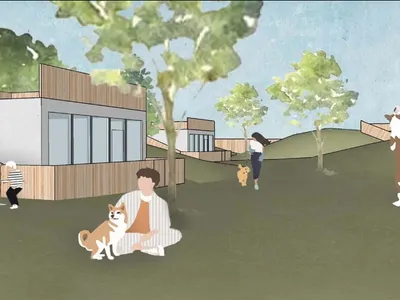
Temporary Home for Dogs: A Reversed Zoo Rethinks Animal Shelter Architecture
In Bucharest, a sinuous corridor and freed landscape flip the logic of containment, designing a shelter that works to make itself unnecessary.

Opera by the Sea Estonia: Three Shells Dissolving Architecture into Tallinn's Coastline
A winning opera house proposal replaces monumental form with interconnected shells that blur the boundary between building, park and Baltic Sea.

Similar Reads
You might also enjoy these articles

Bao Huynh Watercolor Atelier: A Serene Art Retreat in Hội An
Bao Huynh Watercolor Atelier in Hội An blends multifunctional art spaces, sustainable design, local materials, and family-friendly living in a serene environment.

Atelier Macri Concept Store Interior Design by CASE-REAL
Atelier Macri store features a "ko" counter, walnut wood details, cork displays, blending retail, gallery, and seamless customer experiences.

Manuel Vargas Izquierdo Stadium and High-Performance Sports Center: Architectural Excellence in Jalpa de Méndez
The Manuel Vargas Izquierdo Stadium blends sustainable design, inclusive sports facilities, and cultural-inspired architecture, revitalizing Jalpa de Méndez’s public spaces.

KAKR Buluh Awar Hall: Revitalizing Community and Ecology Through Bamboo Architecture
Community built bamboo hall revitalizes Buluh Awar village, empowering youth, restoring ecology, celebrating vernacular craftsmanship through sustainable architecture and culture.

Explore World Architects Competitions
Discover active competitions in this discipline


Challenge to reimagine the Iron Throne

Photograph architecture without architects

Illustrate the lost glory of Angkor Wat - Render Challenge

Design challenge to reuse E-waste
Comments (0)
Please login or sign up to add comments
No comments yet. Be the first to comment!