Role of design in our habitat.
Ennead Labs, the research wing of the internationally renowned architecture company is pushing boundaries to redefine it.

Ennead Lab actively applies architectural thinking to investigate challenging issues and intriguing design questions outside the traditional boundaries of architectural practice. Building upon their firm’s history of civic and institutional engagement, they collaborate on diverse research questions and impactful pro-active design projects. They pick up the burning challenges of the present situation and build solutions that make a difference in the real world. The labs have worked with organizations like the United Nations, Xuhui District Planning Authority of Shanghai, Heroic Food, Audubon Society, Startup Box: South Bronx, and many more.
Our Lead Juror for Urban Meal Mine, Andrew Burdick is an Associate Principal at Ennead Architects and the founding Director of Ennead Lab(www.enneadlab.org), the firm’s research and design think tank.
Ennead Lab partners with and consults for organizations, institutions, and communities to proactively identify challenges and opportunities of social, economic, environmental, and technological importance, collaborating with diverse professionals and experts to propose research questions and develop catalytic solutions and strategies at the cutting edge of how we live, work, play, and build.
These are a few picks from our editorial team about the fantastic work Ennead labs has currently accomplished.
1. Farming for veterans

Project overview: Men and women returning from military service suffer a high incidence of unemployment, social dislocation and loss of sense of purpose. For many veterans, the problem is not just finding a job. It’s finding a mission. At the same time, America faces a growing shortage of farmers. Could these two challenges become each other’s solution?
In 2014, Ennead and RAFT began collaborations to develop a master plan for Heroic Food’s 18-acre farm in Columbia County, New York that would create a home for the first comprehensive, residential farmer training program exclusively for veterans:
Questions raised: Could the farm be designed to help veterans transition back to civilian life? Can supportive, short-term housing provide more than shelter? Could the design create an implied sense of community and encourage both formal and informal interaction between veterans and mentor farmers? How might we create a ‘supportive place?’
Ennead’s Answer:
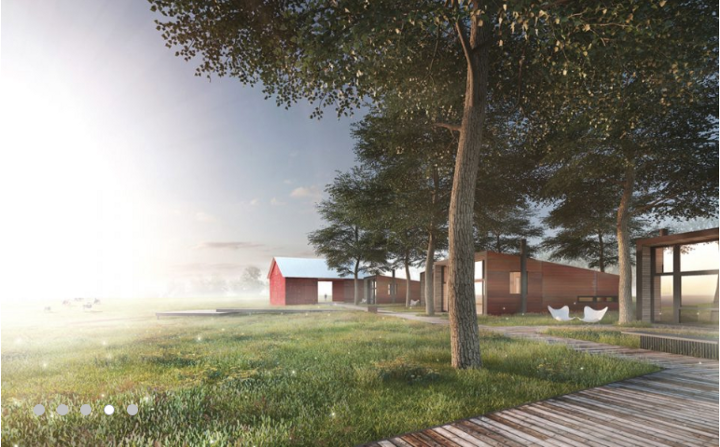
The final concept design developed as a series of site strategies that integrate with the farm’s existing buildings, capitalize on the site’s incredible views, and lay lightly on the land, minimizing the new construction’s impact on the site.
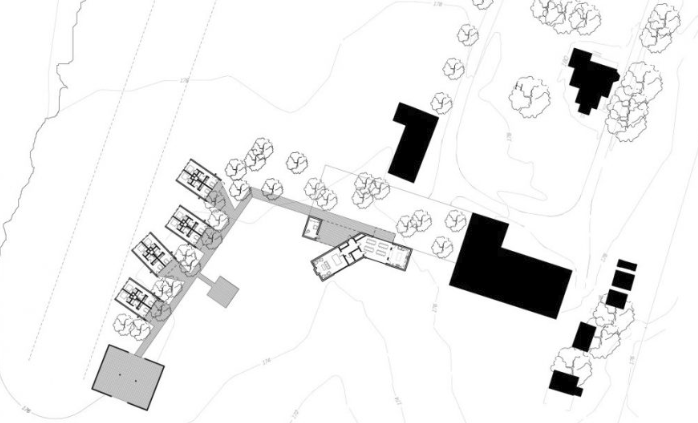
Site + Floor Plan of the proposal
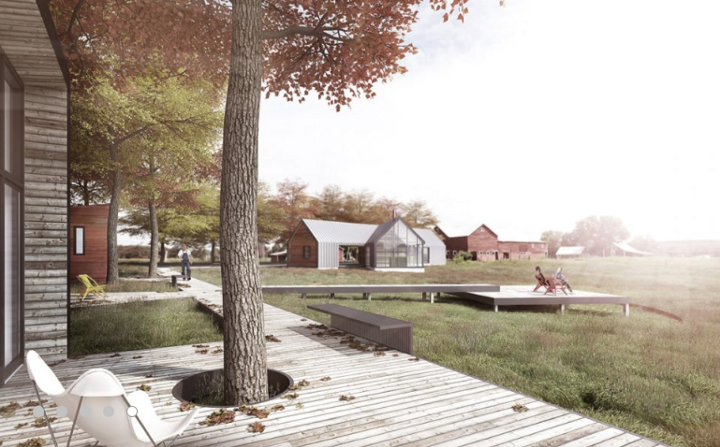
Designed for temporary use, these small efficiency apartments, or micro-units, were designed to foster both a sense of individual space and shared community amongst the trainees on site.
----
2. Refugees in City

Project Overview:
This 2015 AIANY Honor award-winning project is a collaboration between Ennead Lab, Stanford University and the United Nations High Commissioner for Refugees, exploring the process of planning, building and operating refugee settlements, with the goal to nurture mutually beneficial relationships among refugees and host communities alike, all with an eye towards durable solutions and rational exit strategies.
Issue: In 2011, the UN estimated there were more than 42 million displaced persons across the globe, including 10.5 million refugees, many of whom live in camps. Every year fewer refugees are able to return to their place of origin. Today, with the average refugee spending seventeen years in an asylum, what was intended to be a temporary setting — the camp — has become a long-term fixture. Because the number of migrants sheltered in camps is growing and the character of protracted refugee communities is becoming increasingly urban, architects and planners are needed to look critically at the process of planning and designing camps.
Questions Raised: In light of the increasing permanence of camps, the United Nations High Commissioner for Refugees (UNHCR) faces a larger challenge. While temporary encampments solve a local problem, how can the agency improve its ability to serve, house, protect and integrate refugees? Can the agency rethink the design and implementation of refugee camps to create more stable communities that improve the health and security of refugees while benefiting the host population as well?
Ennead’s Answer:
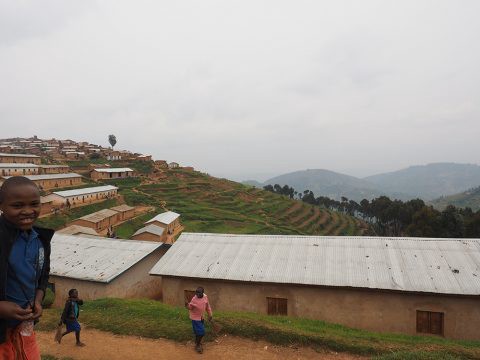
The mission was to help UNHCR meet its commitment to “enable refugees to access and live in dignity in secure settlements that improve their social, economic and environmental quality of life as a community.”
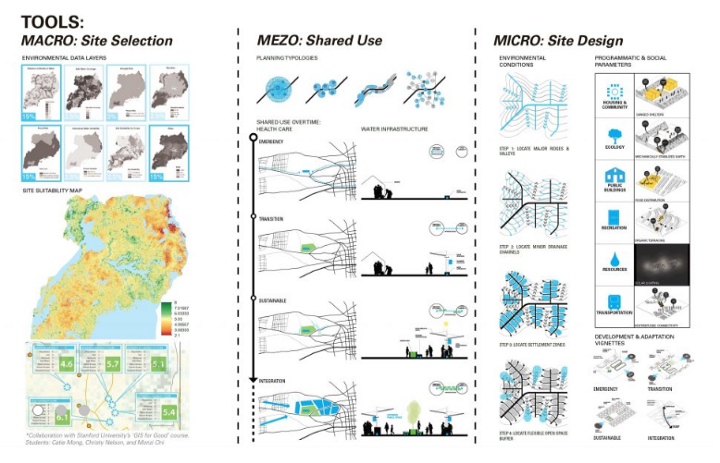
Ennead Labs developed a toolkit in the form of a systematic framework for integrating information, design, technical tools and the expertise of multiple disciplines and stakeholders to better plan settlements.
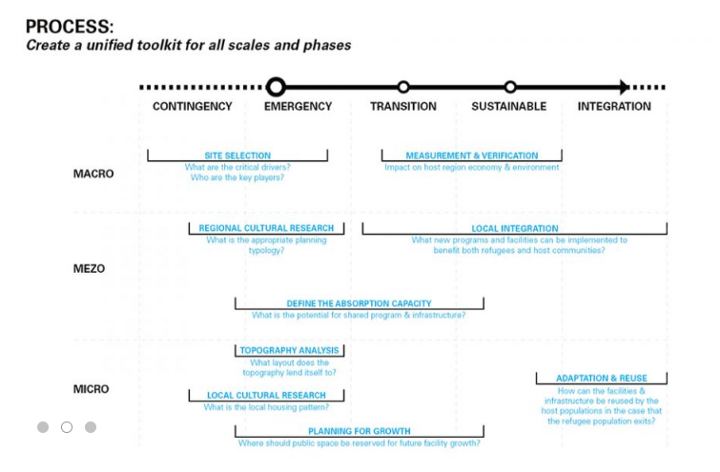
This framework operates at three physical scales: macro, mezzo and micro, and three stages of camp evolution: contingency, durable and exit phases.
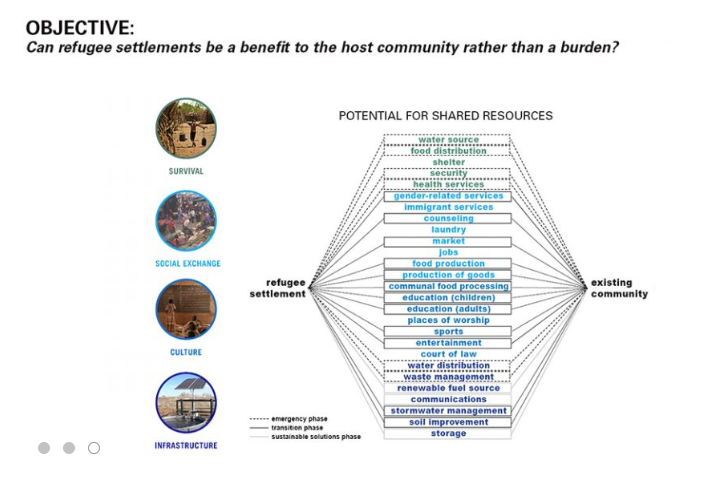
The Toolkit will enable UNHCR to plan and design refugee settlements in a more holistic manner by improving the selection process for potential campsites and by defining the means to link refugee and host communities for their mutual benefit.
----
From refugee camps to farms, to futuristic gas stations — their works are truly inspiring for any budding designers who look at construction and research essential for an equitable and sustainable habitat.
Check out their full portfolio and projects at https://www.enneadlab.org/.
Discover results of Urban Meal Mine on https://uni.xyz/competitions/urban-meal-mine-sustainable-farming-for-/entries.




Popular Articles
Popular articles from the community

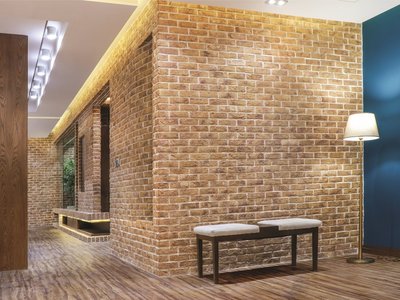
A Contemporary Take on Iranian Residential Architecture
A modern interior design in Mashhad that reinterprets brick, light, and spatial flow to create a warm, contemporary residential architecture.
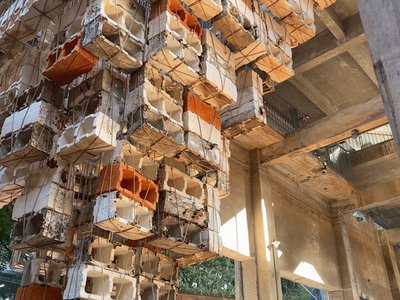
Inverted Architecture Installation by Studio Link-Arc: Exploring the Intersection of Architecture and Living Organisms
Inverted Architecture Installation by Studio Link-Arc blends mycelium, sustainability, inverted design, ecological cycles, and urban adaptive architecture in Shenzhen.
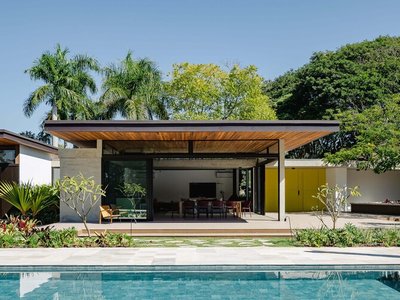
Flamboyant House by Juliana Camargo + Prumo Projetos
Modern Brazilian house integrating existing tree, pool, and volumes with glass, wood, and transitional spaces blending interior, exterior, and landscape seamlessly.
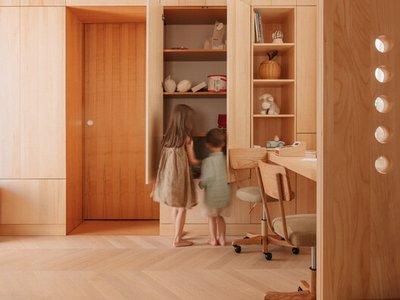
Treehouse Apartment: A Warm Timber Interior Blending Craft, Play, and Contemporary Living
Warm timber apartment with integrated treehouse, combining natural materials, craftsmanship, and playful design to create a flexible, family-oriented living environment.

Similar Reads
You might also enjoy these articles


The Ken Roberts Memorial Delineation Competition (Krob)
As the most senior architectural drawing competition currently in operation anywhere in the world, it draws hundreds of entries each year, awarding the very best submissions in a series of medium-based categories.
A Contemporary Take on Iranian Residential Architecture
A modern interior design in Mashhad that reinterprets brick, light, and spatial flow to create a warm, contemporary residential architecture.
Franche-Comté Advanced School of Engineering by Dominique Coulon & associés, Besançon
A flexible engineering school immersed in woodland, combining concrete minimalism, adaptable spaces, and natural light to support evolving educational environments.


Documentation Work on Buddhist Wooden Temple
Architectural syncretism and cultural hybridity: A comparative study of the Buddhist temples in Chattogram Hill tracks




Comments (0)
Please login or sign up to add comments
No comments yet. Be the first to comment!