
Saint-Théoffrey School and Restaurant by STUDIO90: A Mountain-Integrated Educational Architecture
A fragmented timber-and-concrete school integrating mountain forms, green roofs, and sustainable materials to harmonize with Saint-Théoffrey’s alpine village landscape.

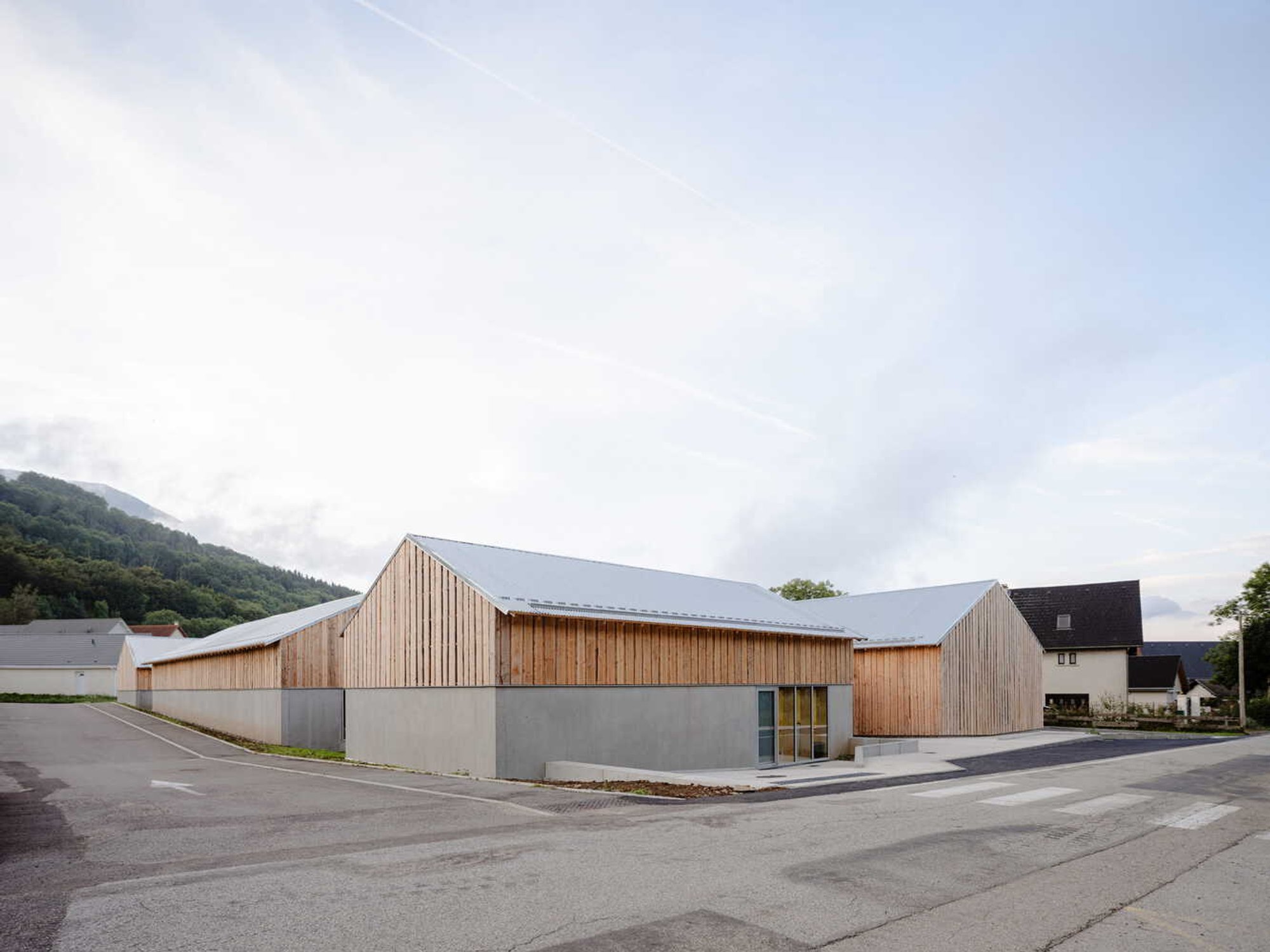
The Saint-Théoffrey School and Restaurant, designed by STUDIO90, redefines rural educational architecture by creating a building deeply rooted in the mountainous landscape of Saint-Théoffrey, France. Completed in 2024, the 868 m² project responds to a fundamental challenge: how to integrate nearly 1,000 m² of new construction into a fragmented, small-scale alpine village while preserving the region’s architectural identity.
Reinterpreting Mountain Morphologies
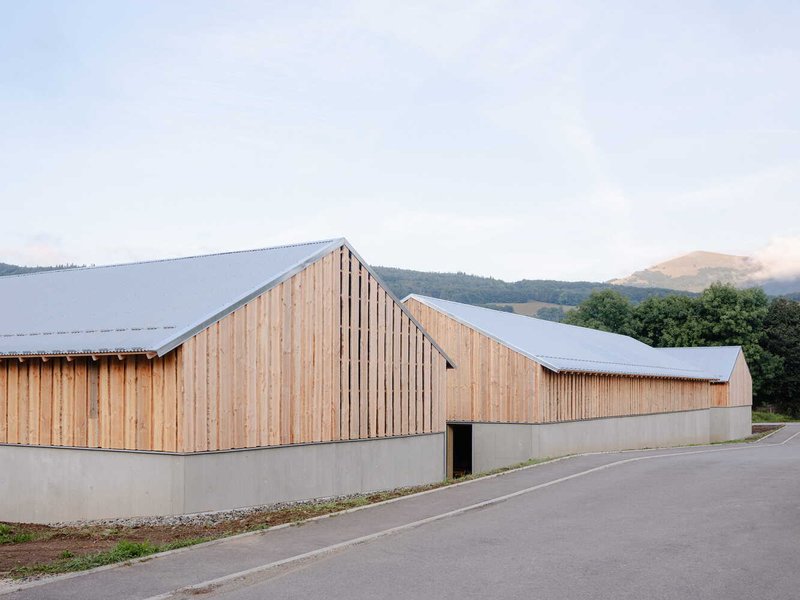
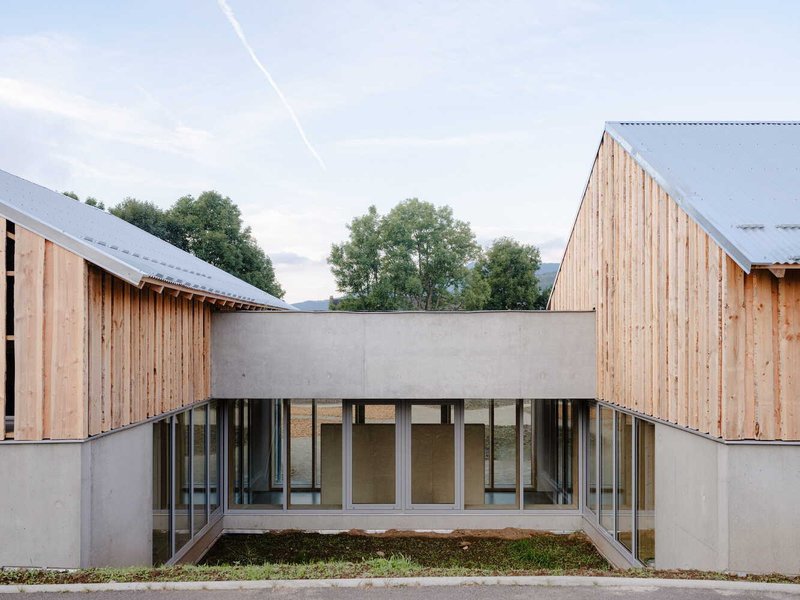
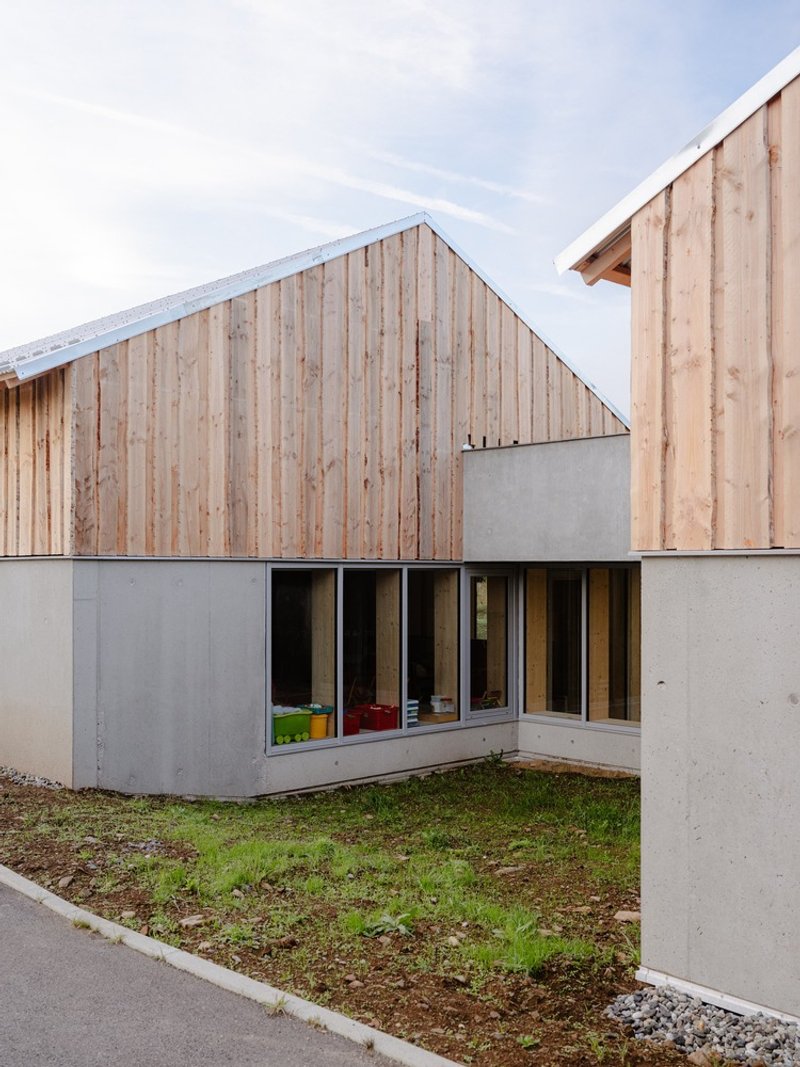
To harmonize with the site’s traditional built fabric, the architects developed a composition of four distinct volumes. Each volume reflects the morphological codes of traditional farmhouses, with alternating ridge directions that echo the organic irregularity of rural mountain settlements. Instead of appearing as one large institutional block, the school is visually fragmented, blending seamlessly into the village context.
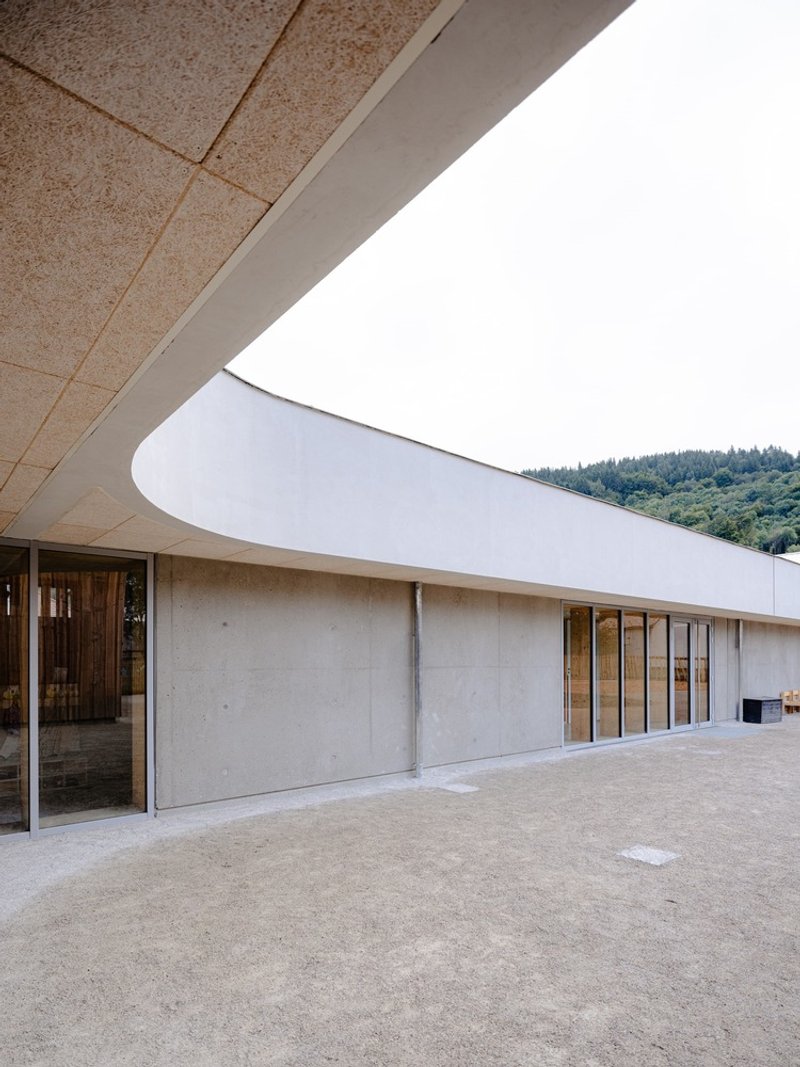
These volumes are linked by circulation spaces sheltered beneath an extensively green roof, forming a fifth façade that dissolves into the natural topography. In the mountainous environment, where verticality is constant, this low-profile approach allows the structure to appear embedded within the terrain rather than imposed upon it.
A Dialogue Between Tradition and Contemporary Expression
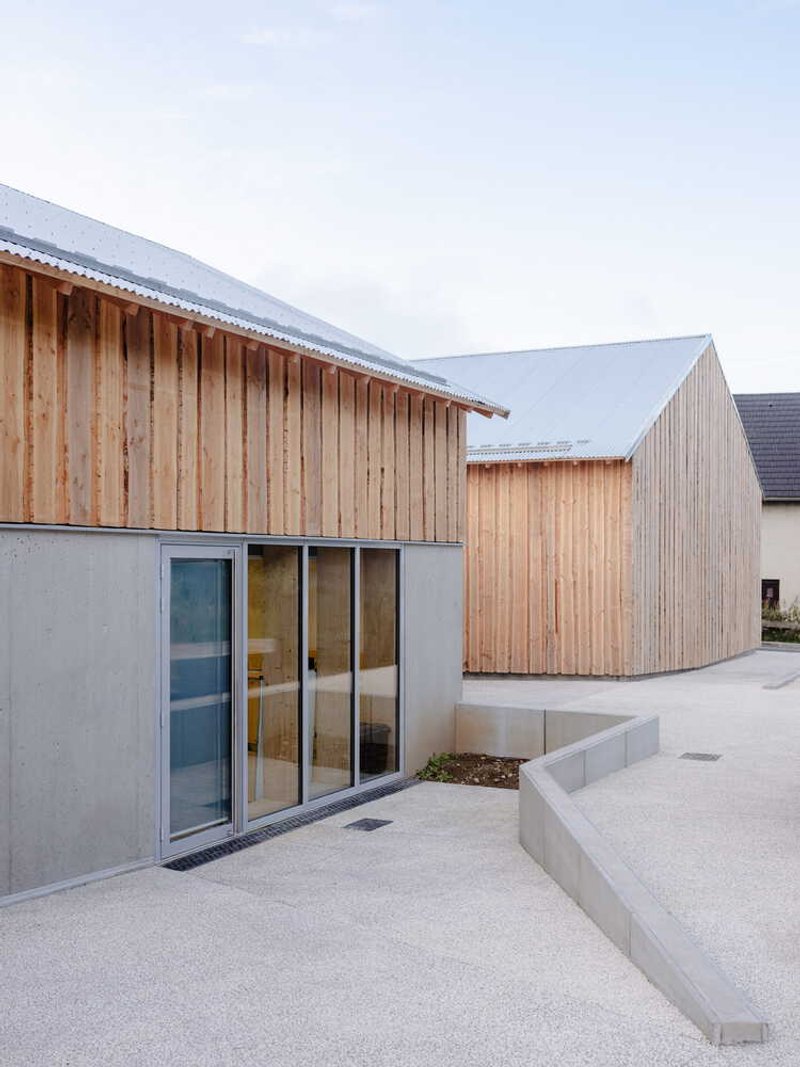
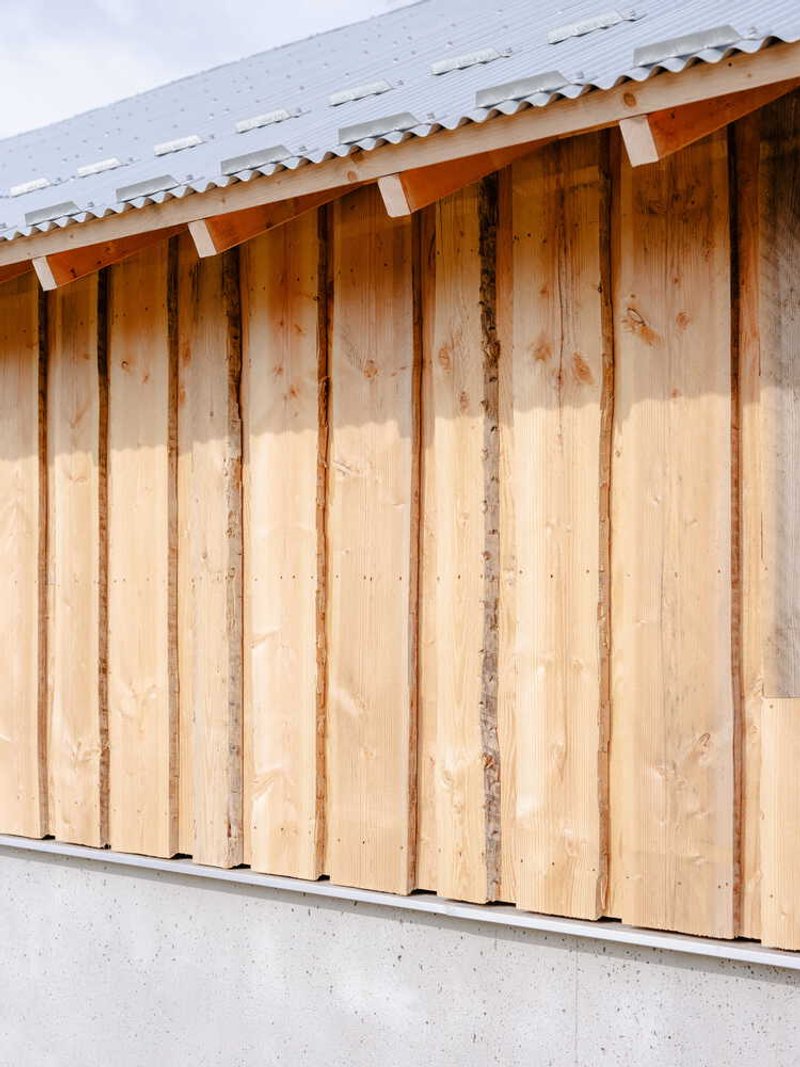
The architectural expression relies on a wood–concrete hybrid system that balances durability, thermal performance, and visual connection to local building traditions. The concrete, treated through sandblasting, acquires a mineral, almost stone-like texture, reinforcing its connection to the region’s vernacular masonry.
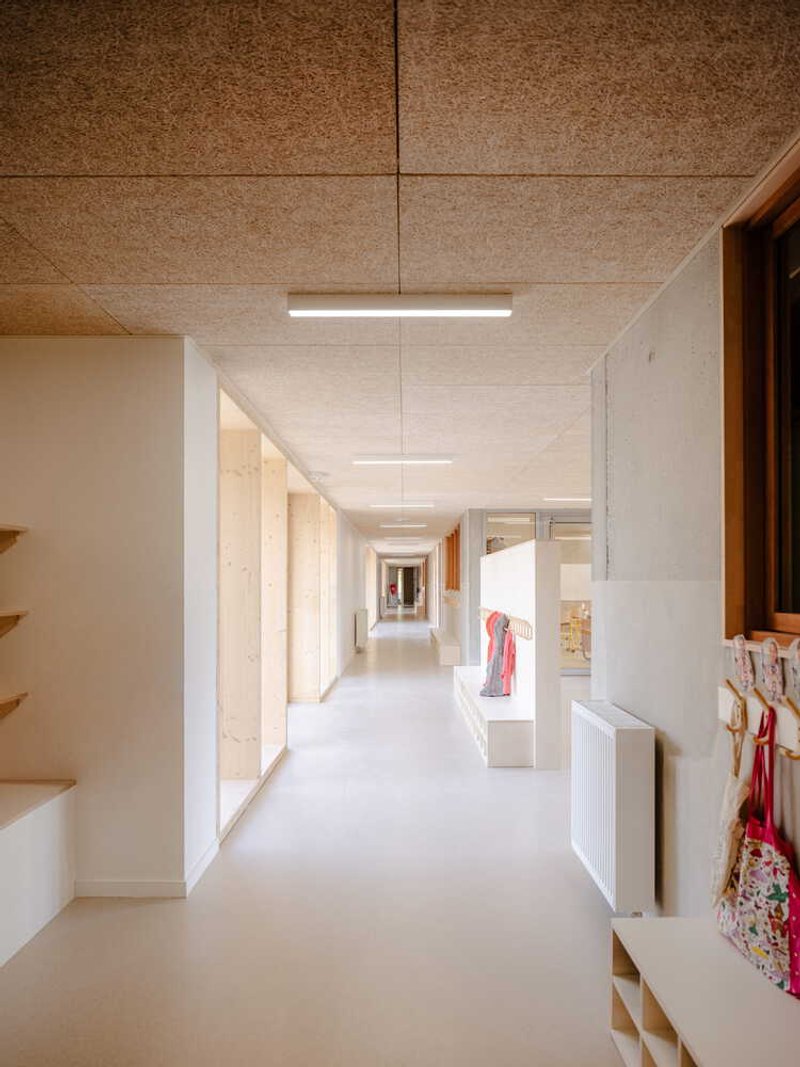
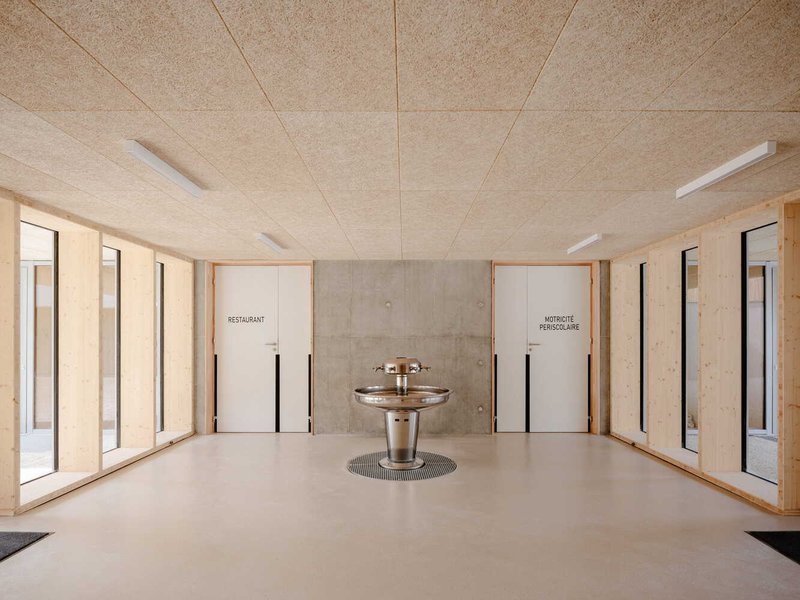
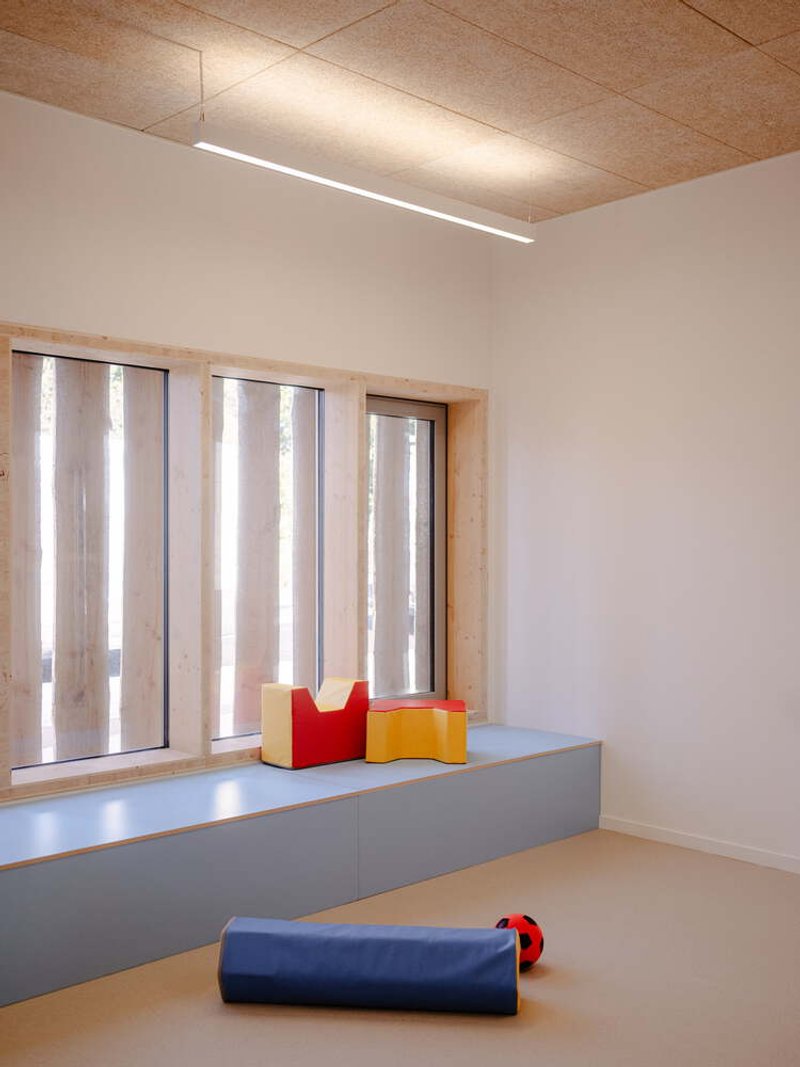
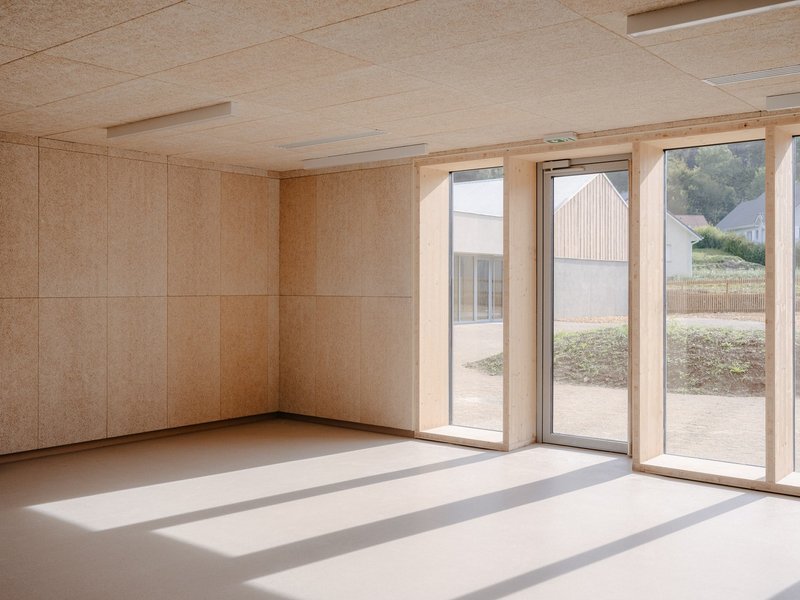
The timber modules (MOB) are clad with unplanned Douglas fir boards, left raw for an authentic, rustic appearance that evolves naturally over time. In certain areas, the façade becomes openwork, allowing filtered light to enter classrooms and communal spaces—creating an atmosphere reminiscent of sunlight passing through a forest canopy. This design strategy strengthens the building’s environmental identity and enhances the sensory experience of the users.
Sustainable and Low-Carbon Construction
Sustainability is embedded throughout the project’s material and technical choices. The design team, including THERMIBEL (thermal engineering), Vessière (structure), and Un B.E Verdé (landscape engineering), prioritized low-impact and locally sourced materials to reduce the project’s ecological footprint. Key sustainable components include:
- Low-carbon concrete
- Alpine wood harvested from nearby forests
- Wood wool insulation for high thermal performance
- A wood-powered boiler room ensuring renewable heating
These strategies emphasize long-term environmental responsibility, energy efficiency, and circular construction methods—all essential elements in contemporary rural architecture.
A Community-Centered Educational Hub
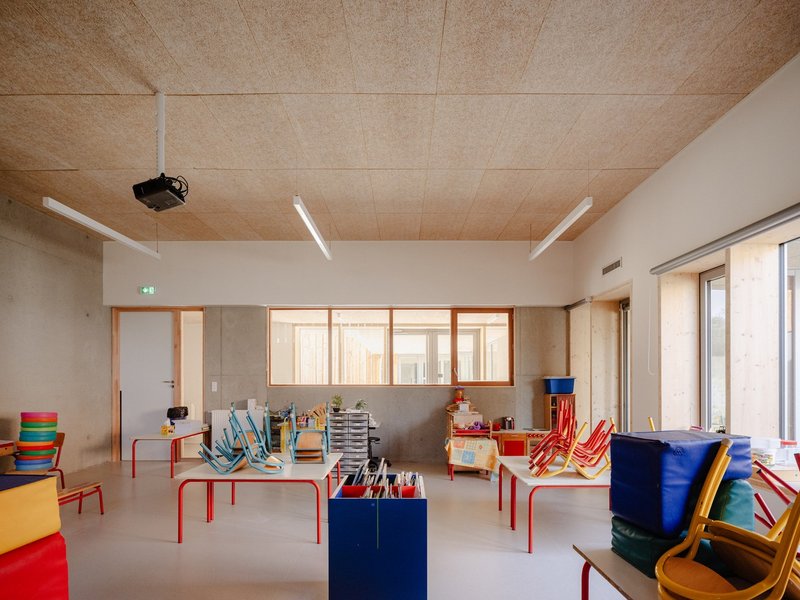
Beyond its physical design, the Saint-Théoffrey School and Restaurant functions as a multifaceted community hub, supporting local education services and providing shared dining spaces. The architects’ approach creates not only a functional school but also a civic building that strengthens local identity, encourages community interaction, and reflects a harmonious relationship between architecture and nature.
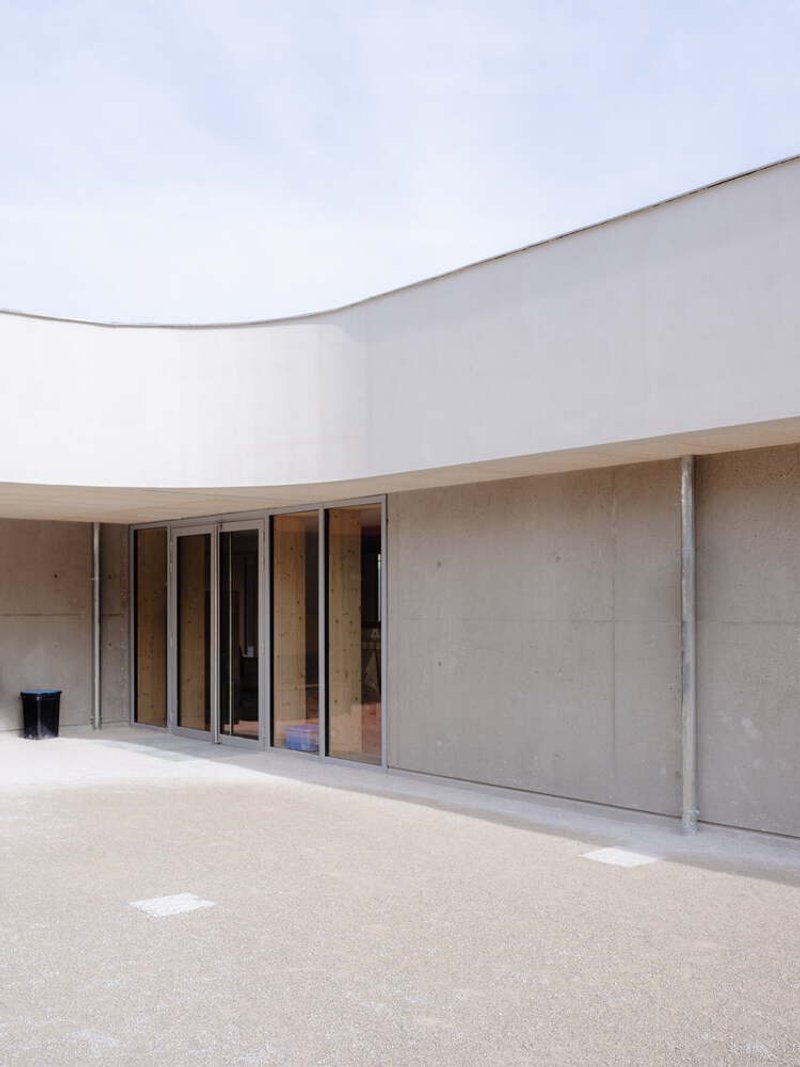
All photographs are works of François Baudry


Popular Articles
Popular articles from the community

On the Brooks House by Monsoon Collective – A Contemporary Kerala Home Rooted in Tradition
Kerala home blending tradition and modernity with water-inspired design, brick architecture, courtyard planning, and sustainable rainwater harvesting strategies.
A Contemporary Take on Iranian Residential Architecture
A modern interior design in Mashhad that reinterprets brick, light, and spatial flow to create a warm, contemporary residential architecture.
Treehouse Apartment: A Warm Timber Interior Blending Craft, Play, and Contemporary Living
Warm timber apartment with integrated treehouse, combining natural materials, craftsmanship, and playful design to create a flexible, family-oriented living environment.
Atelier Macri Concept Store Interior Design by CASE-REAL
Atelier Macri store features a "ko" counter, walnut wood details, cork displays, blending retail, gallery, and seamless customer experiences.


Similar Reads
You might also enjoy these articles

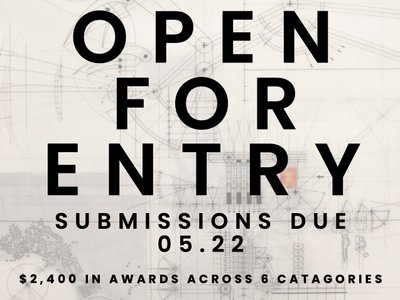
The Ken Roberts Memorial Delineation Competition (Krob)
As the most senior architectural drawing competition currently in operation anywhere in the world, it draws hundreds of entries each year, awarding the very best submissions in a series of medium-based categories.

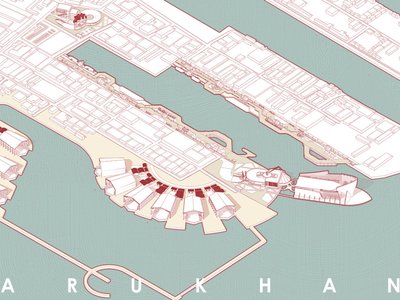
Waterfront Redevelopment and Urban Revitalization in Mumbai: Forging a New Dawn for Darukhana
A transformative waterfront redevelopment project reimagining Darukhana’s shipbreaking heritage into an inclusive urban future.

OUT-OF-MAP: A Call for Postcards on Feminist Narratives of Public Space
Rhizoma Design and Research Lab invites artists, designers, architects, researchers, and students to reflect on how feminist perspectives can reshape public space. Selected works will be exhibited in Barcelona, October 2026. Submissions open until 15 April 2026.

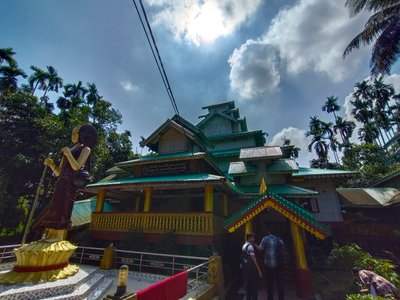
Documentation Work on Buddhist Wooden Temple
Architectural syncretism and cultural hybridity: A comparative study of the Buddhist temples in Chattogram Hill tracks
Explore Architecture Competitions
Discover active competitions in this discipline




The International Standard for Design Portfolios


The Global Benchmark for Architecture Dissertation Awards


The Global Benchmark for Graduation Excellence


Challenge to design public laboratory
Comments (0)
Please login or sign up to add comments
No comments yet. Be the first to comment!