
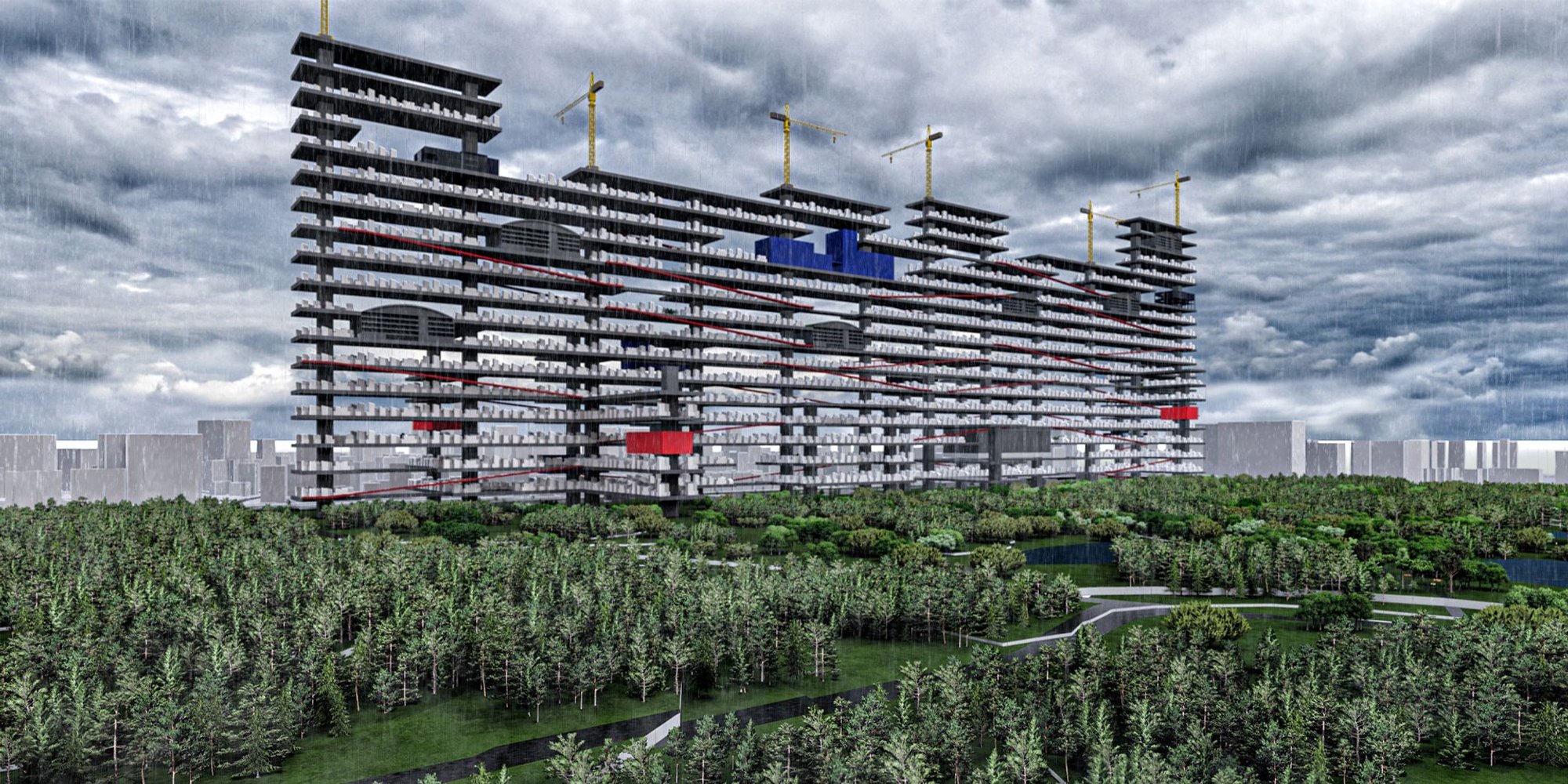
SLUMS IN TRANSITION: MEGA-STRUCTURE AS THE NEW LAND
A visionary architectural project transforms Mumbai's Dharavi slum into a sustainable, vertical urban community.

An Architectural Reimagination of Mumbai's Dharavi
In the heart of Mumbai, a city defined as much by stark contrasts as by its bustling streets, an ambitious project seeks to bridge the gap between extreme poverty and the city's rapid urban development. The "SLUMS IN TRANSITION: MEGA-STRUCTURE AS THE NEW LAND" project, conceived by visionary architect Irkay Sadunogullari, proposes a radical yet sensitive transformation of the city’s most densely populated shantytowns into a multi-functional mega-structure.
Challenging the Status Quo
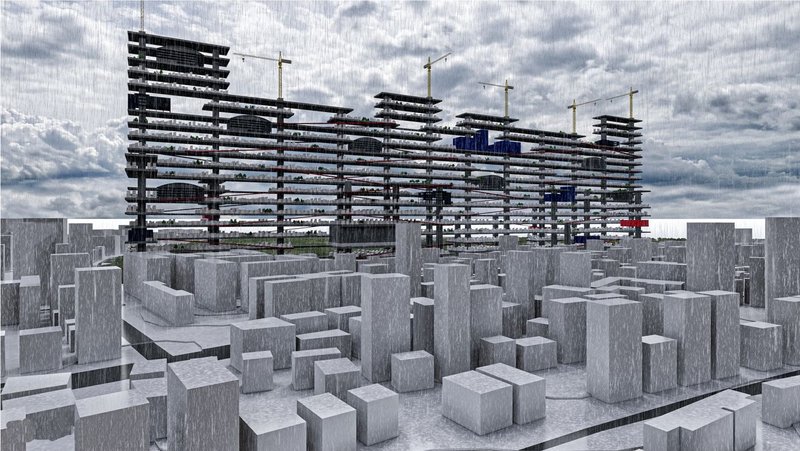
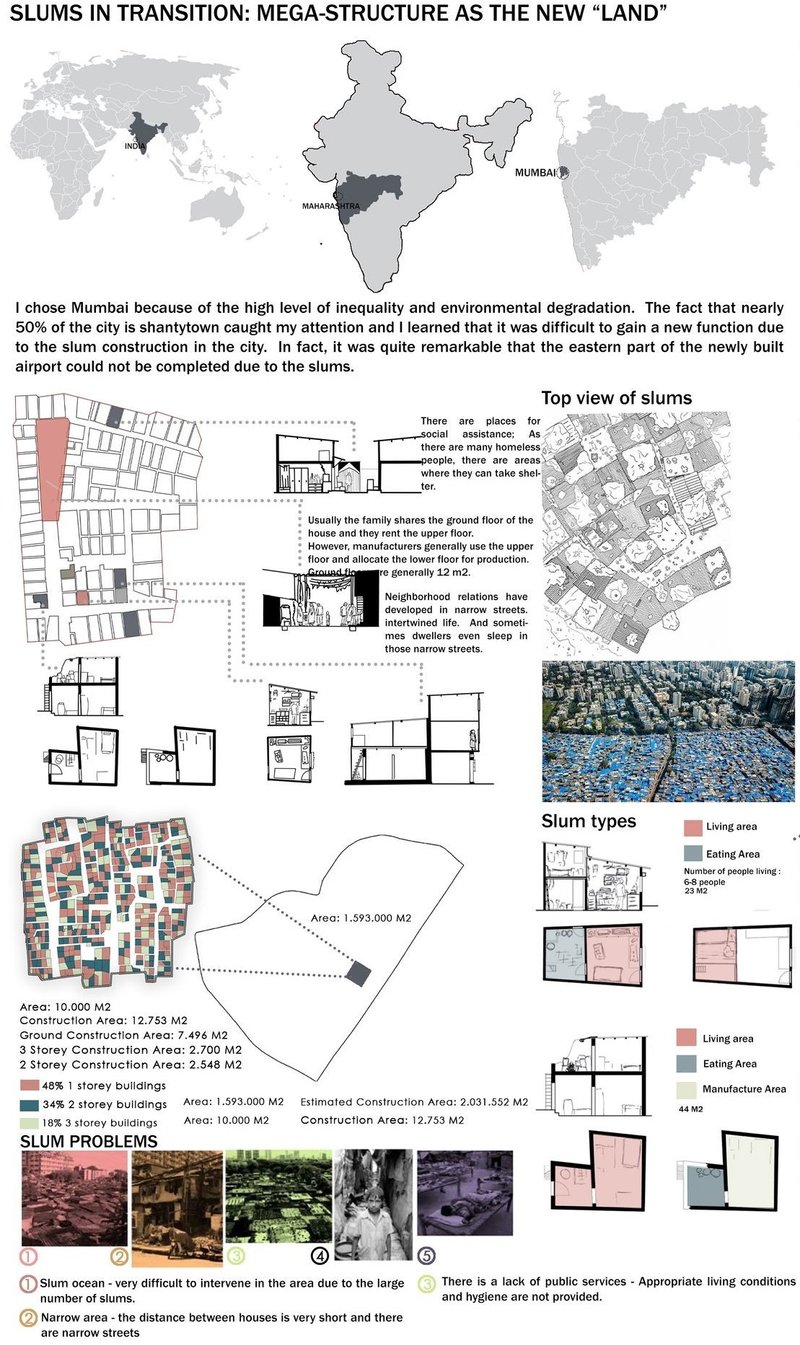
The project emerges from a deep understanding of Mumbai’s complex socio-economic fabric. Home to one of the largest slum districts in the world, Mumbai's Dharavi is a tapestry of life and survival, where nearly half of the city's population resides in shantytown conditions. These areas, often seen as mere blots on urban landscapes, are in fact vibrant communities rich in culture and human interaction. Sadunogullari's approach does not dismiss this; instead, it seeks to preserve the cultural integrity while providing sustainable living conditions.
A New Vision for Urban Living
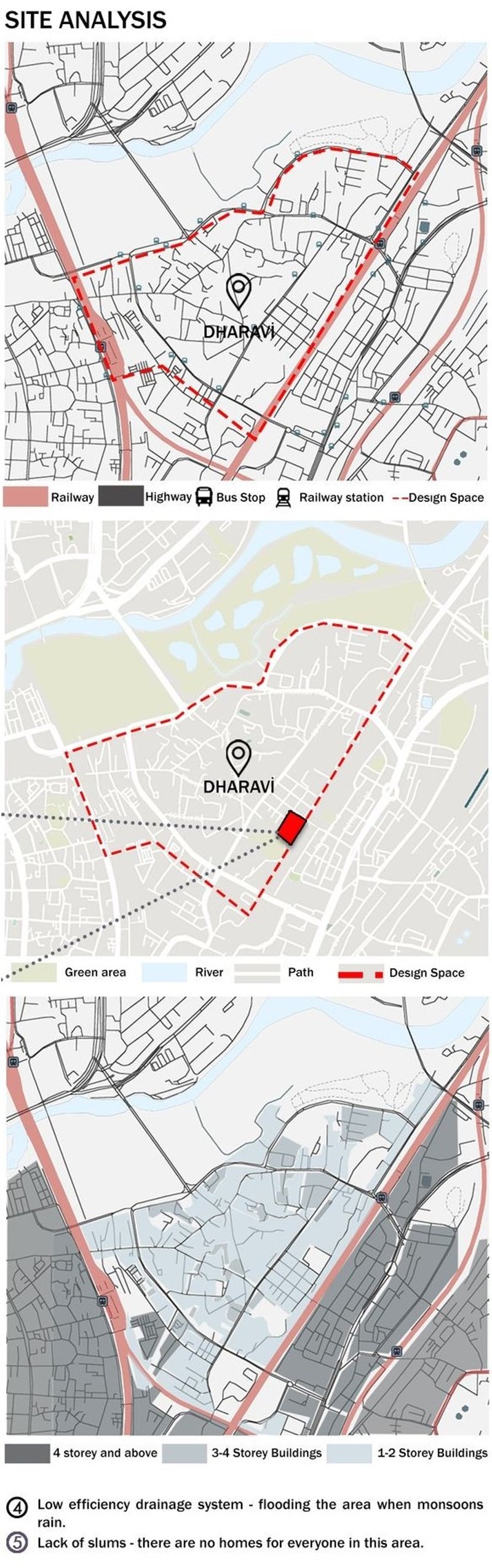
The project's ethos is rooted in minimal disruption. It is an approach that respects the existing social and cultural practices by integrating communal spaces reflective of Dharavi's spirit. The architect's site analysis reveals an intricate labyrinth of homes and businesses that, while informal, are a testament to the residents' resilience and ingenuity.
From Slums to Structured Green Living
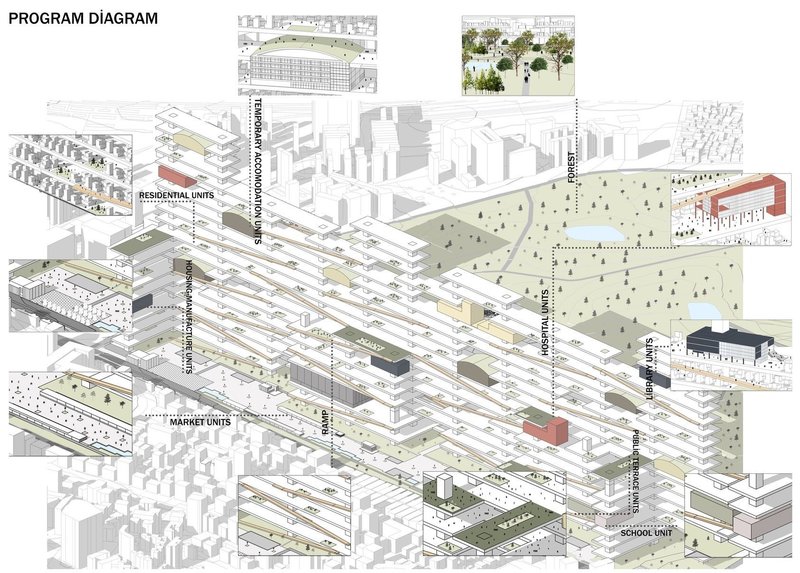
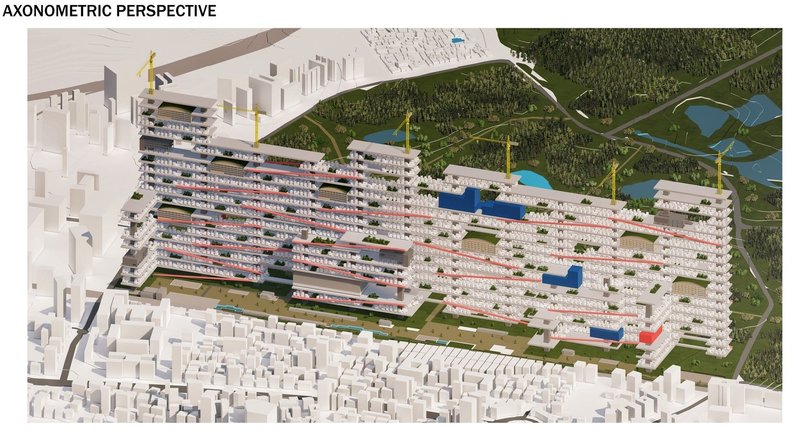
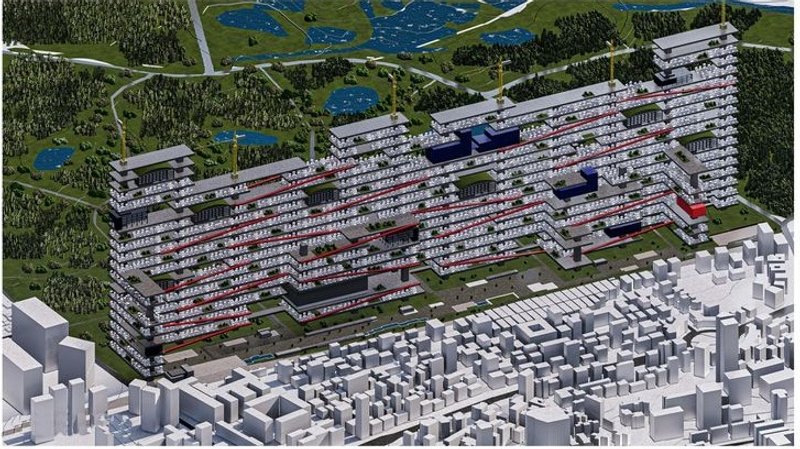
The design proposes a mega-structure that stands as a new form of land—a platform for a self-sustaining ecosystem that includes residential units, markets, education centers, and green spaces. This mega-structure is poised to replace the chaos of unplanned construction with an organized, vertical community that promises safety, sanitation, and, most importantly, a sense of belonging.
Navigating the Complexity
Site plans and sectional drawings showcase a thoughtfully tiered architecture that ascends from intimate ground-level spaces to more public, communal areas above. The mega-structure is designed to interface seamlessly with the existing urban grid, integrating pathways and greenery that lead into the city, thus reconnecting the slum with the wider urban environment.
Culturally-Informed Design
The living modules are reflective of Dharavi's current urban fabric. Each unit is designed with flexibility in mind, catering to the multifaceted lifestyle of its dwellers. From single-story dwellings to larger communal spaces, the housing typologies are diverse, catering to a variety of family structures and commercial enterprises.
Reclaiming the City's Lost Spaces
The project underscores a philosophy that sees value in every square inch of urban space. Green areas are strategically interwoven to act not only as lungs for the community but also as spaces for interaction and growth. The diagrams provided by the architect illustrate a future where the line between slum and city is not just blurred but erased, replaced by a cohesive urban landscape that serves all its inhabitants equitably.
The Path Ahead
"SLUMS IN TRANSITION: MEGA-STRUCTURE AS THE NEW LAND" is more than an architectural proposal—it is a call to action for urban developers, policymakers, and communities to rethink how we deal with the complexities of urban growth and poverty. By envisioning slums as potential land for innovative urban development, Sadunogullari's project lays a blueprint for a future where inclusivity and sustainability are not just ideals, but concrete realities.





Popular Articles
Popular articles from the community

An Miên Lumière Cafe by xưởng xép, Ho Chi Minh City, Vietnam
An industrial-inspired café where layered steel and warm light create a dynamic, immersive environment shaped by reflection, depth, and perception.
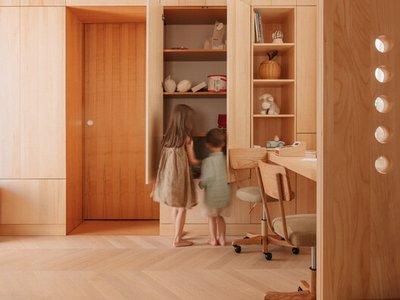
Treehouse Apartment: A Warm Timber Interior Blending Craft, Play, and Contemporary Living
Warm timber apartment with integrated treehouse, combining natural materials, craftsmanship, and playful design to create a flexible, family-oriented living environment.
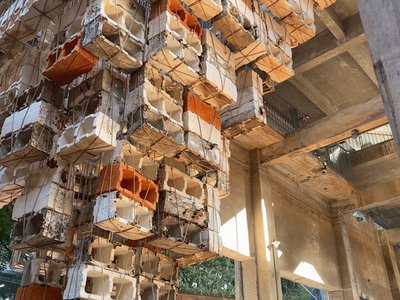
Inverted Architecture Installation by Studio Link-Arc: Exploring the Intersection of Architecture and Living Organisms
Inverted Architecture Installation by Studio Link-Arc blends mycelium, sustainability, inverted design, ecological cycles, and urban adaptive architecture in Shenzhen.
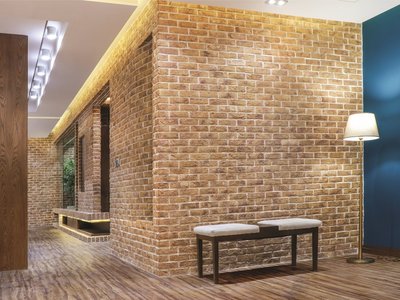
A Contemporary Take on Iranian Residential Architecture
A modern interior design in Mashhad that reinterprets brick, light, and spatial flow to create a warm, contemporary residential architecture.


Similar Reads
You might also enjoy these articles

The Ken Roberts Memorial Delineation Competition (Krob)
As the most senior architectural drawing competition currently in operation anywhere in the world, it draws hundreds of entries each year, awarding the very best submissions in a series of medium-based categories.
A Contemporary Take on Iranian Residential Architecture
A modern interior design in Mashhad that reinterprets brick, light, and spatial flow to create a warm, contemporary residential architecture.
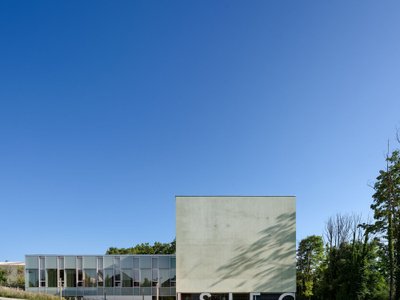
Franche-Comté Advanced School of Engineering by Dominique Coulon & associés, Besançon
A flexible engineering school immersed in woodland, combining concrete minimalism, adaptable spaces, and natural light to support evolving educational environments.

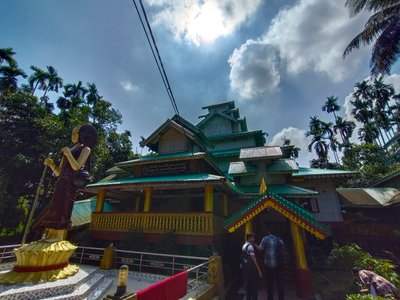
Documentation Work on Buddhist Wooden Temple
Architectural syncretism and cultural hybridity: A comparative study of the Buddhist temples in Chattogram Hill tracks
Explore Housing Competitions
Discover active competitions in this discipline





Comments (0)
Please login or sign up to add comments
No comments yet. Be the first to comment!