
Smart Pavilion Architecture for Urban Leisure: A Dim Sum Experience in Guangzhou
Blending smart architecture with cultural rituals, this lakeside dim sum pavilion reshapes urban leisure in Guangzhou.

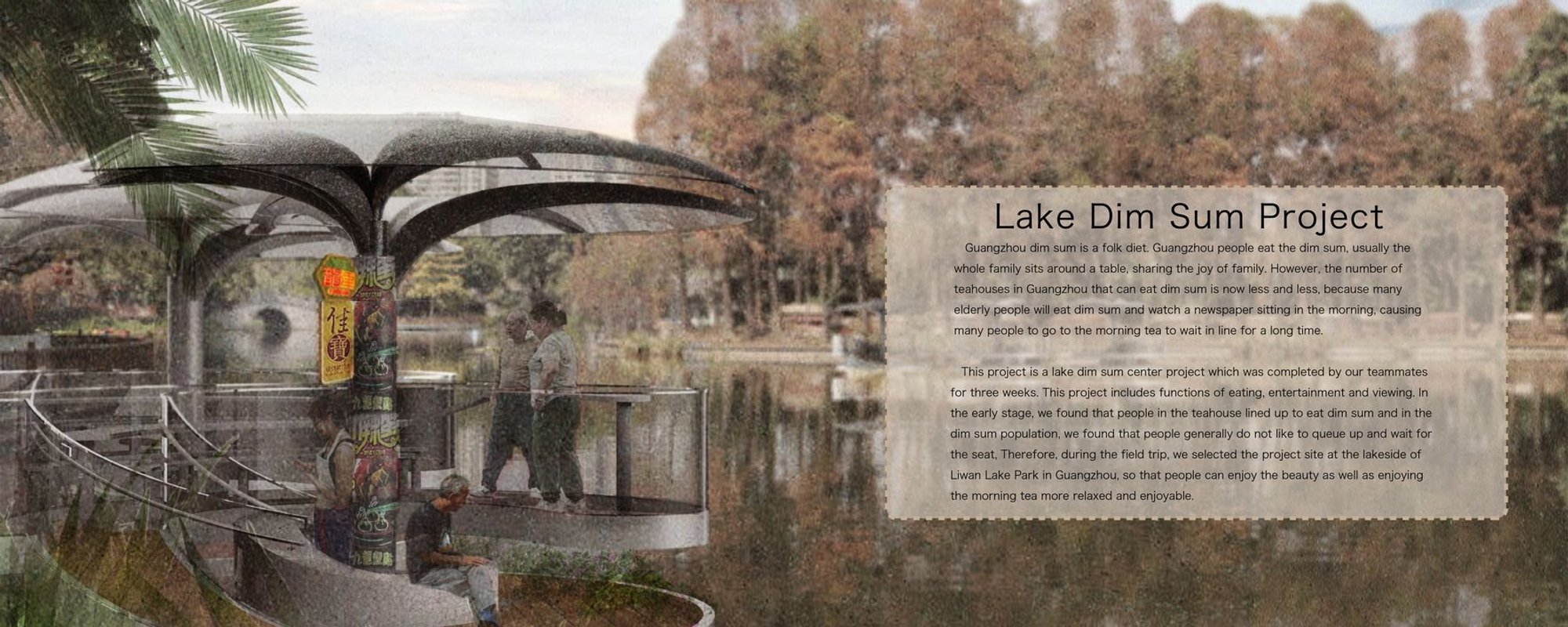
Located in the culturally rich Liwan Lake Park in Guangzhou, the "Lake Dim Sum Project" reimagines traditional Chinese tea culture through the lens of smart pavilion architecture. Developed by designers 启铜 罗 (Qitong Luo), Summer Wang, Yuru Chen, and Cong An, the proposal was shortlisted in the Urbanscape: Symbiosis competition. The project integrates food, social gathering, and scenic appreciation into a multifunctional lakeside pavilion that is both environmentally responsive and community oriented.
Context and Cultural Insight
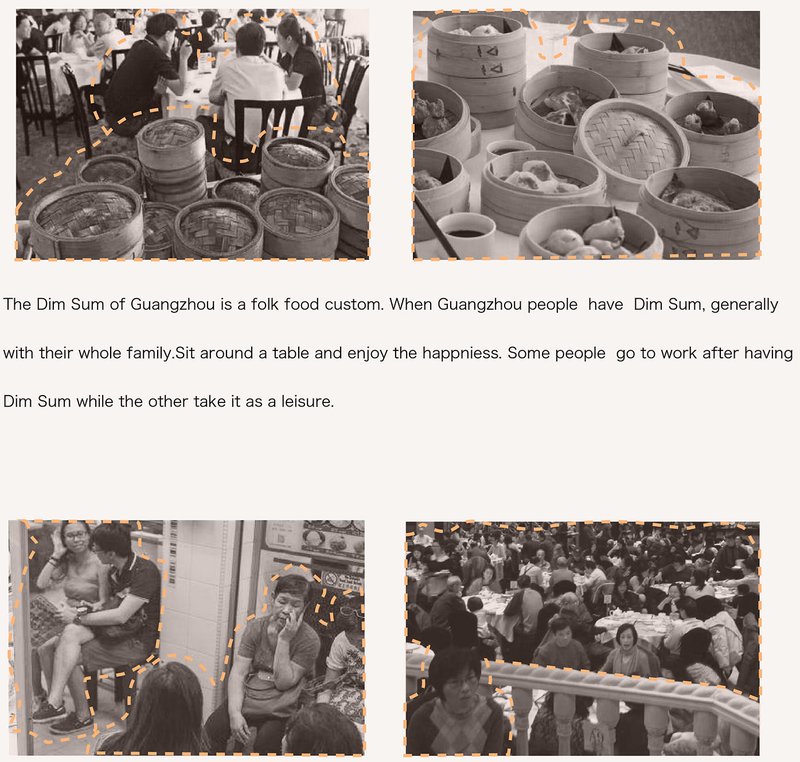
Liwan Lake Park lies in Guangzhou’s Xiguan Litchi Bay area, surrounded by heritage-rich neighborhoods and a diverse urban demographic. The tradition of morning dim sum is deeply rooted in local culture, yet modern urban life has disrupted its accessibility. As revealed by user analysis, aging citizens and families with young children are primary visitors of the park, many of whom seek spaces to relax, socialize, and dine.
Addressing Urban and Cultural Challenges
Modern tea houses often lack sufficient outdoor space and accessibility. The designers identified this gap and proposed a lakeside dining system that restores communal morning tea rituals while easing overcrowding. The solution? A smart, weather-adaptive pavilion that harmonizes with the natural landscape while supporting daily urban rhythms.
Design Inspired by Nature
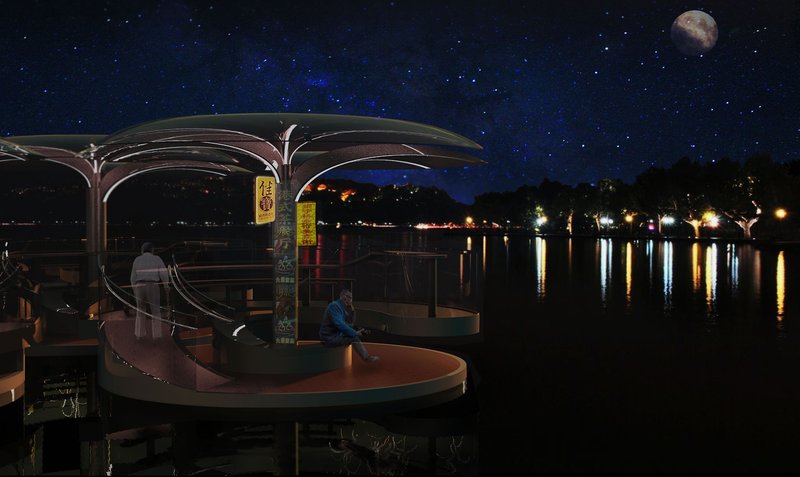
Taking cues from the lotus leaf—a symbol of purity and functionality in Chinese culture—the pavilion integrates a large rotating umbrella canopy that captures rainwater. This biomimetic feature not only provides shade and shelter but contributes to ecological water circulation by channeling collected rainwater back into the lake.
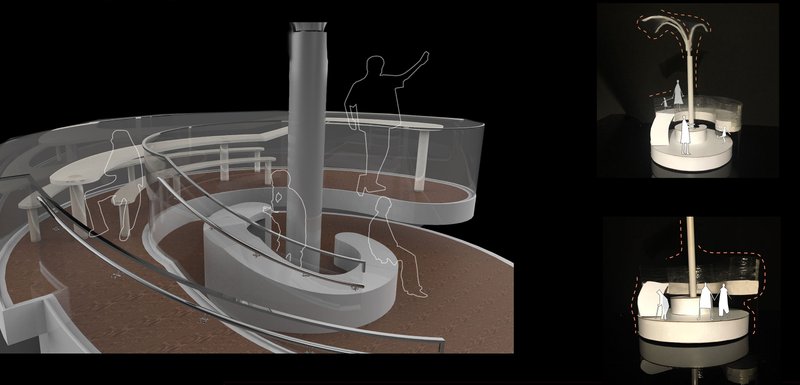
The canopy consists of three rotatable pieces that adjust based on rainfall and crowd density, combining utility with aesthetics. From front view to vertical section, every layer is precisely engineered to serve both environmental and experiential needs.
Functionality and User Engagement
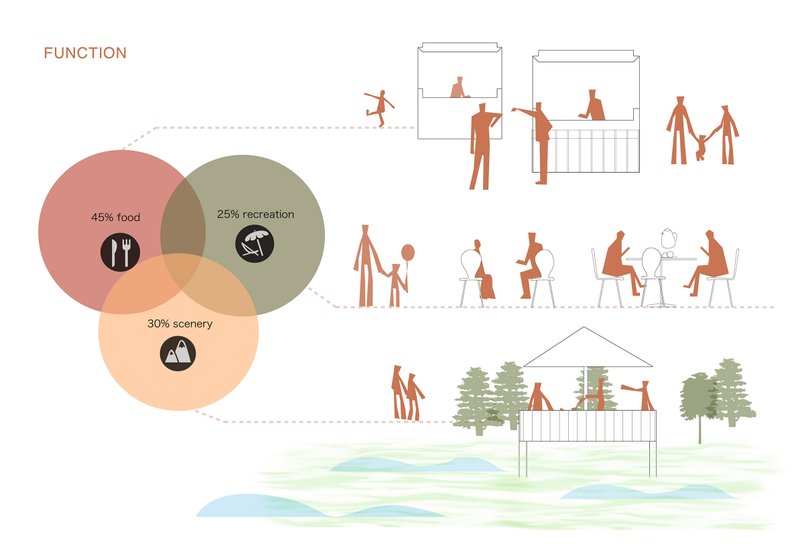
The pavilion functions across three primary zones: food stalls, leisure seating, and scenic viewpoints. 45% of its utility is focused on food, 30% on enjoying scenery, and 25% on recreational uses. Designed with inclusivity in mind, it accommodates users from children to seniors, students, and office workers. Its modularity allows for continuous activity from early morning to late evening, seamlessly transitioning between morning tea booths and night-time observation decks.

Smart System and Sustainability
The smart umbrella system is both reactive and anticipatory. Depending on rainfall volume and visitor count, it dynamically adjusts the number of active umbrellas to balance comfort with environmental conservation. Rainwater is collected through a central shaft and distributed back to the lake, promoting natural irrigation and eliminating water waste.
Circulation and Spatial Experience
Visitors navigate the pavilion via gently ramped paths, ensuring accessibility while enhancing the spatial journey. The spiral configuration fosters a sense of progression and discovery, reinforcing the idea of shared experiences around food and culture. Visual transparency through glass partitions enables uninterrupted views of the lake, reinforcing the design’s connection to its natural setting.
The Lake Dim Sum Pavilion exemplifies how smart pavilion architecture can strengthen cultural identity, support urban sustainability, and enhance public space usability. By merging traditional practices with intelligent design, this project offers a forward-looking model for inclusive, adaptive, and meaningful architectural interventions in parks and public areas.




Popular Articles
Popular articles from the community

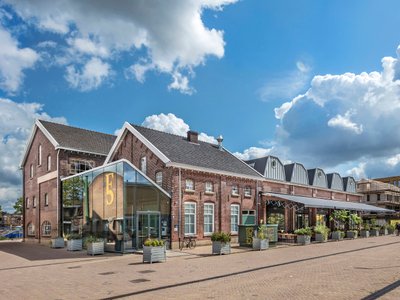
Fifth NRE Jazz Club – De Bever Architecten: Eindhoven’s Revitalized Cultural Hub
Historic gas factory transformed into Fifth NRE Jazz Club blending modern sustainability, jazz culture, dining, and heritage architecture seamlessly.


The Ken Roberts Memorial Delineation Competition (Krob)
As the most senior architectural drawing competition currently in operation anywhere in the world, it draws hundreds of entries each year, awarding the very best submissions in a series of medium-based categories.
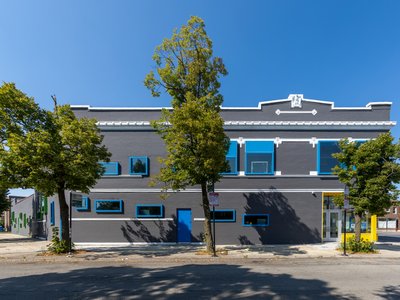
Gads Hill Early Learning Center by JGMA: Adaptive Reuse Shaping Community-Focused Educational Architecture
Adaptive reuse transforms fragmented structure into vibrant early learning center with playful façade, natural light, and community-focused sustainable design.

Solar Steam: A Climate-Responsive Architecture That Redefines the Monument
A climate-responsive memorial architecture that transforms heat, decay, and time into a living system reflecting humanity’s ecological impact.


Similar Reads
You might also enjoy these articles
The Ken Roberts Memorial Delineation Competition (Krob)
As the most senior architectural drawing competition currently in operation anywhere in the world, it draws hundreds of entries each year, awarding the very best submissions in a series of medium-based categories.


Waterfront Redevelopment and Urban Revitalization in Mumbai: Forging a New Dawn for Darukhana
A transformative waterfront redevelopment project reimagining Darukhana’s shipbreaking heritage into an inclusive urban future.
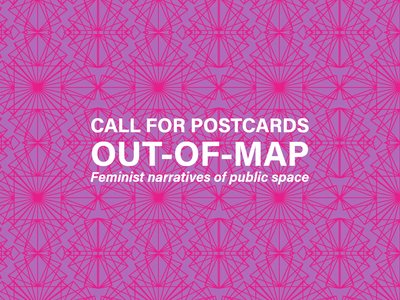
OUT-OF-MAP: A Call for Postcards on Feminist Narratives of Public Space
Rhizoma Design and Research Lab invites artists, designers, architects, researchers, and students to reflect on how feminist perspectives can reshape public space. Selected works will be exhibited in Barcelona, October 2026. Submissions open until 15 April 2026.

Documentation Work on Buddhist Wooden Temple
Architectural syncretism and cultural hybridity: A comparative study of the Buddhist temples in Chattogram Hill tracks






Comments (0)
Please login or sign up to add comments
No comments yet. Be the first to comment!