
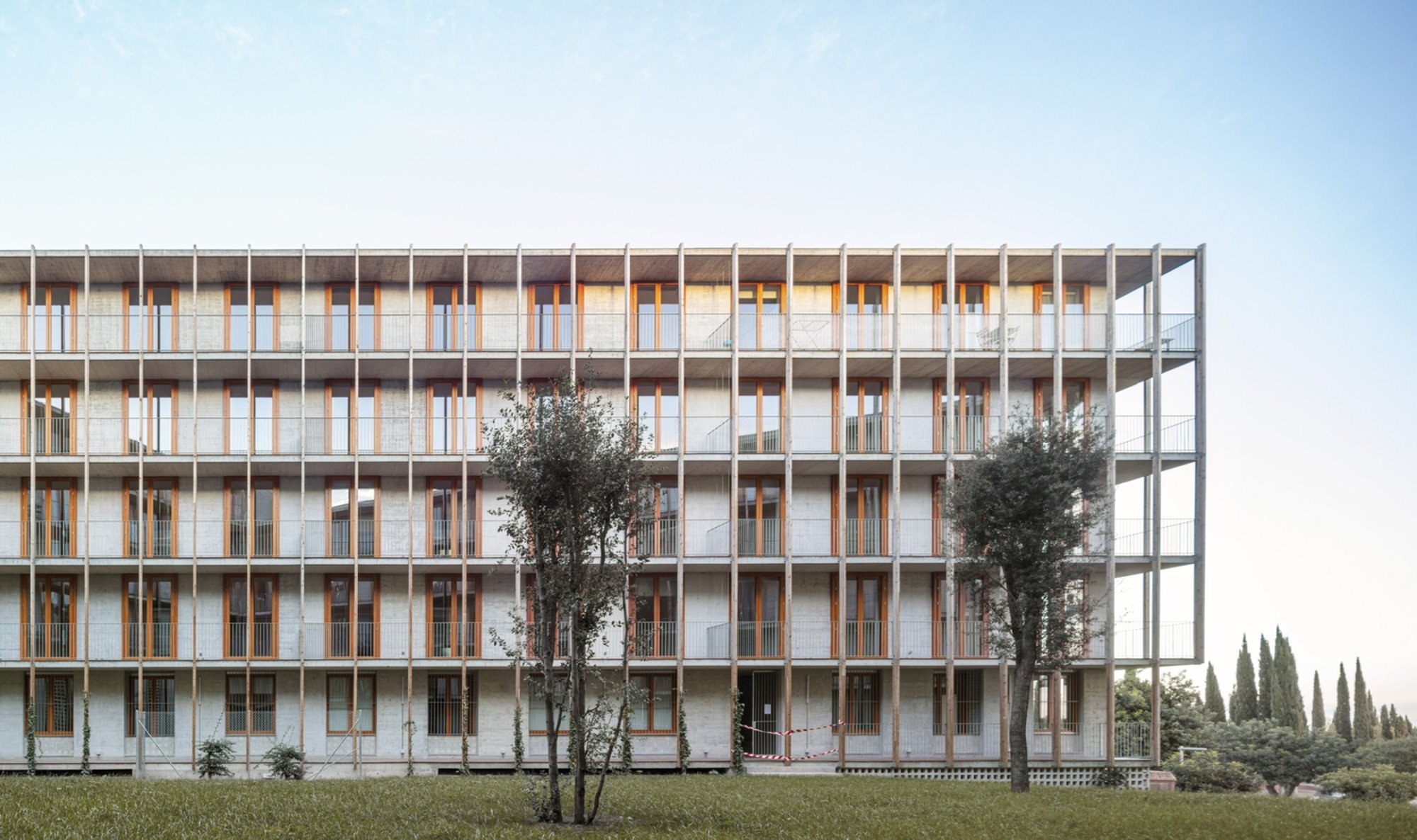
Social Housing 1737 by HARQUITECTES: Innovative Residential Design in Gavà, Spain
Social Housing 1737 by HARQUITECTES in Gavà integrates modular apartments, central atrium, sustainable landscaping, natural light, and panoramic Mediterranean views.

Social Housing 1737 by HARQUITECTES is a forward-thinking residential complex that seamlessly integrates urban living with Gavà’s natural landscape. Positioned between the Serra de les Ferreres zone and the Llobregat Agricultural Park, the project prioritizes biological and recreational continuity, linking the built environment with surrounding green spaces. The design incorporates longitudinal circulation complemented by new transversal pathways, ensuring safe and accessible movement throughout the complex.
Architectural Design and Volumetrics
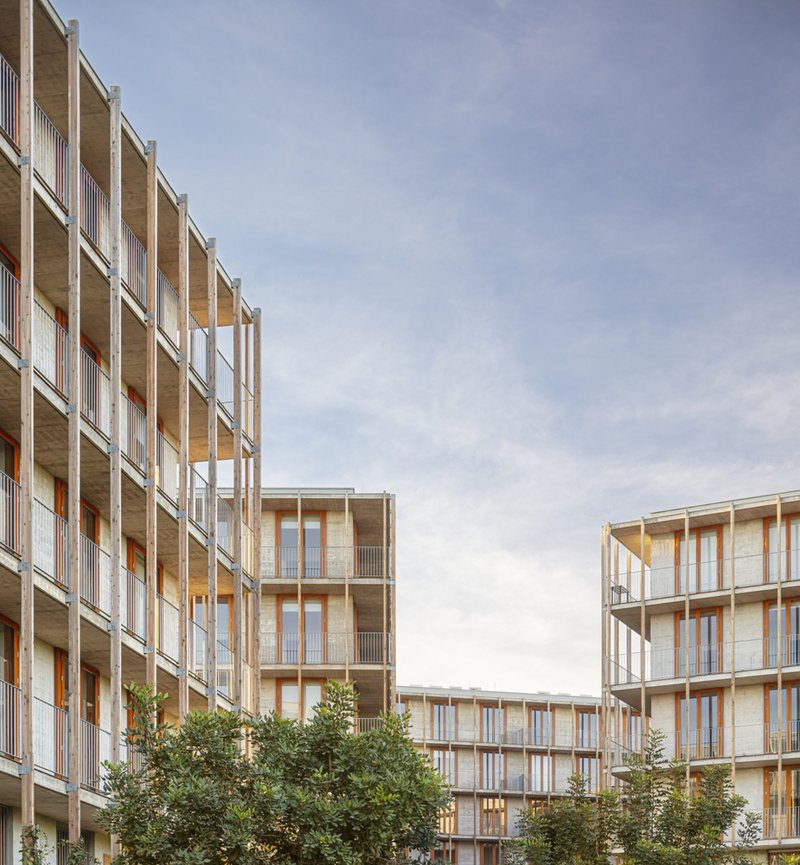
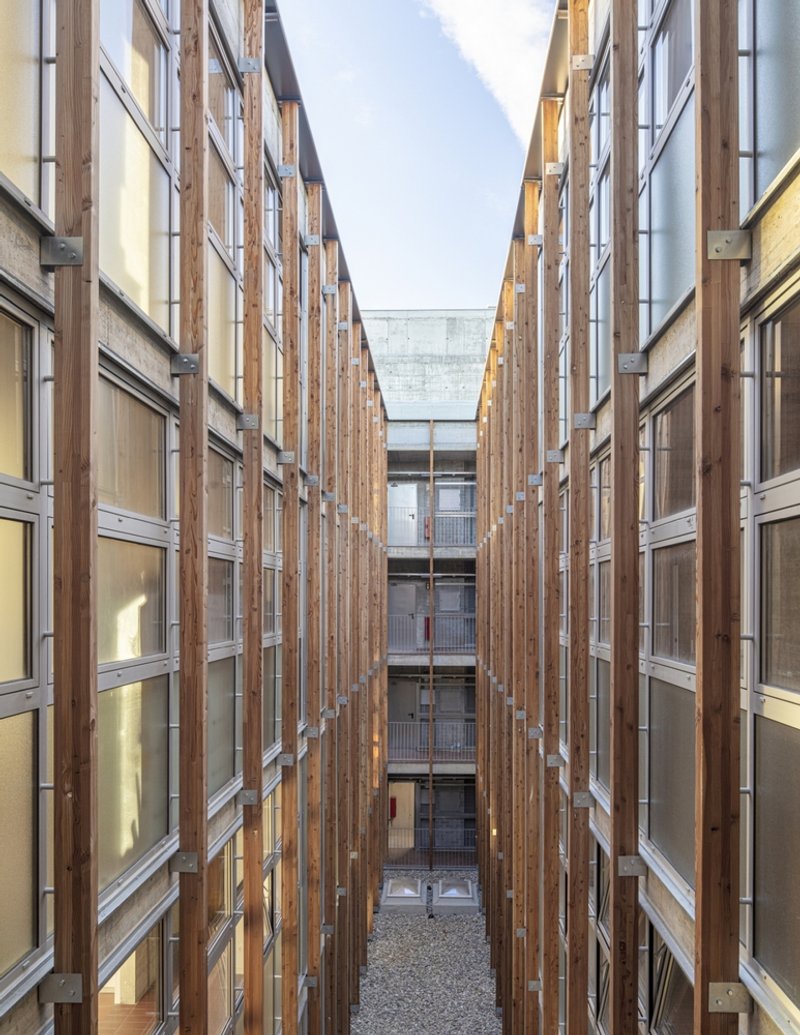
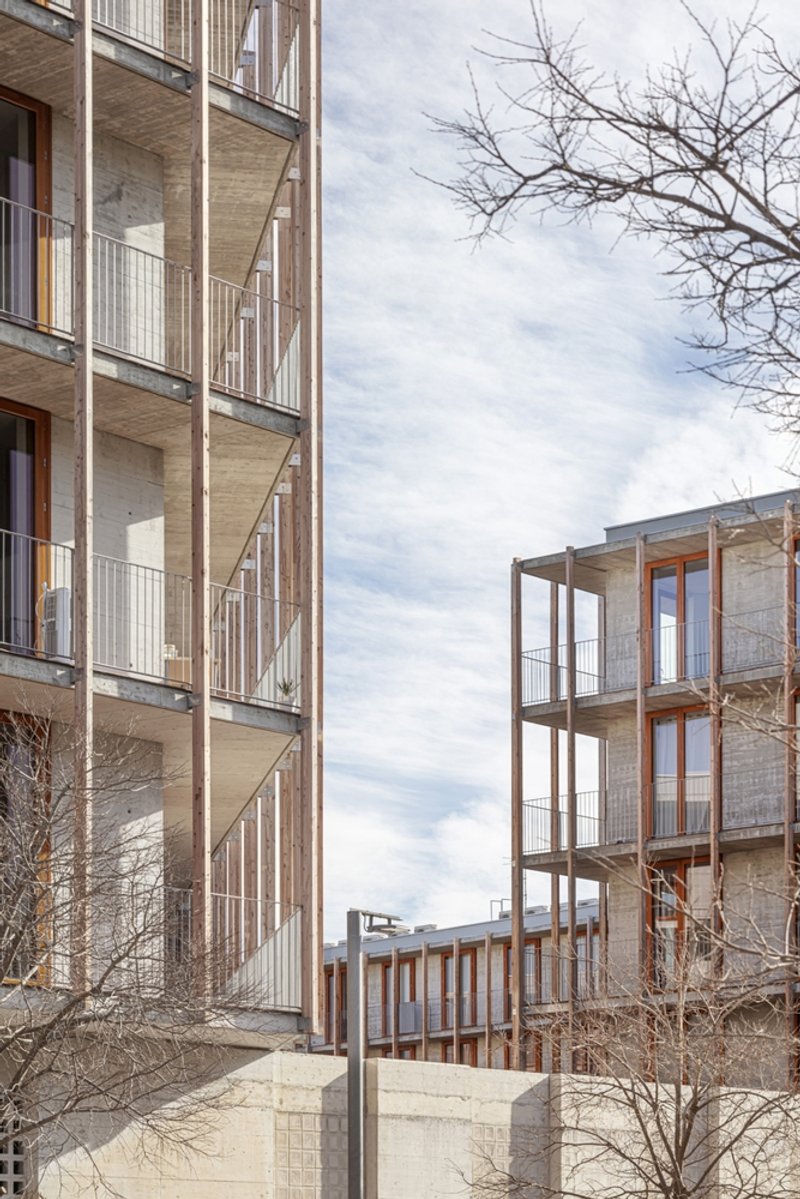
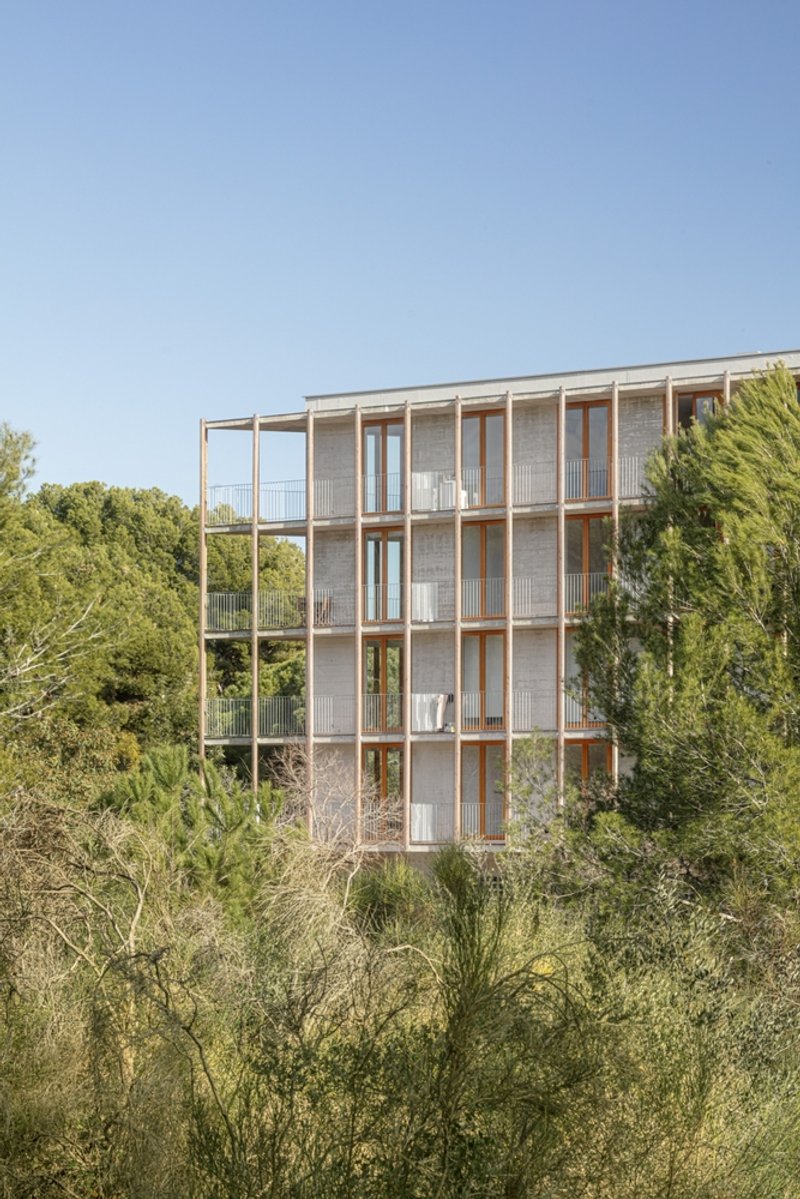
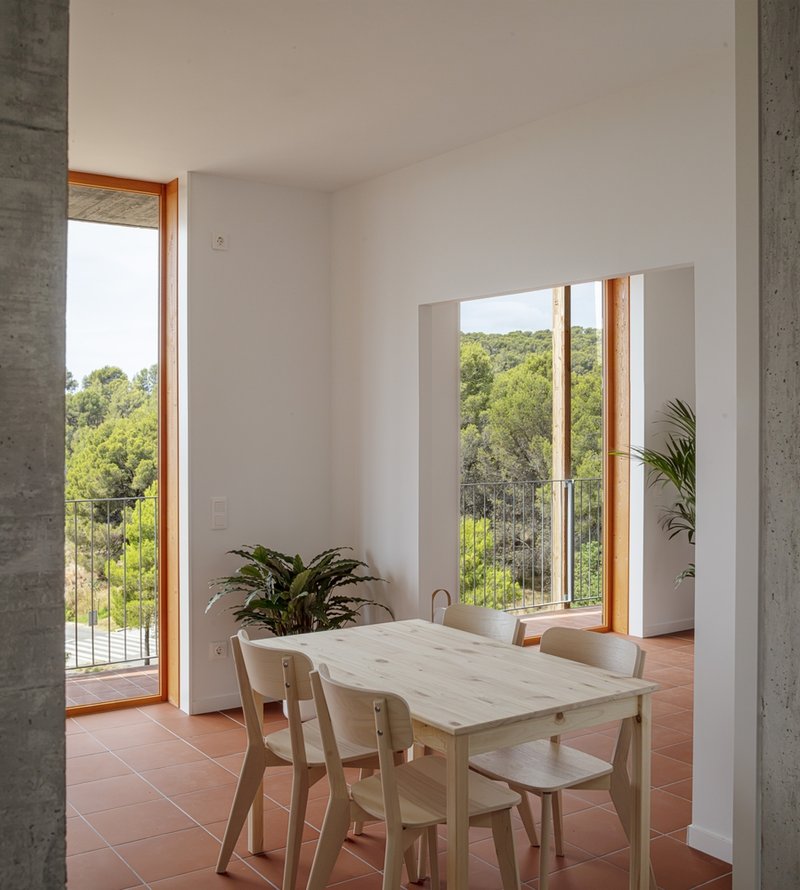
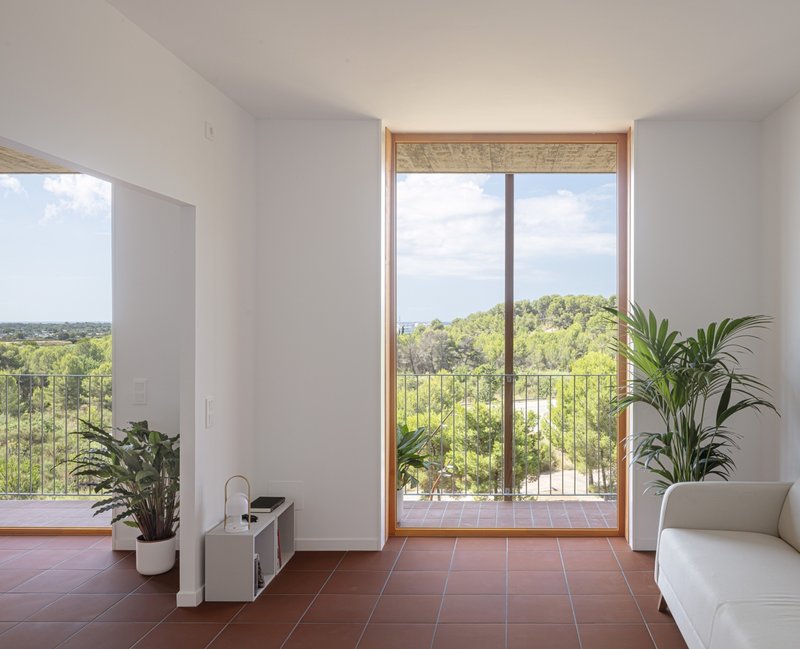
The staggered arrangement of the buildings follows the natural slope of the plot, creating dynamic outdoor spaces while avoiding potentially unsafe dead zones. Each building opens its interior corners to maximize light, air circulation, and interaction with the environment. By using an additive system, the project enhances relationships between the dwellings and their scenic surroundings, with all rooms oriented outward to capture panoramic views and natural light.
Sustainable Landscaping and Materials
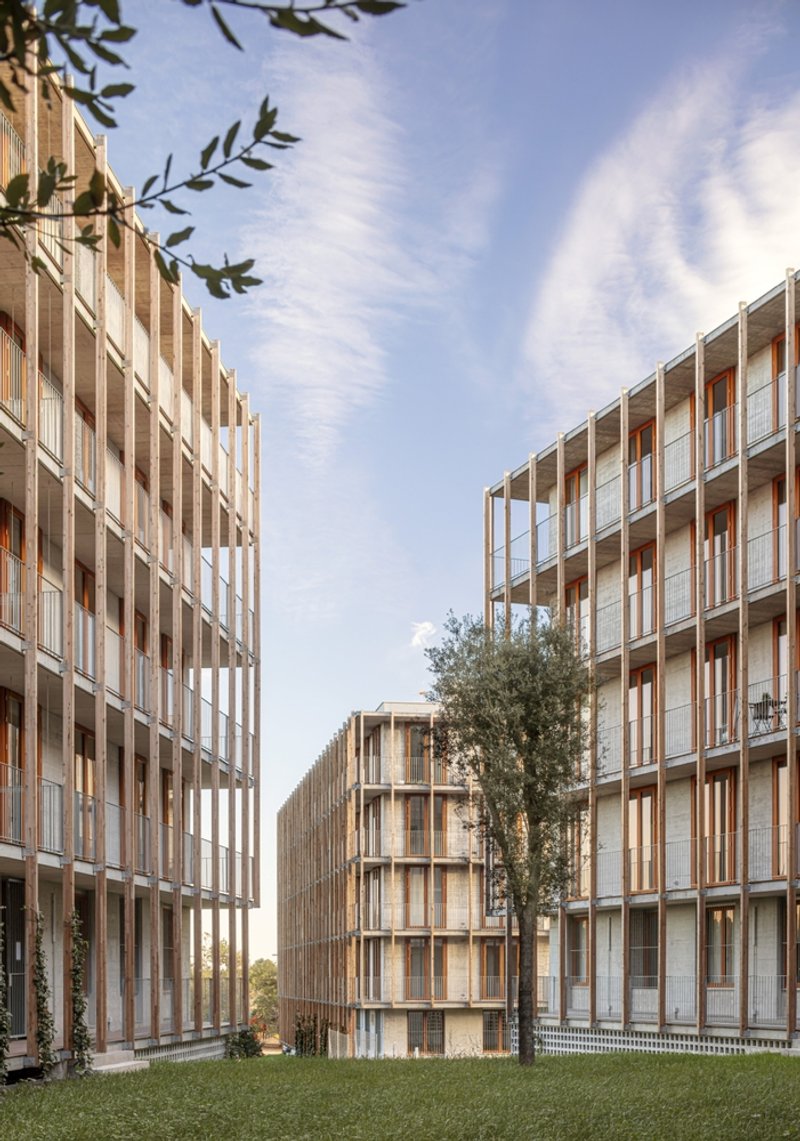
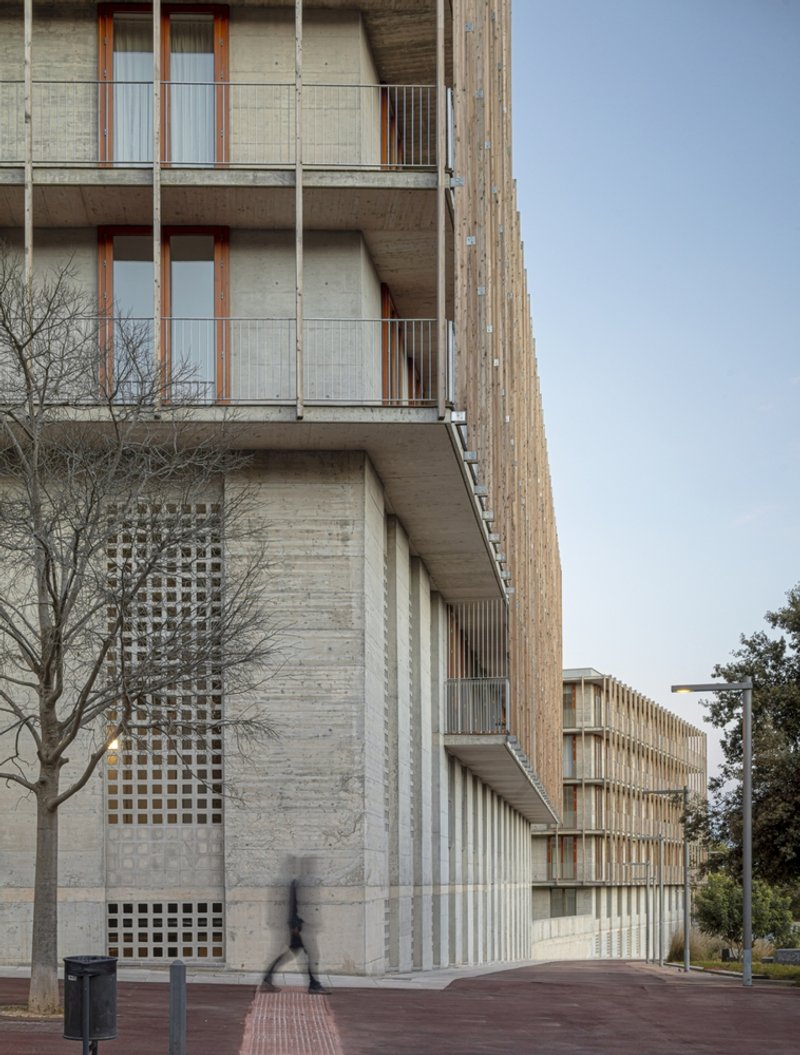
The entire parking area is positioned beneath the building footprint, freeing ground space for a landscaped garden with native shrubs, almonds, carob, and olive trees. Minimal paving is applied only to access paths, while the rest of the terrain supports water drainage and natural vegetation growth. Concrete, wood, and greenery create a harmonious material palette, blending the built form with its surroundings.
Spatial Organization and Apartment Typologies
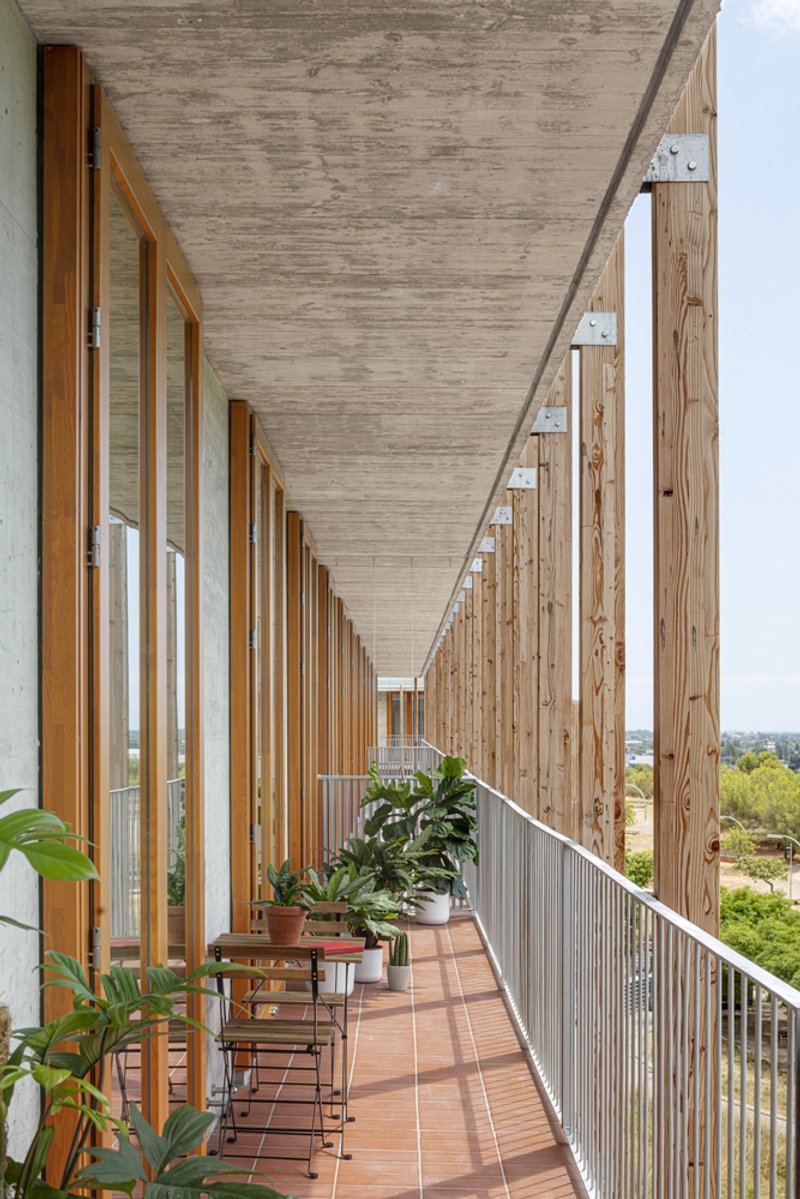
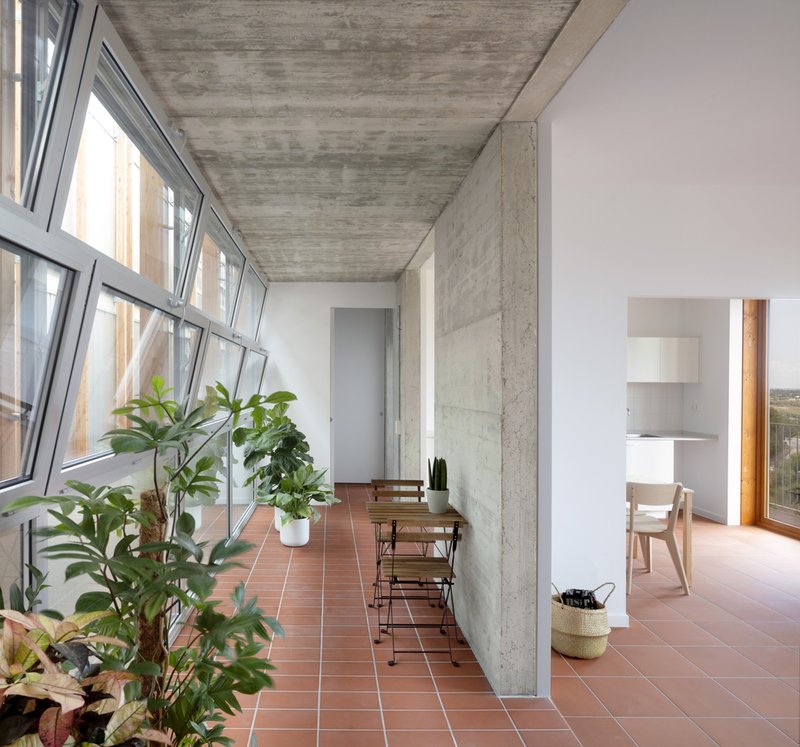
Social Housing 1737 comprises 136 apartments organized around a cloister-like central atrium. This atrium houses circulation cores, stairwells, and services, providing generous cross-ventilation and natural light to every residence. Each apartment is composed of identical 10.6 m² modular units, adaptable for living rooms, kitchens, or bedrooms, complemented by continuous balconies and glazed corridors that act as transitional spaces. Ground-floor apartments adopt a denser, more conventional layout, maintaining a balance between privacy and communal accessibility.
Structural Innovation
The complex employs a hybrid system of concrete slabs, screens, and slim structural pillars, enabling short, efficient spans while maintaining spatial clarity and flexibility within each dwelling. This structural approach supports modular living while enhancing comfort, ventilation, and light penetration throughout the apartments.
All Photographs are works of Adrià Goula




Popular Articles
Popular articles from the community

Treehouse Apartment: A Warm Timber Interior Blending Craft, Play, and Contemporary Living
Warm timber apartment with integrated treehouse, combining natural materials, craftsmanship, and playful design to create a flexible, family-oriented living environment.
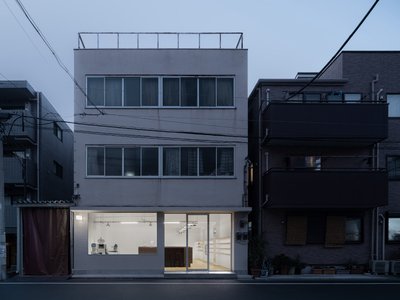
Atelier Macri Concept Store Interior Design by CASE-REAL
Atelier Macri store features a "ko" counter, walnut wood details, cork displays, blending retail, gallery, and seamless customer experiences.
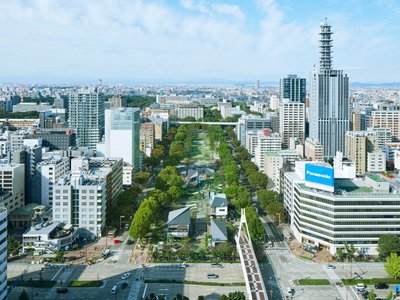
On the Brooks House by Monsoon Collective – A Contemporary Kerala Home Rooted in Tradition
Kerala home blending tradition and modernity with water-inspired design, brick architecture, courtyard planning, and sustainable rainwater harvesting strategies.
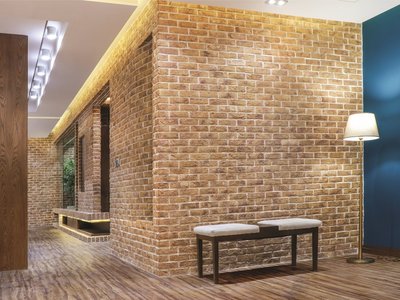
A Contemporary Take on Iranian Residential Architecture
A modern interior design in Mashhad that reinterprets brick, light, and spatial flow to create a warm, contemporary residential architecture.

Similar Reads
You might also enjoy these articles


The Ken Roberts Memorial Delineation Competition (Krob)
As the most senior architectural drawing competition currently in operation anywhere in the world, it draws hundreds of entries each year, awarding the very best submissions in a series of medium-based categories.

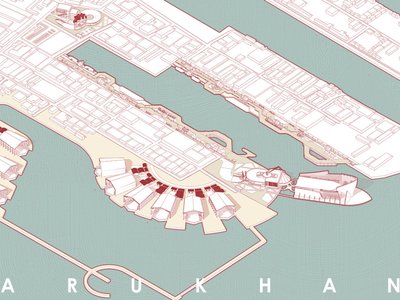
Waterfront Redevelopment and Urban Revitalization in Mumbai: Forging a New Dawn for Darukhana
A transformative waterfront redevelopment project reimagining Darukhana’s shipbreaking heritage into an inclusive urban future.
OUT-OF-MAP: A Call for Postcards on Feminist Narratives of Public Space
Rhizoma Design and Research Lab invites artists, designers, architects, researchers, and students to reflect on how feminist perspectives can reshape public space. Selected works will be exhibited in Barcelona, October 2026. Submissions open until 15 April 2026.

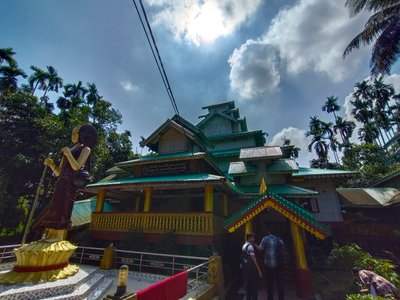
Documentation Work on Buddhist Wooden Temple
Architectural syncretism and cultural hybridity: A comparative study of the Buddhist temples in Chattogram Hill tracks


Explore Architecture Competitions
Discover active competitions in this discipline




The International Standard for Design Portfolios


The Global Benchmark for Architecture Dissertation Awards


The Global Benchmark for Graduation Excellence


Challenge to reimagine the Iron Throne
Comments (0)
Please login or sign up to add comments
No comments yet. Be the first to comment!