
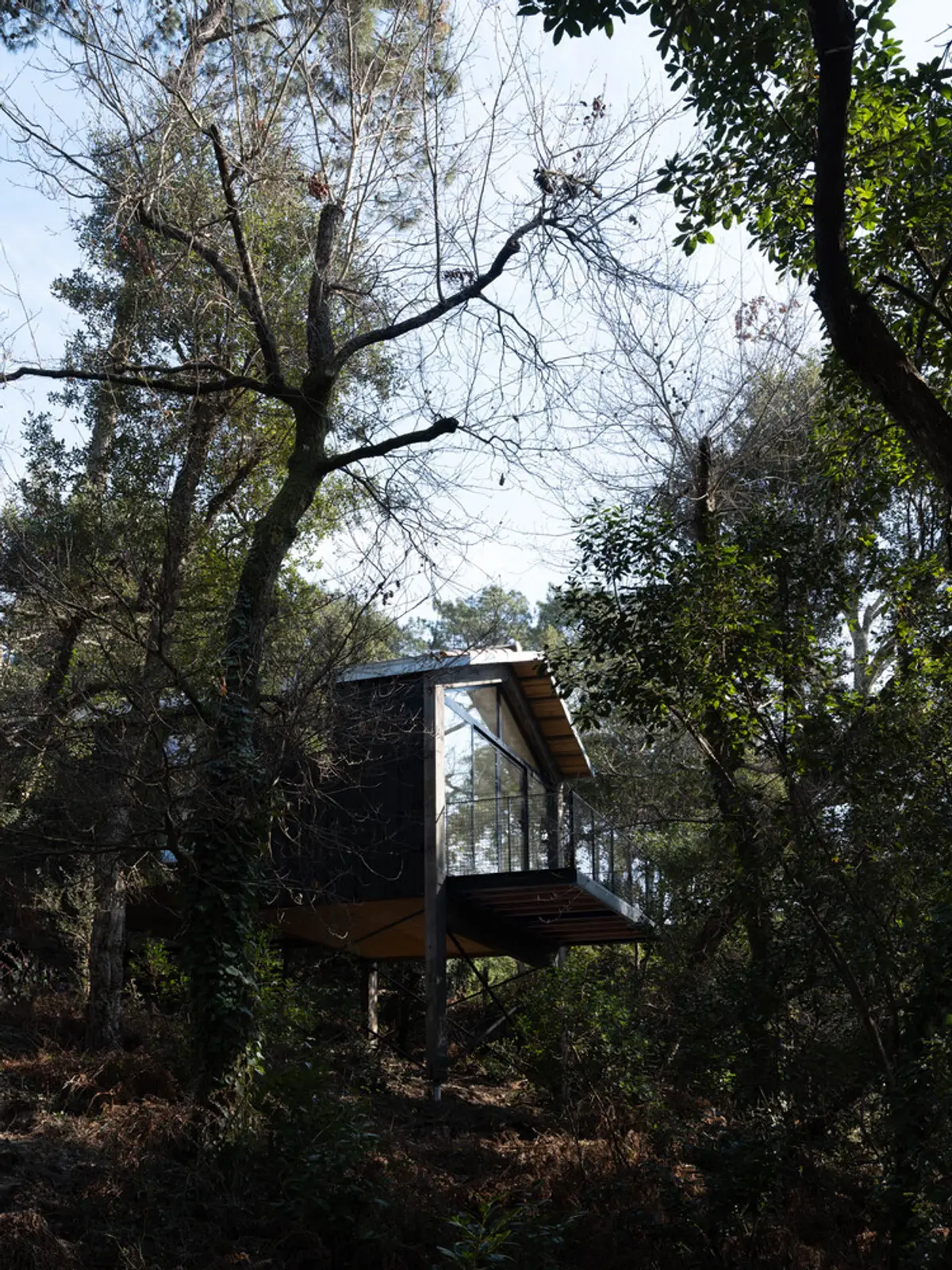
Sustainable Cabin Design: Embracing Eco-Friendly Living in Soorts House and Cabin by Formalocal
Explore the Soorts House and Cabin by formalocal, a masterpiece of sustainable cabin design nestled in Soorts-Hossegor, France.


Discover how sustainable cabin design is transforming residential architecture through an in-depth look at the Soorts House and Cabin, a project masterfully crafted by the architects at formalocal in Soorts-Hossegor, France. This structure not only exemplifies innovative design but also stands as a testament to the possibilities of integrating sustainability into modern living spaces.

What Defines Sustainable Cabin Design?
Sustainable cabin design focuses on minimizing environmental impact through the use of eco-friendly materials and energy-efficient construction techniques. Key features typically include the utilization of renewable resources, preservation of the natural landscape, and a design that complements its surroundings with minimal ecological disruption.


Case Study: Soorts House and Cabin
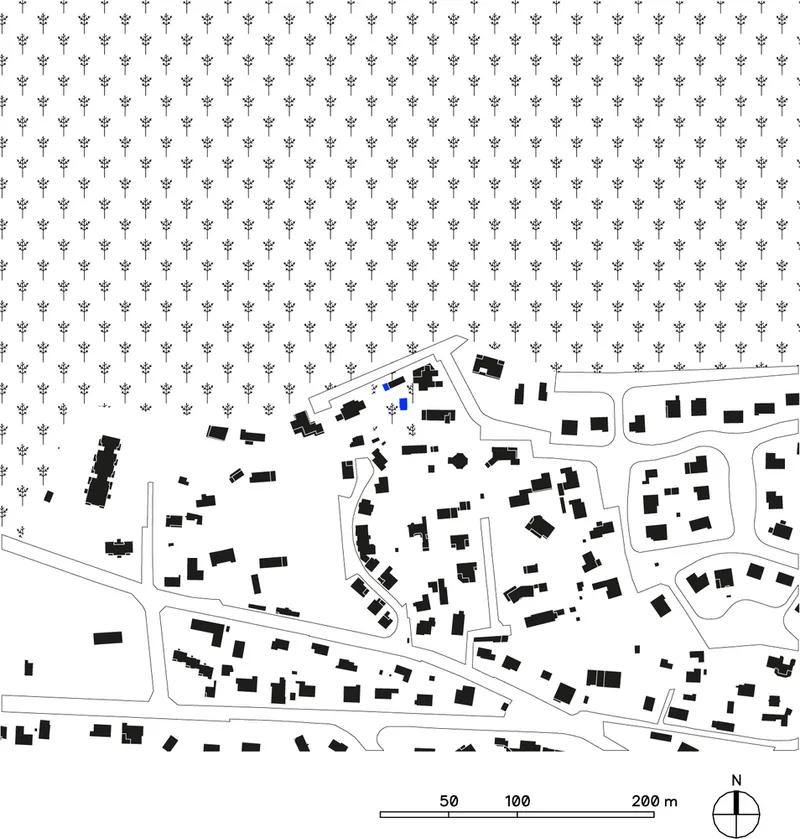
The Soorts House and Cabin project by formalocal is an exemplary model of sustainable cabin design, characterized by its seamless integration into the Landes forest and its minimal impact on the existing ecosystem.
Architectural Features and Eco-Friendly Materials
Timber Frame Construction
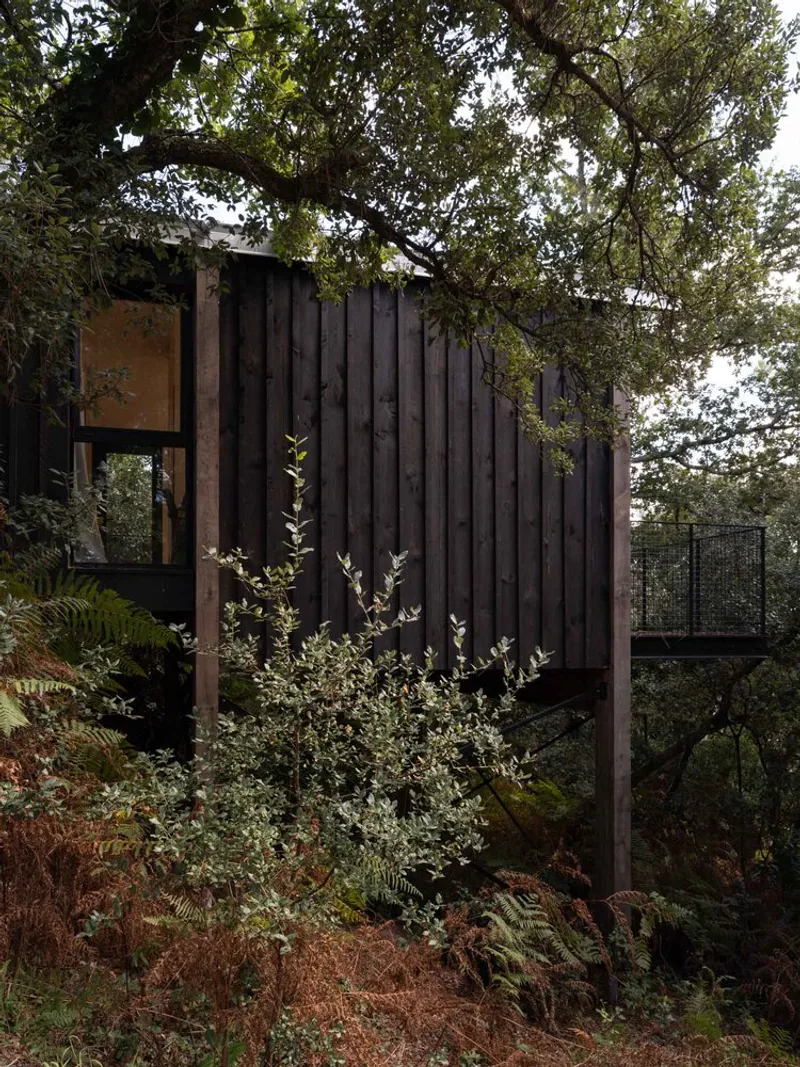
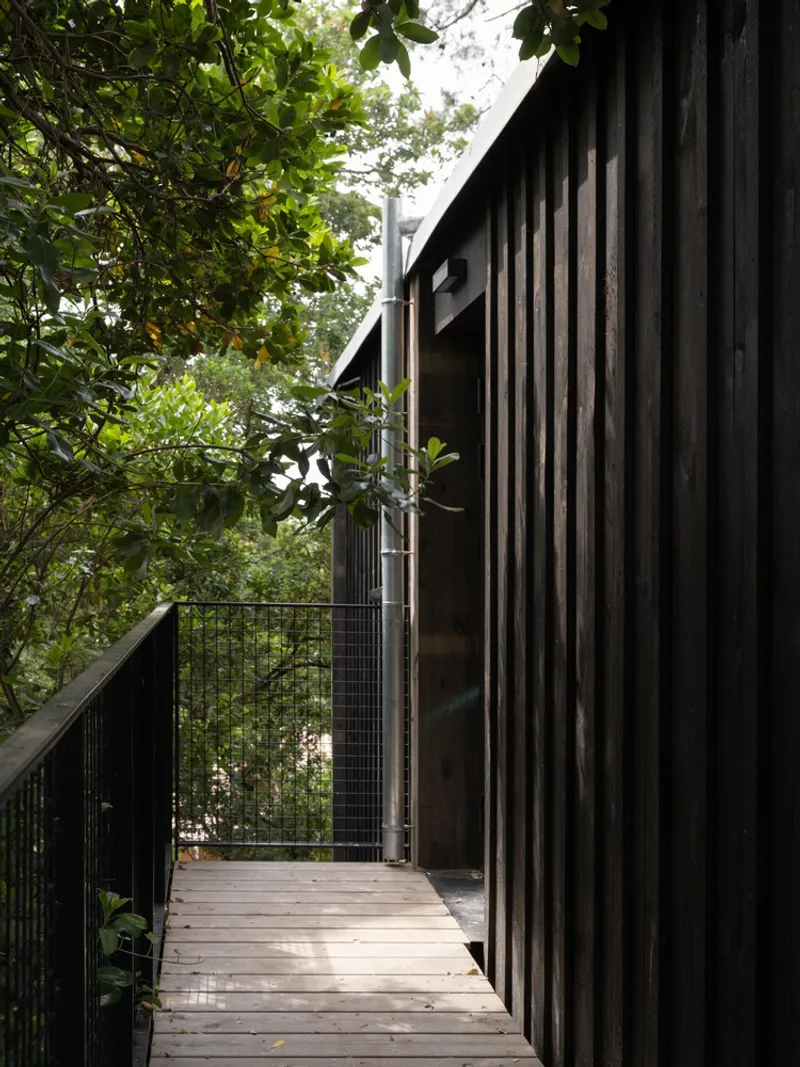
The primary structure of the Soorts House and Cabin utilizes a timber frame construction, a method known for its sustainability due to timber’s renewable qualities and carbon retention. The project extends this framework from an existing house built in 2016, showcasing how modern extensions can maintain ecological integrity.

Glazing and Insulation
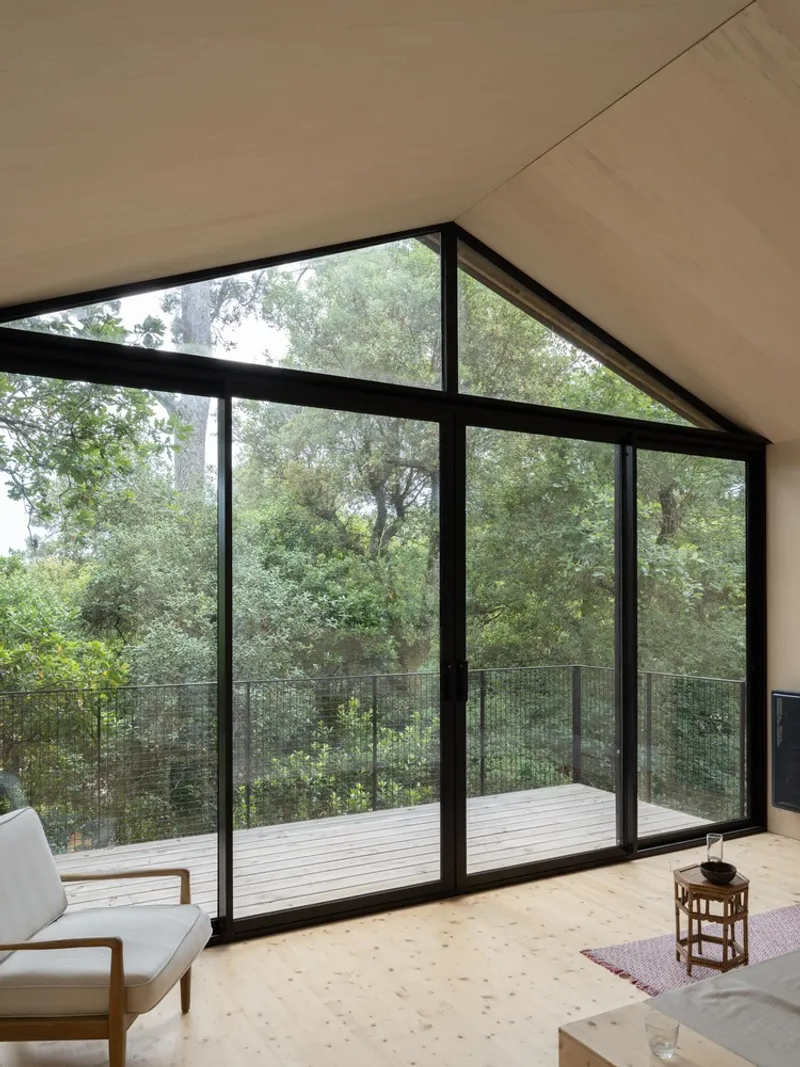
Significant portions of the cabin are glazed, filling the spaces between the timber beams and posts, which not only enhances natural lighting but also contributes to thermal efficiency. The roofing retains its original structure but is upgraded with superior insulation, minimizing heat loss and reducing energy consumption.

Integration with Nature
Stilt-Based Foundation
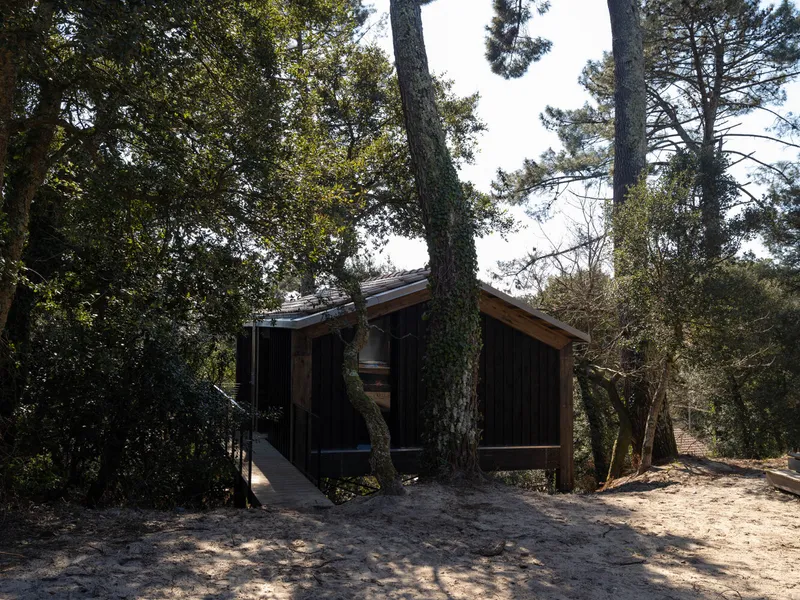
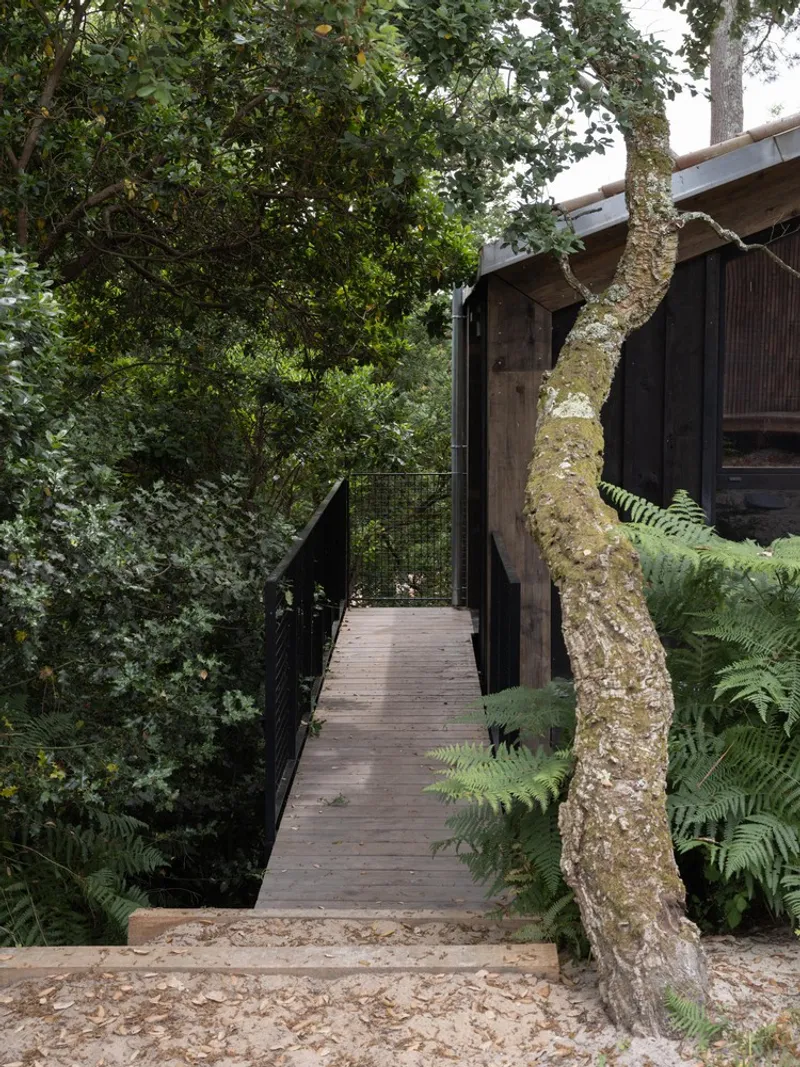
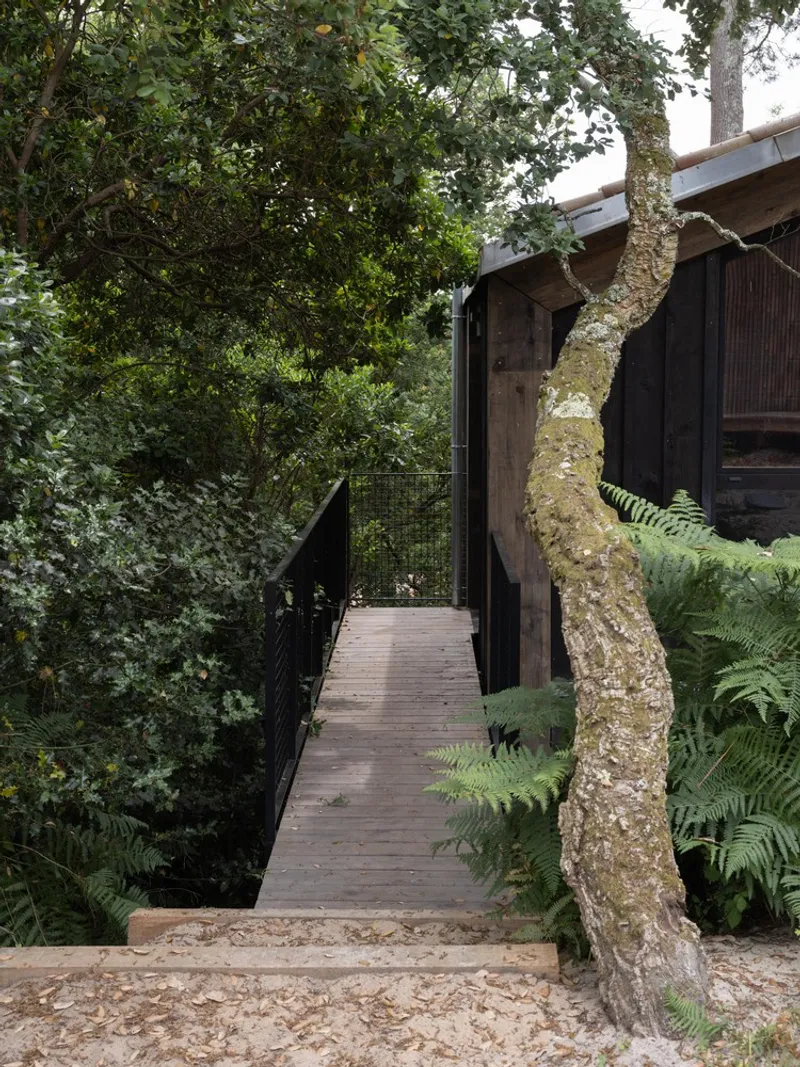
A standout feature of the additional bedroom cabin is its stilt-based foundation, which protects the soil and root systems of the surrounding pine and cork oak trees. This method demonstrates a profound respect for the pre-existing natural environment and ensures the longevity of the local flora.


Landscape Preservation
The design preserves all pre-existing trees and vegetation, highlighting the project’s commitment to biodiversity and ecological health. This approach is crucial for sustainable cabin design, as it maintains the ecological balance and enhances the site's natural beauty.

Benefits of Sustainable Cabin Design
Embracing sustainable cabin design offers numerous benefits, including reduced environmental impact, lower energy costs, and enhanced living comfort. Projects like the Soorts House and Cabin serve as inspiring examples for future developments, proving that architectural innovation can coexist with nature conservation.
The Soorts House and Cabin by formalocal not only advances the field of architecture but also sets a benchmark for sustainable cabin design. By prioritizing eco-friendly materials, energy efficiency, and landscape preservation, this project offers a blueprint for future sustainable developments in residential architecture.
By targeting the keyword "sustainable cabin design," this article aligns well with current trends in architecture and environmental conservation, potentially increasing its visibility and relevance in search engine results.l


All photographs are work of Sandrine Iratçabal


Popular Articles
Popular articles from the community


Opera on the Sea: Driftwood Logic Shapes a Timber Opera House on Estonia's Coast
Trevor Orgill's opera house translates the entangled drift of floating timber into a civic building where wood, water, and music converge.

Manzana Morphosis: Stretching Barcelona's Grid into a Living Landscape for 2050
A radical reworking of the Eixample manzana turns density into a tool for generous public space, vertical ecology, and environmental performance.
Cloaked Colonization: A Mobile Underwater Habitat That Moves Like a Fish
Micah Abaya's shortlisted EHC Pacific entry reimagines ocean settlement as a dispersed network of self-sustaining architectural organisms.
Temporary Home for Dogs: A Reversed Zoo Rethinks Animal Shelter Architecture
In Bucharest, a sinuous corridor and freed landscape flip the logic of containment, designing a shelter that works to make itself unnecessary.

Similar Reads
You might also enjoy these articles


Hodi-Mandai Geram
Project Function: Preservation and revitalization of the Intangible heritage and socio-spatial identity of the Hodi by Housing, Cultural Memory Center, Sacred Grove, landscape, local tourism economy


Olio Towers: A Mid-Rise for Performers That Fuses Housing, Rehearsal, and Stage
Located blocks from Houston's Theater District, this modular tower stacks living units around a central performance atrium.

Oasis: Modular Green Housing Carved into Dhaka's Urban Fabric
A shortlisted Plugin Housing entry reclaims unauthorized settlements in Dhaka with stepped concrete volumes, green roofs, and ventilation-driven design.

Black Hole: A Floating Megastructure for the Post-Physical Era
Emiliano Mazzarotto envisions a spherical, self-scaling arena where e-sports, digital hotels, and holographic stadiums replace traditional public space.
Explore Housing Competitions
Discover active competitions in this discipline

Challenge to reimagine the Iron Throne

Photograph architecture without architects

Illustrate the lost glory of Angkor Wat - Render Challenge

Design challenge to reuse E-waste
Comments (0)
Please login or sign up to add comments
No comments yet. Be the first to comment!