
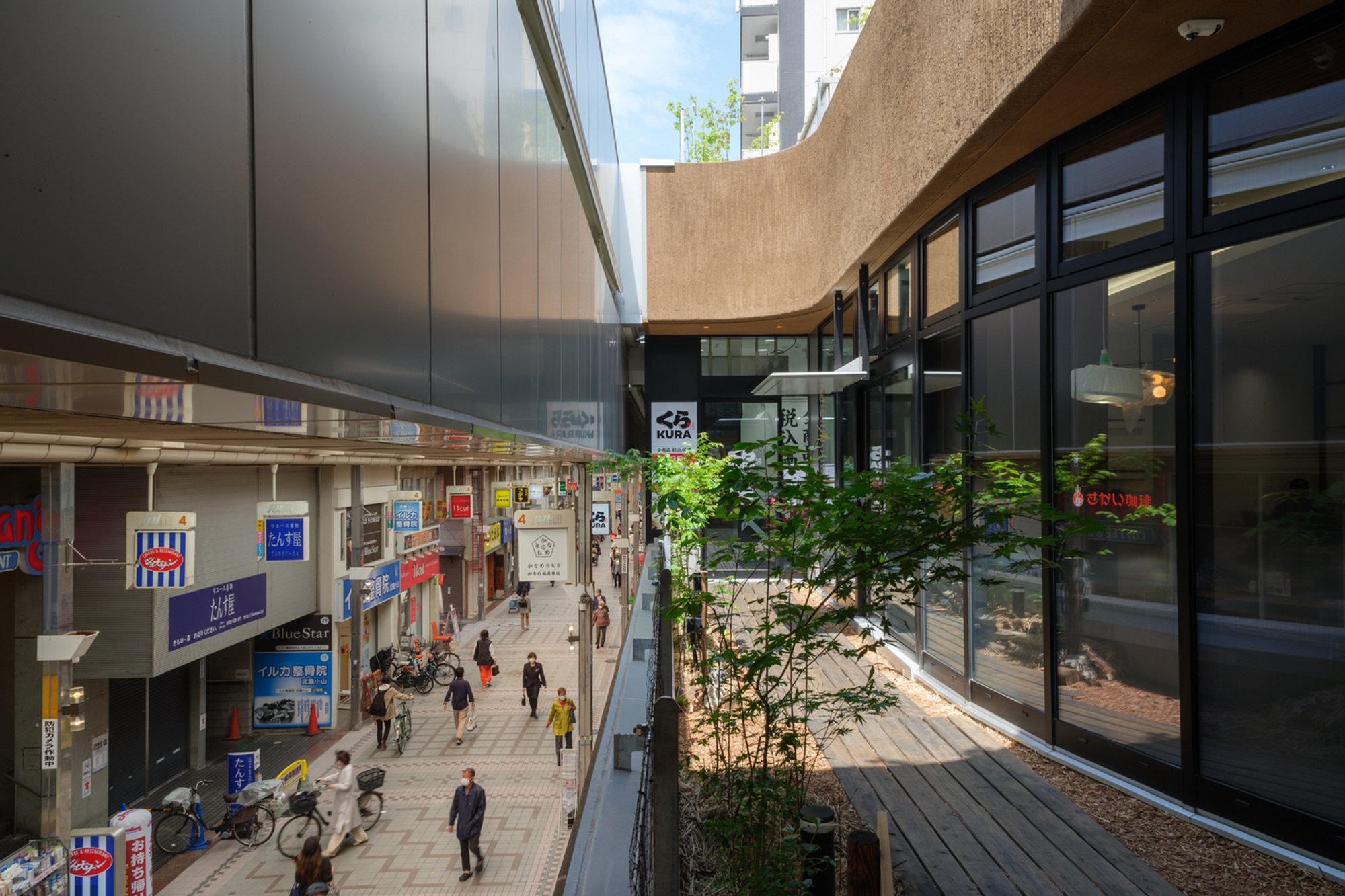
Sustainable Commercial Architecture in Tokyo: KANAME NO MORI Project Spotlight
Exploring KANAME NO MORI, a pioneering project in Tokyo that merges sustainable commercial architecture with environmental regeneration and innovative design.

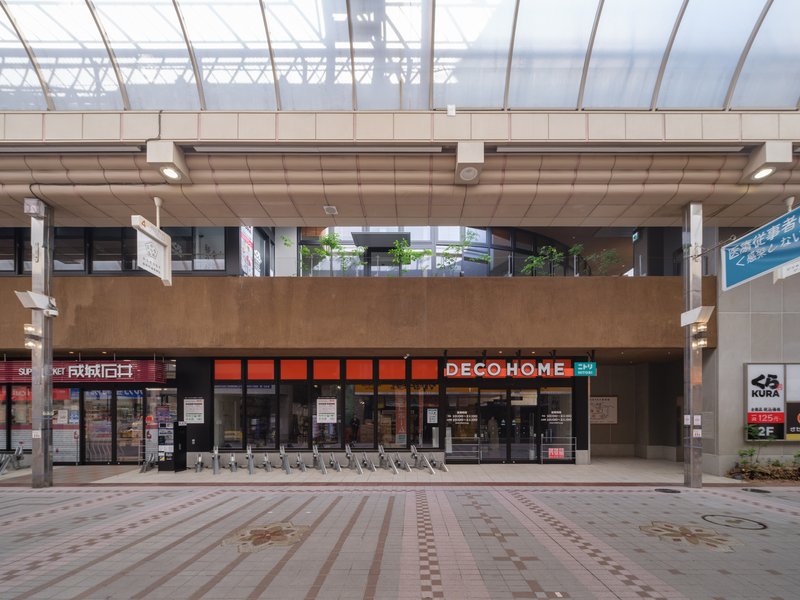
In the heart of Musashikoyama, Shinagawa Ward, Tokyo, the KANAME NO MORI: Keystone Forest Commercial Building emerges as a pioneering example of sustainable commercial architecture in Tokyo. Designed by Nori Architects in collaboration with Takada Landscape Design Co., this project sets a new standard for environmental regeneration through architecture.
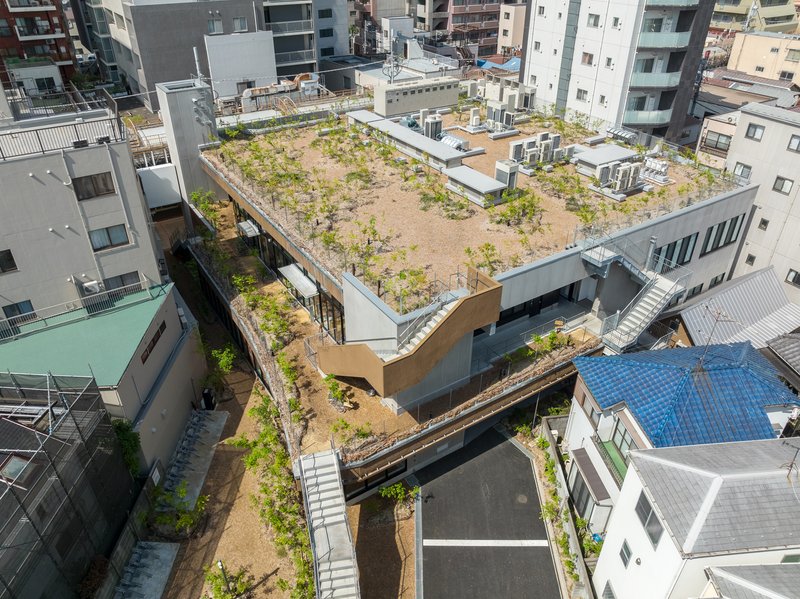
Architectural Vision and Environmental Commitment
The Keystone of Environmental Regeneration
KANAME NO MORI is not just a commercial building; it is a vision brought to life, aiming to be an economic beacon for district revitalization while fostering a healthy ecosystem of soil, water, and air. This project illustrates how sustainable commercial architecture can play a crucial role in urban environmental regeneration.
A Unique Approach to Urban Space
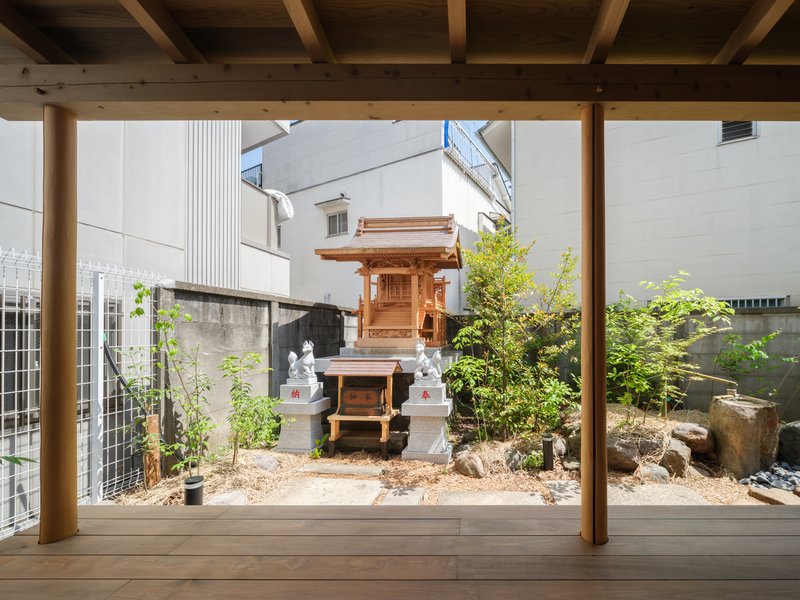
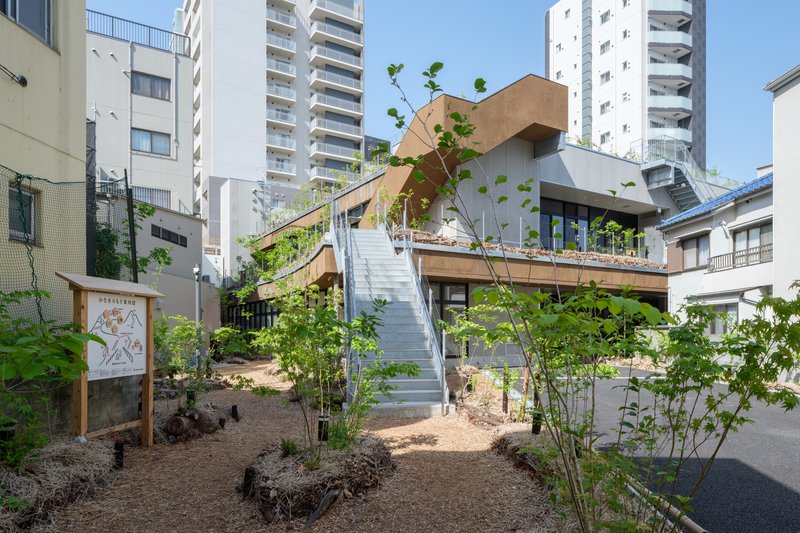
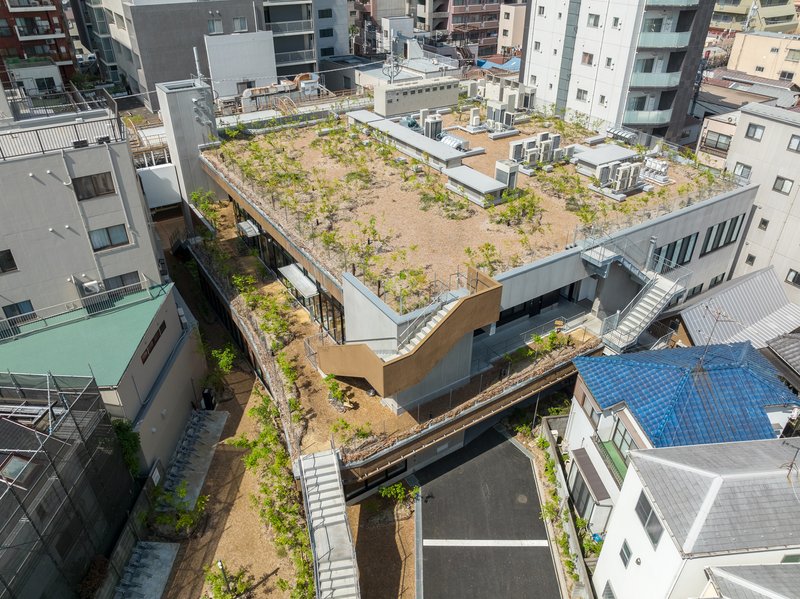
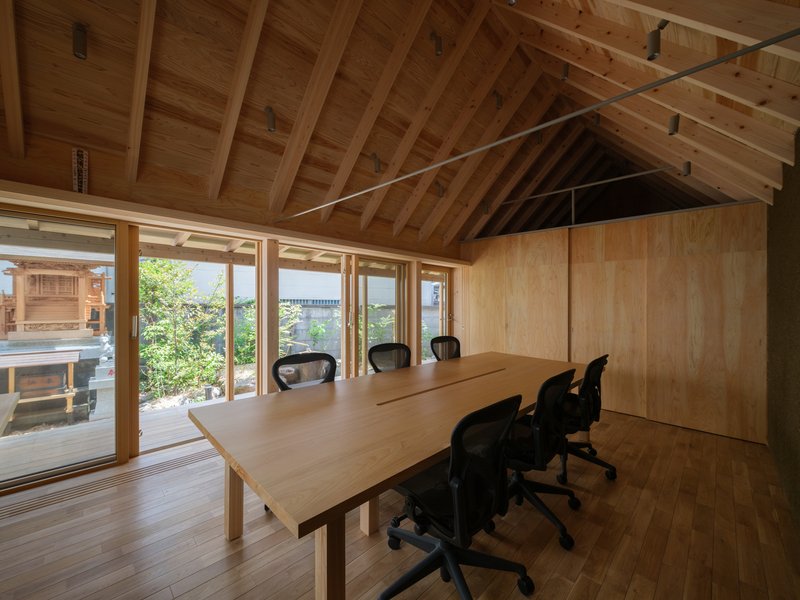
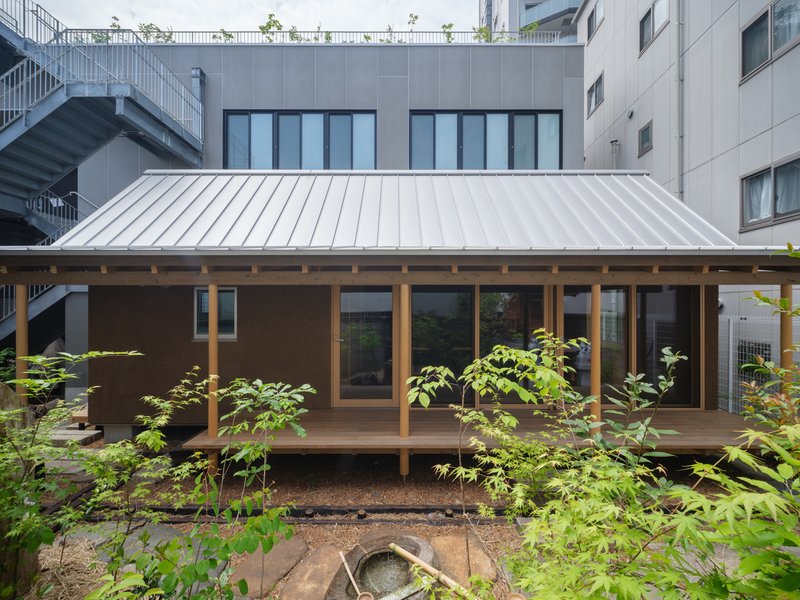
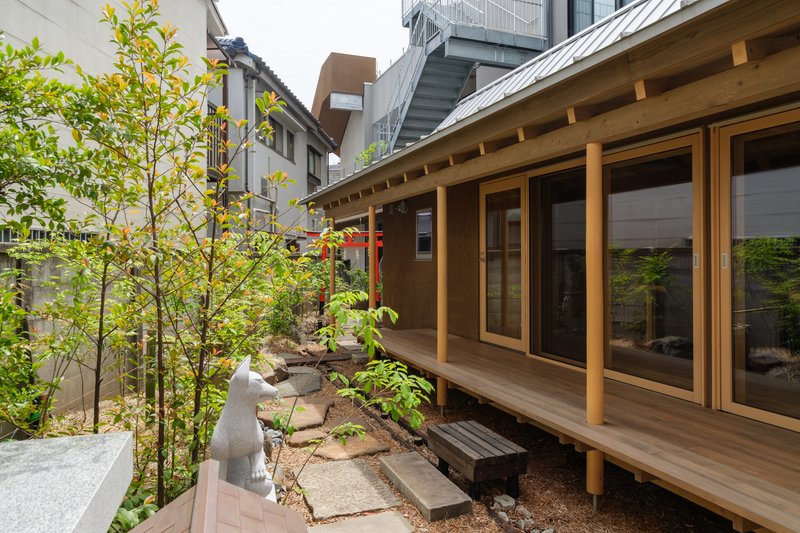
The building's strategic placement and design create a seamless flow between indoor spaces and the surrounding urban landscape. By preserving and restoring an old shrine on-site and incorporating green pathways, KANAME NO MORI enhances both its commercial value and its commitment to sustainability.
Innovative Sustainable Design Features
Harnessing Natural Elements
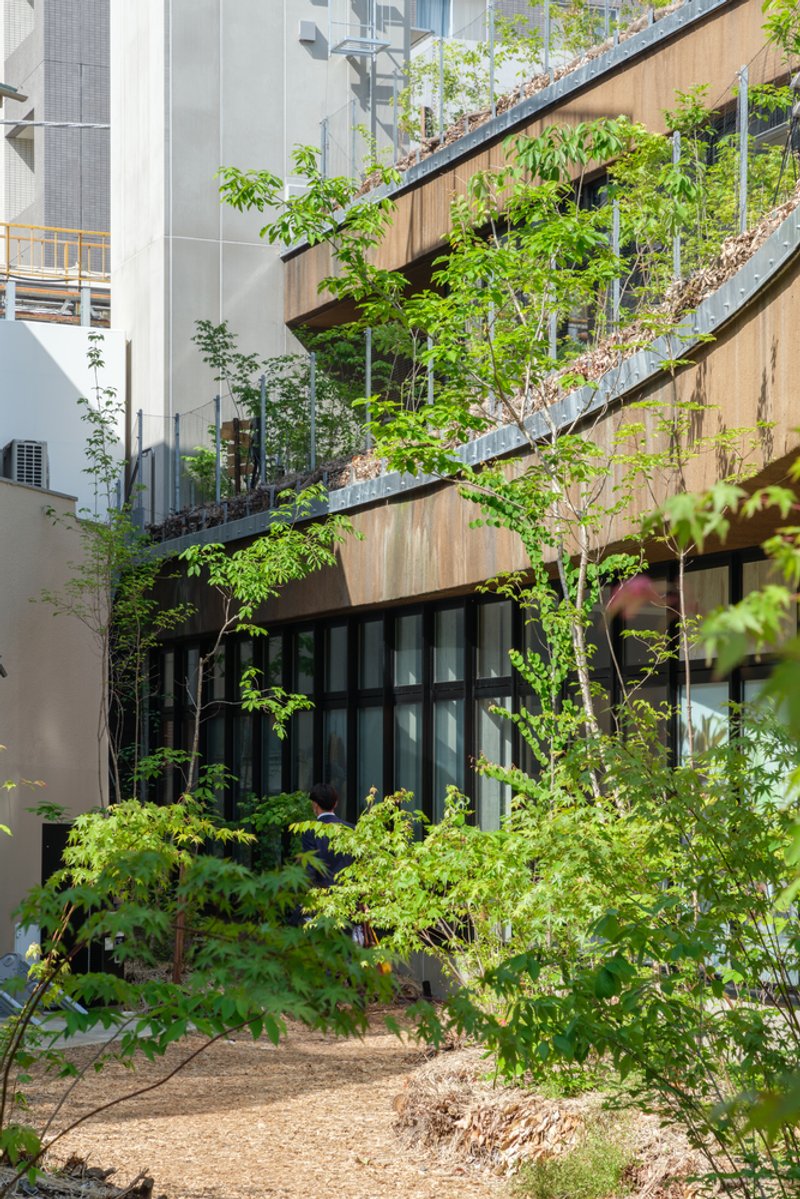
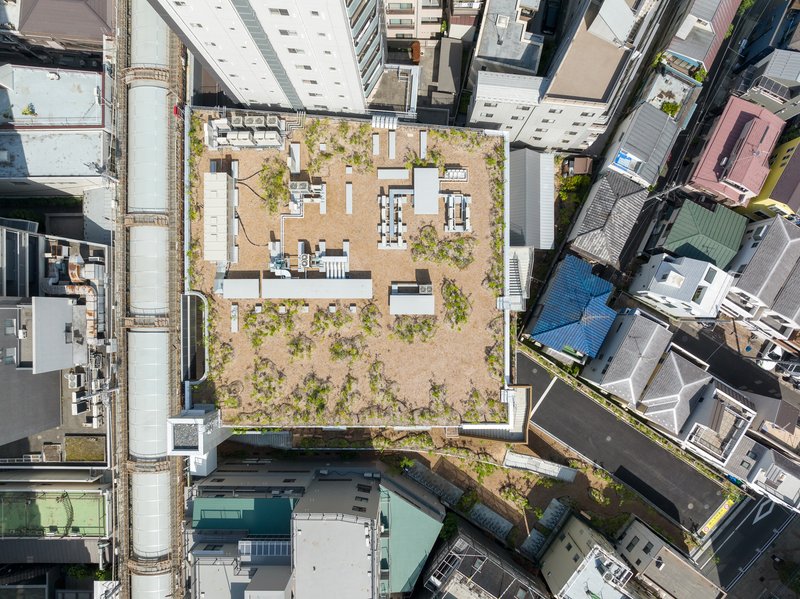
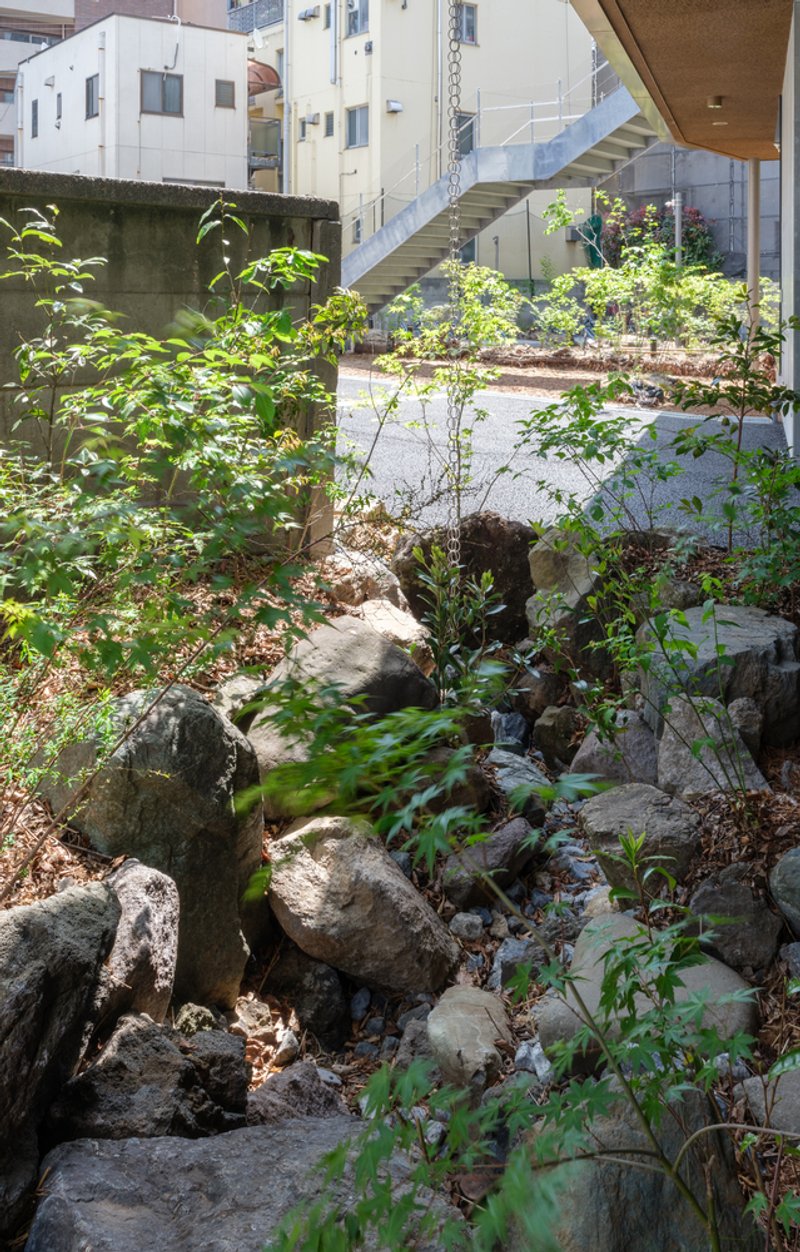
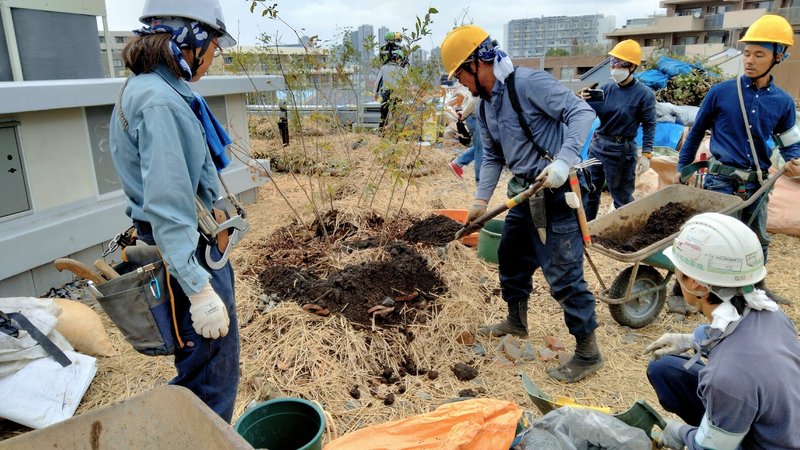
The project stands out for its innovative use of the Takada method for exterior construction, focusing on water retention, groundwater recharge, and the creation of a microclimate through extensive vegetation cover. This approach not only addresses sustainability but also enhances the building's integration with its environment.
Natural Materials and Construction Techniques
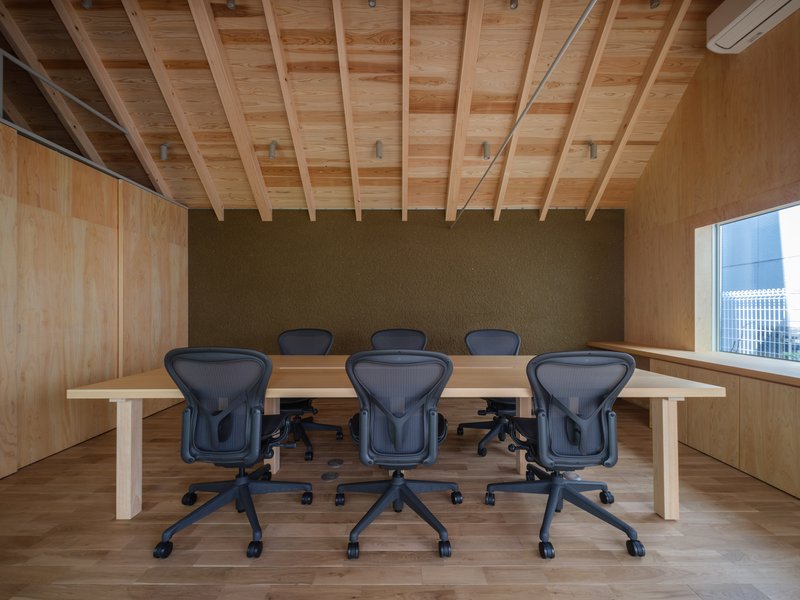
Emphasizing the use of natural materials such as soil, stone, charcoal, straw, and vegetation, KANAME NO MORI showcases how traditional construction techniques can be adapted for modern urban architecture. This commitment to natural materials supports the building's environmental goals while offering a blueprint for future sustainable commercial projects in densely populated cities.
The Role of Architecture in Urban Sustainability
KANAME NO MORI exemplifies how sustainable commercial architecture in Tokyo can lead the way in urban environmental regeneration. By leveraging innovative design and construction methods, this project demonstrates the potential for commercial buildings to contribute positively to their communities and the environment.
A New Direction for Commercial Architecture
As cities around the world face increasing environmental challenges, projects like KANAME NO MORI offer hope and direction for the future of urban development. This building is not only a commercial success but also a testament to the power of sustainable architecture in transforming urban landscapes.
All photographs are work of Jumpei Suzuki




Popular Articles
Popular articles from the community

Inverted Architecture Installation by Studio Link-Arc: Exploring the Intersection of Architecture and Living Organisms
Inverted Architecture Installation by Studio Link-Arc blends mycelium, sustainability, inverted design, ecological cycles, and urban adaptive architecture in Shenzhen.
On the Brooks House by Monsoon Collective – A Contemporary Kerala Home Rooted in Tradition
Kerala home blending tradition and modernity with water-inspired design, brick architecture, courtyard planning, and sustainable rainwater harvesting strategies.
A Contemporary Take on Iranian Residential Architecture
A modern interior design in Mashhad that reinterprets brick, light, and spatial flow to create a warm, contemporary residential architecture.
An Miên Lumière Cafe by xưởng xép, Ho Chi Minh City, Vietnam
An industrial-inspired café where layered steel and warm light create a dynamic, immersive environment shaped by reflection, depth, and perception.


Similar Reads
You might also enjoy these articles


The Ken Roberts Memorial Delineation Competition (Krob)
As the most senior architectural drawing competition currently in operation anywhere in the world, it draws hundreds of entries each year, awarding the very best submissions in a series of medium-based categories.


Waterfront Redevelopment and Urban Revitalization in Mumbai: Forging a New Dawn for Darukhana
A transformative waterfront redevelopment project reimagining Darukhana’s shipbreaking heritage into an inclusive urban future.

OUT-OF-MAP: A Call for Postcards on Feminist Narratives of Public Space
Rhizoma Design and Research Lab invites artists, designers, architects, researchers, and students to reflect on how feminist perspectives can reshape public space. Selected works will be exhibited in Barcelona, October 2026. Submissions open until 15 April 2026.

Documentation Work on Buddhist Wooden Temple
Architectural syncretism and cultural hybridity: A comparative study of the Buddhist temples in Chattogram Hill tracks


Explore Architecture Competitions
Discover active competitions in this discipline




The International Standard for Design Portfolios


The Global Benchmark for Architecture Dissertation Awards


The Global Benchmark for Graduation Excellence


Challenge to reimagine the Iron Throne
Comments (0)
Please login or sign up to add comments
No comments yet. Be the first to comment!