
Sustainable Family Home Design in Dhaka: A Case Study of Ahsan Residence by Ground One
The article showcases Ahsan Residence in Dhaka, a sustainable family home design emphasizing privacy, nature integration, and traditional communal spaces by Ground One.

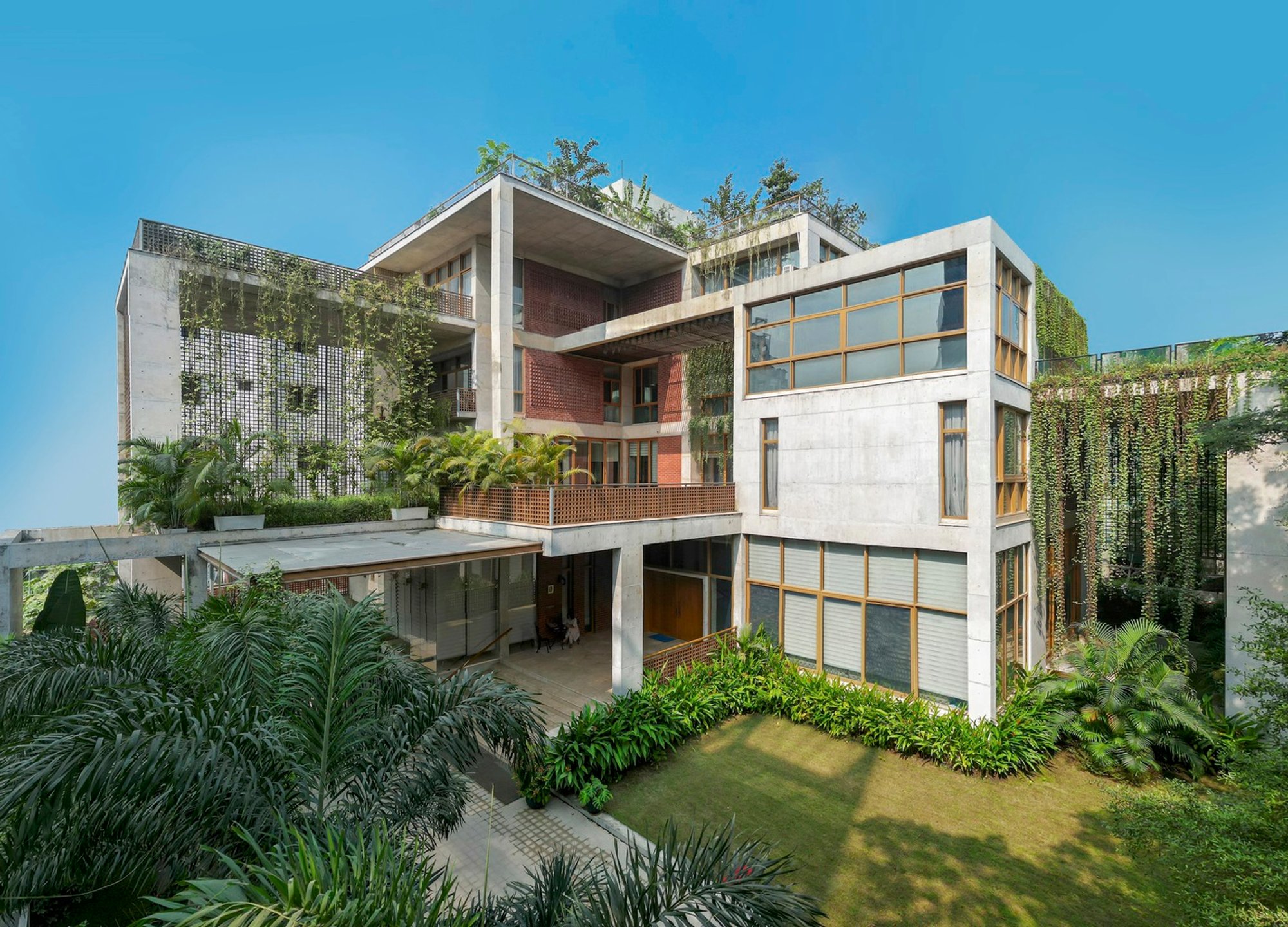
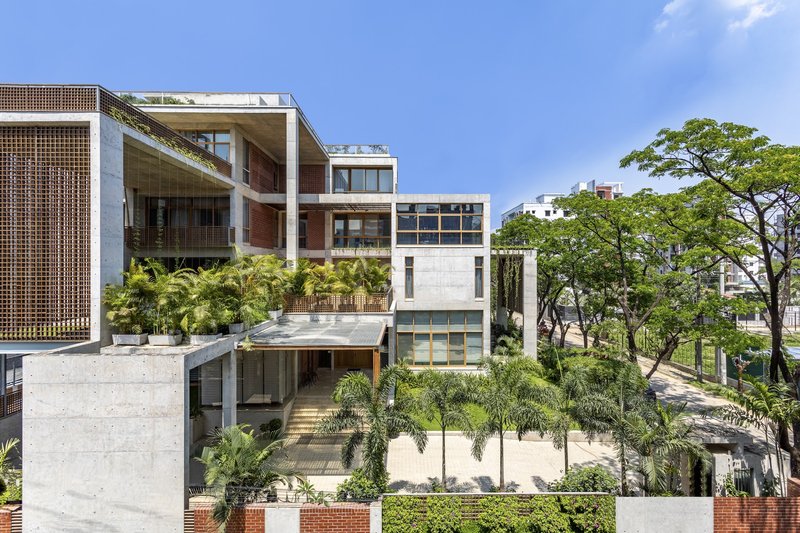
In the heart of Dhaka, Bangladesh, the Ahsan Residence stands as a beacon of sustainable family home design, embodying the essence of familial connection, privacy, and interaction with nature. Designed by the renowned architectural firm Ground One, this 6000 m² masterpiece completed in 2023 serves not just as a living space but as a testament to the importance of architecture in enhancing family bonds and environmental sustainability.
Conceptualizing Family Spaces for Connection and Privacy
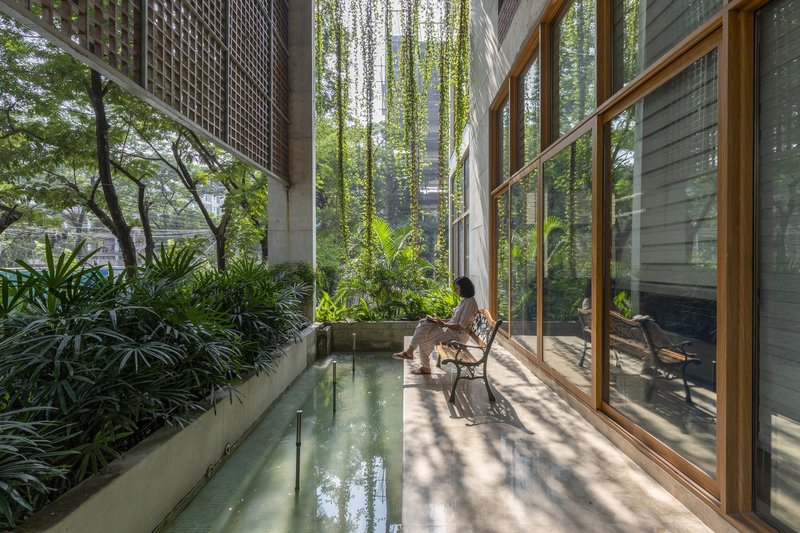
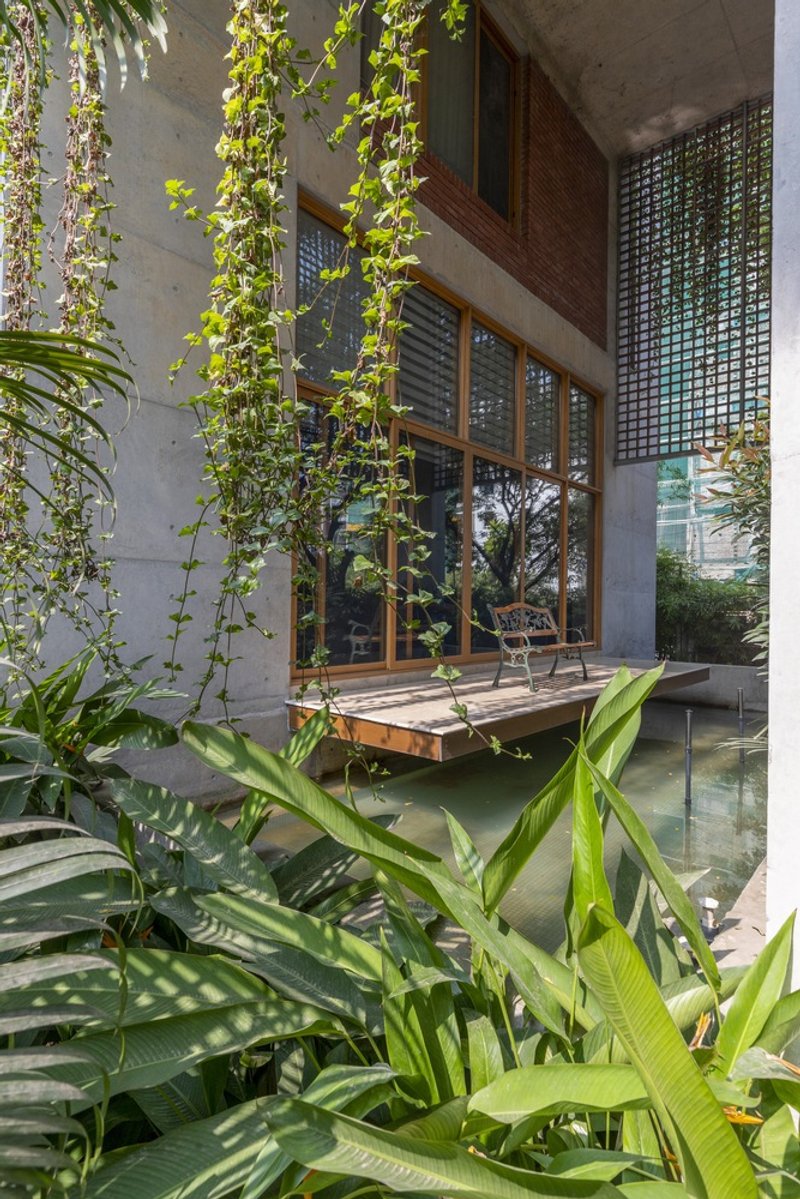
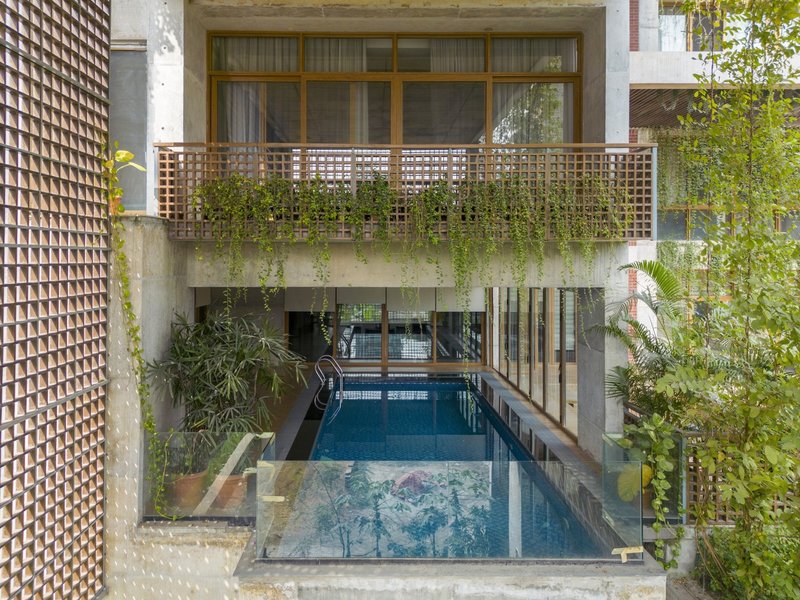
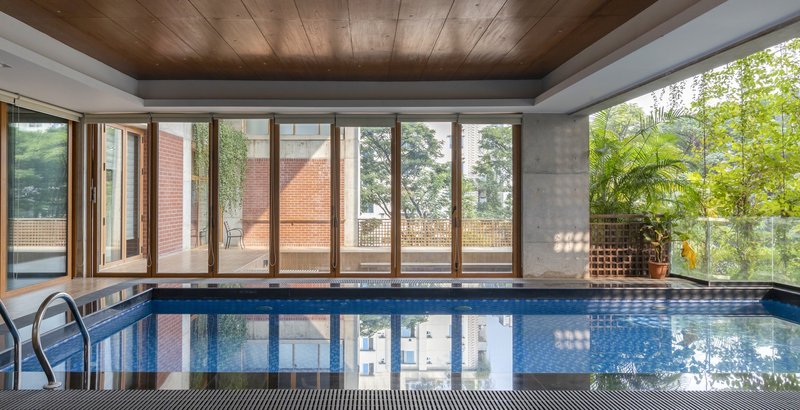
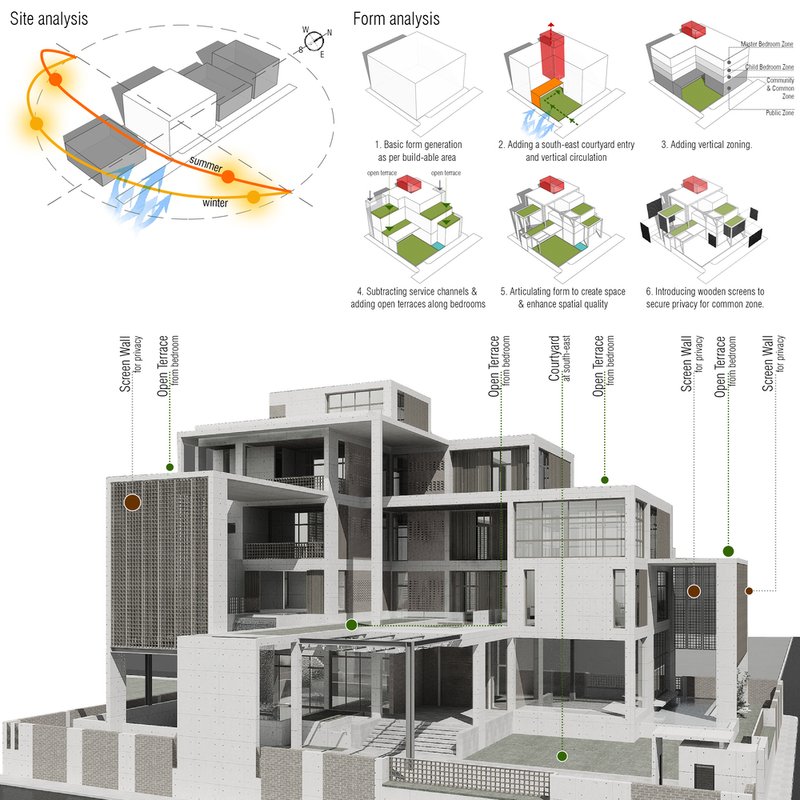
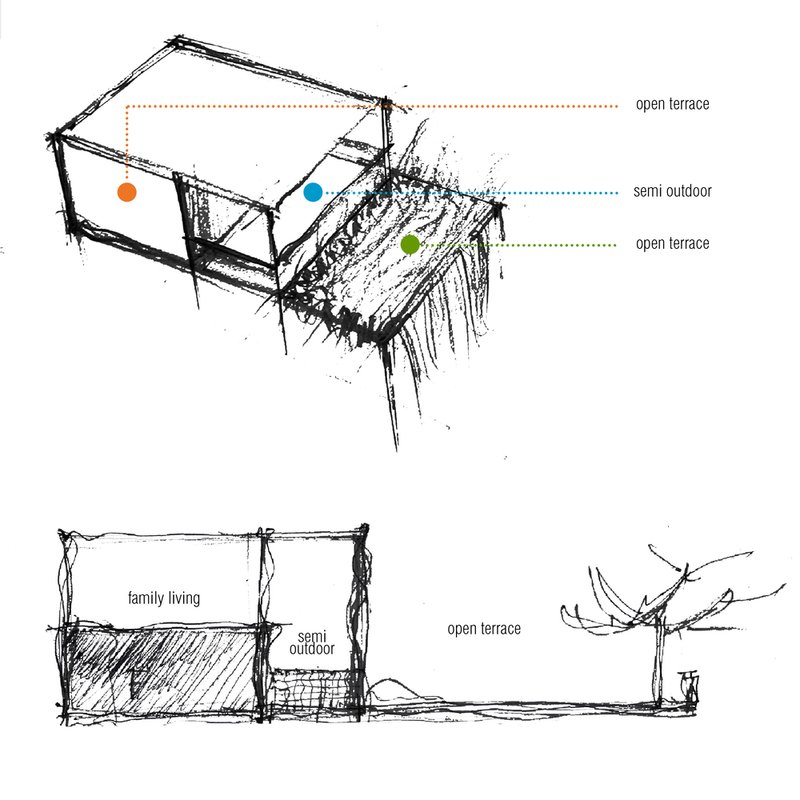
The Ahsan Residence was conceived with a deep understanding of the Bangladeshi tradition of "adda" - informal gatherings that strengthen family ties. Ground One's innovative design incorporates an open terrace space adjacent to the grandmother's bedroom on the first floor, overlooking the pool and gardens. This strategic placement fosters a favorite spot for family interactions, encapsulating the home's role as a hub of love and unity.
Privacy Through Thoughtful Design
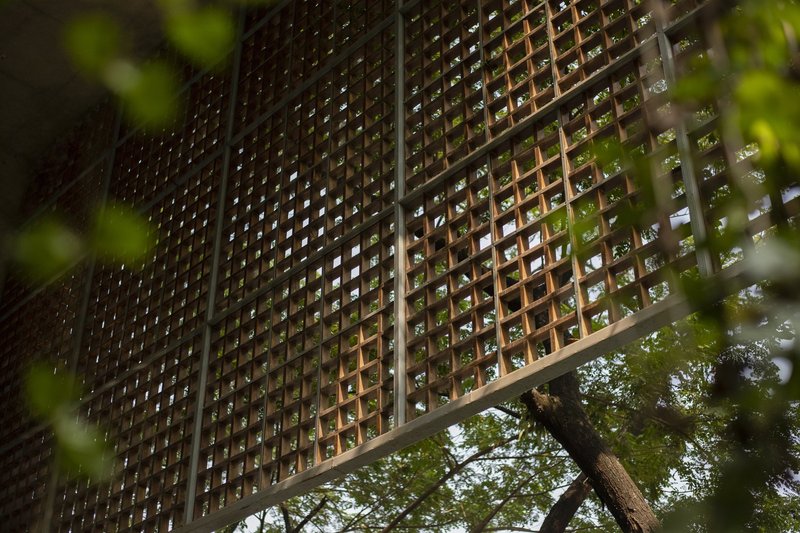
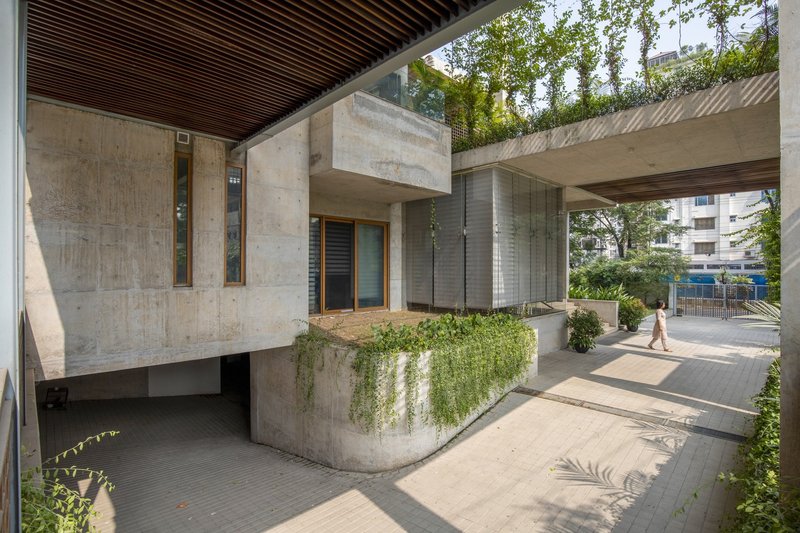
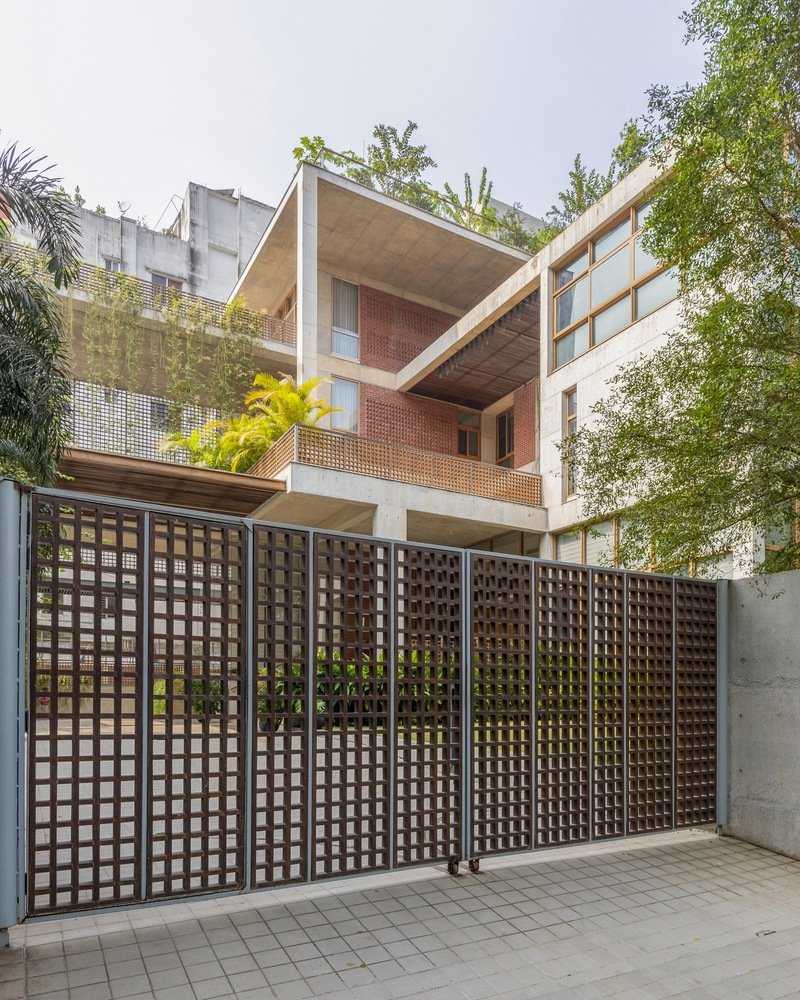
Privacy is a paramount concern for the conservative family residing in Ahsan Residence. Ground One addressed this by creating a unique screening mechanism along the building's perimeter. This feature ensures privacy while allowing a visually stimulating interplay of light and shadow, maintaining a connection to the outside world in a measured manner.
Integrating Nature with Urban Living
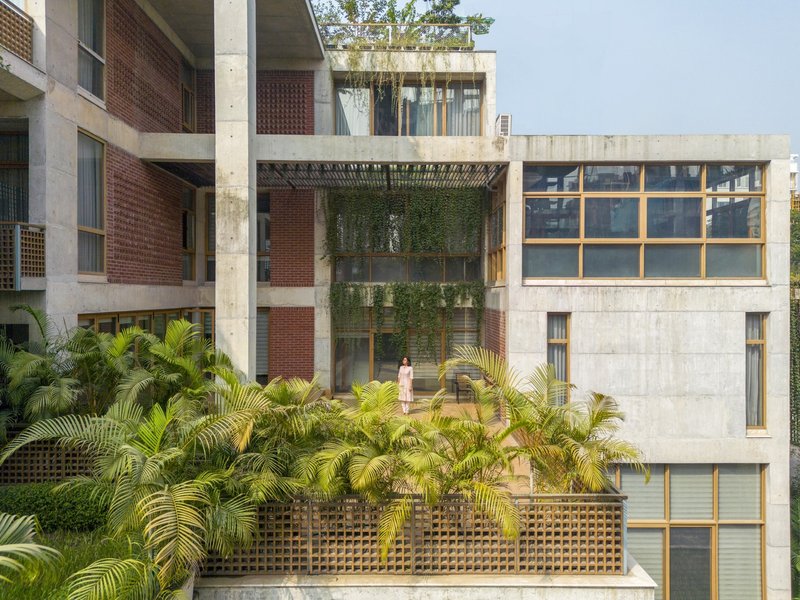
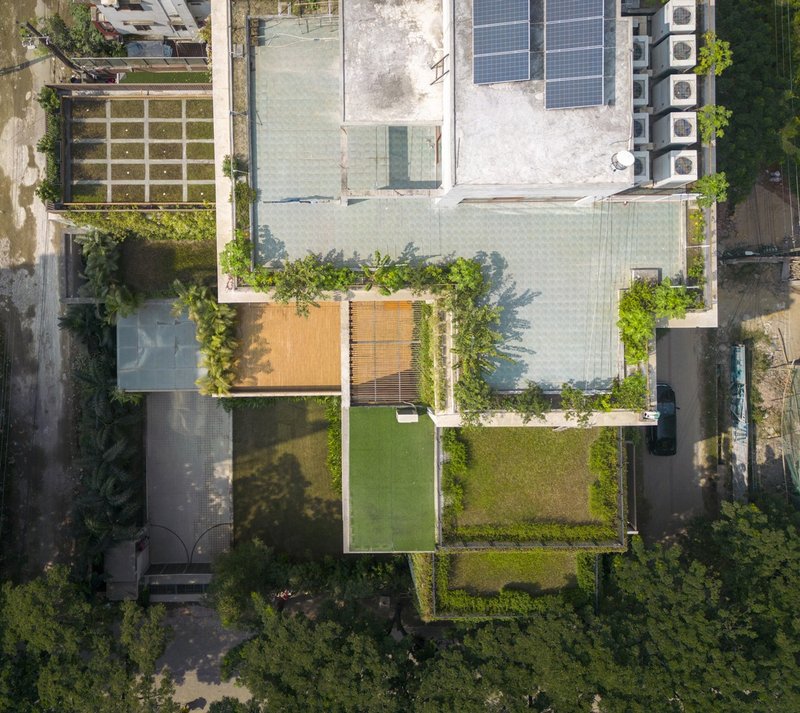
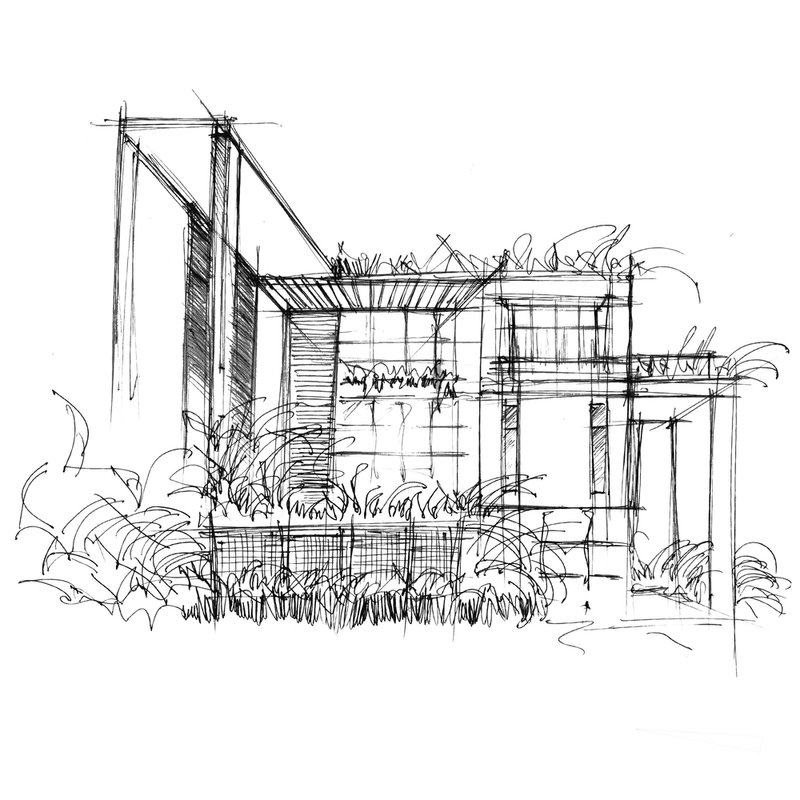
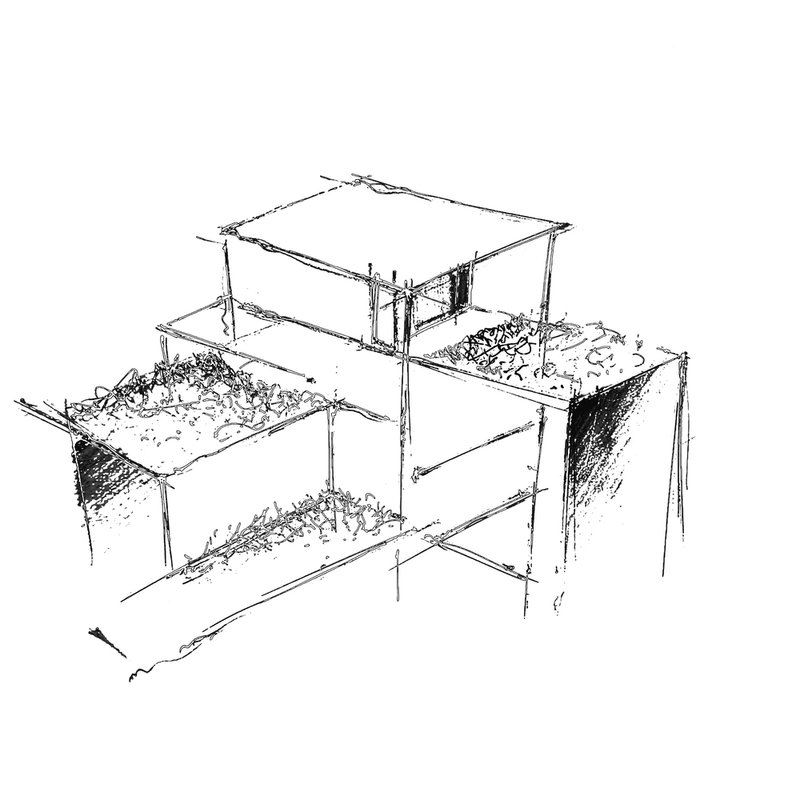
The designers at Ground One took a significant departure from typical urban apartment designs by incorporating wide and long terraces filled with greenery. These terraces are strategically placed over the rooms, offering tranquil views and a serene escape from urban noise. This thoughtful integration of green spaces emphasizes the residence's harmony with nature, highlighting a key aspect of sustainable family home design in Dhaka.
Materiality and Sustainability
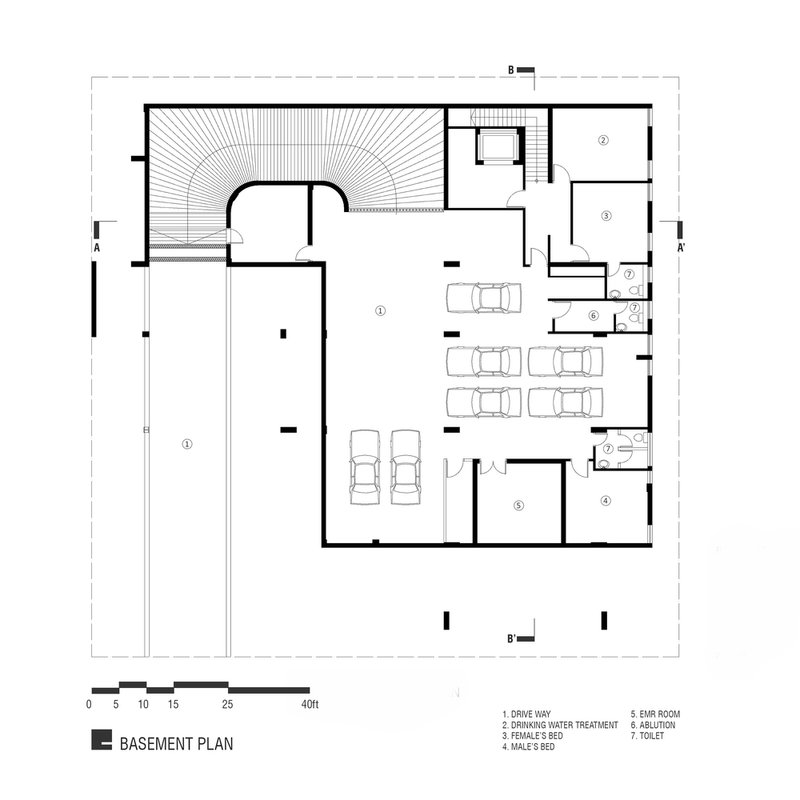
Emphasizing local materials like brick and concrete, Ahsan Residence reflects its natural surroundings. The use of these materials, along with the strategic incorporation of natural light and air, contributes to an atmosphere of positivity and sustainability. The design transcends conventional norms, offering spacious bedrooms with terraces and open terrace functions, fostering simplicity and richness of spirit.
Ahsan Residence by Ground One in Dhaka, Bangladesh, is more than just a building; it's a paradigm of sustainable family home design. It embodies human emotions and sentiments, prioritizing togetherness and belonging. Through its thoughtful design and integration with nature, it sets a benchmark for future projects in Dhaka and beyond, illustrating how architecture can play a crucial role in enhancing our living environments and familial relationships.
All photographs are work of Junaid Hasan Pranto



Popular Articles
Popular articles from the community

An Miên Lumière Cafe by xưởng xép, Ho Chi Minh City, Vietnam
An industrial-inspired café where layered steel and warm light create a dynamic, immersive environment shaped by reflection, depth, and perception.
Treehouse Apartment: A Warm Timber Interior Blending Craft, Play, and Contemporary Living
Warm timber apartment with integrated treehouse, combining natural materials, craftsmanship, and playful design to create a flexible, family-oriented living environment.
Louis Malle Cinema: A Limestone Cultural Landmark Revitalizing Community Life in Prayssac
Limestone cinema extension with public forecourt, blending heritage and modern design to create flexible cultural spaces and strengthen community interaction.
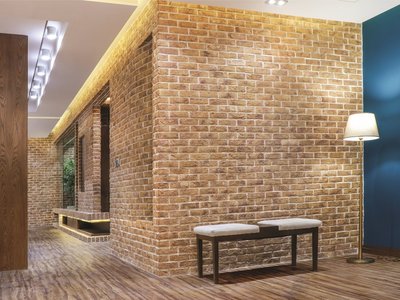
A Contemporary Take on Iranian Residential Architecture
A modern interior design in Mashhad that reinterprets brick, light, and spatial flow to create a warm, contemporary residential architecture.


Similar Reads
You might also enjoy these articles

Top 15 Architecture Competitions to Enter in 2026
From student-friendly idea competitions to prestigious international awards, here are the best architecture competitions open for entries in 2026. Updated regularly.

DIY & Engineering in Computational Design : Enter the BeeGraphy Design Awards
Showcase Your Creativity with Computational Design and Open Source Projects
Innovative Design Solutions: Award-Winning Projects from Recent Architecture Competitions
Exploring award-winning architectural projects shaping the future of design, sustainability, and community.



Explore Architecture Competitions
Discover active competitions in this discipline




The International Standard for Design Portfolios


The Global Benchmark for Architecture Dissertation Awards


The Global Benchmark for Graduation Excellence


Challenge to design mud housing for contemporary communities
Comments (0)
Please login or sign up to add comments
No comments yet. Be the first to comment!