
Sustainable Office Building Design: A Case Study of the Wonder Building by Coldefy
Explore how the Wonder Building by Coldefy exemplifies sustainable office building design, blending eco-consciousness, functionality, and innovative architecture.

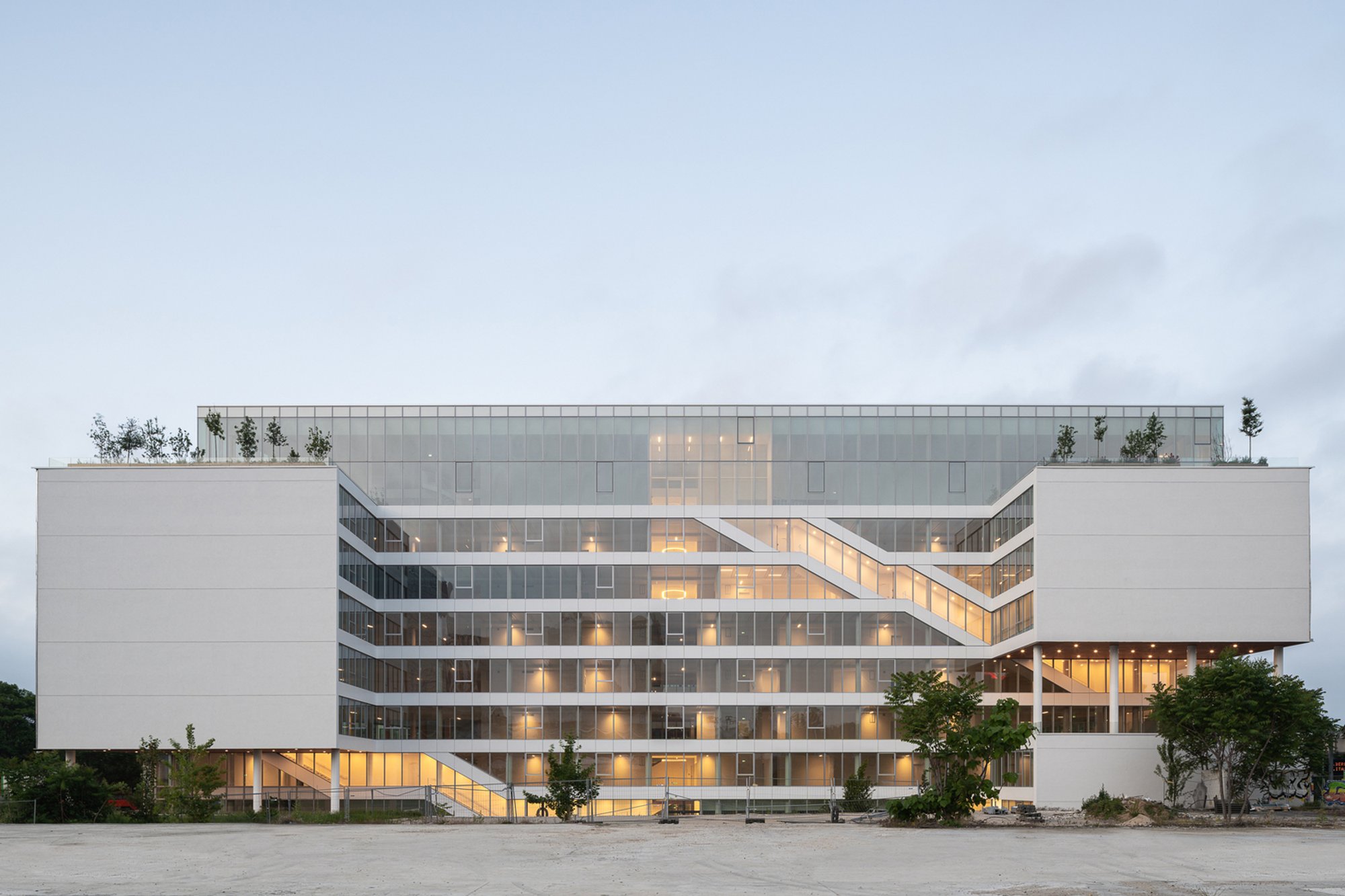
The architectural landscape is evolving to meet the demands of a greener and more adaptable world. At the forefront of this transformation is the Wonder Building in Bagnolet, France, designed by Coldefy. Completed in 2023, this 27,000 m² office complex exemplifies cutting-edge sustainable office building design, merging eco-consciousness with innovative functionality.
What Makes the Wonder Building Unique?
The Wonder Building is a pioneering structure that reimagines the traditional office environment. Designed as a hub for productivity, collaboration, and well-being, it achieves this while prioritizing environmental sustainability and community integration.
1. Innovative Architectural Design
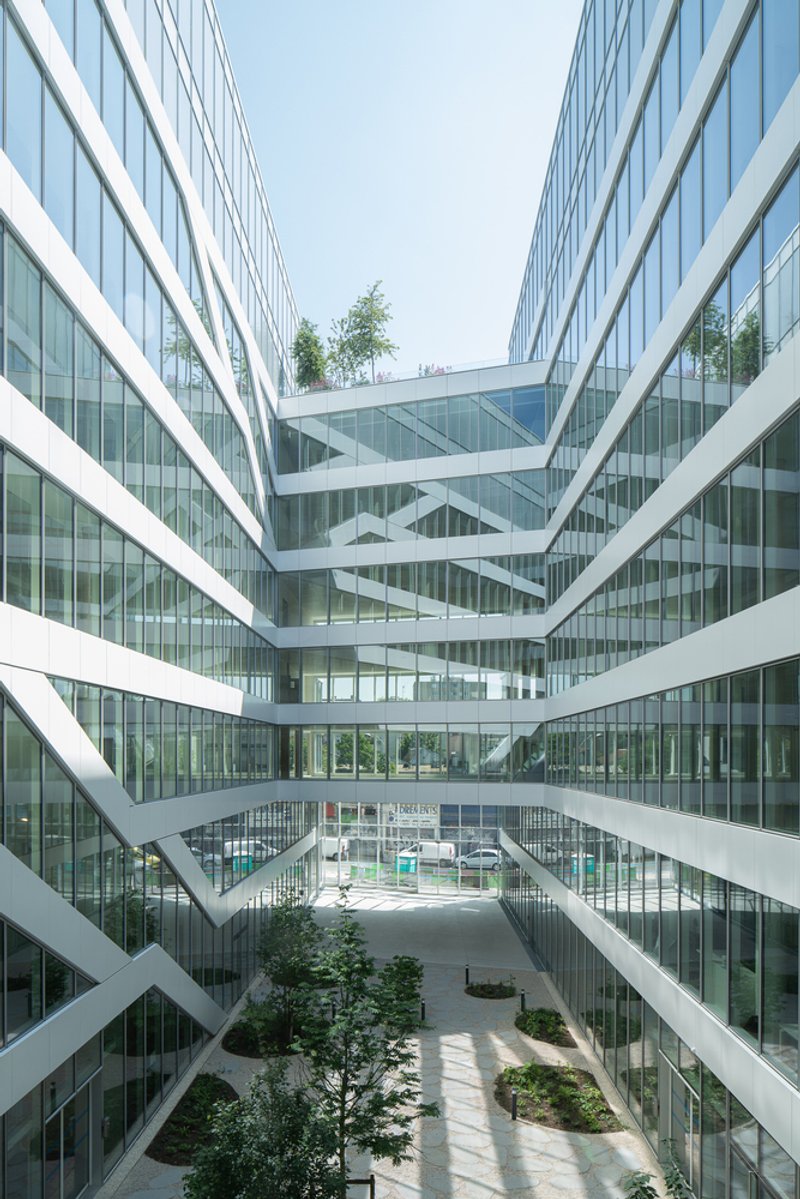
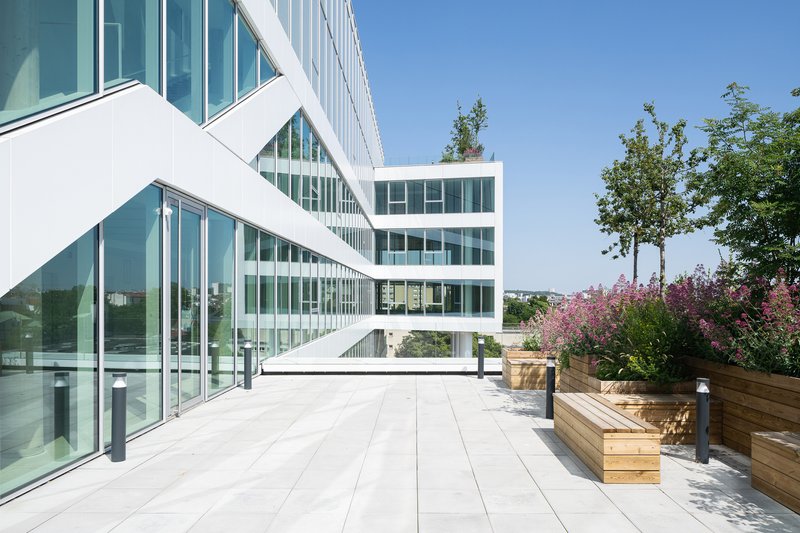
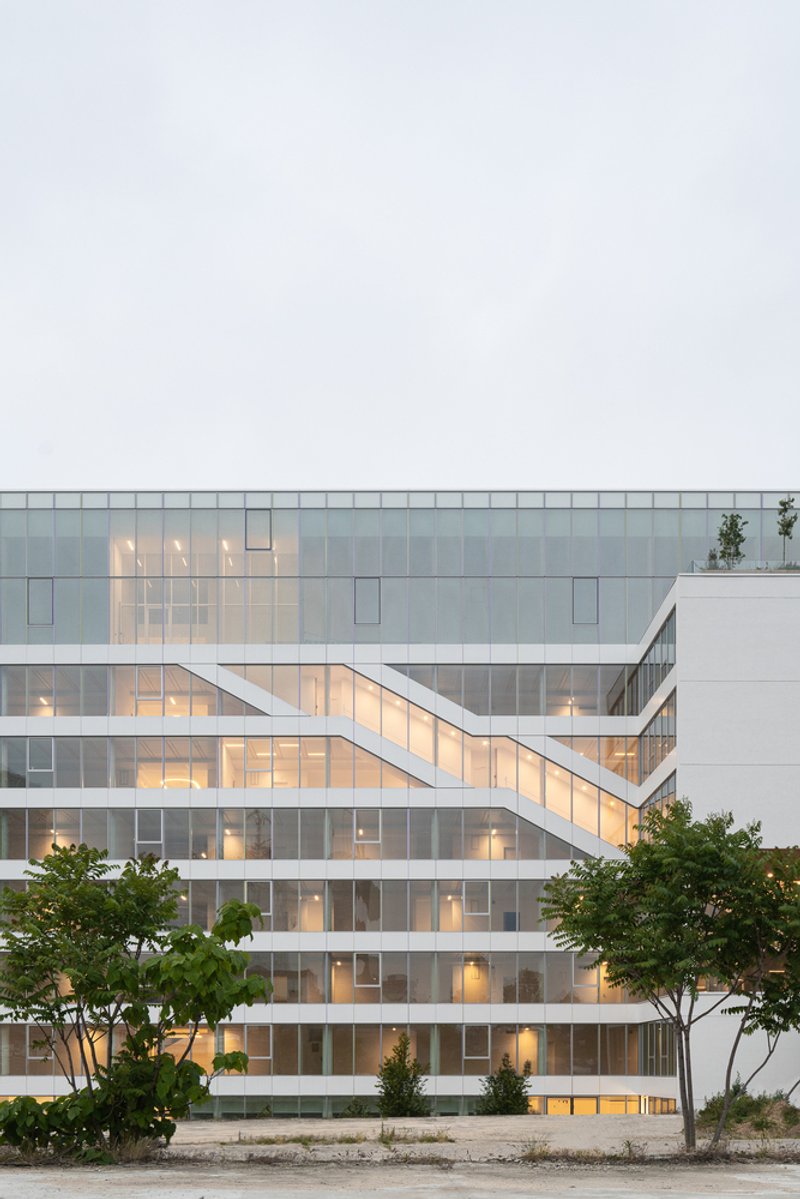
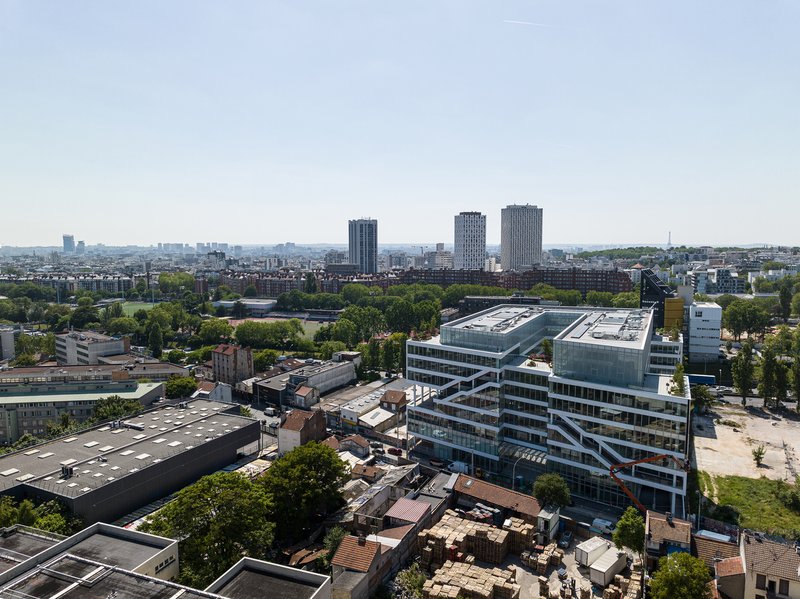
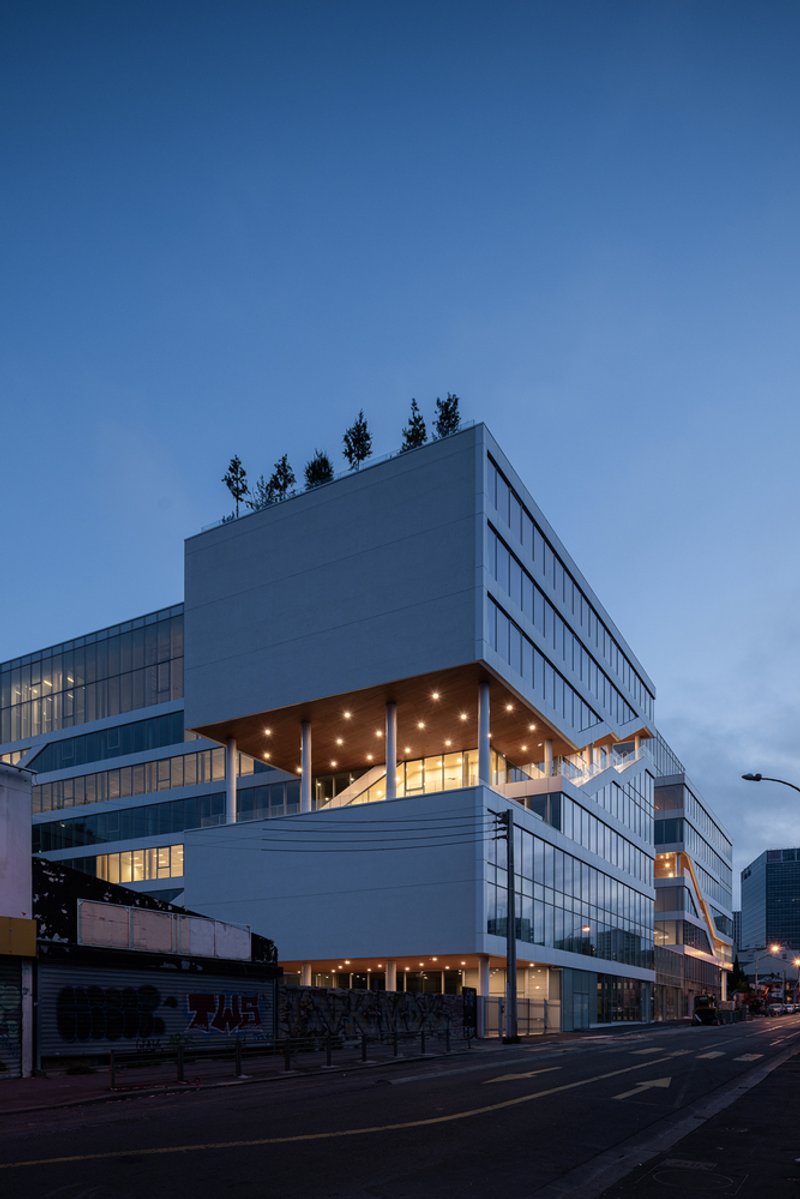
The Wonder Building’s U-shaped structure is a bold response to urban challenges. Acting as a bridge between two territories, it creates a dynamic link while embodying the rejuvenation of its district. Key architectural features include:
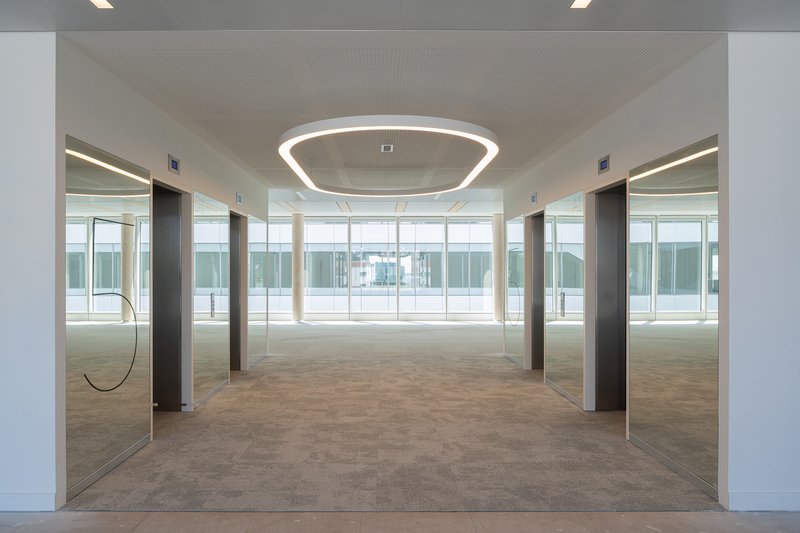
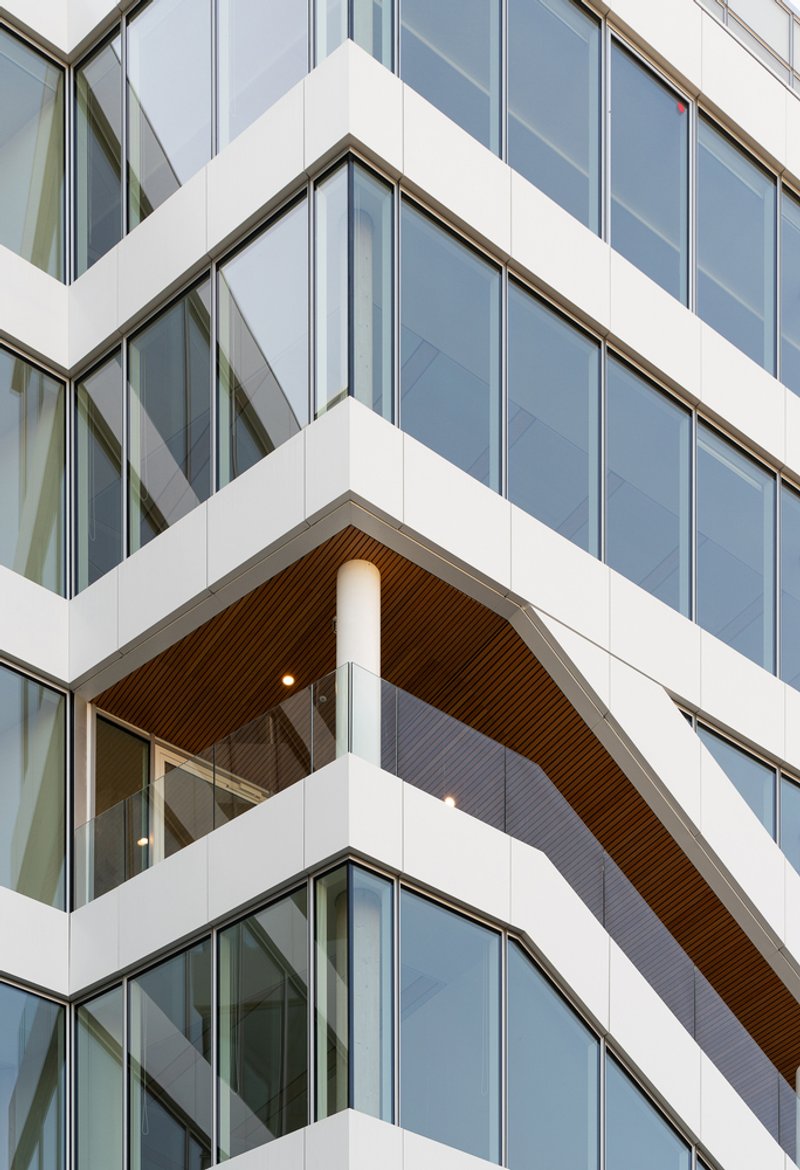
- Striking Facades: Extensive glazed surfaces provide ample natural light while minimizing sound disruptions from nearby boulevards.
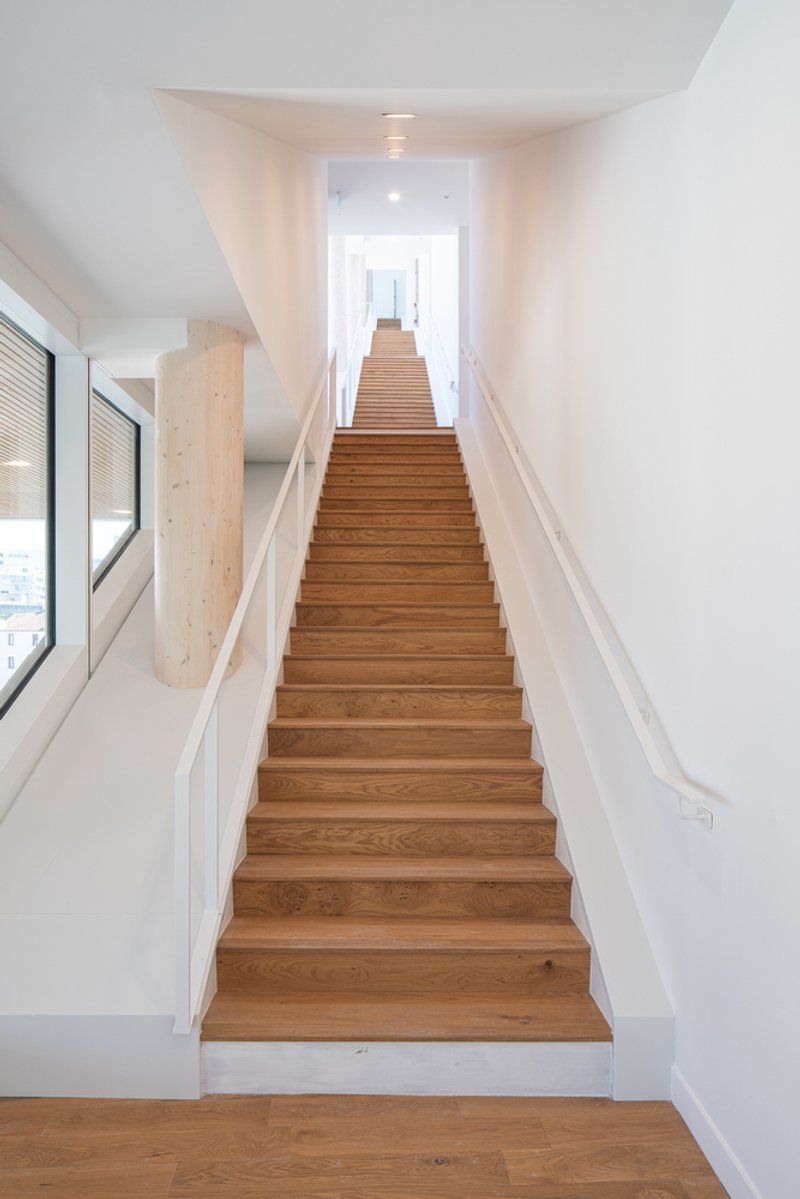
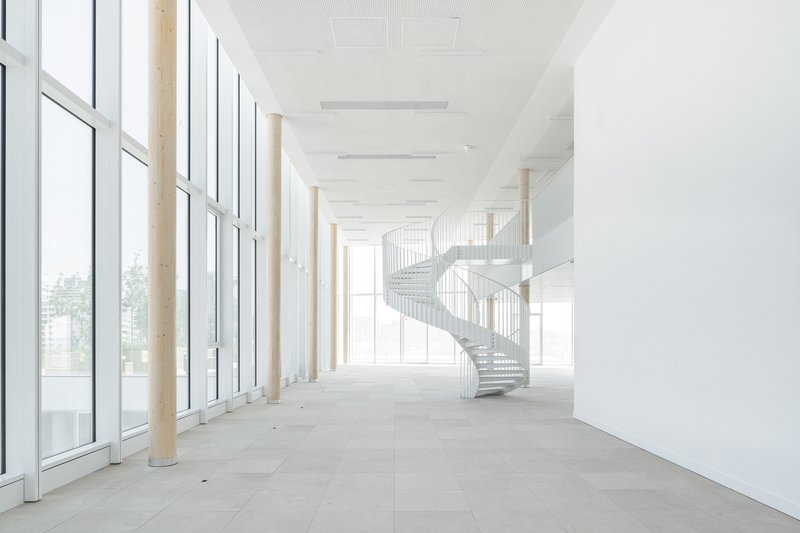
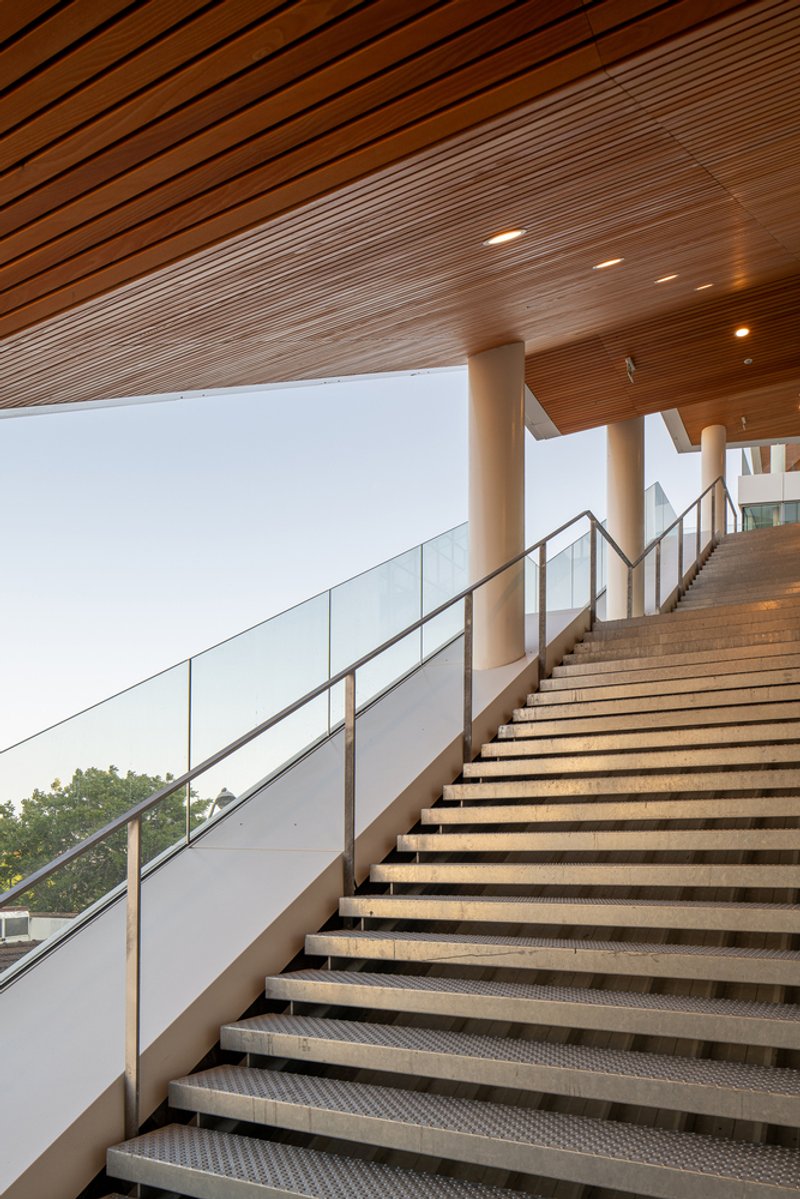
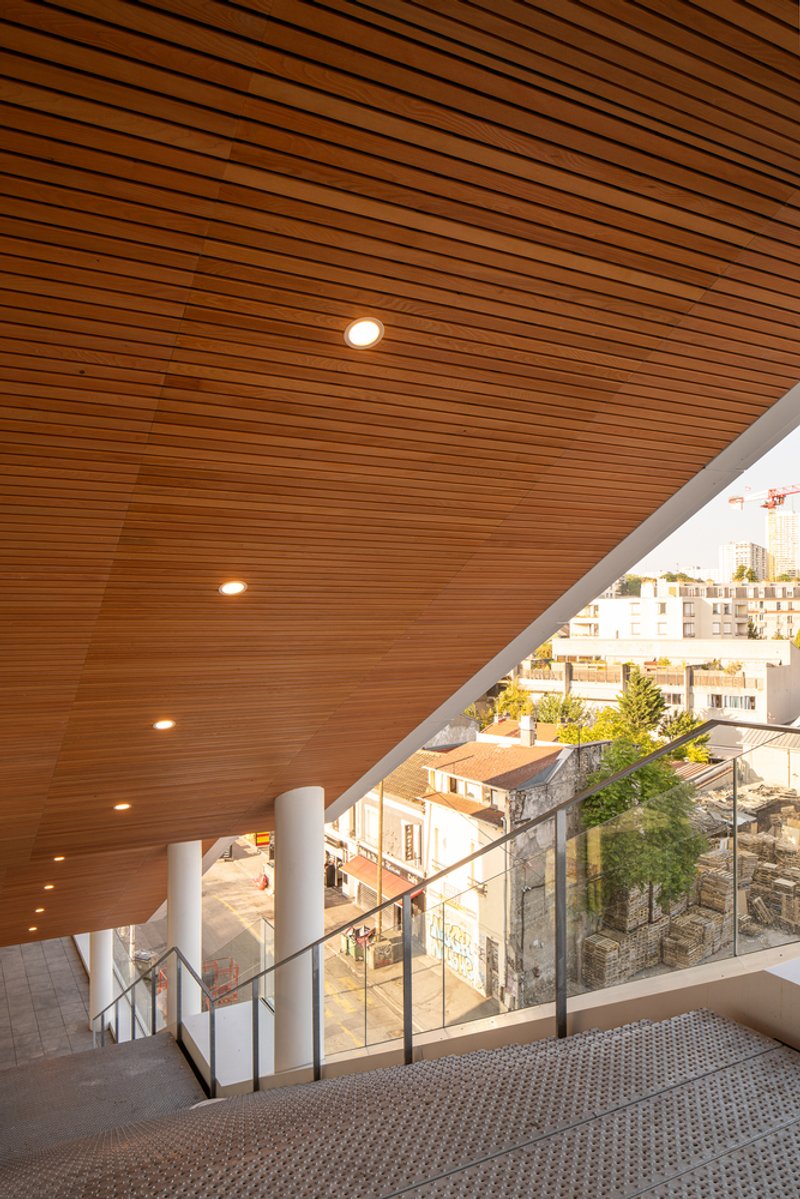
- Peripheral Staircases: Exterior staircases free up interior space and offer stunning views of Paris.
- Dynamic Form: Creative cut-outs, diagonal lines, and a blend of natural and urban aesthetics redefine the conventions of office building design.
2. Human-Centric Interiors
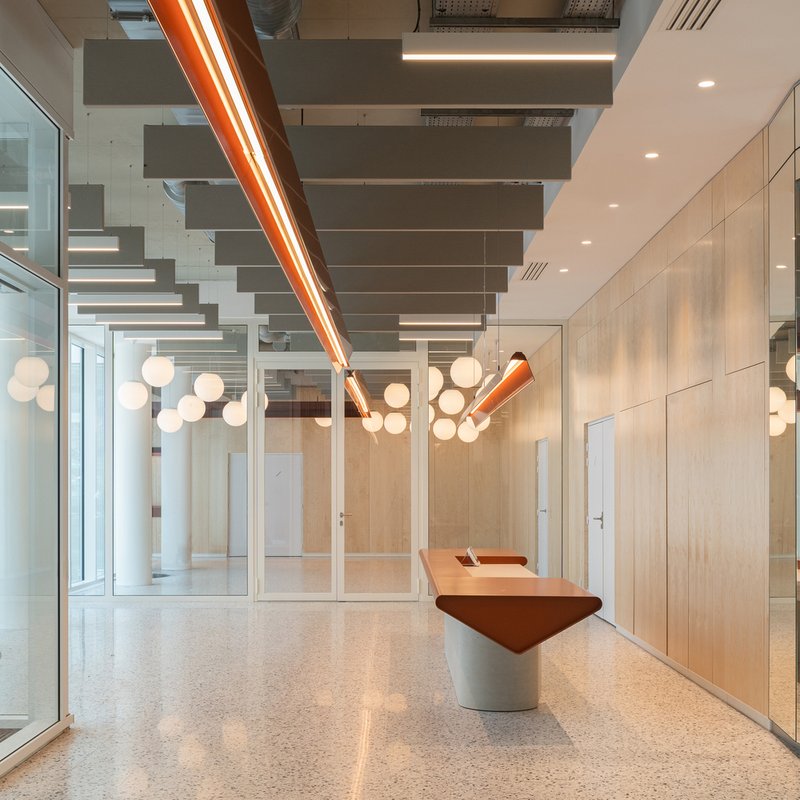
Designed by the Briand & Berthereau studio, the interiors of the Wonder Building foster collaboration and adaptability:
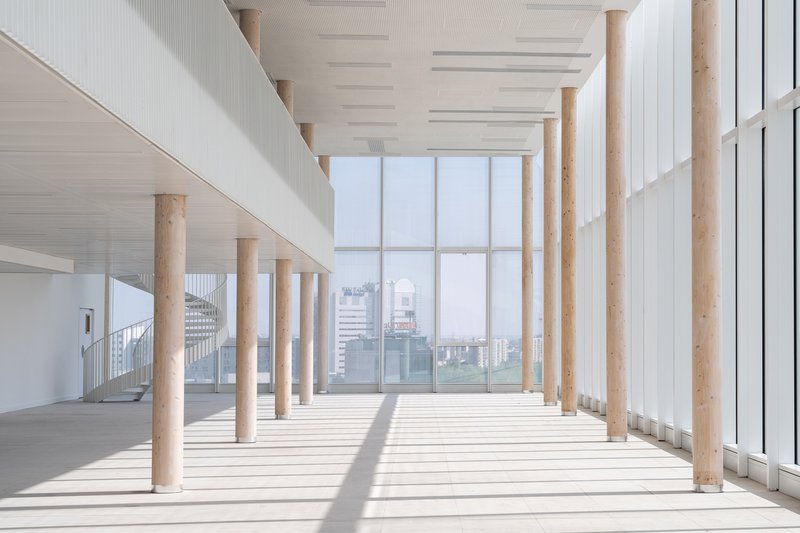
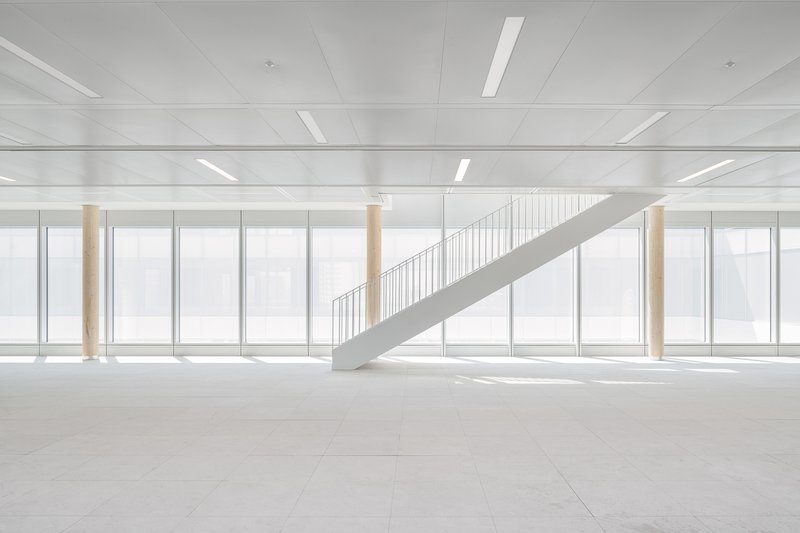
- Open and Flexible Spaces: From creative zones to quiet areas, the interiors cater to diverse work styles.
- Natural Light: Maximized through expansive windows and thoughtful layouts, enhancing productivity and well-being.
- High-Quality Materials: Timber structures and noble materials ensure a warm, inviting atmosphere.
Sustainability in Office Building Design
3. Environmentally Conscious Construction
The Wonder Building incorporates eco-friendly materials and construction methods to reduce its environmental impact:
- Timber Construction: Using Sylva™ CLT Floors and Roofs by Stora Enso, the building’s timber framework conserves natural resources and reduces CO₂ emissions by 2,500 tons compared to traditional concrete buildings.
- Efficient Prefabrication: Prefabricated facades and components expedited construction, with 3,300 m² of flooring assembled in just 14 days.
4. Renewable Energy and Green Spaces
- Energy Efficiency: Connected to the city’s heating network, over 50% of the building’s energy comes from renewable sources, including photovoltaic panels on the roof.
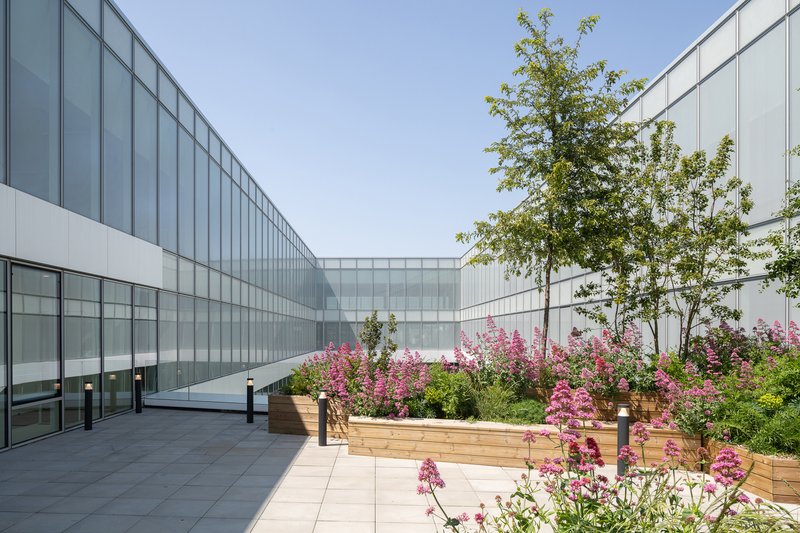
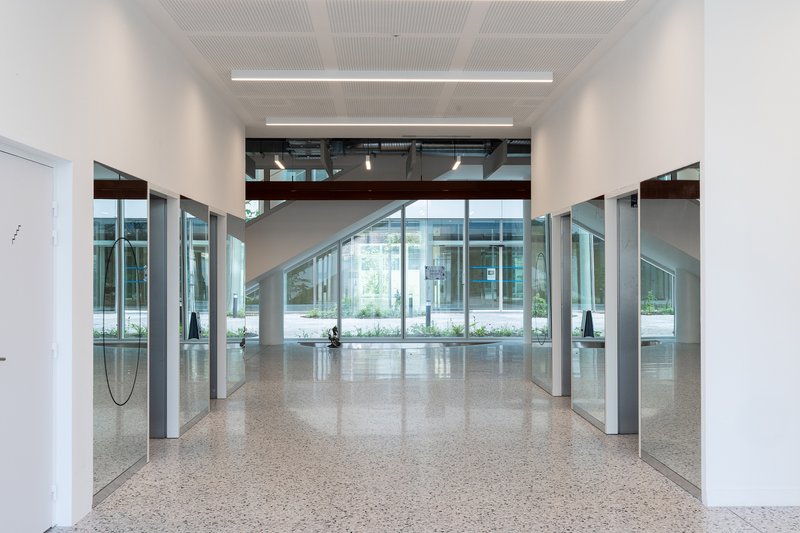
- Green Spaces: A central tree-lined patio and 1,340 m² of terraces provide natural cooling, contributing to urban biodiversity and enhancing the quality of life for occupants.
Certifications and Performance
The Wonder Building achieves exemplary performance in environmental and wellness standards:
- BREEAM Certification: Recognizes its high sustainability benchmarks.
- WELL Gold Certification: Ensures optimal workplace health and comfort.
- BBCA and Effinergie+ Compliance: Reflects reduced carbon emissions and energy consumption.
Benefits of Sustainable Office Building Design
The Wonder Building demonstrates the myriad advantages of sustainable office building design:
- Reduced Operational Costs: Efficient energy use lowers utility expenses.
- Improved Employee Well-Being: Natural light, green spaces, and high-quality interiors boost morale and productivity.
- Future-Proof Design: Sustainable practices align with evolving regulatory and societal demands.
The Wonder Building as a Model for the Future
The Wonder Building by Coldefy is more than just an architectural achievement—it is a model for the future of office design. By prioritizing sustainability, functionality, and human-centric spaces, it sets a new benchmark for creating workplaces that are both innovative and environmentally responsible.
As businesses and cities strive for greener futures, projects like the Wonder Building highlight the potential of sustainable office building design. By merging cutting-edge architecture with eco-conscious principles, the Wonder Building demonstrates that office spaces can be productive, beautiful, and kind to the planet.
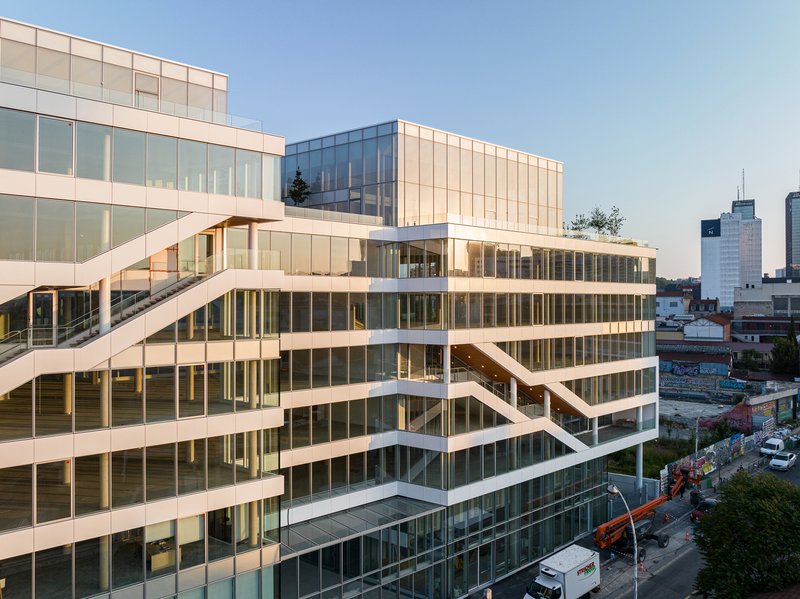
All Photographs are work of ©Stéphane Aboudaram I WE ARE CONTENTS




Popular Articles
Popular articles from the community

Treehouse Apartment: A Warm Timber Interior Blending Craft, Play, and Contemporary Living
Warm timber apartment with integrated treehouse, combining natural materials, craftsmanship, and playful design to create a flexible, family-oriented living environment.
On the Brooks House by Monsoon Collective – A Contemporary Kerala Home Rooted in Tradition
Kerala home blending tradition and modernity with water-inspired design, brick architecture, courtyard planning, and sustainable rainwater harvesting strategies.
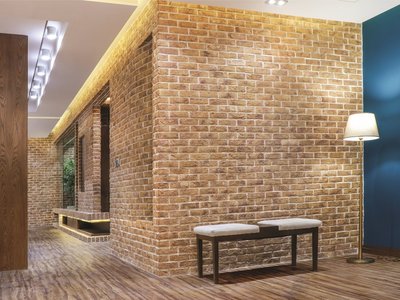
A Contemporary Take on Iranian Residential Architecture
A modern interior design in Mashhad that reinterprets brick, light, and spatial flow to create a warm, contemporary residential architecture.
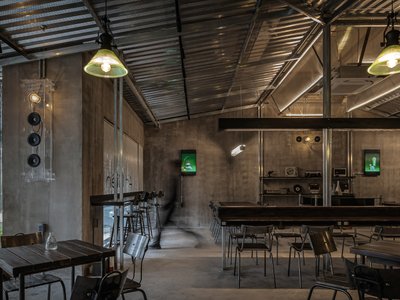
An Miên Lumière Cafe by xưởng xép, Ho Chi Minh City, Vietnam
An industrial-inspired café where layered steel and warm light create a dynamic, immersive environment shaped by reflection, depth, and perception.


Similar Reads
You might also enjoy these articles


The Ken Roberts Memorial Delineation Competition (Krob)
As the most senior architectural drawing competition currently in operation anywhere in the world, it draws hundreds of entries each year, awarding the very best submissions in a series of medium-based categories.

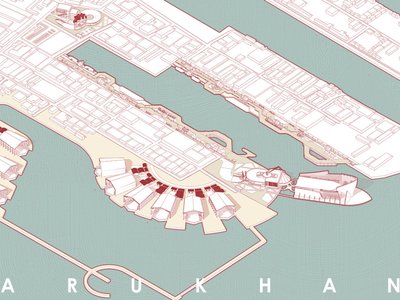
Waterfront Redevelopment and Urban Revitalization in Mumbai: Forging a New Dawn for Darukhana
A transformative waterfront redevelopment project reimagining Darukhana’s shipbreaking heritage into an inclusive urban future.
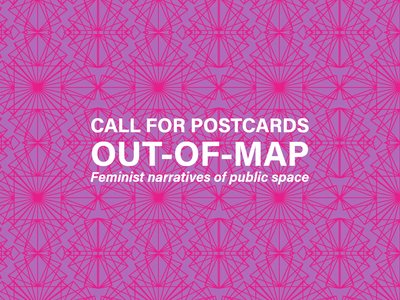
OUT-OF-MAP: A Call for Postcards on Feminist Narratives of Public Space
Rhizoma Design and Research Lab invites artists, designers, architects, researchers, and students to reflect on how feminist perspectives can reshape public space. Selected works will be exhibited in Barcelona, October 2026. Submissions open until 15 April 2026.


Documentation Work on Buddhist Wooden Temple
Architectural syncretism and cultural hybridity: A comparative study of the Buddhist temples in Chattogram Hill tracks

Explore Office Building Competitions
Discover active competitions in this discipline




The International Standard for Design Portfolios


The Global Benchmark for Architecture Dissertation Awards


The Global Benchmark for Graduation Excellence


Challenge to reimagine the Iron Throne
Comments (0)
Please login or sign up to add comments
No comments yet. Be the first to comment!