
Sustainable Pavilion Architecture: Osaka Expo 2025 Healthcare Pavilion “Nest for Reborn” by Tohata Architects & Engineers
The Osaka Expo 2025 Healthcare Pavilion showcases sustainable pavilion architecture, merging cultural heritage, ecological innovation, and advanced design for a decarbonized future.

Landmark of Sustainability and Innovation
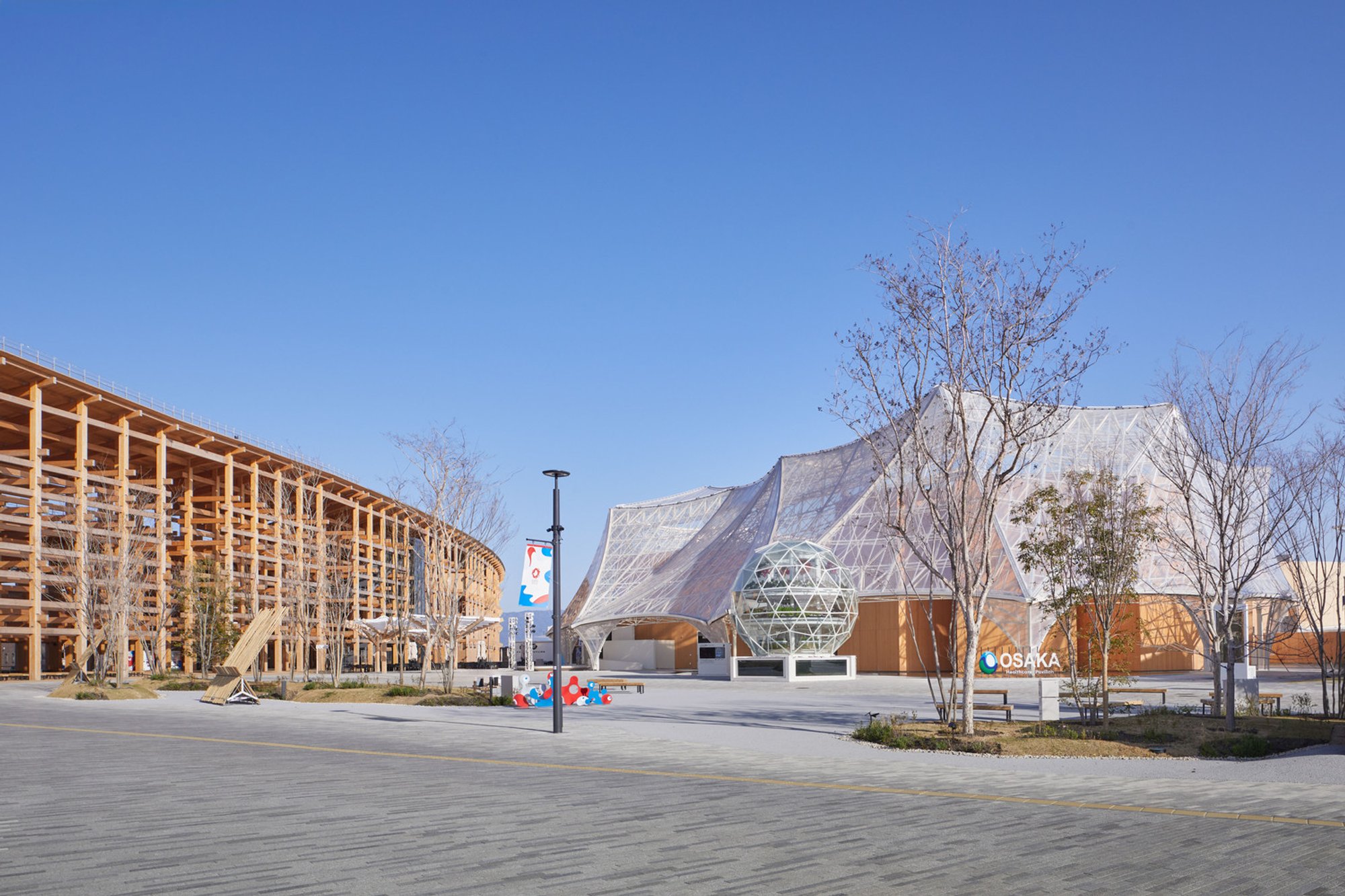
At the heart of Expo 2025 Osaka, Kansai, Japan, the Healthcare Pavilion “Nest for Reborn” stands as a testament to sustainable pavilion architecture. Designed by Tohata Architects & Engineers for Osaka Prefecture and Osaka City, this 9,725 m² structure embodies the Expo’s core theme of “REBORN,” integrating cultural heritage, environmental responsibility, and futuristic design.
Concept Rooted in Culture and Ecology
The design draws inspiration from the “Water City Osaka,” a place historically intertwined with wood and water. These elements are reinterpreted in a contemporary context, resulting in a pavilion that blends the charm of Osaka’s history with its aspirations for a decarbonized future. The architecture acts as a global showcase, demonstrating how tradition and innovation can coexist within an environmentally symbiotic framework.
Iconic Membrane Roof and the “Water Veil”
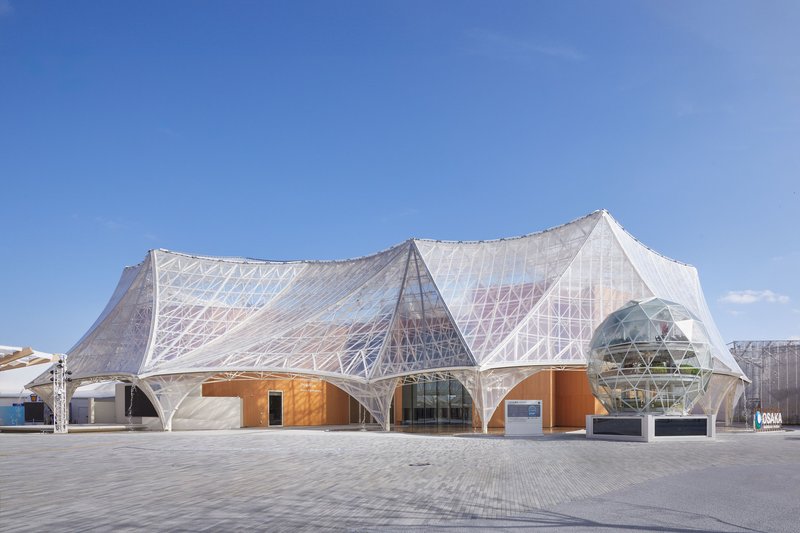
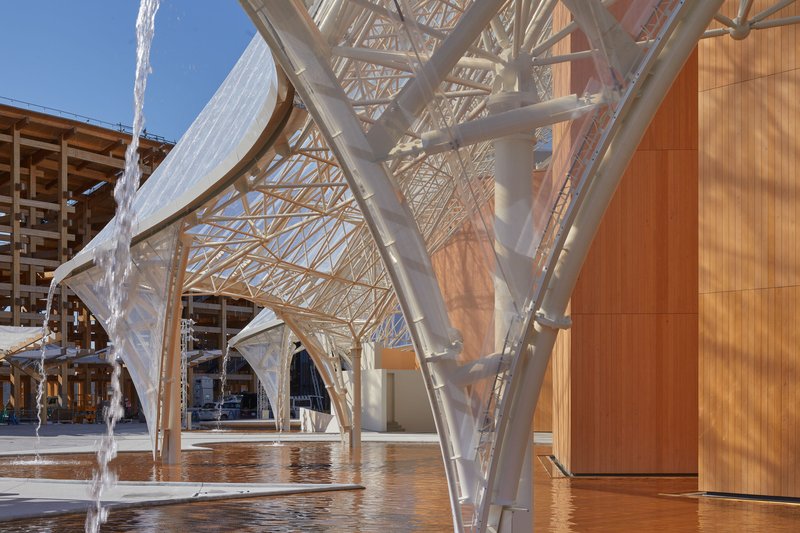
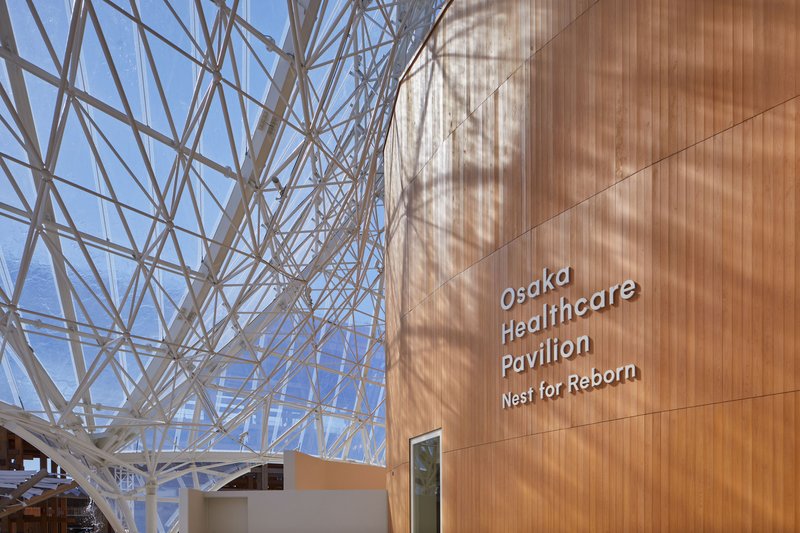
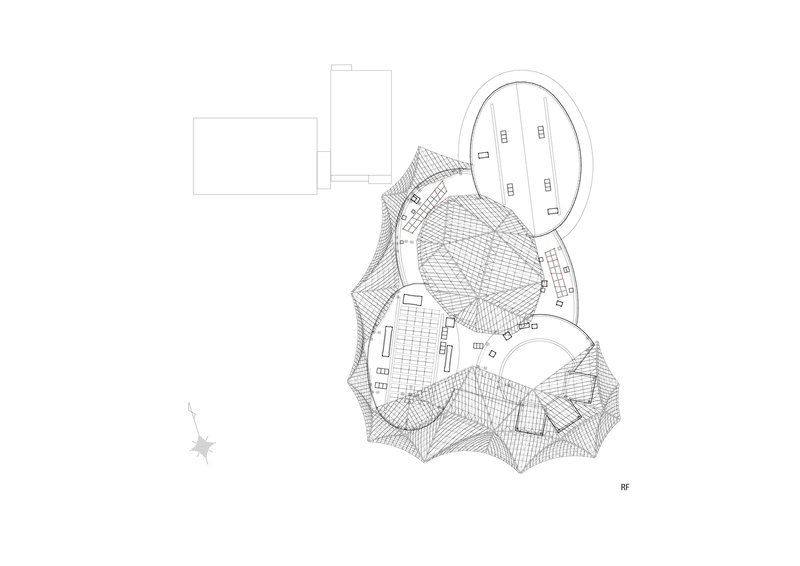
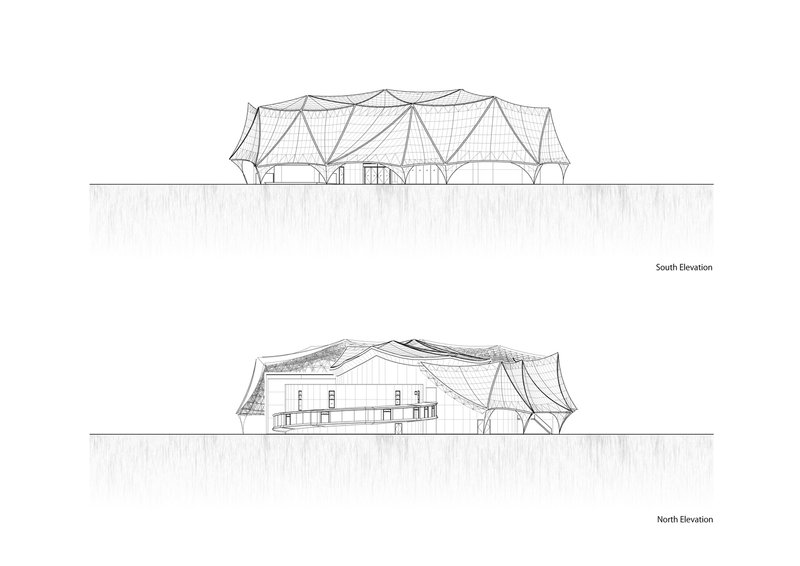
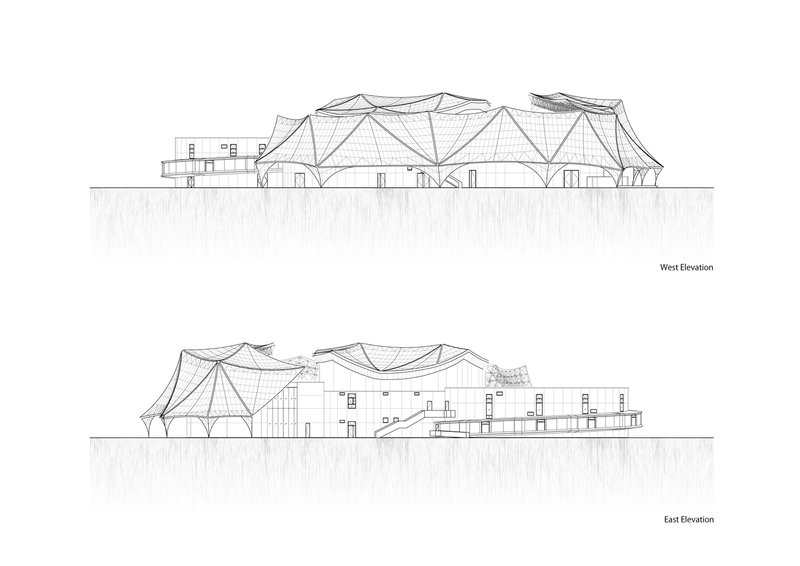
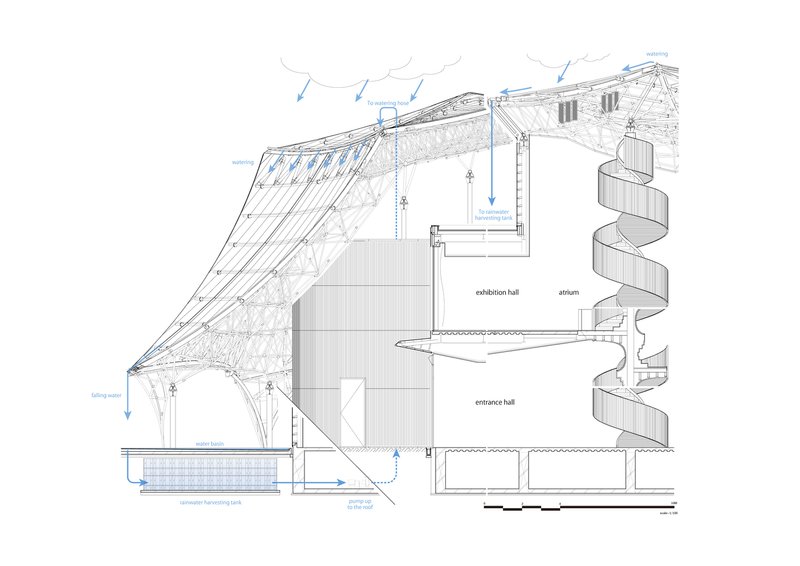
One of the pavilion’s most distinctive features is its undulating membrane roof, where no two shapes are the same. This roof celebrates Osaka’s diversity, while its integrated “Water Veil” system recycles water, cascading it into a basin where it is filtered and recirculated. The design not only creates a visually captivating experience but also embodies sustainable water management practices that align with the UN’s Sustainable Development Goals.
Warm, Timber-Infused Interiors
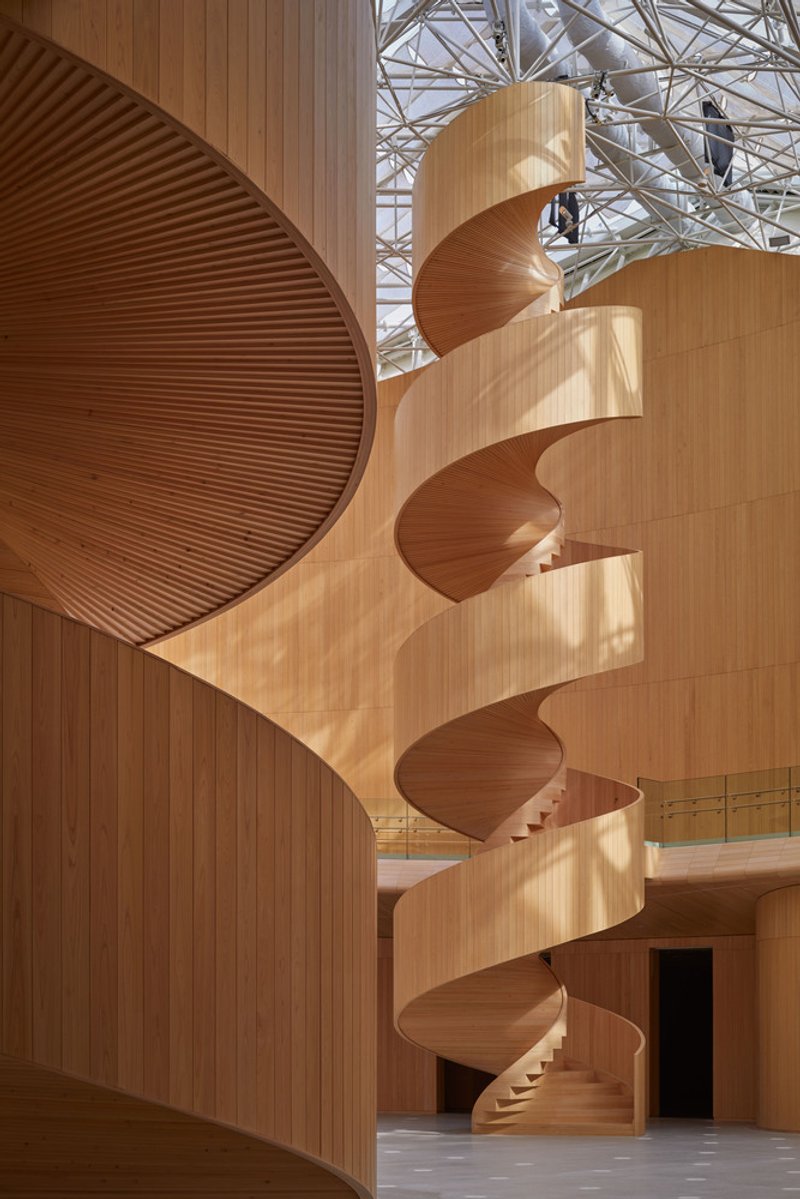
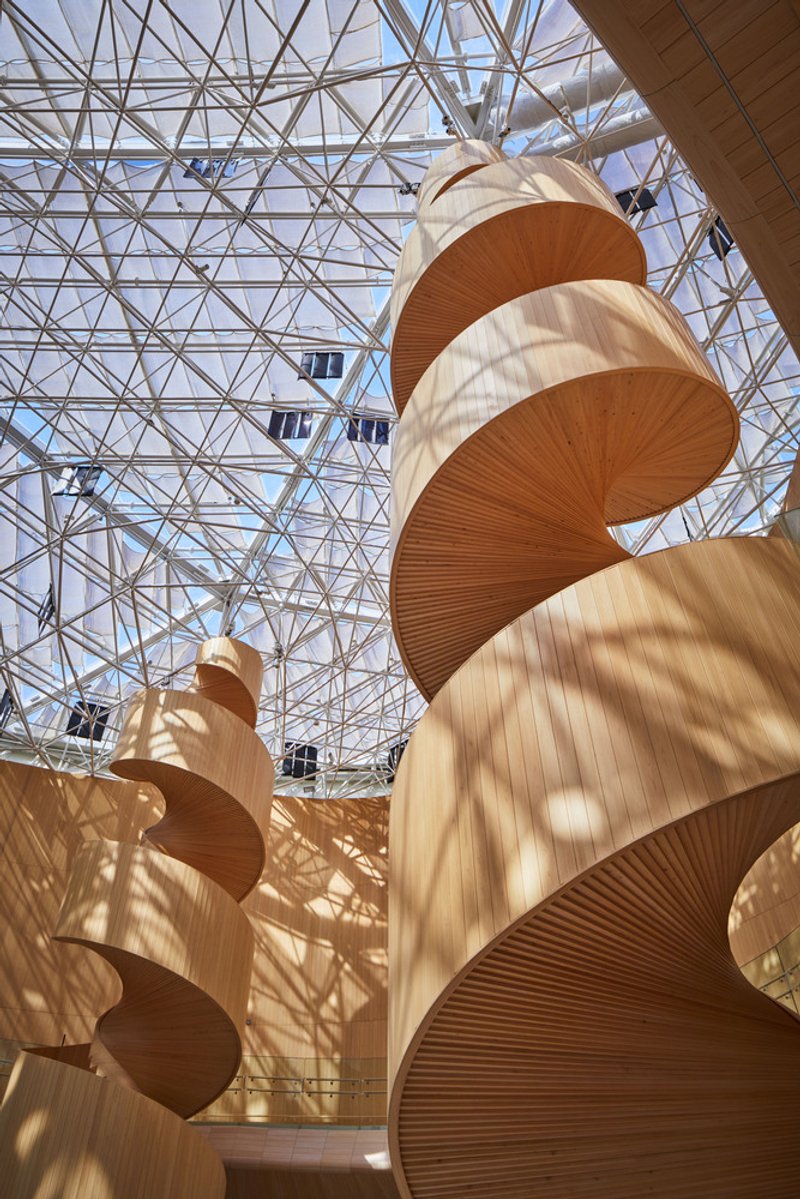
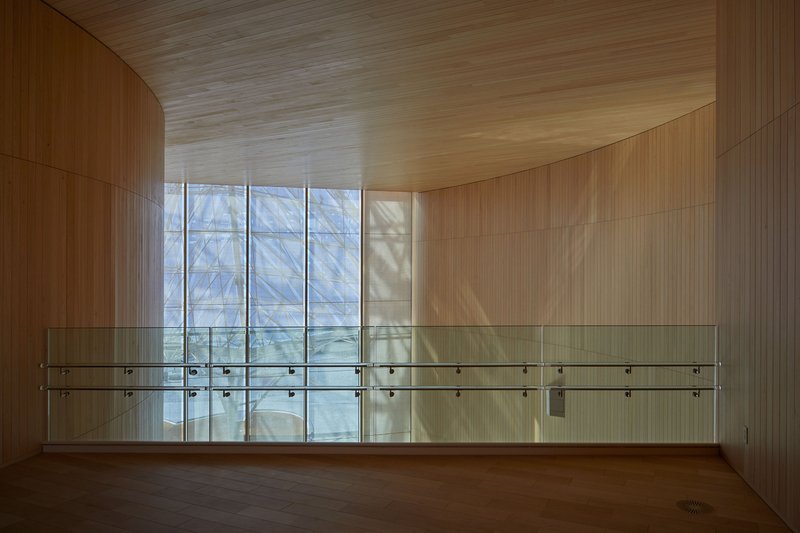
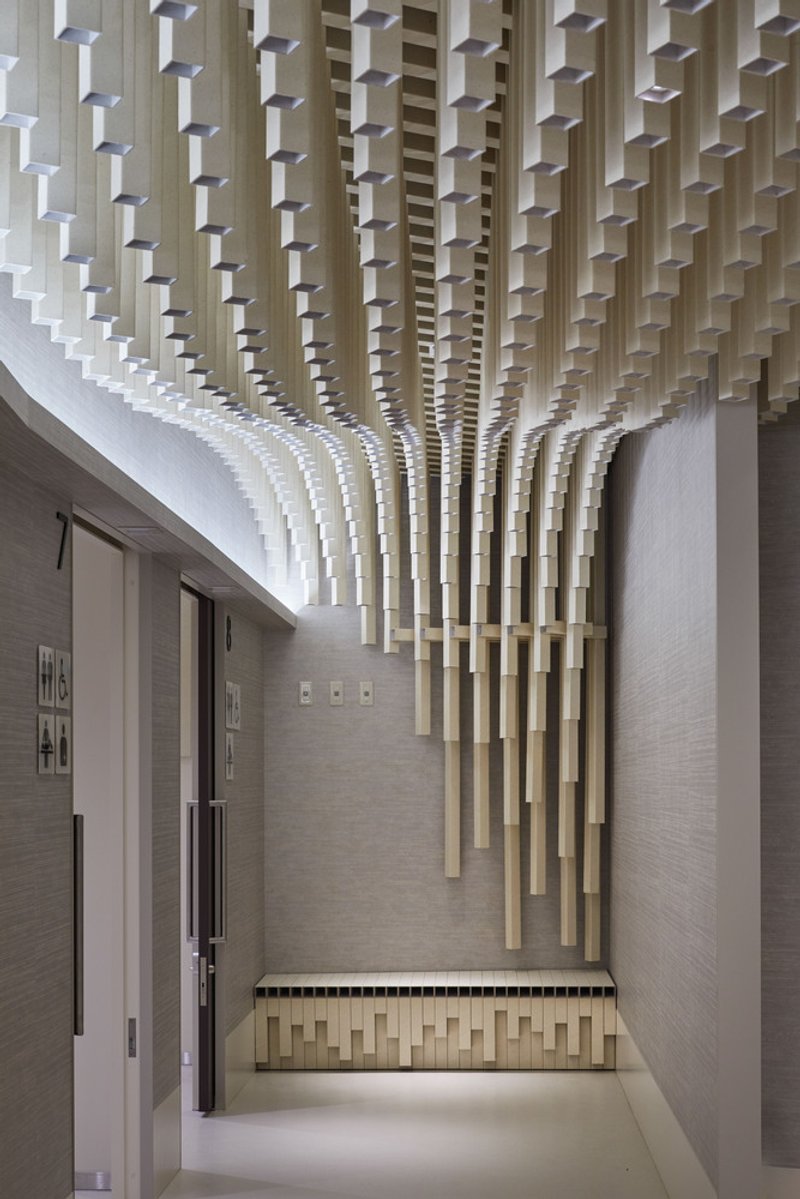
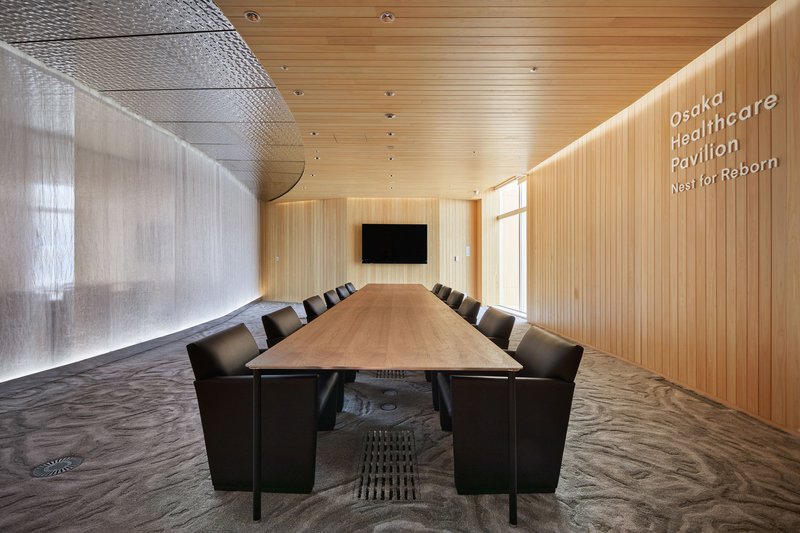
Locally sourced cypress wood from Osaka Prefecture lines both the interior and exterior, filling spaces with warmth, fragrance, and tactile comfort. The central atrium, flooded with dappled natural light, invites visitors into an atmosphere of relaxation. A double-helix wooden column—symbolizing DNA—serves as a visual and structural centerpiece, reinforcing the pavilion’s thematic link to life and renewal.
Inclusive and Fluid Spatial Planning
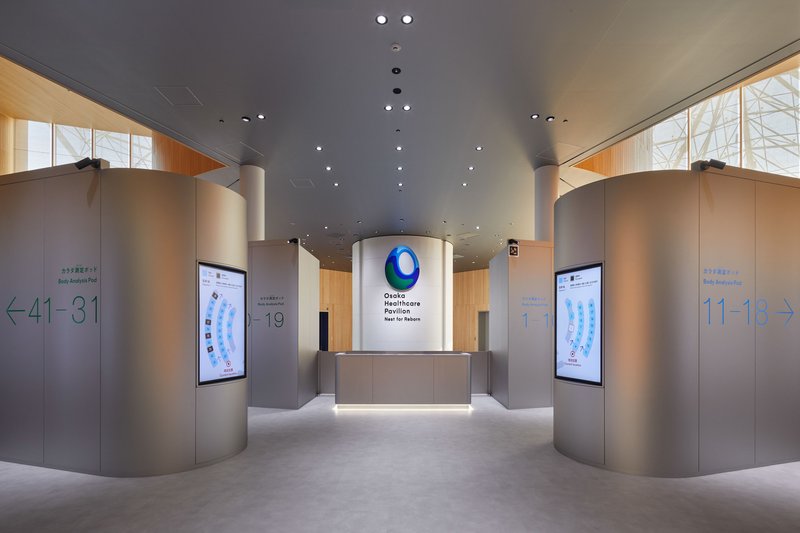
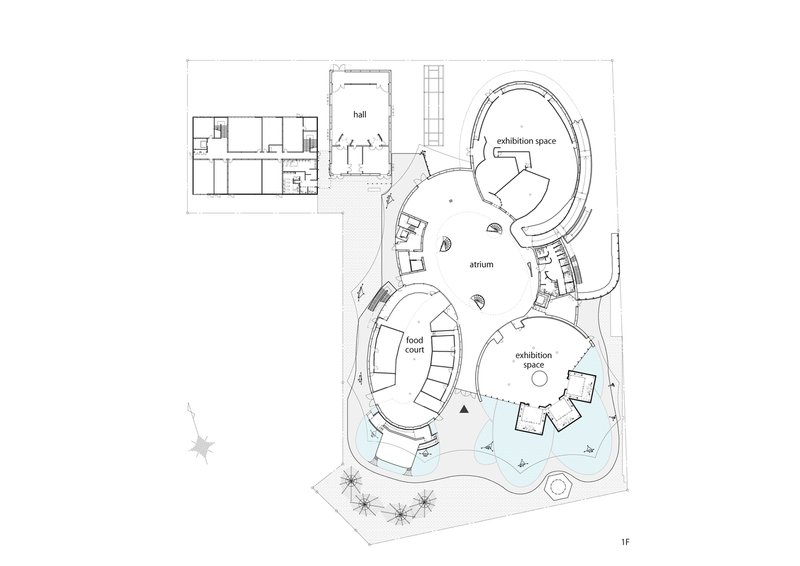
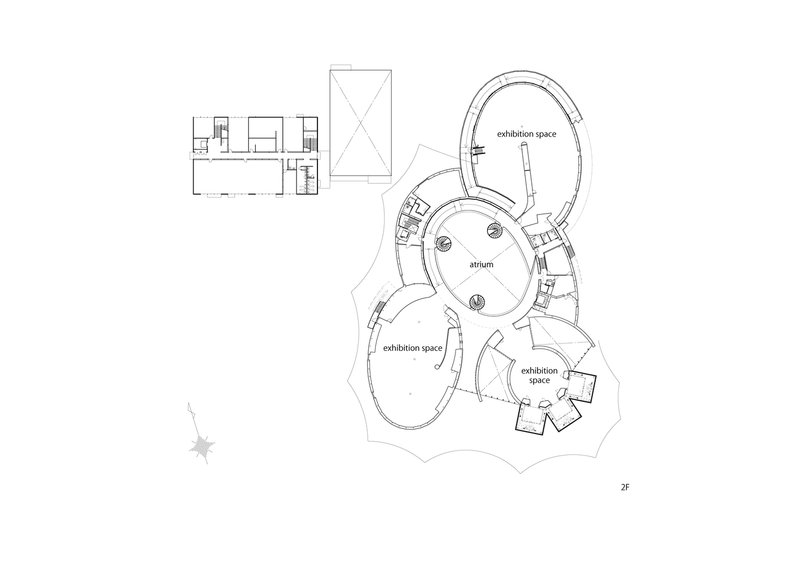
The pavilion’s plan is defined by overlapping elliptical forms that create a seamless flow between spaces. Gently sloped walkways ensure that all visitors follow the same exhibition route, promoting inclusivity and accessibility. This organic circulation reflects the pavilion’s mission to connect people in a shared journey of exploration and understanding.

Innovative Use of Materials and Technology
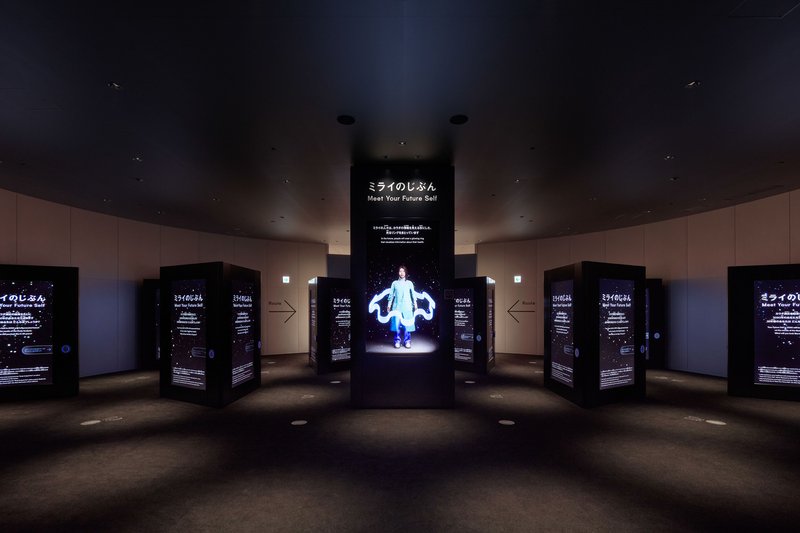
The project pioneers the use of recycled pulp textiles to diffuse natural light, offering a soft, glowing illumination. Next-generation perovskite solar cells are suspended like banners, demonstrating a flexible and aesthetic approach to renewable energy. Computational design methods allowed the architects to generate complex curved surfaces from spherical segments, making construction both precise and efficient.
Crafting Complex Forms in Wood
The double-helix columns supporting the roof posed a unique challenge, solved by using flat wooden components to reduce costs while maintaining visual impact. This approach merged structural ingenuity with traditional craftsmanship, resulting in a design that is both technically impressive and deeply human in its warmth.
A Symbol of Osaka’s Future
The Osaka Healthcare Pavilion is more than an exhibition space—it is a cultural and environmental statement. It embodies Osaka’s history as a city built on water and wood, while presenting a vision of a future where architecture actively contributes to a sustainable, interconnected world.
By merging cultural symbolism, sustainable design strategies, and advanced computational techniques, the Healthcare Pavilion “Nest for Reborn” becomes a landmark in sustainable pavilion architecture. It stands as a model for future global events, proving that large-scale temporary structures can inspire, educate, and honor the planet simultaneously.
All photographs are works of Tomoyuki Kusunose



Popular Articles
Popular articles from the community

Louis Malle Cinema: A Limestone Cultural Landmark Revitalizing Community Life in Prayssac
Limestone cinema extension with public forecourt, blending heritage and modern design to create flexible cultural spaces and strengthen community interaction.
Fifth NRE Jazz Club – De Bever Architecten: Eindhoven’s Revitalized Cultural Hub
Historic gas factory transformed into Fifth NRE Jazz Club blending modern sustainability, jazz culture, dining, and heritage architecture seamlessly.
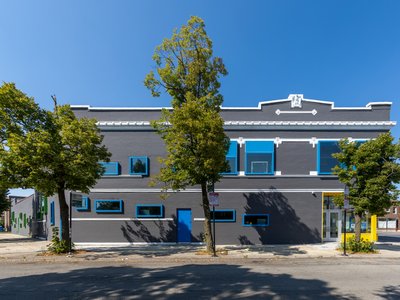
Gads Hill Early Learning Center by JGMA: Adaptive Reuse Shaping Community-Focused Educational Architecture
Adaptive reuse transforms fragmented structure into vibrant early learning center with playful façade, natural light, and community-focused sustainable design.
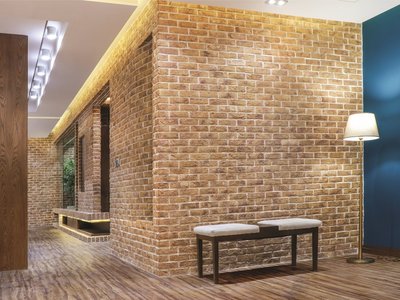
A Contemporary Take on Iranian Residential Architecture
A modern interior design in Mashhad that reinterprets brick, light, and spatial flow to create a warm, contemporary residential architecture.

Similar Reads
You might also enjoy these articles

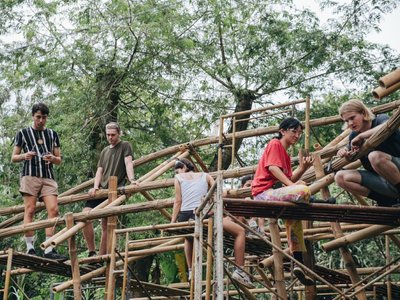
Bamboo Housing Challenge 2026: Design Affordable, Sustainable Homes Using Bamboo
An international design competition by Bamboo U and IBUKU inviting architects and designers to reimagine affordable housing using bamboo — with the winning design built full-scale in Bali.

Computational Design & Education: Beegraphy Design Awards Introduces 7th Category (Featuring Jiyun's Innovative Approach)
Dive into Beegraphy’s 7th Design Awards category, where computational design meets education to create immersive, interactive learning tools, inspired by Jiyun’s work.

From Parametric Lighting to Urban Furniture: Join the 2nd Workshop in Beegraphy’s Computational Design Series
Dive into Cutting-Edge Design Techniques and Practical Applications with Industry Experts

Introducing Sphere by UNI: Pioneering a New Era in AEC Industry
Unlocking Global Potential with BIM and Agile Management


Explore Architecture Competitions
Discover active competitions in this discipline




The International Standard for Design Portfolios


The Global Benchmark for Architecture Dissertation Awards


The Global Benchmark for Graduation Excellence


Challenge to reimagine the Iron Throne
Comments (0)
Please login or sign up to add comments
No comments yet. Be the first to comment!