
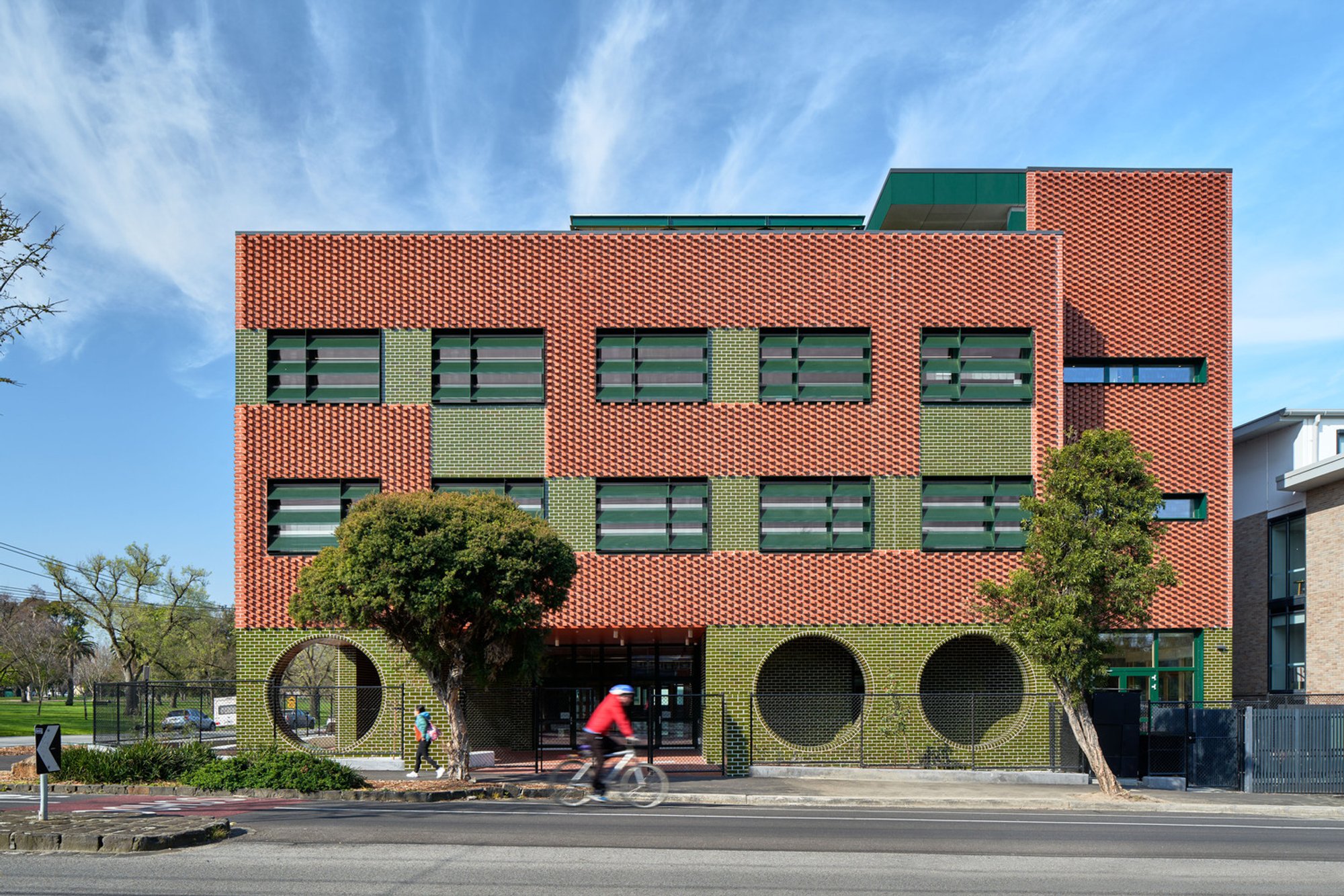
Sustainable School Architecture: Clifton Hill Primary School by Jackson Clements Burrows Architects
An exploration of Clifton Hill Primary School by Jackson Clements Burrows Architects, highlighting its sustainable design and innovative architecture.

Clifton Hill Primary School, designed by Jackson Clements Burrows Architects, represents a significant achievement in sustainable school architecture. Located in Clifton Hill, Australia, this innovative educational facility, completed in 2023, spans 2525 m² and showcases a blend of modern design, sustainability, and functionality.
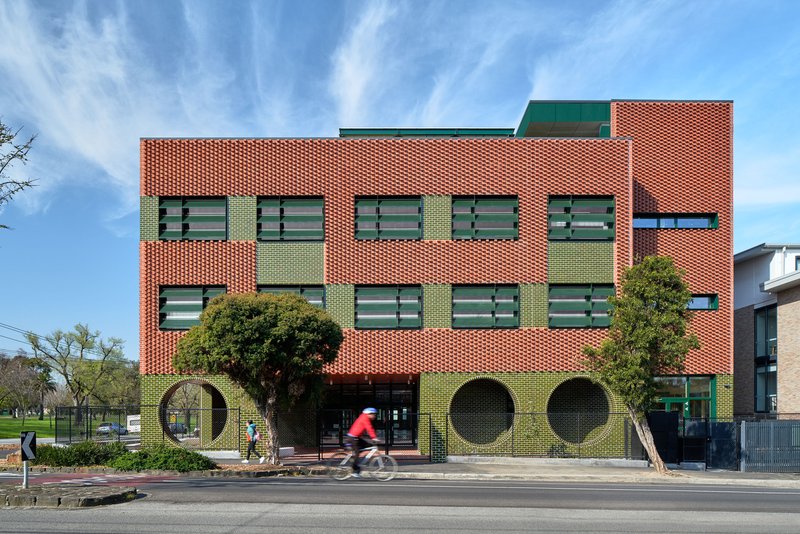
Project Overview
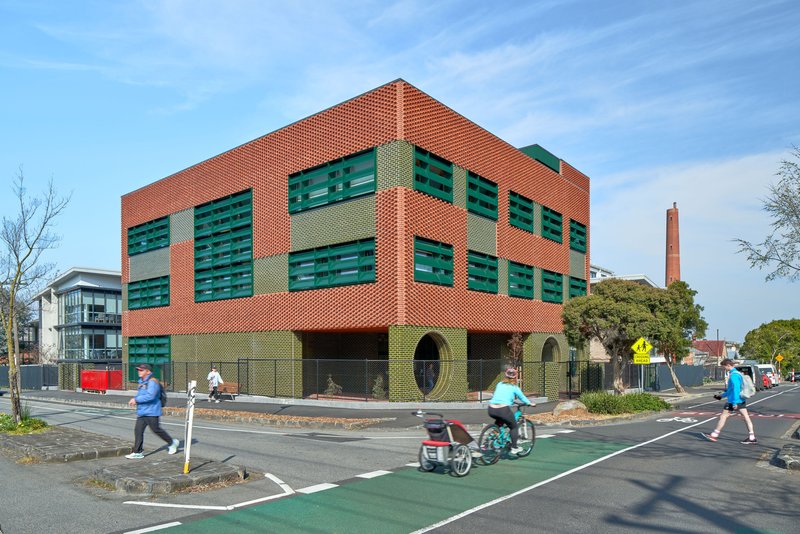
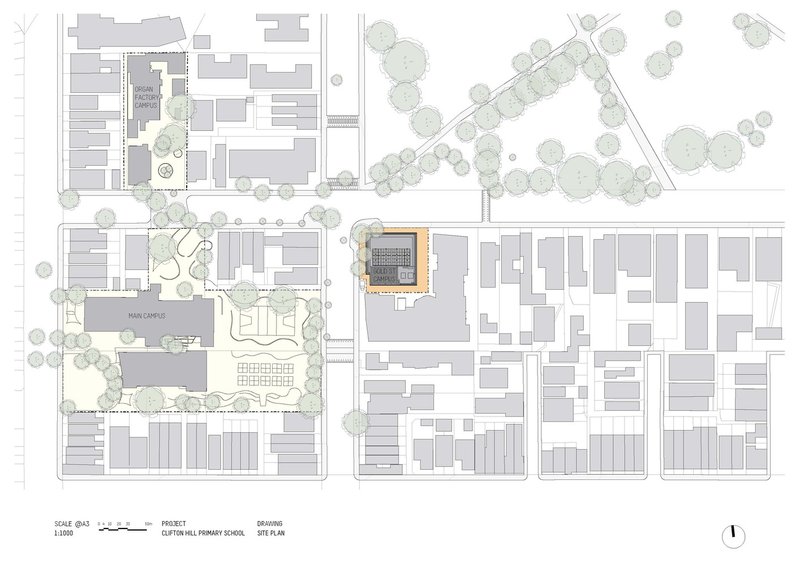
Clifton Hill Primary School is a pioneering project in sustainable school architecture. The new learning and teaching campus, designed to accommodate projected enrollment growth, is situated on a corner site opposite the Darling Gardens. This highly visible building aims to meet increased student numbers while enriching the teaching and learning environment.
Architectural Concept
Strategic Assessment and Master Plan
The project began with a strategic assessment of Clifton Hill Primary School, resulting in a Master Plan that identified the opportunity for a dynamic vertical campus for grade 5 and 6 students. The design brief, developed in close collaboration with the Victorian School Building Authority (VSBA) and school leadership, emphasized creating flexible and adaptable learning spaces within a constrained urban site.
Design and Layout
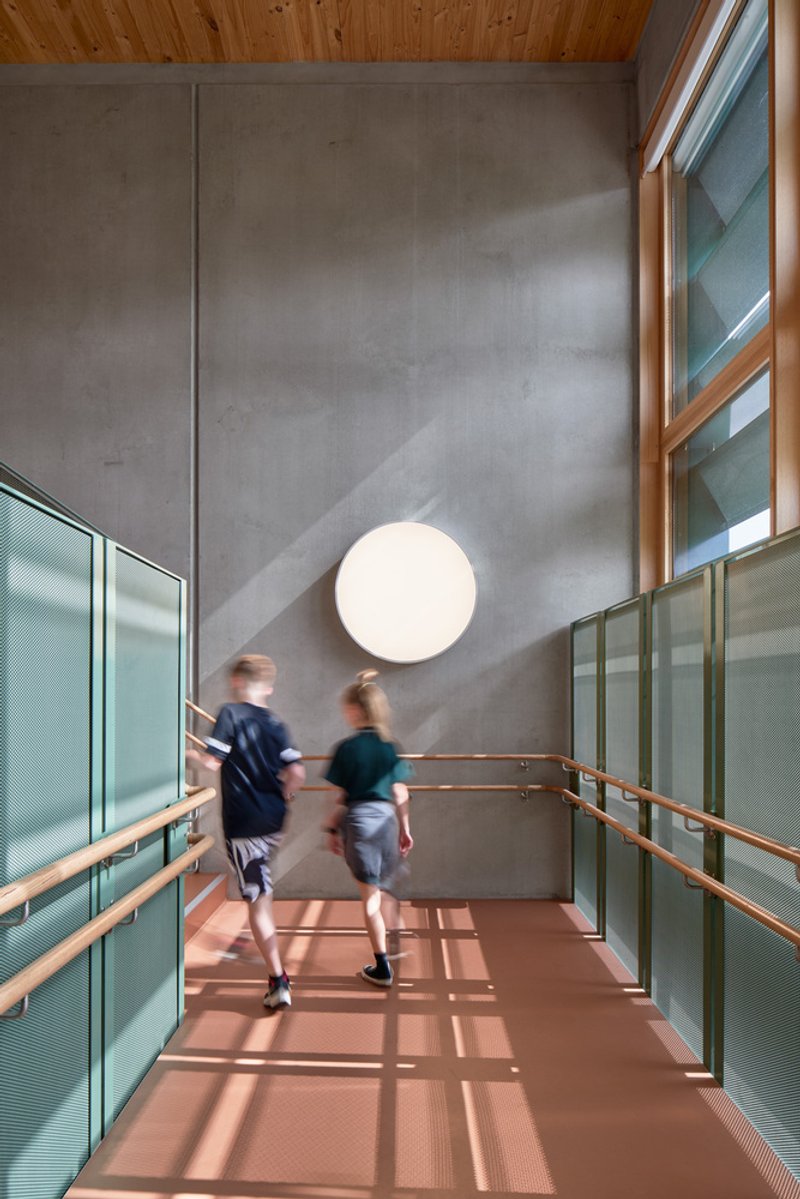
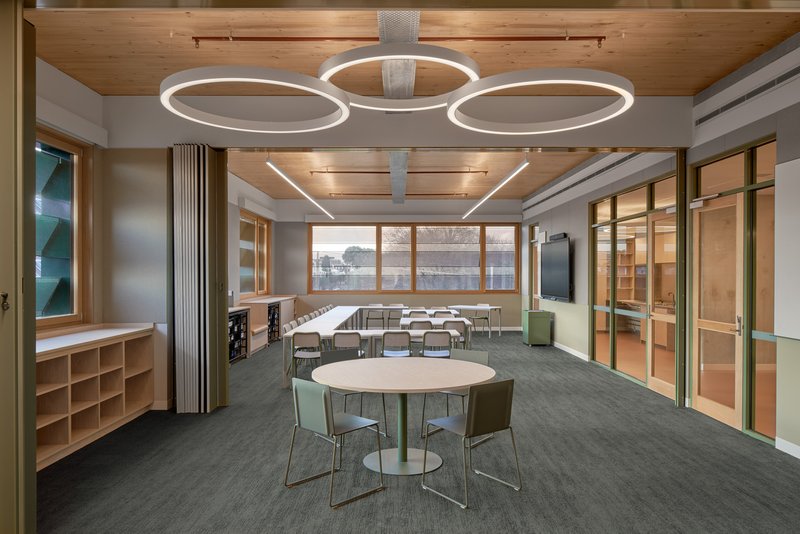
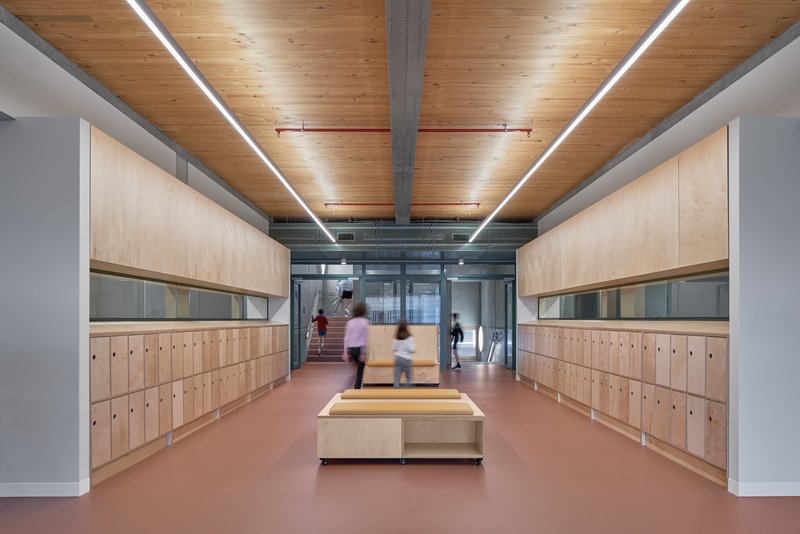
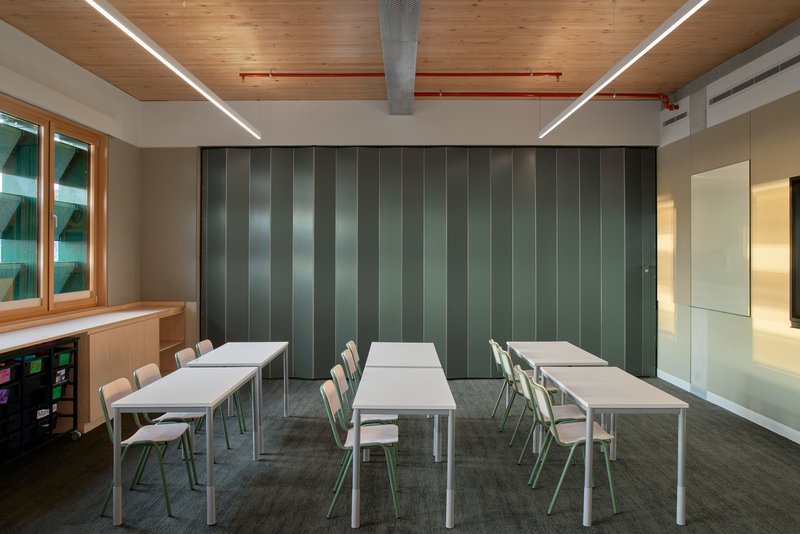
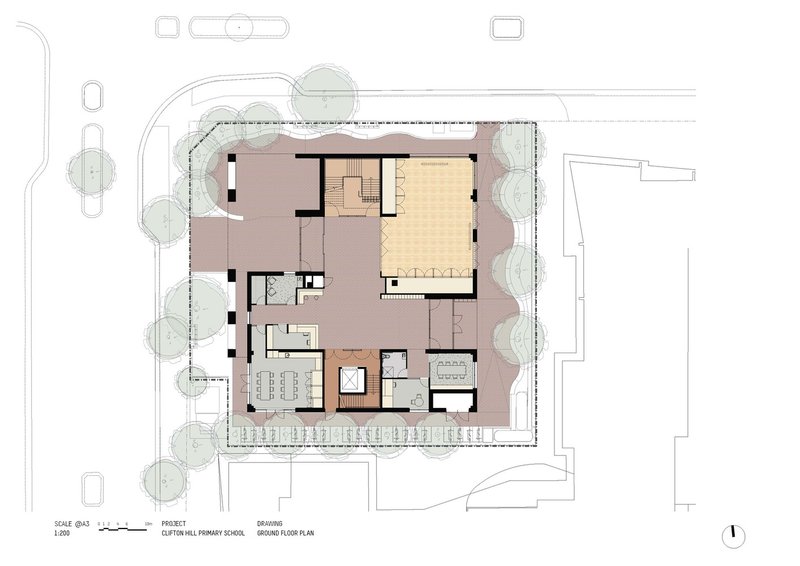
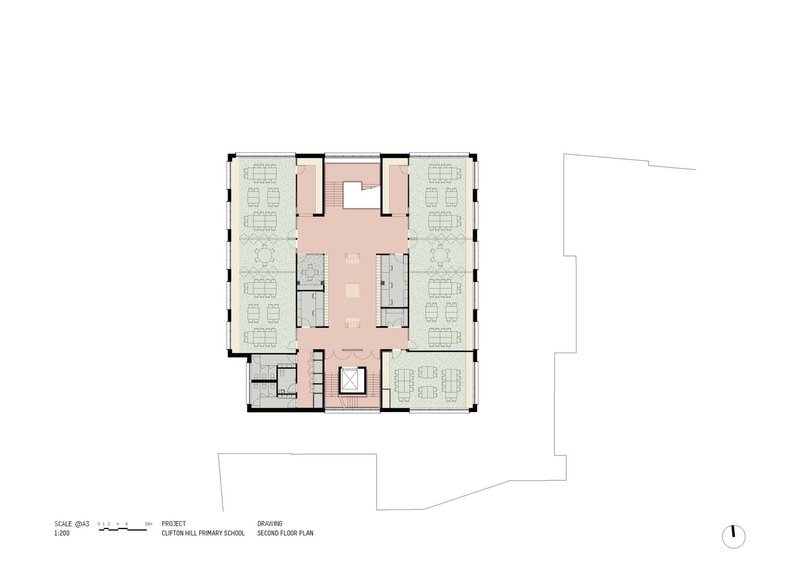
The building adopts a simple yet rigorous floor plan, spanning three levels. Communal and administration areas are located on the ground floor, while levels 1 and 2 feature highly flexible teaching spaces and associated breakout areas. These spaces are designed to accommodate a variety of learning styles and encourage interaction among students.
Sustainability Features
Hybrid Mass Timber Construction
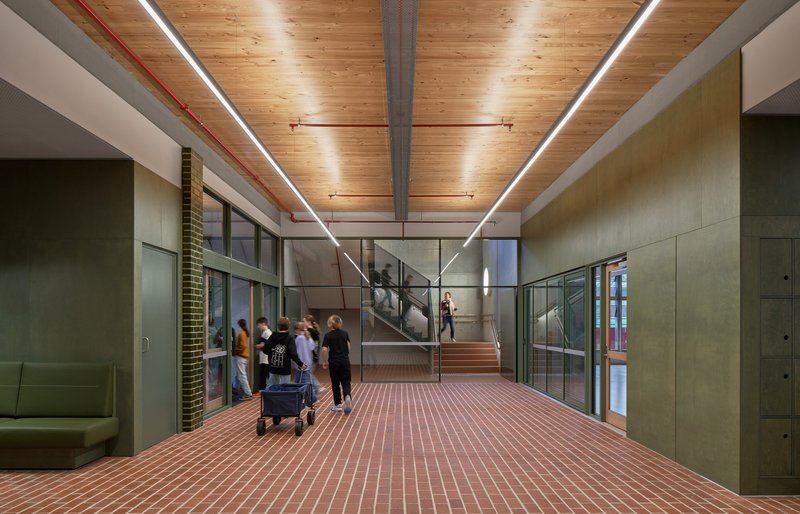
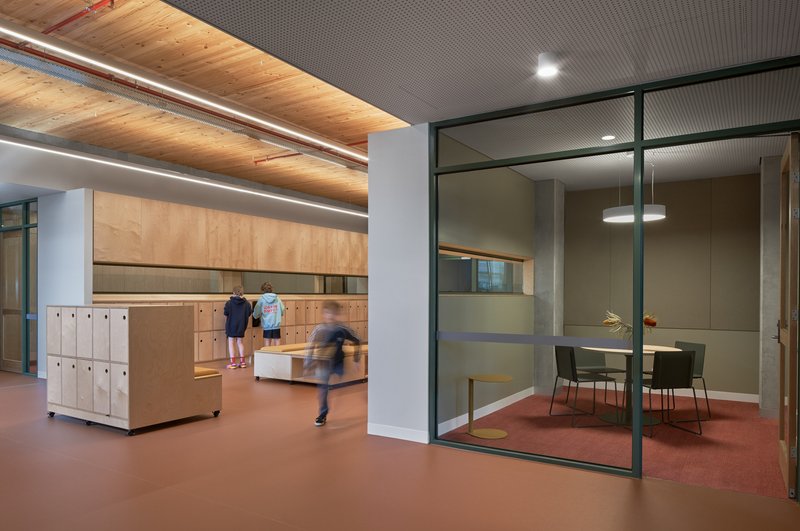
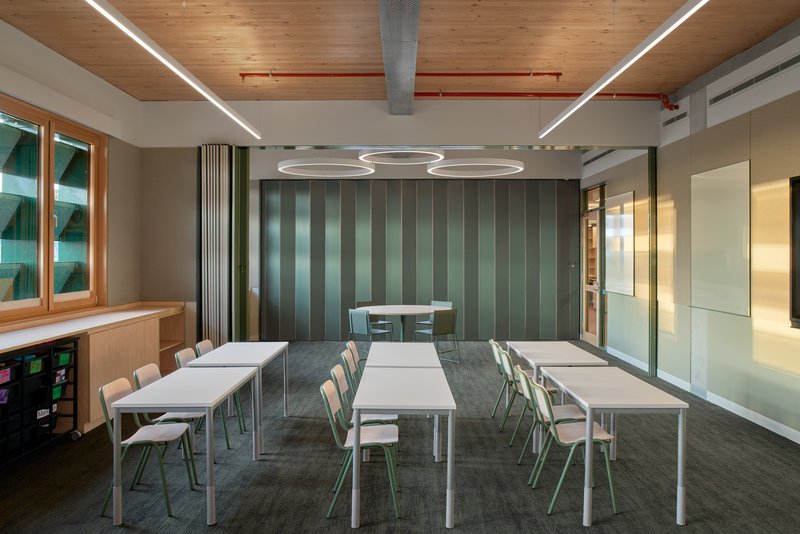
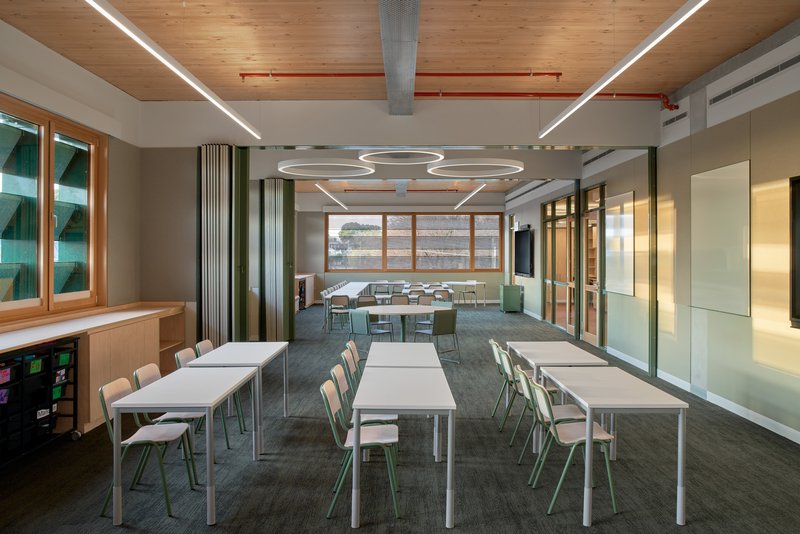
One of the standout features of Clifton Hill Primary School is its construction using hybrid mass timber. This choice not only supports sustainability but also creates a low carbon, low operational cost, and low maintenance building. The exposed structural elements, including mass timber and articulated services, serve as an educational tool for students, helping them understand the building’s functionality.
Passivhaus Standards
The school is designed to Passivhaus standards, ensuring high energy efficiency and thermal comfort. This is the first building for the VSBA constructed to these standards, setting a new benchmark for sustainable school architecture in the region.
Rooftop Play Space
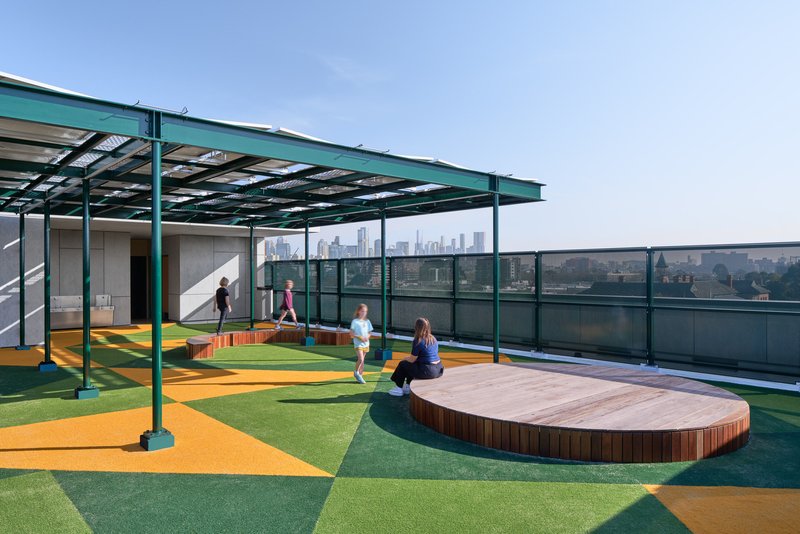
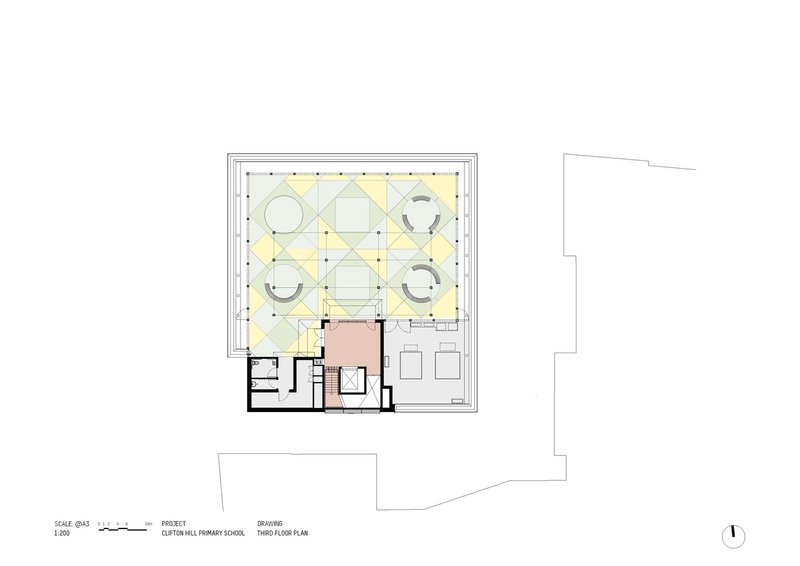
An open-air rooftop play space on the third level features a solar panel pergola that generates power for the school. This not only provides a recreational area for students but also contributes to the building’s sustainability goals.
Design Aesthetics
Integration with Local Context
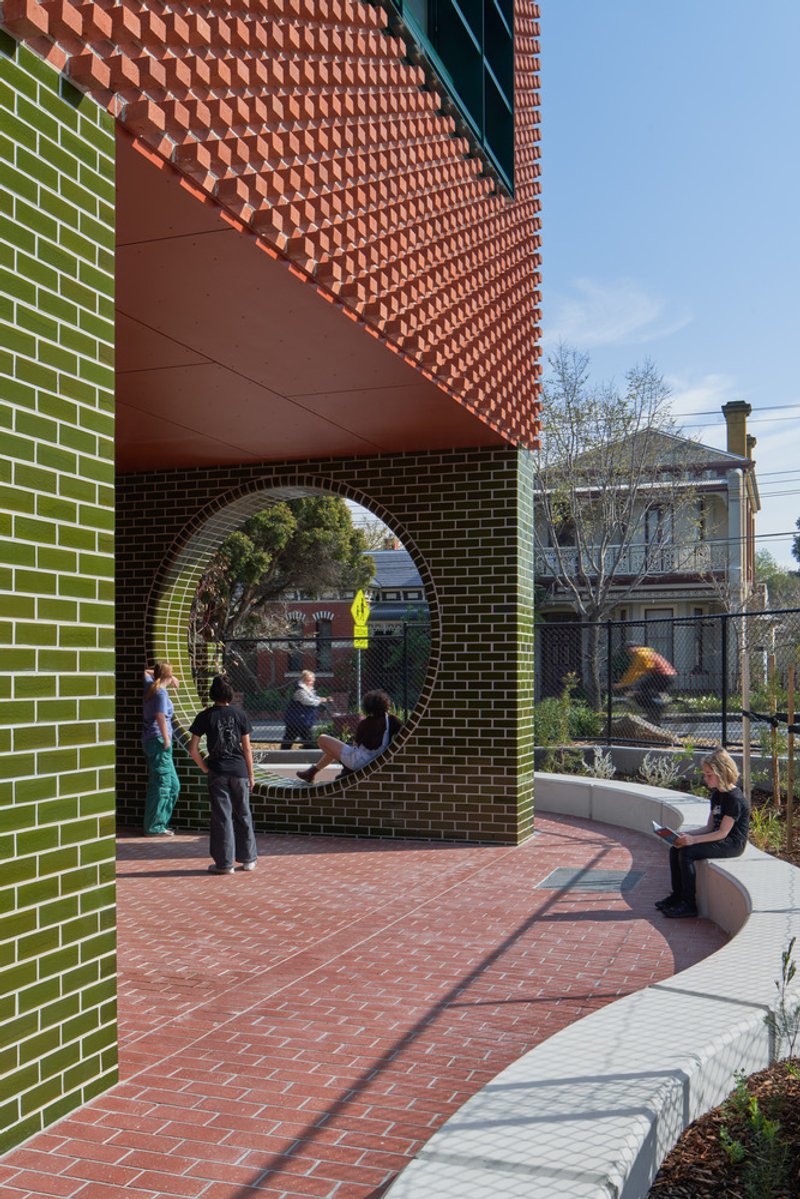
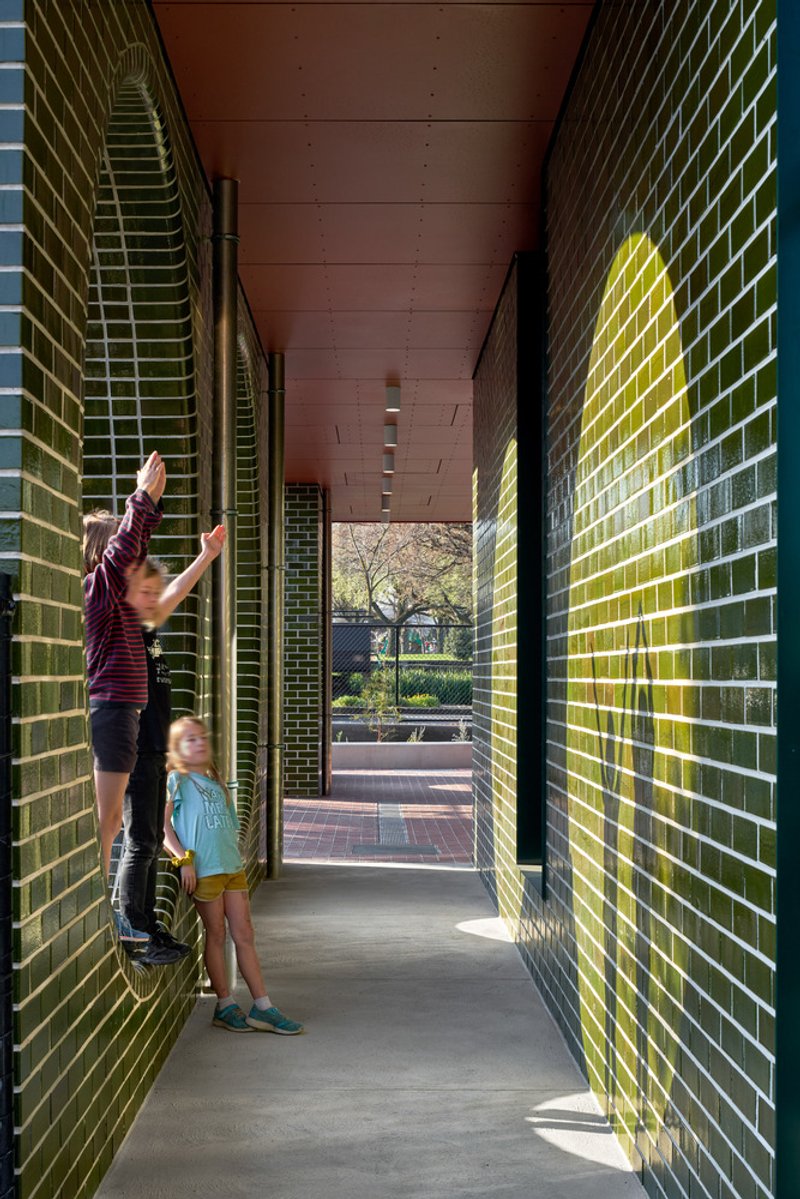
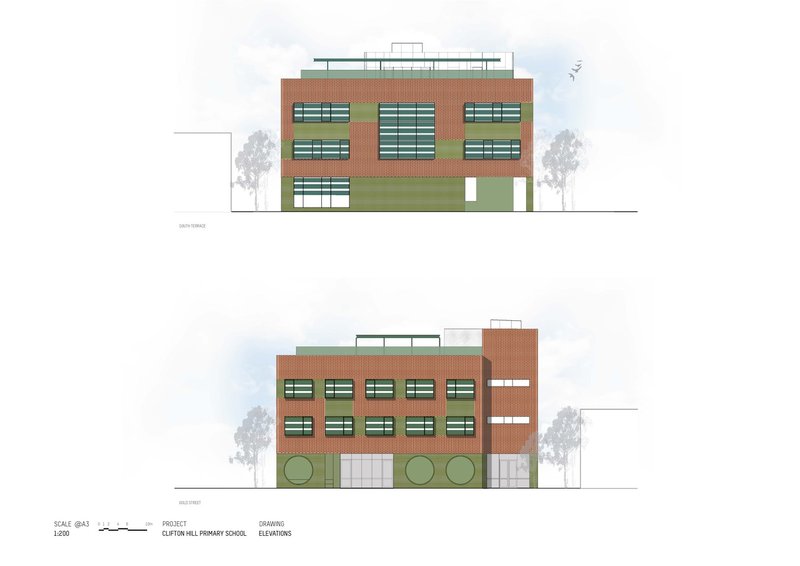
The design of Clifton Hill Primary School references the local context and the original 1800s school buildings. The use of articulated brickwork, a ribbon band of glazed green bricks, and circular apertures adds a playful and contemporary touch, inspired by Eric Carle’s "The Very Hungry Caterpillar." This whimsical overlay is seamlessly integrated with the existing campuses, creating a cohesive visual link.
Interior Design
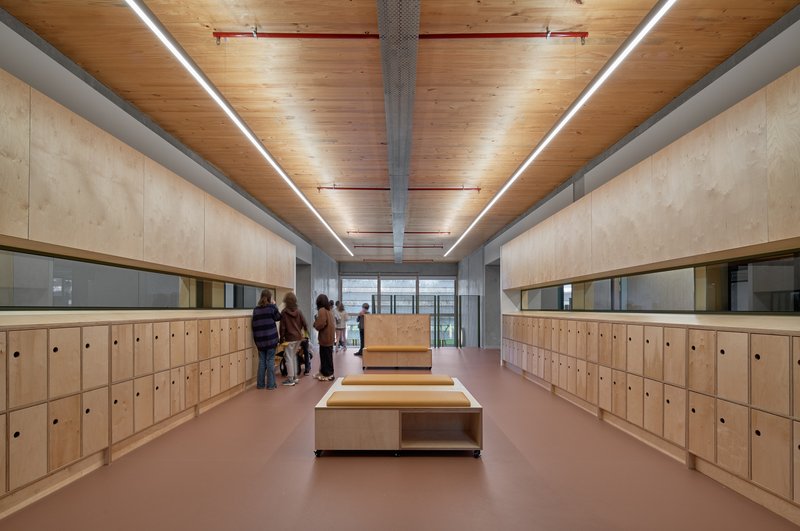
The interior design takes cues from the warmth of exposed Cross Laminated Timber (CLT) panels, creating a soft and inviting atmosphere in the classrooms. Large windows frame views of the surrounding trees, enhancing the sense of calm and connection with nature.
Functional and Flexible Spaces
Adaptable Learning Environments
The school features highly flexible teaching spaces designed to support various learning styles. Circulation zones on each level include offices, lockers, and informal breakout spaces, fostering a collaborative and engaging learning environment.
Multipurpose Hall
A multipurpose hall is included for community events, further enhancing the school’s role as a community hub. This space is designed to be adaptable, meeting the needs of both the school and the wider community.
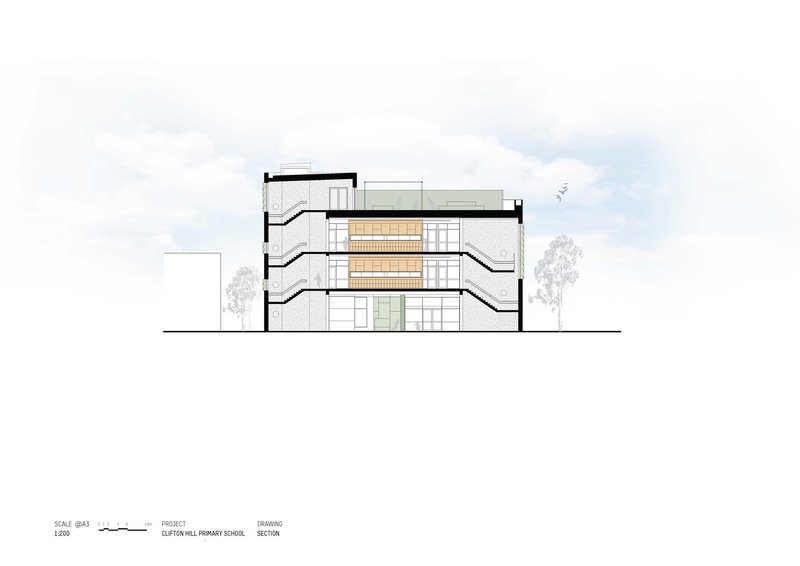
Clifton Hill Primary School by Jackson Clements Burrows Architects exemplifies sustainable school architecture. By integrating innovative design, sustainability, and functionality, the project provides a dynamic and engaging learning environment for students. This future-looking design respects its historical context while paving the way for sustainable educational facilities.
All photographs are work of Peter Clarke



Popular Articles
Popular articles from the community

On the Brooks House by Monsoon Collective – A Contemporary Kerala Home Rooted in Tradition
Kerala home blending tradition and modernity with water-inspired design, brick architecture, courtyard planning, and sustainable rainwater harvesting strategies.
Louis Malle Cinema: A Limestone Cultural Landmark Revitalizing Community Life in Prayssac
Limestone cinema extension with public forecourt, blending heritage and modern design to create flexible cultural spaces and strengthen community interaction.
Atelier Macri Concept Store Interior Design by CASE-REAL
Atelier Macri store features a "ko" counter, walnut wood details, cork displays, blending retail, gallery, and seamless customer experiences.
An Miên Lumière Cafe by xưởng xép, Ho Chi Minh City, Vietnam
An industrial-inspired café where layered steel and warm light create a dynamic, immersive environment shaped by reflection, depth, and perception.


Similar Reads
You might also enjoy these articles


The Ken Roberts Memorial Delineation Competition (Krob)
As the most senior architectural drawing competition currently in operation anywhere in the world, it draws hundreds of entries each year, awarding the very best submissions in a series of medium-based categories.

Waterfront Redevelopment and Urban Revitalization in Mumbai: Forging a New Dawn for Darukhana
A transformative waterfront redevelopment project reimagining Darukhana’s shipbreaking heritage into an inclusive urban future.
OUT-OF-MAP: A Call for Postcards on Feminist Narratives of Public Space
Rhizoma Design and Research Lab invites artists, designers, architects, researchers, and students to reflect on how feminist perspectives can reshape public space. Selected works will be exhibited in Barcelona, October 2026. Submissions open until 15 April 2026.

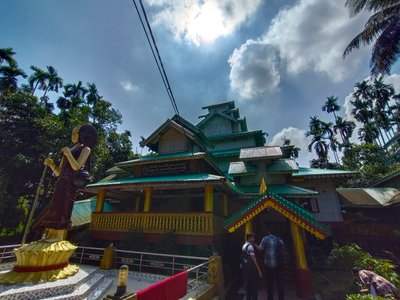
Documentation Work on Buddhist Wooden Temple
Architectural syncretism and cultural hybridity: A comparative study of the Buddhist temples in Chattogram Hill tracks

Explore Architecture Competitions
Discover active competitions in this discipline




The International Standard for Design Portfolios


The Global Benchmark for Architecture Dissertation Awards


The Global Benchmark for Graduation Excellence


Challenge to design public laboratory
Comments (0)
Please login or sign up to add comments
No comments yet. Be the first to comment!