
Sustainable School Architecture: The Case of Collège d'Orlinde Bretenoux
The article explores the sustainable design of Collège d'Orlinde Bretenoux, focusing on eco-friendly materials, energy efficiency, and innovation

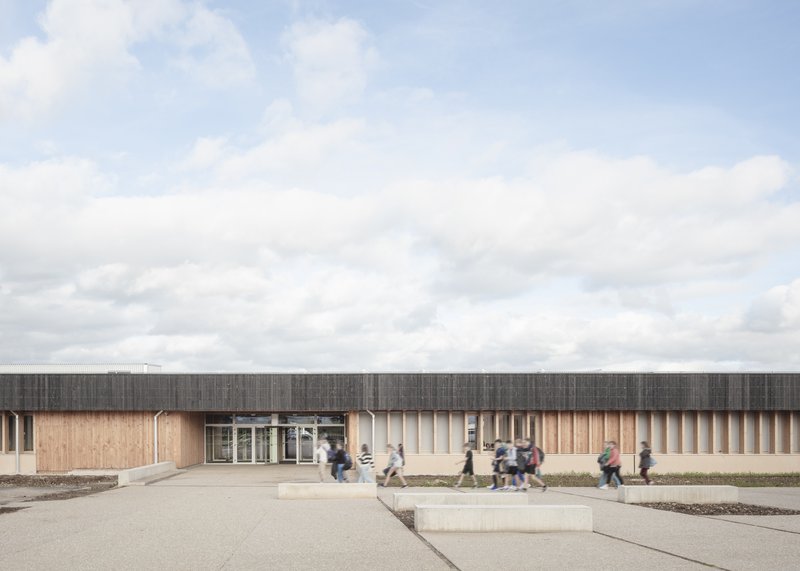
The Collège d'Orlinde Bretenoux in Bretenoux, France, exemplifies a new paradigm in sustainable school architecture. Designed by the architectural firms Dietrich | Untertrifaller and phBa architectes, this innovative building integrates eco-friendly design principles, renewable energy, and bio-based materials to create a school that not only supports modern educational needs but also sets a benchmark for sustainable architecture.
Sustainable school architecture goes beyond simple eco-friendly building techniques; it involves the careful integration of materials, energy-saving technologies, and innovative design principles. The Collège d'Orlinde Bretenoux is a standout example of how architecture can be both functional and environmentally responsible. This project is particularly significant due to its emphasis on energy self-sufficiency and a low carbon footprint, aligning with broader goals for the reduction of climate change impacts.
The Role of Wood and Natural Light in Sustainable Architecture
A Wood-Centric Design for Warmth and Light
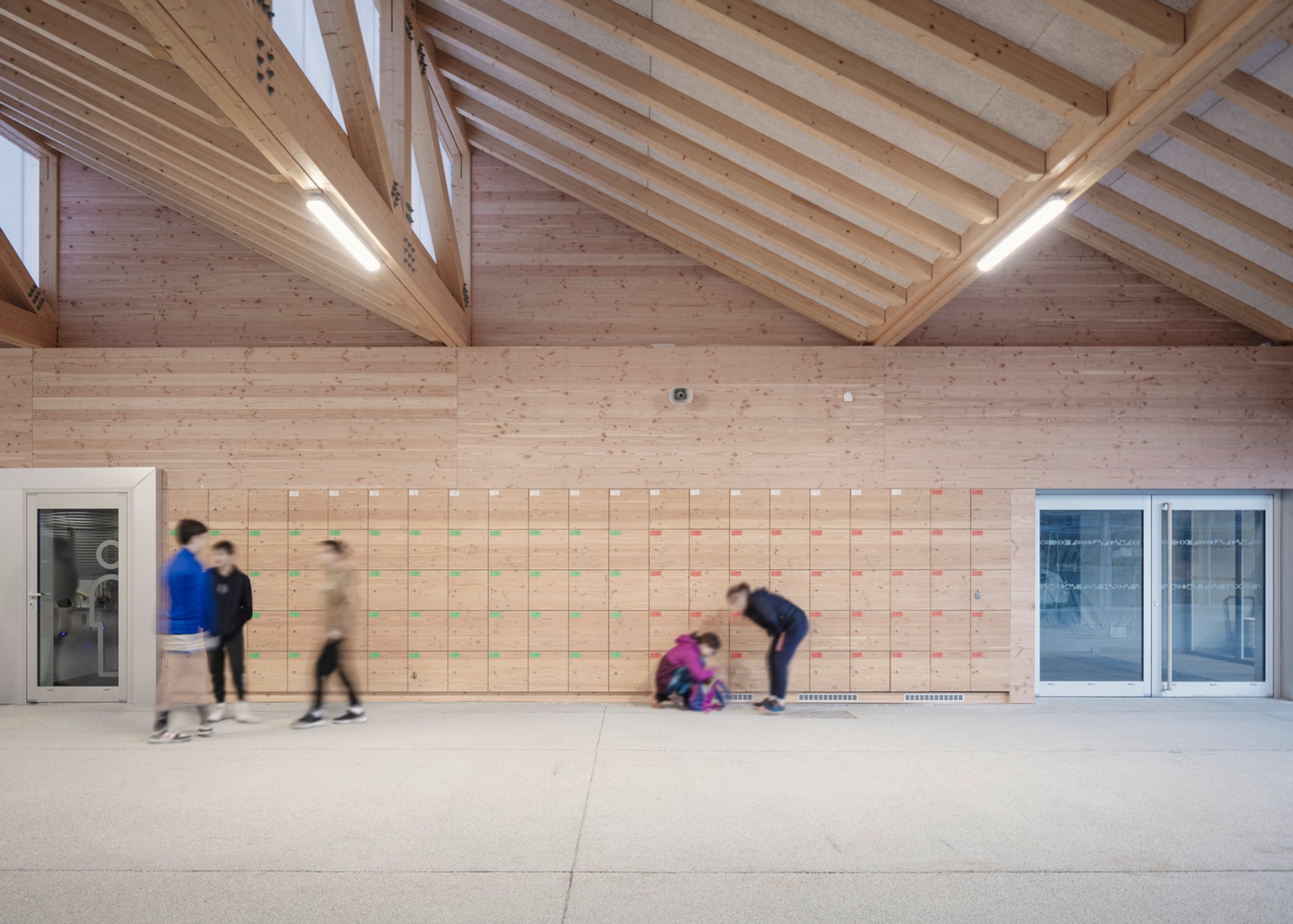
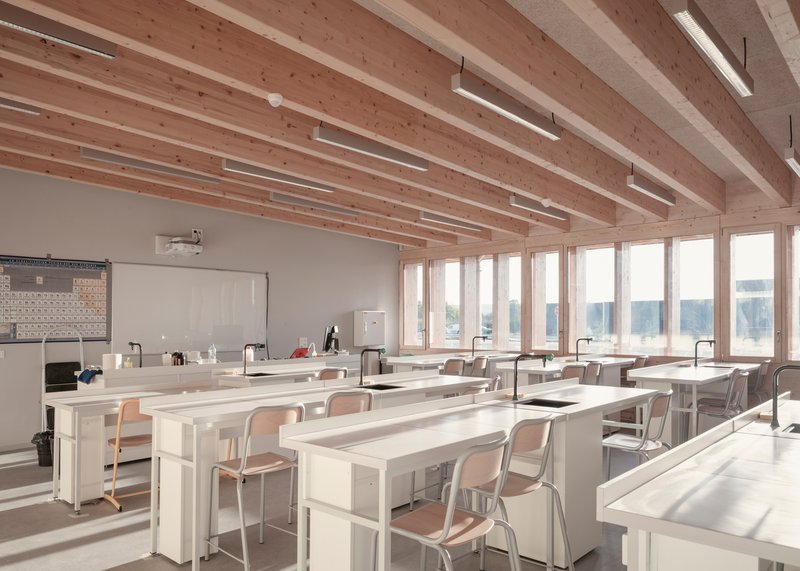
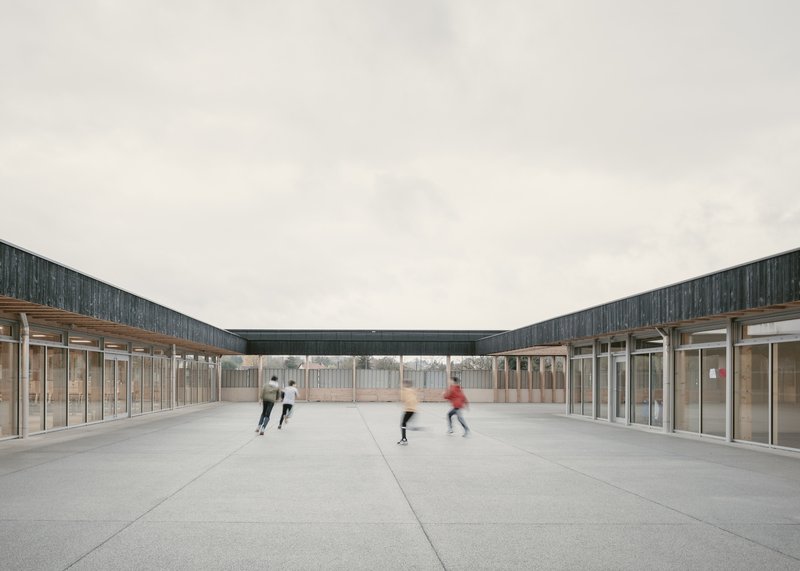
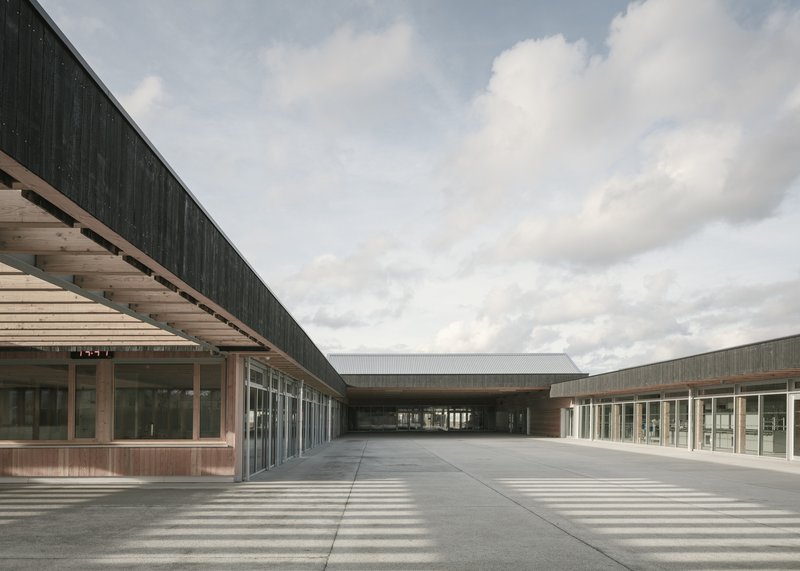
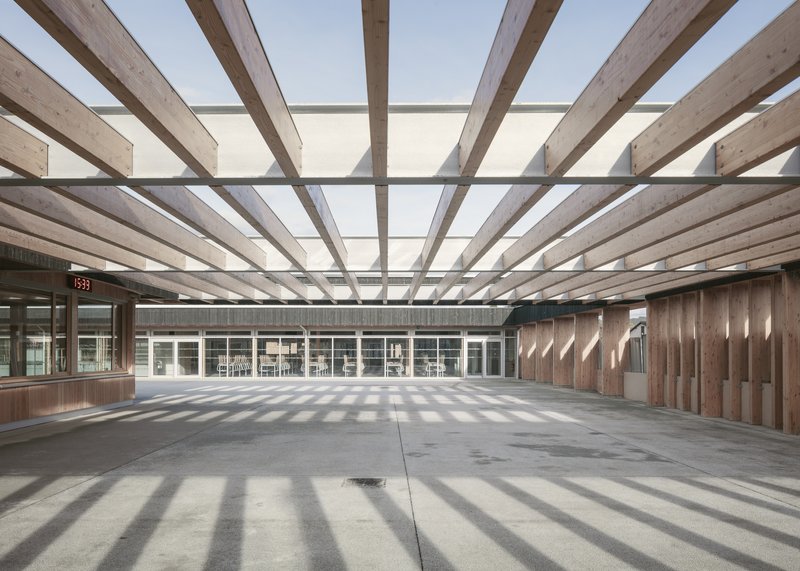
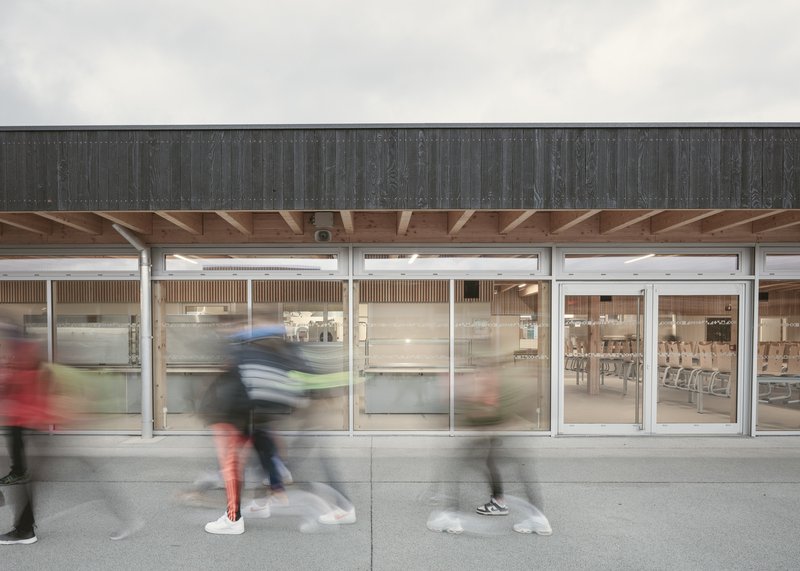
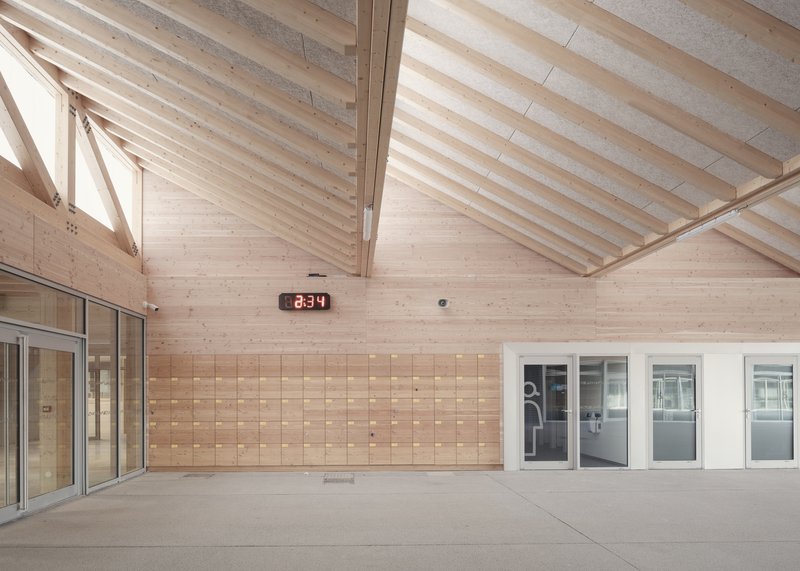
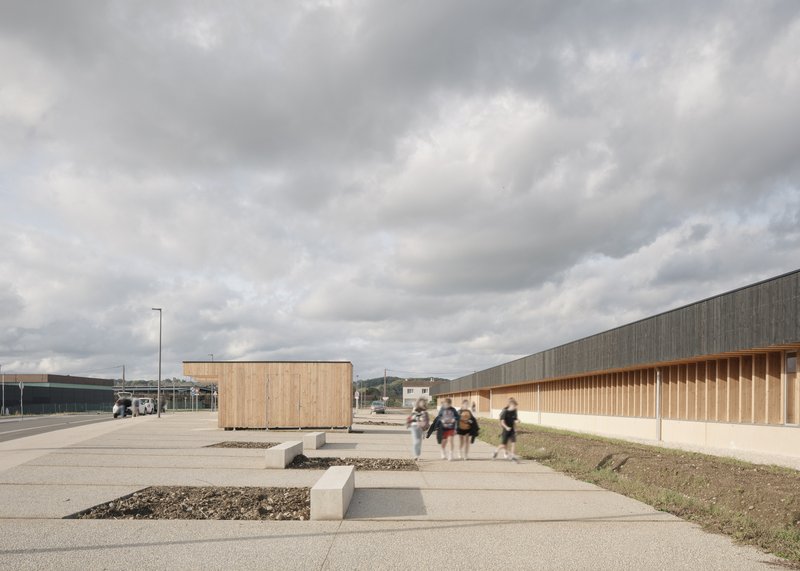
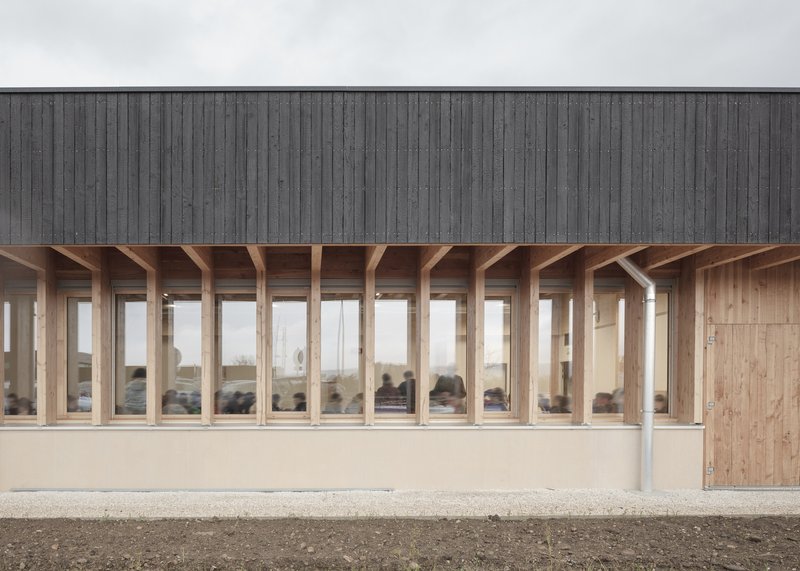
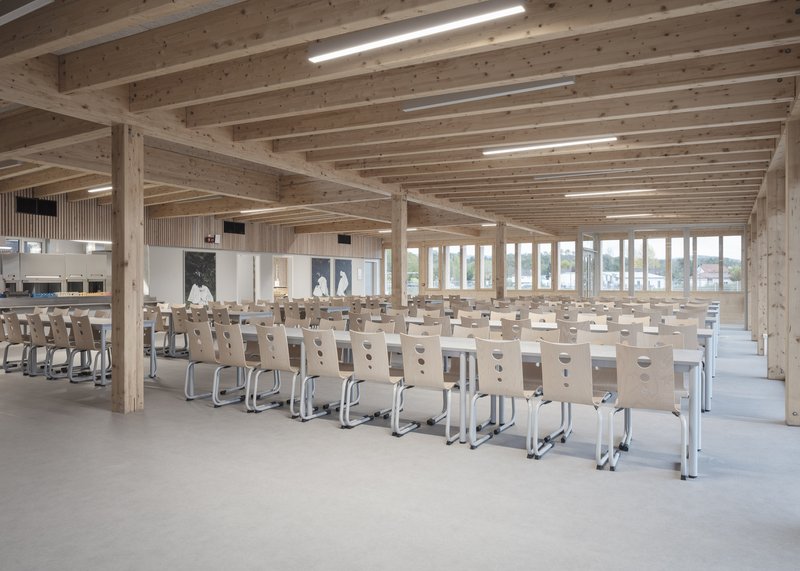
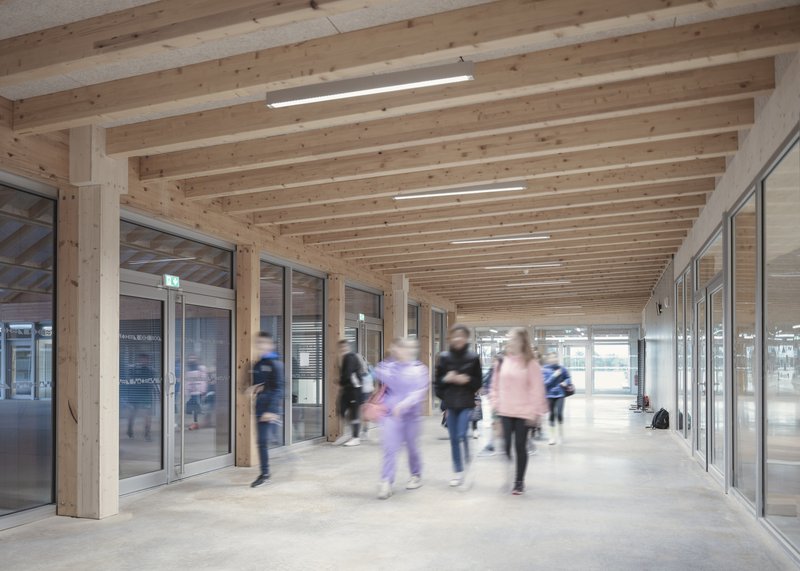
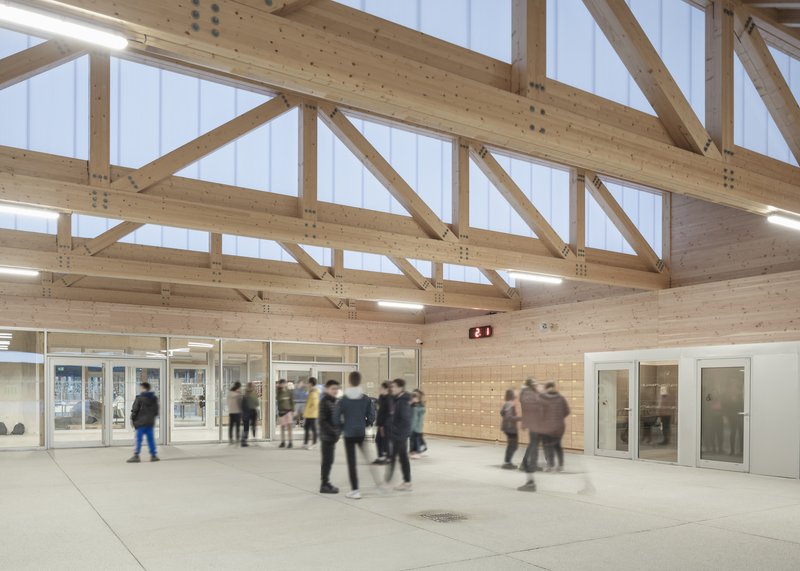
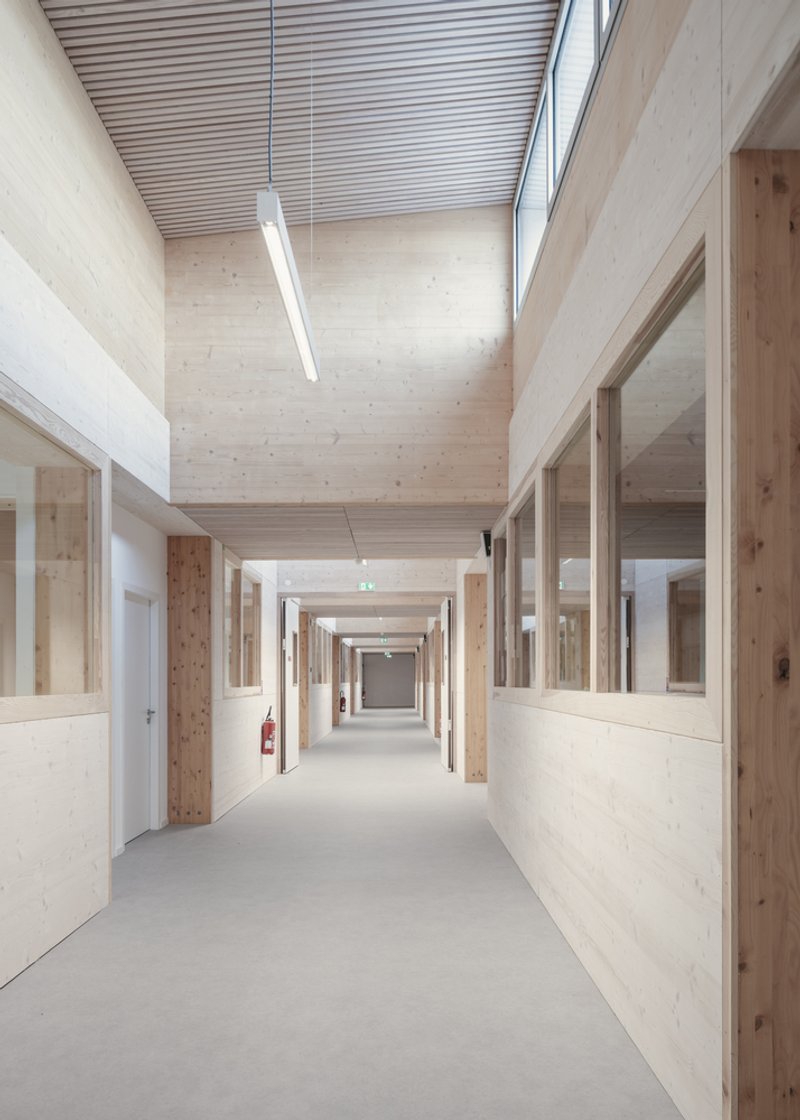
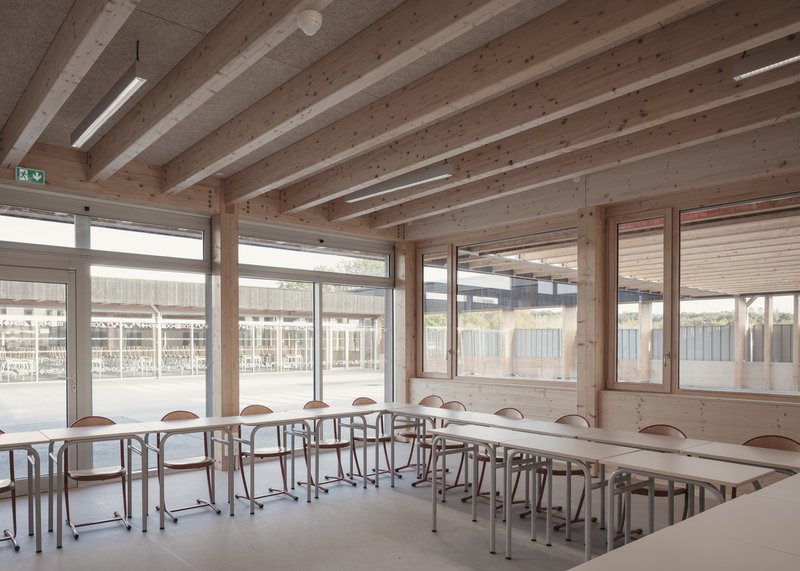
Incorporating wood into the design of educational buildings is a proven way to create a warm and inviting atmosphere while also reducing the carbon footprint of construction. The Collège d'Orlinde Bretenoux uses wood throughout the building, from structural beams to wall panels, creating an atmosphere conducive to learning and social interaction. The building's canopy of dark carbonized wood provides necessary shade while also protecting the structure from weathering, reducing long-term maintenance needs.
Maximizing Daylight for Energy Efficiency
Another key feature of sustainable school architecture is the strategic use of natural light. At Bretenoux, the building is designed to maximize daylight penetration through skylights and inner courtyards, which help illuminate classrooms without relying on artificial lighting. This reduces energy consumption and creates a healthy, bright learning environment. The design ensures that all rooms benefit from double-sided natural lighting, a critical factor in energy-efficient building design.
Energy Self-Sufficiency: A Model for the Future
Solar Panels and Geothermal Heating
The Collège d'Orlinde is a prime example of how schools can become energy self-sufficient through the use of renewable energy sources. The building is equipped with 1,200 square meters of photovoltaic panels on its roof, generating more energy than the school consumes. This solar energy not only powers the school but also contributes to a reduction in the building’s overall carbon footprint. Additionally, the use of a geothermal probe for heating ensures that the building remains energy-efficient throughout the winter months.
A Carbon 1 Classification for Environmental Performance
The commitment to sustainability extends beyond energy production. The Collège d'Orlinde has earned a Carbon 1 classification, a prestigious environmental rating that highlights the building’s low carbon footprint throughout its entire lifecycle. This classification was achieved by integrating bio-sourced materials, such as wood, raw earth bricks, and plant-based insulation, which are sourced locally to further reduce environmental impact.
Circular Economy and Sustainable Construction Materials
Using Bio-Based and Local Materials
One of the core principles behind the Collège d'Orlinde design is its adherence to the circular economy model. By using materials that are not only bio-sourced but also locally sourced, the project reduces the carbon emissions associated with transportation and supports the local economy. The use of healthy materials like wood and plant-based insulation not only ensures a low carbon footprint but also contributes to a healthier indoor environment for students and staff.
The Importance of Climate-Responsive Design
The Bretenoux school building is a prime example of climate-responsive architecture, which adapts to its environment by using passive solar strategies and other design elements that reduce the need for artificial heating and cooling. The building’s covered “marketplace” provides a social and public space that brings the school together while serving as a buffer zone that helps regulate the interior climate.
Environmental Impact and Sustainability Goals
Energy Performance and the E+C- Experiment
The Collège d'Orlinde is the first secondary school in the region to produce more energy than it consumes, marking a major achievement in energy efficiency. The school participates in the E+C- experiment, a voluntary initiative supported by France’s Ministry of Ecological Transition. This initiative encourages the construction of positive energy buildings—those that generate more energy than they consume over their lifetime.
Maximizing Water Conservation
In line with the building’s overall sustainability objectives, rainwater harvesting systems have been integrated to collect water for sanitary uses and irrigation of green spaces. This reduces the school’s dependency on municipal water sources, contributing to its environmental goals and promoting water conservation.
A Sustainable Future for Education
The Collège d'Orlinde Bretenoux is a remarkable example of sustainable school architecture, combining innovative building materials, energy-efficient technologies, and bio-climatic design to create a school that not only meets educational needs but also serves as a model for environmentally responsible construction. By focusing on sustainability in every aspect of its design—from the materials used to its energy systems—the school provides a glimpse into the future of school buildings: energy-positive, climate-responsive, and environmentally conscious.
This approach to sustainable school architecture is a clear indication that future educational facilities can not only foster learning but also contribute positively to the environment, reducing their carbon footprint while supporting the well-being of students and staff.
All photographs are work of Aldo Amoretti




Popular Articles
Popular articles from the community

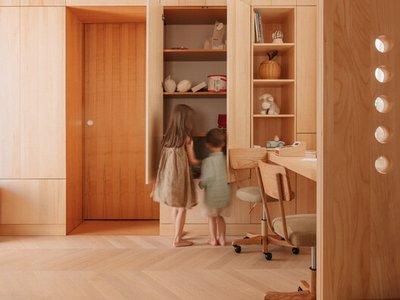
Treehouse Apartment: A Warm Timber Interior Blending Craft, Play, and Contemporary Living
Warm timber apartment with integrated treehouse, combining natural materials, craftsmanship, and playful design to create a flexible, family-oriented living environment.


The Ken Roberts Memorial Delineation Competition (Krob)
As the most senior architectural drawing competition currently in operation anywhere in the world, it draws hundreds of entries each year, awarding the very best submissions in a series of medium-based categories.
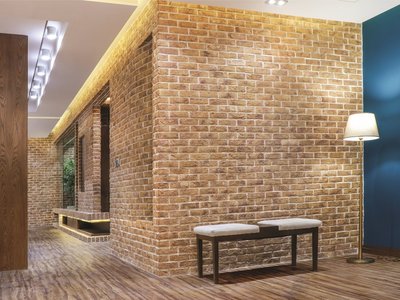
A Contemporary Take on Iranian Residential Architecture
A modern interior design in Mashhad that reinterprets brick, light, and spatial flow to create a warm, contemporary residential architecture.
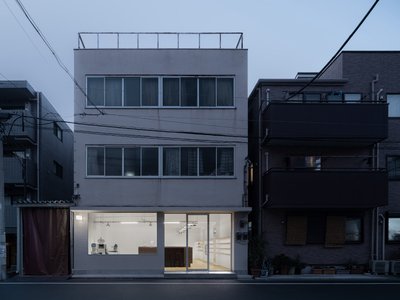
Atelier Macri Concept Store Interior Design by CASE-REAL
Atelier Macri store features a "ko" counter, walnut wood details, cork displays, blending retail, gallery, and seamless customer experiences.


Similar Reads
You might also enjoy these articles
The Ken Roberts Memorial Delineation Competition (Krob)
As the most senior architectural drawing competition currently in operation anywhere in the world, it draws hundreds of entries each year, awarding the very best submissions in a series of medium-based categories.


Waterfront Redevelopment and Urban Revitalization in Mumbai: Forging a New Dawn for Darukhana
A transformative waterfront redevelopment project reimagining Darukhana’s shipbreaking heritage into an inclusive urban future.

OUT-OF-MAP: A Call for Postcards on Feminist Narratives of Public Space
Rhizoma Design and Research Lab invites artists, designers, architects, researchers, and students to reflect on how feminist perspectives can reshape public space. Selected works will be exhibited in Barcelona, October 2026. Submissions open until 15 April 2026.


Documentation Work on Buddhist Wooden Temple
Architectural syncretism and cultural hybridity: A comparative study of the Buddhist temples in Chattogram Hill tracks


Explore Architecture Competitions
Discover active competitions in this discipline




The International Standard for Design Portfolios


The Global Benchmark for Architecture Dissertation Awards


The Global Benchmark for Graduation Excellence


Challenge to design public laboratory
Comments (0)
Please login or sign up to add comments
No comments yet. Be the first to comment!