

Sustainable Urban Rail Design: Transforming Preston with Wood/Marsh Architecture
The Preston Level Crossing Removal Project by Wood/Marsh revitalizes urban transit and community spaces through sustainable and integrated rail design.


The Preston Level Crossing Removal Project by Wood/Marsh Architecture showcases a progressive approach to sustainable urban rail design in Preston, Australia. This transformative project not only improves transit connectivity but also revitalizes the community through sustainable architecture and urban design.
The Concept of Sustainable Urban Rail Design
Definition and Importance
Sustainable urban rail design involves creating railway infrastructures that are environmentally friendly, enhance the urban landscape, and improve the quality of life for residents. Such designs focus on reducing environmental impact, integrating green spaces, and promoting accessibility and community engagement.
Benefits to Urban Areas
Sustainable rail systems decrease urban congestion, lower pollution levels, and provide efficient and attractive public transport options. They also contribute to economic development by improving access to business districts and commercial areas.
Preston Level Crossing Removal Project: A Case Study
Project Overview
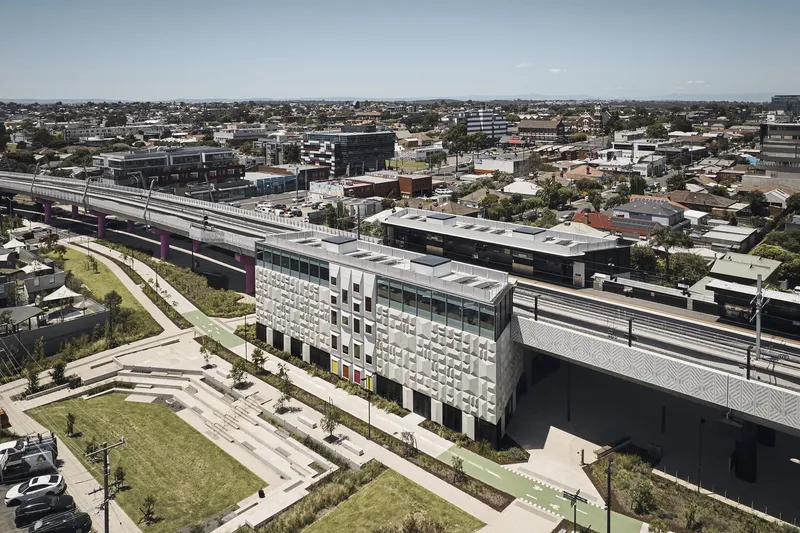
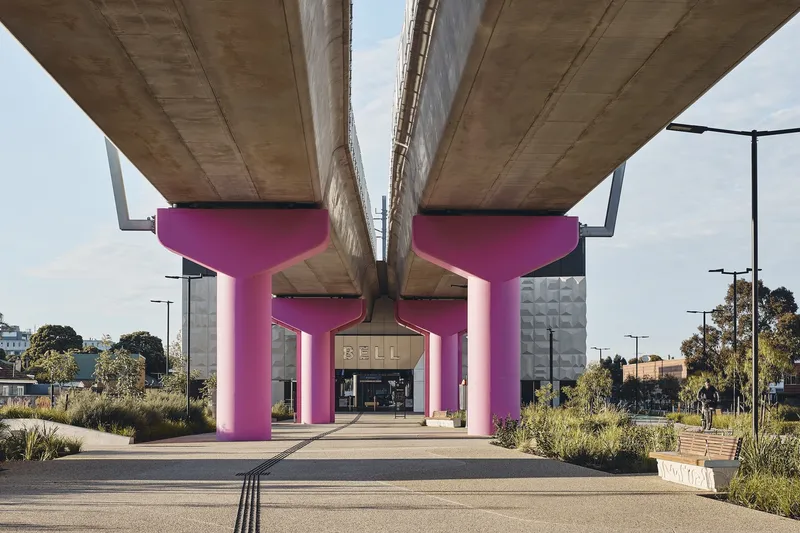
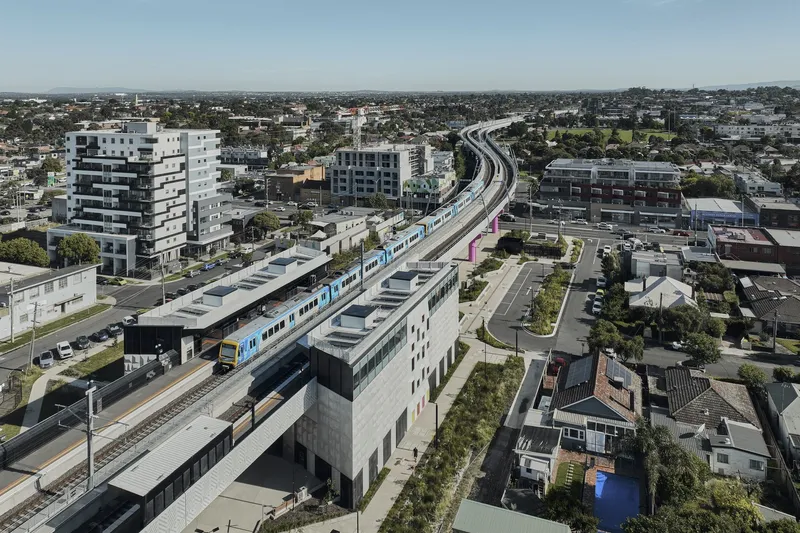
Developed as part of Victoria’s ambitious Level Crossing Removal Project, this initiative aims to eliminate rail crossings through elevated rail solutions, enhancing safety and reducing traffic delays. The project covers the area around Bell and Preston stations, incorporating significant public realm improvements.
Design Features and Innovations
Architectural Integration
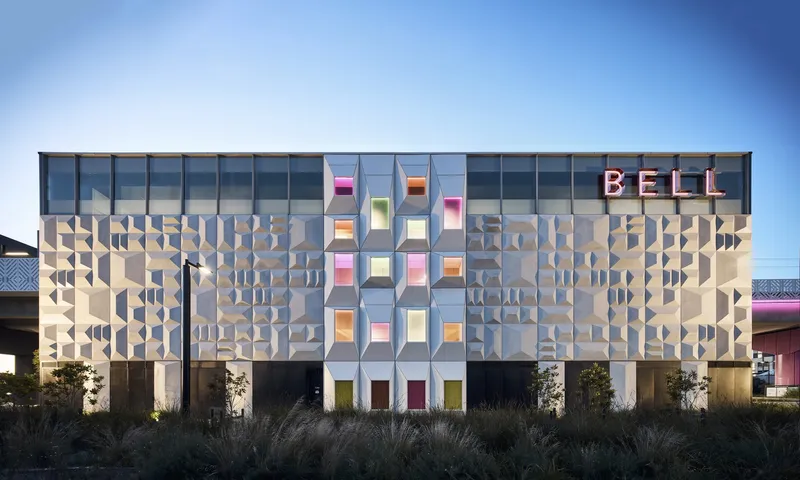
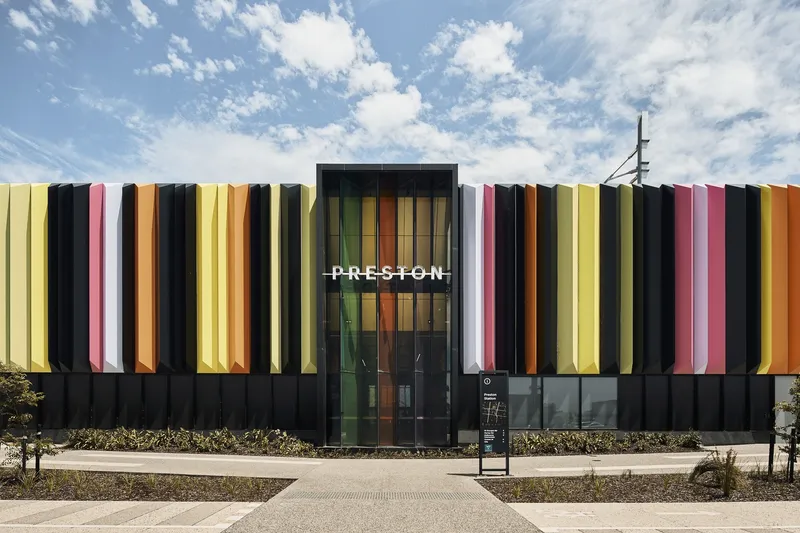
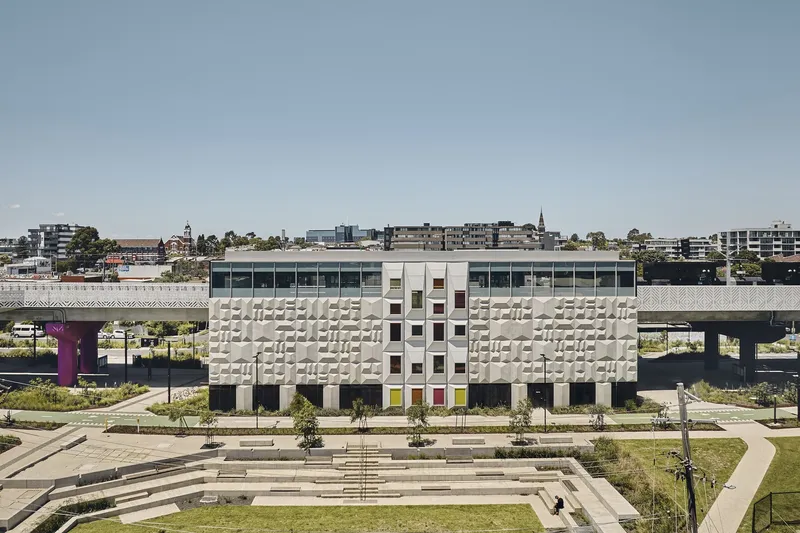
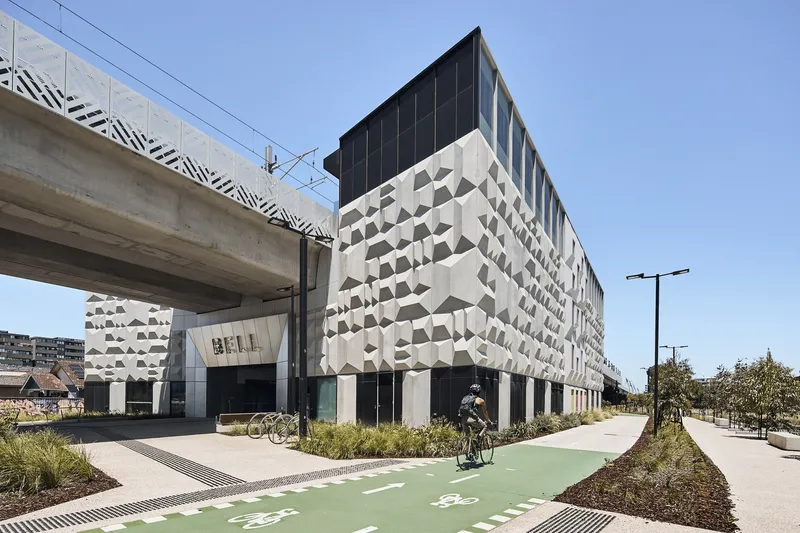
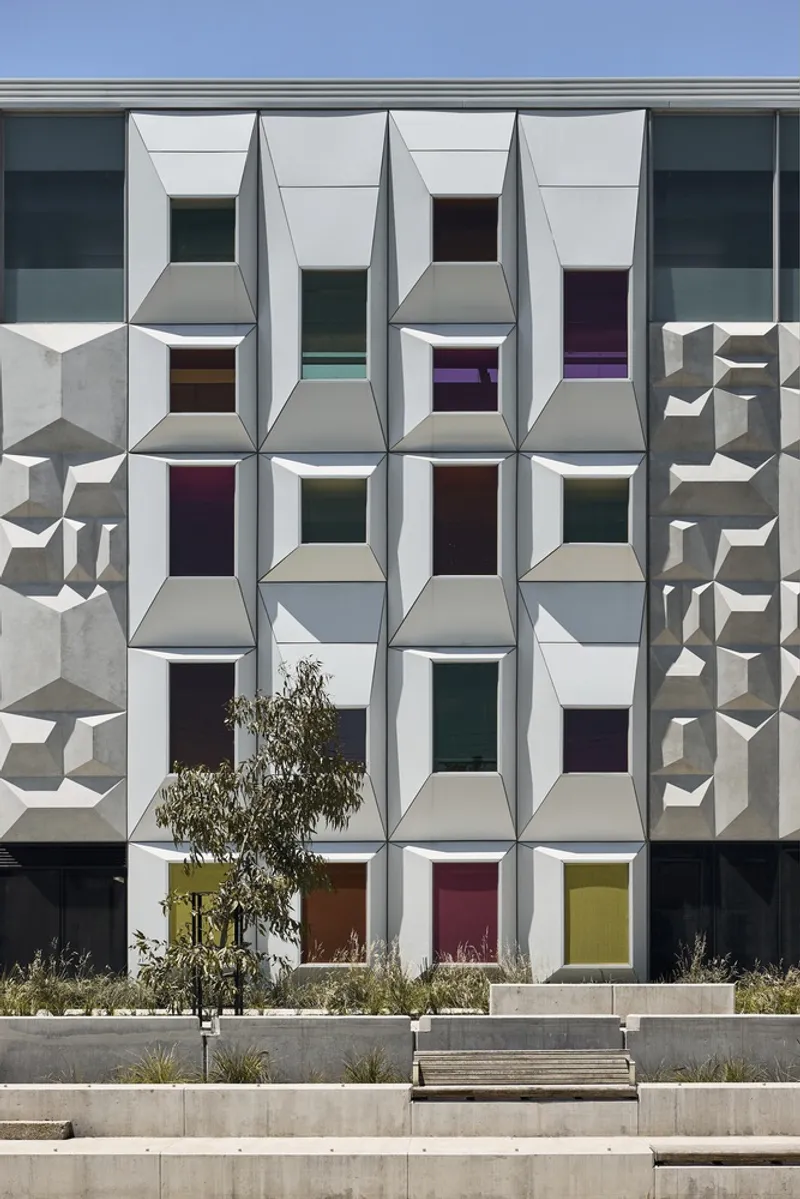
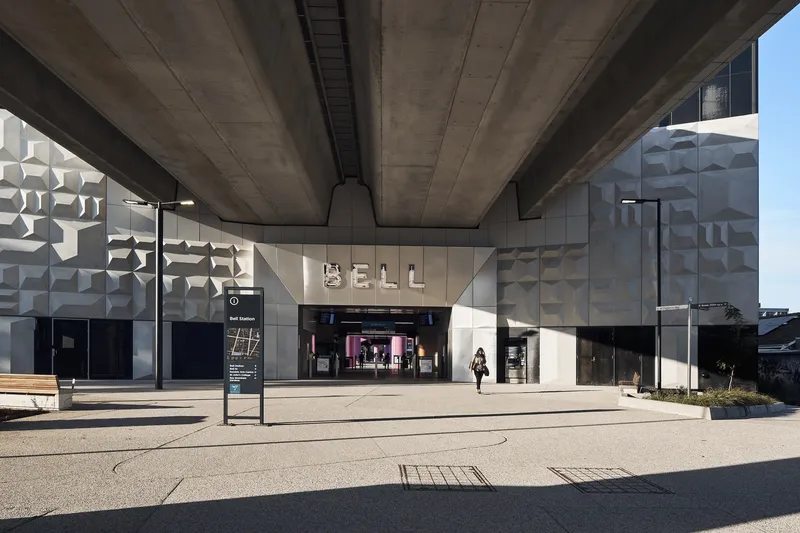
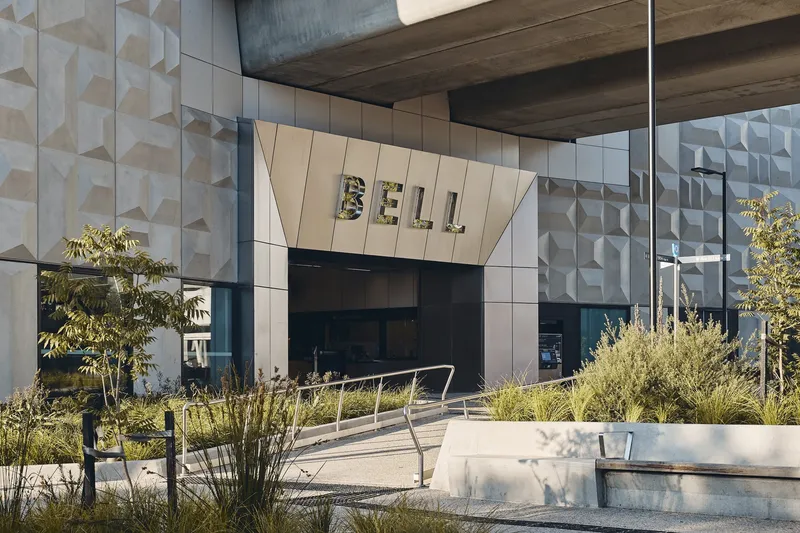
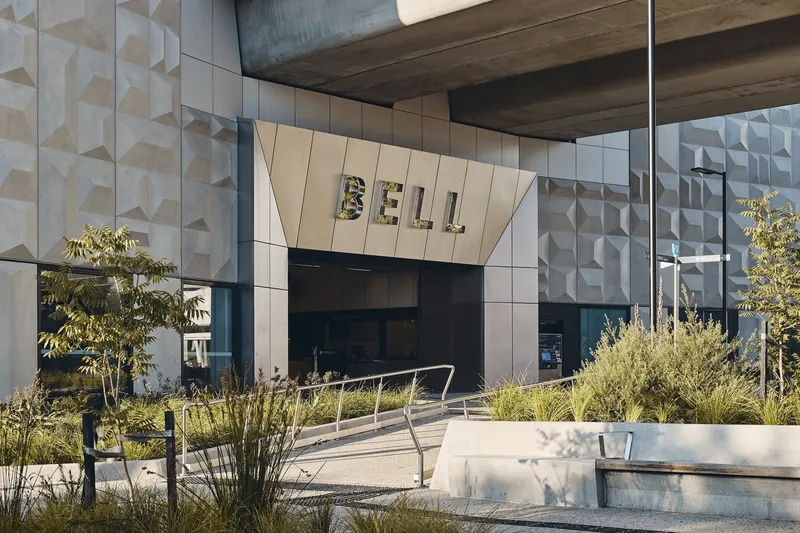
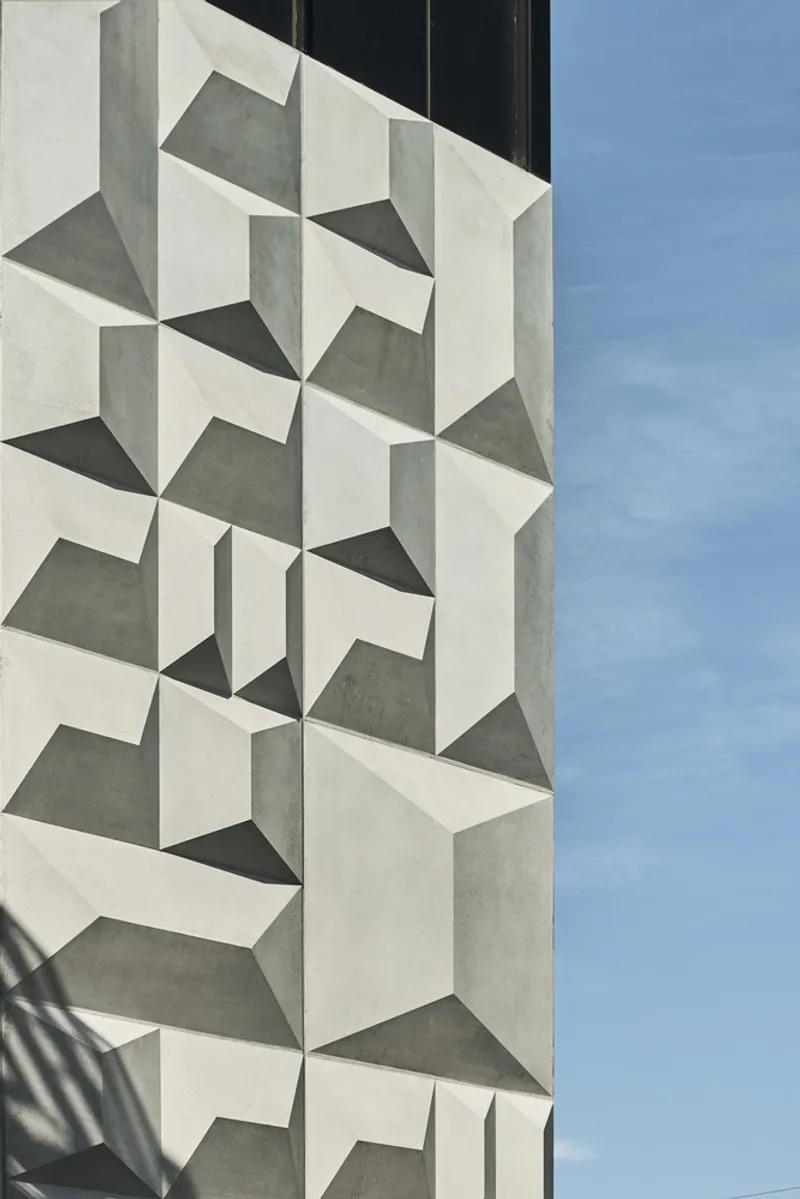
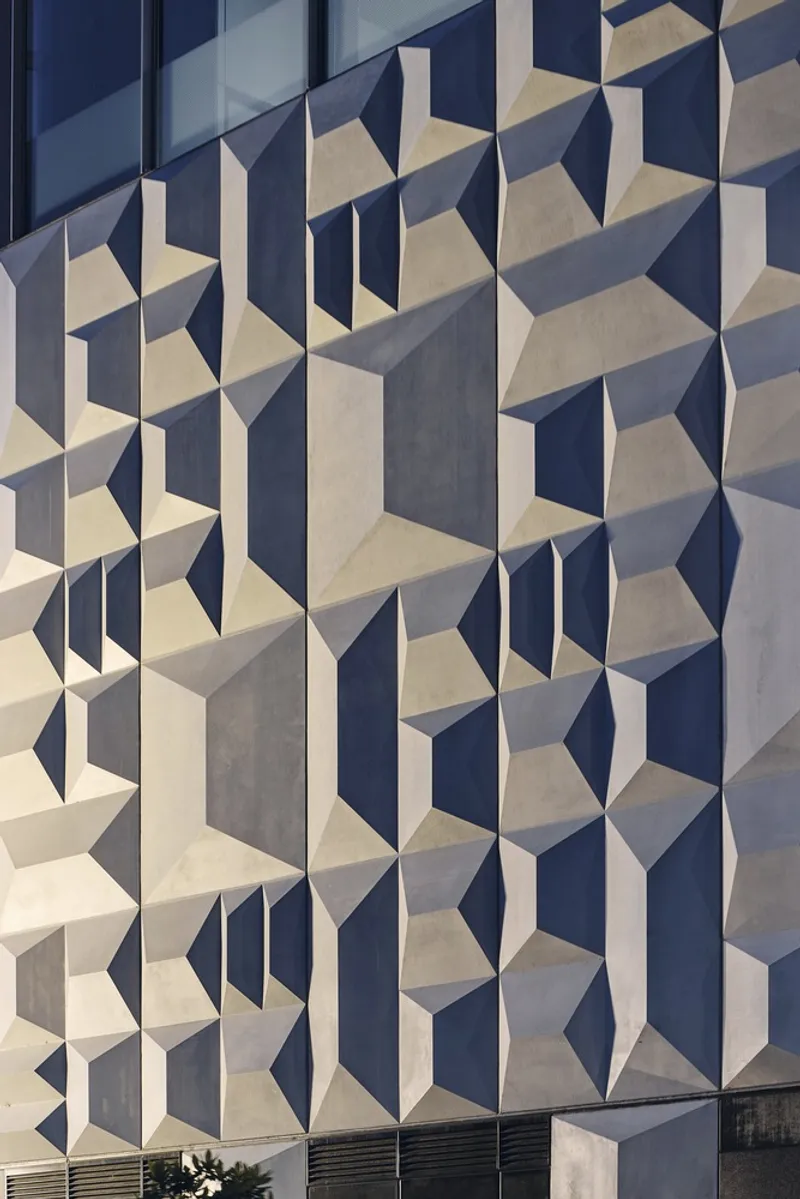
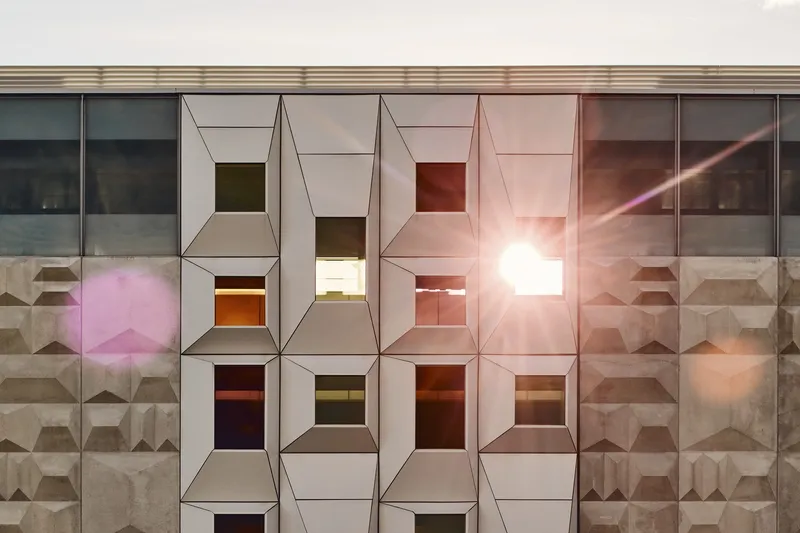
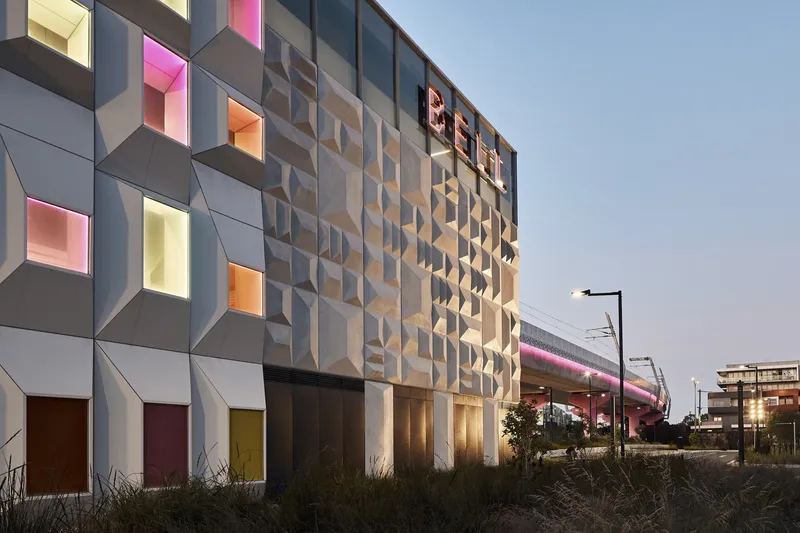
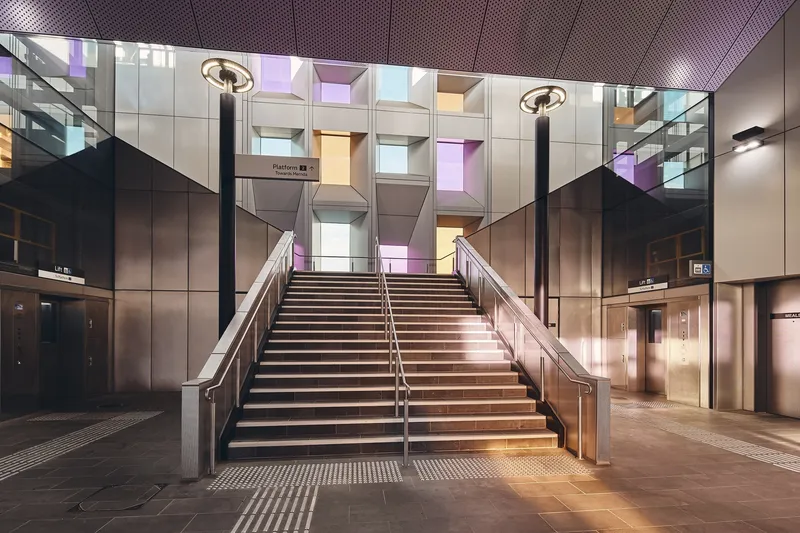
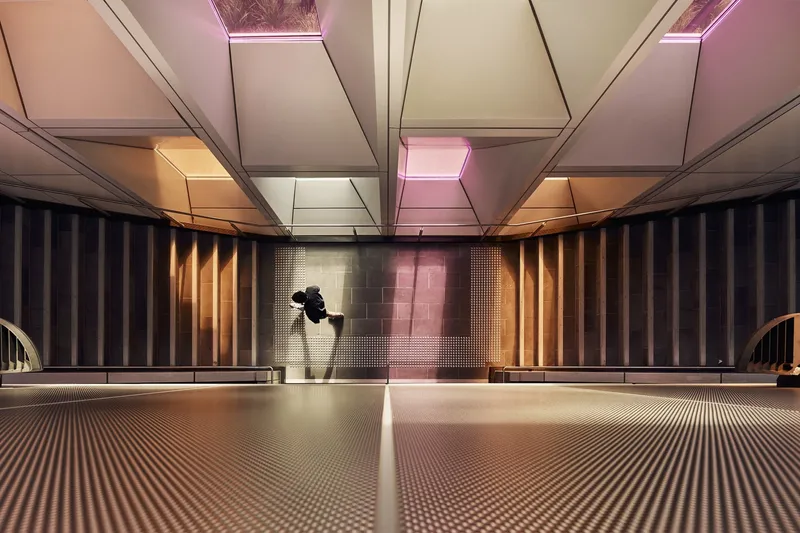
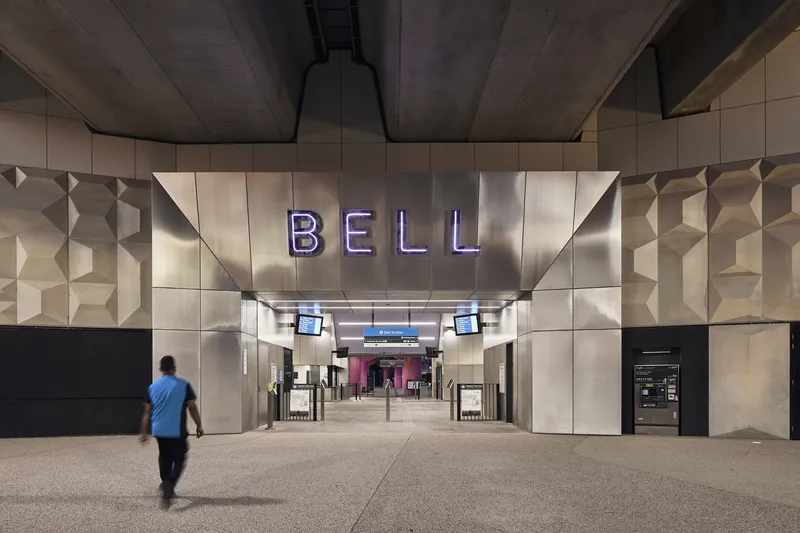
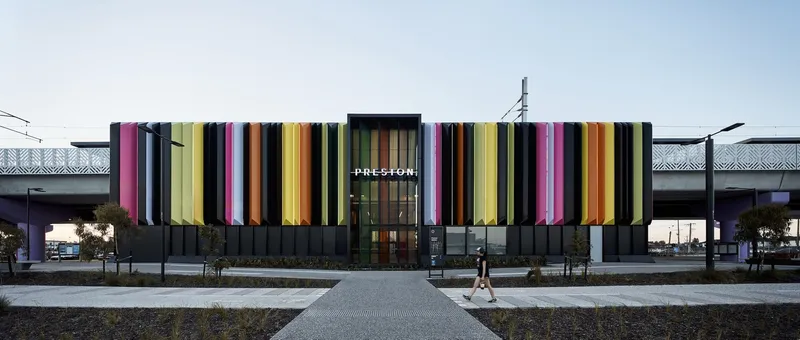
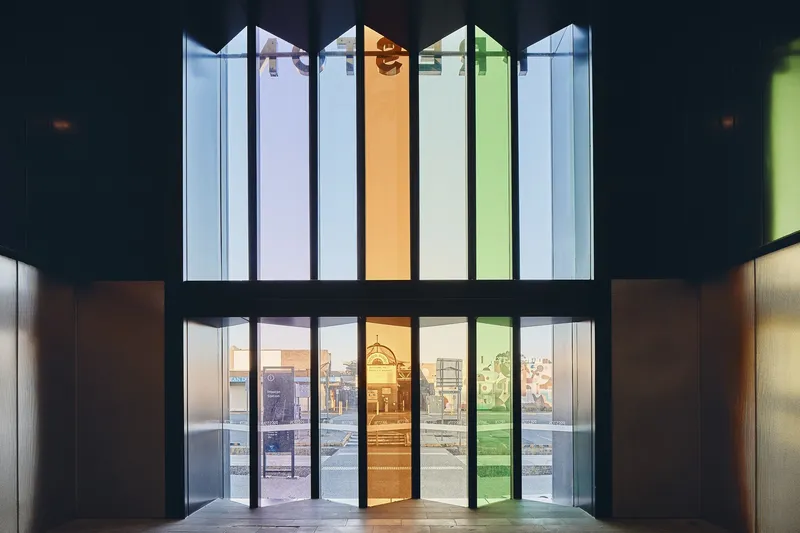
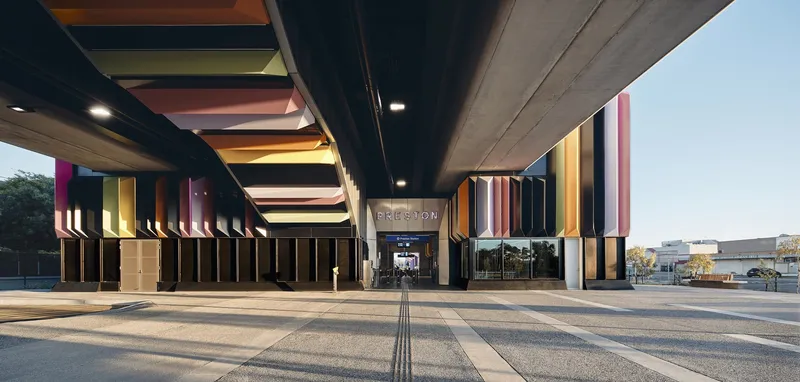
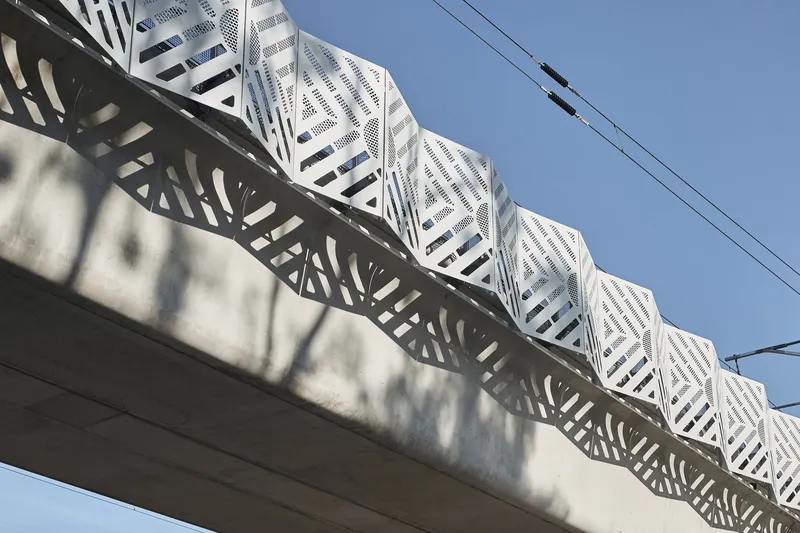
The design cleverly integrates the stations with their surroundings. Bell Station features a façade that mirrors the heritage-listed housing around it, using abstract patterns to animate the structure. Preston Station displays a barcode-like façade inspired by the nearby Preston Market, incorporating vibrant colors that reflect the local culture.
Environmental and Social Sustainability
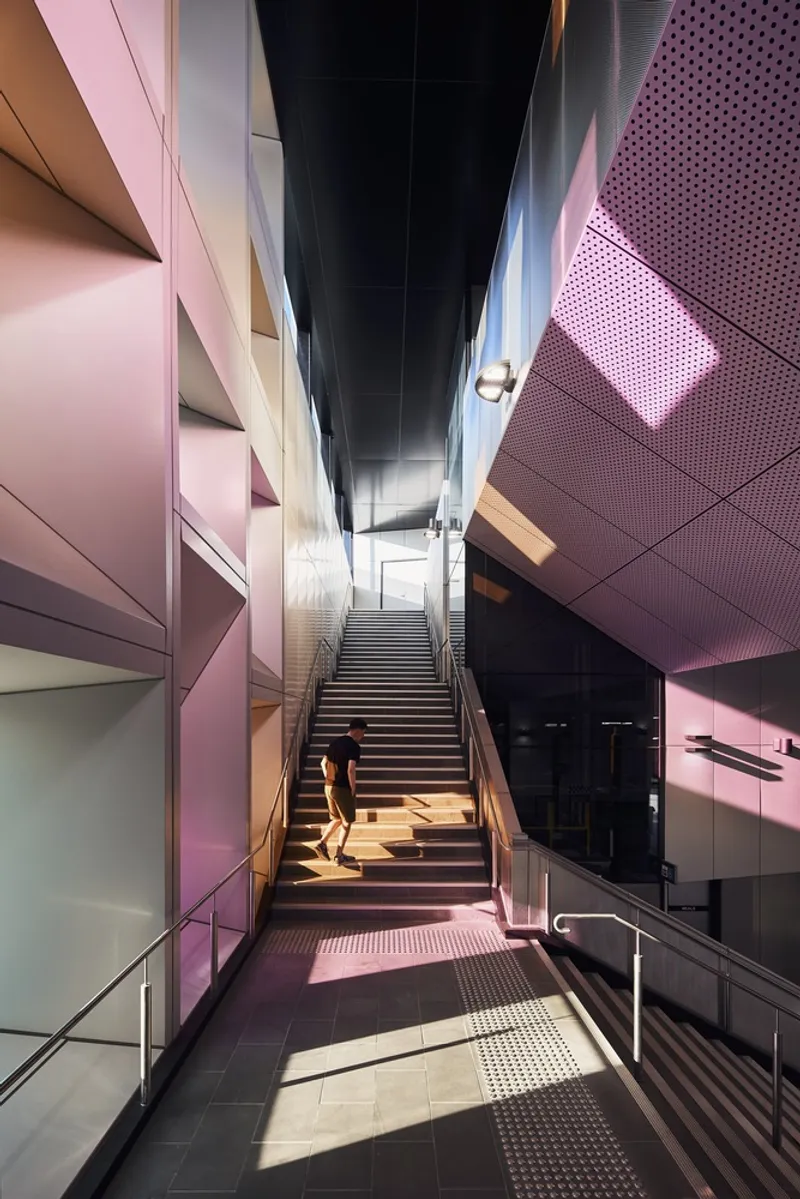
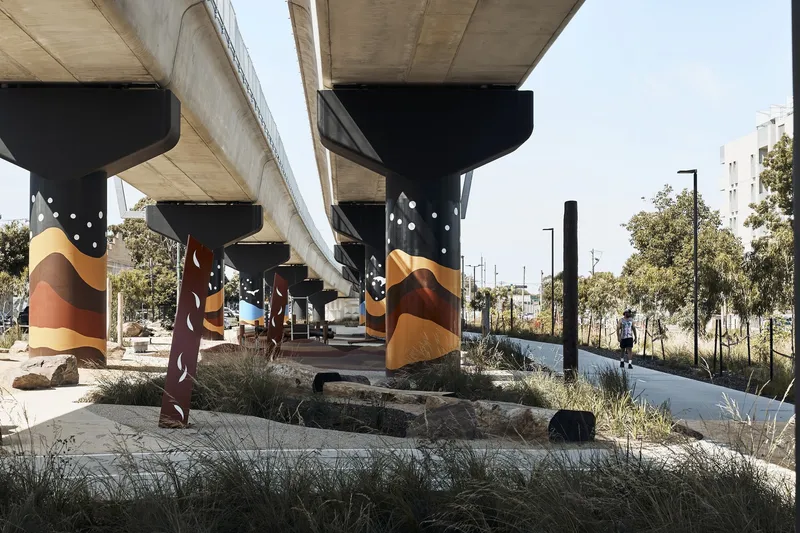
Both stations are designed with sustainability in mind, meeting high ISC and 6-star Greenstar requirements. The project incorporates breathable façades, native planting, and public green spaces beneath the elevated rails, fostering biodiversity and providing community gathering spaces.
Material Use and Community Impact
Sustainable Materials and Construction Techniques
The project uses materials and construction techniques that minimize environmental impact. This includes the use of recycled materials and local sourcing to reduce transportation emissions, as well as energy-efficient systems to reduce the stations' operational carbon footprint.
Enhancing Community Connectivity
The removal of level crossings and the creation of new public spaces connect neighborhoods previously divided by rail tracks, improving pedestrian and cyclist access across the area. The project's open spaces are designed to be multifunctional, serving as community hubs that encourage social interaction and cultural activities.
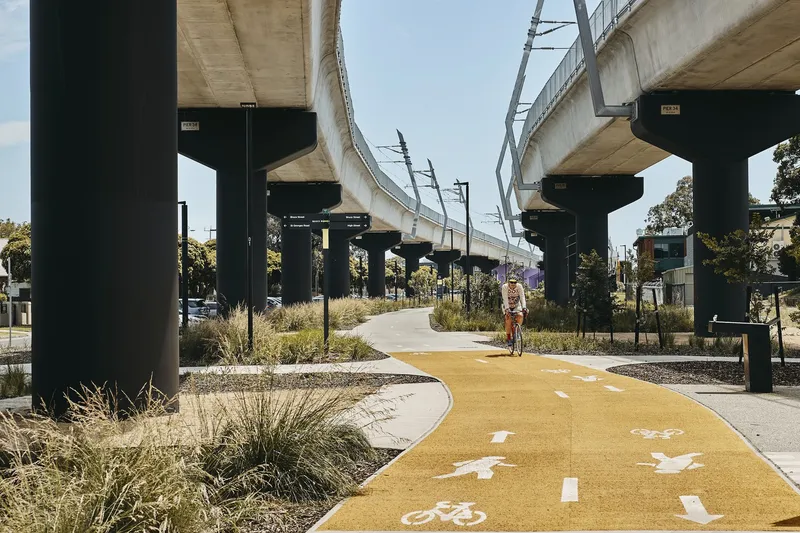
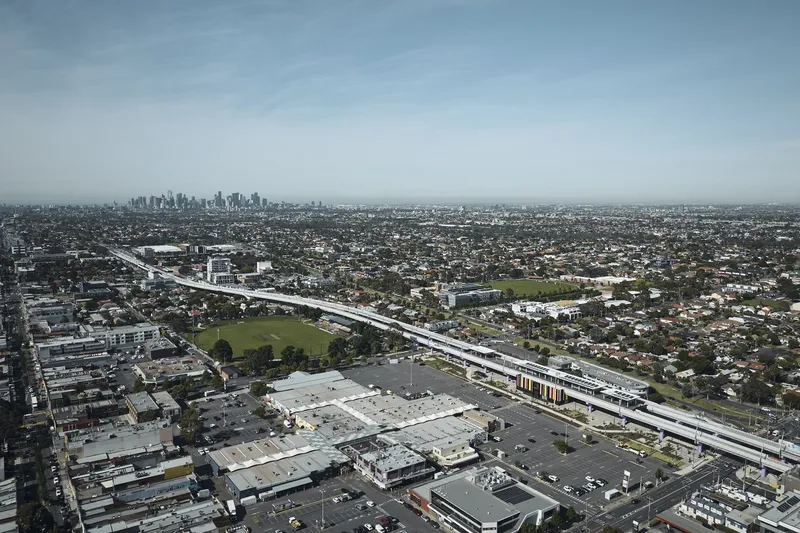
The Preston Level Crossing Removal Project represents a significant advancement in sustainable urban rail design. By focusing on both environmental sustainability and community integration, Wood/Marsh Architecture has not only improved transportation infrastructure but also enhanced the urban fabric of Preston. This project serves as a model for future urban rail developments worldwide, demonstrating how thoughtful design can transform public transport systems into sustainable, community-focused environments.
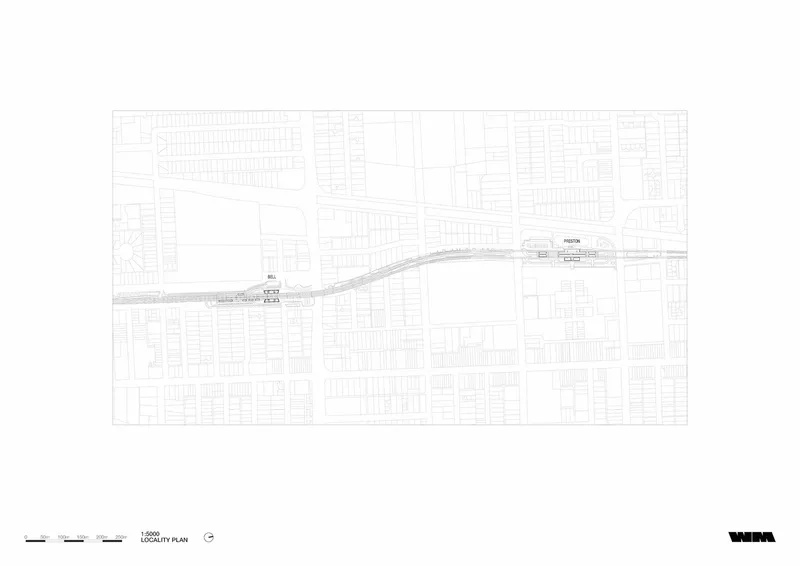
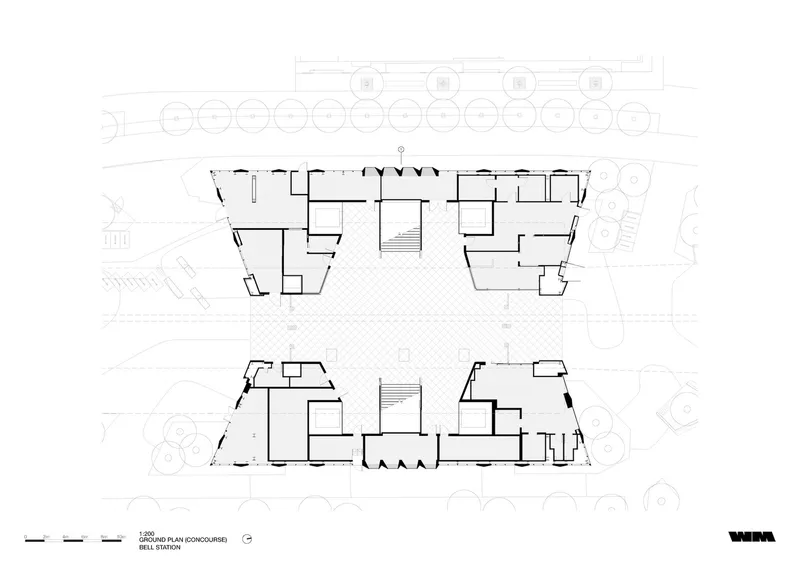
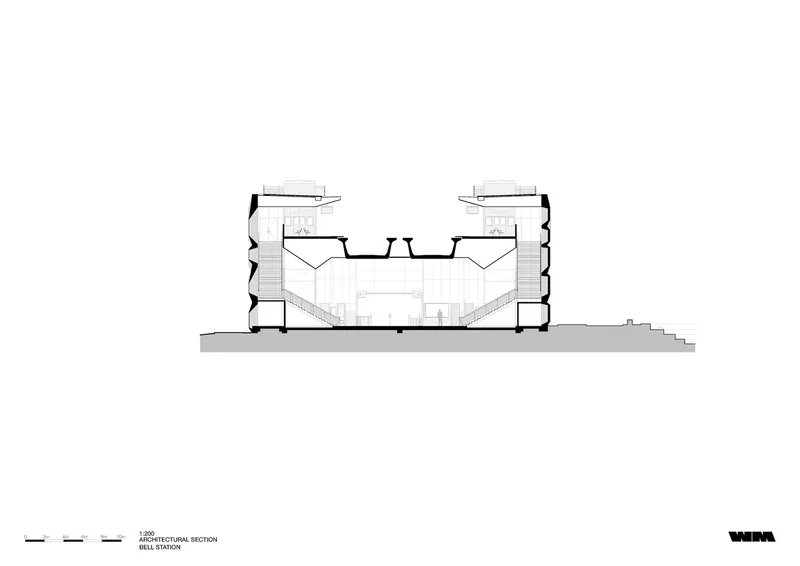
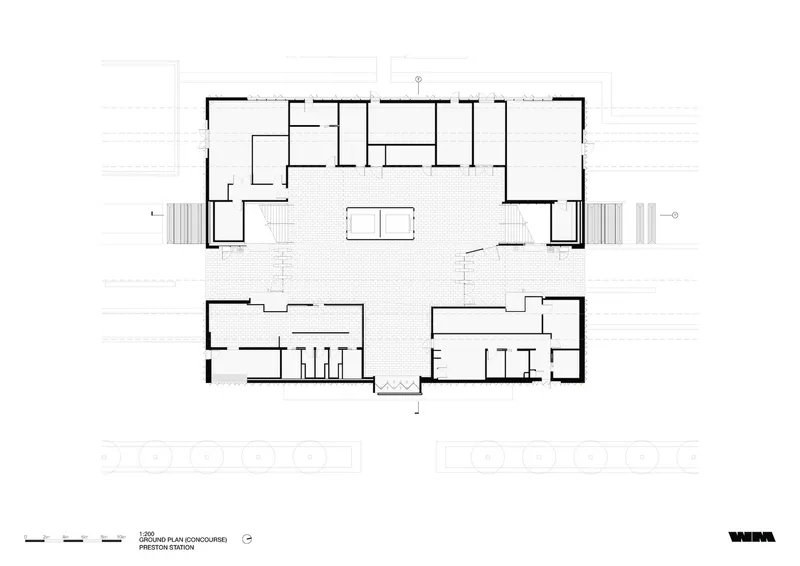
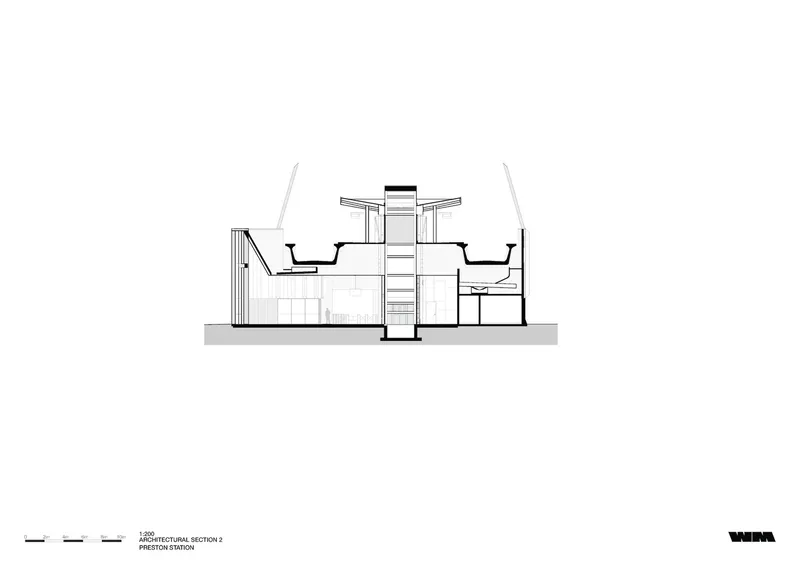
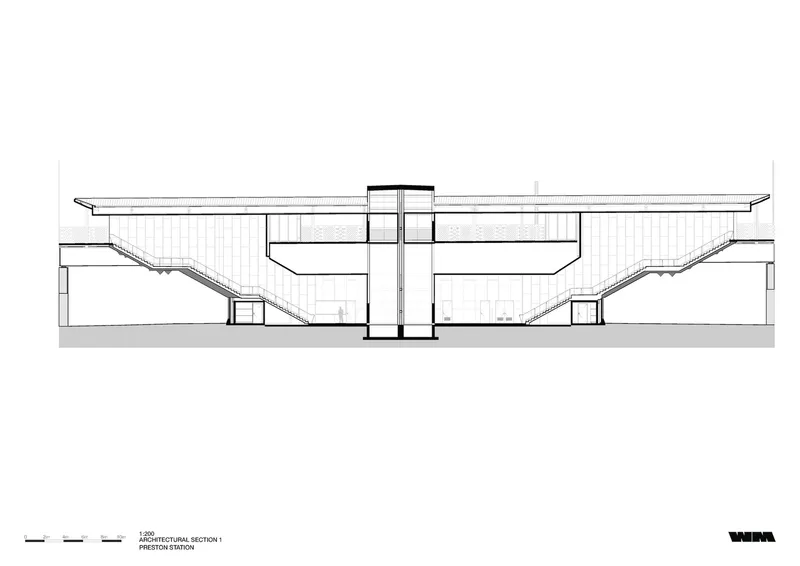
All photographs are work of Peter Bennetts


Popular Articles
Popular articles from the community


Opera on the Sea: Driftwood Logic Shapes a Timber Opera House on Estonia's Coast
Trevor Orgill's opera house translates the entangled drift of floating timber into a civic building where wood, water, and music converge.

Tsunami Convergenics: Turning Catastrophic Ocean Forces into Underwater Housing Infrastructure
A speculative underwater settlement off the coast of Onagawa, Japan, treats tsunamis and typhoons as energy sources rather than threats.

Singing Woman: Contemporary Architecture Inspired by Estonia’s Voice and the Sea
Singing Woman turns Estonia’s song culture into flowing opera house architecture, blending public life, landscape, sea, and national memory.

Cloaked Colonization: A Mobile Underwater Habitat That Moves Like a Fish
Micah Abaya's shortlisted EHC Pacific entry reimagines ocean settlement as a dispersed network of self-sustaining architectural organisms.

Similar Reads
You might also enjoy these articles


Hodi-Mandai Geram
Project Function: Preservation and revitalization of the Intangible heritage and socio-spatial identity of the Hodi by Housing, Cultural Memory Center, Sacred Grove, landscape, local tourism economy


Olio Towers: A Mid-Rise for Performers That Fuses Housing, Rehearsal, and Stage
Located blocks from Houston's Theater District, this modular tower stacks living units around a central performance atrium.

Oasis: Modular Green Housing Carved into Dhaka's Urban Fabric
A shortlisted Plugin Housing entry reclaims unauthorized settlements in Dhaka with stepped concrete volumes, green roofs, and ventilation-driven design.

Black Hole: A Floating Megastructure for the Post-Physical Era
Emiliano Mazzarotto envisions a spherical, self-scaling arena where e-sports, digital hotels, and holographic stadiums replace traditional public space.

Explore Green Transit Competitions
Discover active competitions in this discipline

Challenge to reimagine the Iron Throne

Photograph architecture without architects

Illustrate the lost glory of Angkor Wat - Render Challenge

Design challenge to reuse E-waste
Comments (0)
Please login or sign up to add comments
No comments yet. Be the first to comment!