
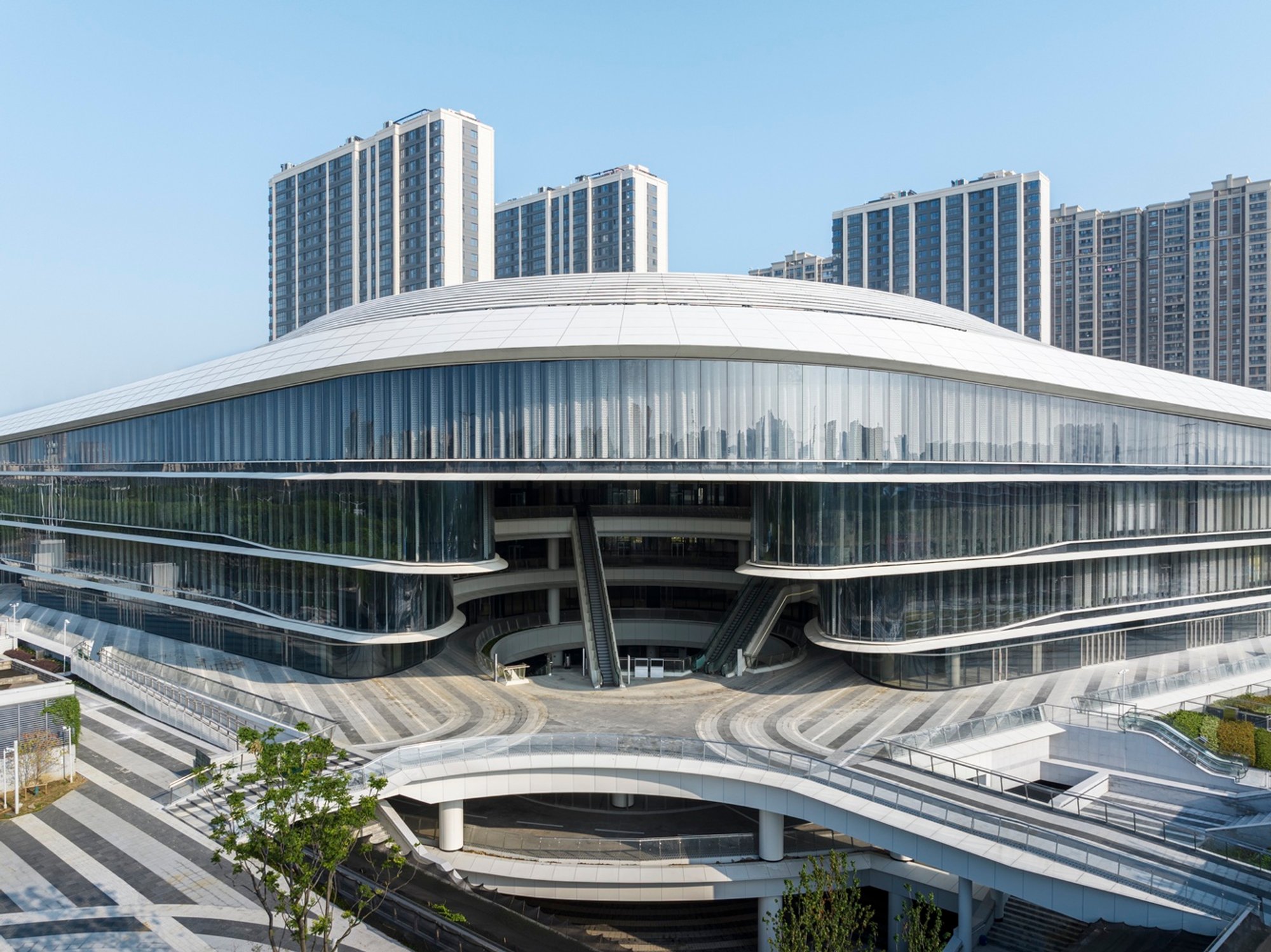
Suzhou Wujiang Songling-Avenue Bus Terminal: A Modern Transportation Hub by Nikken Sekkei
Suzhou Wujiang Songling-Avenue Bus Terminal by Nikken Sekkei blends modern transit efficiency with Suzhou garden-inspired design and vibrant public spaces.

Connecting Heritage and Modern Urban Life
Located just 100 km from Shanghai, Suzhou is renowned for its dual identity as a thriving metropolis and a historic city celebrated for its intricate garden culture. The Suzhou Wujiang Songling-Avenue Bus Terminal, designed by Nikken Sekkei, is strategically situated in a newly developed suburban area, just 30 minutes by subway from the city center, serving as a vital hub for daily commuters and long-distance travelers.
The project faced the challenge of harmonizing cultural heritage with rapid urbanization, surrounded by some of China’s most iconic water towns, gardens, and newly emerging high-rise residential neighborhoods.
Creating Dynamic Urban Spaces within a Suburban Superblock
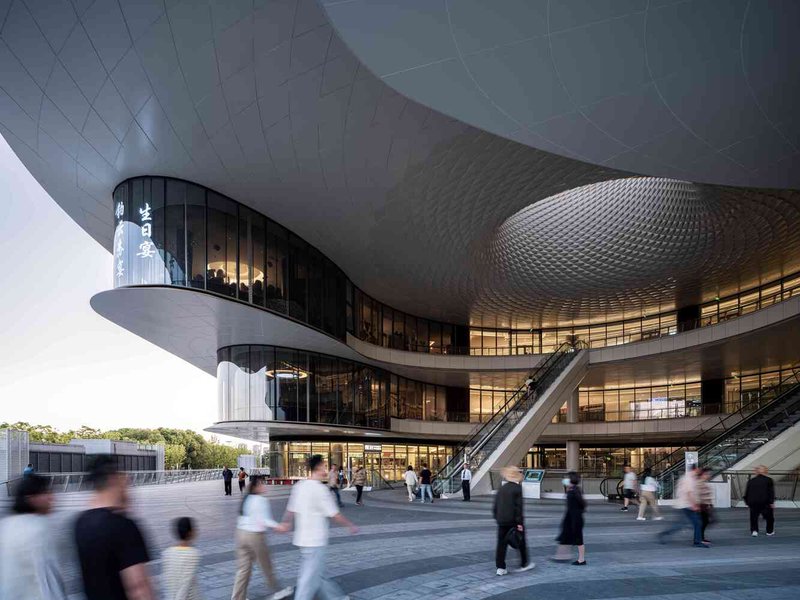
In Suzhou’s expanding suburbs, high-rise residential developments dominate, often creating isolated neighborhoods centered around vehicular traffic. Public gathering spaces like squares and pedestrian streets are rare. This terminal introduces a dynamic public space where people can converge for commuting, shopping, or leisure, providing a visible and lively urban environment.
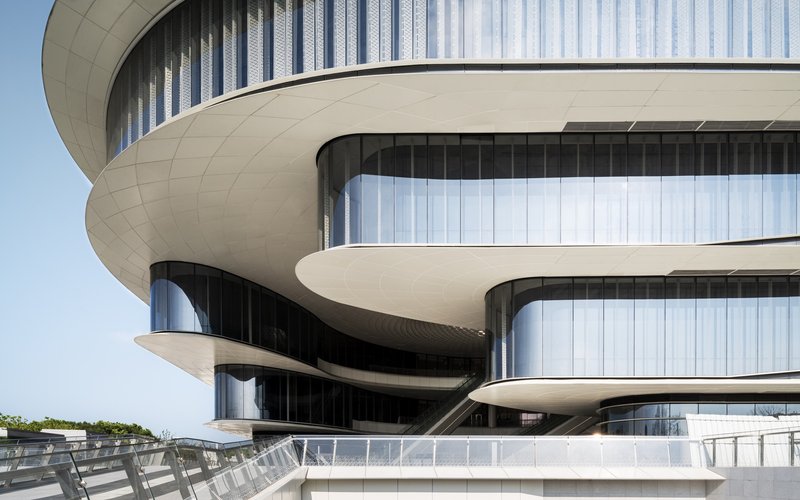
The linear 300-meter building stretches along the main road, seamlessly integrating green walking paths, terraces, commercial areas, and a quiet residential plaza. Its design ensures accessibility, safety, and a sense of “softness” while offering multiple routes and diverse urban spaces for residents and visitors.
From Functional Station to Enjoyable Urban Experience
The design philosophy goes beyond a conventional bus terminal. By working closely with the client—a joint venture between the local transportation bureau and developer—the architects aimed to:
- Ensure convenience, safety, and efficiency for daily commuters
- Support large-scale seasonal travel during events like Spring Festival and National Day
- Elevate the terminal into a comfortable and inviting environment
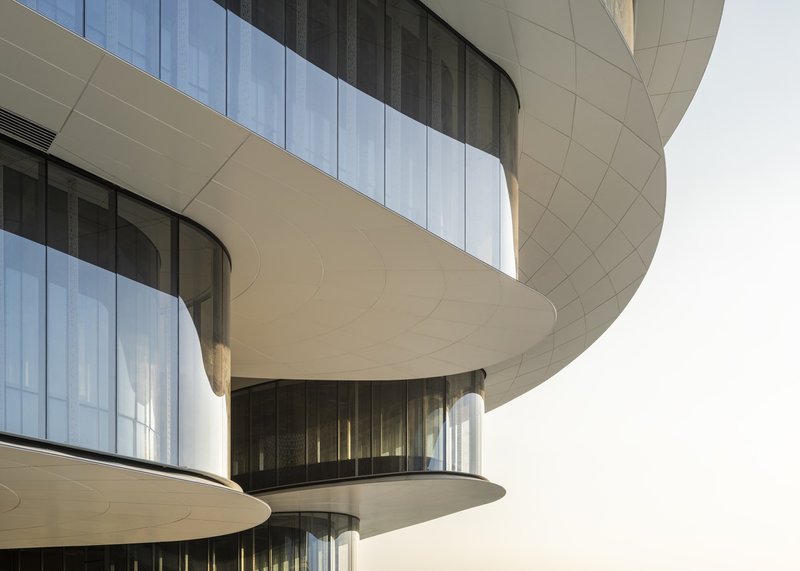
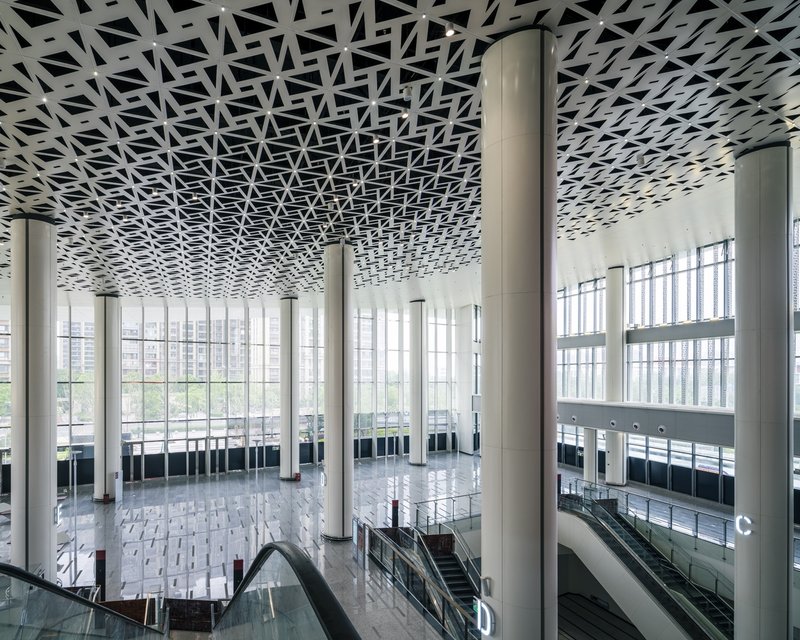
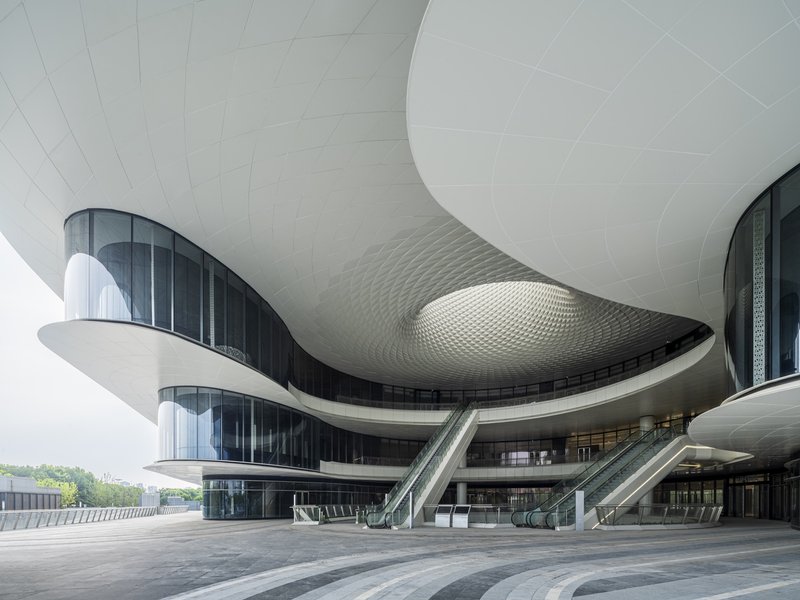
The building features a wing-like layout, with separate lobbies for long-distance and local buses. A bright, transparent waiting area connects directly to public green spaces and urban surroundings.
Seamless Transportation and Integrated Circulation
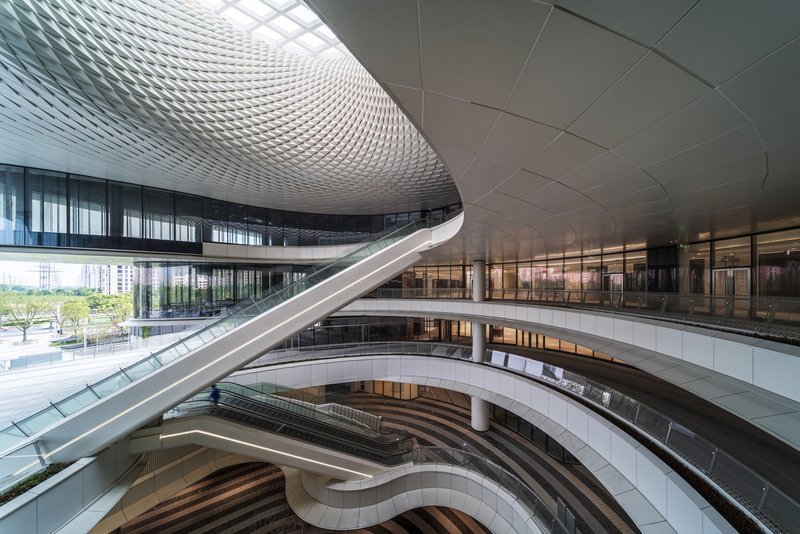
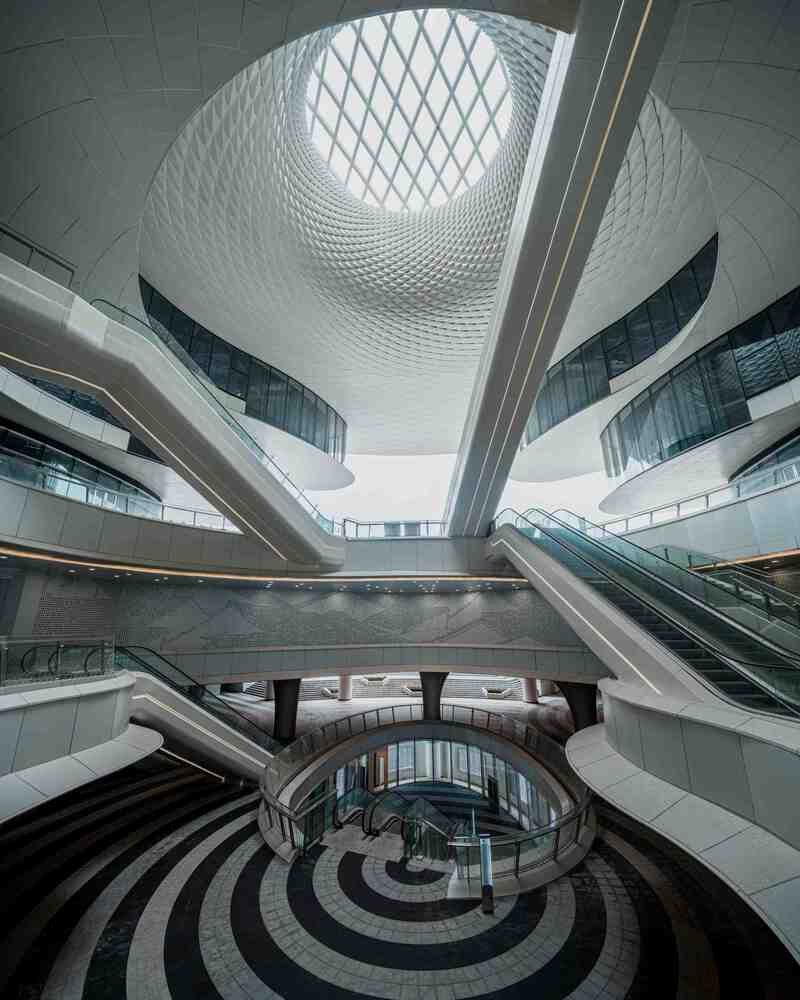
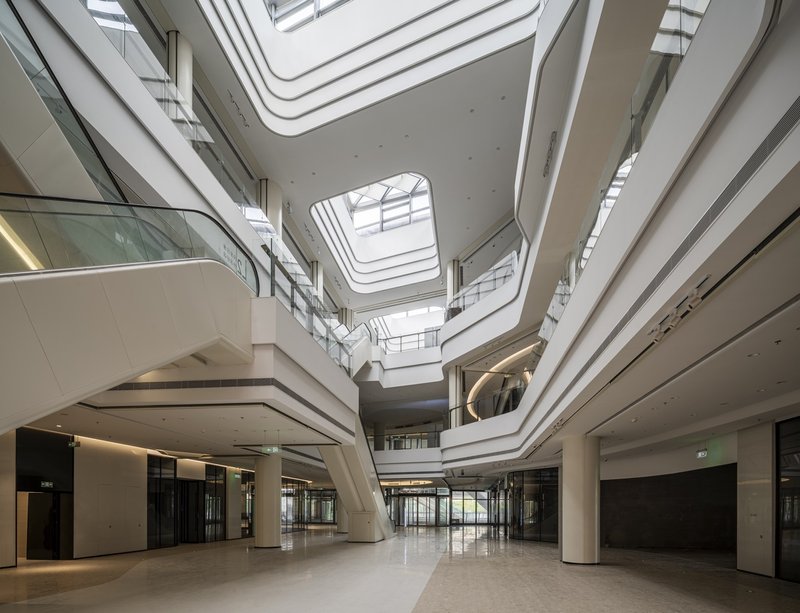
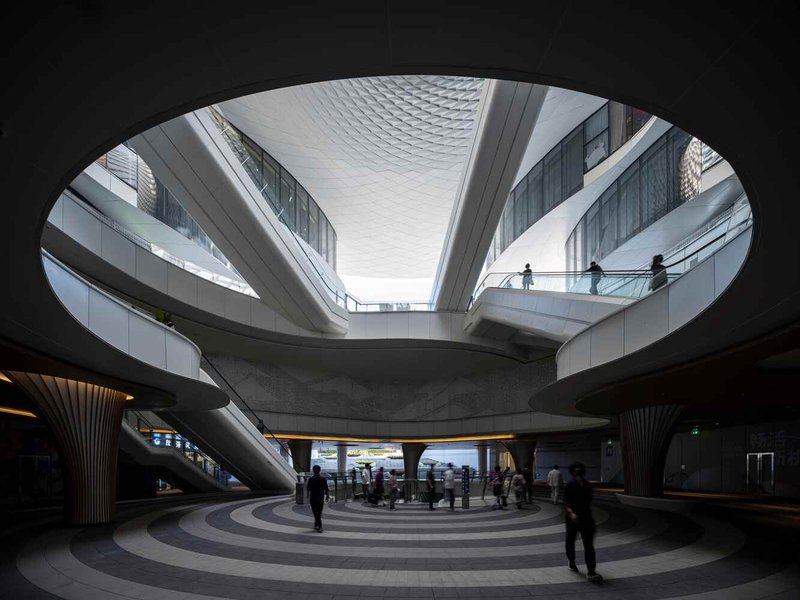
All transit modes—including buses, subways, taxis, and park-and-ride facilities—intersect around the central arrival lobby, forming a comprehensive transportation network. The circulation system acts as an urban “street,” combining horizontal and vertical movement with commercial terraces, layered activity spaces, and visual connections to parks.
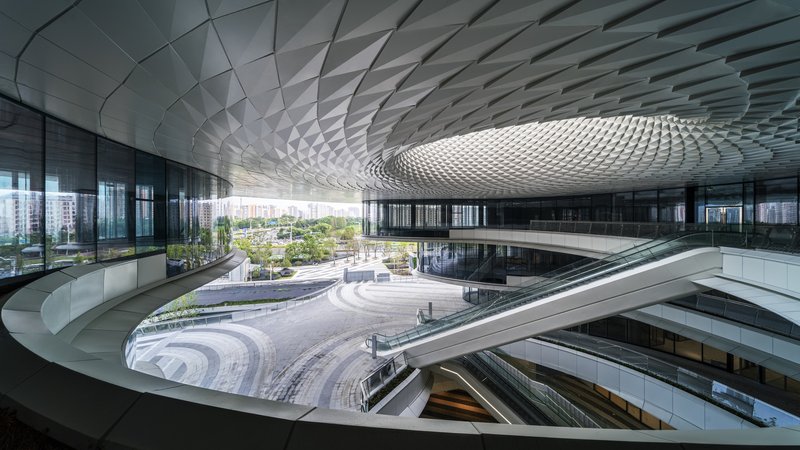
The URBAN CORE atrium spans from the third basement to the third above-ground floor, guided by overlapping floor layouts and skylights, creating a visually iconic and naturally inviting central space for movement.
“Glocal” Design: Merging Futurism with Suzhou Garden Culture
This terminal embodies a glocal design approach, combining modern materials and technology with traditional Suzhou aesthetics. Key design strategies include:
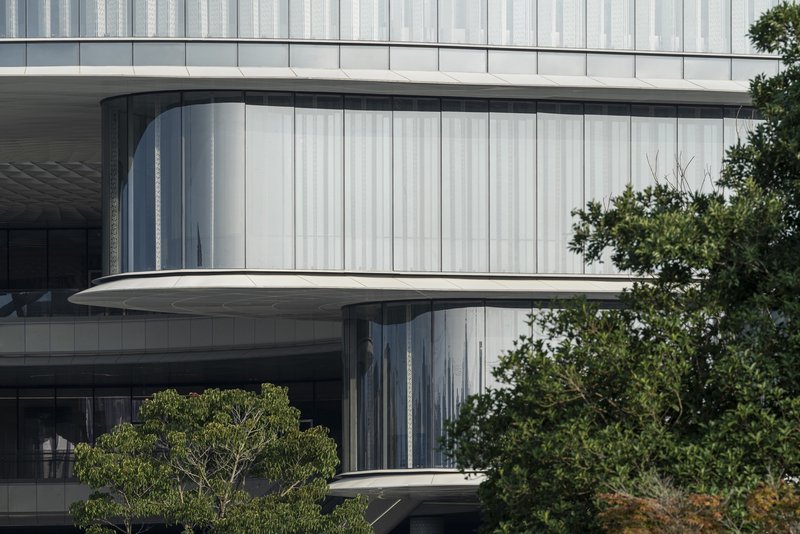
- Long horizontal frontage to evoke speed and urban energy
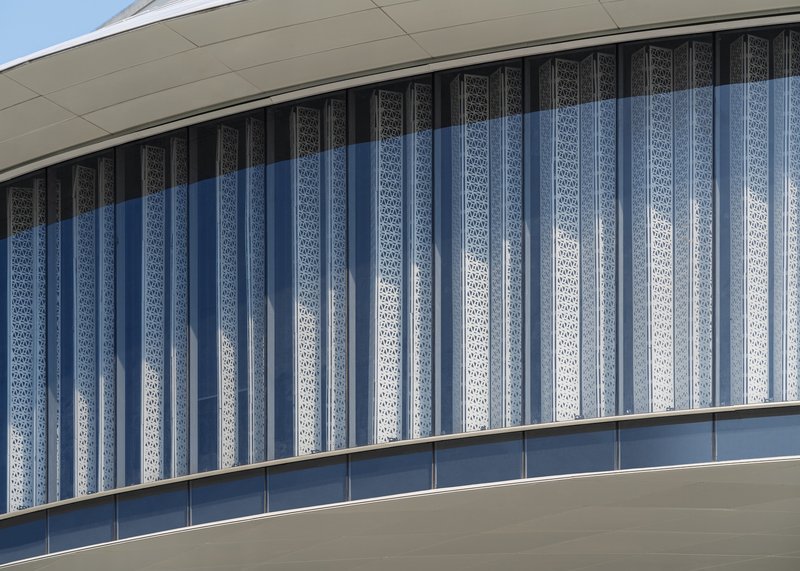
- Aluminum perforated screens inspired by water town lattice doors, softly dividing interior and exterior spaces
- Undulating URBAN CORE ceiling, reflecting natural light and shadows, inspired by interlocking roof tiles
The building’s scale transitions seamlessly from distant views to close-up perspectives, paying homage to Suzhou Garden culture, while creating a modern, layered urban space that resonates with the local community.
A Gateway to Suzhou’s Suburban Development
The Suzhou Wujiang Songling-Avenue Bus Terminal stands as more than just a transport hub—it is a vibrant public space that balances functionality, cultural sensitivity, and aesthetic innovation. By integrating efficient transportation, dynamic urban circulation, and glocal architectural design, the terminal redefines suburban public infrastructure while celebrating Suzhou’s heritage.




Popular Articles
Popular articles from the community


The Ken Roberts Memorial Delineation Competition (Krob)
As the most senior architectural drawing competition currently in operation anywhere in the world, it draws hundreds of entries each year, awarding the very best submissions in a series of medium-based categories.

A Contemporary Take on Iranian Residential Architecture
A modern interior design in Mashhad that reinterprets brick, light, and spatial flow to create a warm, contemporary residential architecture.
Louis Malle Cinema: A Limestone Cultural Landmark Revitalizing Community Life in Prayssac
Limestone cinema extension with public forecourt, blending heritage and modern design to create flexible cultural spaces and strengthen community interaction.
Gads Hill Early Learning Center by JGMA: Adaptive Reuse Shaping Community-Focused Educational Architecture
Adaptive reuse transforms fragmented structure into vibrant early learning center with playful façade, natural light, and community-focused sustainable design.


Similar Reads
You might also enjoy these articles
The Ken Roberts Memorial Delineation Competition (Krob)
As the most senior architectural drawing competition currently in operation anywhere in the world, it draws hundreds of entries each year, awarding the very best submissions in a series of medium-based categories.


Waterfront Redevelopment and Urban Revitalization in Mumbai: Forging a New Dawn for Darukhana
A transformative waterfront redevelopment project reimagining Darukhana’s shipbreaking heritage into an inclusive urban future.

OUT-OF-MAP: A Call for Postcards on Feminist Narratives of Public Space
Rhizoma Design and Research Lab invites artists, designers, architects, researchers, and students to reflect on how feminist perspectives can reshape public space. Selected works will be exhibited in Barcelona, October 2026. Submissions open until 15 April 2026.


Documentation Work on Buddhist Wooden Temple
Architectural syncretism and cultural hybridity: A comparative study of the Buddhist temples in Chattogram Hill tracks


Explore Architecture Competitions
Discover active competitions in this discipline




The International Standard for Design Portfolios


The Global Benchmark for Architecture Dissertation Awards


The Global Benchmark for Graduation Excellence


Challenge to reimagine the Iron Throne
Comments (0)
Please login or sign up to add comments
No comments yet. Be the first to comment!