
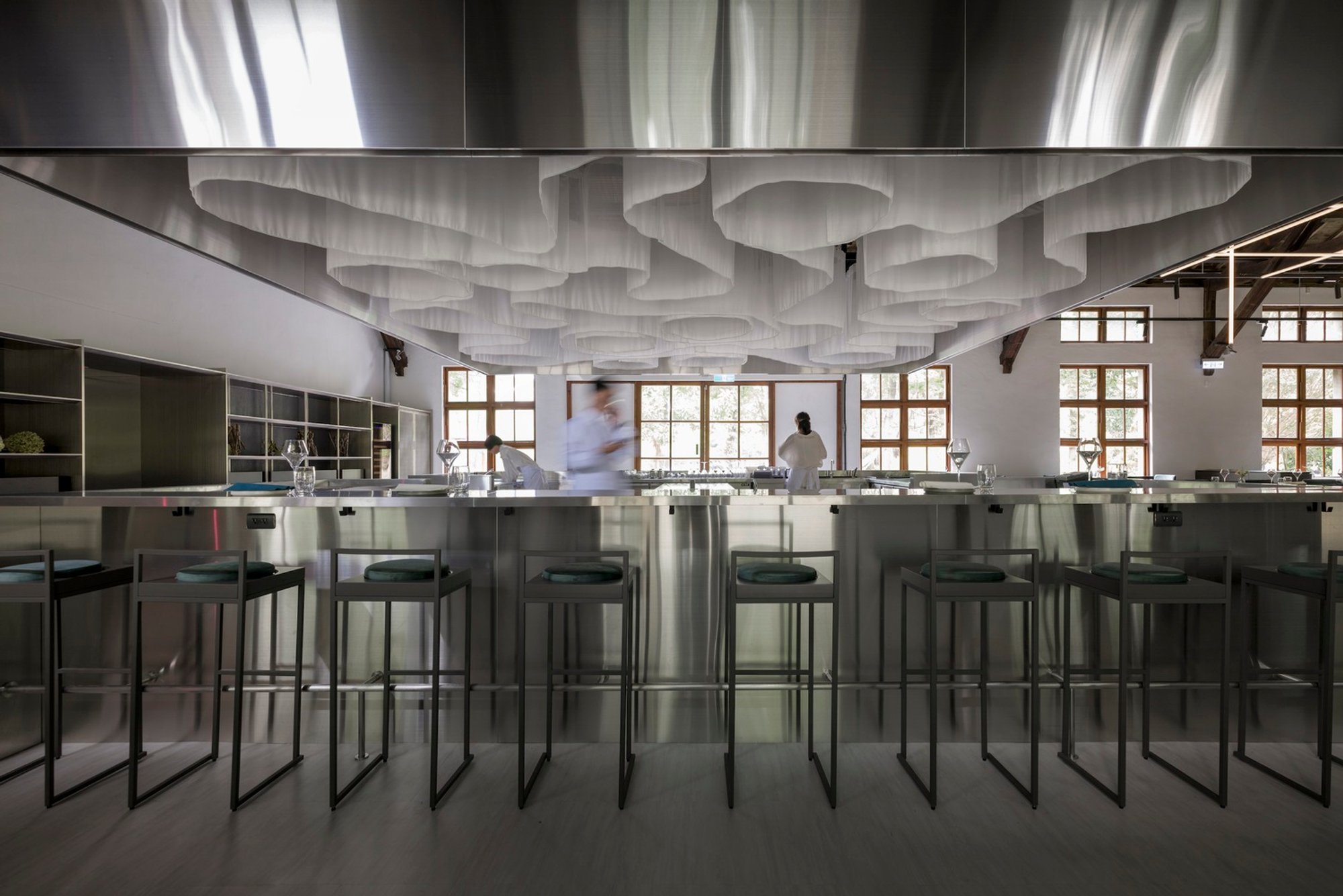
The Enchantment of Adaptive Reuse Architecture in Taiwan: A Case Study of ISLAND133 Restaurant
The article explores ISLAND133 Restaurant in Taiwan, highlighting its innovative adaptive reuse architecture, sustainability, and cultural impact.

Preserving Historical Integrity
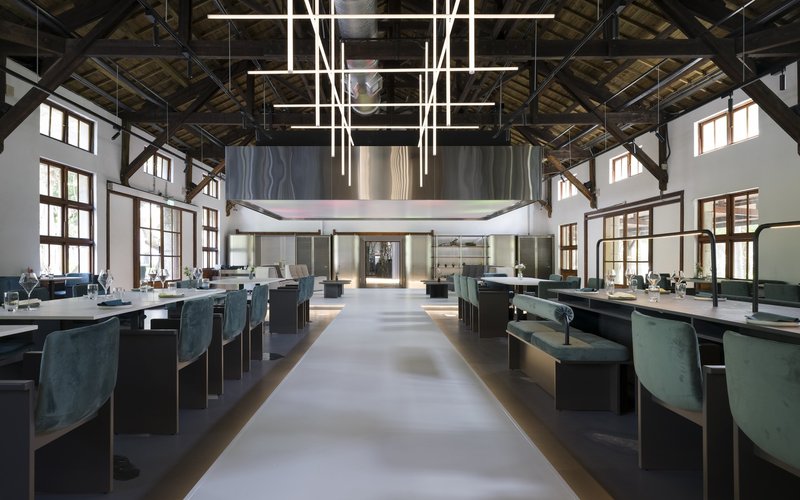
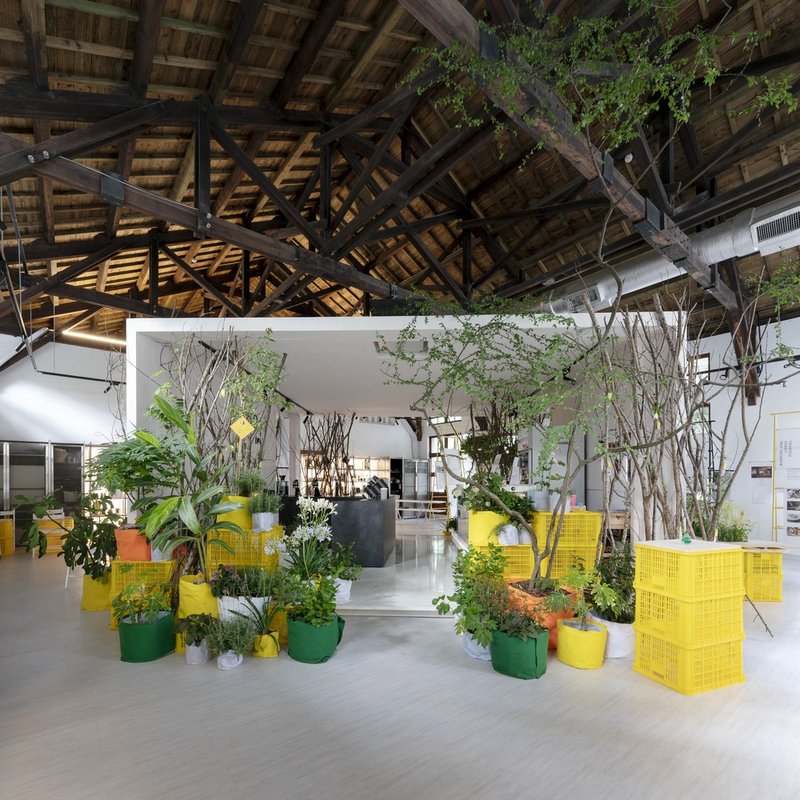
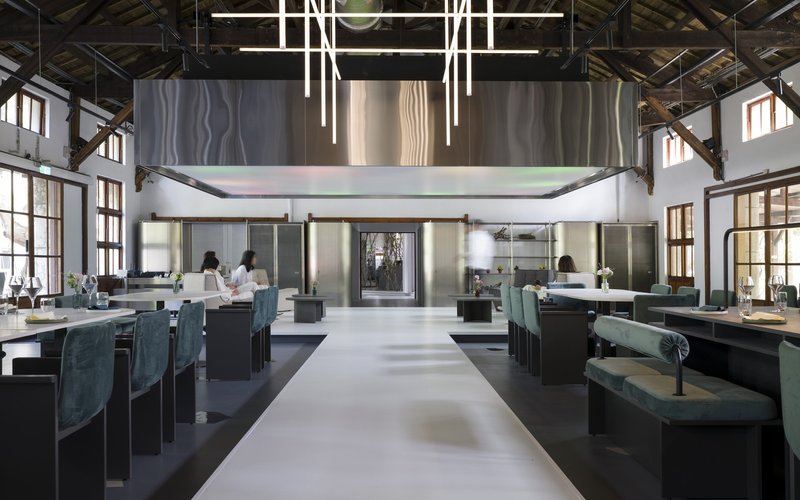
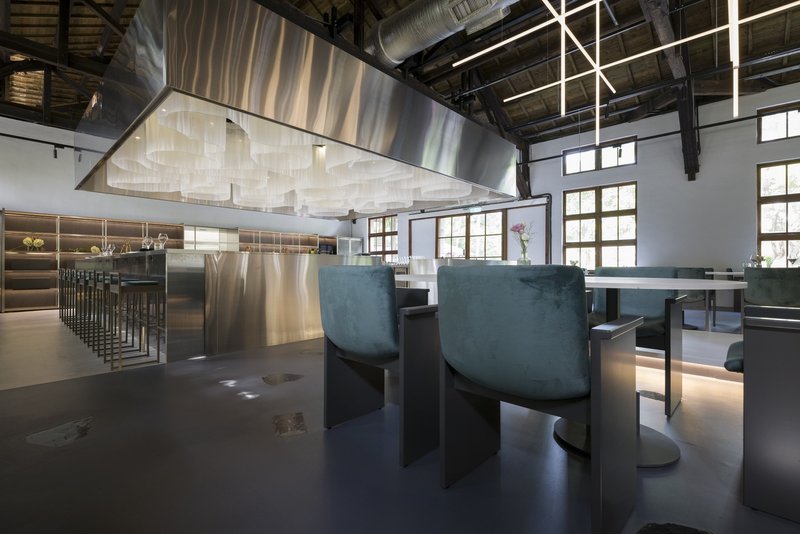
ISLAND133 retains the essence of its past life as a tobacco factory. The design by jc.architecture& design ,incorporates vertical lines, raw textures, and structural features emblematic of its industrial origins. By avoiding bolts and employing innovative construction techniques, the project ensures reversibility, allowing the original structure to remain intact.
Balancing Contrasts
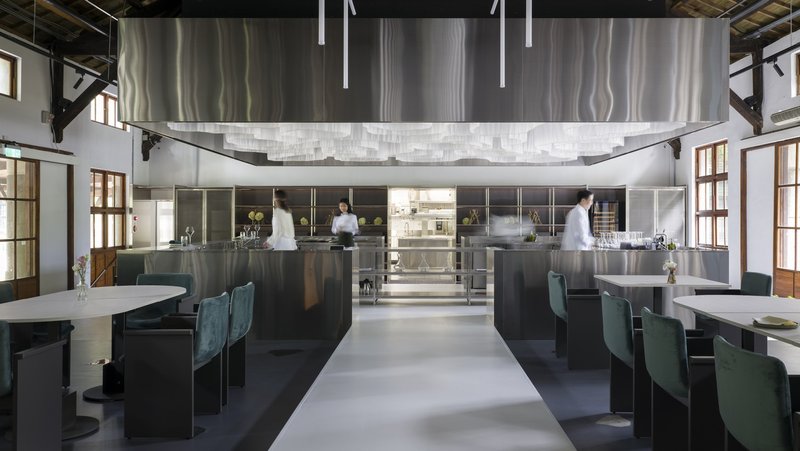
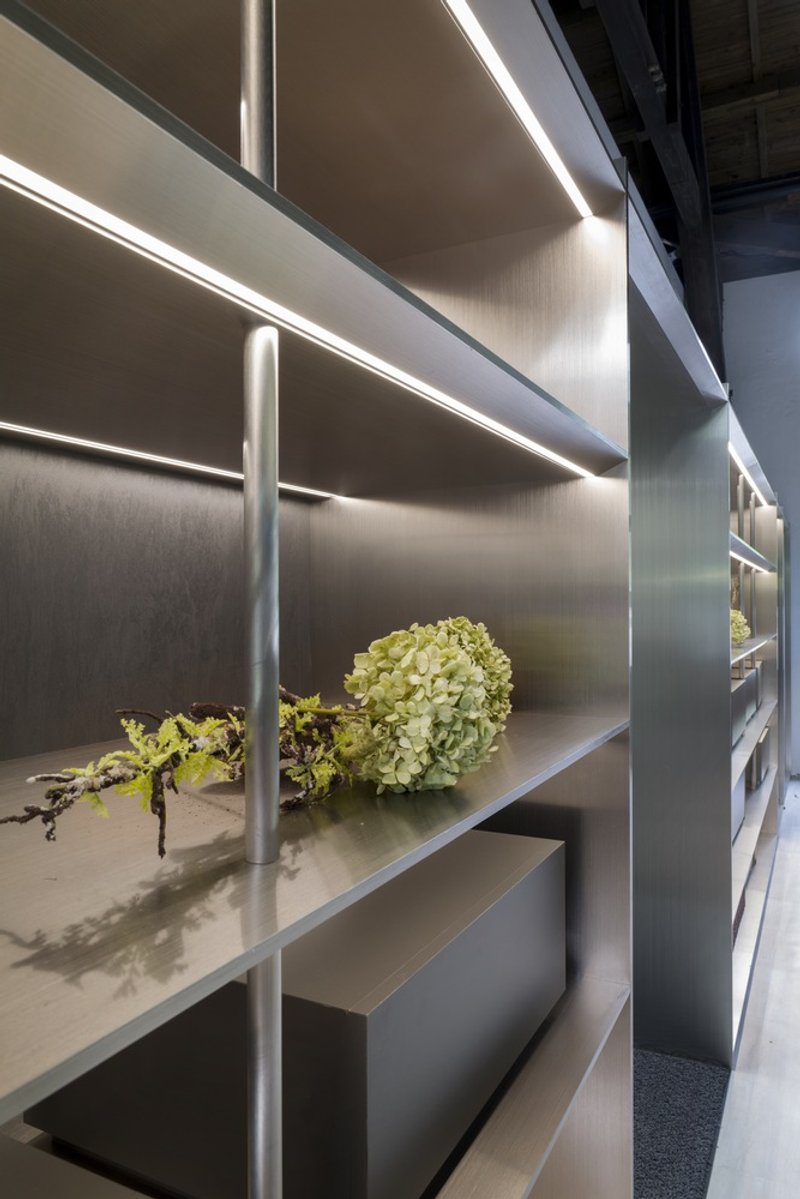
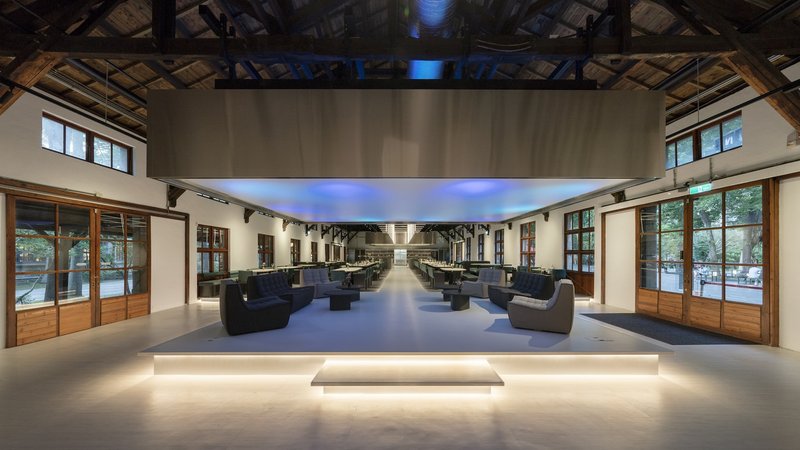
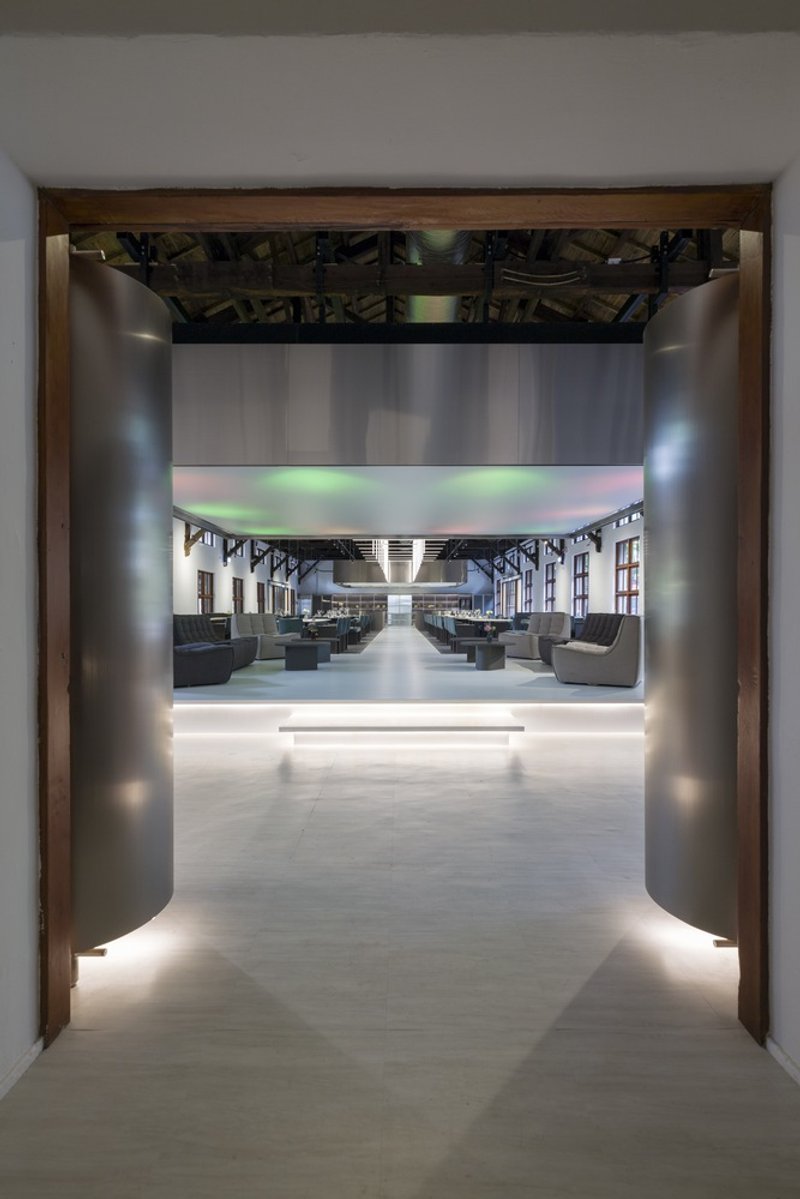
A hallmark of ISLAND133 is its ability to harmonize contrasting elements. The rustic, industrial foundation merges seamlessly with sleek, modern design elements, creating an urban oasis that reflects life in Taiwan. The result is a space that feels both rooted in history and forward-looking.
Design and Sustainability in ISLAND133
A Showcase of Local Materials
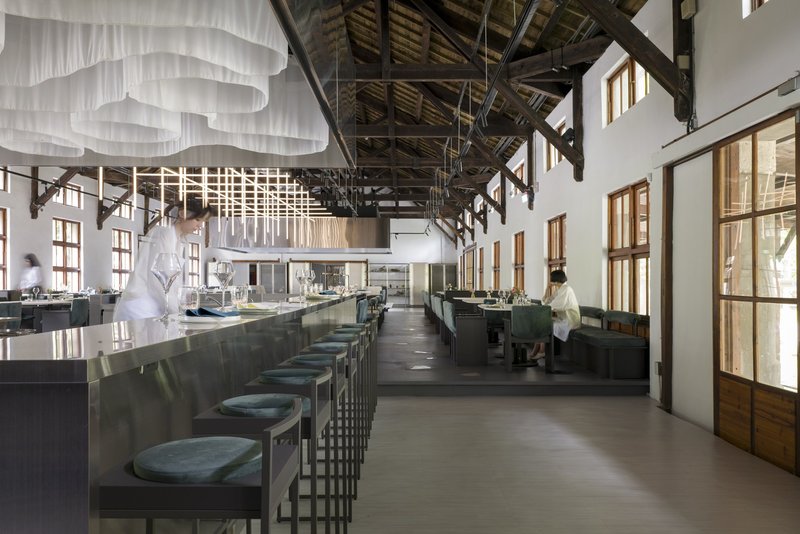
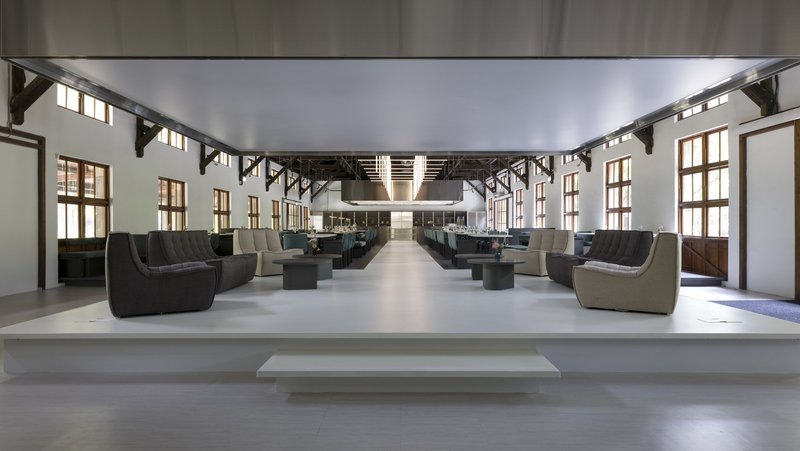
At the heart of ISLAND133’s design is the use of Hualien stone slabs, which are locally sourced and naturally irregular in shape. These slabs serve both functional and aesthetic purposes, forming elevated stages and bar counters that narrate a story of Taiwan's rich natural heritage.
Sustainable Practices
The project adheres to the 4R principles—Reduce, Reuse, Repair, and Recycle. From the reuse of structural elements to the minimal environmental footprint of its construction, ISLAND133 exemplifies sustainable adaptive reuse architecture.
A Multifunctional Space Beyond Dining
From Factory to Cultural Hub
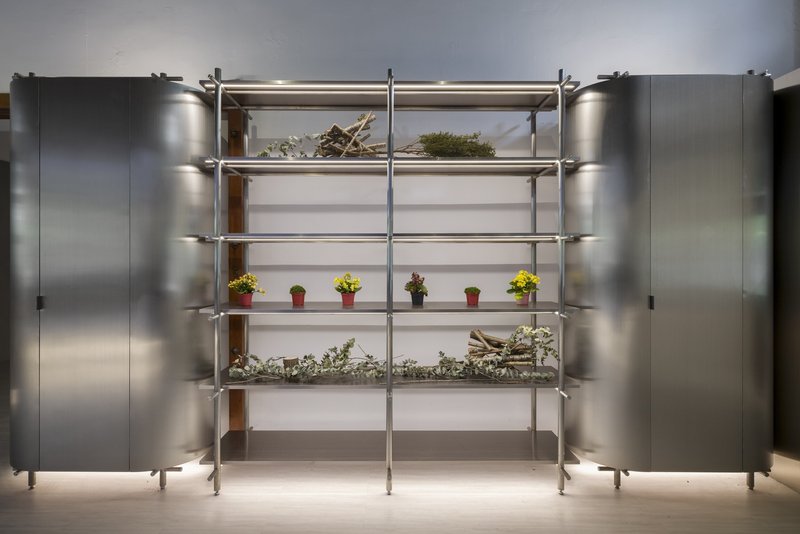
ISLAND133 is not just a restaurant; it’s a dynamic cultural venue. The space is designed to host exhibitions, culinary workshops, and events that celebrate Taiwanese heritage. Its debut exhibition, 'Root to Table', showcased Taiwan’s edible flowers and plants, emphasizing the connection between cuisine and nature.
The Dining Experience
The restaurant offers more than just food—it provides an immersive journey. Guests experience a seamless transition from the kitchen to the dining area, traversing an elevated runway-style stage. This unique setup blurs the boundaries between performance and gastronomy, creating a memorable encounter for visitors.
The Impact of Adaptive Reuse on Taiwanese Architecture
Preservation Meets Innovation
Adaptive reuse projects like ISLAND133 highlight the value of preserving Taiwan's architectural heritage while adapting to modern needs. This approach ensures that historical structures remain relevant and functional in a rapidly changing urban landscape.
A Model for Sustainability
Incorporating sustainability into adaptive reuse architecture positions Taiwan as a leader in environmentally responsible design. Projects like ISLAND133 inspire similar initiatives, encouraging architects to prioritize sustainability without compromising creativity.
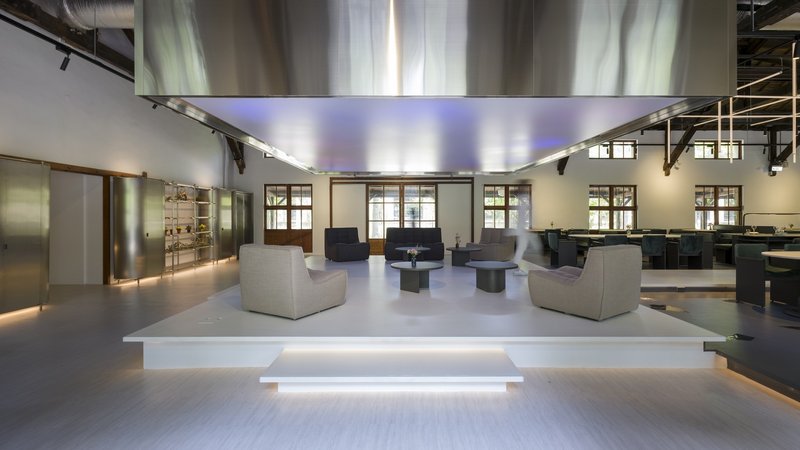
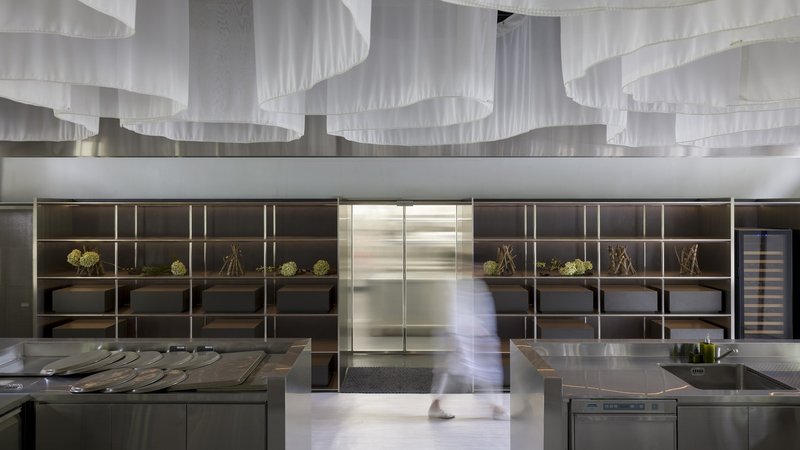
ISLAND133 Restaurant exemplifies the transformative power of adaptive reuse architecture in Taiwan, blending history, sustainability, and innovation into a cohesive masterpiece. By preserving its past as a tobacco factory while embracing a vibrant future as a cultural and gastronomic hub, ISLAND133 stands as a beacon of what adaptive reuse can achieve.
This project not only redefines urban design in Taiwan but also serves as a model for global architects striving to balance heritage and modernity. Whether you're an architecture enthusiast or a food lover, ISLAND133 invites you to explore the enchanting possibilities of adaptive reuse architecture.
By focusing on adaptive reuse architecture in Taiwan, this article is optimized to rank for readers interested in sustainable design and architectural innovation in the region.
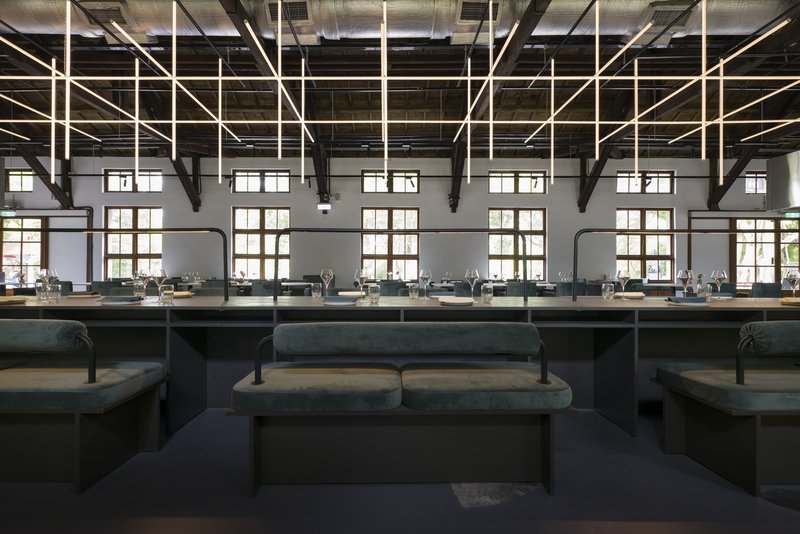
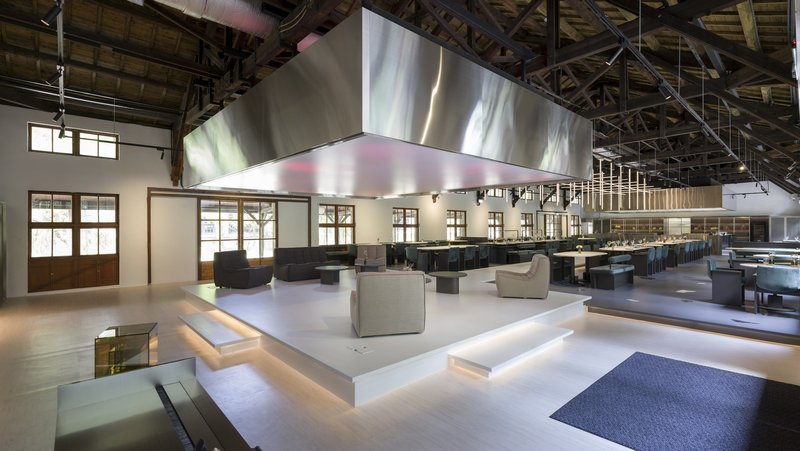
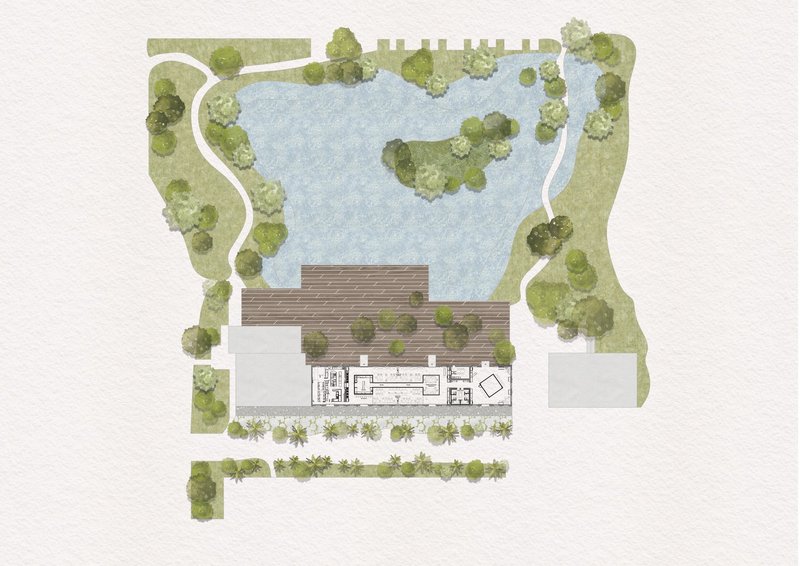
All Photographs are work of Kuo-min Lee, Lion Group




Popular Articles
Popular articles from the community


Solar Steam: A Climate-Responsive Architecture That Redefines the Monument
A climate-responsive memorial architecture that transforms heat, decay, and time into a living system reflecting humanity’s ecological impact.
Inverted Architecture Installation by Studio Link-Arc: Exploring the Intersection of Architecture and Living Organisms
Inverted Architecture Installation by Studio Link-Arc blends mycelium, sustainability, inverted design, ecological cycles, and urban adaptive architecture in Shenzhen.
Split House: A Compact Urban Home Blending Privacy, Light, and Flexible Living in Japan
Compact Japanese home featuring DOMA space, flexible café potential, passive lighting, privacy zoning, and sustainable urban living design.

Free Architecture Competitions You Can Enter Right Now
No entry fees, real prizes. Here are the best free architecture competitions open for submissions in 2026.


Similar Reads
You might also enjoy these articles


The Ken Roberts Memorial Delineation Competition (Krob)
As the most senior architectural drawing competition currently in operation anywhere in the world, it draws hundreds of entries each year, awarding the very best submissions in a series of medium-based categories.

Waterfront Redevelopment and Urban Revitalization in Mumbai: Forging a New Dawn for Darukhana
A transformative waterfront redevelopment project reimagining Darukhana’s shipbreaking heritage into an inclusive urban future.

OUT-OF-MAP: A Call for Postcards on Feminist Narratives of Public Space
Rhizoma Design and Research Lab invites artists, designers, architects, researchers, and students to reflect on how feminist perspectives can reshape public space. Selected works will be exhibited in Barcelona, October 2026. Submissions open until 15 April 2026.


Documentation Work on Buddhist Wooden Temple
Architectural syncretism and cultural hybridity: A comparative study of the Buddhist temples in Chattogram Hill tracks


Explore Architecture Competitions
Discover active competitions in this discipline




The International Standard for Design Portfolios


The Global Benchmark for Architecture Dissertation Awards


The Global Benchmark for Graduation Excellence


Challenge to reimagine the Iron Throne
Comments (0)
Please login or sign up to add comments
No comments yet. Be the first to comment!