
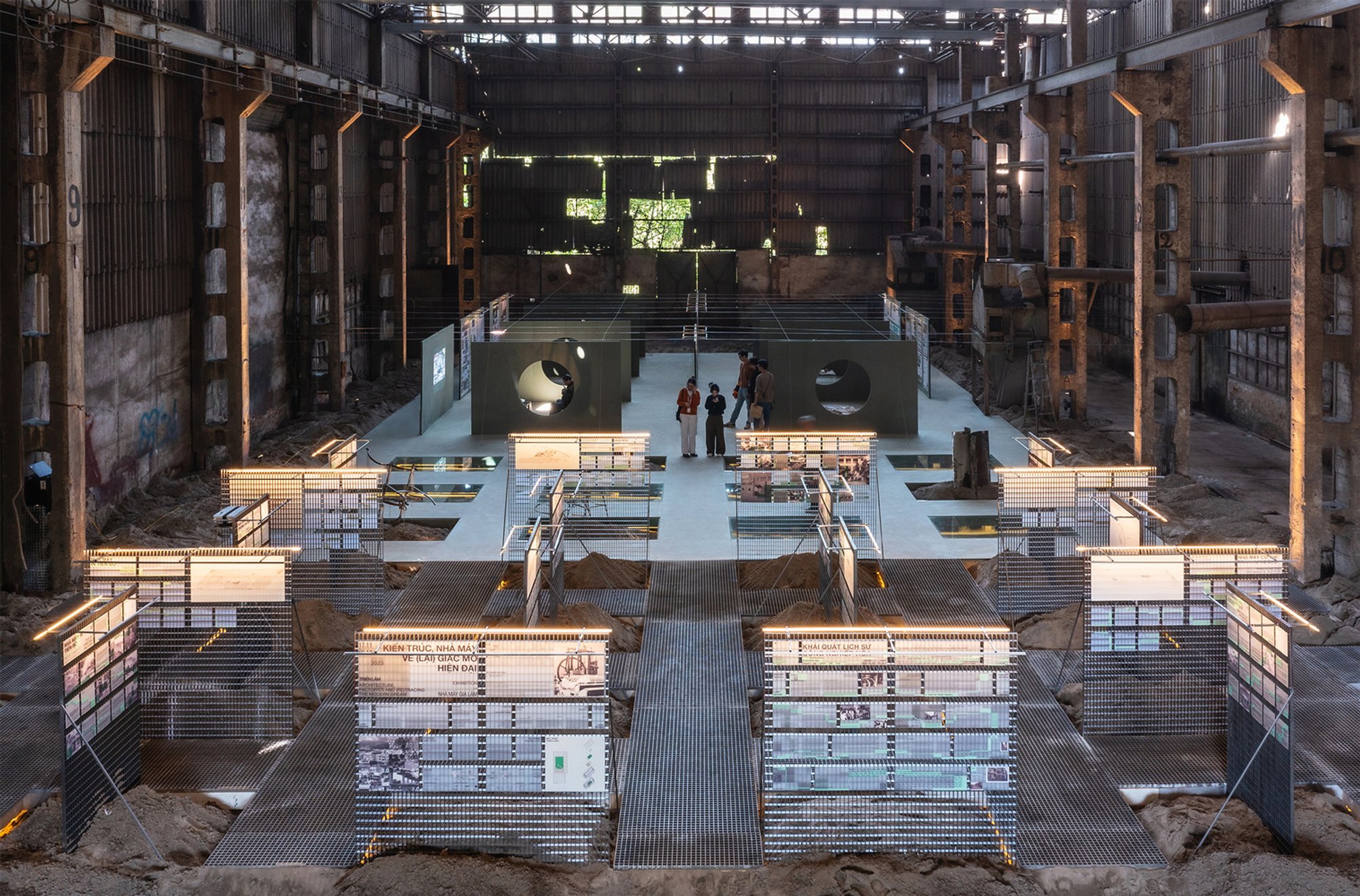
The Grid: Adaptive Reuse and Transient Urbanism at the Gia Lam Train Factory
The article explores "The Grid" installation by Ad Hoc Practice, blending adaptive reuse and industrial heritage in Hanoi's architecture.

The transformation of industrial spaces through adaptive reuse architecture offers a remarkable opportunity to revitalize historic sites while integrating them into contemporary urban landscapes. One such project, The Grid, reimagines the Gia Lam Train Factory in Hanoi, Vietnam, breathing new life into a once vital center of Vietnamese industrial heritage. Designed by Ad Hoc Practice, this adaptive reuse project highlights how architecture can respect the past while shaping the future. This article explores the architectural innovation and cultural significance behind The Grid, focusing on its approach to adaptive reuse and its role in transient urbanism.
What is Adaptive Reuse Architecture?
Adaptive reuse architecture refers to the process of repurposing existing buildings for new functions, preserving their historic value while ensuring their relevance in the modern urban context. This approach not only promotes sustainability by reducing the need for new construction but also fosters a deep connection with history, culture, and memory.
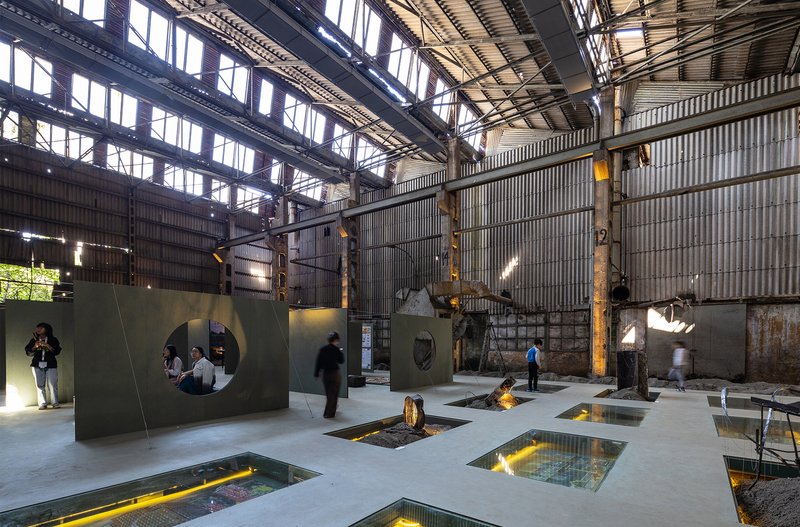
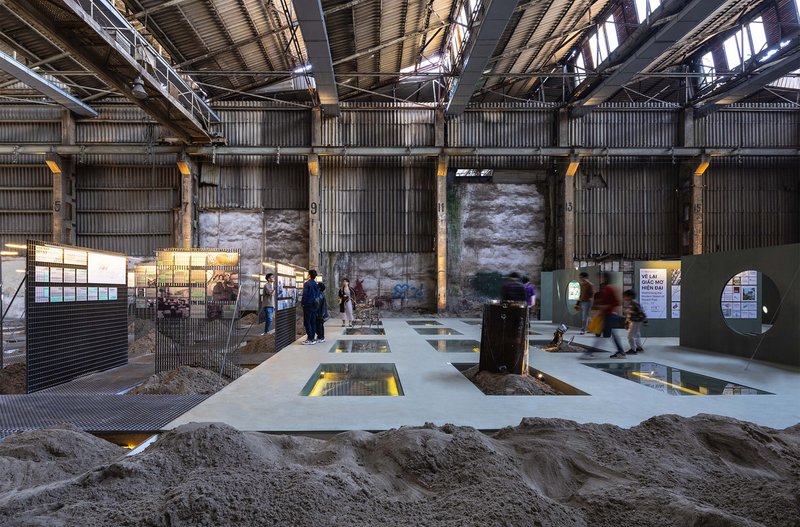
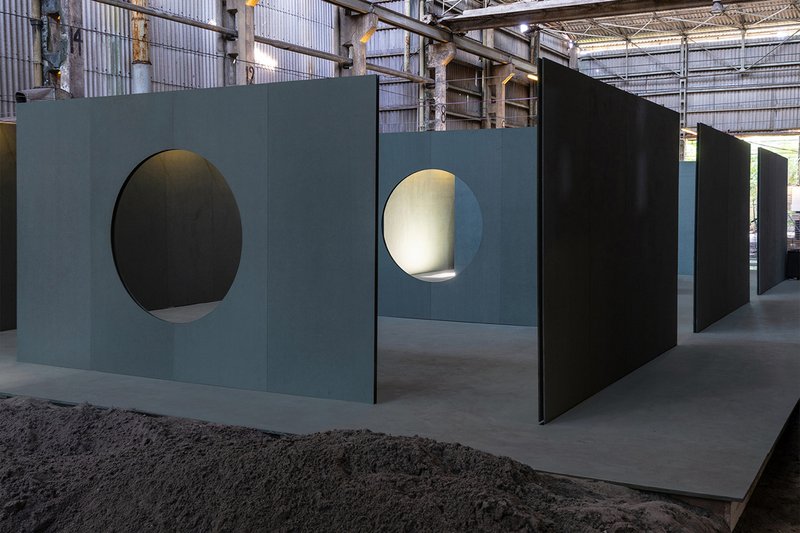
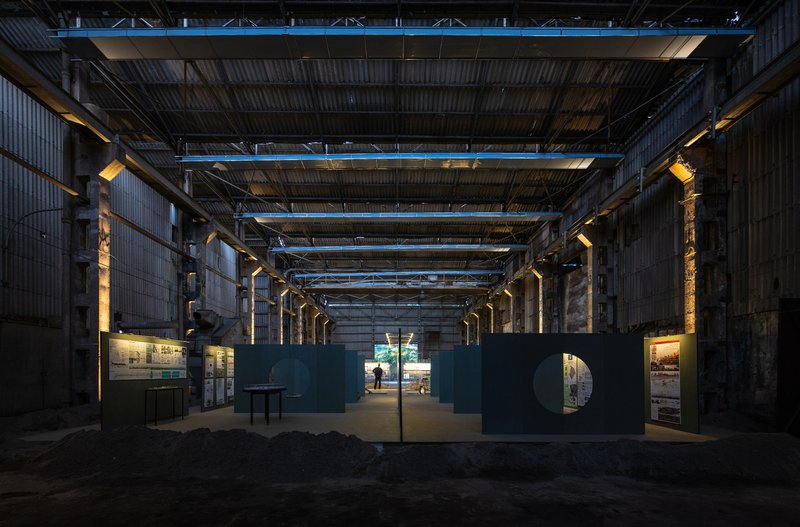
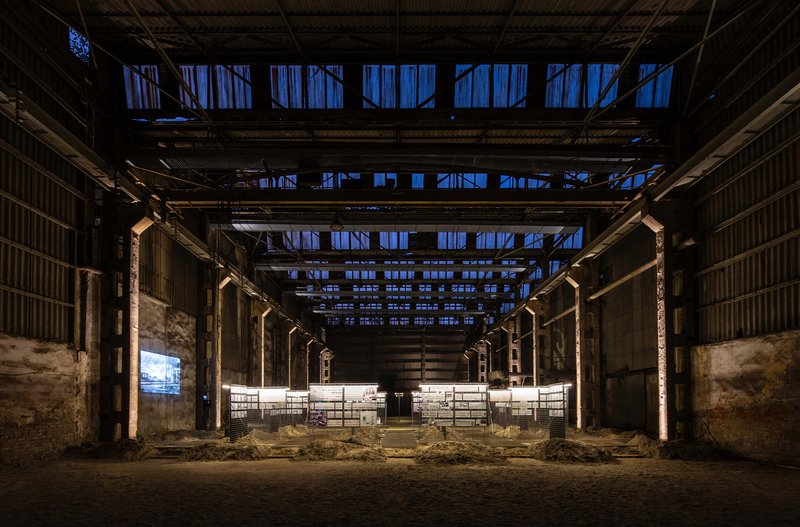
In The Grid, Ad Hoc Practice embraces adaptive reuse by transforming the Gia Lam Train Factory into an exhibition space. Rather than demolishing the factory, the architects preserved its historical structure and integrated contemporary design elements that respect the building’s legacy while giving it a new purpose. This project exemplifies how adaptive reuse can contribute to the sustainable and cultural revitalization of urban spaces.
The Gia Lam Train Factory: A Historical Context
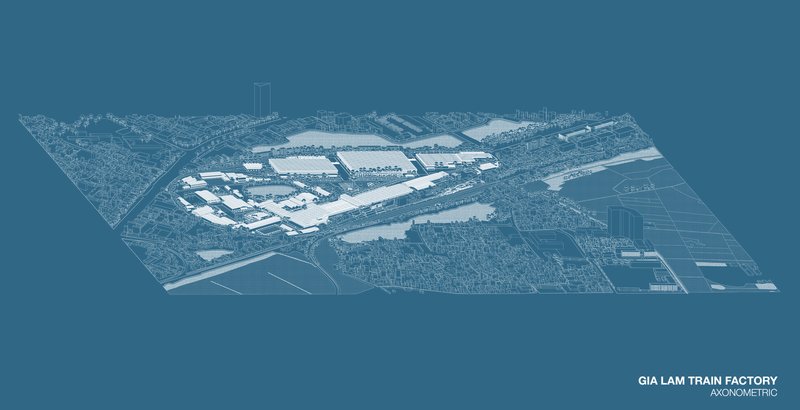
Built in the early 20th century, the Gia Lam Train Factory played a significant role in the development of Vietnam's railway system. Located at a strategic junction of major rail lines, the factory served as a hub for the maintenance and repair of locomotives. It was not only an industrial site but also a cultural landmark, embodying the technological progress and the socio-political changes that shaped the nation’s history.
As the city of Hanoi expands and urban redevelopment projects threaten to erase such industrial landmarks, The Grid stands as a testament to the preservation of cultural heritage through adaptive reuse. This transformation offers a solution to the challenges posed by urbanization and helps ensure that these sites remain relevant for future generations.
Architectural Approach: Fusing Old and New
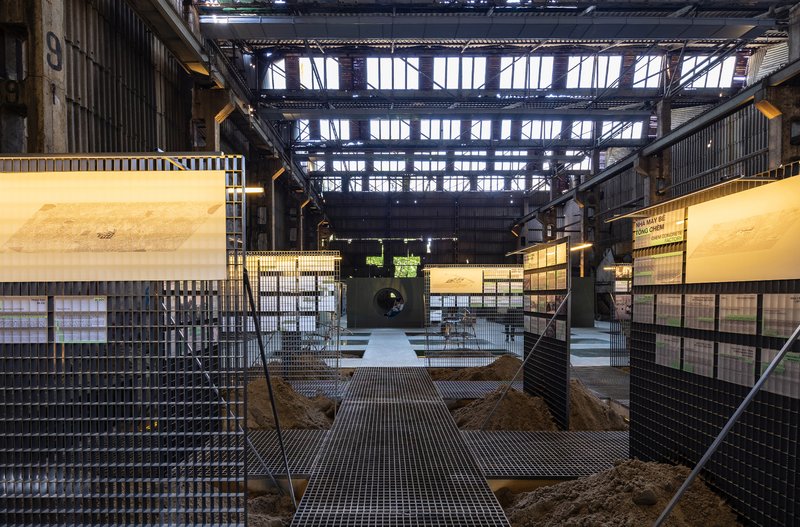
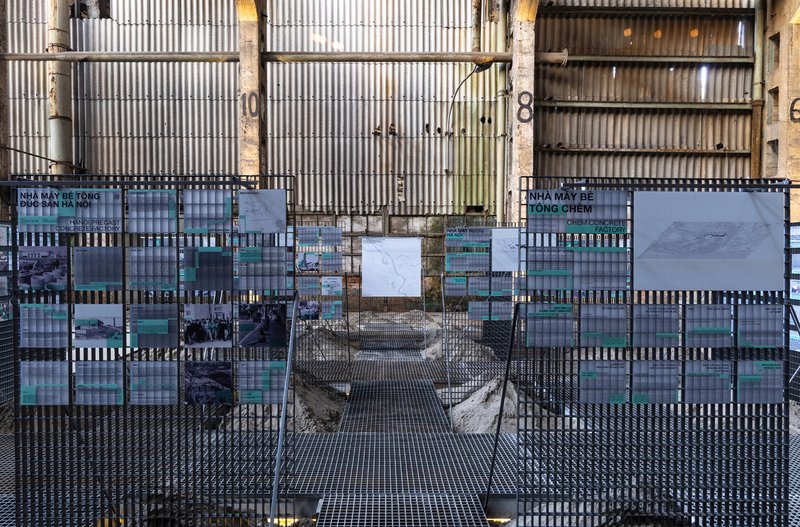
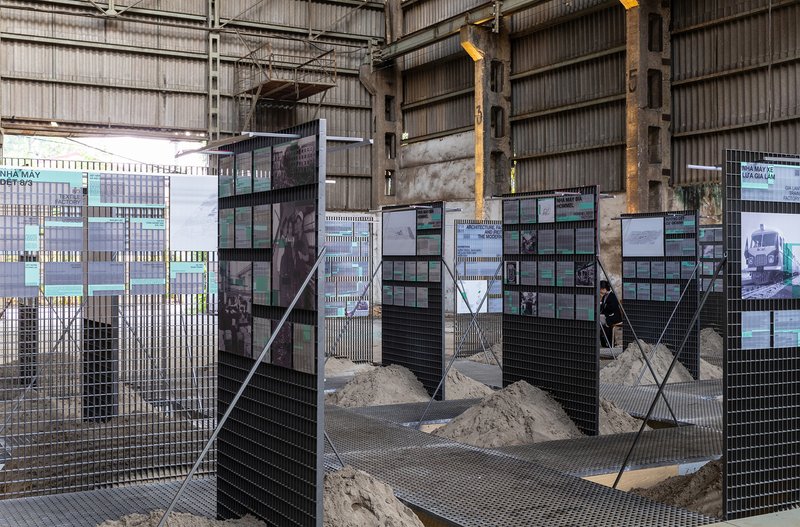
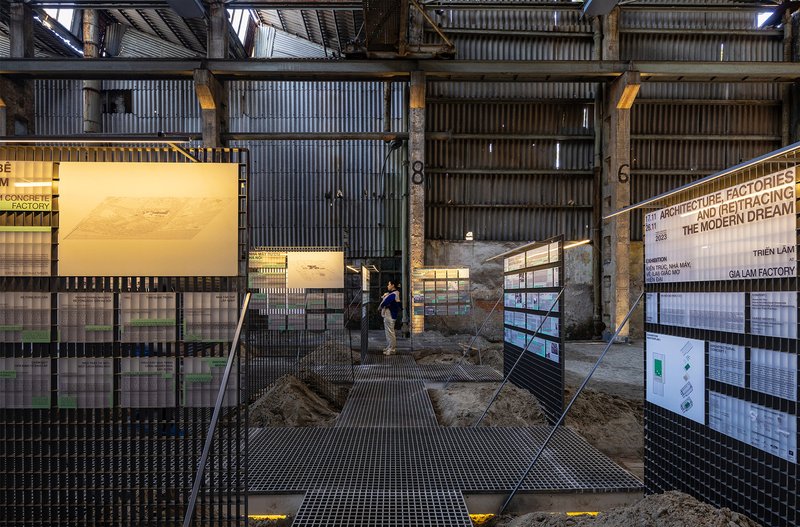
At the heart of The Grid lies an architectural philosophy that respects both the history and the future of the space. The architects did not impose a new design but instead created a dialogue between the old and the new. The existing structure of the Gia Lam Train Factory became the foundation for the project, with its raw materials—steel beams and exposed concrete—serving as a canvas for contemporary interventions.
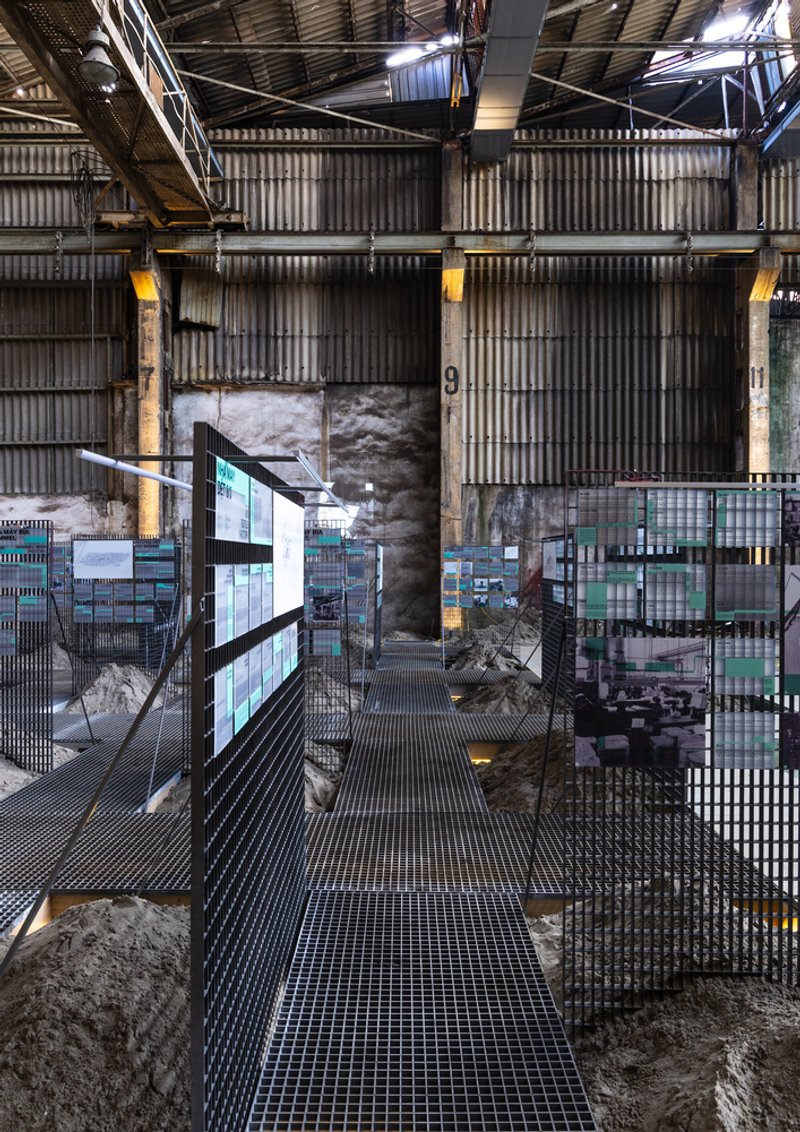
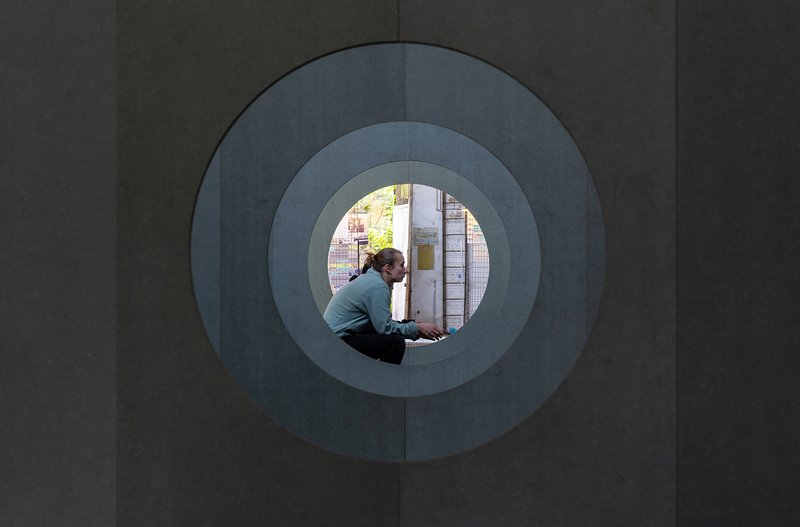
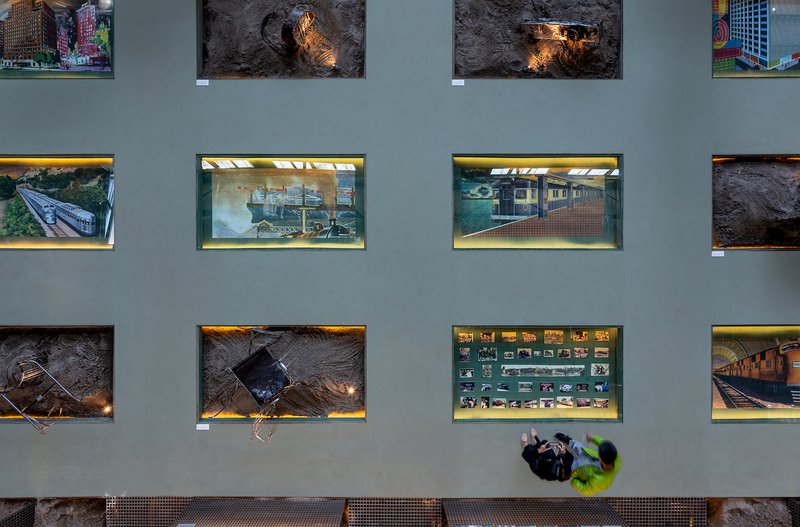
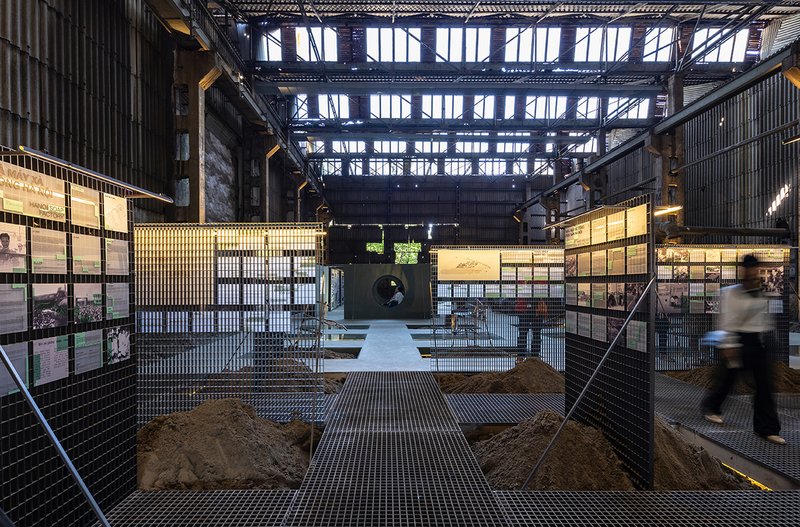
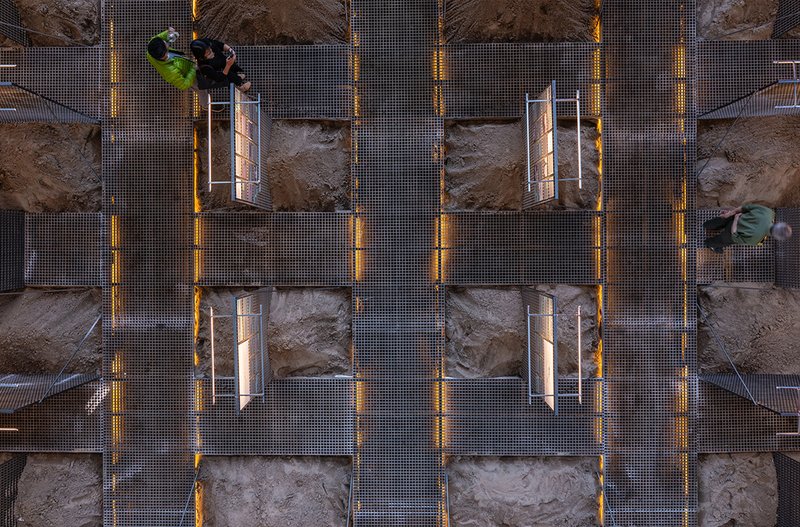
The design integrates the original building’s features, such as its industrial beams and open spaces, with modern materials like metal grating and glass. These materials create a transparent effect that allows visitors to experience the juxtaposition of the past and present. By focusing on this blend, the architects honor the factory’s legacy while ensuring the space is adaptable for future uses.
The Role of Transient Urbanism in Adaptive Reuse
In addition to adaptive reuse, The Grid also embraces the concept of transient urbanism, a term that refers to the temporary yet impactful transformation of urban spaces. The Gia Lam Train Factory’s adaptation into an exhibition space embodies this idea by facilitating a dynamic use of space that evolves over time. The space functions not only as a gallery but also as a platform for community engagement and creative exploration, allowing the site to shift in response to the needs of its users.
Transient urbanism encourages flexibility in design, allowing buildings to be repurposed for various functions throughout their lifespan. In The Grid, the factory is no longer a static industrial site but a fluid space that evolves with the changing needs of the community and the cultural landscape of Hanoi.
The Grid as a Model for Future Urban Design
The success of The Grid lies not only in its preservation of the Gia Lam Train Factory’s historical elements but also in its innovative approach to spatial organization and materiality. By using a grid system that aligns with both the factory’s original structure and the principles of socialist ideology, the architects have created a space that is both functional and symbolic. This grid system mirrors urban plans such as Ildefons Cerdà's vision for Barcelona’s Eixample district, known for its emphasis on equality and efficiency.
Incorporating the grid into the project extends beyond just the physical space. The grid acts as a metaphor for the interconnectedness of history, memory, and contemporary culture, allowing visitors to experience a unified narrative that bridges the past and future of Hanoi’s industrial heritage.
The Future of Adaptive Reuse in Urban Development
The Grid exemplifies the power of adaptive reuse architecture to breathe new life into industrial sites, transforming them into vibrant cultural hubs that contribute to the ongoing evolution of cities. By preserving the Gia Lam Train Factory’s historical elements while integrating modern design practices, Ad Hoc Practice has created a space that honors both the legacy of the past and the promise of the future.
As cities around the world continue to face challenges related to urbanization and the preservation of cultural heritage, projects like The Grid offer valuable insights into how architecture can play a vital role in shaping sustainable and inclusive urban spaces. The ongoing dialogue between history and contemporary design in adaptive reuse projects like The Grid is a critical step toward creating cities that are both forward-thinking and respectful of their roots.
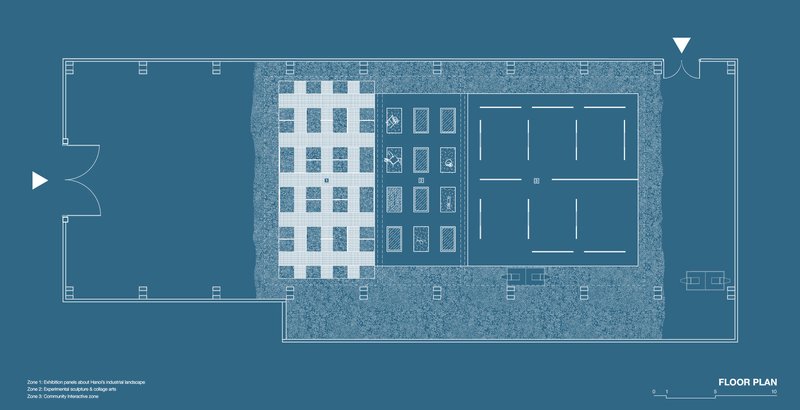
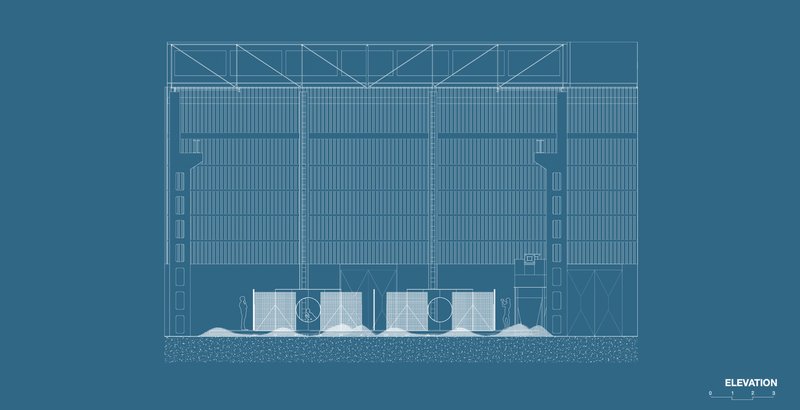
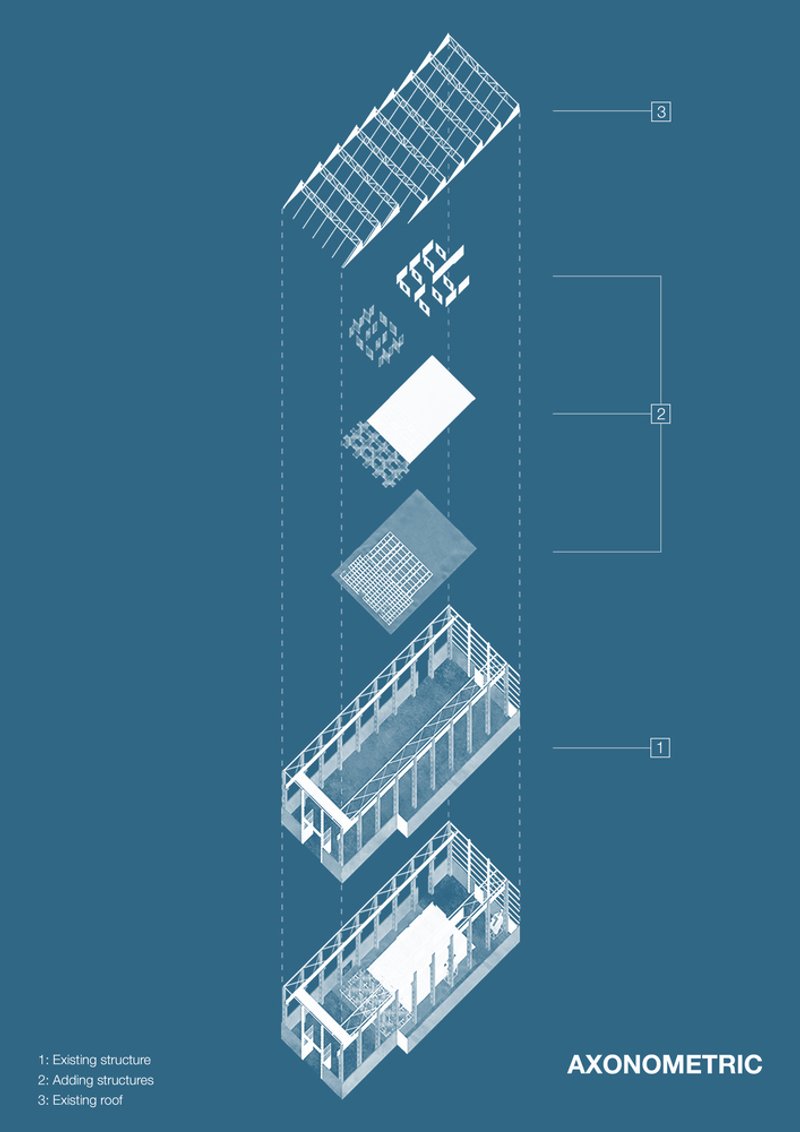
All the photographs are work of Trieu Chien




Popular Articles
Popular articles from the community

Louis Malle Cinema: A Limestone Cultural Landmark Revitalizing Community Life in Prayssac
Limestone cinema extension with public forecourt, blending heritage and modern design to create flexible cultural spaces and strengthen community interaction.

Solar Steam: A Climate-Responsive Architecture That Redefines the Monument
A climate-responsive memorial architecture that transforms heat, decay, and time into a living system reflecting humanity’s ecological impact.
Treehouse Apartment: A Warm Timber Interior Blending Craft, Play, and Contemporary Living
Warm timber apartment with integrated treehouse, combining natural materials, craftsmanship, and playful design to create a flexible, family-oriented living environment.
A Contemporary Take on Iranian Residential Architecture
A modern interior design in Mashhad that reinterprets brick, light, and spatial flow to create a warm, contemporary residential architecture.


Similar Reads
You might also enjoy these articles


The Ken Roberts Memorial Delineation Competition (Krob)
As the most senior architectural drawing competition currently in operation anywhere in the world, it draws hundreds of entries each year, awarding the very best submissions in a series of medium-based categories.

Waterfront Redevelopment and Urban Revitalization in Mumbai: Forging a New Dawn for Darukhana
A transformative waterfront redevelopment project reimagining Darukhana’s shipbreaking heritage into an inclusive urban future.

OUT-OF-MAP: A Call for Postcards on Feminist Narratives of Public Space
Rhizoma Design and Research Lab invites artists, designers, architects, researchers, and students to reflect on how feminist perspectives can reshape public space. Selected works will be exhibited in Barcelona, October 2026. Submissions open until 15 April 2026.


Documentation Work on Buddhist Wooden Temple
Architectural syncretism and cultural hybridity: A comparative study of the Buddhist temples in Chattogram Hill tracks


Explore Architecture Competitions
Discover active competitions in this discipline




The International Standard for Design Portfolios


The Global Benchmark for Architecture Dissertation Awards


The Global Benchmark for Graduation Excellence


Challenge to reimagine the Iron Throne
Comments (0)
Please login or sign up to add comments
No comments yet. Be the first to comment!