
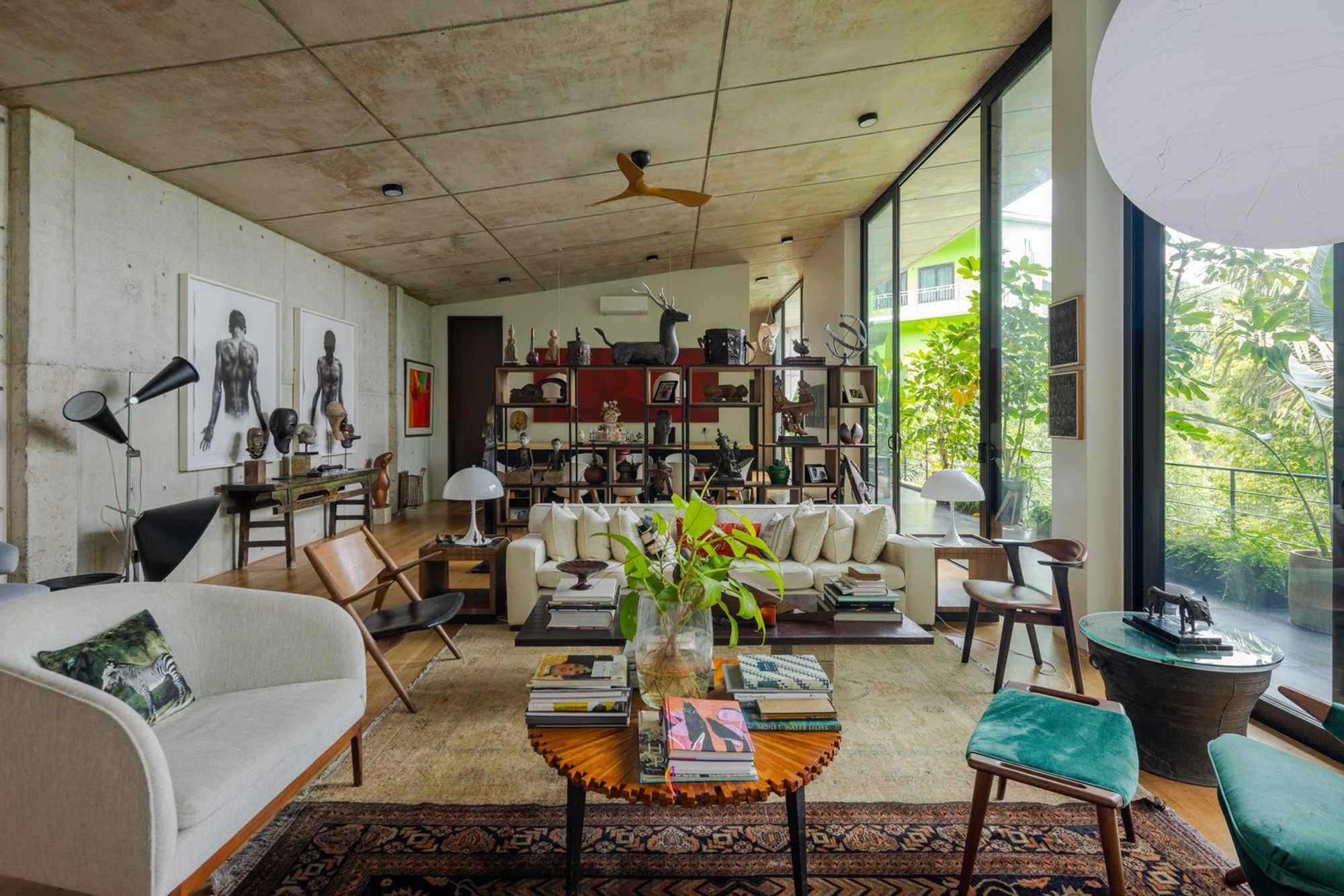
The Rainforest Residence: A Monolithic Rainforest House Design by Choo Gim Wah Architect
The Rainforest Residence in Malaysia blends off-form concrete, open-air circulation, and lush greenery, creating a sustainable rainforest-inspired living sanctuary.

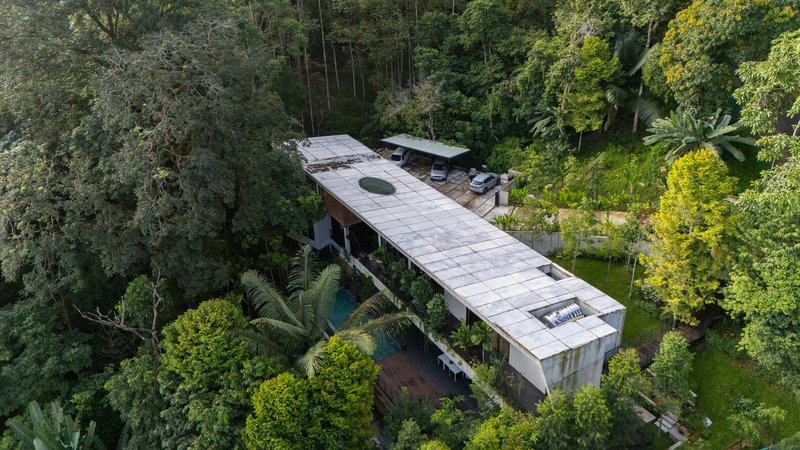
The Rainforest Residence by Choo Gim Wah Architect redefines rainforest house design in Malaysia’s tropical context. Nestled within the coveted Tanarimba enclave in Janda Baik, Pahang, this 4,466 m² private retreat is a masterful blend of monumental architecture and poetic spatiality. It is a home that does more than occupy the land—it immerses its occupants in the rhythm of the rainforest, creating a profound dialogue between concrete permanence and natural permeability.
Architectural Vision and Site Context
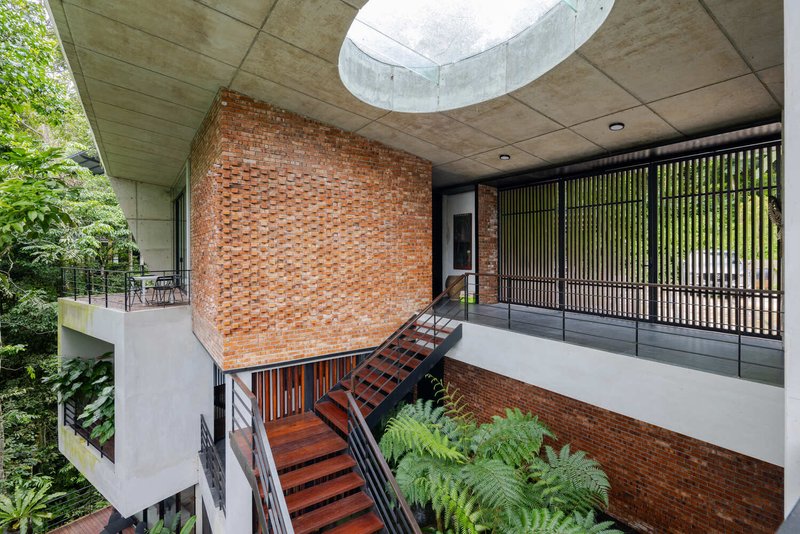
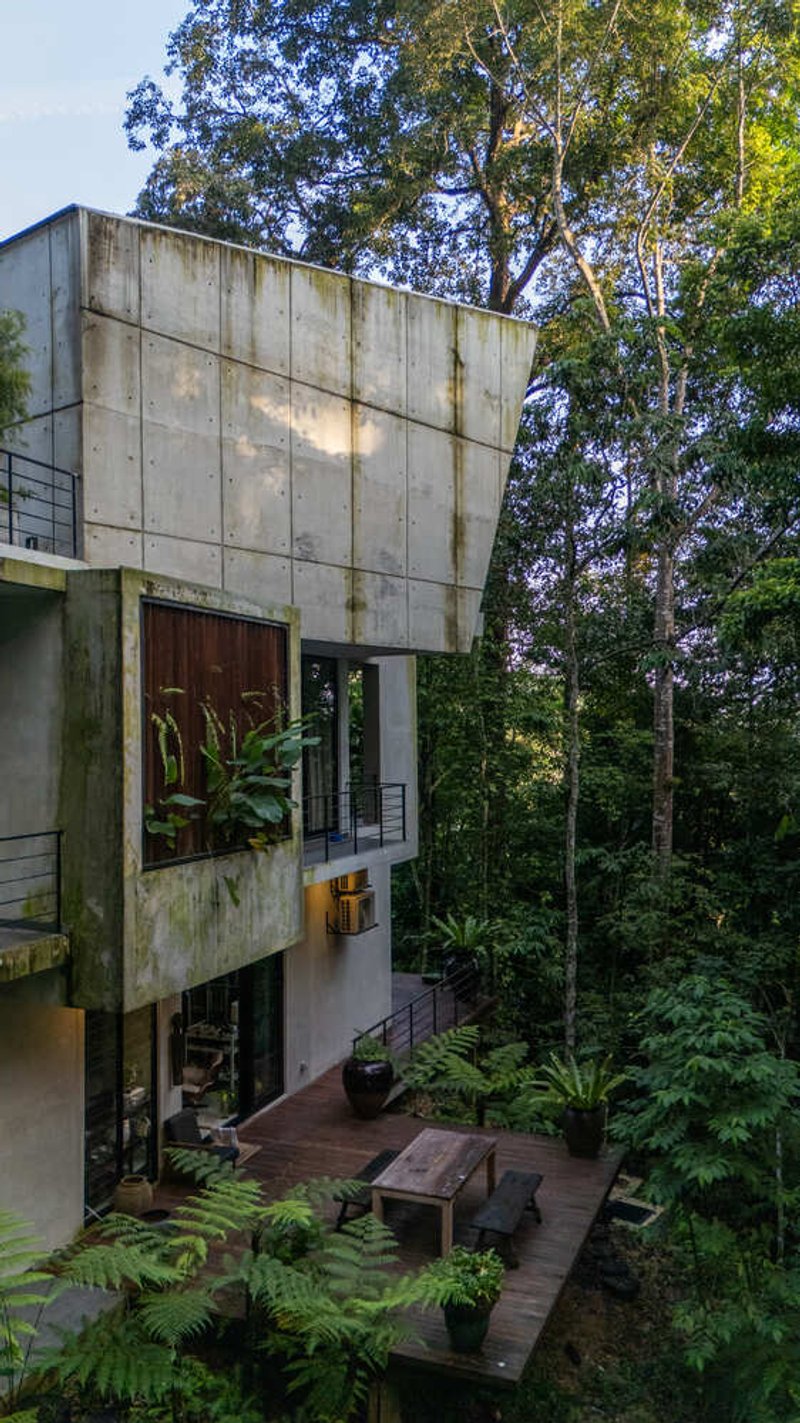
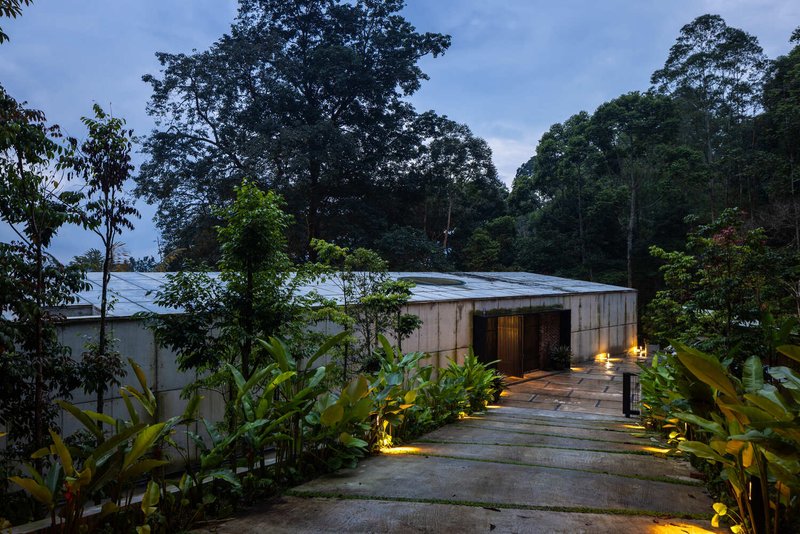
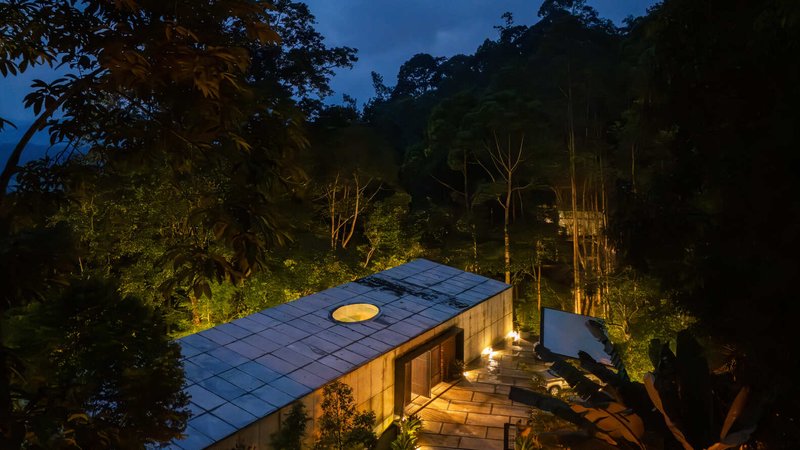
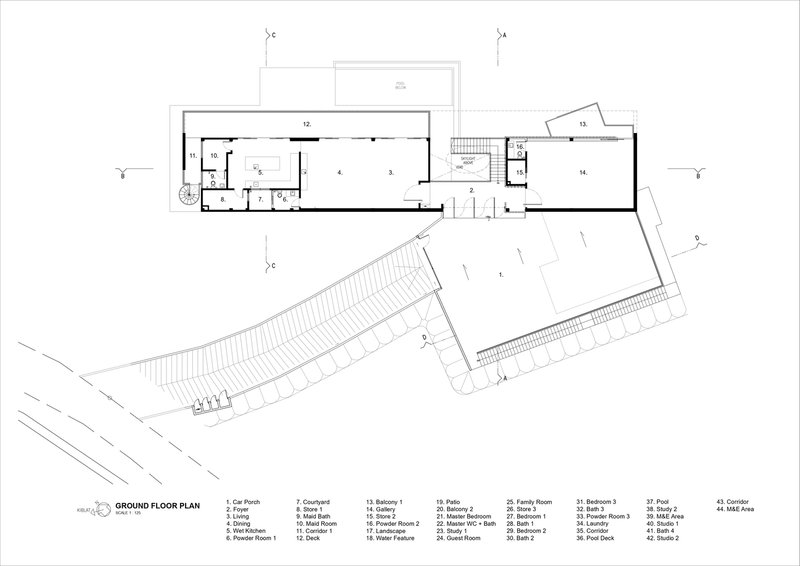
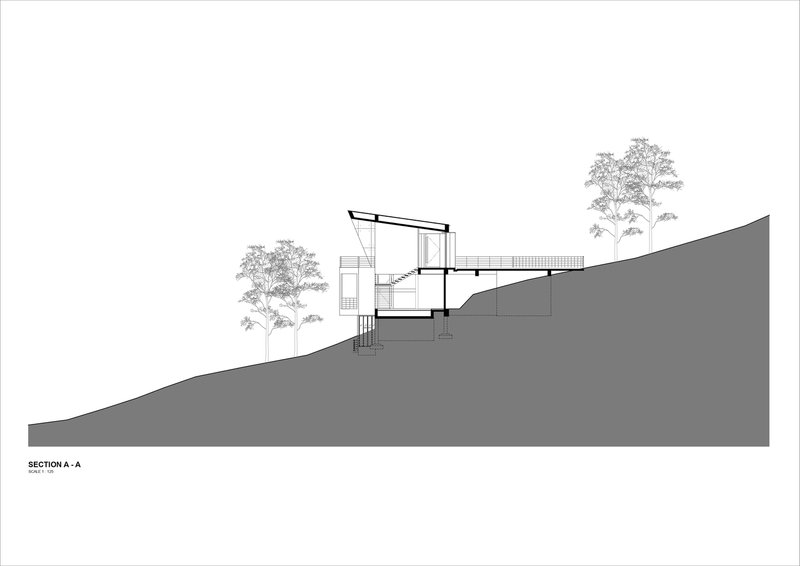
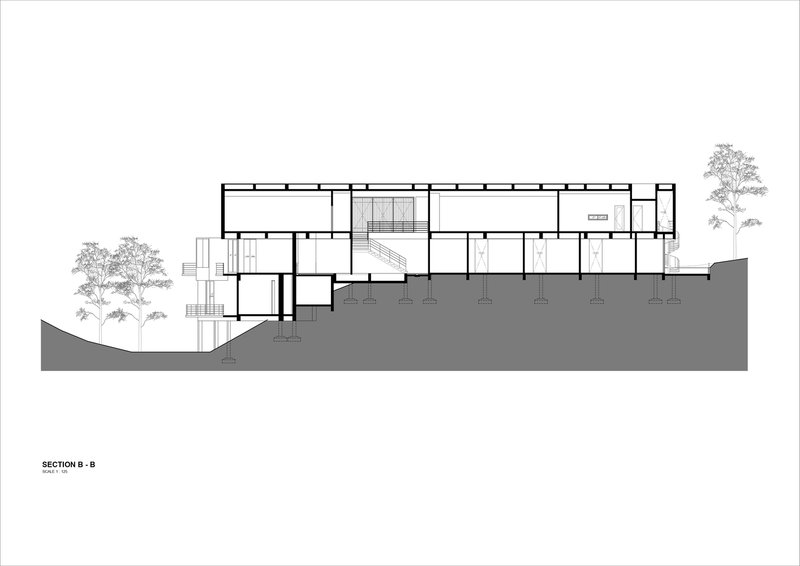
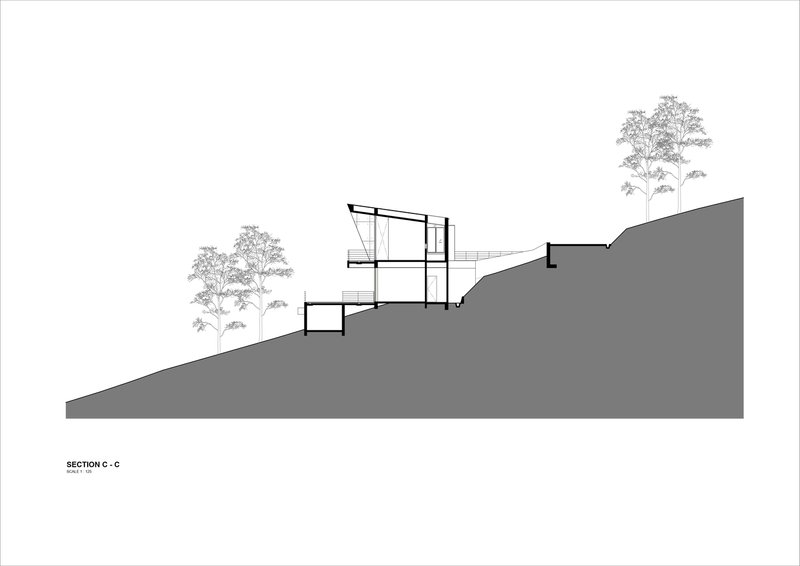
The residence sits on a sloping terrain surrounded by lush greenery. Rather than imposing on the site, the design negotiates its contours with precision. The architecture adopts a rectilinear form—both grounded and floating—responding to the challenging yet gentle topography. The concept moves beyond conventional enclosure, introducing circulation as a series of open-air transitional spaces, enabling residents to experience nature as an integral part of daily movement.
Materiality: Off-Form Concrete Meets Tropical Light
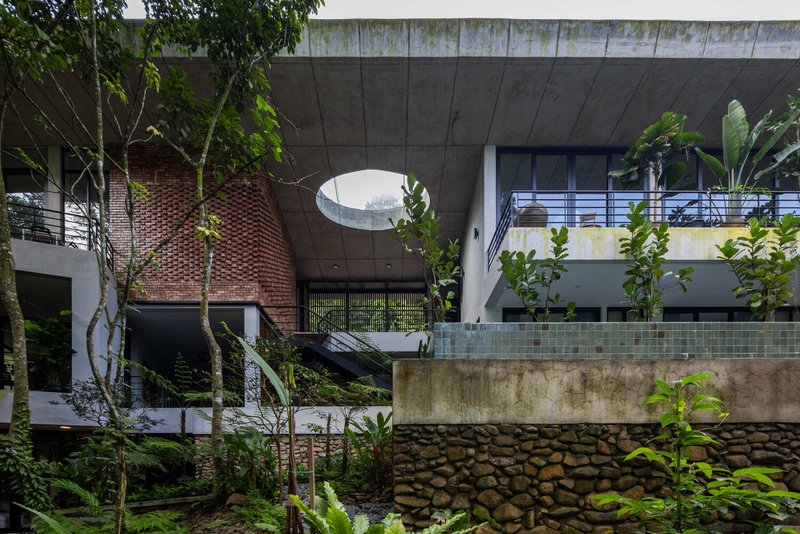
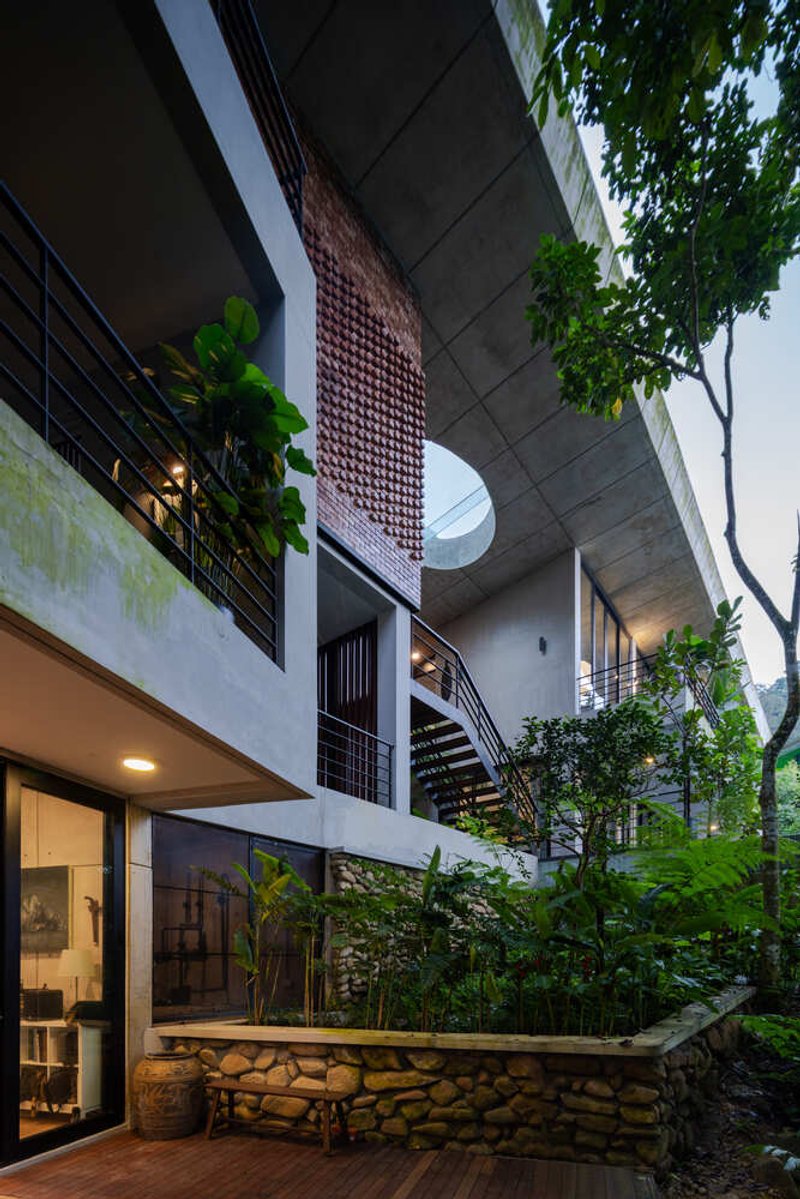
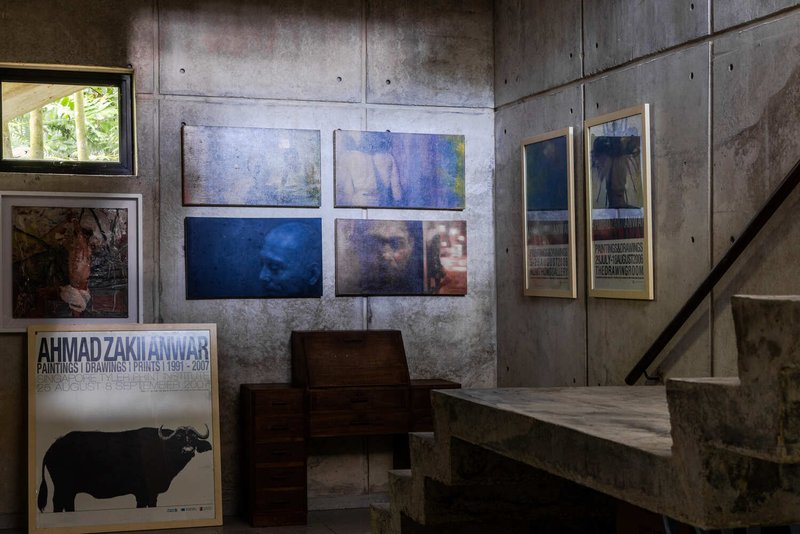
At the heart of this rainforest house design is the expressive use of off-form concrete, a material celebrated for structural strength and tactile honesty. Here, concrete is elevated from its Brutalist origins into a refined medium for texture and light play. The monolithic façade acts as both a protective shell and a curatorial backdrop, contrasting against dappled forest light. These walls become canvases for an evolving collection of artworks, turning the house into a living gallery.
Spatial Organization and Experiential Layers
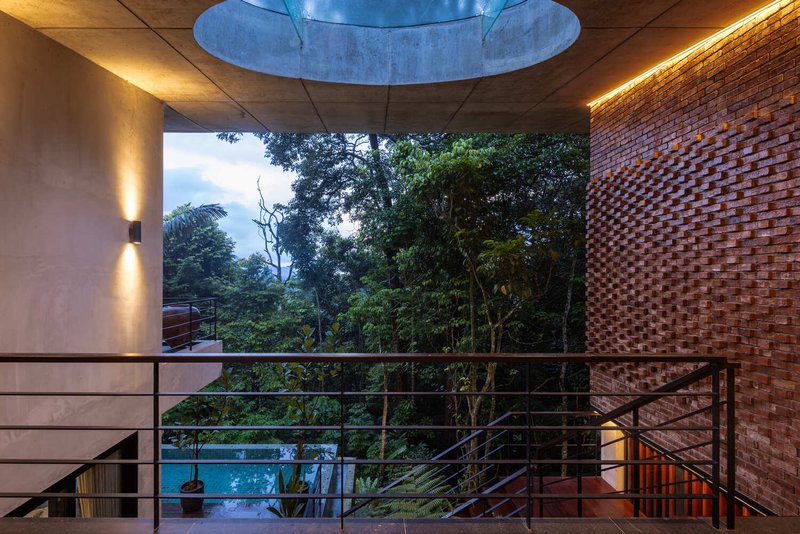
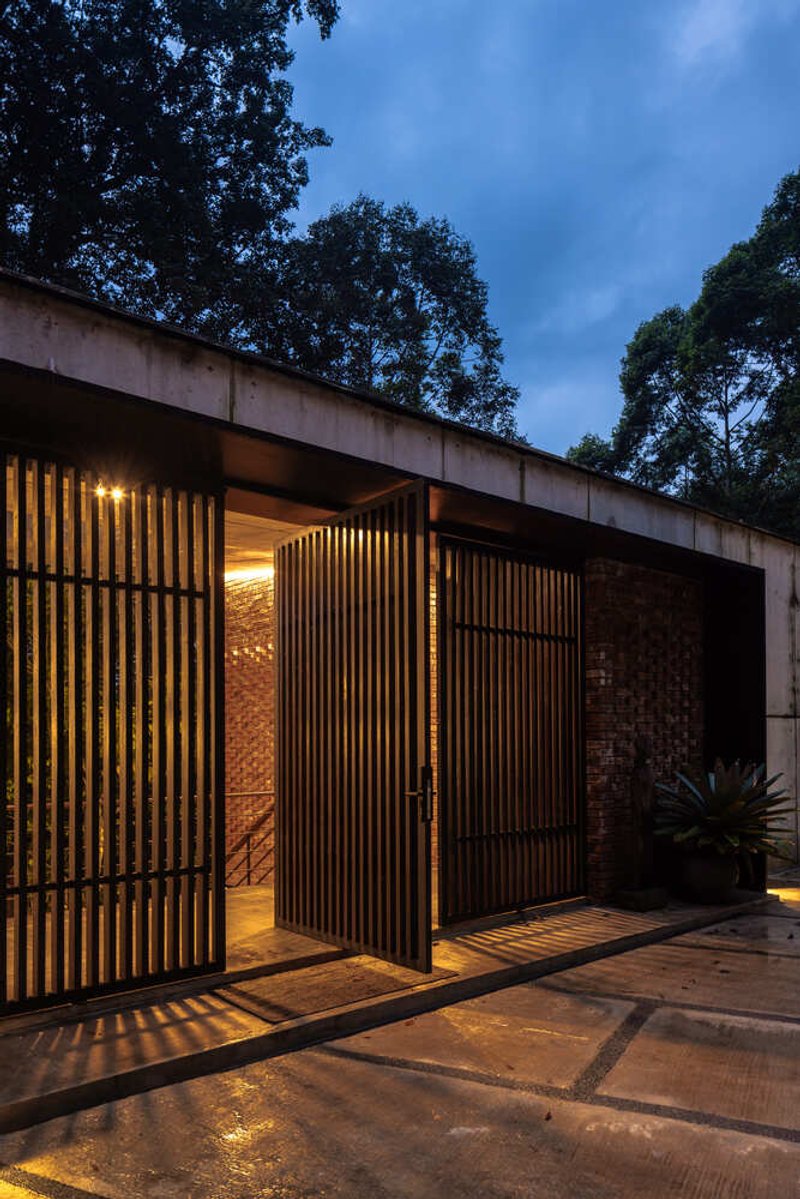
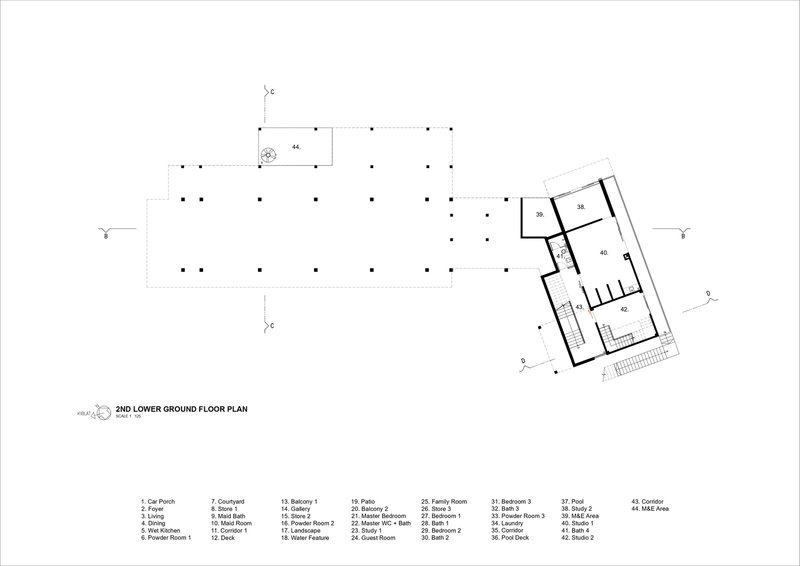
Upon arrival, visitors are greeted by a sweeping roof and an undulating brick form framing the forest as an immersive backdrop. A Pantheon-inspired oculus crowns the foyer, drawing sunlight toward a floating staircase that spirals gracefully to private quarters below. This dramatic gesture orchestrates light, shadow, and volume, enriching the sensory experience of entering the home.
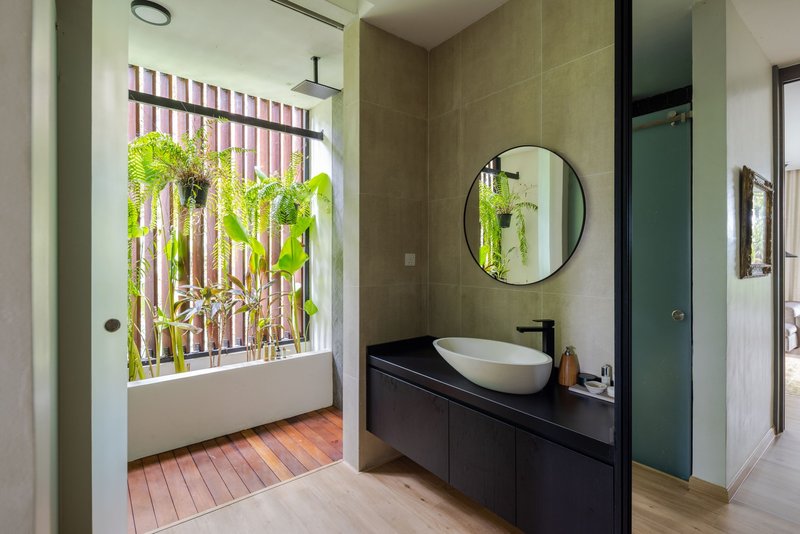
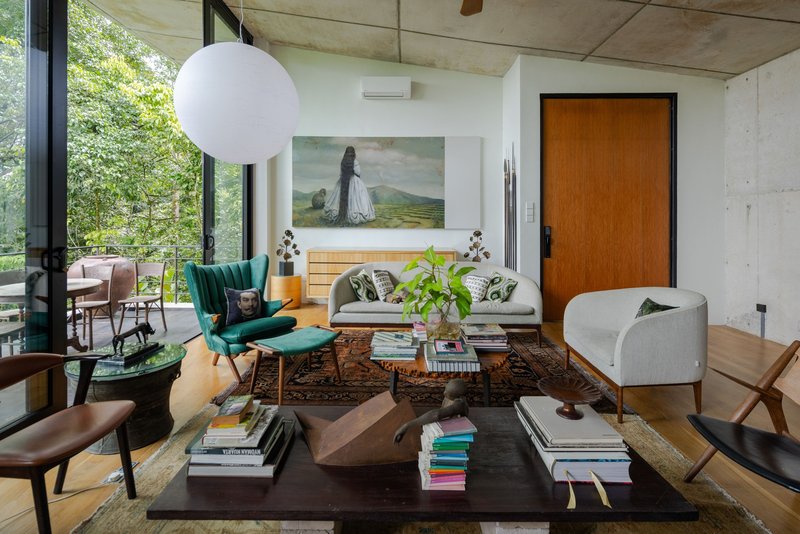
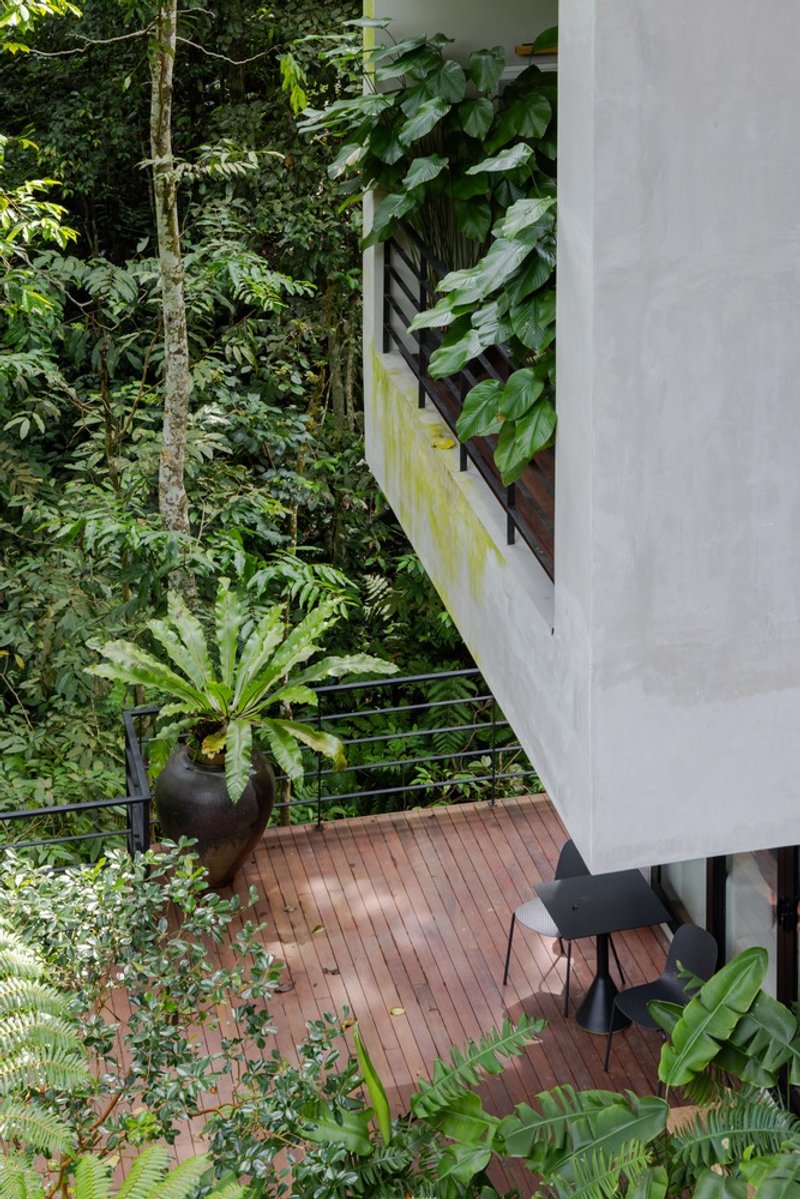
On the upper level, open-plan living areas—kitchen, dining, and lounge—extend toward the canopy through full-height glazing. A generous balcony acts as a buffer between inside and outside, offering cinematic rainforest views while ensuring natural ventilation. Sliding doors dissolve barriers, while an insulated concrete roof fosters passive cooling, reducing reliance on mechanical systems.
The Artist’s Home: Where Art Meets Architecture
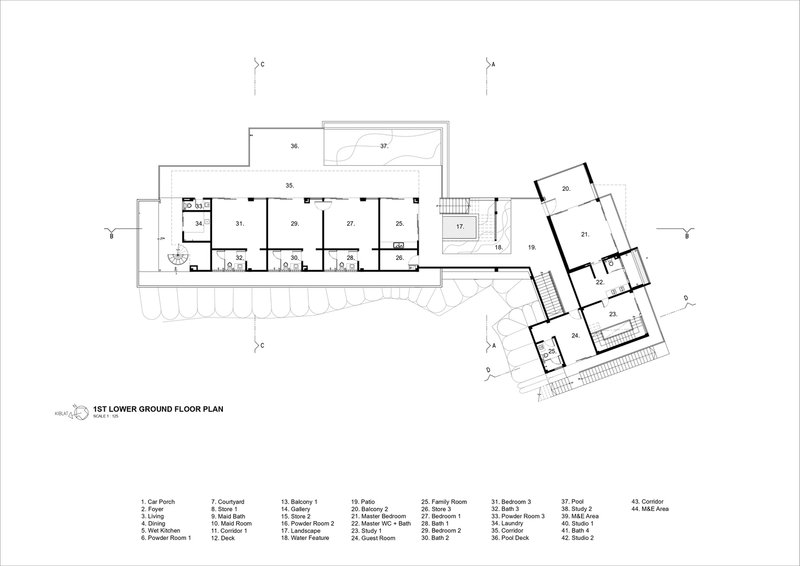
True to its owner’s identity, The Rainforest Residence doubles as a gallery and a dwelling. The windowless main façade creates uninterrupted walls for large-scale art installations, including striking charcoal pieces that define the home’s visual rhythm. Inside, curated objects—paintings, masks, sculptures, and ancient artifacts—populate the interiors, creating a rich tapestry of cultural narratives.
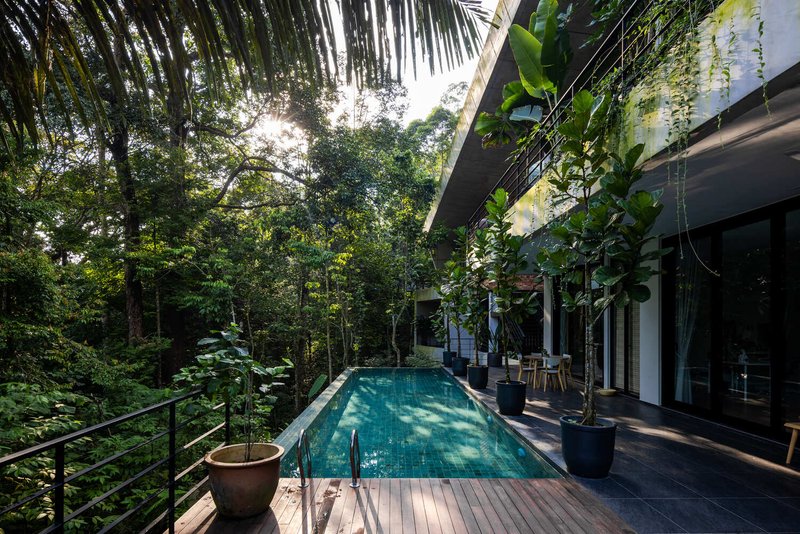
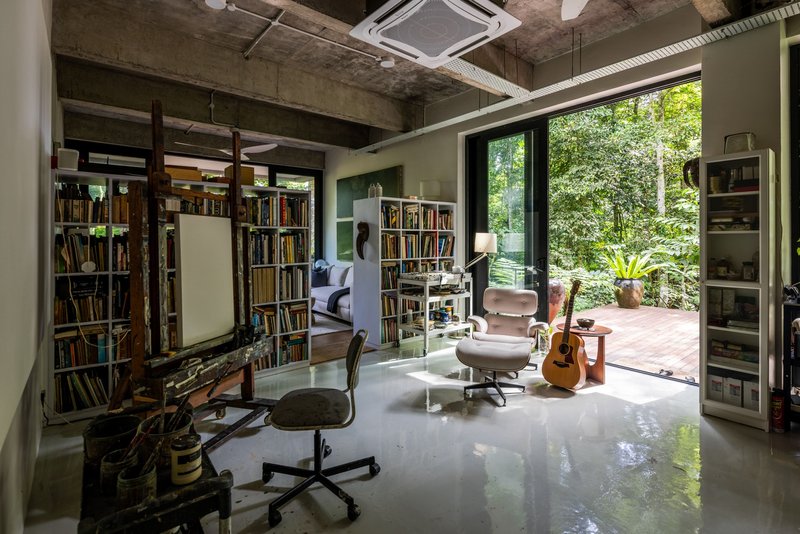
The home office and art studio are located on the lower level, where filtered daylight and greenery nurture creativity. Here, workspaces are cloistered yet never disconnected from nature, reinforcing the ethos of living in harmony with the environment.
A Dialogue with Nature
Time is integral to the architecture’s evolution. Moss gradually softens concrete surfaces, and vegetation begins to interweave with the building envelope. This slow fusion with the rainforest embodies the architect’s vision: a home that embraces nature’s continuity rather than resisting it. Over the years, the residence will transform into a living ecosystem, blurring distinctions between man-made and organic.
Sustainability and Passive Strategies
The Rainforest Residence employs passive cooling, daylight optimization, and thermal mass strategies. The insulated concrete roof and deep overhangs regulate indoor temperatures, while operable openings maximize cross-ventilation. These measures ensure that comfort is achieved with minimal energy use, aligning luxury living with environmental responsibility.
The Rainforest Residence is more than a home; it is a manifesto of rainforest house design—a philosophy that harmonizes monumental form, material honesty, and immersive nature. It demonstrates how architecture can serve as a conduit for art, light, and ecology, crafting spaces that are both timeless and alive. For families seeking retreat without isolation, this project offers a model of sustainable luxury and contextual sensitivity.
All the photographs are works of Lawrence Choo, Pixelaw Photography



Popular Articles
Popular articles from the community


The Ken Roberts Memorial Delineation Competition (Krob)
As the most senior architectural drawing competition currently in operation anywhere in the world, it draws hundreds of entries each year, awarding the very best submissions in a series of medium-based categories.

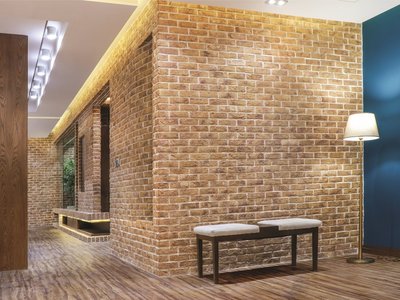
A Contemporary Take on Iranian Residential Architecture
A modern interior design in Mashhad that reinterprets brick, light, and spatial flow to create a warm, contemporary residential architecture.
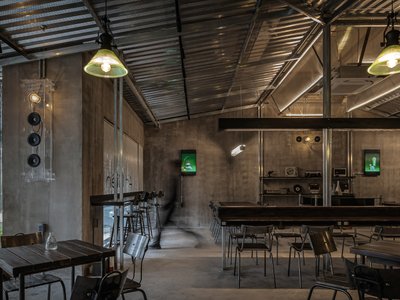
An Miên Lumière Cafe by xưởng xép, Ho Chi Minh City, Vietnam
An industrial-inspired café where layered steel and warm light create a dynamic, immersive environment shaped by reflection, depth, and perception.
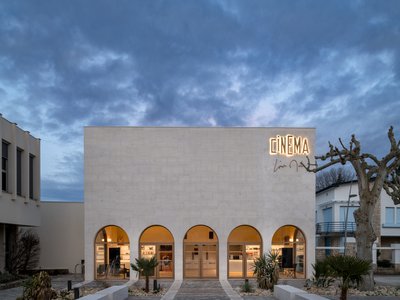
Louis Malle Cinema: A Limestone Cultural Landmark Revitalizing Community Life in Prayssac
Limestone cinema extension with public forecourt, blending heritage and modern design to create flexible cultural spaces and strengthen community interaction.


Similar Reads
You might also enjoy these articles

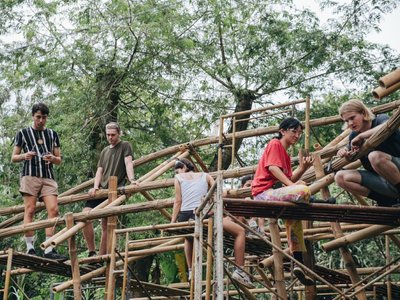
Bamboo Housing Challenge 2026: Design Affordable, Sustainable Homes Using Bamboo
An international design competition by Bamboo U and IBUKU inviting architects and designers to reimagine affordable housing using bamboo — with the winning design built full-scale in Bali.

Computational Design & Education: Beegraphy Design Awards Introduces 7th Category (Featuring Jiyun's Innovative Approach)
Dive into Beegraphy’s 7th Design Awards category, where computational design meets education to create immersive, interactive learning tools, inspired by Jiyun’s work.
From Parametric Lighting to Urban Furniture: Join the 2nd Workshop in Beegraphy’s Computational Design Series
Dive into Cutting-Edge Design Techniques and Practical Applications with Industry Experts

Introducing Sphere by UNI: Pioneering a New Era in AEC Industry
Unlocking Global Potential with BIM and Agile Management

Explore Architecture Competitions
Discover active competitions in this discipline




The International Standard for Design Portfolios


The Global Benchmark for Architecture Dissertation Awards


The Global Benchmark for Graduation Excellence


Challenge to reimagine the Iron Throne
Comments (0)
Please login or sign up to add comments
No comments yet. Be the first to comment!