
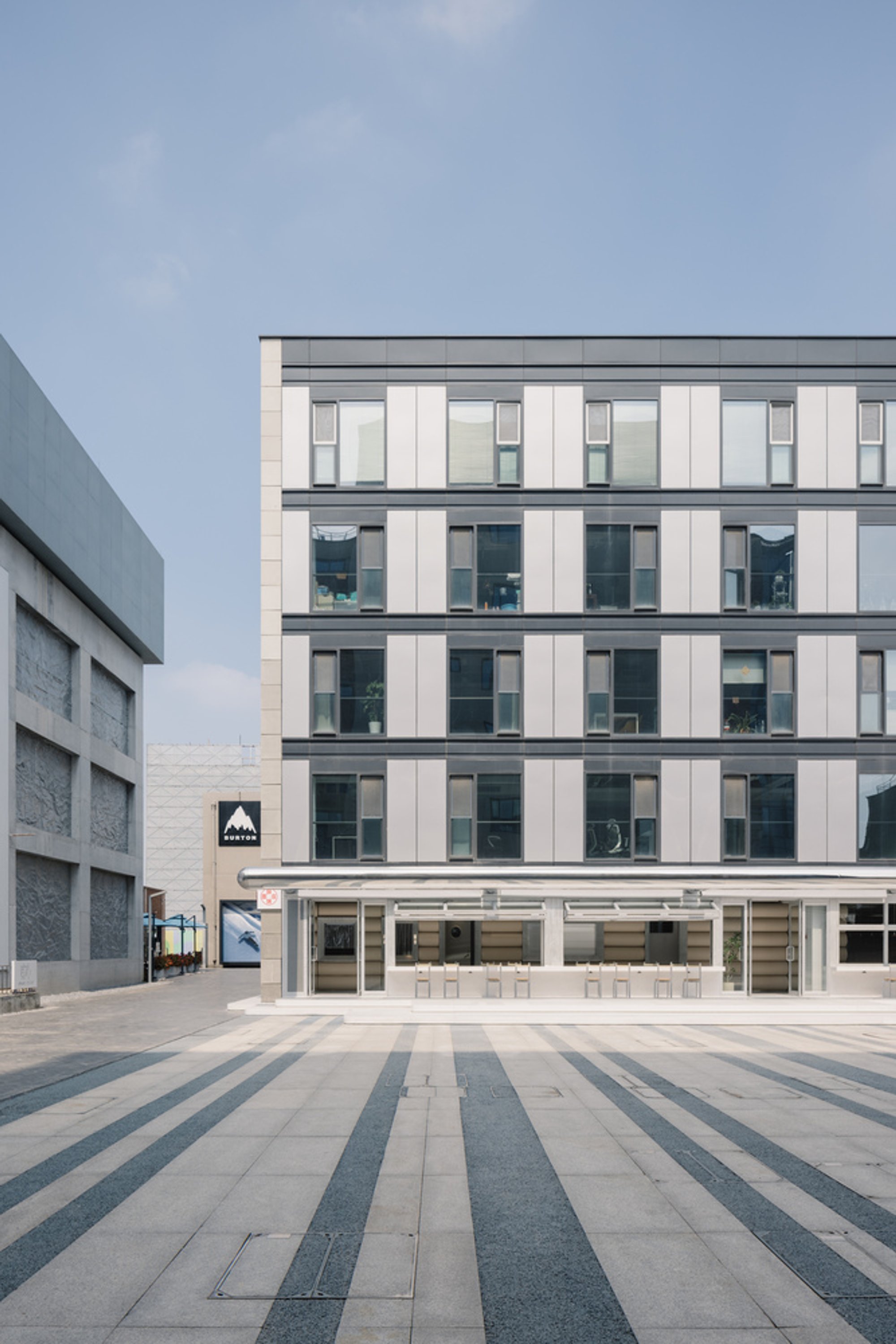
The Role of Adaptive Restaurant Design in Architecture: A Case Study of Pang Mei Noodle Bar
Discover how adaptive restaurant design transforms dining spaces, featuring Pang Mei Noodle Bar's innovative architecture blending flexibility and community.

Revolutionizing Restaurant Architecture
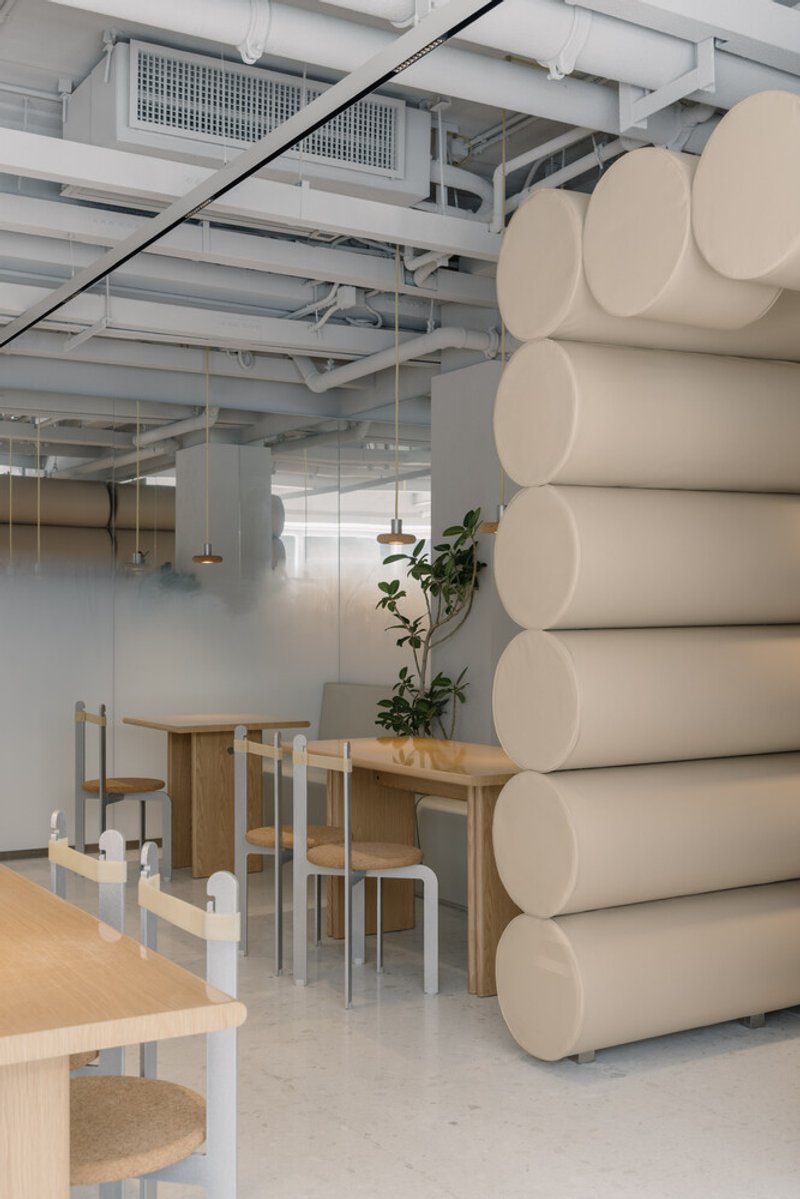
Modern restaurants are no longer just places to eat; they are multifunctional spaces catering to diverse needs. The concept of adaptive restaurant design in architecture has emerged as a solution to address changing customer demands and dynamic urban environments. A prime example of this innovative approach is the Pang Mei Noodle Bar in Beijing, China, designed by Office AIO. This Sichuan eatery integrates flexibility and playfulness into its architectural framework to serve a broad clientele, from office workers to theatergoers.
What is Adaptive Restaurant Design?
Adaptive restaurant design refers to architectural strategies that allow spaces to transform based on operational needs. By incorporating flexible layouts, multi-use spaces, and thoughtful integrations of indoor and outdoor environments, restaurants can enhance their functionality and customer experience.
At Pang Mei Noodle Bar, adaptive design enables seamless transitions between different dining modes, making it a model for urban eateries.
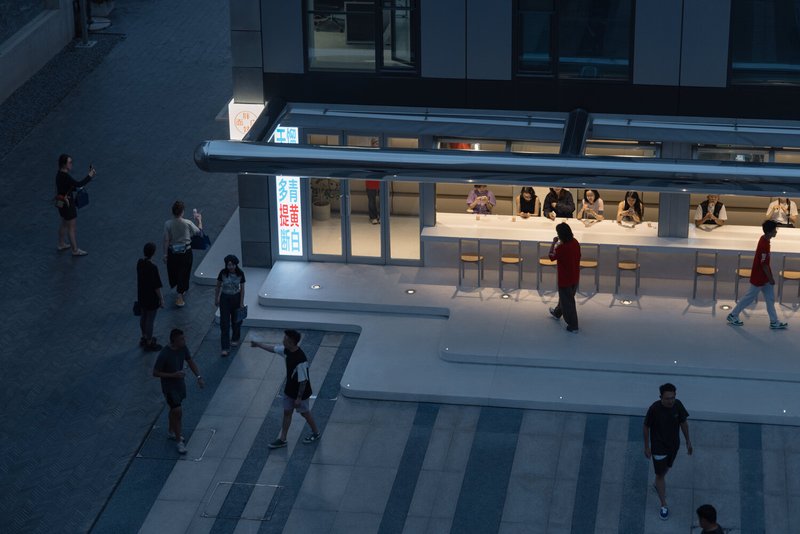
Case Study: Pang Mei Noodle Bar
Context and Location
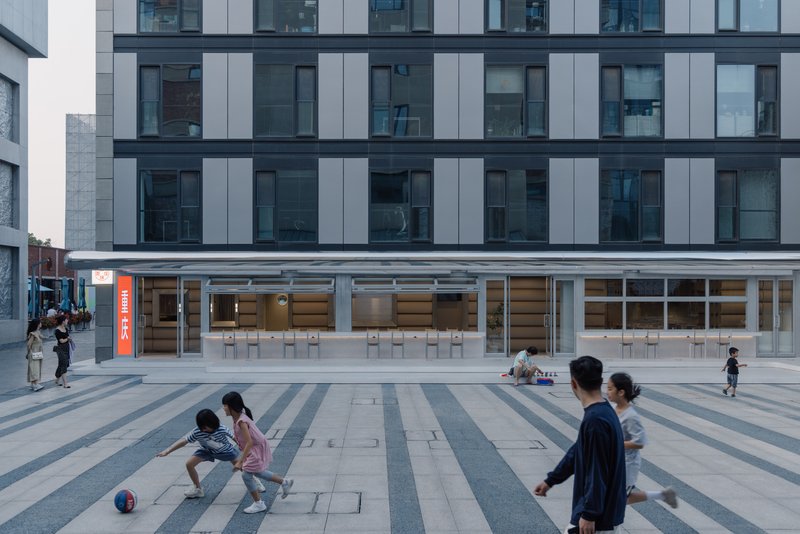
Nestled in Beijing's cultural hub, Pang Mei Noodle Bar is part of a commercial complex surrounded by hutongs, theaters, and museums. The location naturally attracts a diverse mix of patrons, including nearby office workers and visitors exploring cultural establishments.
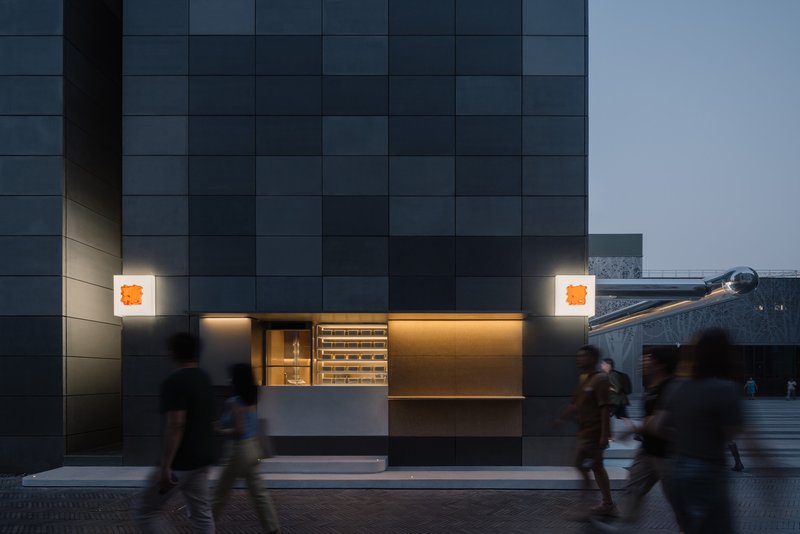
Architectural Challenges
The design needed to address:
- Hybrid operations: Catering to grab-and-go customers, solo diners, and large groups.
- Space flexibility: Adapting to peak and off-peak hours.
- Community integration: Blurring the boundaries between the restaurant and its urban surroundings.
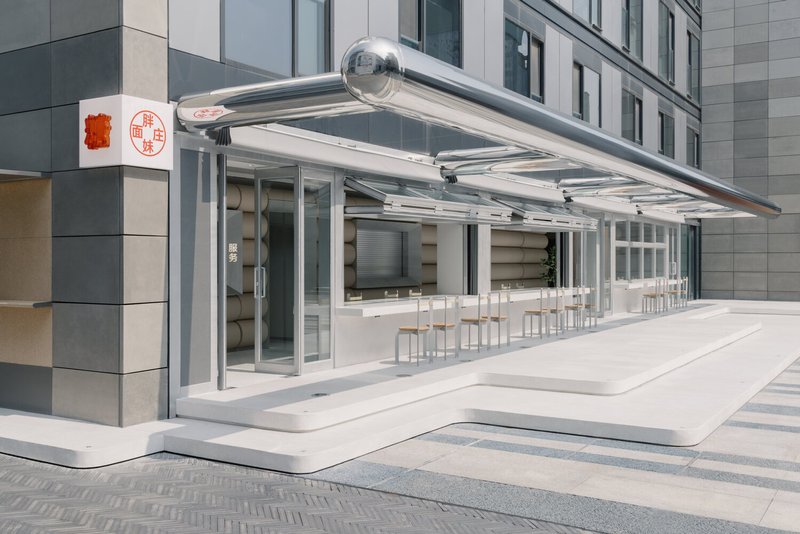
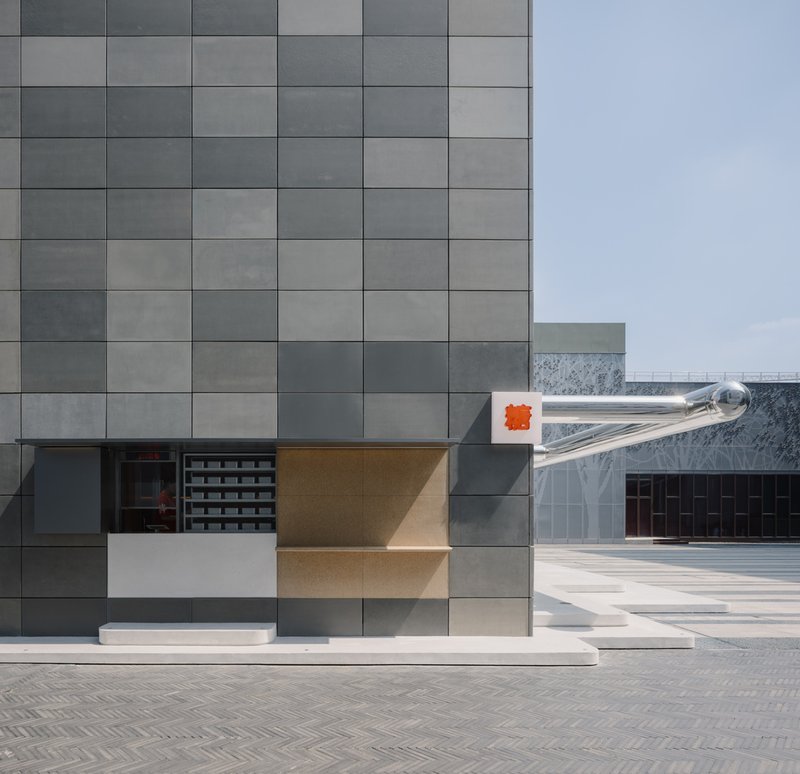
Design Features of Pang Mei Noodle Bar
1. A Facade for Interaction
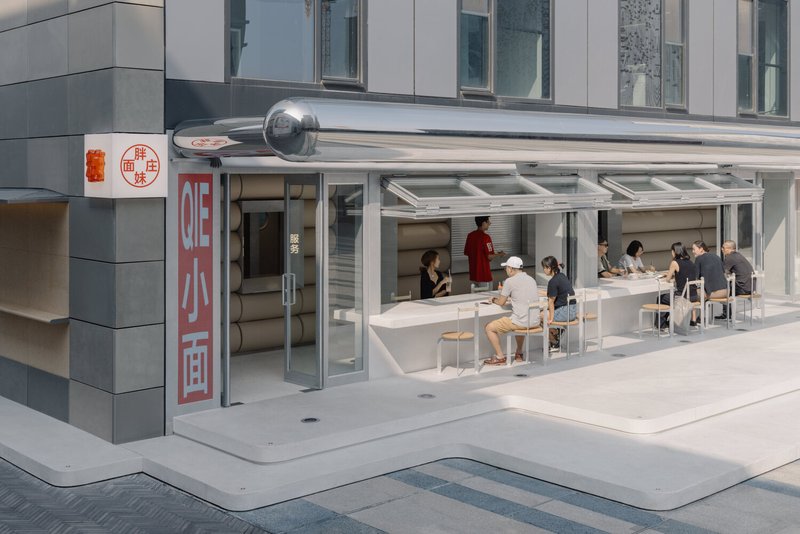
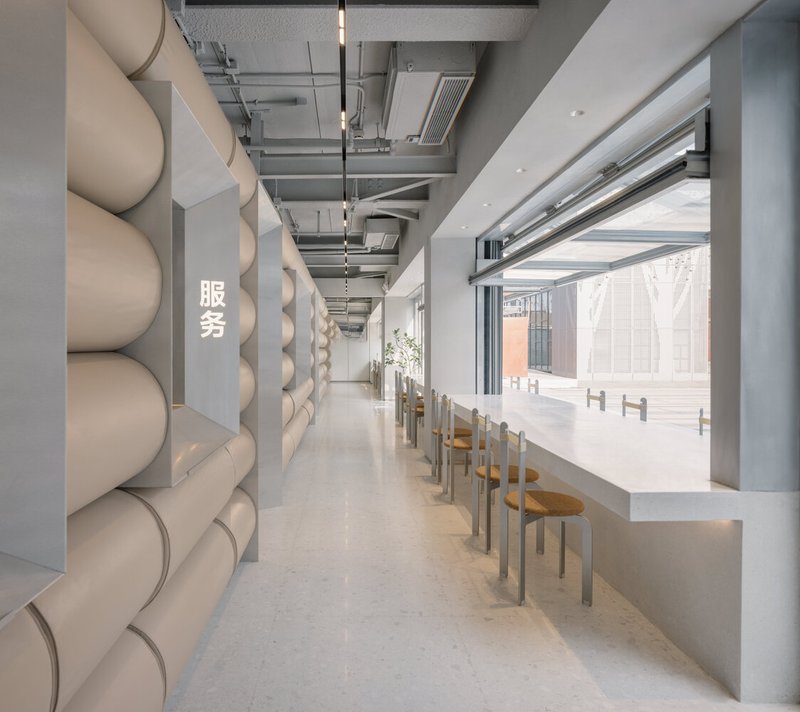
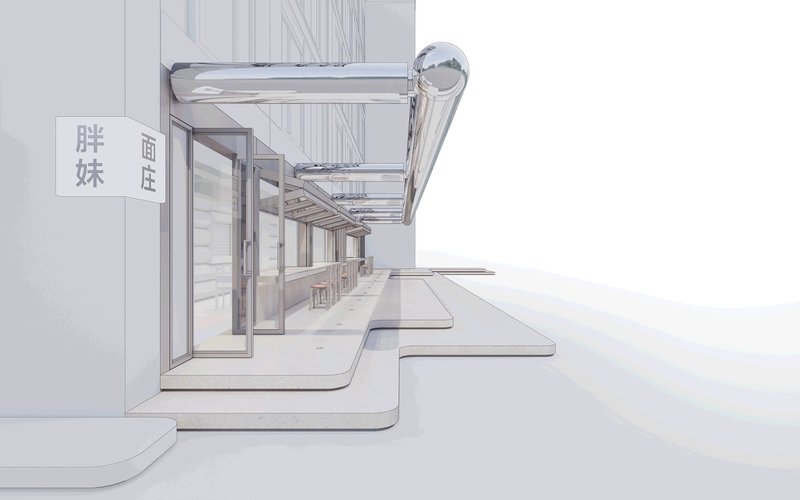
The wide facade acts as an arterial walkway, drawing in visitors. Key features include:
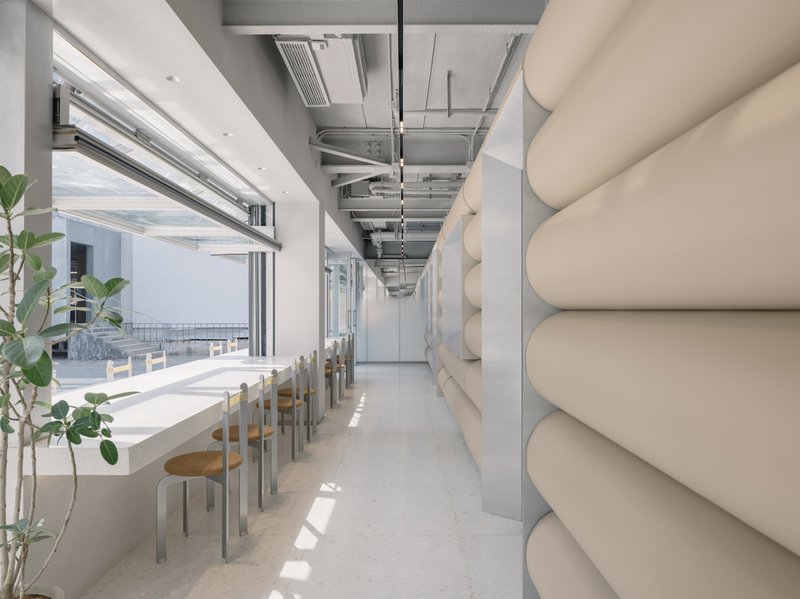
- Service Corridor: A linear zone facilitates grab-and-go orders while doubling as seating space.
- Service Windows: Protruding service windows streamline food delivery and create visual interest.
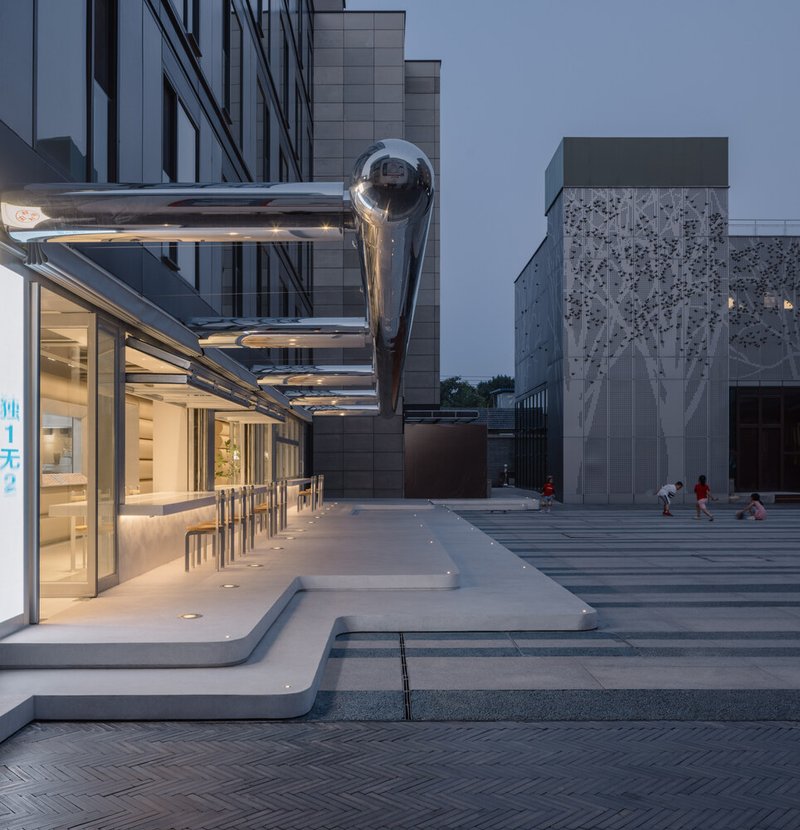
- Outdoor Seating: Long tables extend beyond the building’s envelope, fostering a sense of community.
2. Transformable Interiors
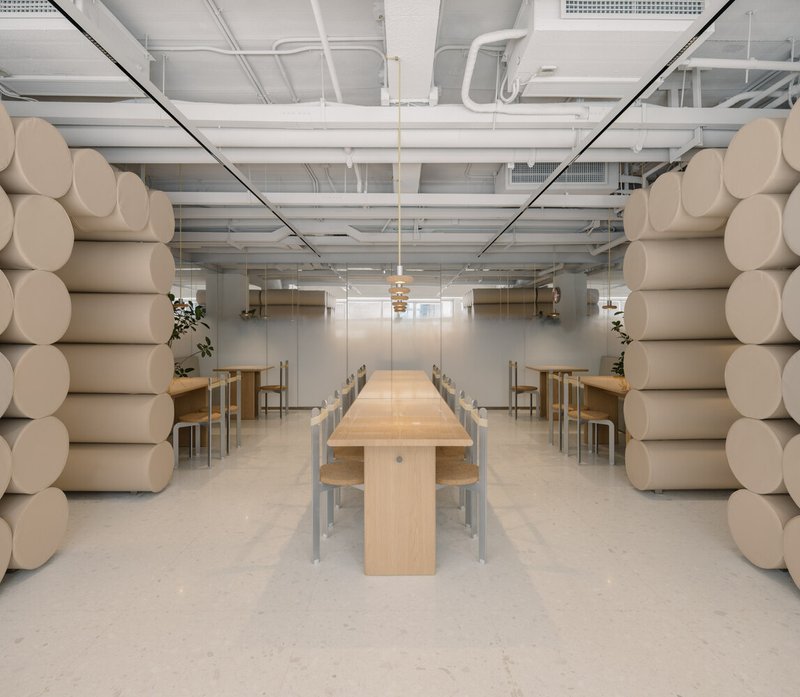
- Roller Shutter System: This innovative feature allows the restaurant to transition between quick-service counters during off-peak hours and full-service dining at peak times.
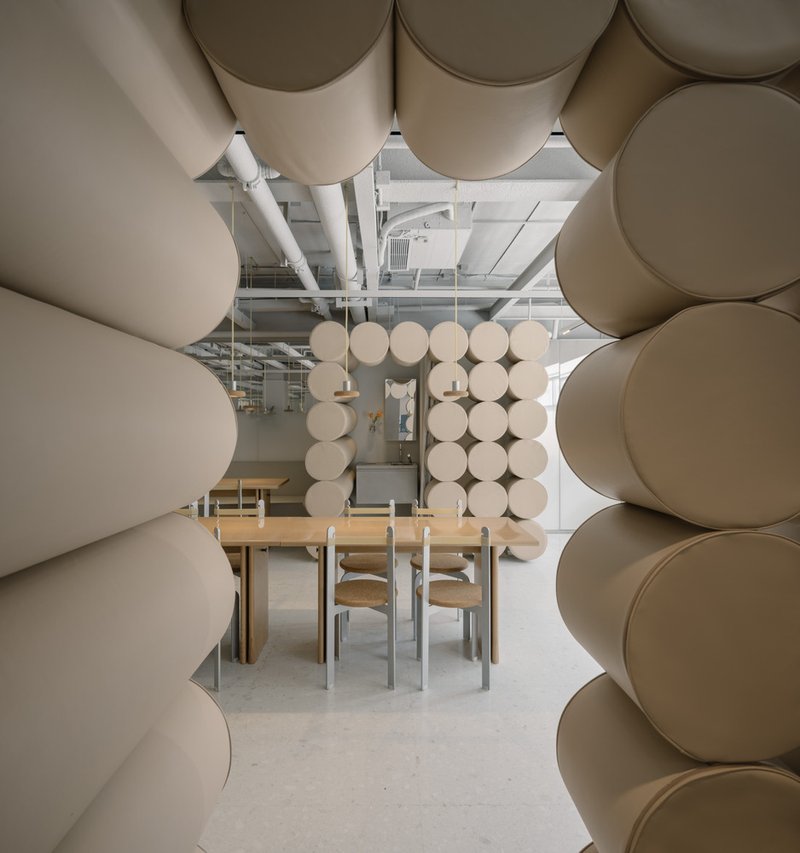
- Flexible Seating: Single-party tables and modular arrangements cater to solo diners and larger groups, maximizing efficiency.
3. Indoor-Outdoor Blending
The use of bi-fold glass windows creates a seamless connection between the interior and the courtyard, making the restaurant feel open and inviting.
The Benefits of Adaptive Restaurant Design
1. Enhanced Operational Efficiency
Flexible layouts enable restaurants like Pang Mei Noodle Bar to optimize their operations, accommodating different customer needs without compromising on service quality.
2. Increased Revenue Opportunities
By adapting to various customer flows and extending operational hours, restaurants can attract a broader audience. For example, Pang Mei Noodle Bar’s tapas menu caters specifically to late-night theatergoers.
3. Strengthened Community Engagement
Architectural elements like outdoor seating and transparent facades connect restaurants with their surroundings, creating vibrant social spaces.
Key Takeaways for Architects and Restaurateurs
Adaptive restaurant design is not just a trend but a necessity for modern urban dining spaces. Lessons from Pang Mei Noodle Bar include:
- Design for Flexibility: Use adaptable elements like movable partitions and multifunctional furniture.
- Focus on Community: Incorporate outdoor spaces and transparent facades to foster social connections.
- Plan for Hybrid Operations: Create zones for different service models, such as grab-and-go, dine-in, and extended hours.
The Future of Adaptive Restaurant Design
The success of Pang Mei Noodle Bar demonstrates the potential of adaptive restaurant design in architecture. By integrating flexibility, efficiency, and community-focused features, architects and restaurateurs can create spaces that not only meet customer needs but also enrich their urban environments.
As cities evolve, the principles of adaptive design will become increasingly critical for sustainable and successful restaurant projects. Pang Mei Noodle Bar stands as an inspiring example of how innovative architecture can transform dining experiences.
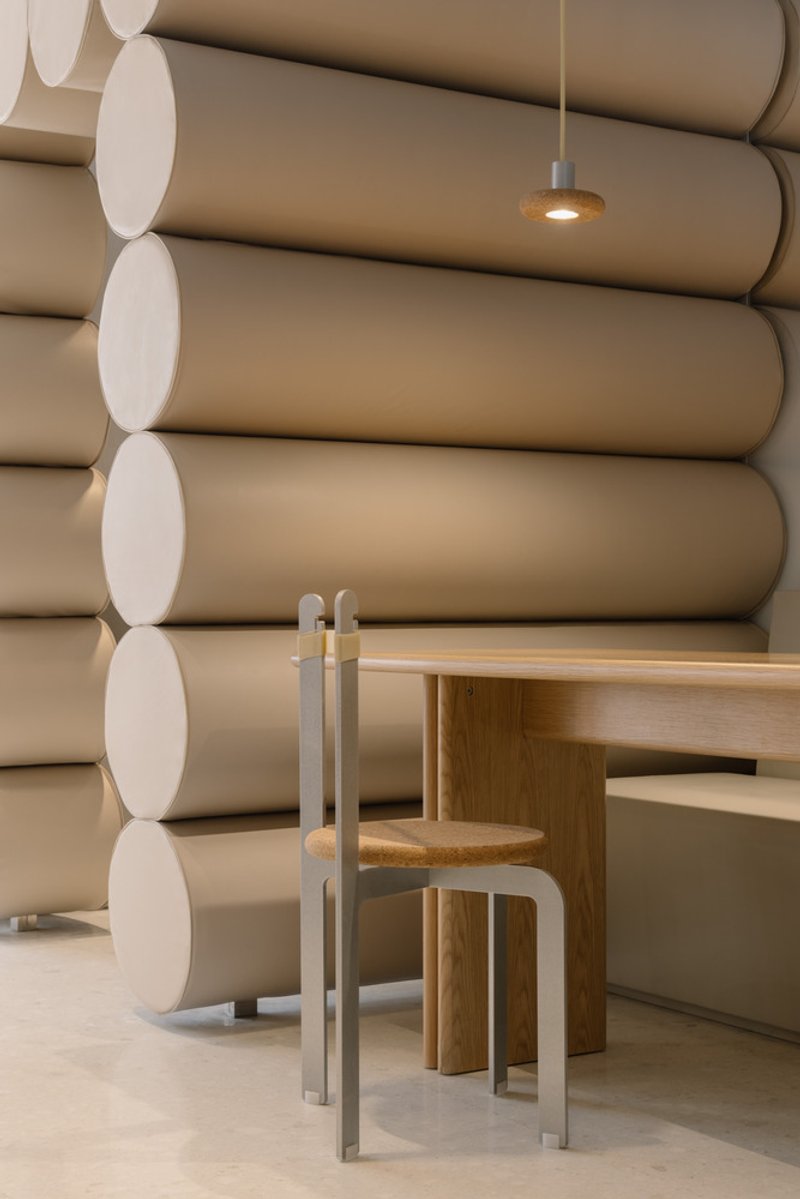
All Photographs are work of Wen Studio




Popular Articles
Popular articles from the community

Fifth NRE Jazz Club – De Bever Architecten: Eindhoven’s Revitalized Cultural Hub
Historic gas factory transformed into Fifth NRE Jazz Club blending modern sustainability, jazz culture, dining, and heritage architecture seamlessly.
Alton Cliff House: A Harmonious Retreat by f2a Architecture in Lake Country, Canada
Alton Cliff House blends corten steel, prefabrication, and sustainable design, creating a luxurious, energy-efficient retreat perched on Canadian cliffs.
Split House: A Compact Urban Home Blending Privacy, Light, and Flexible Living in Japan
Compact Japanese home featuring DOMA space, flexible café potential, passive lighting, privacy zoning, and sustainable urban living design.
Gads Hill Early Learning Center by JGMA: Adaptive Reuse Shaping Community-Focused Educational Architecture
Adaptive reuse transforms fragmented structure into vibrant early learning center with playful façade, natural light, and community-focused sustainable design.


Similar Reads
You might also enjoy these articles


The Ken Roberts Memorial Delineation Competition (Krob)
As the most senior architectural drawing competition currently in operation anywhere in the world, it draws hundreds of entries each year, awarding the very best submissions in a series of medium-based categories.


Waterfront Redevelopment and Urban Revitalization in Mumbai: Forging a New Dawn for Darukhana
A transformative waterfront redevelopment project reimagining Darukhana’s shipbreaking heritage into an inclusive urban future.

OUT-OF-MAP: A Call for Postcards on Feminist Narratives of Public Space
Rhizoma Design and Research Lab invites artists, designers, architects, researchers, and students to reflect on how feminist perspectives can reshape public space. Selected works will be exhibited in Barcelona, October 2026. Submissions open until 15 April 2026.


Documentation Work on Buddhist Wooden Temple
Architectural syncretism and cultural hybridity: A comparative study of the Buddhist temples in Chattogram Hill tracks


Explore Architecture Competitions
Discover active competitions in this discipline




The International Standard for Design Portfolios


The Global Benchmark for Architecture Dissertation Awards


The Global Benchmark for Graduation Excellence


Challenge to design luxury tourism on rails
Comments (0)
Please login or sign up to add comments
No comments yet. Be the first to comment!