
The Slender Hotel: A Bold Architectural Marvel in Salatiga, Indonesia
The Slender Hotel in Salatiga showcases innovative architecture, transforming a narrow plot into a modern, space-efficient, and community-engaging hospitality landmark.

The Slender Hotel
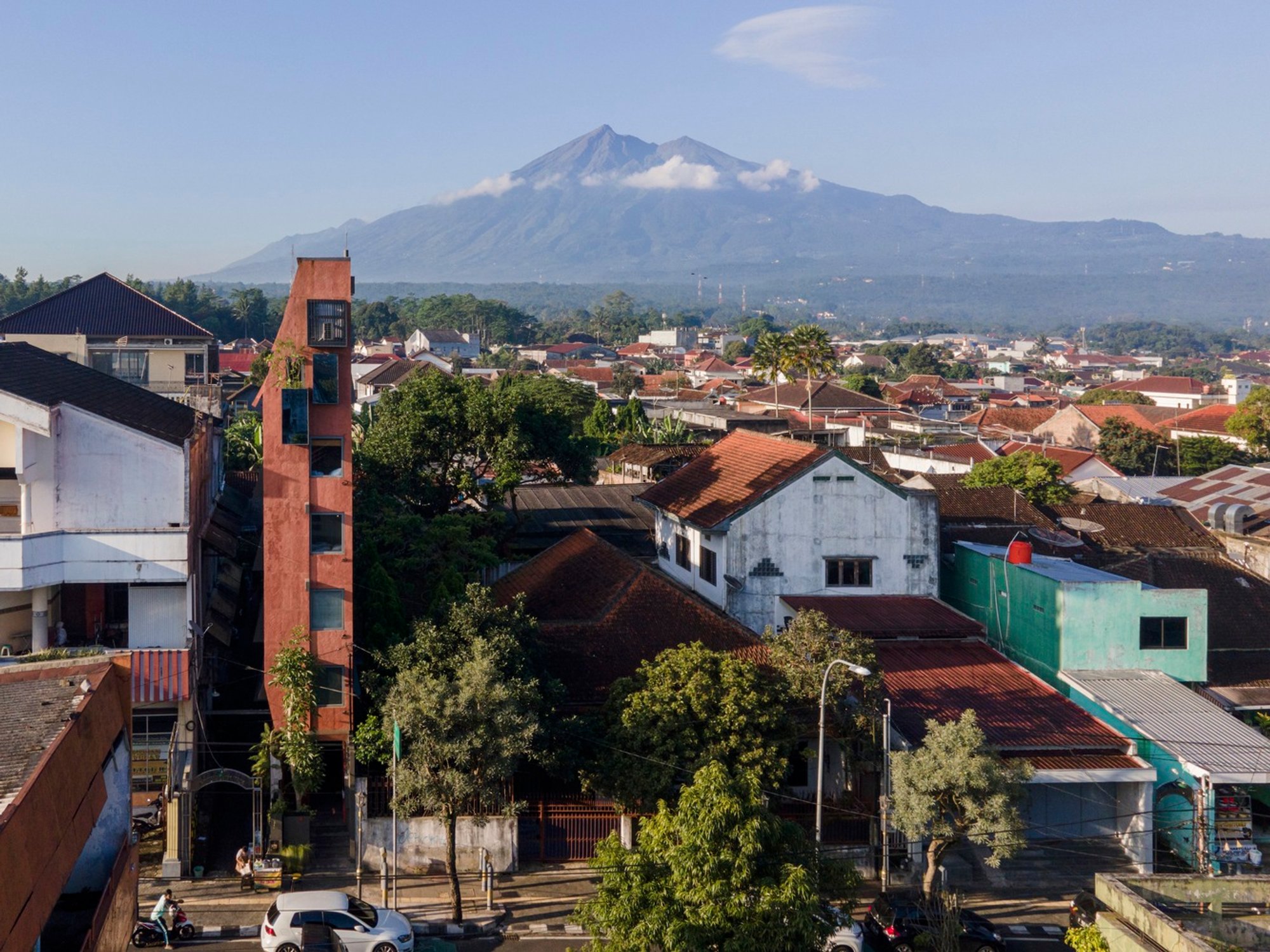
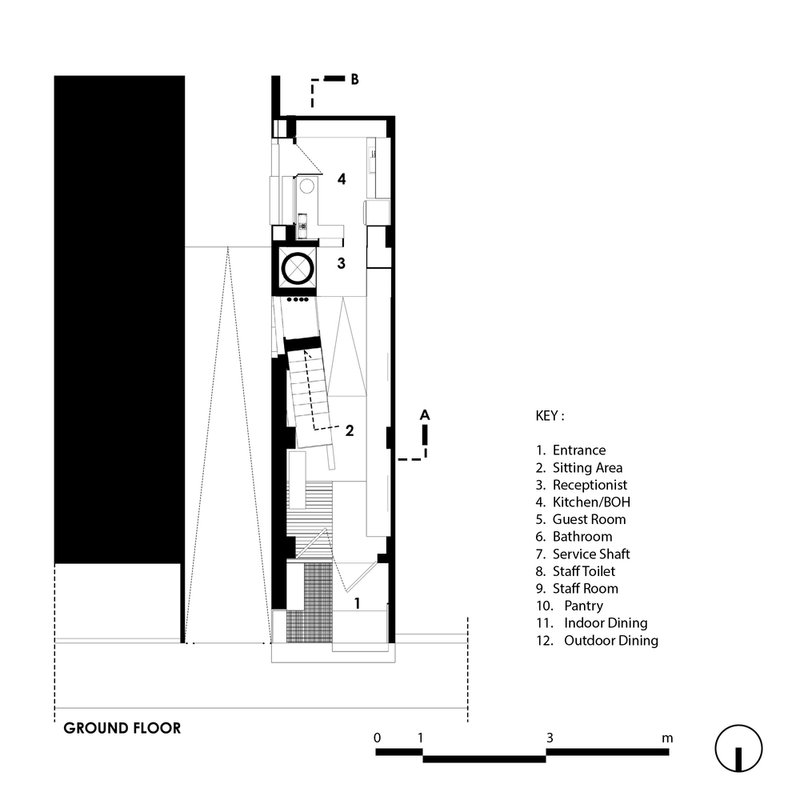
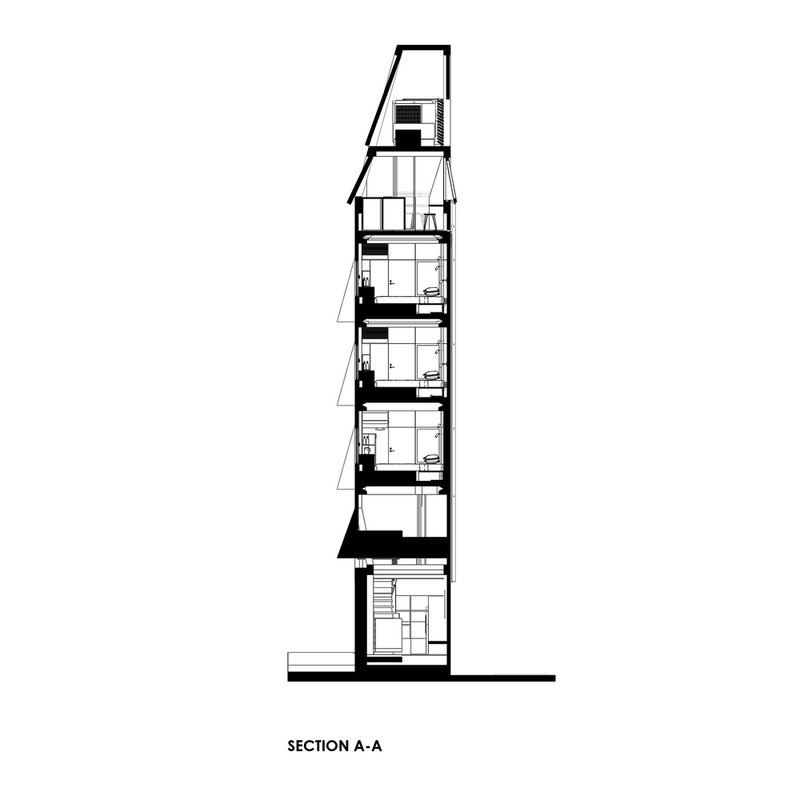
Nestled in the heart of Salatiga, Indonesia, The Slender Hotel is a groundbreaking architectural project by Sahabat Selojene. Built on a narrow 2.8 by 12-meter plot, this modern hotel exemplifies innovation in urban development. The project transforms what was once an abandoned dumping ground into a contemporary hospitality landmark, blending efficient space utilization with aesthetic appeal.
Unique Location and Climate Considerations
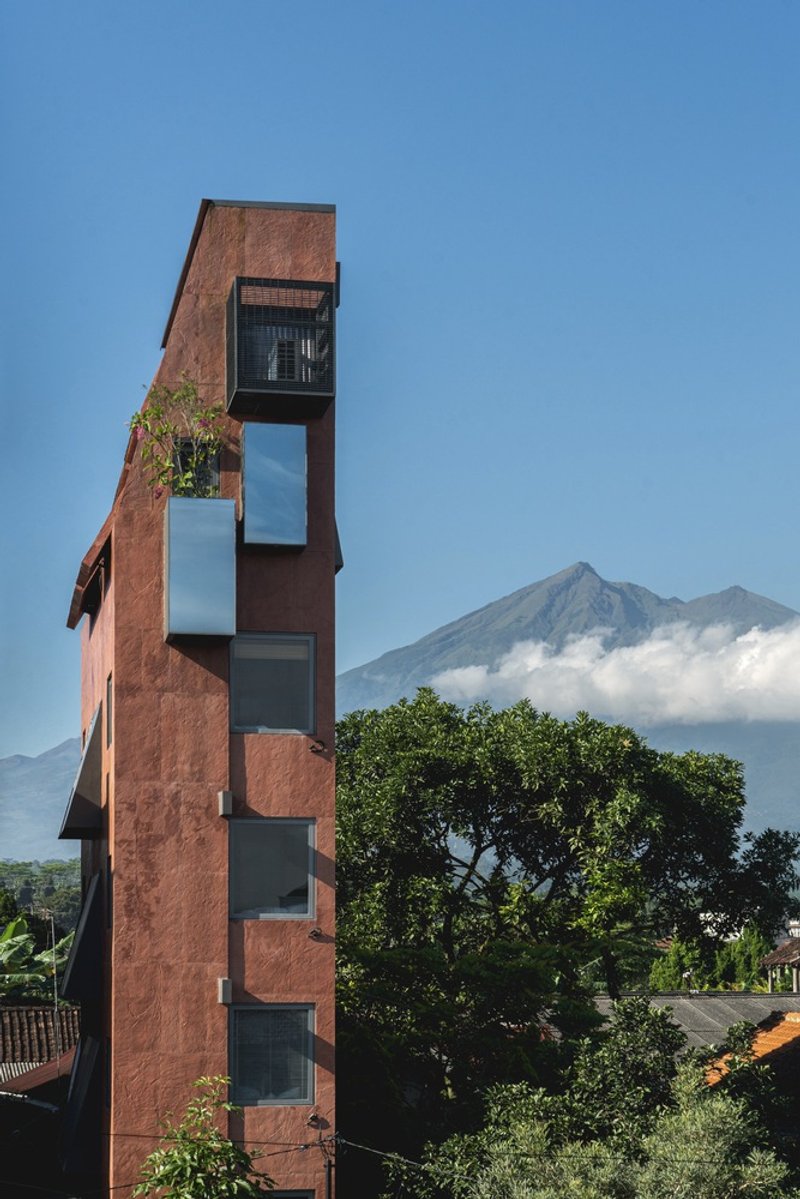
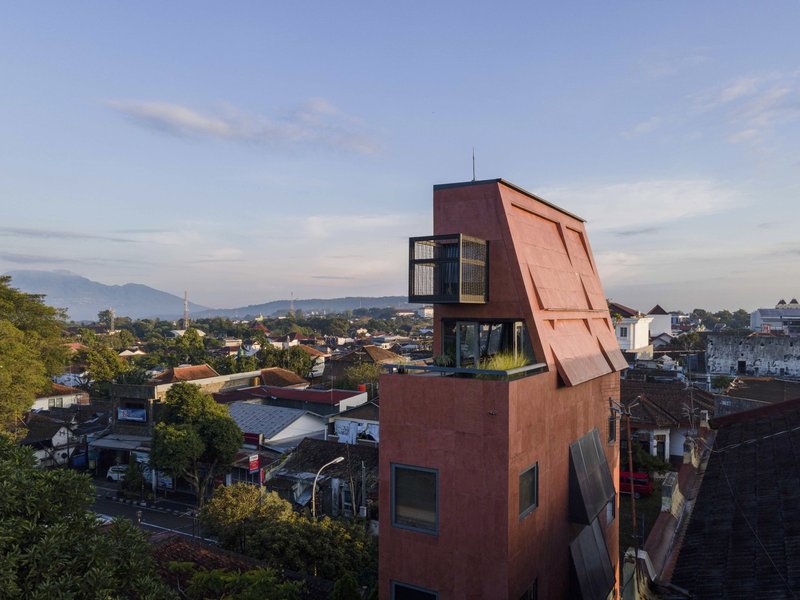
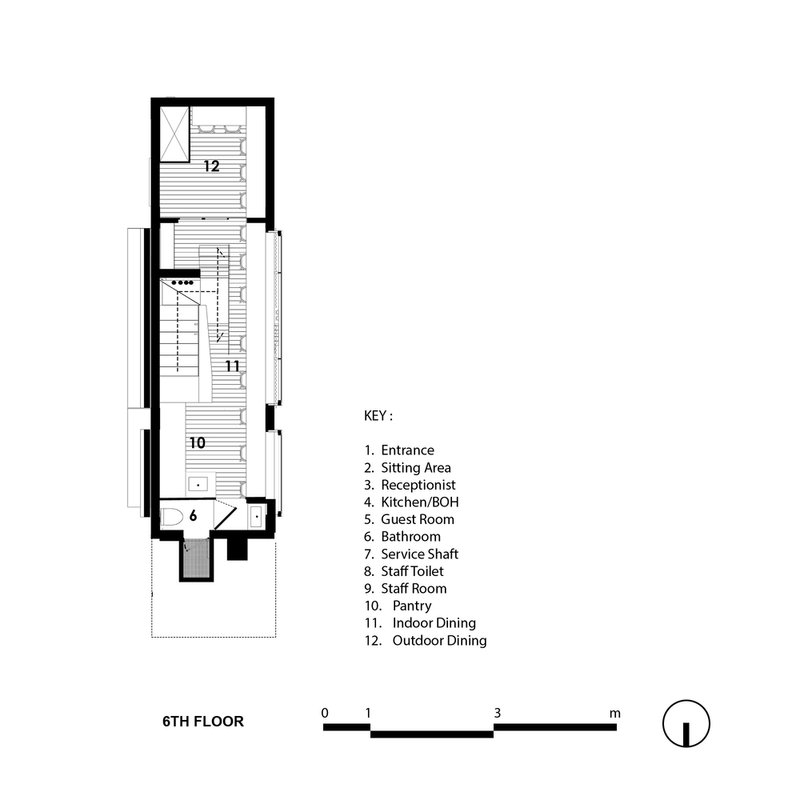
Salatiga, a town with a population of 200,000, enjoys a cool climate due to its 600-meter elevation above sea level. Surrounded by majestic mountains and scenic lakes, the area offers a natural retreat for travelers. The hotel's rooftop lounge provides guests with an unparalleled view of the city's landscape, reinforcing its status as a must-visit destination.
Architectural Innovation on a Narrow Plot
Overcoming Land Constraints
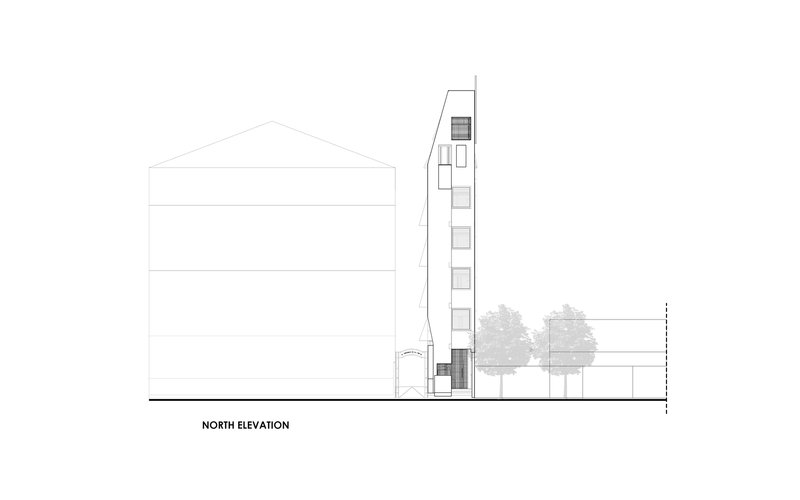
The site was previously considered unusable due to its narrow dimensions, making it unsuitable for traditional residential or commercial development. The developers sought and received a height waiver, allowing vertical expansion while adhering to strict architectural guidelines. The hotel is flanked by a 3-meter-wide alley, neighboring gardens, and surrounding houses, necessitating a thoughtful integration with its environment.
Preserving Historical Elements
A key design challenge involved preserving a century-old perimeter wall, an architectural remnant of the early 20th century. Due to structural concerns, piling was prohibited, requiring an alternative deep well foundation that ensures stability while mitigating the risk of damage to adjacent buildings. The hotel’s structure bends outward from the second floor upwards, reclaiming its original boundary line and maximizing interior space.
Functional and Aesthetic Design Elements
Maximizing Space Efficiency
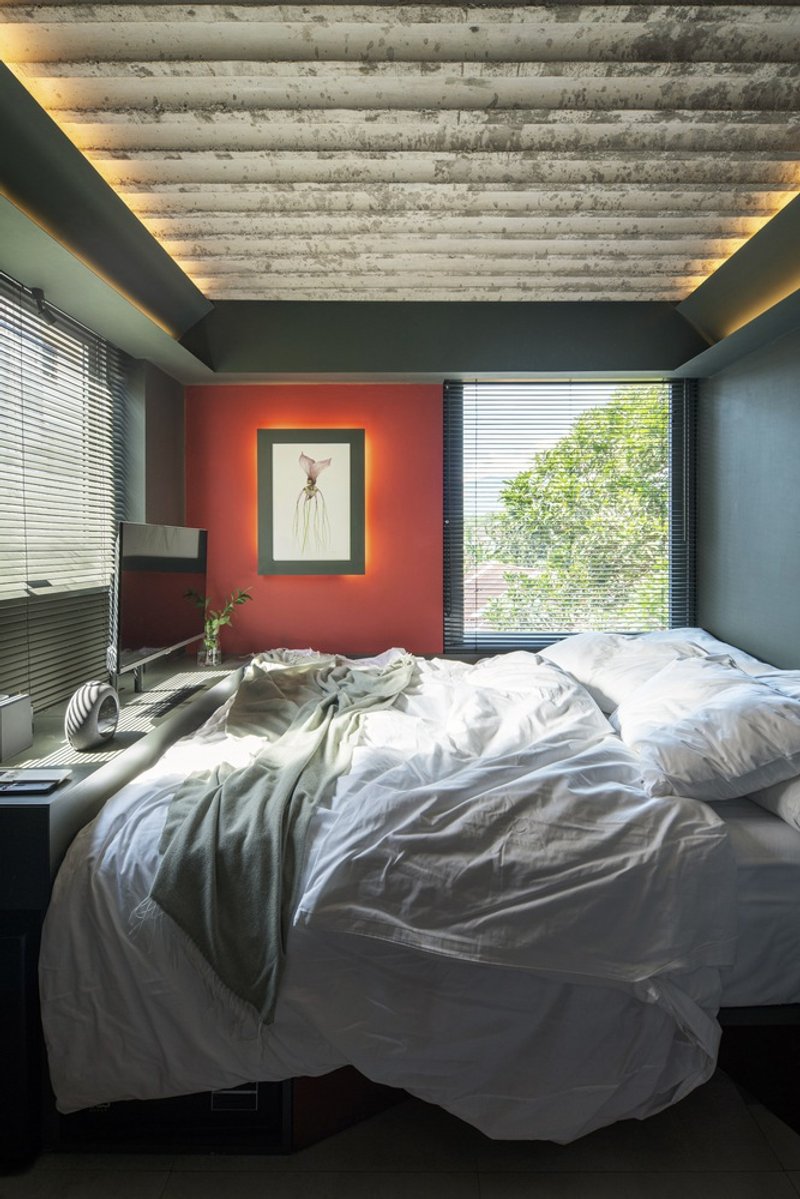
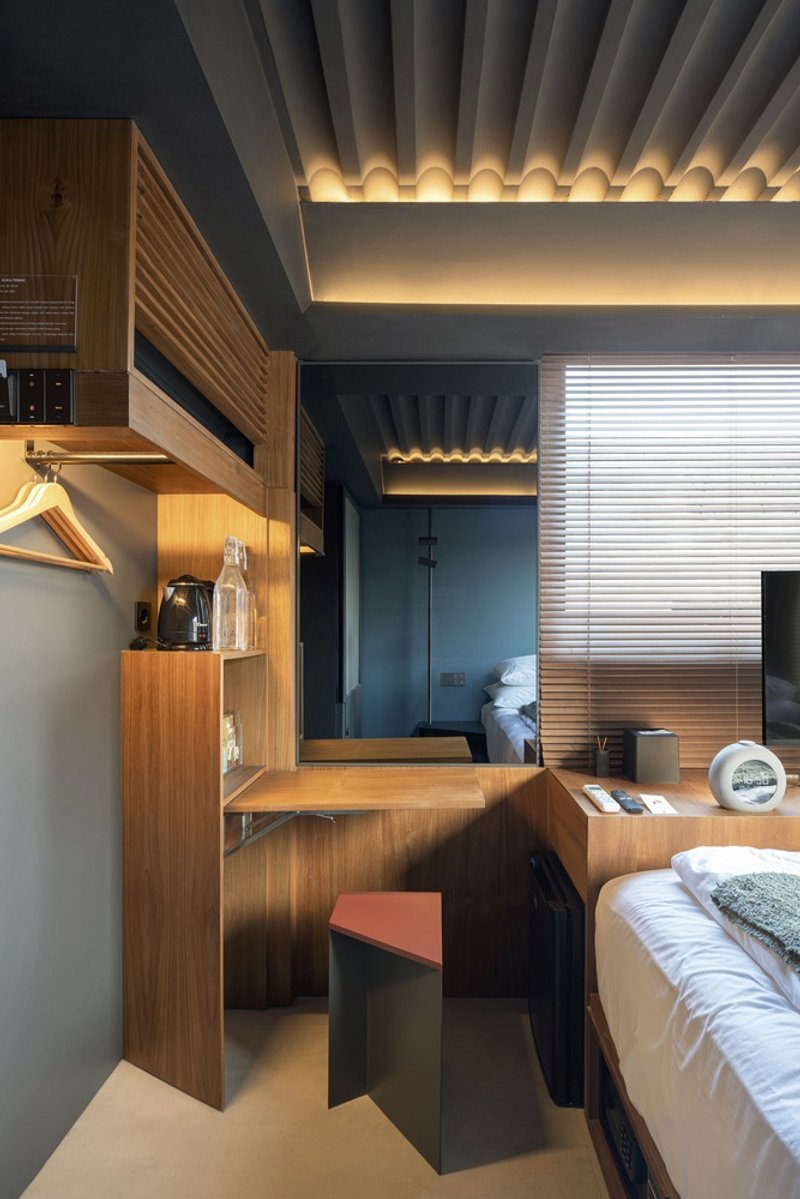
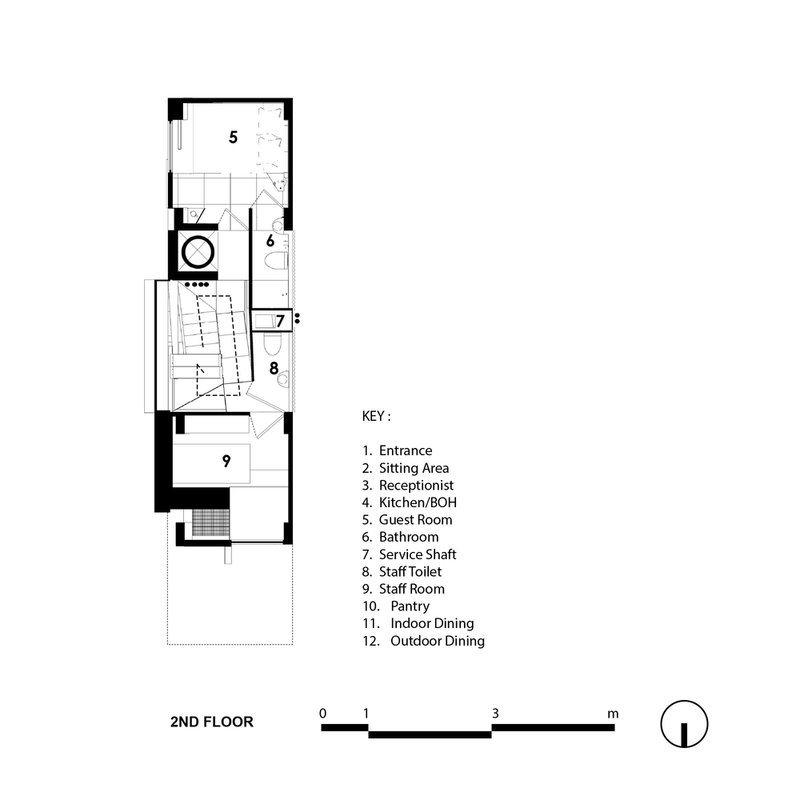
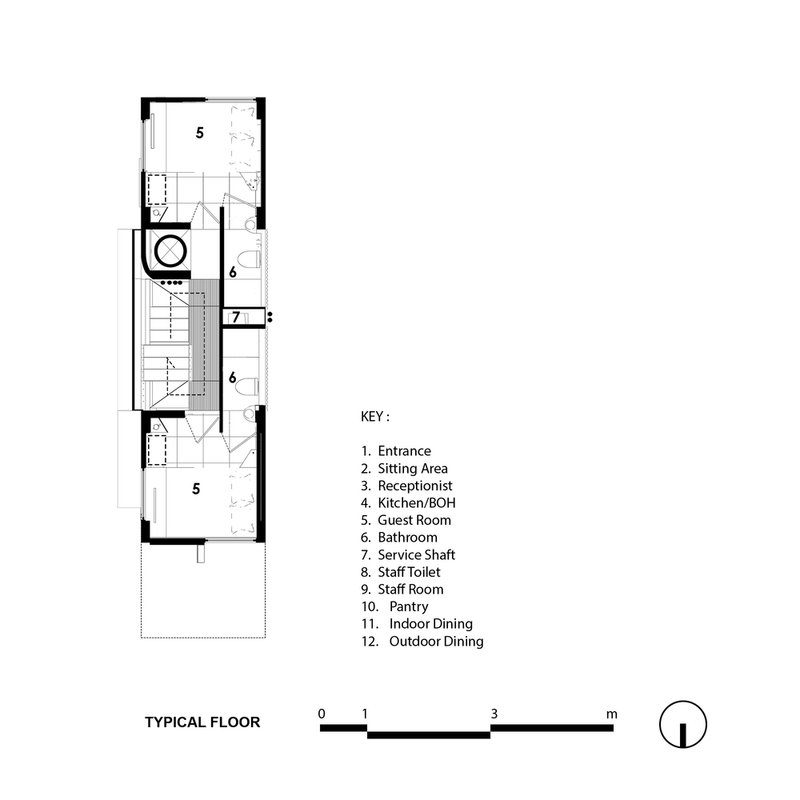
With only seven uniquely themed rooms, The Slender Hotel redefines micro-living. Each 2.8 x 3 x 2.4-meter room is designed to feel intimate yet comfortable, embracing the concept of a modern sleeping nest with compact yet fully equipped amenities.
Ventilation and Natural Light
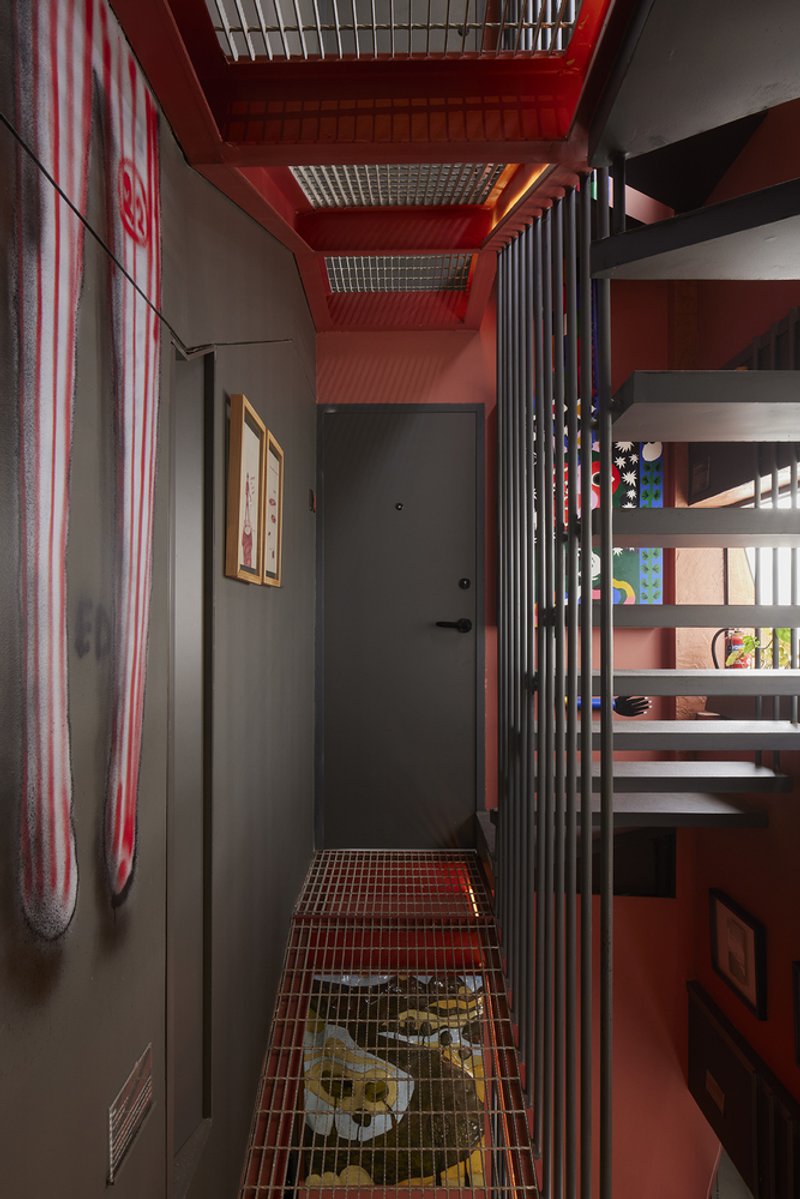
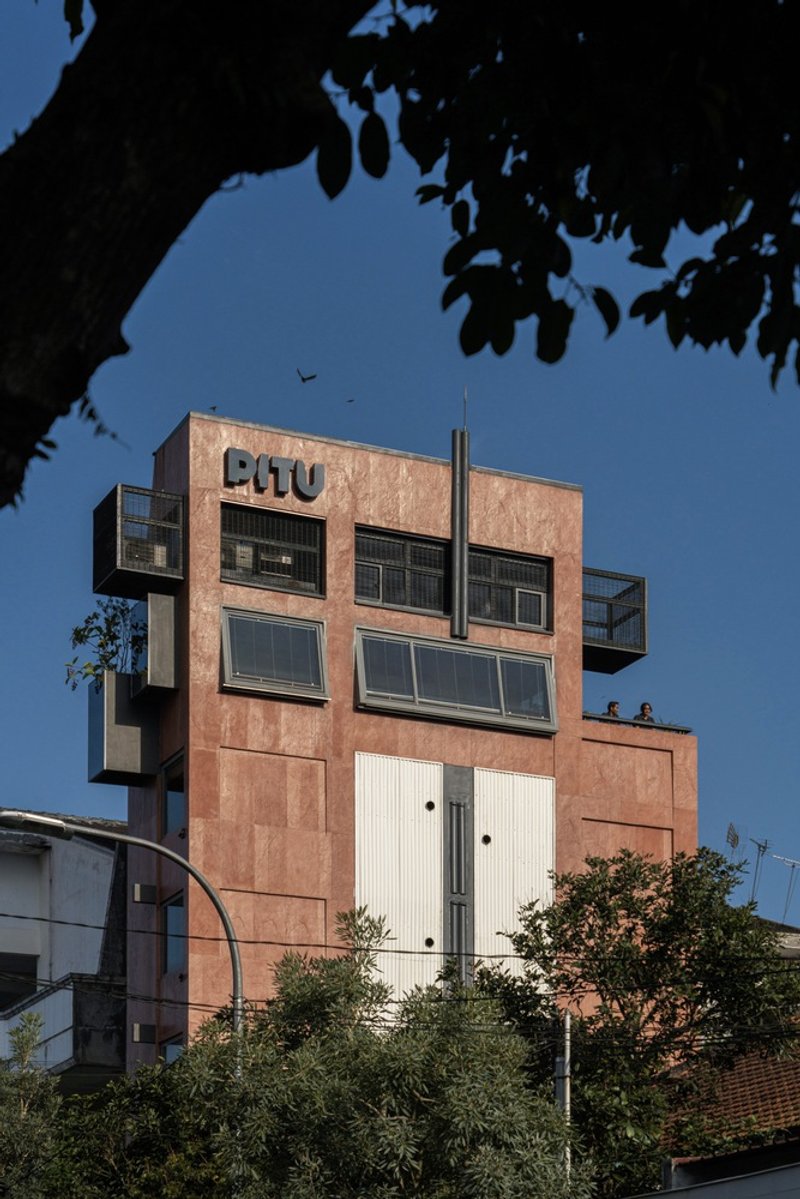
The eastern façade features gill-like openings made from red Agra stone, enhancing natural ventilation while adding to the hotel’s visual appeal. The strategic placement of steel staircases, transparent grating slopes, and a 75 cm-diameter acrylic vacuum lift ensures accessibility for both guests and luggage transport.
Transparent Circulation and Spatial Experience
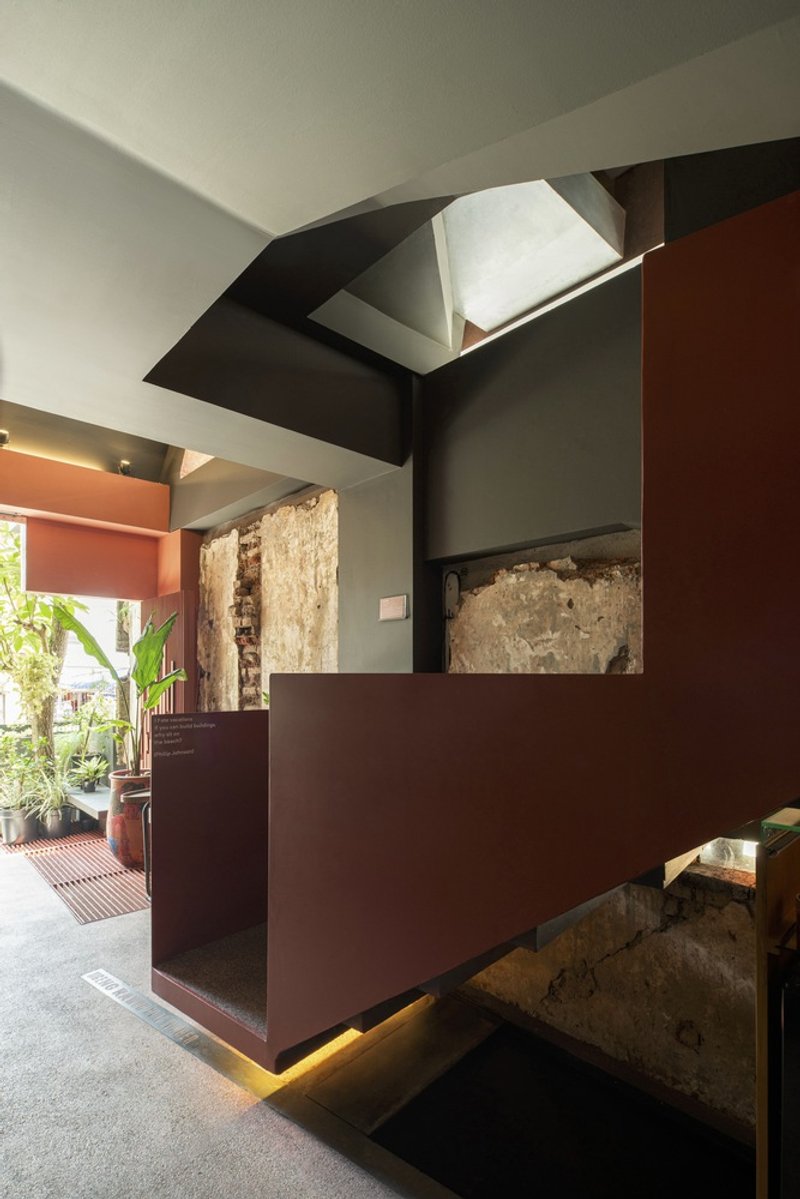
A floating staircase and 90 cm-wide steel grating corridor connect the rooms, creating an open, see-through effect. This design element not only enhances spatial perception but also facilitates natural airflow, reducing the need for mechanical ventilation. The opaque canopy on each floor further optimizes temperature control.
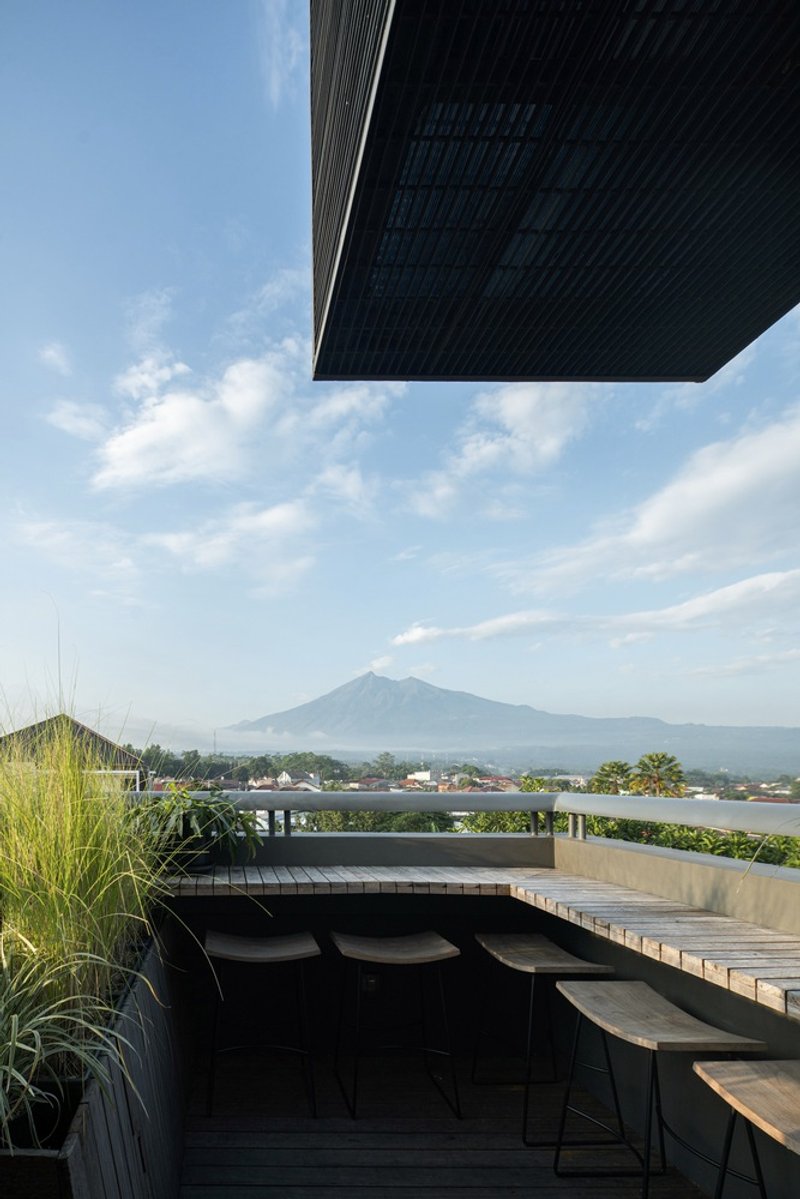
The Slender Hotel as a Model for Small-Town Development
Transforming Underutilized Urban Land
The hotel's adaptive reuse of an irregular plot highlights a crucial urban planning challenge in small Indonesian towns—the prevalence of neglected, undeveloped land due to outdated regulations and complicated land inheritance issues. By presenting a well-reasoned architectural proposal, the project successfully maneuvered within regulatory frameworks to create a socially and economically viable development.
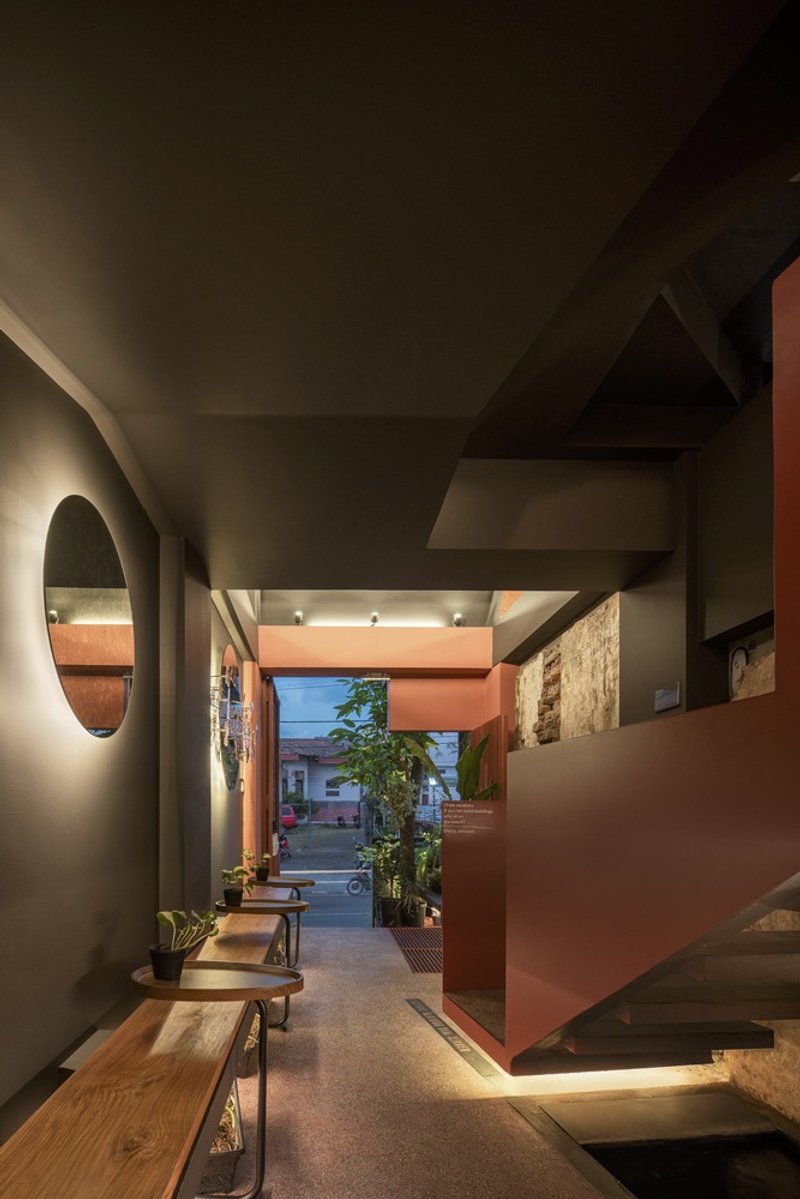
Engaging the Local Community
Beyond its role as a boutique hotel, The Slender Hotel fosters community engagement through:
- Creative workshops
- Walking tours exploring Salatiga’s heritage
- Cross-country running events on hidden nature trails These programs attract both locals and tourists, boosting economic opportunities and setting a scalable model for similar towns across the Asia-Pacific region.
A New Architectural Icon
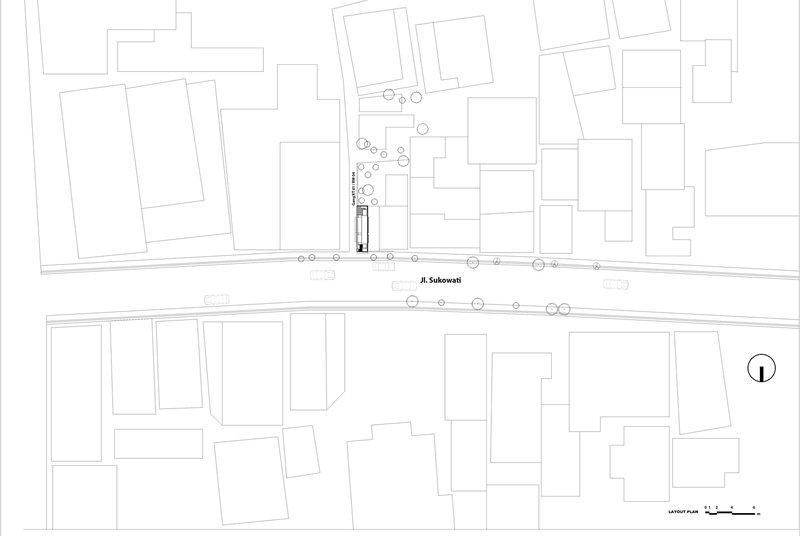
The Slender Hotel in Salatiga exemplifies architectural ingenuity, turning a challenging plot into a beacon of modern hospitality. With its efficient use of space, historical preservation, and community involvement, the project proves that bold design solutions can lead to meaningful urban transformation. This innovative approach paves the way for the future of sustainable small-town development in Indonesia and beyond.
All Photographs are works of David Permadi, Martin Westlake



Popular Articles
Popular articles from the community


The Ken Roberts Memorial Delineation Competition (Krob)
As the most senior architectural drawing competition currently in operation anywhere in the world, it draws hundreds of entries each year, awarding the very best submissions in a series of medium-based categories.

On the Brooks House by Monsoon Collective – A Contemporary Kerala Home Rooted in Tradition
Kerala home blending tradition and modernity with water-inspired design, brick architecture, courtyard planning, and sustainable rainwater harvesting strategies.
Inverted Architecture Installation by Studio Link-Arc: Exploring the Intersection of Architecture and Living Organisms
Inverted Architecture Installation by Studio Link-Arc blends mycelium, sustainability, inverted design, ecological cycles, and urban adaptive architecture in Shenzhen.

Solar Steam: A Climate-Responsive Architecture That Redefines the Monument
A climate-responsive memorial architecture that transforms heat, decay, and time into a living system reflecting humanity’s ecological impact.


Similar Reads
You might also enjoy these articles
The Ken Roberts Memorial Delineation Competition (Krob)
As the most senior architectural drawing competition currently in operation anywhere in the world, it draws hundreds of entries each year, awarding the very best submissions in a series of medium-based categories.


Waterfront Redevelopment and Urban Revitalization in Mumbai: Forging a New Dawn for Darukhana
A transformative waterfront redevelopment project reimagining Darukhana’s shipbreaking heritage into an inclusive urban future.

OUT-OF-MAP: A Call for Postcards on Feminist Narratives of Public Space
Rhizoma Design and Research Lab invites artists, designers, architects, researchers, and students to reflect on how feminist perspectives can reshape public space. Selected works will be exhibited in Barcelona, October 2026. Submissions open until 15 April 2026.


Documentation Work on Buddhist Wooden Temple
Architectural syncretism and cultural hybridity: A comparative study of the Buddhist temples in Chattogram Hill tracks


Explore Architecture Competitions
Discover active competitions in this discipline




The International Standard for Design Portfolios


The Global Benchmark for Architecture Dissertation Awards


The Global Benchmark for Graduation Excellence


Challenge to reimagine the Iron Throne
Comments (0)
Please login or sign up to add comments
No comments yet. Be the first to comment!