
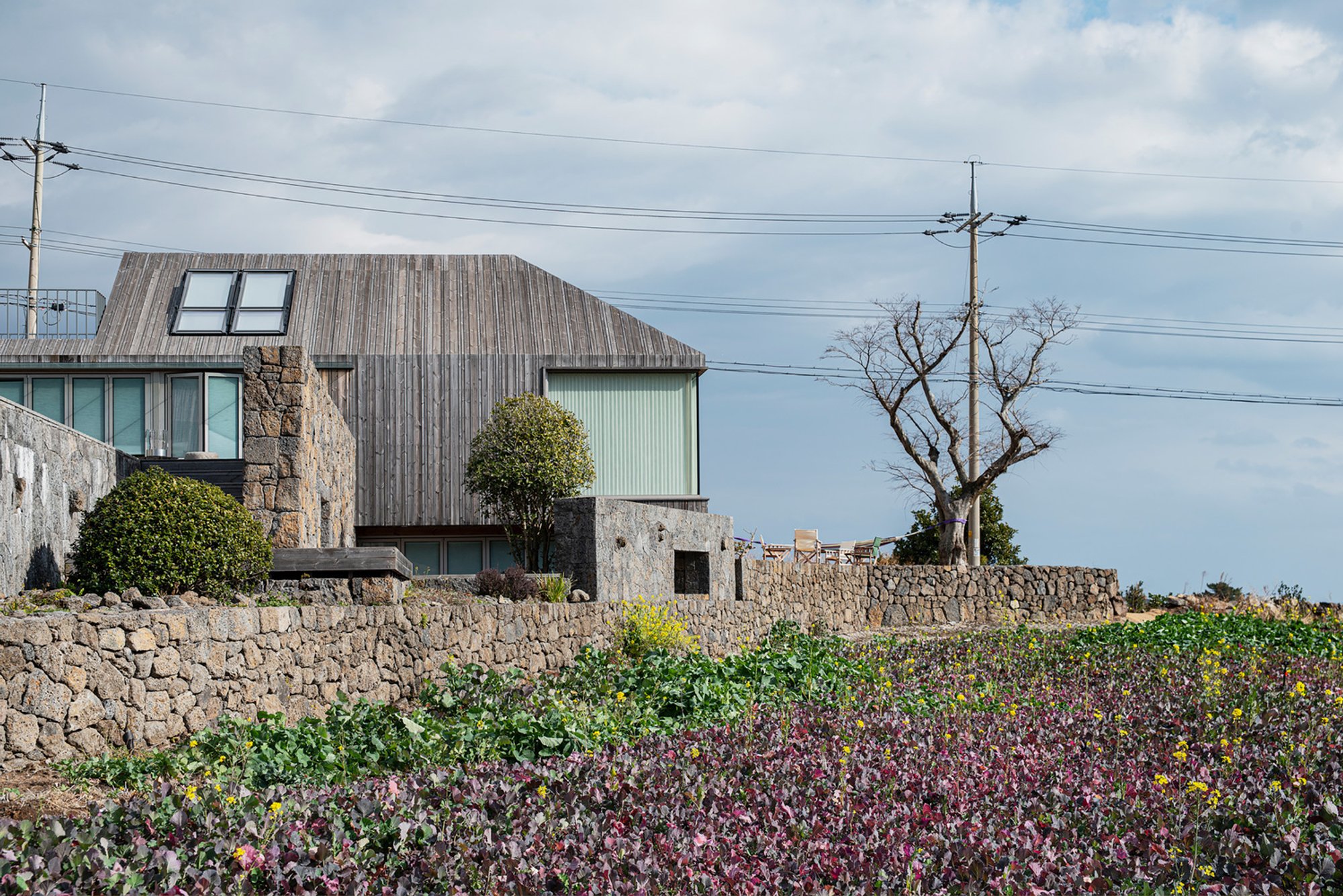
The Wind Hill Houses: Sustainable Architecture on Jeju Island
This article explores The Wind Hill Houses, a sustainable, community-focused architectural project on Jeju Island designed by Doojin Hwang Architects.

Nestled on the scenic hills of Jeju Island, South Korea, The Wind Hill Houses by Doojin Hwang Architects embody a harmonious blend of traditional Korean village aesthetics and sustainable design principles. This architectural project comprises six single-family homes, each tailored to its owner’s unique needs while maintaining visual and functional coherence. By addressing the region’s climate challenges and respecting the natural landscape, The Wind Hill Houses serve as a modern benchmark for sustainable architecture on Jeju Island.
A Community in Harmony with Nature
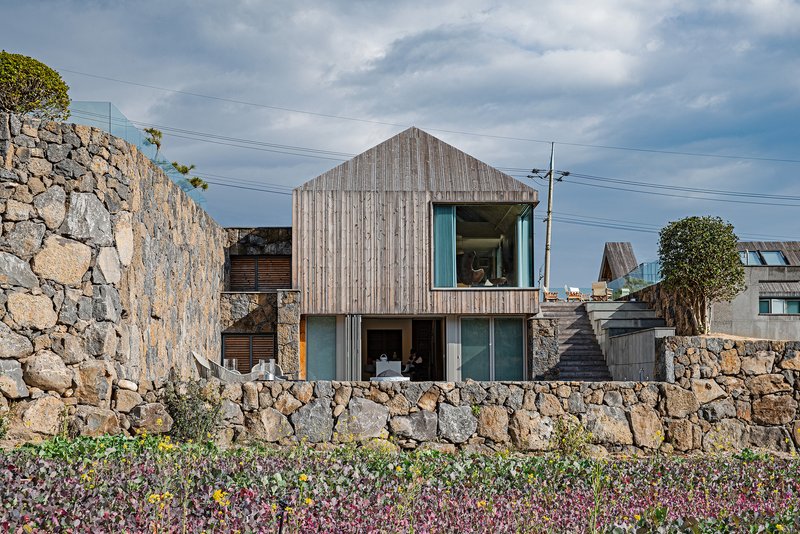
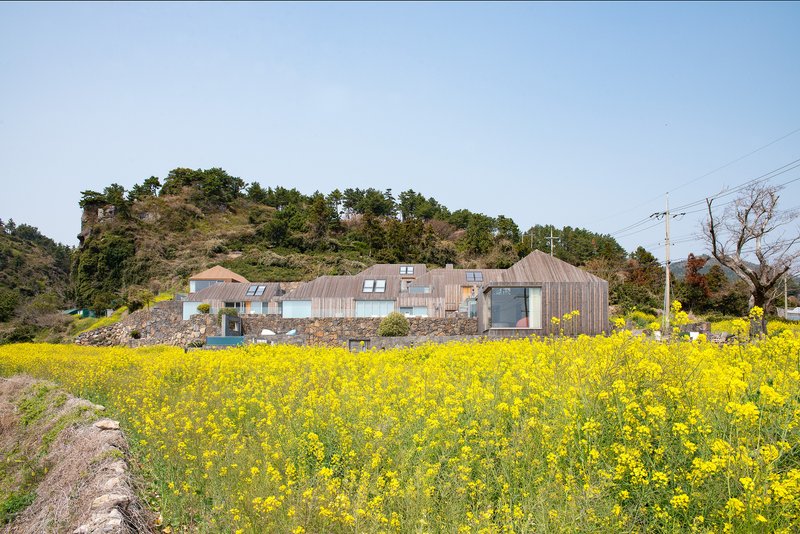
The Wind Hill Houses were designed to create a close-knit community inspired by Jeju Island’s traditional villages. The clients, former colleagues, shared a vision of an integrated neighborhood overlooking the ocean. Doojin Hwang Architects took on the challenge of harmonizing individual preferences within a cohesive village plan, ensuring that the architecture respects both the clients' aspirations and the natural environment.
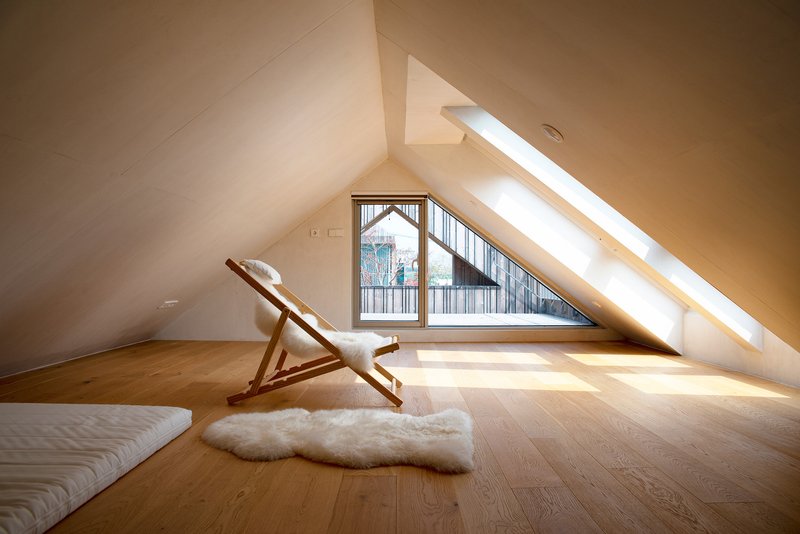
Key Features:
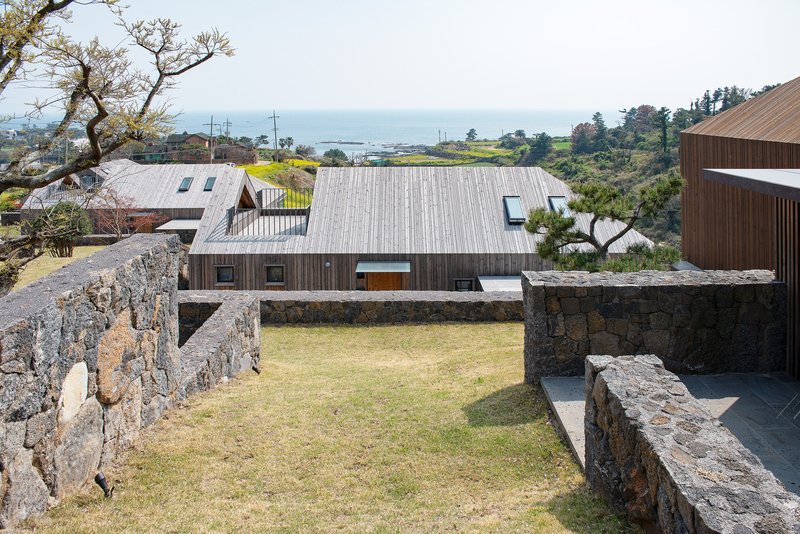
- Location: The Wind Hill project site overlooks the Pacific Ocean, offering views of Jeju’s cliffs and distinctive rock formations.
- Design Philosophy: The houses form a unified village, fostering a sense of community while catering to individual family needs.
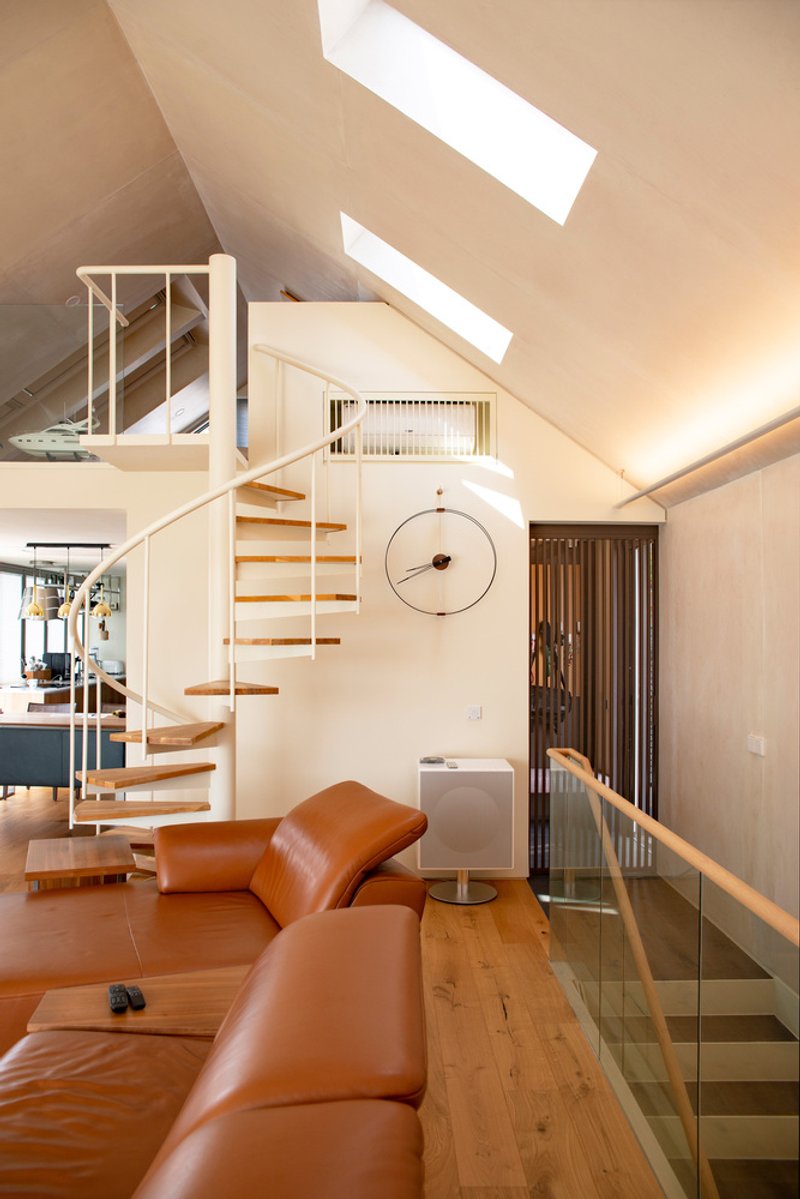
Sustainable Design and Materials
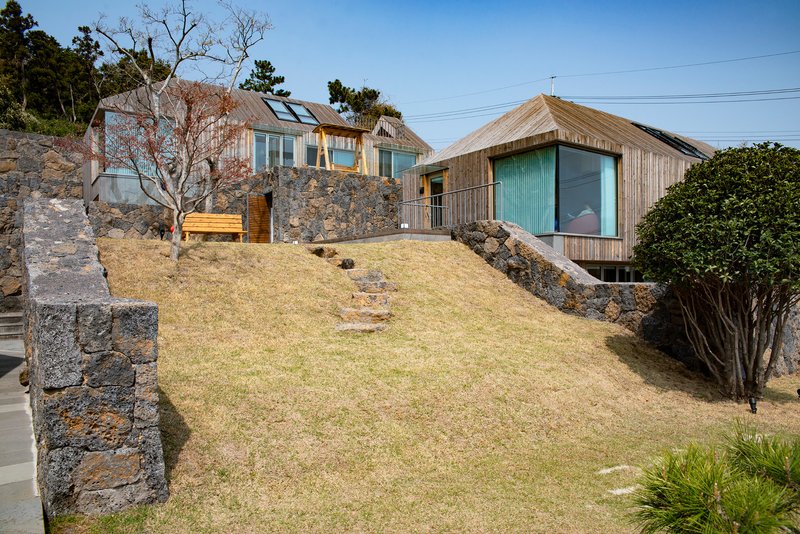
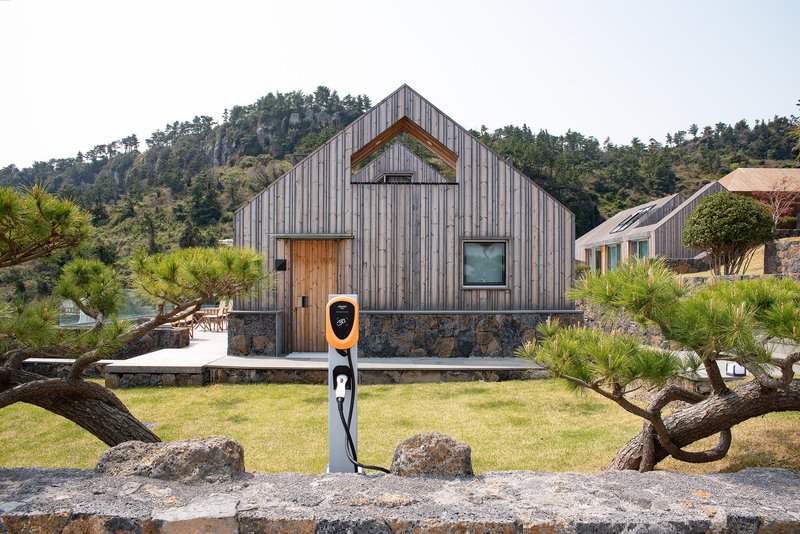
The project showcases innovative sustainable architecture through its use of thermowood—a durable, eco-friendly material ideal for Jeju Island's climate. Thermowood, supplied by Lunawood, is the main material used for the building exteriors, providing durability, low maintenance, and aesthetic appeal. The architects implemented an open-joint rain-screen system, protecting the wooden cladding against intense weather, including seasonal typhoons.
Environmental and Structural Highlights:
- Materials: Thermowood cladding ensures resilience to harsh weather and minimal environmental impact.
- Structural Design: The basement is reinforced concrete, while the ground floor uses a lightweight wooden frame partially reinforced with steel.
- Climate Adaptations: The houses are designed without protruding eaves, reducing the risk of damage during typhoons.
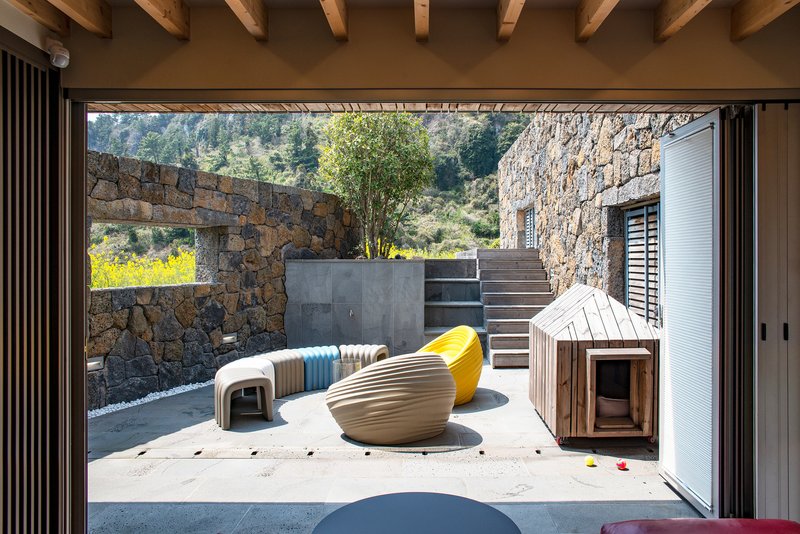
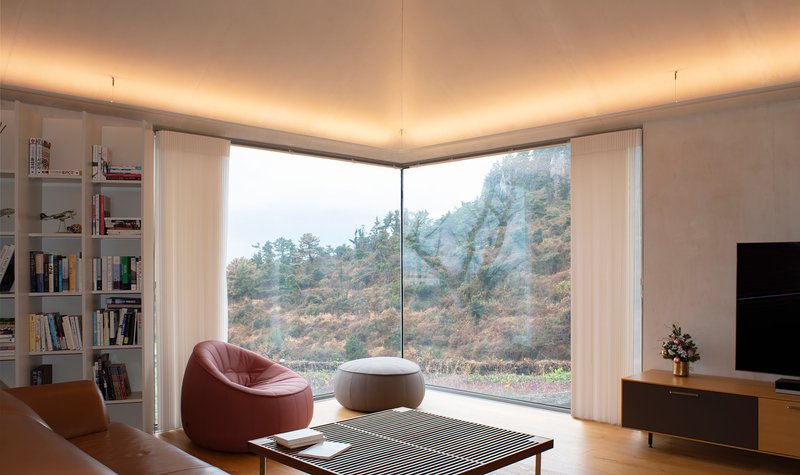
Functional and Communal Spaces
In line with the community-focused design, The Wind Hill Houses share several communal amenities that enhance the residents' collective experience:
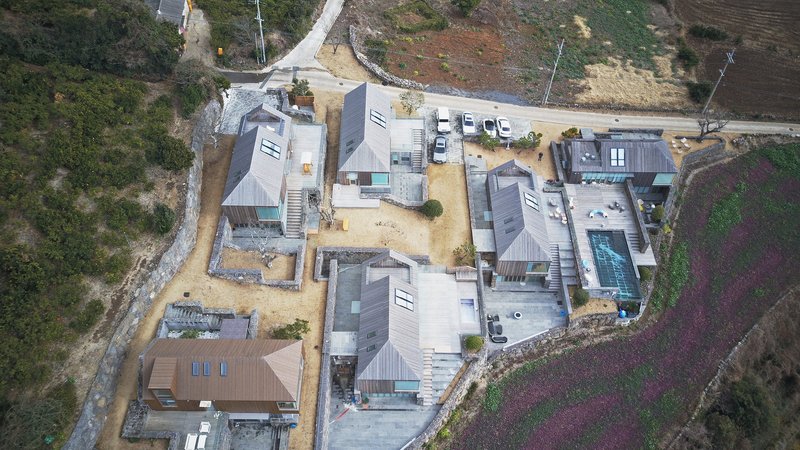
- Shared Facilities: Common parking, gas storage, and recreational spaces, including a Jacuzzi and pool, foster interaction and convenience.
- Accessibility and Landscaping: A communal passageway connects all six homes, incorporating native Jeju plants for a natural, local ambiance.
Embracing Jeju’s Unique Landscape
Jeju Island’s rugged, volcanic terrain influenced both the layout and the material selection for The Wind Hill Houses. The homes reflect Jeju’s landscape through their strategic orientation and sustainable construction practices, merging modern comforts with elements reminiscent of traditional Korean homes.
The Wind Hill Houses exemplify the synergy of sustainable materials, climate-sensitive design, and community-oriented planning. As a model of sustainable architecture on Jeju Island, this project by Doojin Hwang Architects highlights the potential of eco-conscious design that respects both people and the environment.
For architecture enthusiasts and sustainability advocates, The Wind Hill Houses offer valuable insights into designing harmonious, resilient communities in scenic but challenging landscapes.
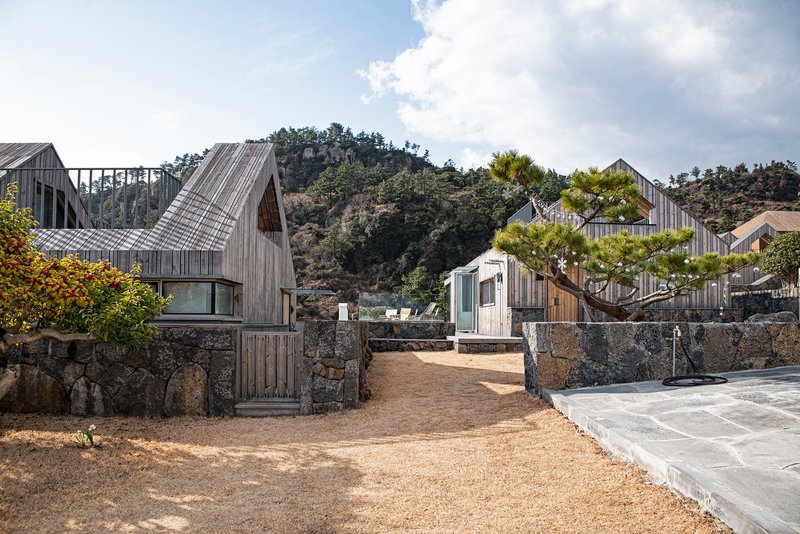
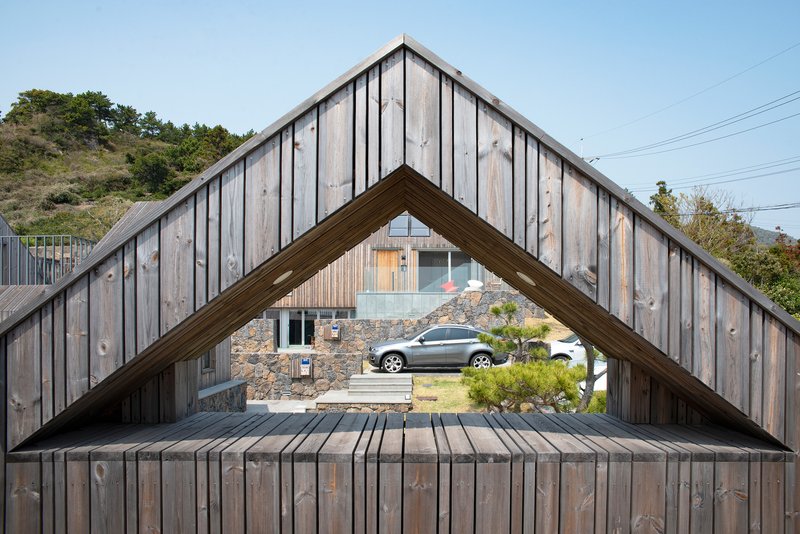
All photographs are work of Dolores Juan



Popular Articles
Popular articles from the community

On the Brooks House by Monsoon Collective – A Contemporary Kerala Home Rooted in Tradition
Kerala home blending tradition and modernity with water-inspired design, brick architecture, courtyard planning, and sustainable rainwater harvesting strategies.
Inverted Architecture Installation by Studio Link-Arc: Exploring the Intersection of Architecture and Living Organisms
Inverted Architecture Installation by Studio Link-Arc blends mycelium, sustainability, inverted design, ecological cycles, and urban adaptive architecture in Shenzhen.
Atelier Macri Concept Store Interior Design by CASE-REAL
Atelier Macri store features a "ko" counter, walnut wood details, cork displays, blending retail, gallery, and seamless customer experiences.
A Contemporary Take on Iranian Residential Architecture
A modern interior design in Mashhad that reinterprets brick, light, and spatial flow to create a warm, contemporary residential architecture.


Similar Reads
You might also enjoy these articles


The Ken Roberts Memorial Delineation Competition (Krob)
As the most senior architectural drawing competition currently in operation anywhere in the world, it draws hundreds of entries each year, awarding the very best submissions in a series of medium-based categories.


Waterfront Redevelopment and Urban Revitalization in Mumbai: Forging a New Dawn for Darukhana
A transformative waterfront redevelopment project reimagining Darukhana’s shipbreaking heritage into an inclusive urban future.

OUT-OF-MAP: A Call for Postcards on Feminist Narratives of Public Space
Rhizoma Design and Research Lab invites artists, designers, architects, researchers, and students to reflect on how feminist perspectives can reshape public space. Selected works will be exhibited in Barcelona, October 2026. Submissions open until 15 April 2026.


Documentation Work on Buddhist Wooden Temple
Architectural syncretism and cultural hybridity: A comparative study of the Buddhist temples in Chattogram Hill tracks

Explore Architecture Competitions
Discover active competitions in this discipline




The International Standard for Design Portfolios


The Global Benchmark for Architecture Dissertation Awards


The Global Benchmark for Graduation Excellence


Challenge to reimagine the Iron Throne
Comments (0)
Please login or sign up to add comments
No comments yet. Be the first to comment!