
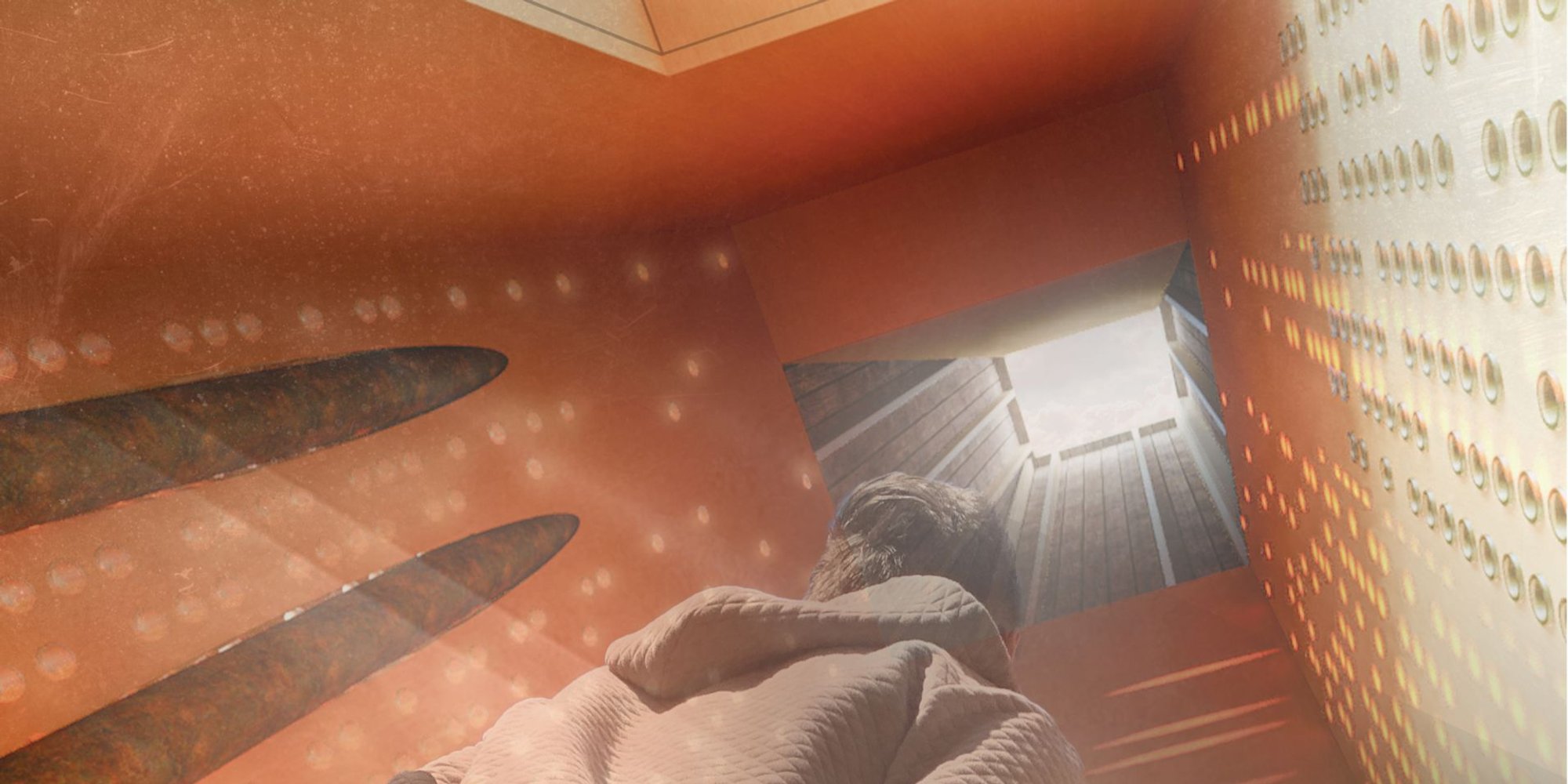
Urban Architecture for Connection and Reflection
Experience the power of urban architecture—fostering connection, redefining public spaces, and elevating human interaction.

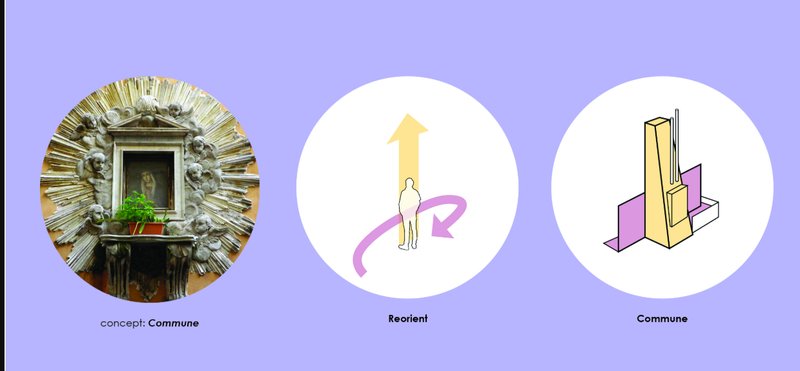
Connect/Commune seeks to allure humans to reconnect with others using the same technologies that once encouraged disconnection. By creating spaces that integrate digital interfaces with sensory-rich physical environments, the project invites individuals to engage with their surroundings in a more meaningful way. This innovative urban architecture project by Alan Frost is designed to offer an escape from the mundane—the noise, the smells, the grime, the hustle—allowing individuals to reclaim a sense of peace and mindfulness. It fosters a moment of quiet communion with nature, the universe, and the divine, restoring a balance between solitude and community.
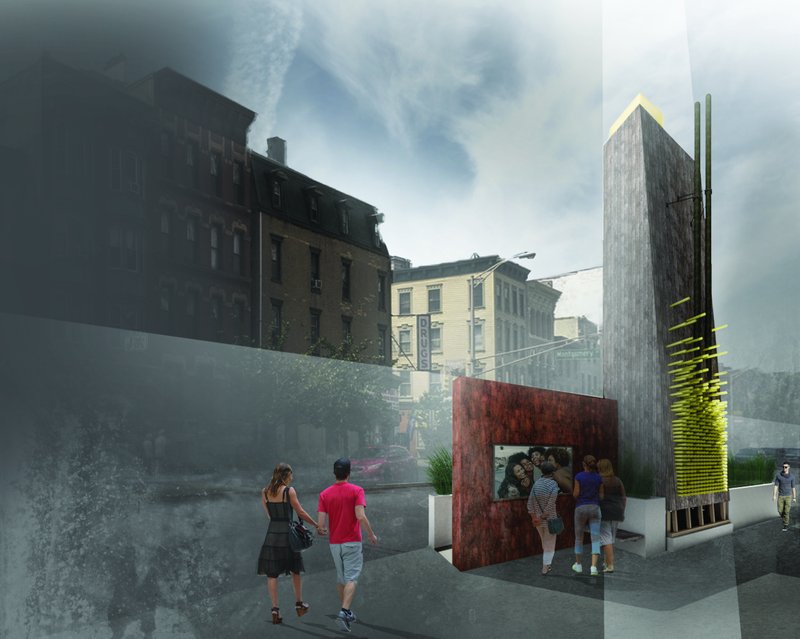
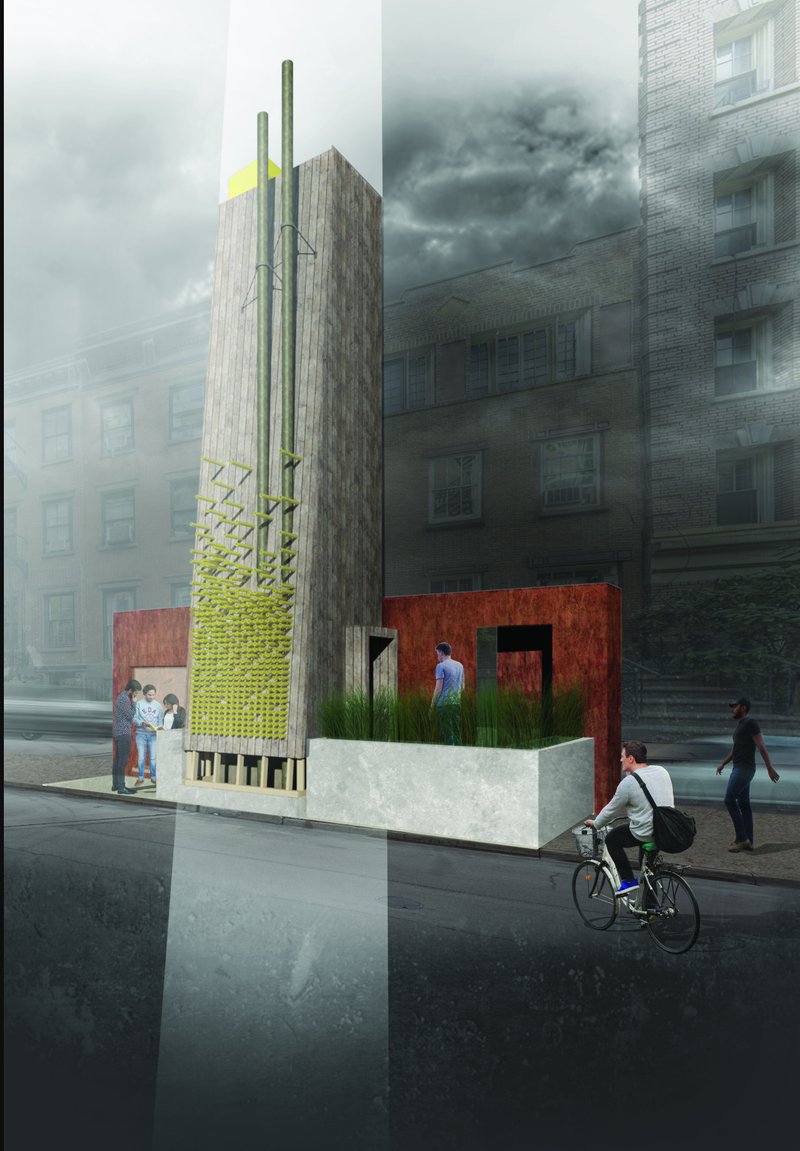
The project was a shortlisted entry in Elevate 2019, recognized for its creative approach to redefining how modern architecture can influence social interactions. By reimagining the built environment as a catalyst for meaningful exchanges, it transforms communal spaces into immersive, interactive hubs that bridge the digital and the tangible world.
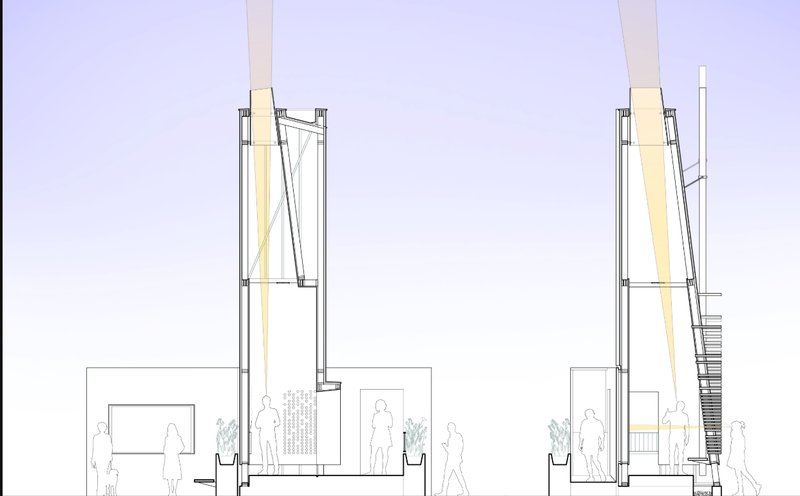
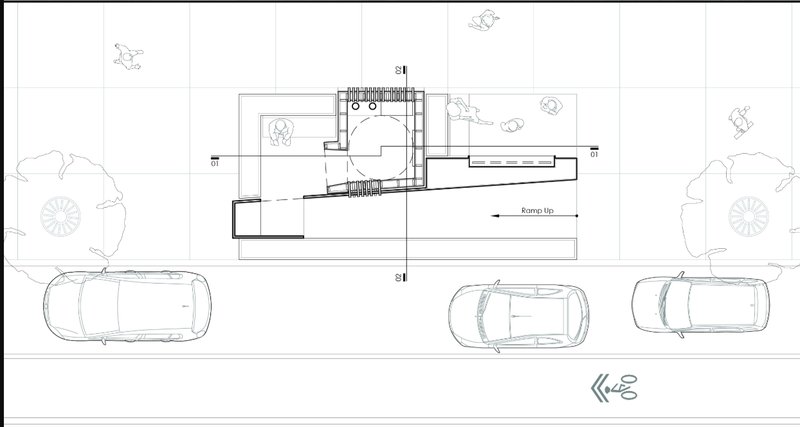
Revolutionizing Urban Interaction
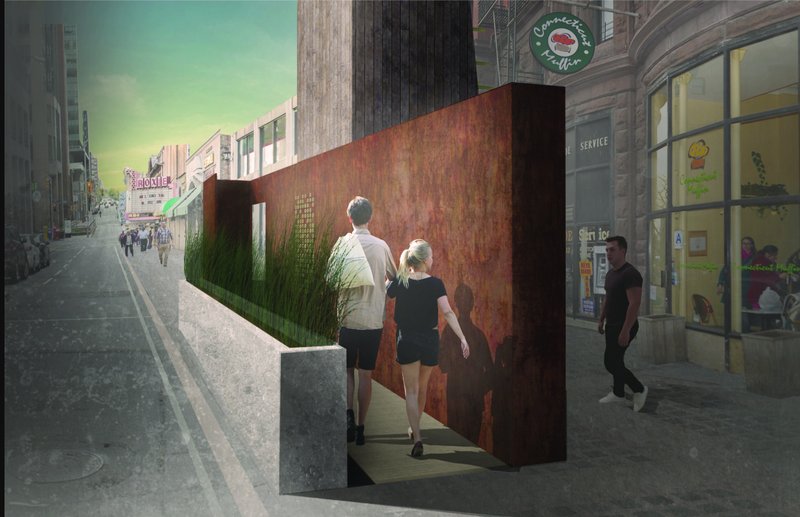
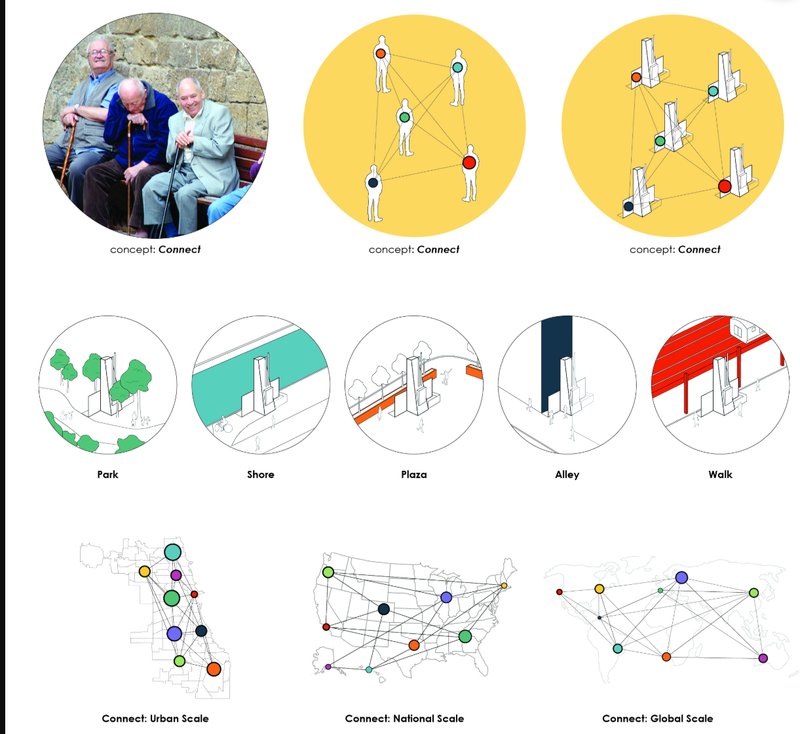
By integrating interactive elements, soundscapes, and carefully curated architectural structures, Connect/Commune fosters social engagement while promoting an immersive experience within urban environments. The strategic use of natural materials, adaptive spatial design, and real-time data-driven interactions enhance connectivity at multiple scales—urban, national, and global. Whether fostering spontaneous encounters or providing spaces for introspective solitude, the project challenges conventional urban planning by prioritizing human experience at its core.



Popular Articles
Popular articles from the community


The Ken Roberts Memorial Delineation Competition (Krob)
As the most senior architectural drawing competition currently in operation anywhere in the world, it draws hundreds of entries each year, awarding the very best submissions in a series of medium-based categories.

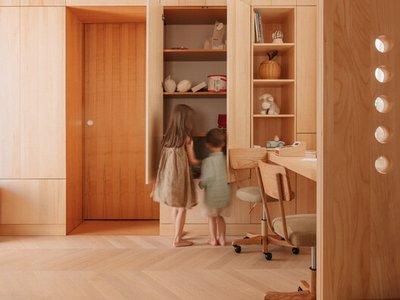
Treehouse Apartment: A Warm Timber Interior Blending Craft, Play, and Contemporary Living
Warm timber apartment with integrated treehouse, combining natural materials, craftsmanship, and playful design to create a flexible, family-oriented living environment.
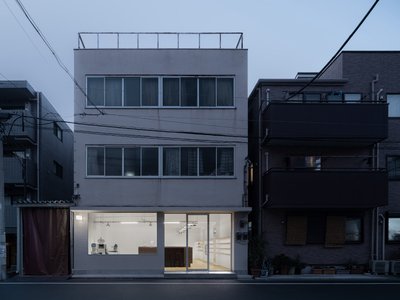
Atelier Macri Concept Store Interior Design by CASE-REAL
Atelier Macri store features a "ko" counter, walnut wood details, cork displays, blending retail, gallery, and seamless customer experiences.
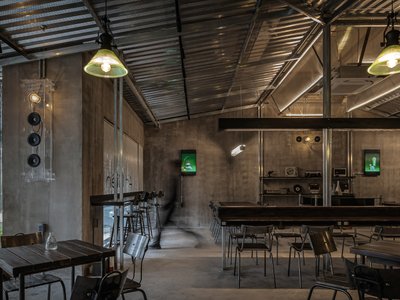
An Miên Lumière Cafe by xưởng xép, Ho Chi Minh City, Vietnam
An industrial-inspired café where layered steel and warm light create a dynamic, immersive environment shaped by reflection, depth, and perception.


Similar Reads
You might also enjoy these articles
The Ken Roberts Memorial Delineation Competition (Krob)
As the most senior architectural drawing competition currently in operation anywhere in the world, it draws hundreds of entries each year, awarding the very best submissions in a series of medium-based categories.

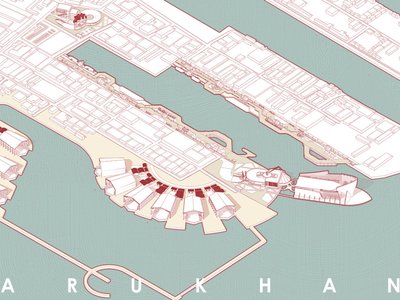
Waterfront Redevelopment and Urban Revitalization in Mumbai: Forging a New Dawn for Darukhana
A transformative waterfront redevelopment project reimagining Darukhana’s shipbreaking heritage into an inclusive urban future.
OUT-OF-MAP: A Call for Postcards on Feminist Narratives of Public Space
Rhizoma Design and Research Lab invites artists, designers, architects, researchers, and students to reflect on how feminist perspectives can reshape public space. Selected works will be exhibited in Barcelona, October 2026. Submissions open until 15 April 2026.


Documentation Work on Buddhist Wooden Temple
Architectural syncretism and cultural hybridity: A comparative study of the Buddhist temples in Chattogram Hill tracks


Explore Public Building Competitions
Discover active competitions in this discipline




The Global Benchmark for Architecture Dissertation Awards

Challenge to design a portable theatre


Challenge to design locus for the upliftment of human rights

Challenge to design a portable music platform
Comments (0)
Please login or sign up to add comments
No comments yet. Be the first to comment!