
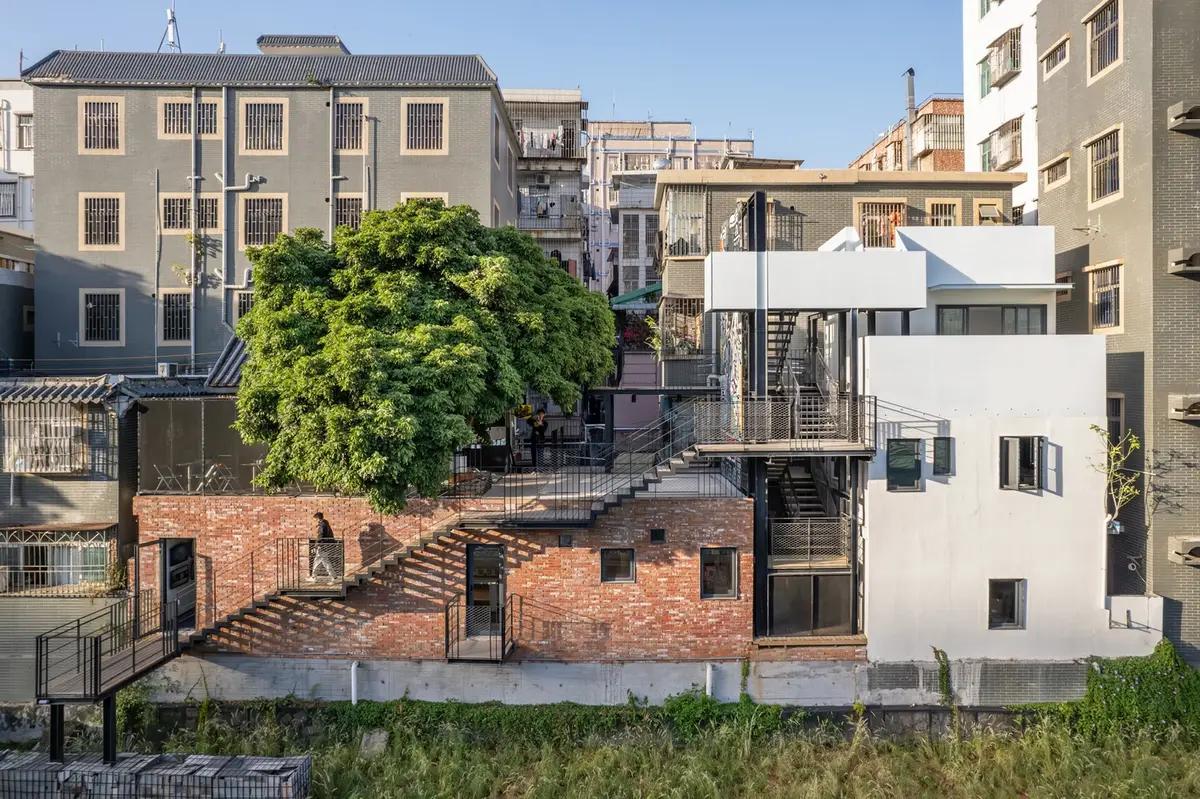
Urban Village Renewal Design: Transforming Nantou with the Six Bricolage-Houses by ARCity Office
The article highlights the Six Bricolage-Houses project in Nantou, Shenzhen, showcasing innovative urban village renewal design by ARCity Office.


In the historic heart of Shenzhen, China, the Six Bricolage-Houses project emerges as a pioneering example of urban village renewal design. Spearheaded by ARCity Office, this initiative breathes new life into the ancient streets of Nantou, blending modern architectural interventions with the area's rich cultural heritage.






Nantou: A Canvas for Urban Renewal
The Historical Context of Nantou
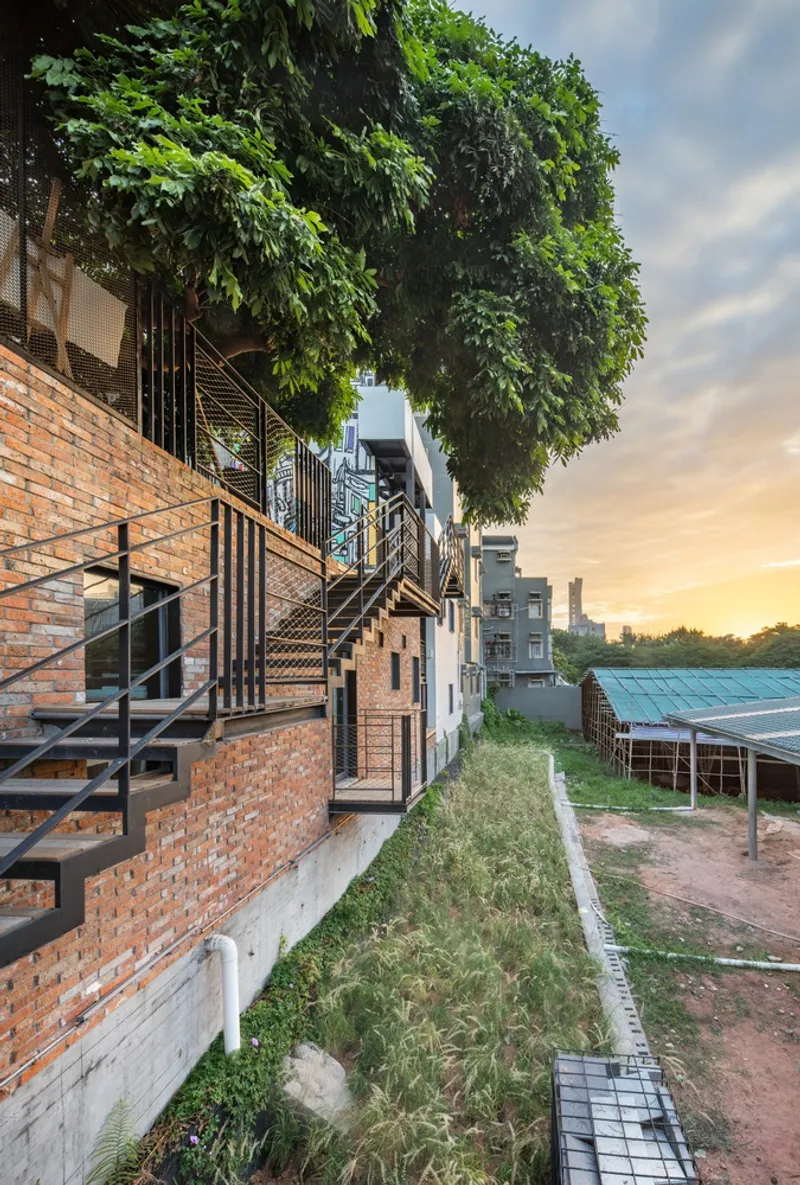
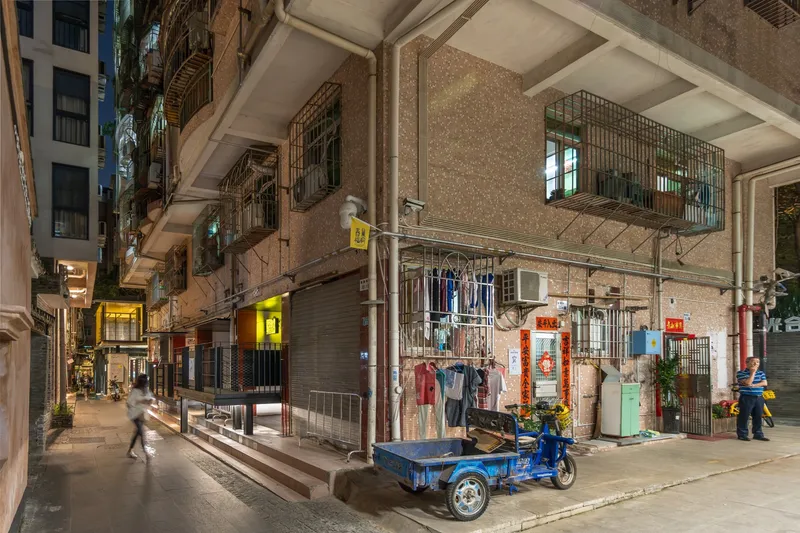
Nantou, with its deep-rooted history as a former administrative and trade hub, presents a unique setting for urban renewal. Its transformation from an ancient city to an urban village encapsulates the challenges and opportunities inherent in preserving the past while catering to the present and future needs of its community.




The Role of UABB in Nantou's Transformation
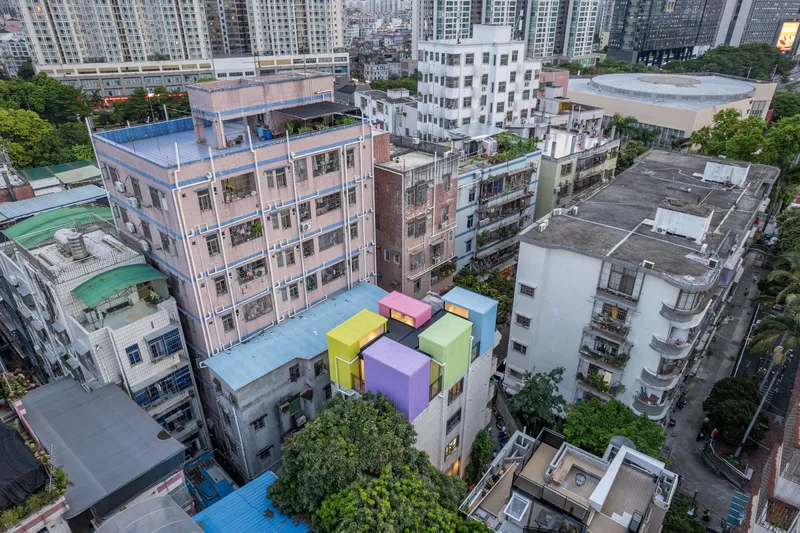
The Shenzhen-Hong Kong Bi-City Biennale of Urbanism\Architecture (UABB) has played a significant role in reintegrating Nantou into the urban development narrative of Shenzhen. Through collaborative efforts with entities like Vanke Company, the Biennale set the stage for innovative urban village renewal strategies focused on enhancing public spaces, heritage preservation, and the introduction of dynamic new functions.




The Six Bricolage-Houses: A Microcosm of Renewal
Conceptualizing Bricolage Architecture
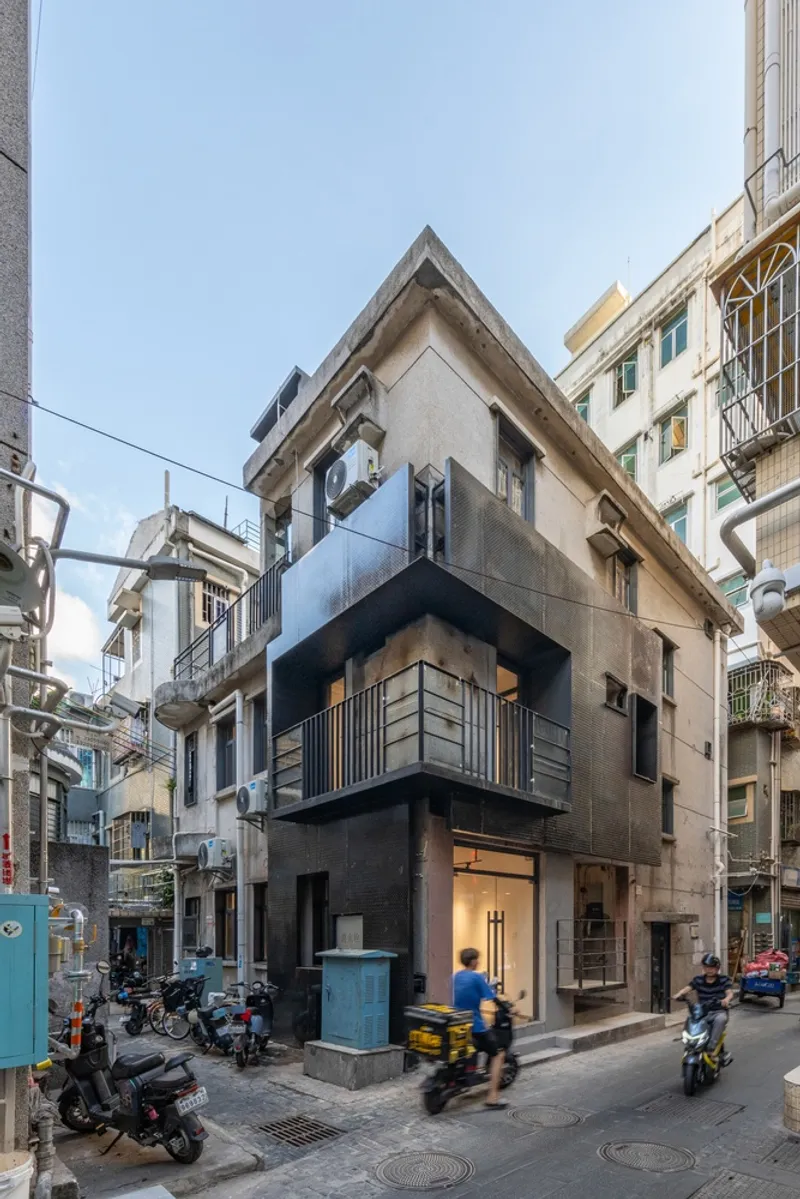
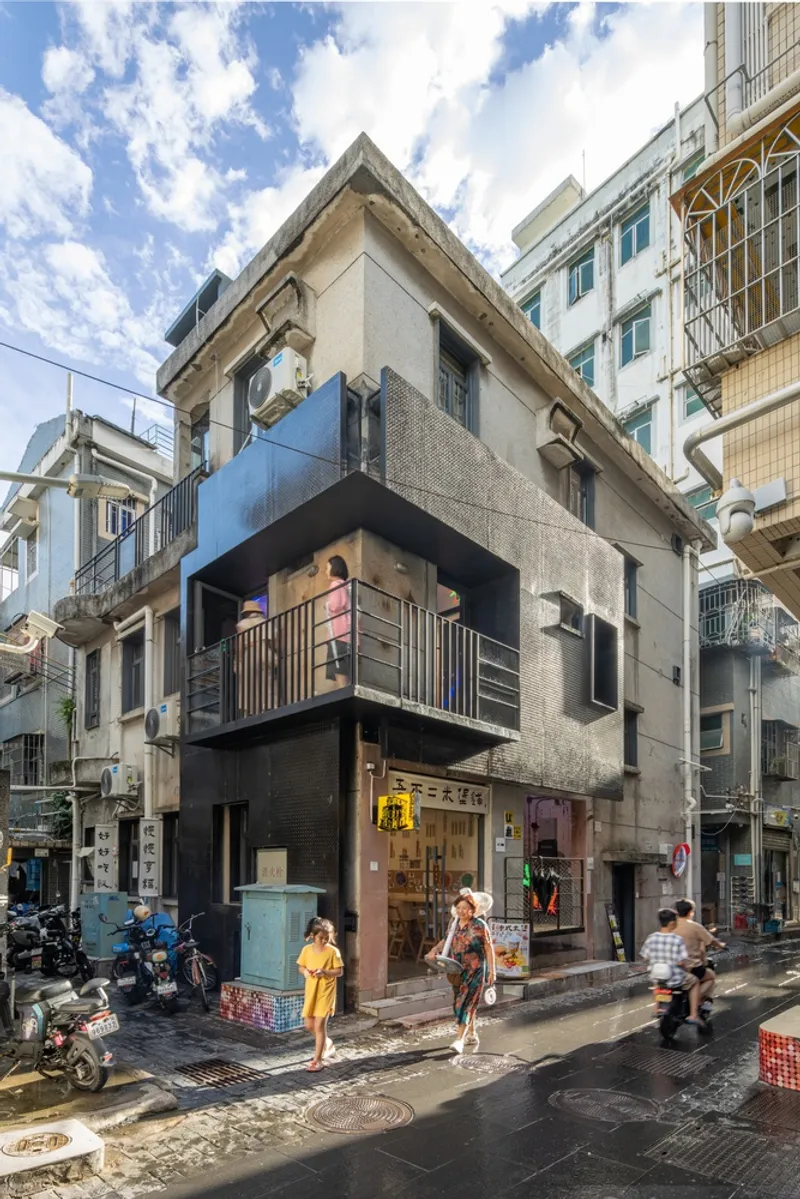
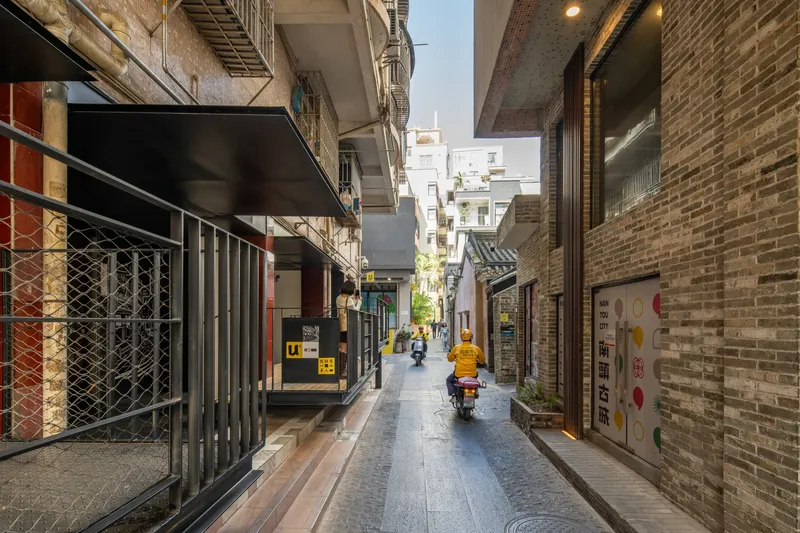
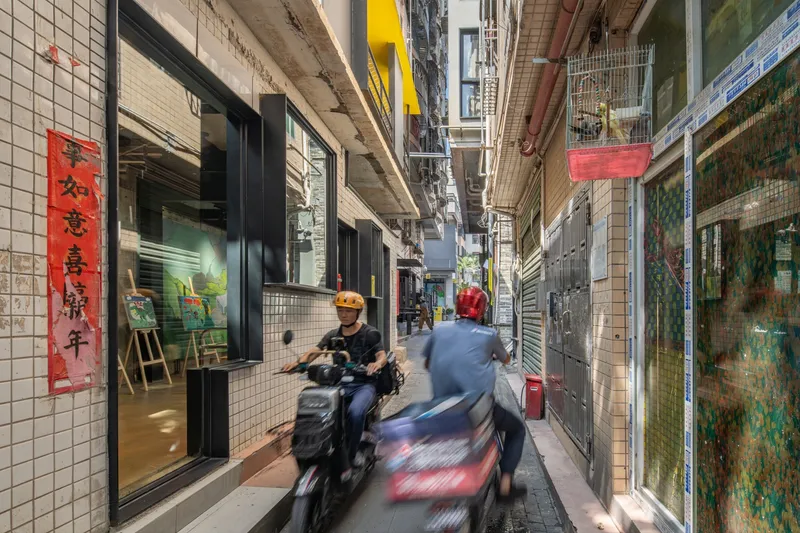
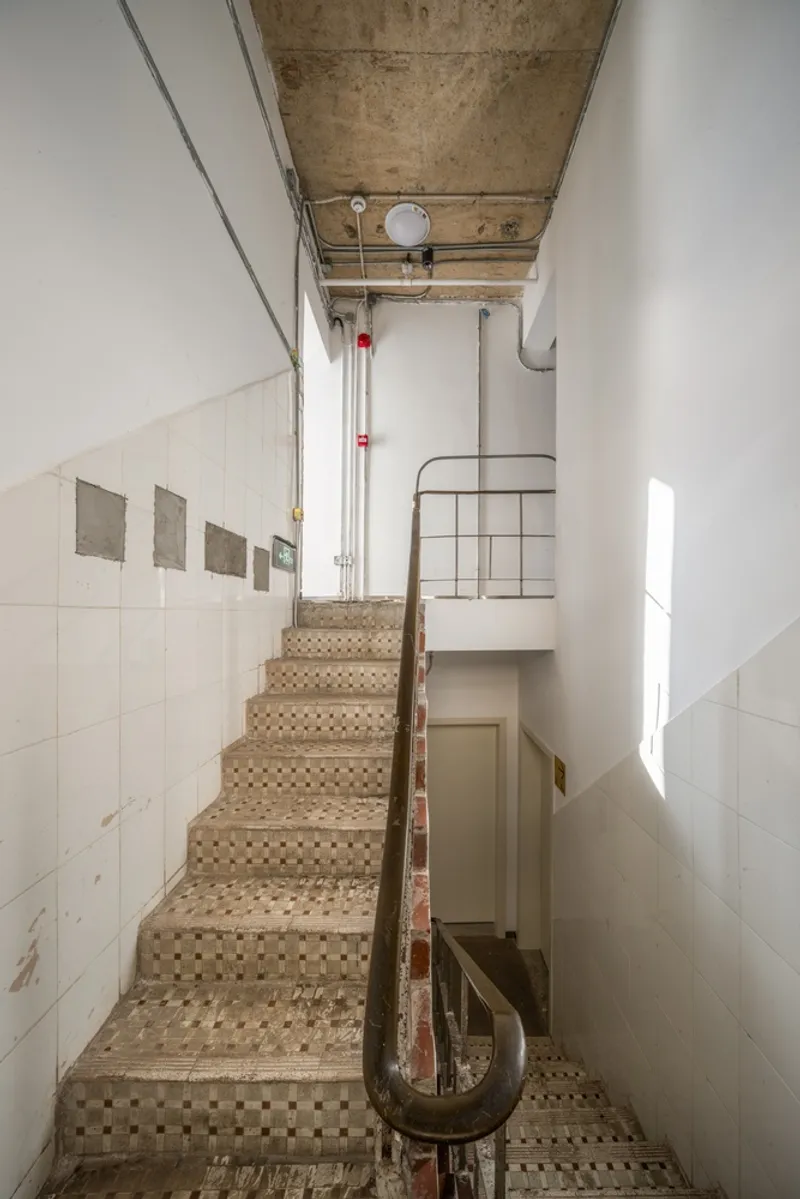
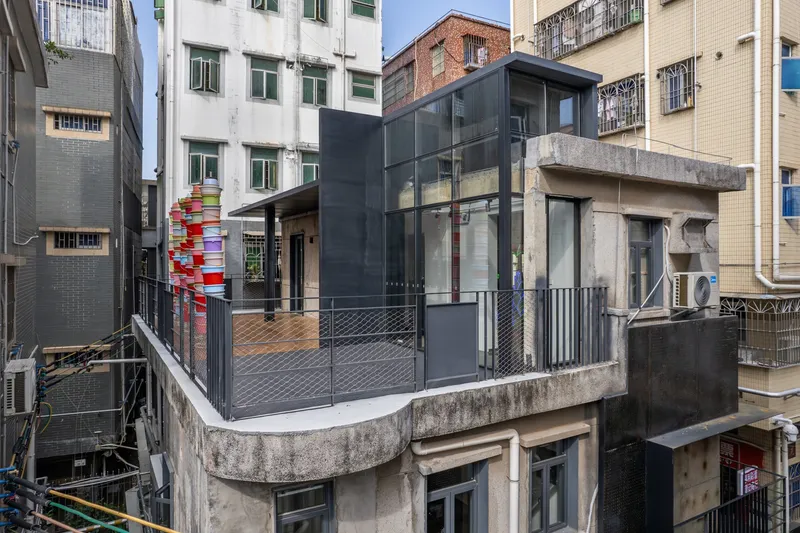
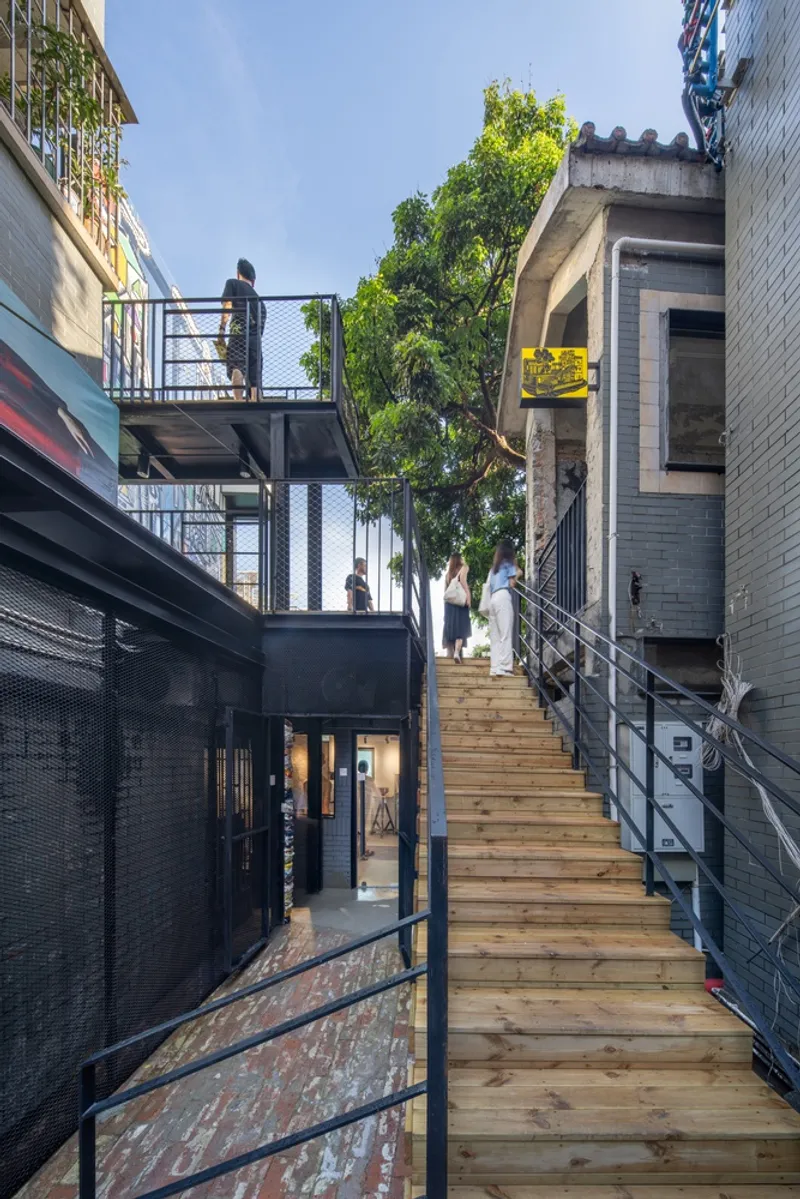
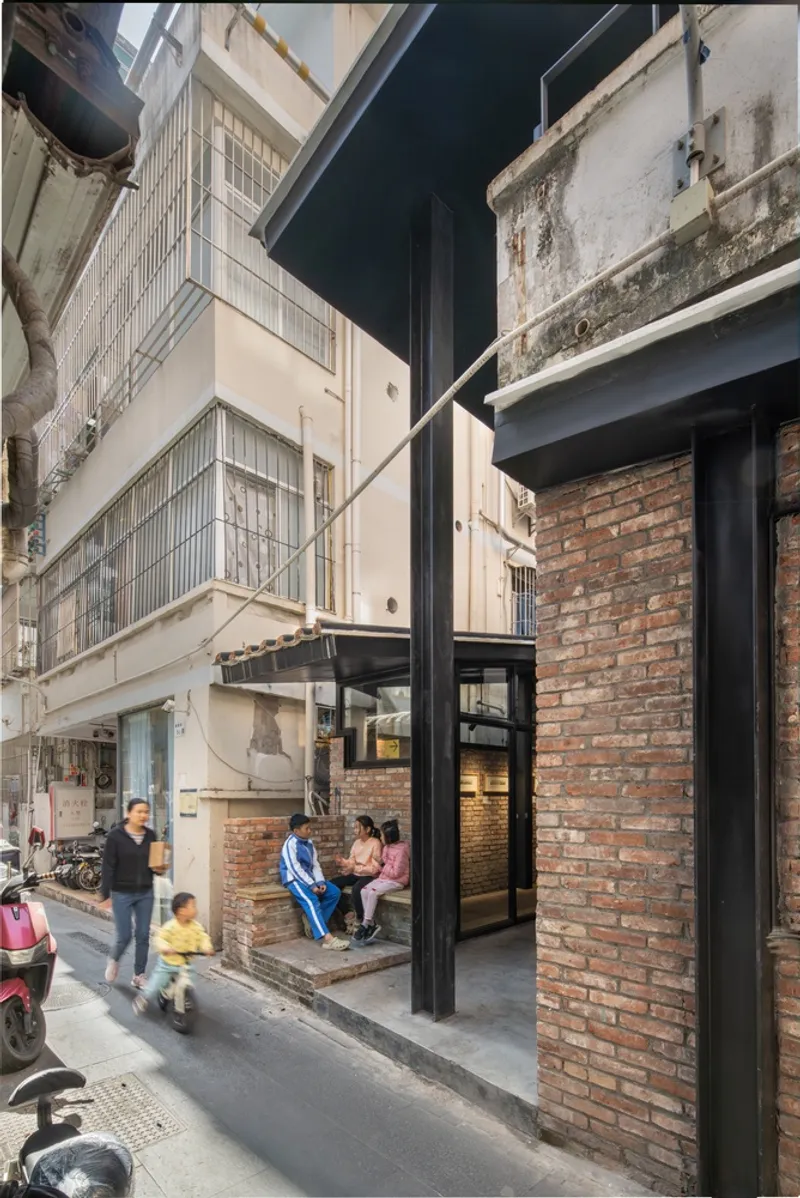
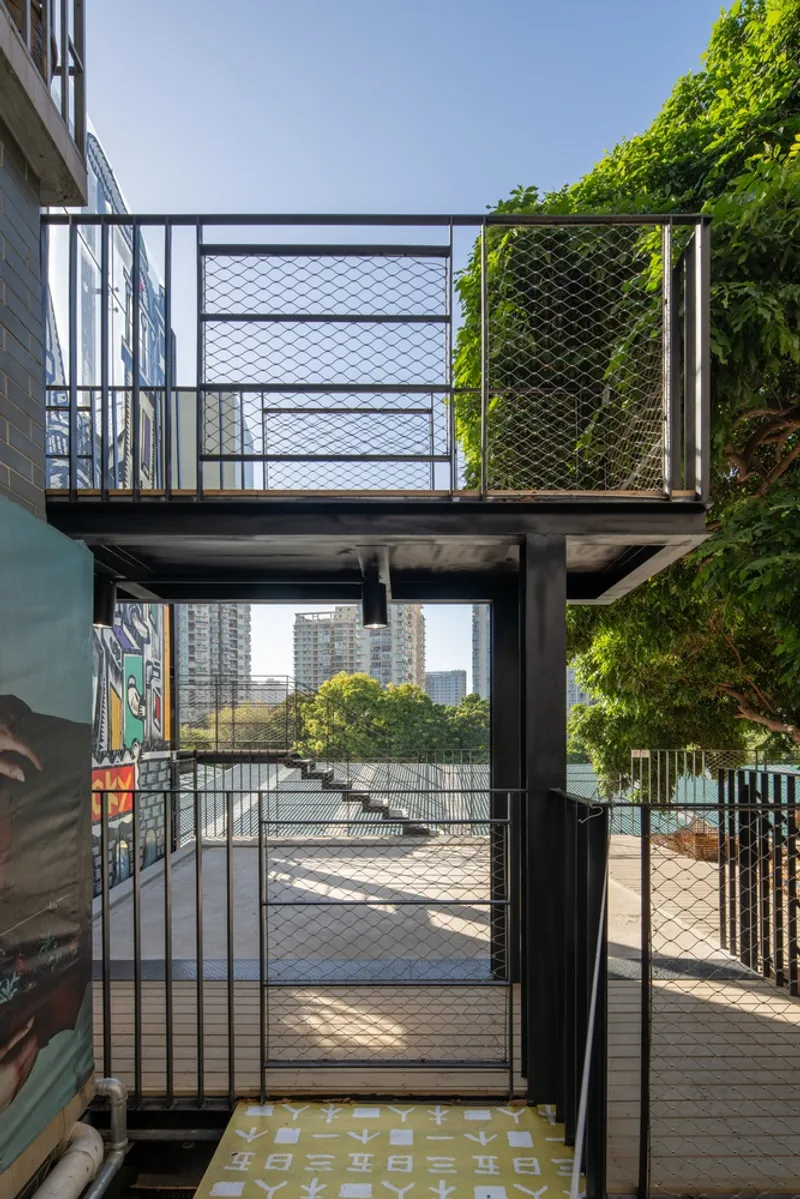
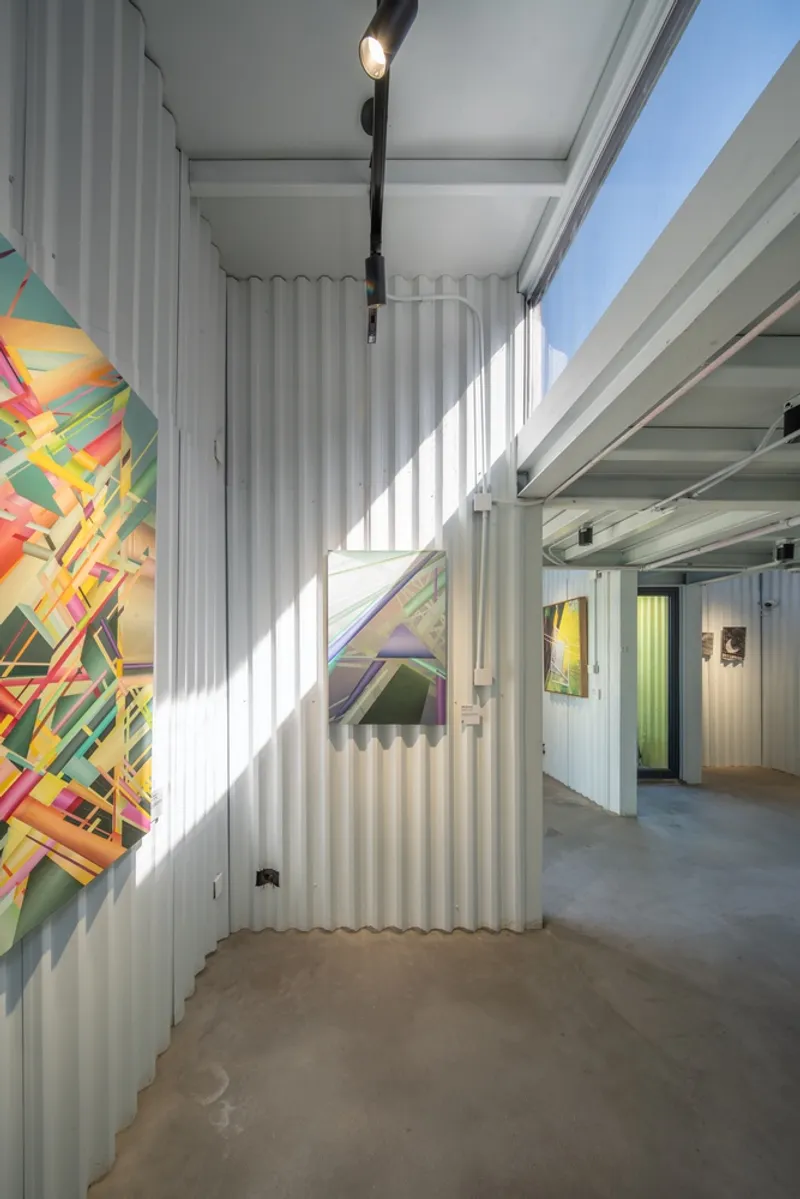
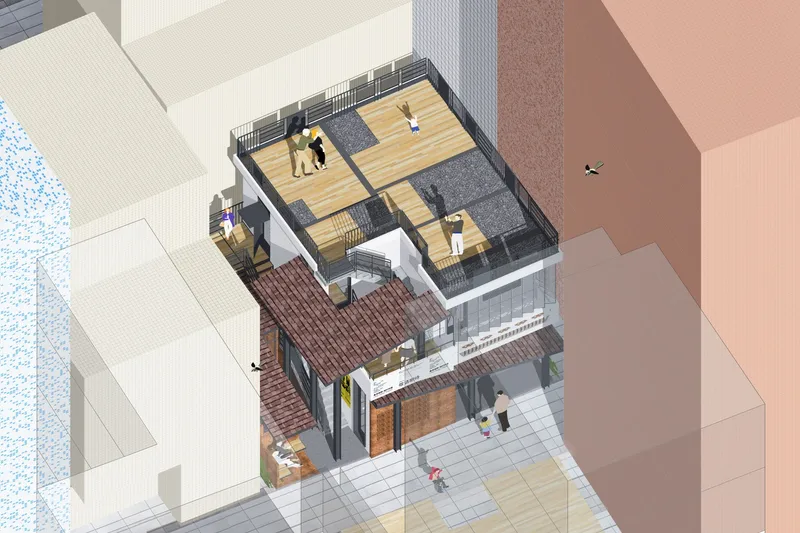
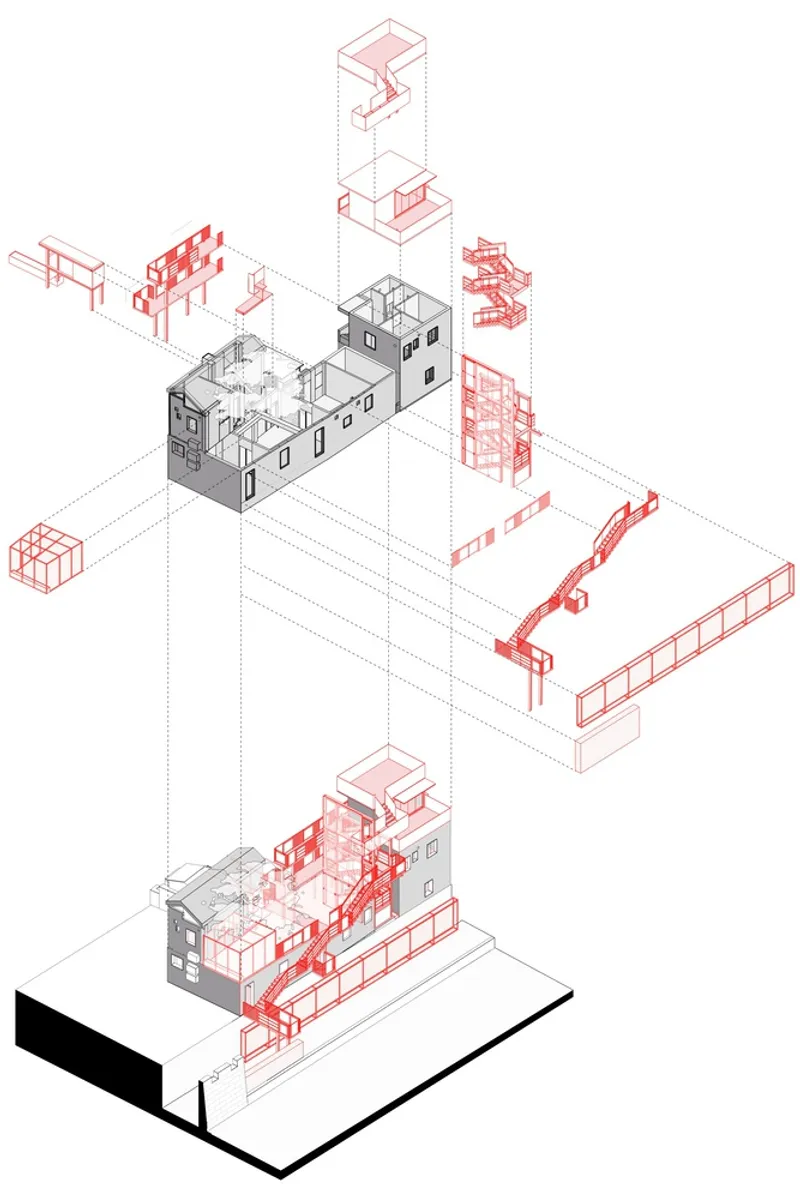
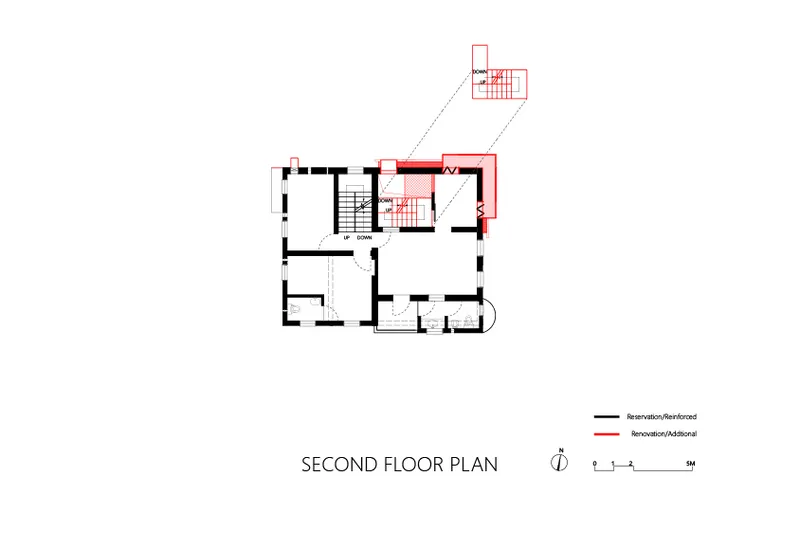
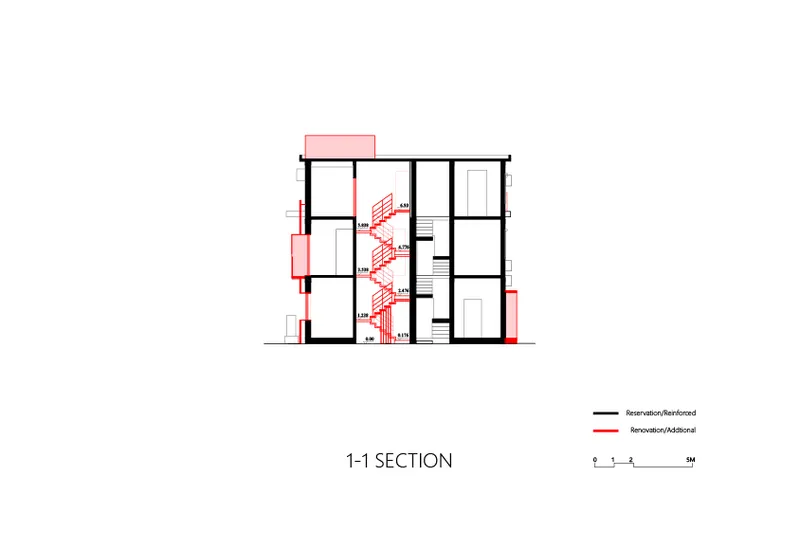
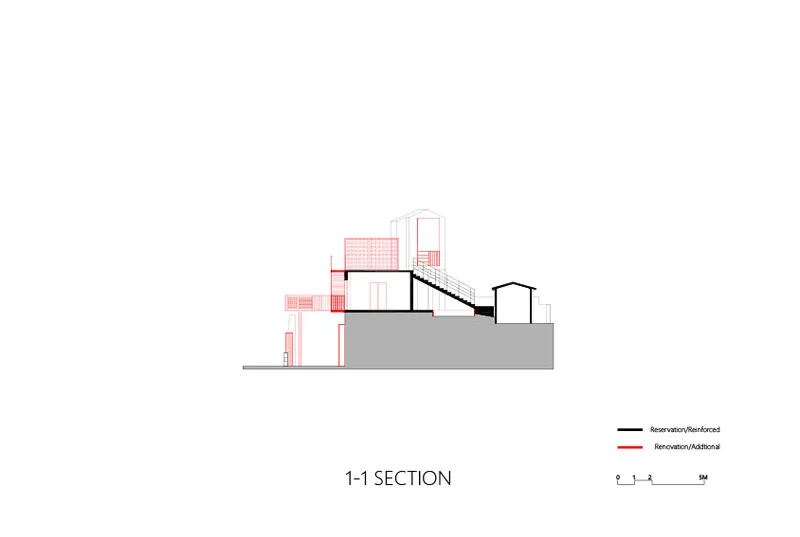
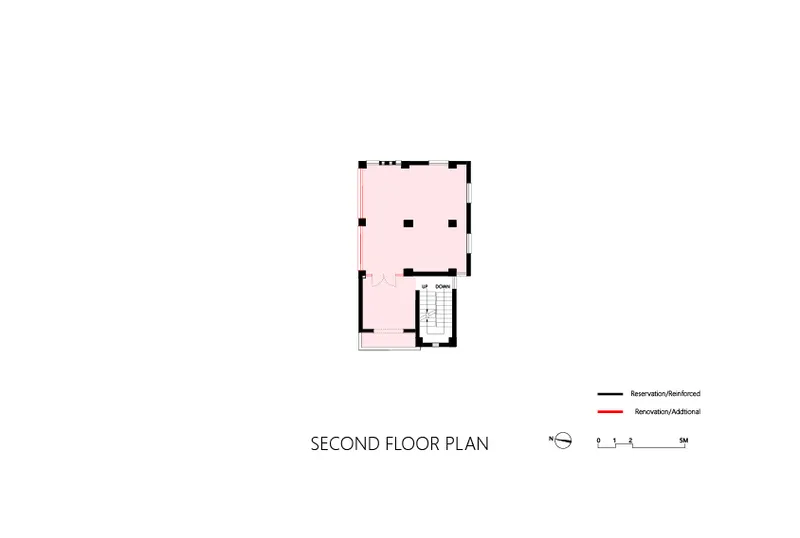
The Six Bricolage-Houses embody the concept of "bricolage-architecture," where specific function enhancements, mixed-use scenarios, and the integration of old and new elements coalesce to redefine the urban village landscape. Each house represents a distinct aspect of Nantou's renewal, from community centers to art galleries, showcasing the versatility of design in urban regeneration.




Key Projects and Their Impact
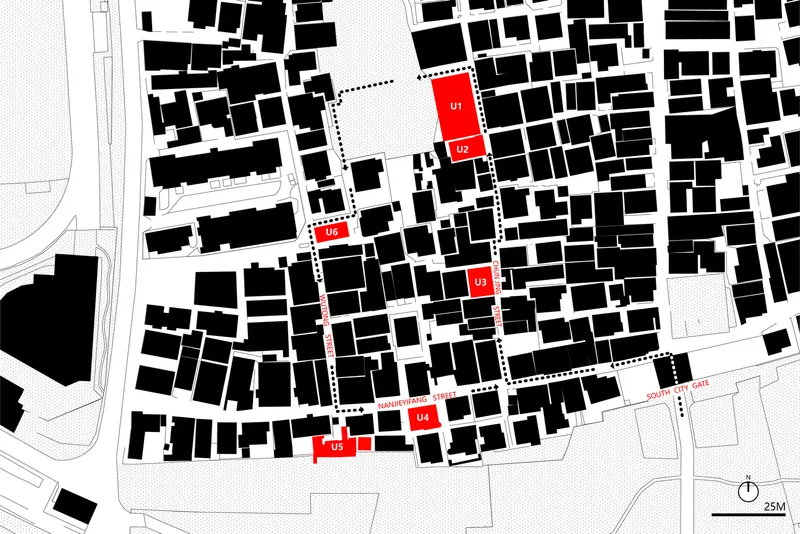
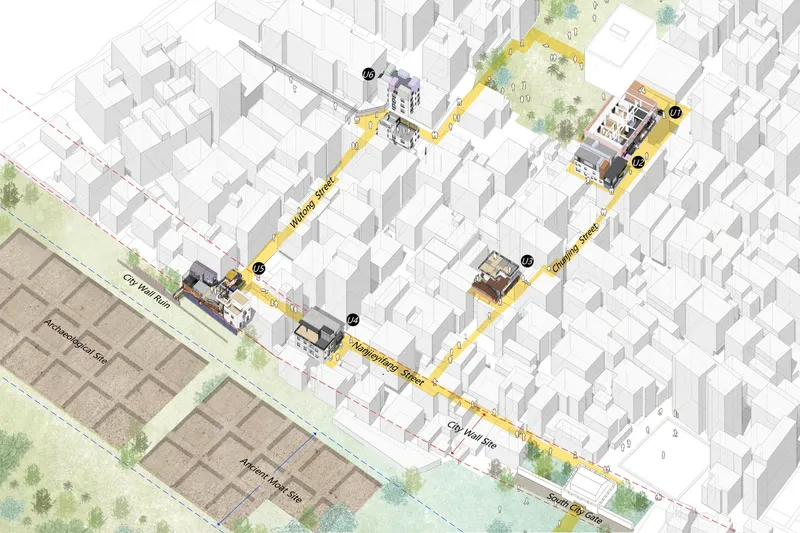
U1 Platform Marketplace
U1 transforms a ground-floor shop into a vibrant public space, leveraging cantilevered platforms to create a multi-perspective viewing stage that enriches street life and community interaction.
U2 My Dormitory
U2 reimagines a traditional residence as a mixed-use complex, introducing dormitories for couriers, office spaces, and cultural exhibitions, thus fostering a diverse urban village ecosystem.
U3 Modified House
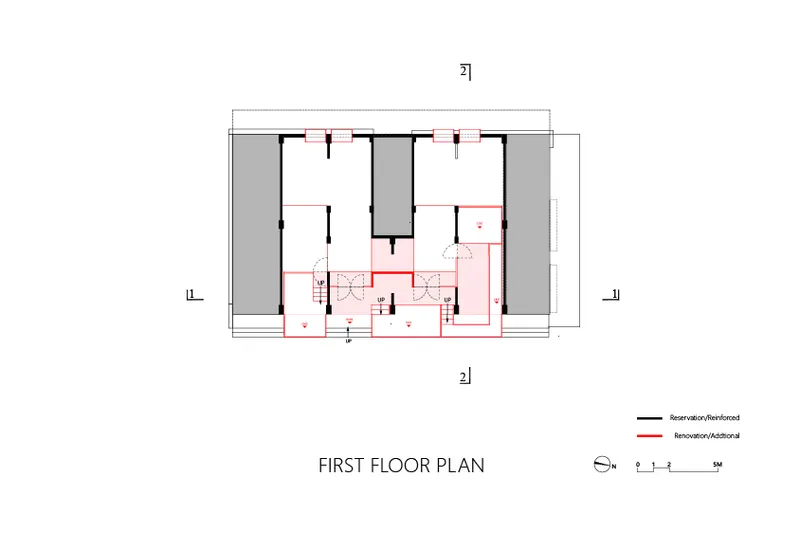
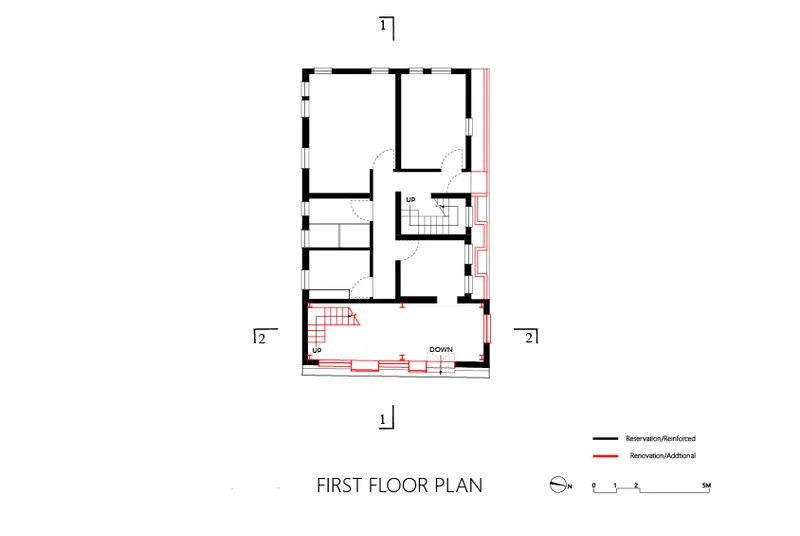
U3's renovation prioritizes spatial reconfiguration to enhance usability and engagement, introducing new circulation paths, public spaces, and a distinctive blend of traditional and modern architectural elements.
U4 Urban Village Art Gallery
U4 serves as a beacon for cultural expression, maintaining its historical facade while integrating contemporary spaces for art, commerce, and community living.
U5 City Wall Heritage Workshop
U5 delves into the historical essence of Nantou, revealing ancient city wall foundations through a comprehensive workshop space that invites exploration and learning.
U6 Wutong Community Center
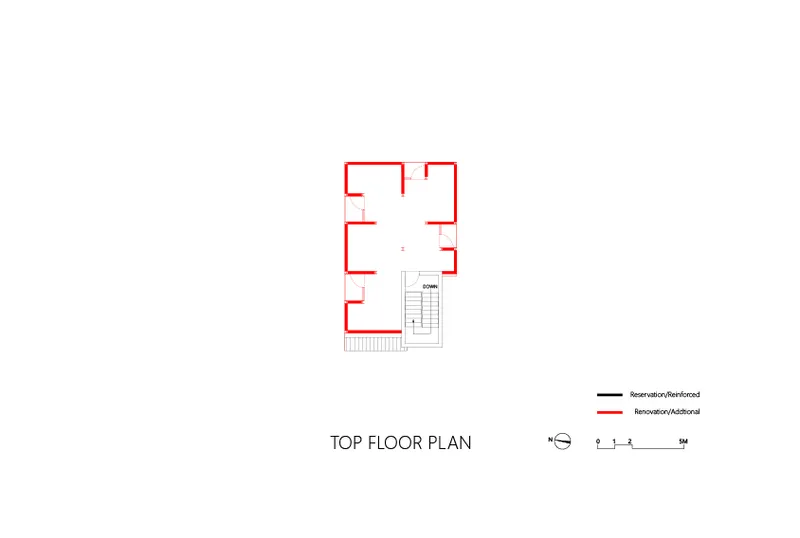
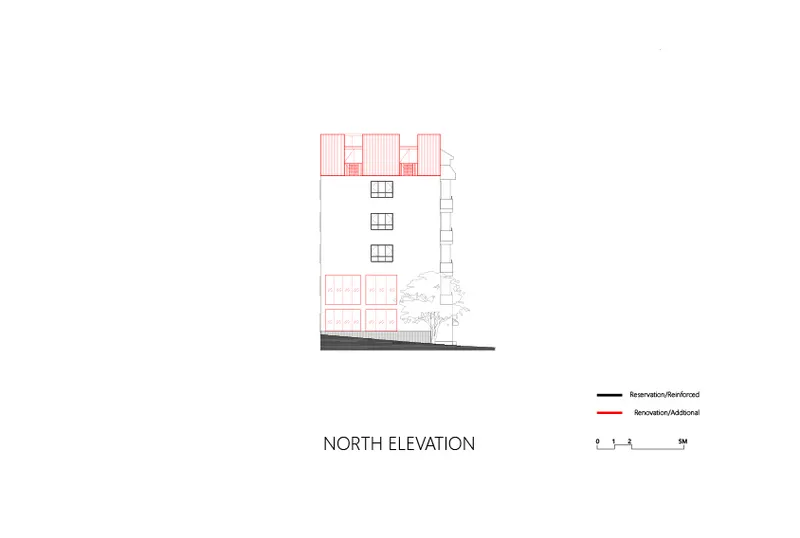
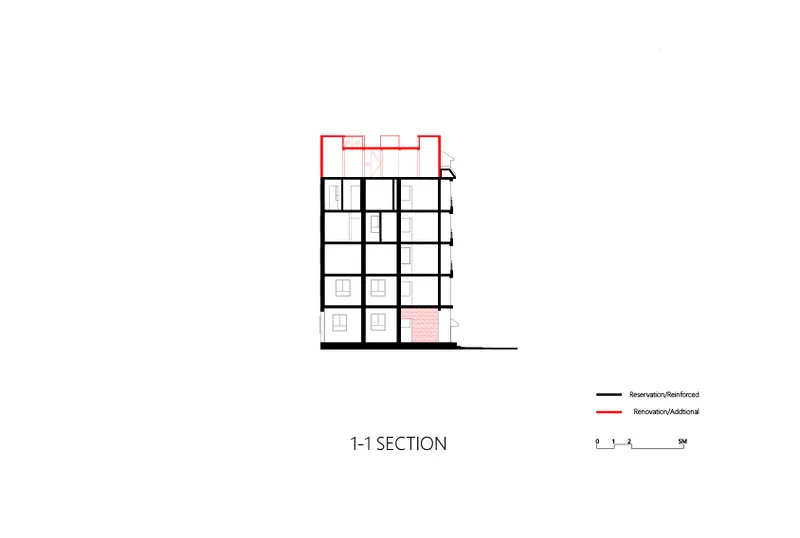
U6 revitalizes a typical village house into a community hub, offering cultural, exhibition, and living spaces that encourage community participation and cultural exchange.








A Model for Urban Village Renewal
The Six Bricolage-Houses project by ARCity Office stands as a testament to the potential of urban village renewal design in preserving heritage while innovating for the future. Through thoughtful interventions and a deep respect for Nantou's historical context, the project offers a blueprint for revitalizing urban villages worldwide, blending tradition with transformation.














All photographs are work of Yu Bai


Popular Articles
Popular articles from the community


Co-life: Sustainable Architecture for Age-Friendly Community Living
Co-life reimagines sustainable architecture for seniors through courtyards, rammed earth, shared gardens, and spaces designed for belonging.

ALGAL REALM: A Bio-Integrated Lunar Habitat Design for Life Beyond Earth
ALGAL REALM reimagines lunar habitat design with algae-powered life support, 3D-printed regolith, and vertical living for a lunar future.

Hill & Cross Opera: Sculptural Opera House Architecture Shaped by Tallinn’s Landscape and Identity
Hill & Cross Opera reimagines opera house architecture in Tallinn through its sculptural hill, civic plaza, glass wave and a luminous cross.

The Ocean Hive: Sustainable Architecture for a Self-Sufficient Civilization at Sea
The Ocean Hive imagines sustainable architecture at sea, where modular habitats, algae, wave power and ocean waste sustain a growing colony.

Similar Reads
You might also enjoy these articles


Hodi-Mandai Geram
Project Function: Preservation and revitalization of the Intangible heritage and socio-spatial identity of the Hodi by Housing, Cultural Memory Center, Sacred Grove, landscape, local tourism economy


Olio Towers: A Mid-Rise for Performers That Fuses Housing, Rehearsal, and Stage
Located blocks from Houston's Theater District, this modular tower stacks living units around a central performance atrium.

Oasis: Modular Green Housing Carved into Dhaka's Urban Fabric
A shortlisted Plugin Housing entry reclaims unauthorized settlements in Dhaka with stepped concrete volumes, green roofs, and ventilation-driven design.

Black Hole: A Floating Megastructure for the Post-Physical Era
Emiliano Mazzarotto envisions a spherical, self-scaling arena where e-sports, digital hotels, and holographic stadiums replace traditional public space.

Explore Architecture Competitions
Discover active competitions in this discipline

Challenge to reimagine the Iron Throne

Photograph architecture without architects

Illustrate the lost glory of Angkor Wat - Render Challenge

Design challenge to reuse E-waste
Comments (0)
Please login or sign up to add comments
No comments yet. Be the first to comment!