
Vegetable House by Facundo S. López: A Sustainable Architectural Experiment
The Vegetable House is a sustainable, thatch-roofed home blending vernacular and modern techniques, emphasizing eco-conscious design, adaptability, and resource efficiency in Argentina.

Introduction to the Vegetable House
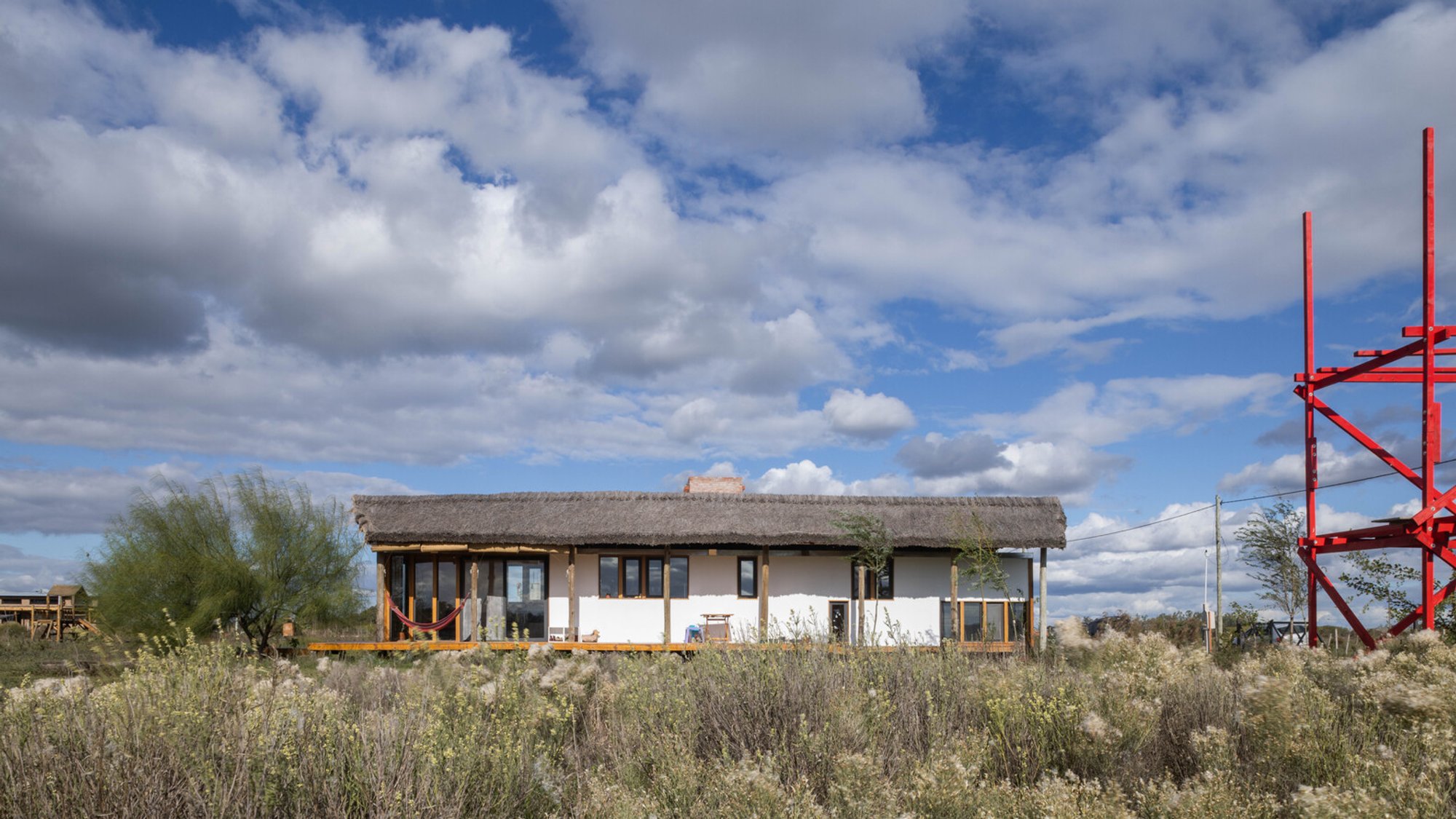
Located in Arana, Argentina, the Vegetable House by Facundo S. López is a pioneering residential project that explores sustainable construction using wood and thatch materials. Designed in 2022, the 62 m² structure embodies an architectural philosophy that merges vernacular traditions with contemporary techniques to create an eco-friendly, cost-effective home.
The Vision: Designing a Personal Sanctuary
Unlike his previous projects, this house posed a unique challenge for the architect—it was his own home. The design process was an introspective journey, incorporating 20 years of experience into a compact, sustainable dwelling. Situated in a semi-rural area near La Plata, the site was chosen serendipitously, surrounded by vegetation, railway tracks, and open fields. Before urban development reached the area, the landscape was home to grazing cattle and soaring birds, providing an untouched, tranquil setting.
Architectural Concept: A Blend of Past and Present
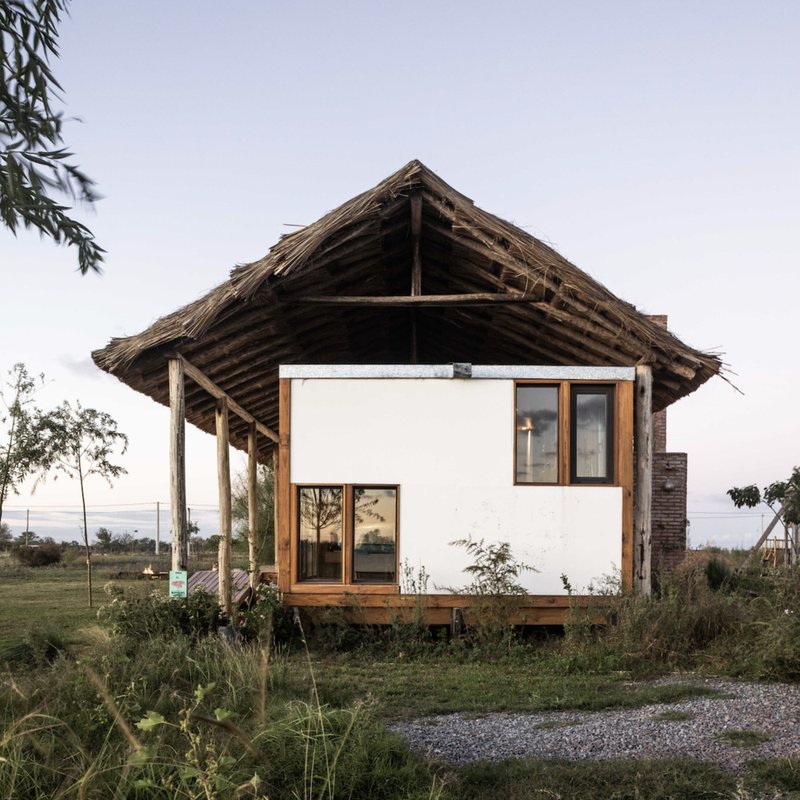
The project initially explored various design inspirations, from Latin American megarons to elevated houses on pilotis similar to those in Chiloé, Chile. However, the final design was guided by practicality and a desire for impermanence. The lightweight, thatched roof became the defining feature, reflecting an emerging industry in Argentina that promotes natural, locally sourced materials. This approach emphasized a temporary yet adaptable structure, built for the present rather than eternity.
Structural Design: Merging Functionality and Aesthetics
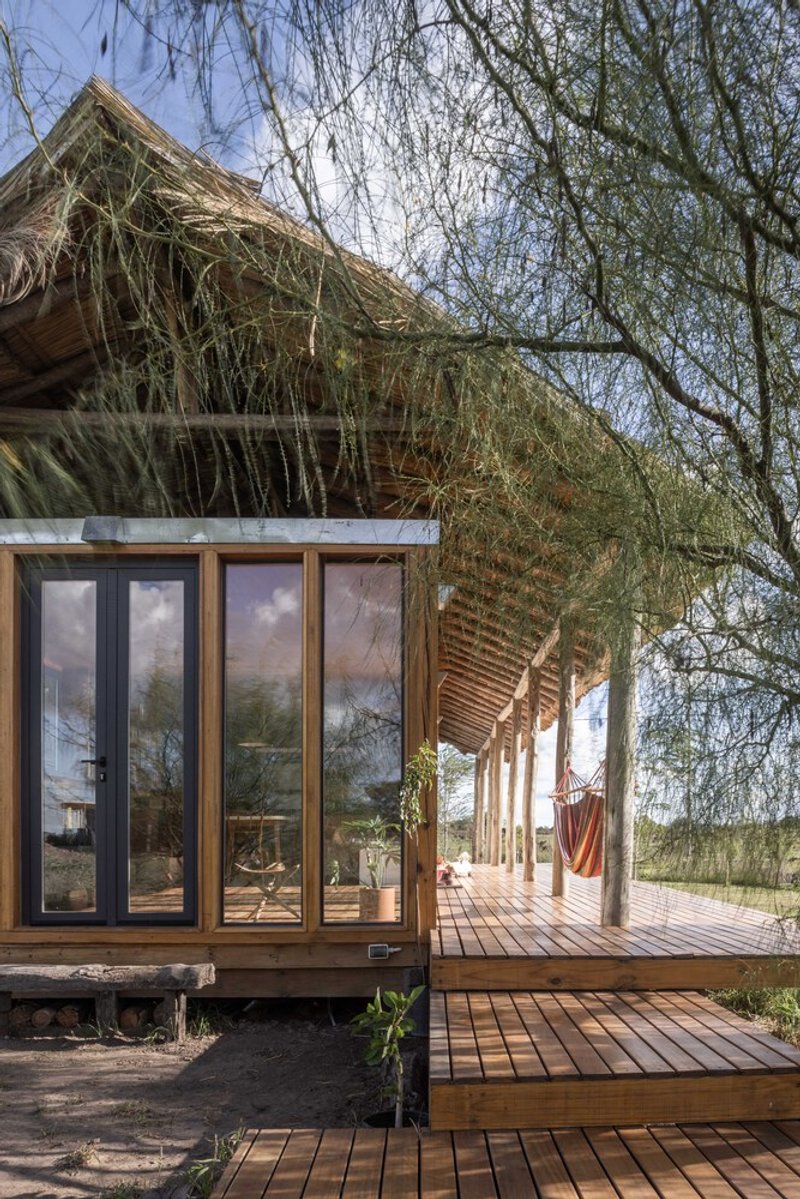
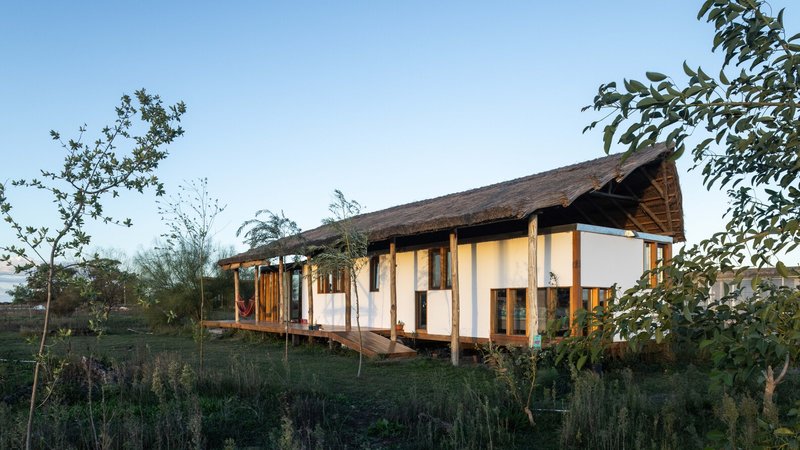
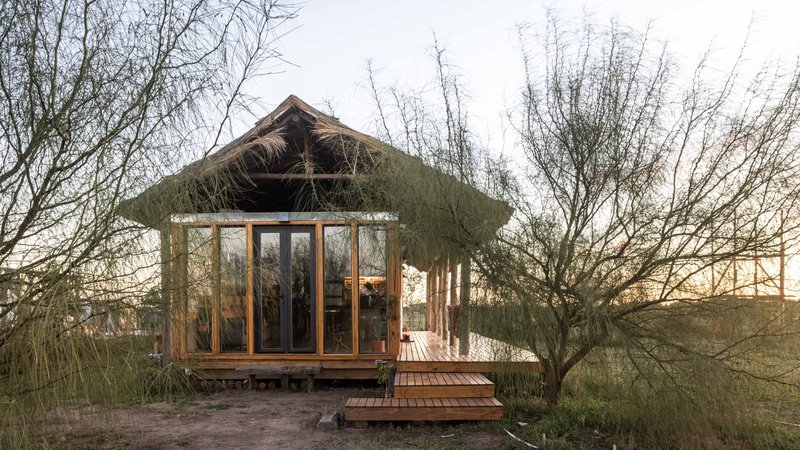
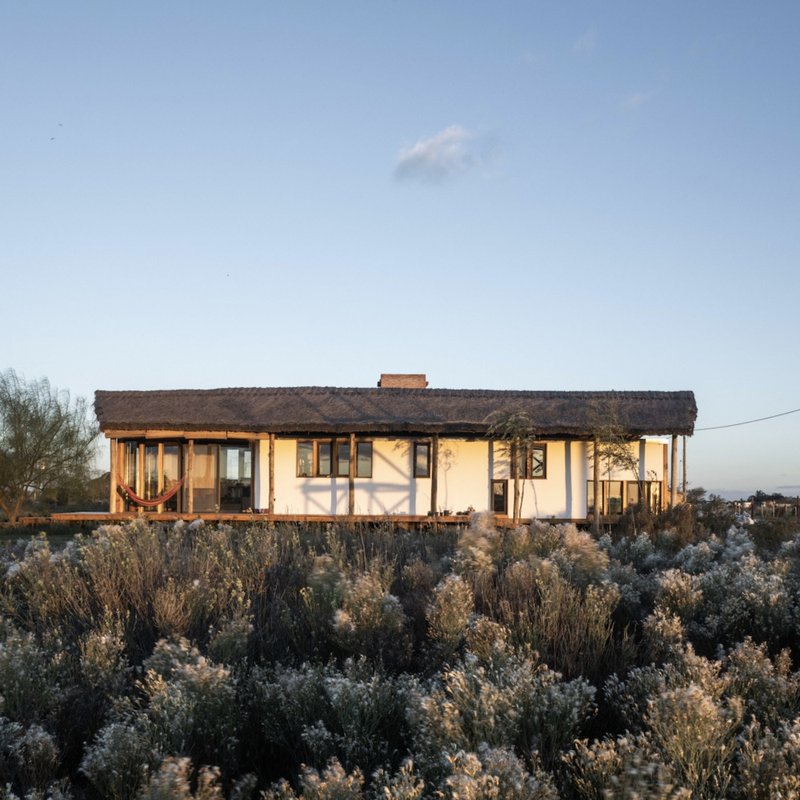
The Vegetable House employs a double-roof system, a technique inspired by traditional homes in temperate climates. Beneath the thatched roof, a wooden box structure was meticulously designed based on material availability and economic feasibility. By offsetting the box within the thatched roof, the design introduced a shaded gallery—a reinterpretation of the ranch-style veranda, ideal for Argentina's plains.
Sustainable Construction Methods
The construction system integrates diverse architectural influences, from North American wood-frame structures to Japanese minka and Glenn Murcutt’s passive design strategies. The house prioritizes sustainability and resource efficiency, using:
- Eucalyptus and willow for the thatched roof structure, sourced from various Argentine provinces.
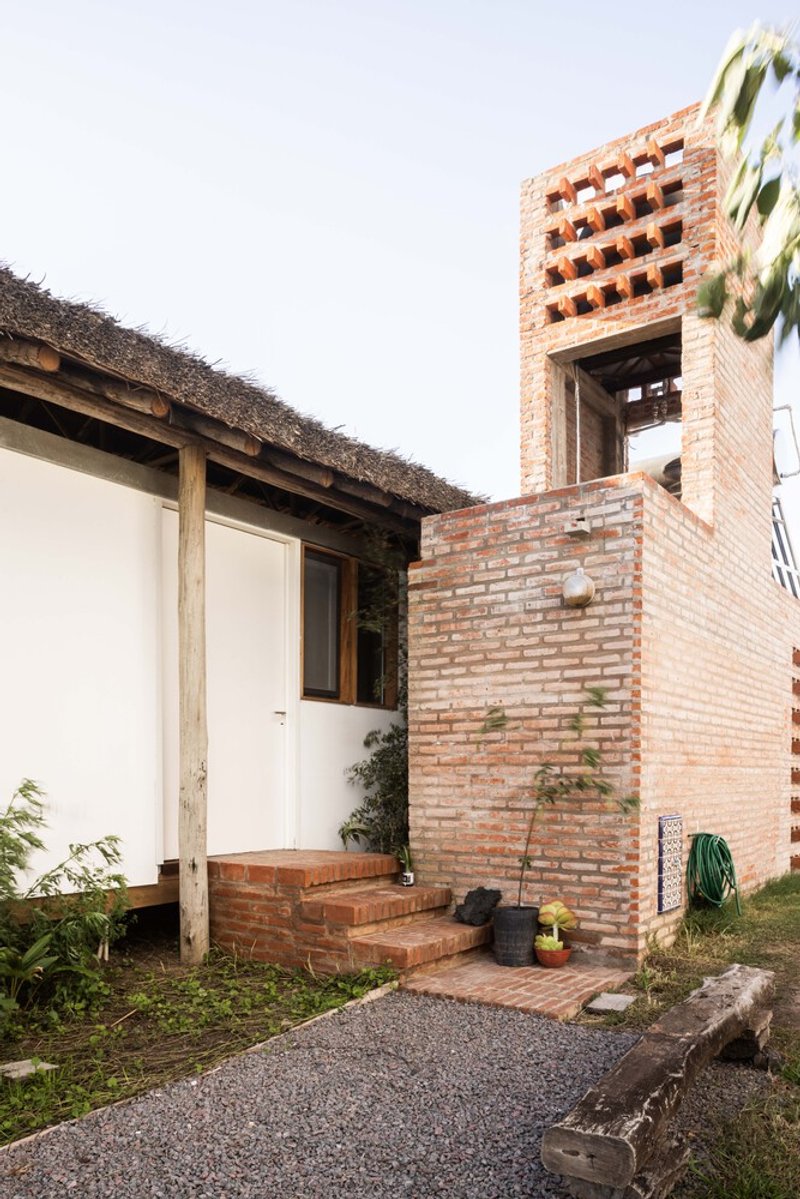
- Recycled hardwood sleepers from old railway tracks for the foundation.
- Implanted pine for the main structural framework.
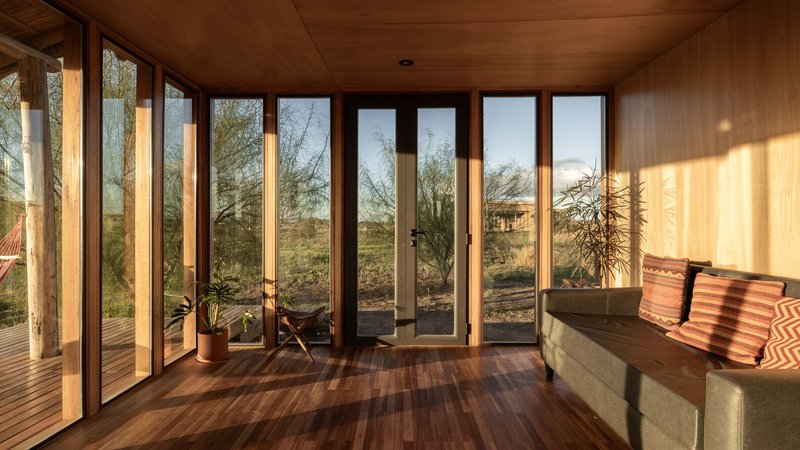
- Plywood paneling for the building envelope.
- Eucalyptus rostrata for the flooring, offering durability and a warm aesthetic.
A New Architectural Paradigm
The Vegetable House embodies an architectural philosophy that prioritizes eco-conscious design, material efficiency, and adaptability. Rather than a conventional home, it resembles a living organism, evolving with its environment. By seamlessly integrating traditional techniques with modern sustainable practices, Facundo S. López presents a vision for the future of residential architecture—a home rooted in nature yet open to contemporary innovation.



Popular Articles
Popular articles from the community

Treehouse Apartment: A Warm Timber Interior Blending Craft, Play, and Contemporary Living
Warm timber apartment with integrated treehouse, combining natural materials, craftsmanship, and playful design to create a flexible, family-oriented living environment.

Solar Steam: A Climate-Responsive Architecture That Redefines the Monument
A climate-responsive memorial architecture that transforms heat, decay, and time into a living system reflecting humanity’s ecological impact.
Inverted Architecture Installation by Studio Link-Arc: Exploring the Intersection of Architecture and Living Organisms
Inverted Architecture Installation by Studio Link-Arc blends mycelium, sustainability, inverted design, ecological cycles, and urban adaptive architecture in Shenzhen.
Louis Malle Cinema: A Limestone Cultural Landmark Revitalizing Community Life in Prayssac
Limestone cinema extension with public forecourt, blending heritage and modern design to create flexible cultural spaces and strengthen community interaction.


Similar Reads
You might also enjoy these articles


The Ken Roberts Memorial Delineation Competition (Krob)
As the most senior architectural drawing competition currently in operation anywhere in the world, it draws hundreds of entries each year, awarding the very best submissions in a series of medium-based categories.


Waterfront Redevelopment and Urban Revitalization in Mumbai: Forging a New Dawn for Darukhana
A transformative waterfront redevelopment project reimagining Darukhana’s shipbreaking heritage into an inclusive urban future.

OUT-OF-MAP: A Call for Postcards on Feminist Narratives of Public Space
Rhizoma Design and Research Lab invites artists, designers, architects, researchers, and students to reflect on how feminist perspectives can reshape public space. Selected works will be exhibited in Barcelona, October 2026. Submissions open until 15 April 2026.


Documentation Work on Buddhist Wooden Temple
Architectural syncretism and cultural hybridity: A comparative study of the Buddhist temples in Chattogram Hill tracks


Explore Architecture Competitions
Discover active competitions in this discipline




The International Standard for Design Portfolios


The Global Benchmark for Architecture Dissertation Awards


The Global Benchmark for Graduation Excellence


Challenge to reimagine the Iron Throne
Comments (0)
Please login or sign up to add comments
No comments yet. Be the first to comment!