
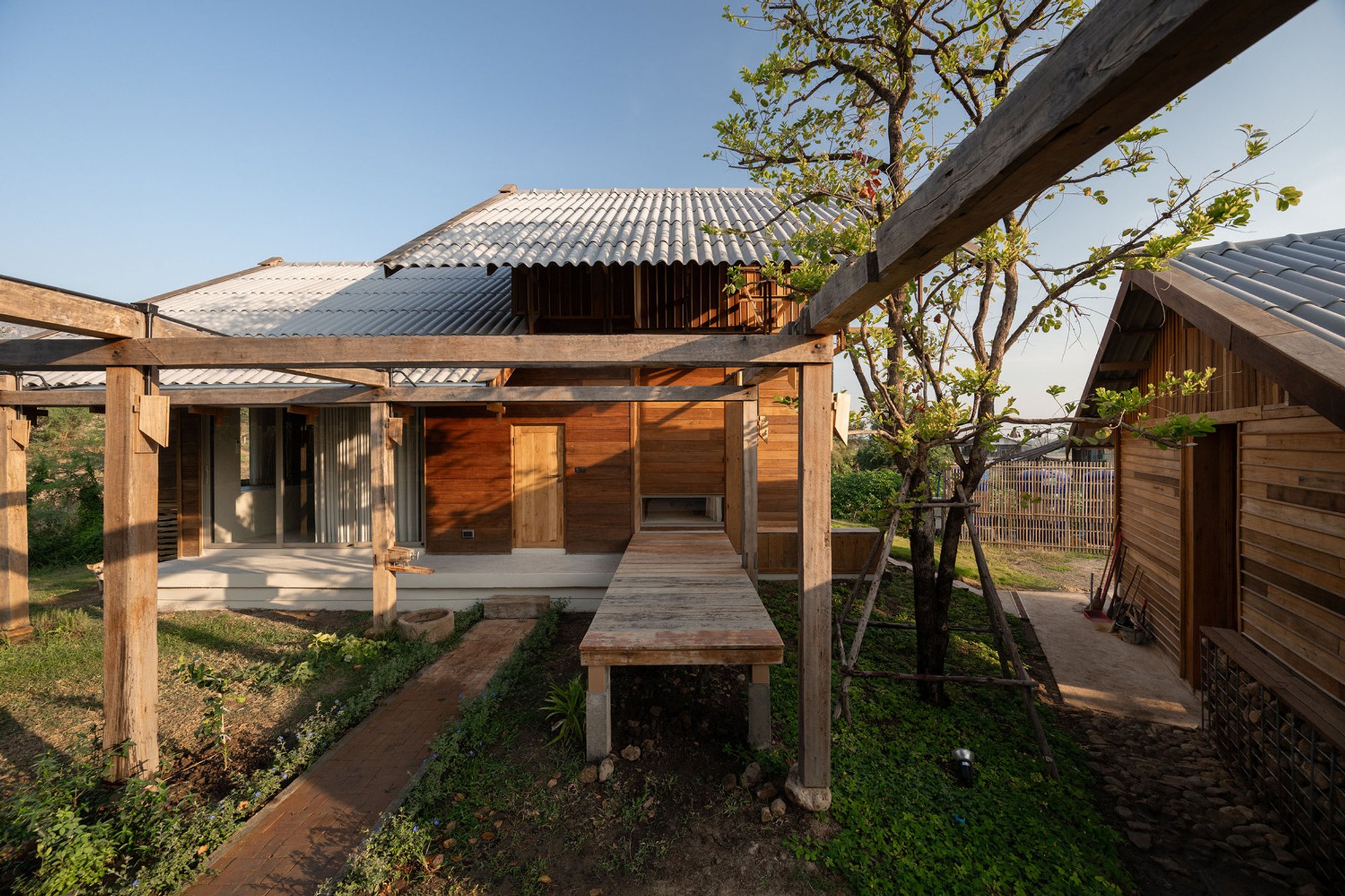
Vernacular Sustainable House Design: Baan Sao Yong Hin by Housescape Design Lab
This article explores how Baan Sao Yong Hin redefines vernacular sustainable house design by blending traditional Thai construction with modern techniques.

A Harmonious Blend of Tradition and Innovation
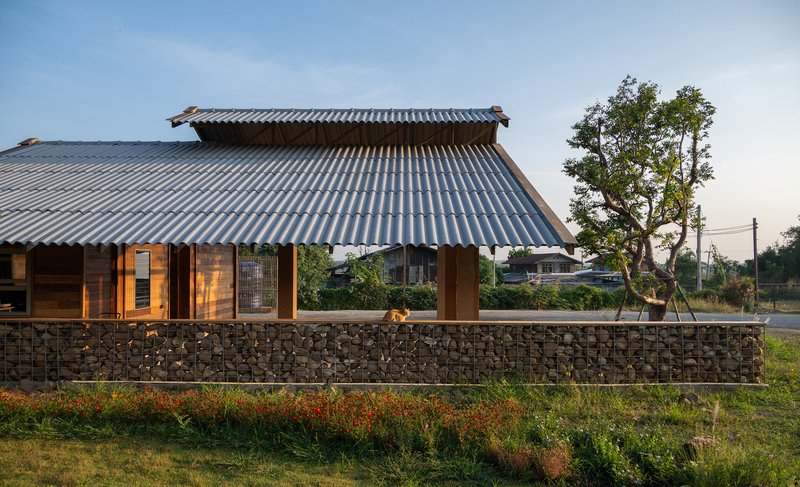
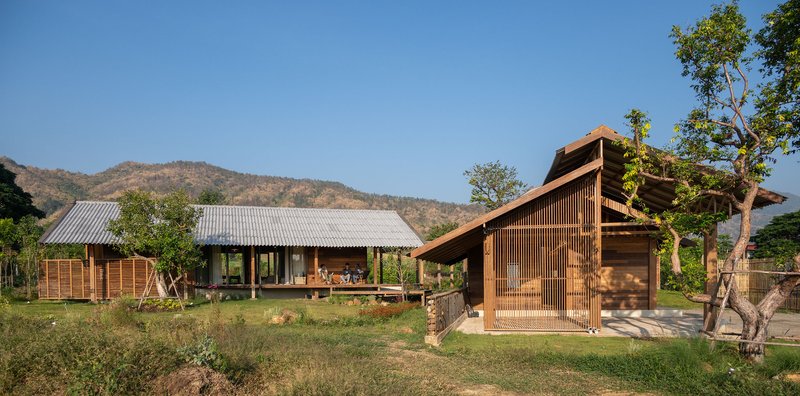
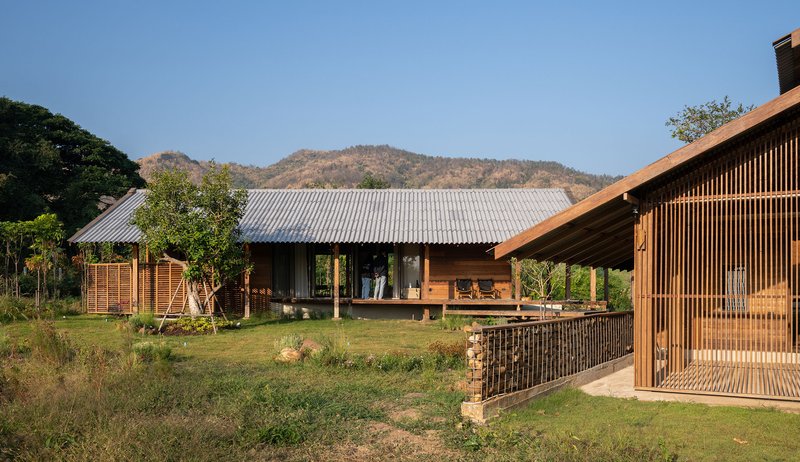
Baan Sao Yong Hin, designed by Housescape Design Lab, exemplifies vernacular sustainable house design by seamlessly integrating local architectural traditions with modern construction techniques. Located in the Phetchabun Basin of Thailand, this 300-square-meter residence reinterprets historical building methods while prioritizing environmental consciousness and structural resilience. Drawing from extensive research on regional construction practices, the project showcases a profound respect for local materials and ecological balance.
Site-Specific Design Rooted in Regional Identity
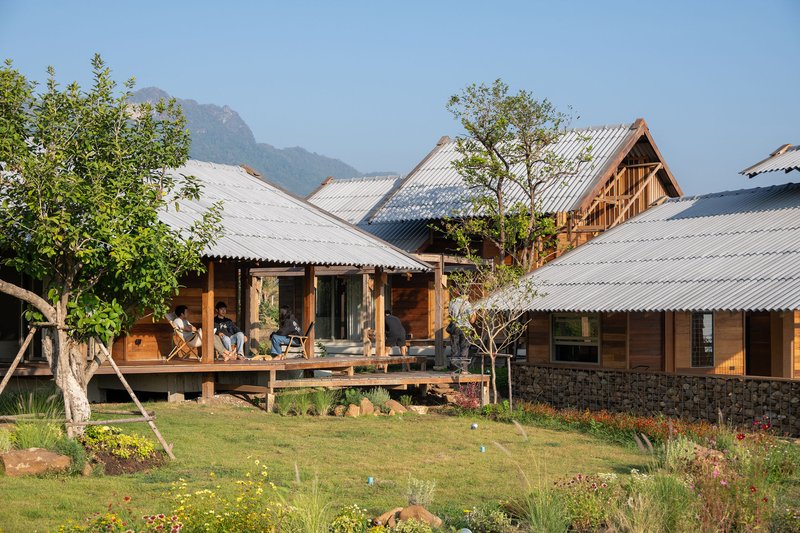
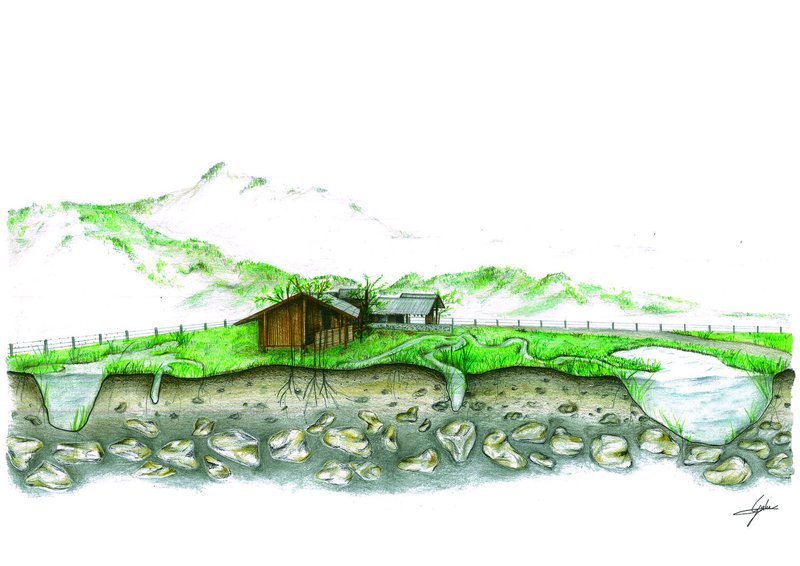
The residence is positioned within a landscape dominated by Khao Nam Ko Yai, a striking mountain formation that influences the local climate. The recurring downslope winds that pass through the site naturally aid in passive cooling, reducing the need for artificial temperature control. Beneath the house lies a sedimentary layer rich in large gravel deposits, a geological trait historically utilized in vernacular architecture. By adapting traditional techniques, the architects established a solid foundation while preserving the site’s geological stability.
Reclaimed Timber and Adaptive Reuse in Construction
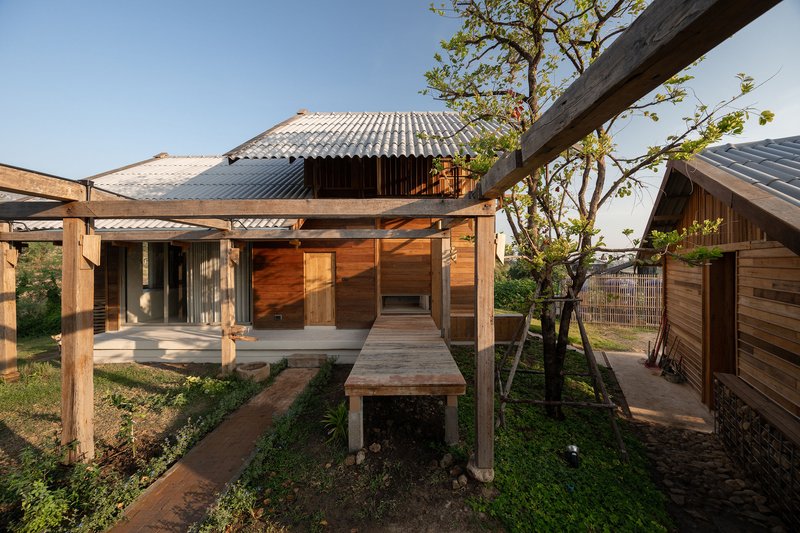
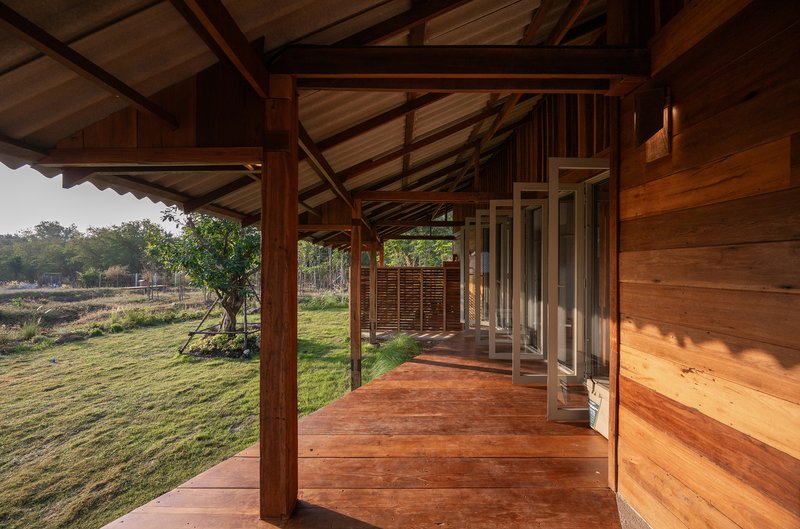
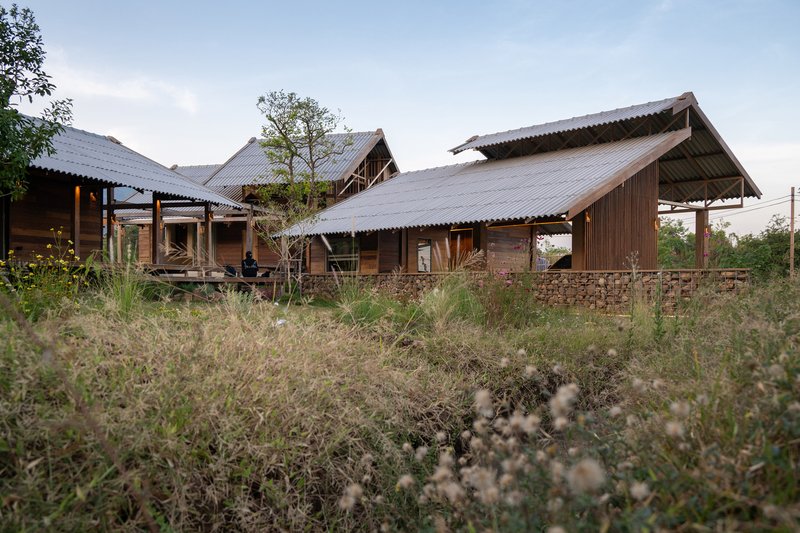
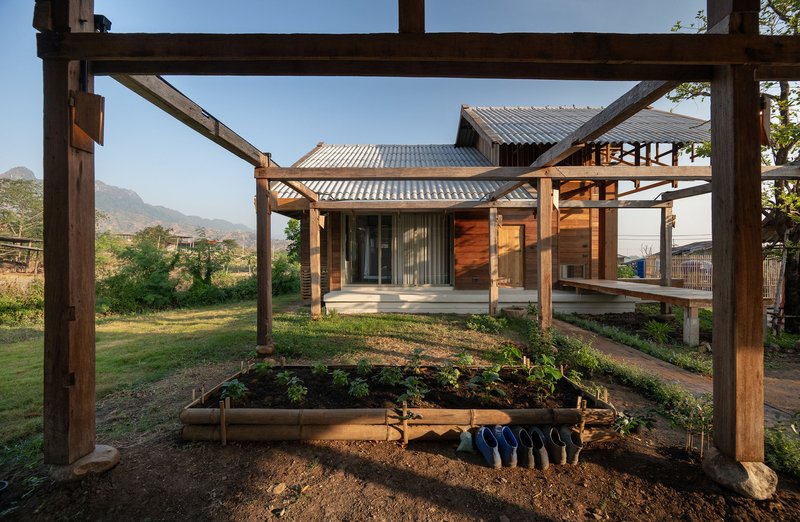
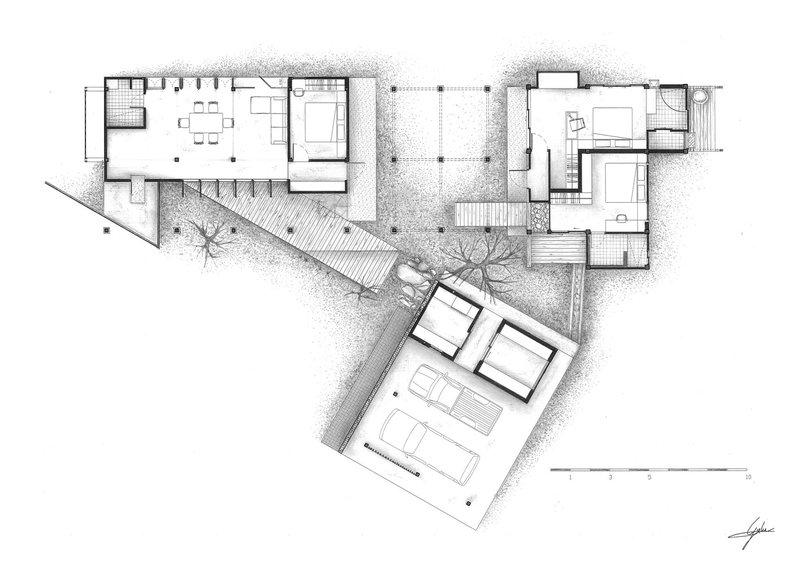
A significant aspect of the project involves the use of reclaimed timber sourced from dismantled houses in Chiang Mai. The design team meticulously documented each component, from surface textures to structural proportions, ensuring that repurposed materials retained their historical essence while serving new spatial functions. Through this approach, the residence challenges conventional floor plan layouts, introducing innovative patterns of connectivity between spaces while maintaining the authenticity of aged wood.
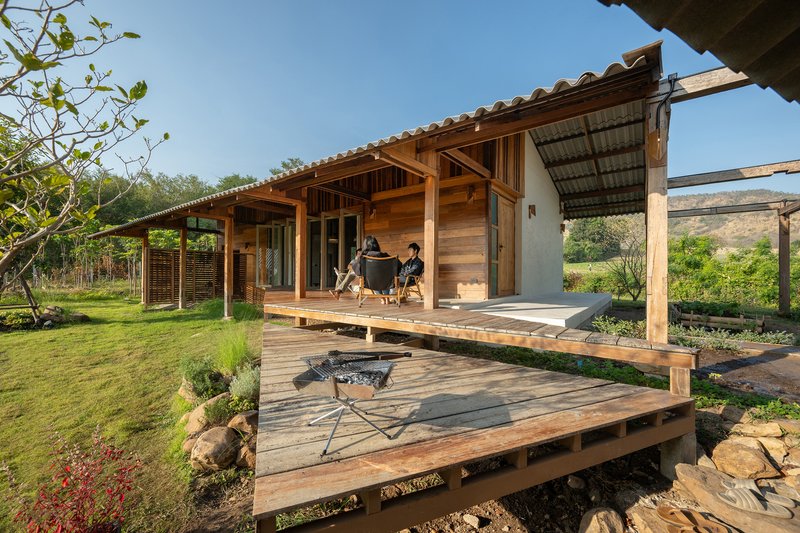
Stone Foundations and Structural Integrity
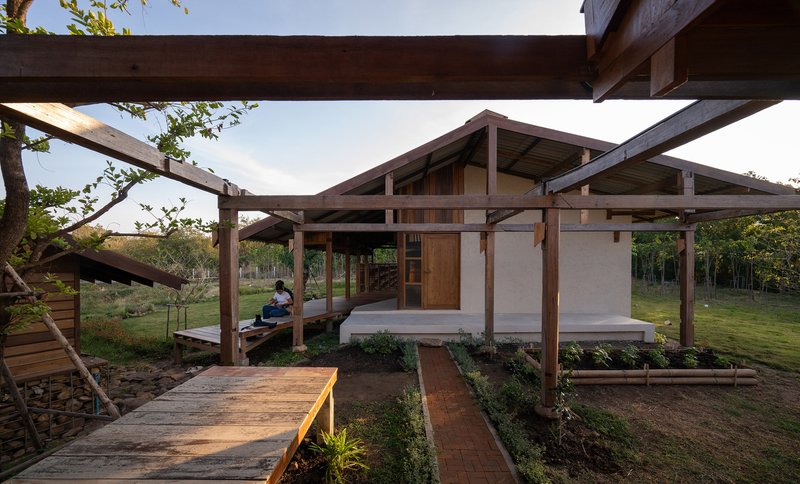
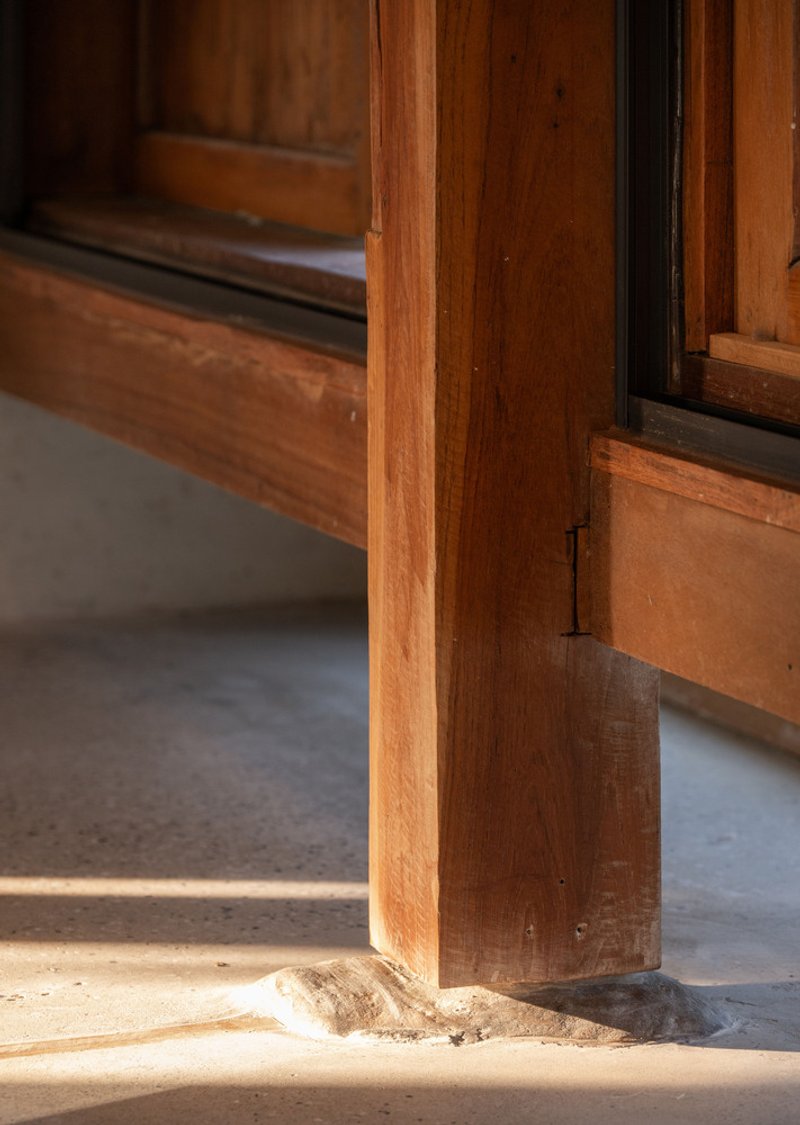
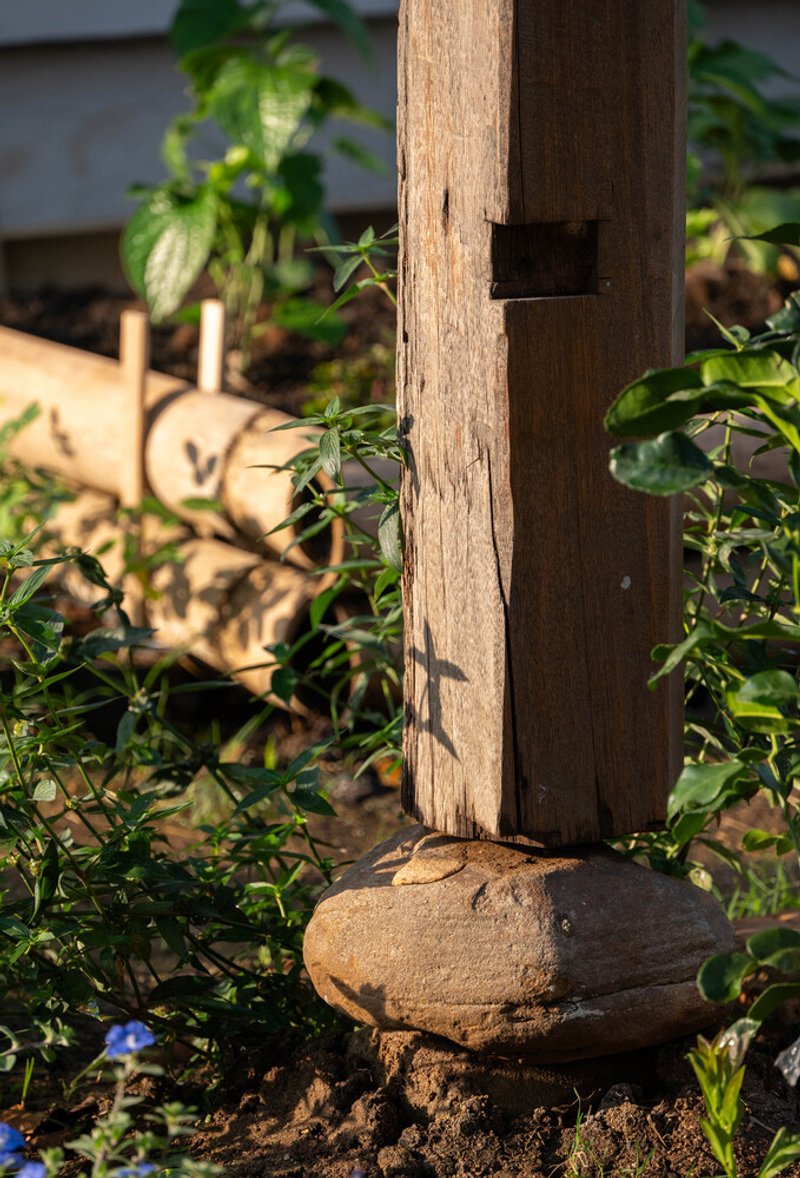
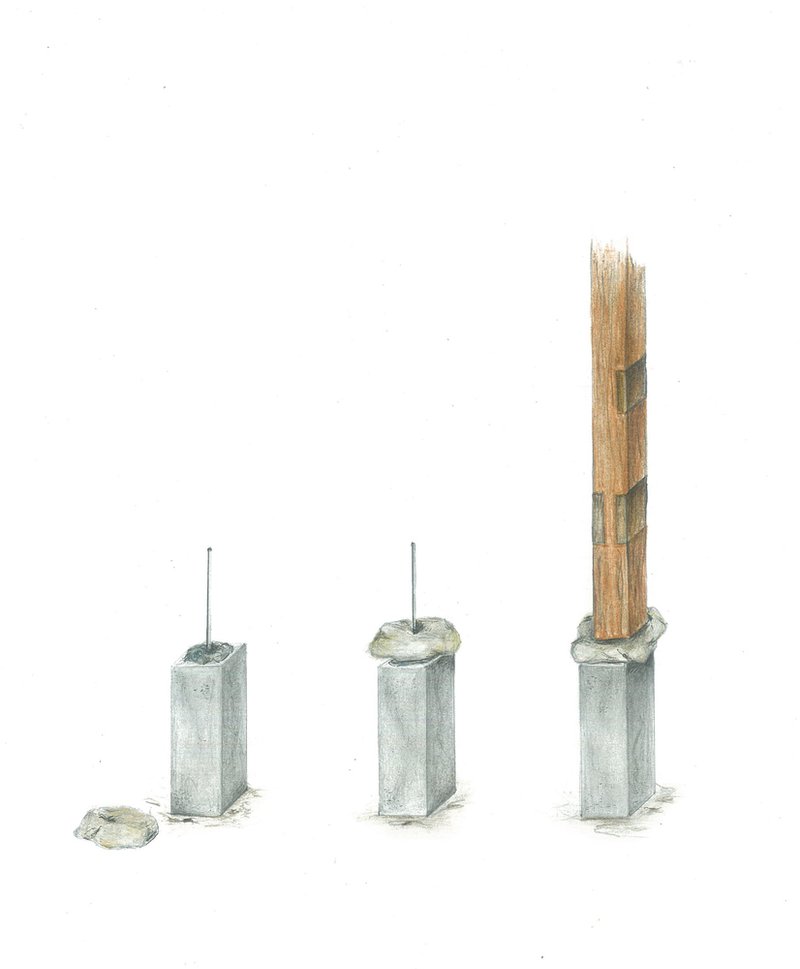
One of the defining features of the residence is its use of natural stone as a foundation for the wooden support columns. Stones extracted from the site were carefully repositioned to maintain their original integrity, echoing traditional Thai construction methods. However, given the increasing unpredictability of climate conditions, reinforced concrete elements were strategically incorporated. Steel L-Bolts anchored into the concrete foundation secure the wooden columns to the stone bases, ensuring long-term structural stability while honoring vernacular techniques.
Passive Cooling Strategies for Tropical Living
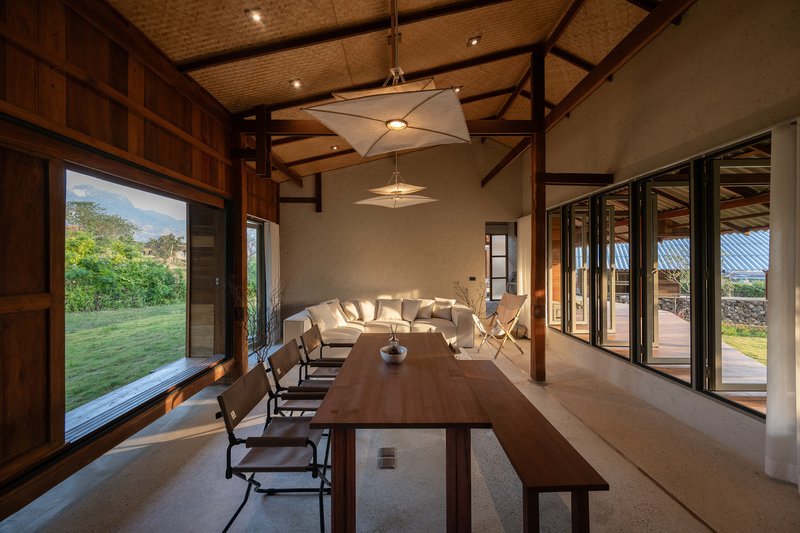
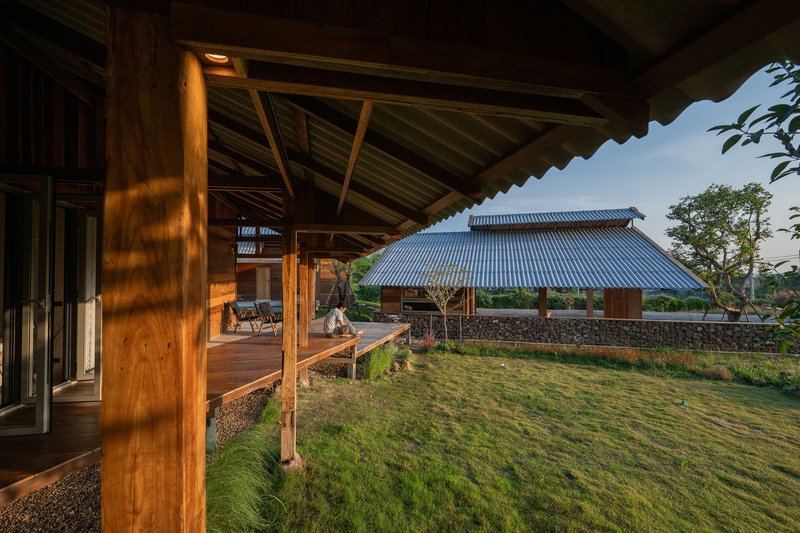
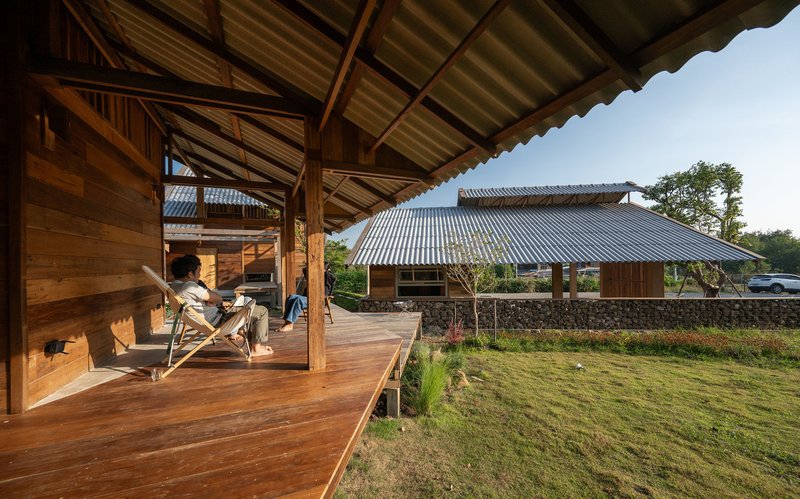
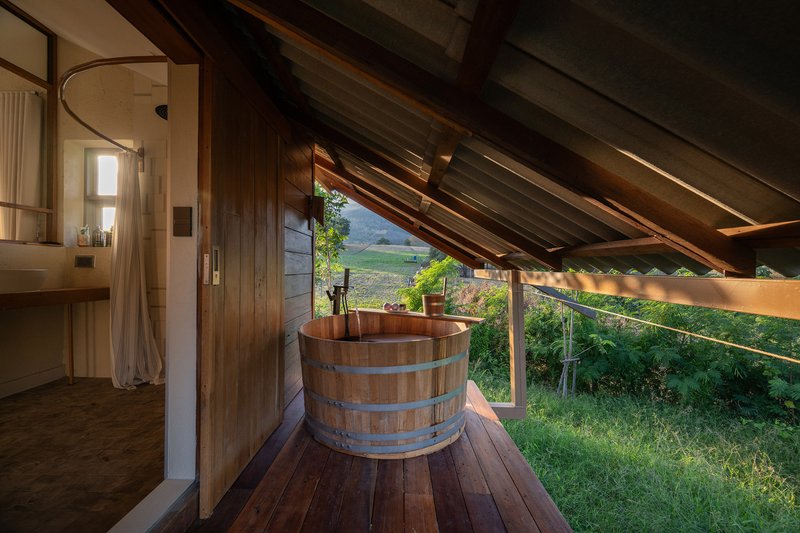
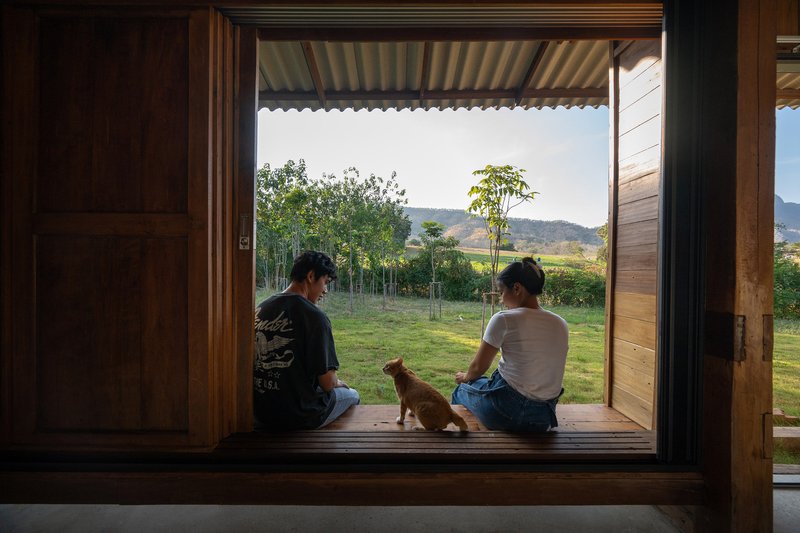
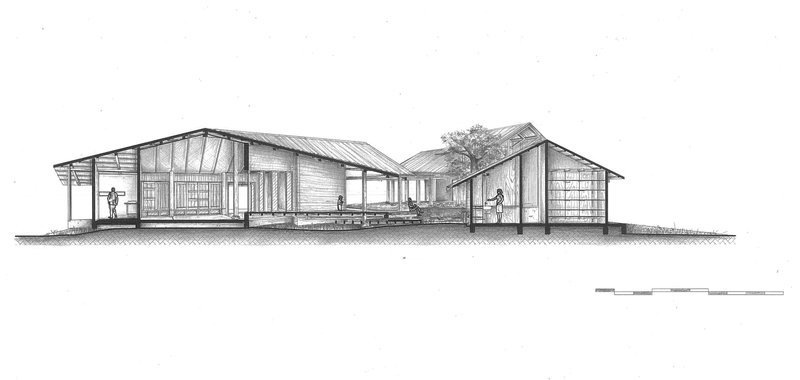
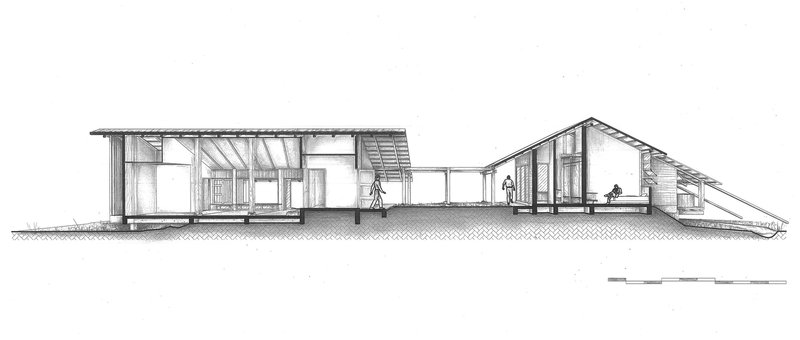
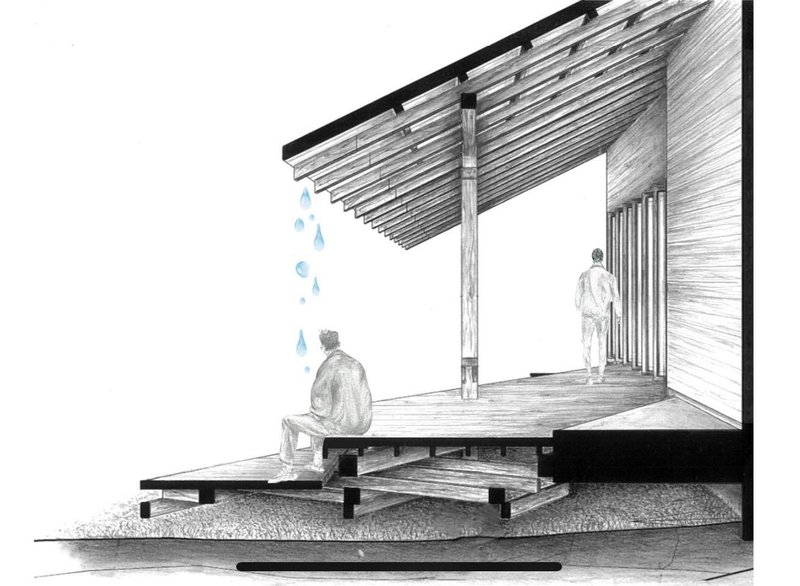
Designed with Thailand’s tropical climate in mind, the house prioritizes passive cooling techniques to enhance thermal comfort. Extended eaves and carefully positioned openings allow for optimal air circulation, utilizing the natural downslope wind as a cooling agent. Modern insulation materials are selectively applied beneath the roof to minimize heat absorption, demonstrating a balance between traditional ventilation strategies and contemporary thermal efficiency solutions.
Craftsmanship and the Beauty of Imperfection
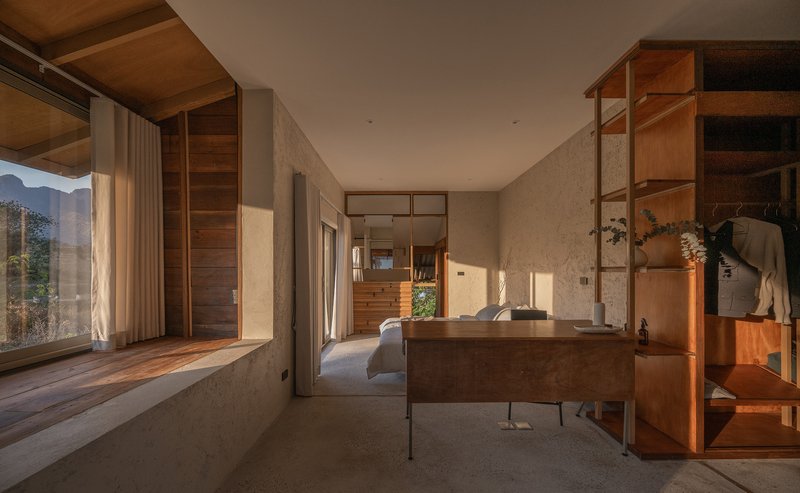
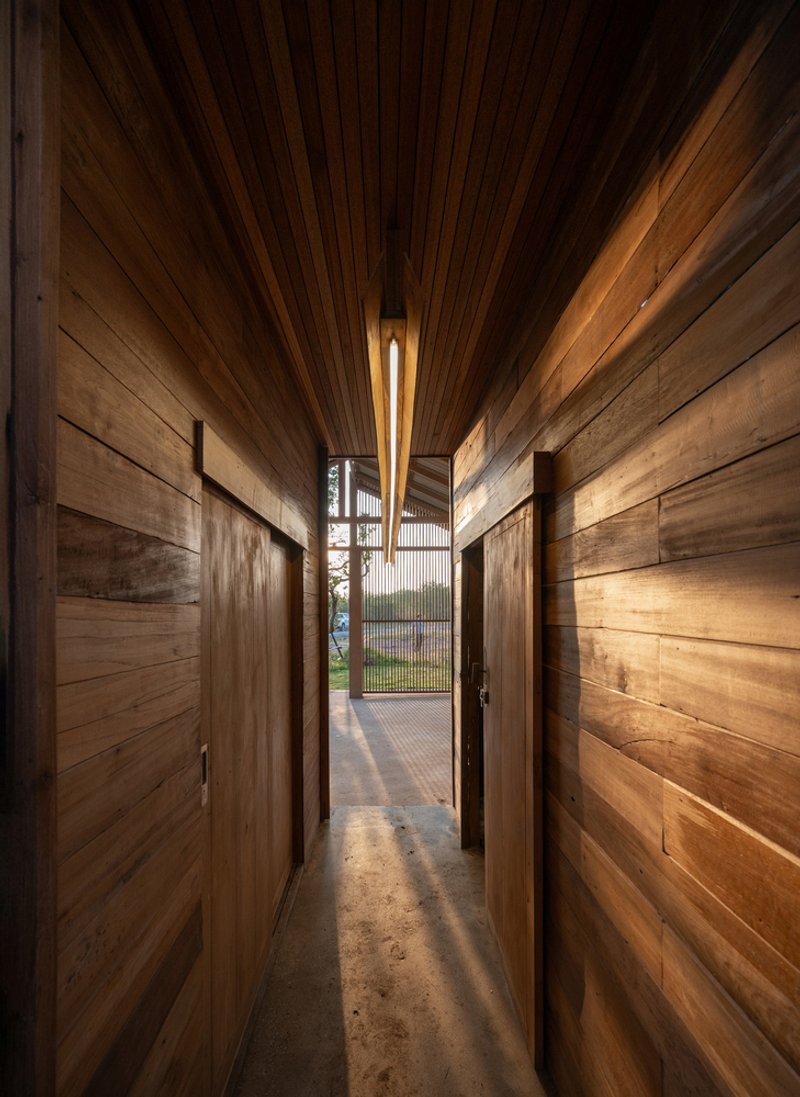
The residence celebrates the tactile nature of human craftsmanship, rejecting industrialized notions of perfection. Reclaimed wooden surfaces retain their original textures and imperfections, telling the story of their past use. The natural irregularities of stone foundations add character to the structure, reinforcing the concept that architecture should evolve with the materials it embraces. Nearly all furniture and lighting elements were custom-designed and prototyped in the studio, further personalizing the home’s aesthetic identity.
An Ecological Landscape for Sustainable Living
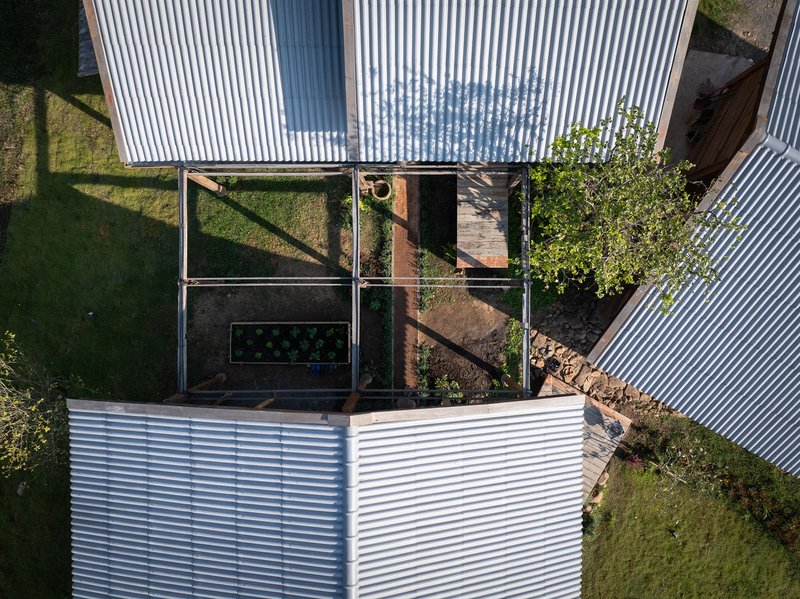
The external environment is designed with biodiversity in mind, embracing an organic approach to landscaping. Instead of a conventional manicured lawn, a diverse mix of plant species is encouraged to thrive, fostering a self-sustaining ecosystem. A carefully excavated serpentine water canal, or "Sai Kai," facilitates natural water flow and bioremediation, reinforcing the home’s ecological commitment. This living landscape offers an immersive learning experience, redefining the relationship between architecture and nature.
The Future of Vernacular Sustainable House Design
Baan Sao Yong Hin exemplifies the future of vernacular sustainable house design, proving that traditional construction methods can coexist with modern engineering principles. By prioritizing local materials, passive design strategies, and ecological integration, Housescape Design Lab has crafted a residence that is both deeply rooted in cultural heritage and forward-thinking in its approach to sustainability.
All Photographs are works of Rungkit Charoenwat



Popular Articles
Popular articles from the community

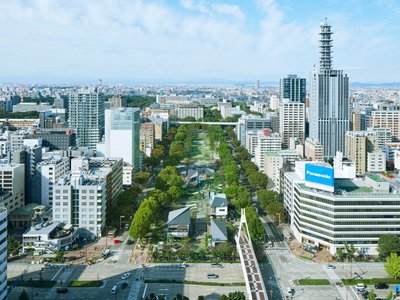
On the Brooks House by Monsoon Collective – A Contemporary Kerala Home Rooted in Tradition
Kerala home blending tradition and modernity with water-inspired design, brick architecture, courtyard planning, and sustainable rainwater harvesting strategies.
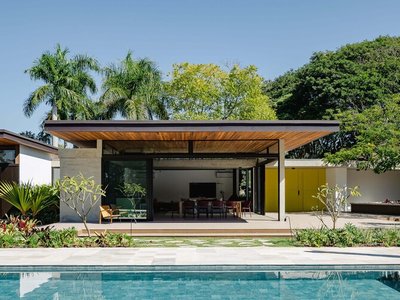
Flamboyant House by Juliana Camargo + Prumo Projetos
Modern Brazilian house integrating existing tree, pool, and volumes with glass, wood, and transitional spaces blending interior, exterior, and landscape seamlessly.
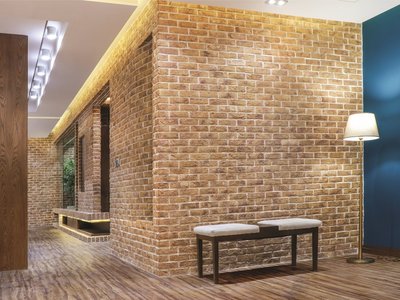
A Contemporary Take on Iranian Residential Architecture
A modern interior design in Mashhad that reinterprets brick, light, and spatial flow to create a warm, contemporary residential architecture.
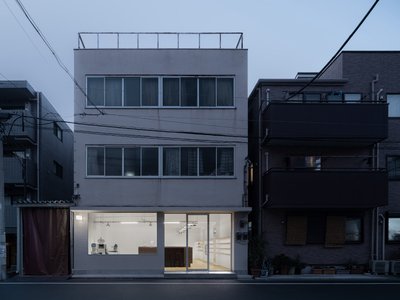
Atelier Macri Concept Store Interior Design by CASE-REAL
Atelier Macri store features a "ko" counter, walnut wood details, cork displays, blending retail, gallery, and seamless customer experiences.

Similar Reads
You might also enjoy these articles


The Ken Roberts Memorial Delineation Competition (Krob)
As the most senior architectural drawing competition currently in operation anywhere in the world, it draws hundreds of entries each year, awarding the very best submissions in a series of medium-based categories.

Waterfront Redevelopment and Urban Revitalization in Mumbai: Forging a New Dawn for Darukhana
A transformative waterfront redevelopment project reimagining Darukhana’s shipbreaking heritage into an inclusive urban future.
OUT-OF-MAP: A Call for Postcards on Feminist Narratives of Public Space
Rhizoma Design and Research Lab invites artists, designers, architects, researchers, and students to reflect on how feminist perspectives can reshape public space. Selected works will be exhibited in Barcelona, October 2026. Submissions open until 15 April 2026.

Documentation Work on Buddhist Wooden Temple
Architectural syncretism and cultural hybridity: A comparative study of the Buddhist temples in Chattogram Hill tracks

Explore Architecture Competitions
Discover active competitions in this discipline




The International Standard for Design Portfolios


The Global Benchmark for Architecture Dissertation Awards


The Global Benchmark for Graduation Excellence


Challenge to reimagine the Iron Throne
Comments (0)
Please login or sign up to add comments
No comments yet. Be the first to comment!