
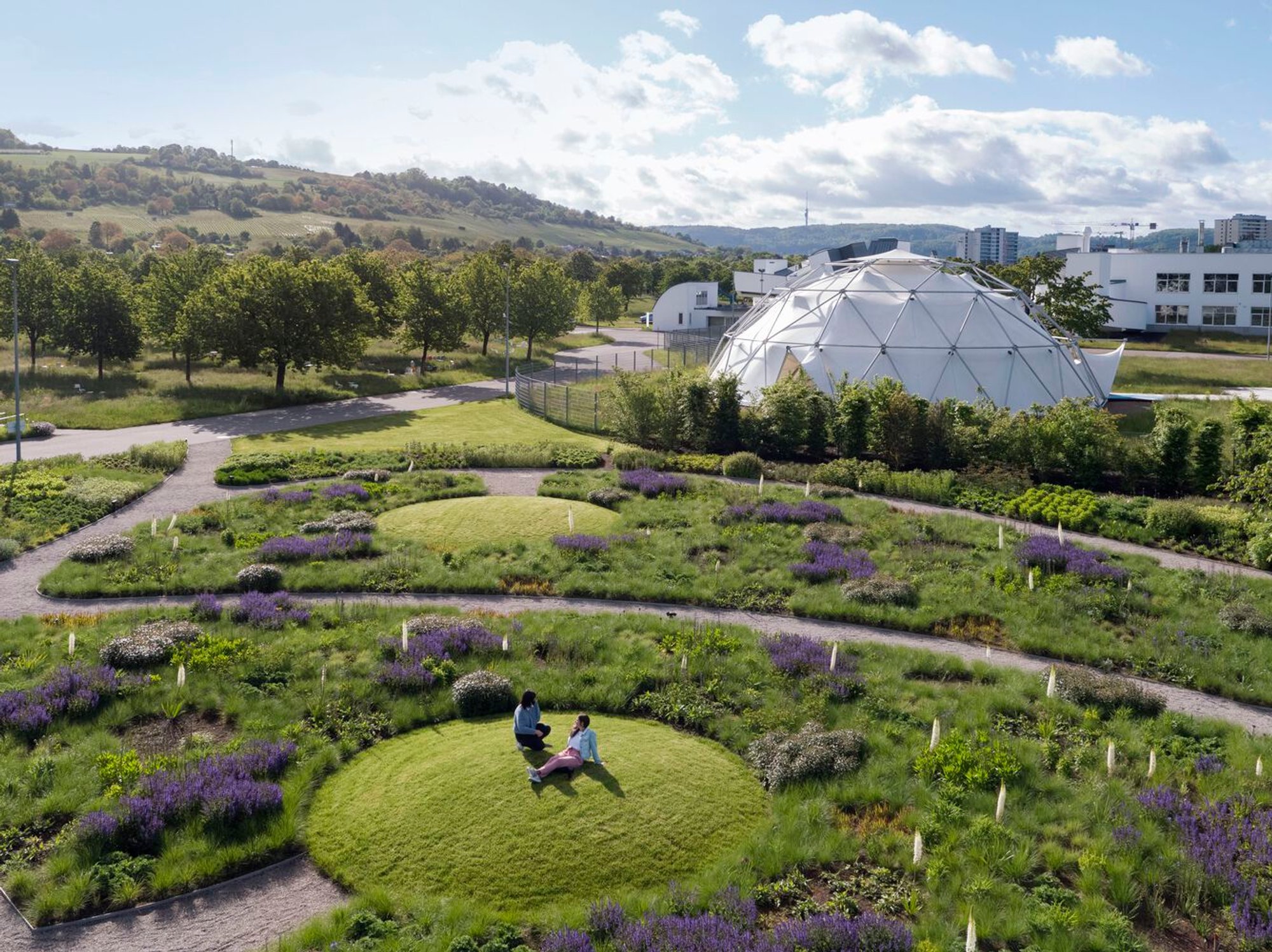
Vitra Oudolf Garden by Piet Oudolf: A Living Tapestry of Wild Elegance
The Vitra Oudolf Garden is a dynamic, seasonal landscape by Piet Oudolf, blending wild beauty with meticulous ecological design.

Introduction to the Vitra Oudolf Garden
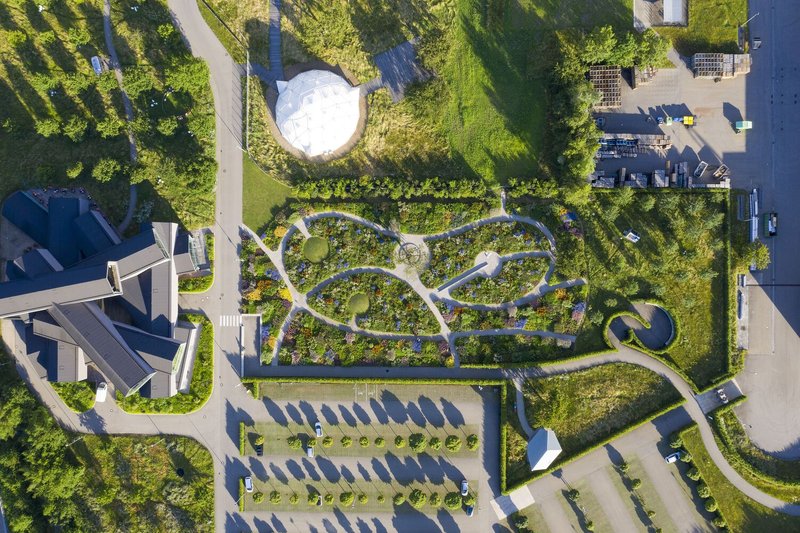
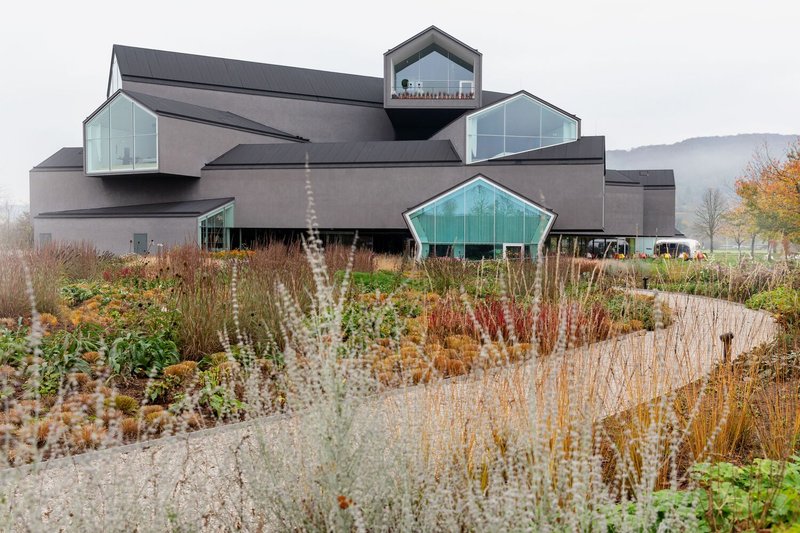
Nestled within the iconic Vitra Campus in Weil am Rhein, Germany, the Vitra Oudolf Garden by internationally acclaimed landscape designer Piet Oudolf is a poetic and evolving landscape that redefines the meaning of garden design. Spanning over 4,000 square meters, this expansive natural composition opened to the public in 2020 and continues to bloom as an immersive experience where architecture, nature, and art converge.
Photographed by Julien Lanoo, the garden captures the transformative vision of Oudolf, known globally for redefining traditional landscaping through his pioneering use of perennial plants, wild grasses, and naturalistic planting techniques.
A Vision Rooted in Nature and Change
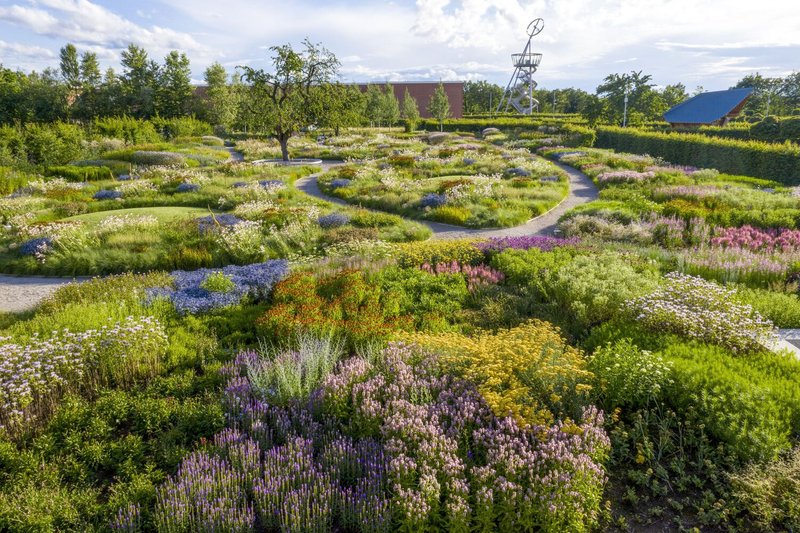
Piet Oudolf, often celebrated for his work on urban landscapes like New York’s High Line and gardens at the Venice Biennale and Serpentine Galleries, resists being labeled as a movement leader. “I leave it to others to say what I am,” he states humbly. Yet, there’s no denying his revolutionary impact on modern garden design. His philosophy eschews decorative, high-maintenance landscaping in favor of sustainable, regenerative plant communities that celebrate both life and decay.
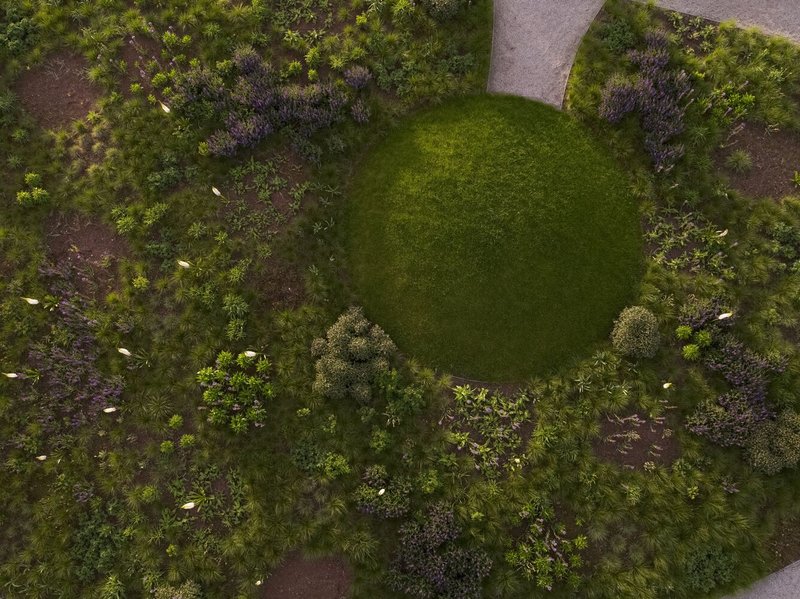
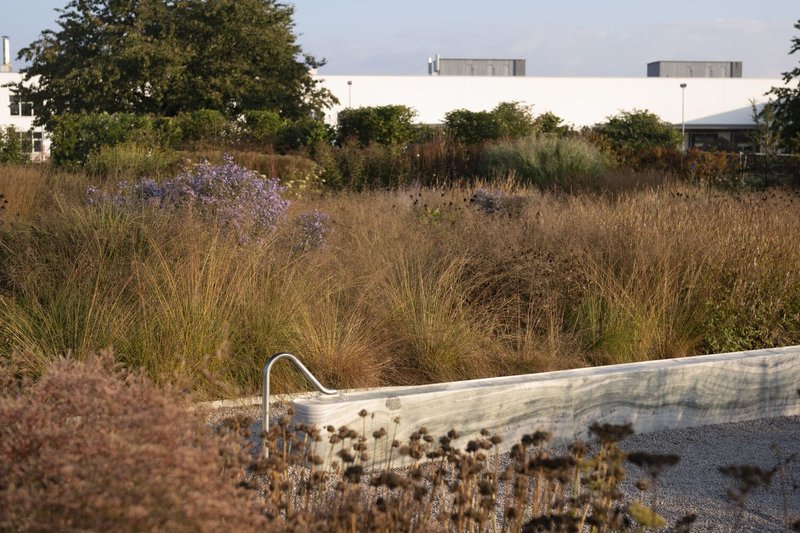
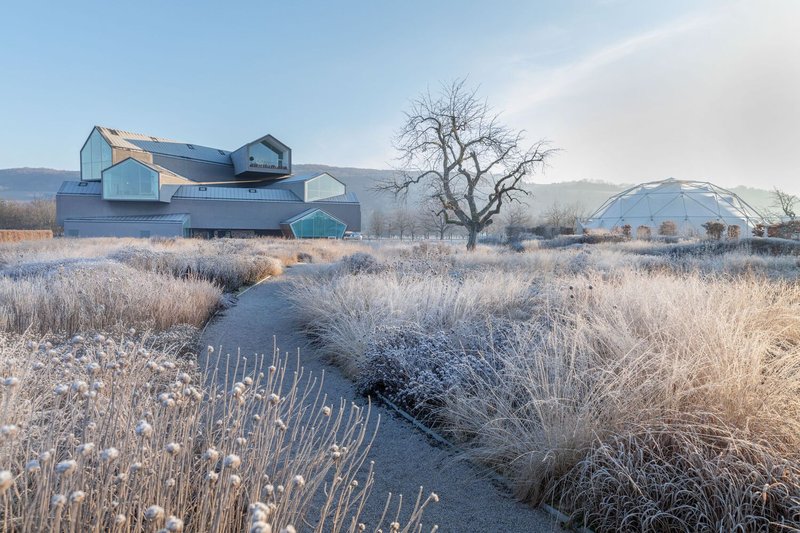
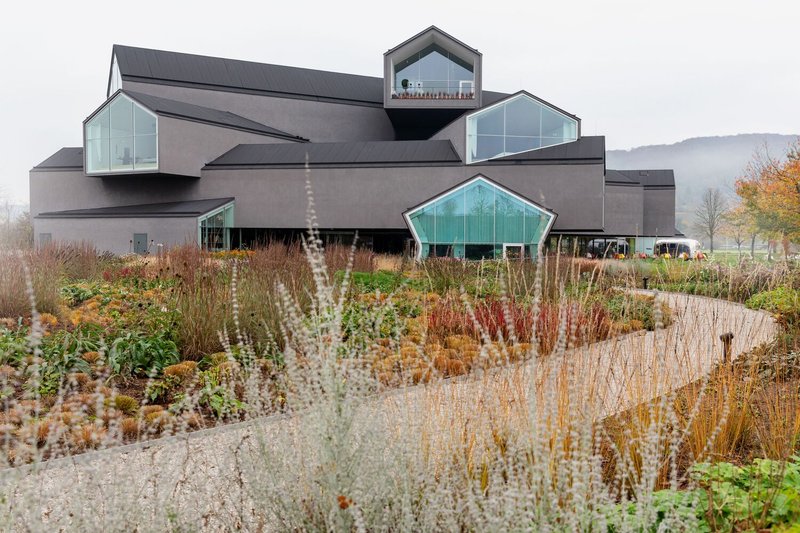
The Vitra Oudolf Garden showcases this philosophy with a meticulously composed “wildness” that evolves through the seasons. The design emphasizes texture, movement, and seasonal transformation, making each visit a distinct and emotional experience.
The Design Process: An Art of Living Ecology
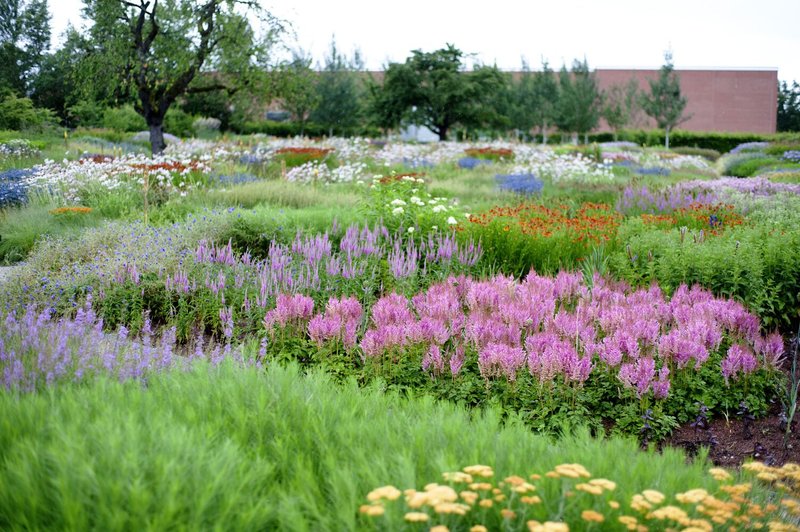
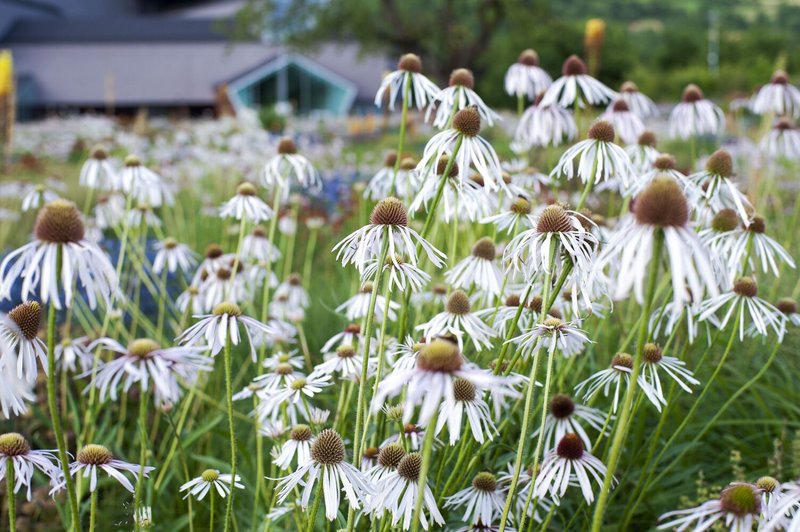
Oudolf’s work is as much about emotion as it is about ecology. His process involves intensive research, precise planning, and an artistic sensibility. The garden features over 30,000 individual plants, including varieties like Persicaria amplexicaulis ‘Alba’, Echinacea pallida ‘Hula Dancer’, and Molinia caerulea ‘Moorhexe’. These species were selected not for ornamental purposes but for their structural character, flowering cycles, and contribution to the biodiversity of the site.
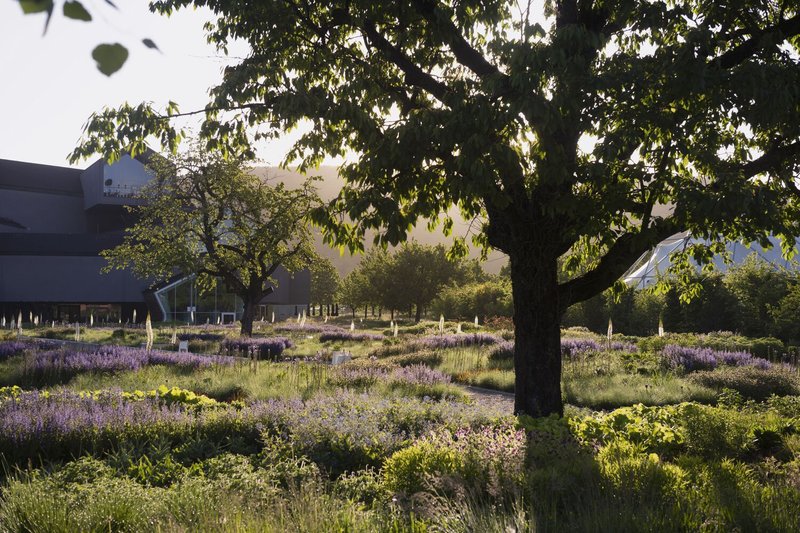
Oudolf’s planting plan is visually akin to a painter’s canvas or a choreographer’s score—each species performing a role in the ecological “play” across time. This dynamic landscape requires a careful balance of contrasts, from strong stems and fine textures to bold colors and subtle hues, all arranged in compositions that appear wild but are precisely controlled.
Integrating Landscape with the Vitra Campus
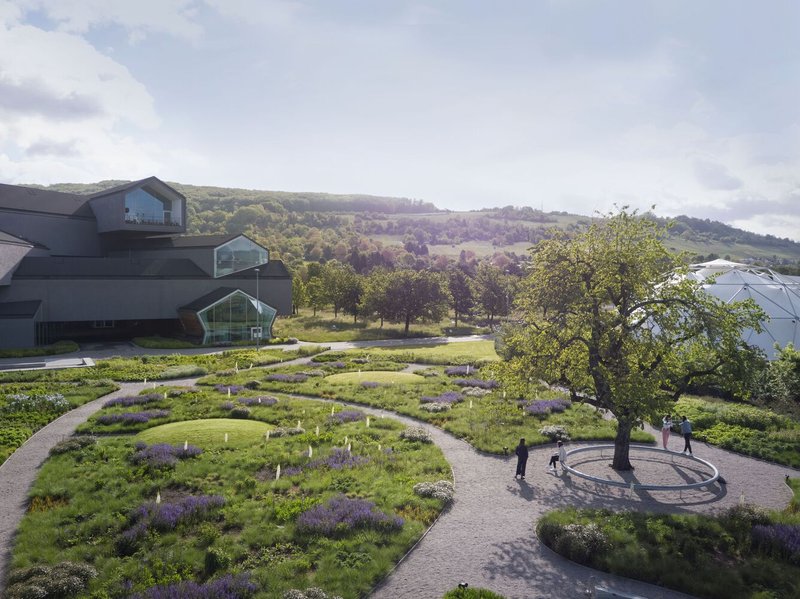
Historically, the Vitra Campus emphasized architecture more than landscape. However, with the development of connecting pathways like the Siza Promenade by Álvaro Siza and landscape works by Günther Vogt, attention turned toward outdoor spaces. Piet Oudolf’s garden introduces a vital new layer—a living environment that adds emotional depth and natural complexity to the architectural ensemble.
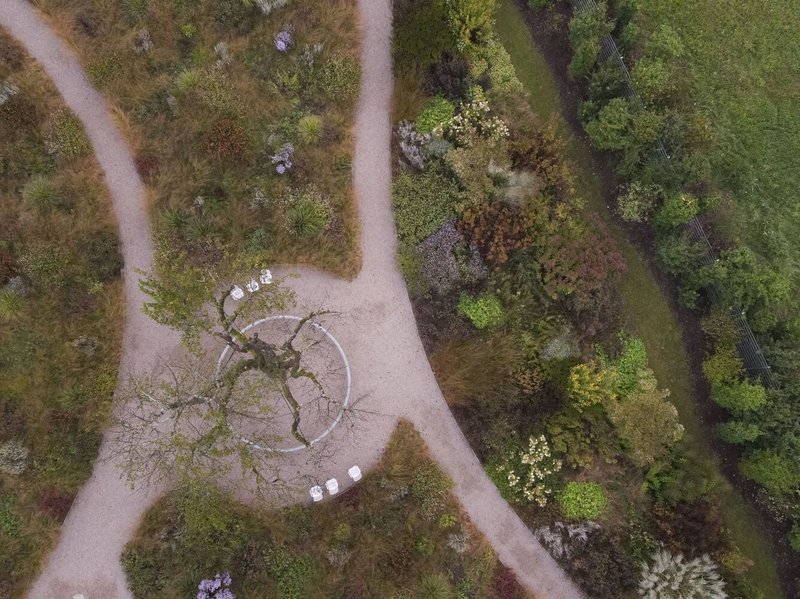
“The garden adds a fresh dimension to the Campus,” says Rolf Fehlbaum, Chairman Emeritus of Vitra. “It opens up a new, ever-changing experience for visitors.” Unlike rigid geometrical designs, Oudolf’s paths meander, guiding visitors through immersive plantings that encourage reflection, disorientation, and delight. As Oudolf puts it, “I want people to lose themselves in the garden instead of just passing through.”
A Botanical Theater of Life and Decay
Oudolf treats each plant as a performer with personality—a belief born from his deep connection to the natural world. His background as a bartender and fishmonger may be unconventional, but it shaped a unique perspective: gardens as ever-changing theater productions. “To me, plants are personalities… but in the end, an interesting play needs to emerge from it.”
This emotional and narrative-driven approach results in gardens that don’t merely beautify space but tell stories—stories of growth, decline, rebirth, and coexistence. The Vitra Oudolf Garden is not static art—it is a dynamic, breathing organism. As Oudolf states, “It’s not making a painting and putting it on the wall. It’s making a painting and letting it grow and decay.”
A Lasting Impact on Landscape Architecture
The Vitra Oudolf Garden exemplifies the future of ecological landscape design—one that blends aesthetics, sustainability, and sensory richness. As climate challenges and urban density increase, Oudolf’s work offers an inspiring alternative: gardens that are beautiful, resilient, and deeply human.




Popular Articles
Popular articles from the community

Louis Malle Cinema: A Limestone Cultural Landmark Revitalizing Community Life in Prayssac
Limestone cinema extension with public forecourt, blending heritage and modern design to create flexible cultural spaces and strengthen community interaction.
Atelier Macri Concept Store Interior Design by CASE-REAL
Atelier Macri store features a "ko" counter, walnut wood details, cork displays, blending retail, gallery, and seamless customer experiences.
On the Brooks House by Monsoon Collective – A Contemporary Kerala Home Rooted in Tradition
Kerala home blending tradition and modernity with water-inspired design, brick architecture, courtyard planning, and sustainable rainwater harvesting strategies.
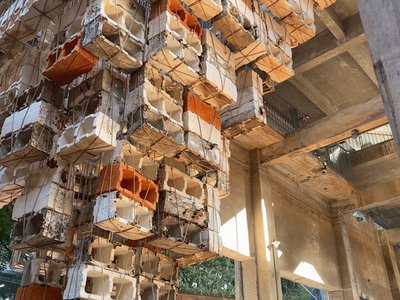
Inverted Architecture Installation by Studio Link-Arc: Exploring the Intersection of Architecture and Living Organisms
Inverted Architecture Installation by Studio Link-Arc blends mycelium, sustainability, inverted design, ecological cycles, and urban adaptive architecture in Shenzhen.

Similar Reads
You might also enjoy these articles


The Ken Roberts Memorial Delineation Competition (Krob)
As the most senior architectural drawing competition currently in operation anywhere in the world, it draws hundreds of entries each year, awarding the very best submissions in a series of medium-based categories.

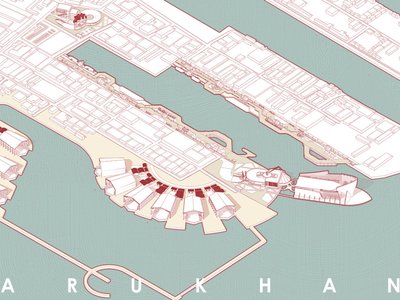
Waterfront Redevelopment and Urban Revitalization in Mumbai: Forging a New Dawn for Darukhana
A transformative waterfront redevelopment project reimagining Darukhana’s shipbreaking heritage into an inclusive urban future.

OUT-OF-MAP: A Call for Postcards on Feminist Narratives of Public Space
Rhizoma Design and Research Lab invites artists, designers, architects, researchers, and students to reflect on how feminist perspectives can reshape public space. Selected works will be exhibited in Barcelona, October 2026. Submissions open until 15 April 2026.

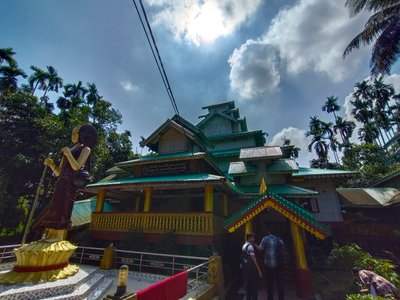
Documentation Work on Buddhist Wooden Temple
Architectural syncretism and cultural hybridity: A comparative study of the Buddhist temples in Chattogram Hill tracks


Explore Architecture Competitions
Discover active competitions in this discipline




The International Standard for Design Portfolios


The Global Benchmark for Architecture Dissertation Awards


The Global Benchmark for Graduation Excellence


Challenge to reimagine the Iron Throne
Comments (0)
Please login or sign up to add comments
No comments yet. Be the first to comment!